Trastevere, Italy: escape the crowds in Rome with a real neighbourhood feel
A local-guide perspective on wandering Trastevere’s lanes and finding quieter corners
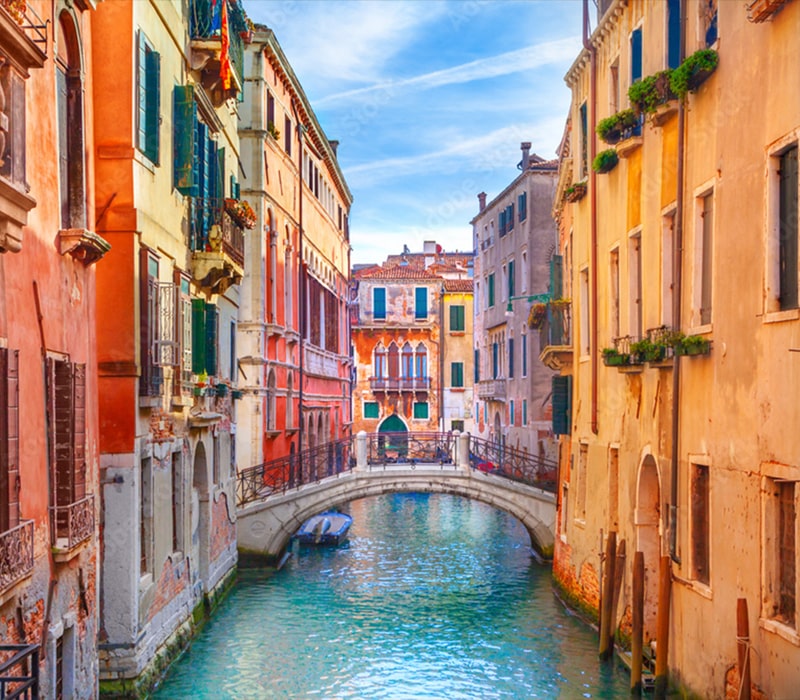
Trastevere, Italy, isn’t just a pin on the map—it’s the feeling of stepping onto the other side of Rome and instantly exhaling. On the bank of the Tiber River, Trastevere opens like a sensory map: one vicolo lane narrowing into soft shadow, laundry lines like bunting between shutters, and the cobblestone streets that nudge you to slow down and look up. It’s picturesque in a lived-in way, not staged, which is exactly why this part of Rome keeps pulling travellers back.
Adventure seekers love the neighbourhood because it rewards curiosity without asking you to “perform” the city. You can discover a hidden courtyard on foot, create a route that changes with your mood, and still feel supported because central Rome is never far away. In this Trastevere neighbourhood, detours are the point—and returning to your base is refreshingly simple.
Best times of the day in Trastevere, Rome: calm mornings to lively nights
Set gentle expectations around times of the day, and you’ll enjoy Trastevere with far more confidence. Mornings are quiet enough for a relaxed stroll and a coffee that isn’t rushed. Golden hour warms the façades and turns even a short pause in a piazza into something cinematic. Nights, especially near Trilussa, lean lively—restaurant and bar energy spilling into the lanes, with laughter echoing off stone.
I’ve been to Rome more times than I can count, yet Trastevere still surprises me. Once, I took a “shortcut” that didn’t exist, looped twice without realising, and ended up in front of a tiny gelateria. That accidental gelato became a personal ritual—proof that getting a little lost here can feel like being found, as long as you let the neighbourhood set the pace.
Night safety in Trastevere: narrow lanes, smart habits, quiet hours
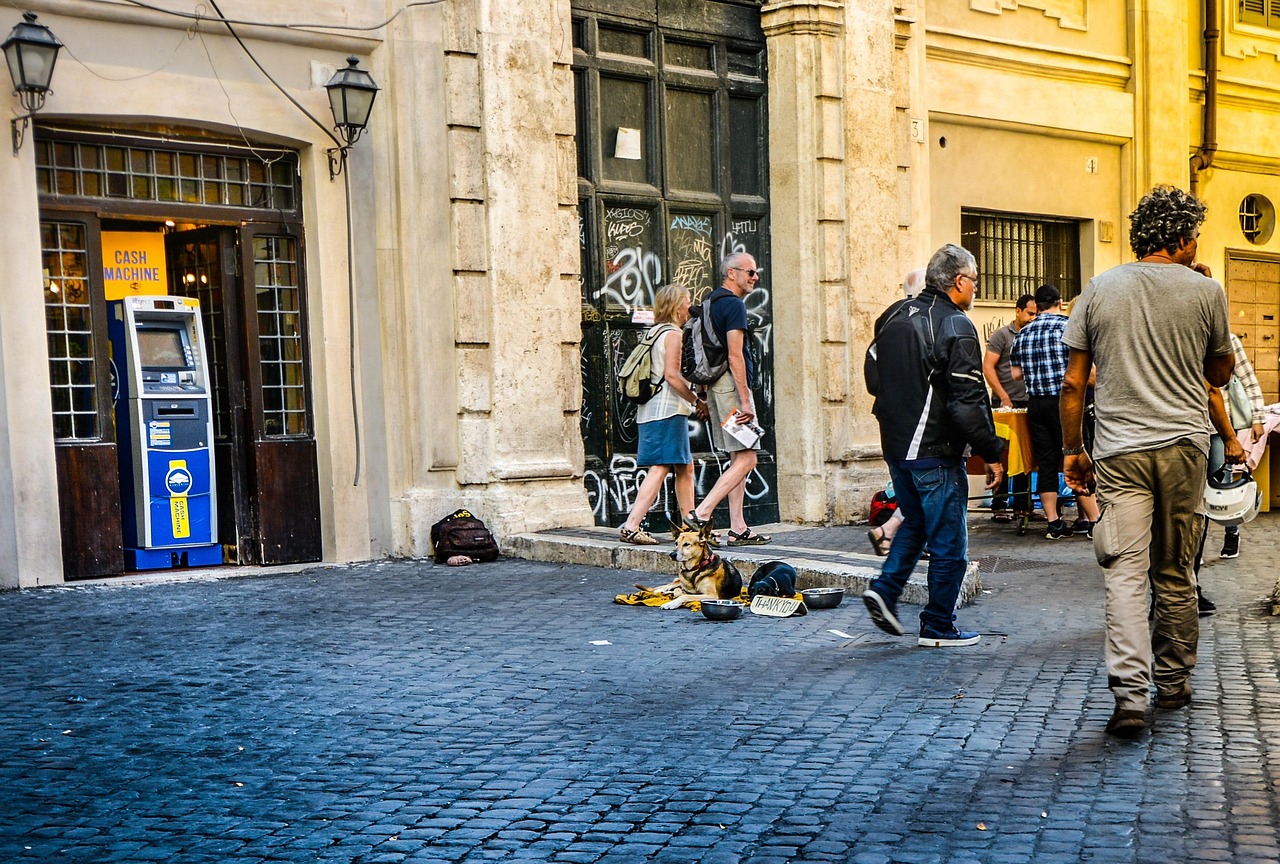
Street-level safety is generally good in Trastevere, with the usual Rome precautions applying. Keep an eye on your belongings when the lanes narrow, and be cautious around street vendors, particularly in busier areas after dark. This is also a residential neighbourhood of Trastevere, so respect quiet hours after 11 PM—your care will be felt, and it’s part of how you build trust with locals.
- Escape the crowds by starting early: the same alleys feel entirely different before midday.
- Choose one main piazza, then step away from it—two turns is often enough to escape from the crowds.
- If a street feels too busy, pause, breathe, and reset your route rather than pushing through.




Get to Trastevere from central Rome: tram line 8, quick landmarks, easy orientation

How to arrive smoothly and start exploring within minutes
To get to Trastevere with minimal friction, the simplest plan is the tram (line 8), which creates a seamless shift from the ancient city sights into a neighbourhood with a different rhythm. Take line 8 from Largo di Torre Argentina and you’ll quickly feel the atmosphere change: fewer grand set pieces, more everyday Rome, and a steady pulse of local life.
If you’re coming from classics like Piazza Venezia or the Trevi Fountain, this route feels like a crafted contrast rather than a chore. The ride isn’t just transport; it’s a mental reset—an easy way to design your afternoon around discovery instead of logistics.
Main avenues and back lanes: Viale di Trastevere, Via della Lungaretta, and Vicolo del Cinque
Think of Viale di Trastevere as your main artery. From there, branch into via della Lungaretta, then let yourself slip into smaller lanes like Vicolo del Cinque. Even when the streets feel maze-like, you’re never truly far from a familiar spine, and that’s what keeps the experience adventurous rather than stressful.
For an on-foot approach, cross Ponte Sisto around sunset and follow the flow towards the heart of the Trastevere. It’s one of the most satisfying “choose your own route” moments in Rome—especially if you enjoy arriving on foot, reading the light, and letting the city guide you.
Piazza di Santa Maria: fountain meeting point and navigation reset
When you need a quick anchor, use Piazza di Santa Maria as your meeting point—especially if you’re meeting friends near Piazza di: the basilica. The fountain in the centre is your visual reset; when alleys begin to blur, return here, take a breath, and begin again with fresh eyes. This tiny habit builds confidence fast, particularly if you’re travelling solo and want to feel grounded.
A small etiquette tip that pays back generously: learn basic Italian greetings. A sincere “buongiorno” or “buonasera” builds trust quickly, and it often unlocks a warmer local response—especially in independent shops where the human touch still matters.
Things to do in Trastevere: artisan streets, markets, and golden-hour piazzas
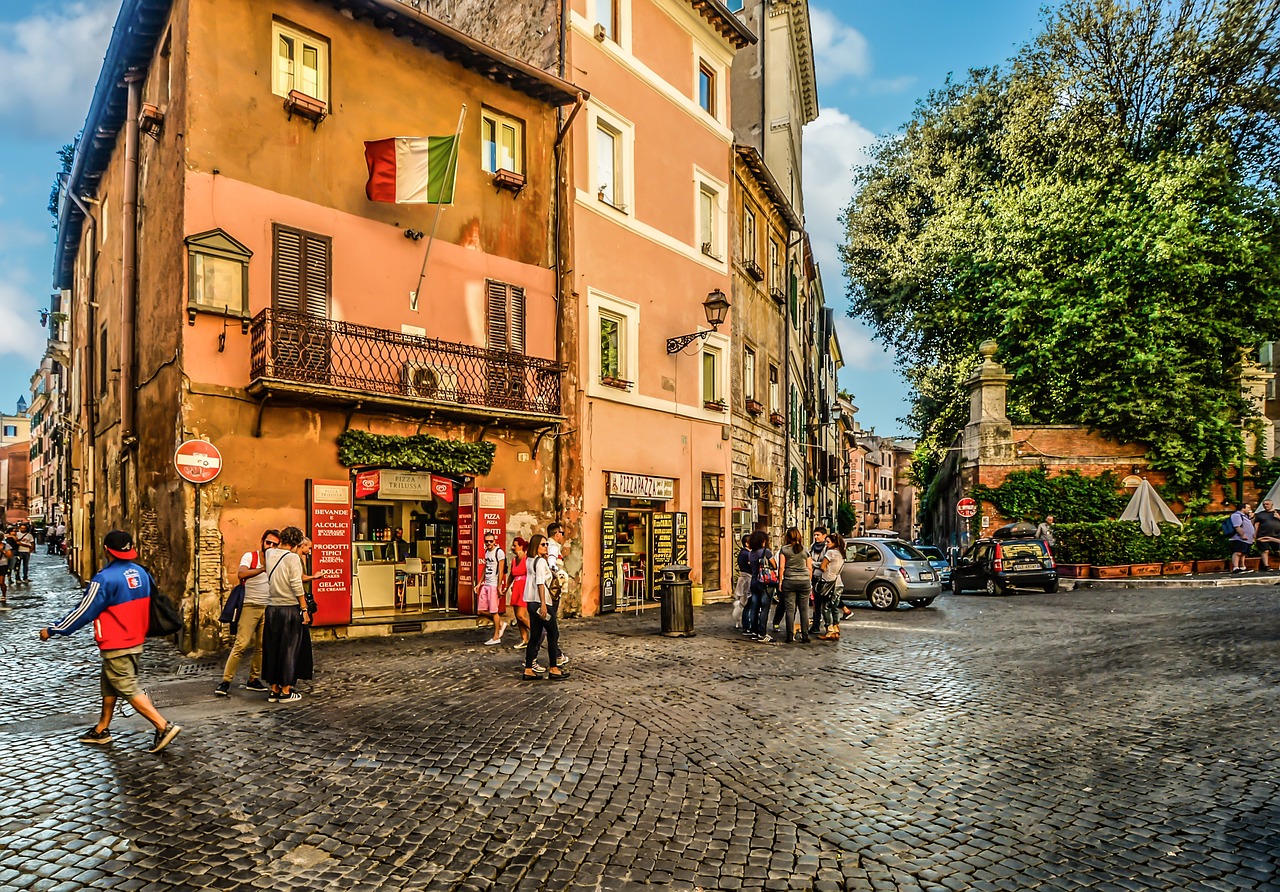
A simple daytime loop for culture, character, and slow wandering
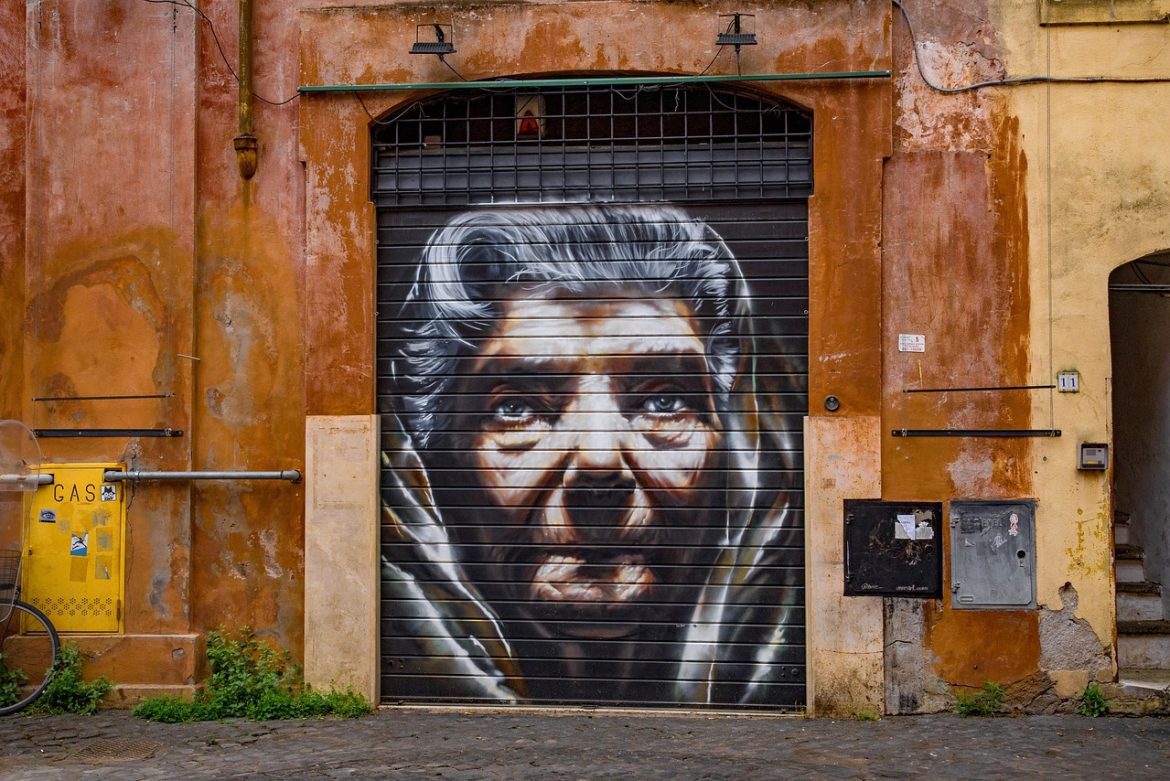
If you’re searching for things to do in Trastevere, begin with a loop that feels curated but unforced. Trastevere is at its best when you treat it like a studio rather than a checklist: artisan workshops, small boutiques, and side streets where you can uncover murals and local street art without rushing past the detail.
Wander with a cultural enthusiast’s eye and an adventurer’s feet. Notice door knockers, hand-painted signs, and the way light tilts into courtyards. This is a place in Trastevere where atmosphere is the attraction, and slower steps often reveal more.
See in Trastevere: artisan lanes, street art, and the streets of Trastevere
Here’s a simple daytime loop you can design in under a minute. Start near the main lanes, then step off them with intention—Trastevere changes quickly when you choose a quieter turn.
- Dip into artisan shops for ceramics, leather, and small-scale design pieces that feel genuinely Roman.
- Look for street art on side walls and shutters—Trastevere’s creativity is often at street level.
- Leave a little time for markets and snacks; supplì is a small bite that carries a lot of local identity.
If you’re here on a Sunday morning, Porta Portese adds a lively, treasure-hunt energy. It’s not about buying lots; it’s about learning the textures of local life and seeing a different part of Trastevere come alive.
Piazza life at golden hour: sit on the steps, listen, and linger
Trastevere’s piazzas are the city’s living rooms. Choose a spot, sit on the steps, and let music and conversation move around you. It’s reassuring to remember that “doing nothing” can be the most expert way to understand a place—especially in Rome, where the theatre of daily life is part of the art.
One traveller told me about an evening during a summer festival in the main square outside Santa Maria: they arrived alone, stayed for “just one song”, and ended up mingling with locals until late. It wasn’t a grand performance for tourists; it felt like Roman camaraderie and folklore, offered freely to anyone willing to listen. That’s the quiet magic here—Trastevere helps you explore together, even when you begin solo.
Try a crafted curiosity prompt: choose one lane that looks almost too quiet, follow it for 10 minutes, and let the neighbourhood reveal a corner you didn’t plan. Then drift back towards the busiest lanes as the light warms, and if you want to eat in Trastevere, book early on weekends so dinner feels relaxed rather than rushed.
Basilica of Santa Maria in Trastevere: mosaic art, history, and a must-see church in Rome
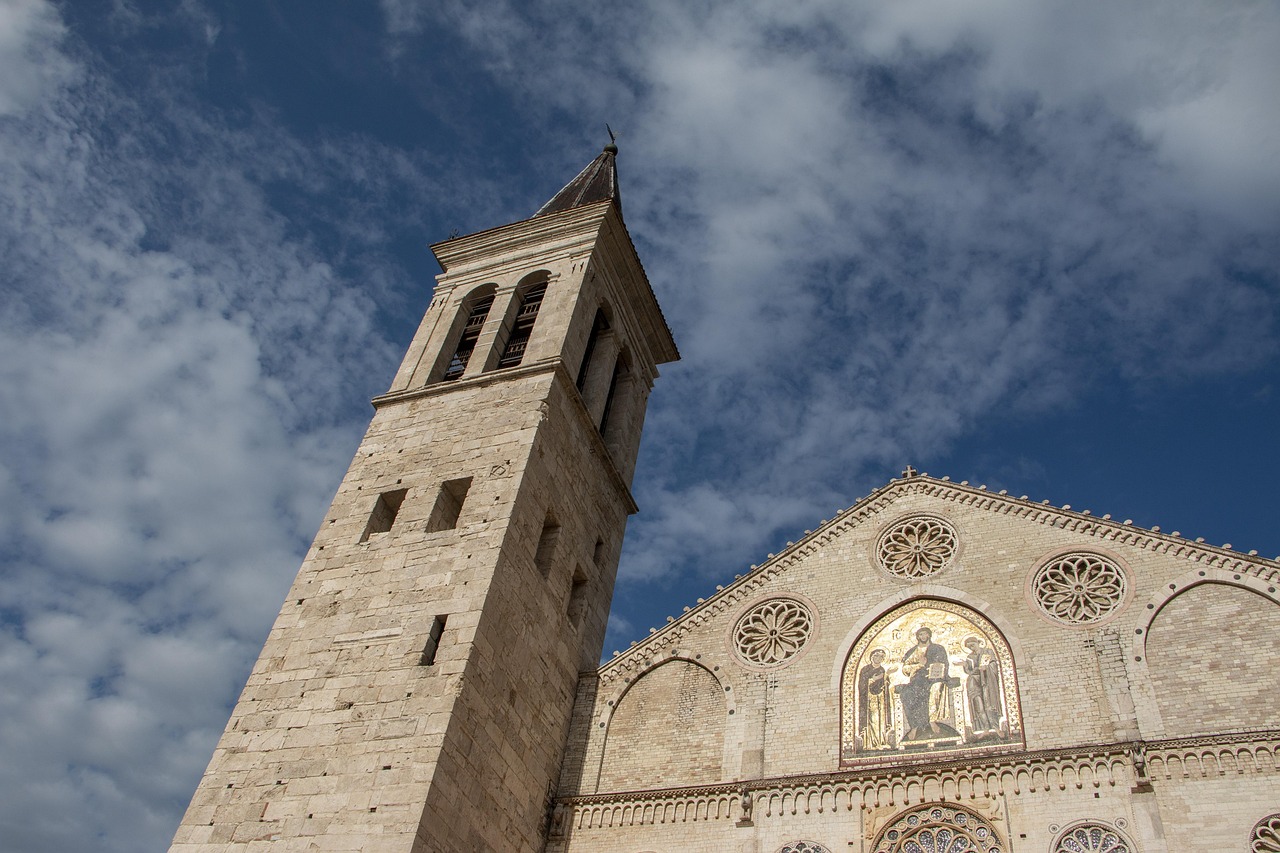
A quiet cultural anchor in the middle of Trastevere’s social buzz
The Basilica of Santa Maria in Trastevere is a cultural experience that delivers deep insight without museum fatigue. Sitting right in the social centre of the neighbourhood, it offers an instant shift in mood: the temperature drops, the sound softens, and you’re held by a different kind of presence. It’s one of the oldest churches in Rome—truly one of the oldest churches still woven into daily life—so visiting can feel like opening a calm door in the middle of the city’s noise.
For travellers who value meaning over volume, this basilica is a perfect anchor: you can explore it in 20 minutes or linger much longer, and either way it feels complete. In the flow of a trip to Rome, it’s a reminder that the most powerful spaces aren’t always the biggest.
What to look for in Santa Maria in Trastevere: apse mosaic and atmosphere
Inside Santa Maria in Trastevere, let your eyes adjust and then look up. The mosaic glow has a way of pulling you out of the present and into layered time, gently, without any lecture. The story reaches back to the earliest centuries of Christian Rome, with roots that feel like stepping back to the 3rd century in spirit and memory.
Notice how people move: a couple lighting a candle, a lone traveller sitting quietly, a local slipping in for a brief pause. This is a church in Rome that still functions as a neighbourhood space, not simply a monument, and it’s one reason it’s counted among the oldest churches in Rome.
Entry, donations, and respectful confidence inside the basilica
Practical guidance, with care: entry to major churches is generally free, and donations are appreciated. If you’d like to contribute, do so quietly and without fuss—there’s no need to overthink it. Dress modestly, keep your voice low, and you’ll feel the space meet you with the same respect.
When you step back out into the square, the contrast is part of the experience. The flow between the sacred interior and the social life outside feels like the heart of Rome in miniature, and it’s a signature Trastevere moment. If you see it written as di Santa Maria in Trastevere, that’s simply the Italian name that locals use for the same landmark.
A simple photo and quiet-moment suggestion: go in late afternoon, then return outside for a reset. The light changes quickly here, and so does your mood—often for the better.
Gianicolo (Janiculum Hill): best views, Fontana dell’Acqua Paola, and Villa Farnesina
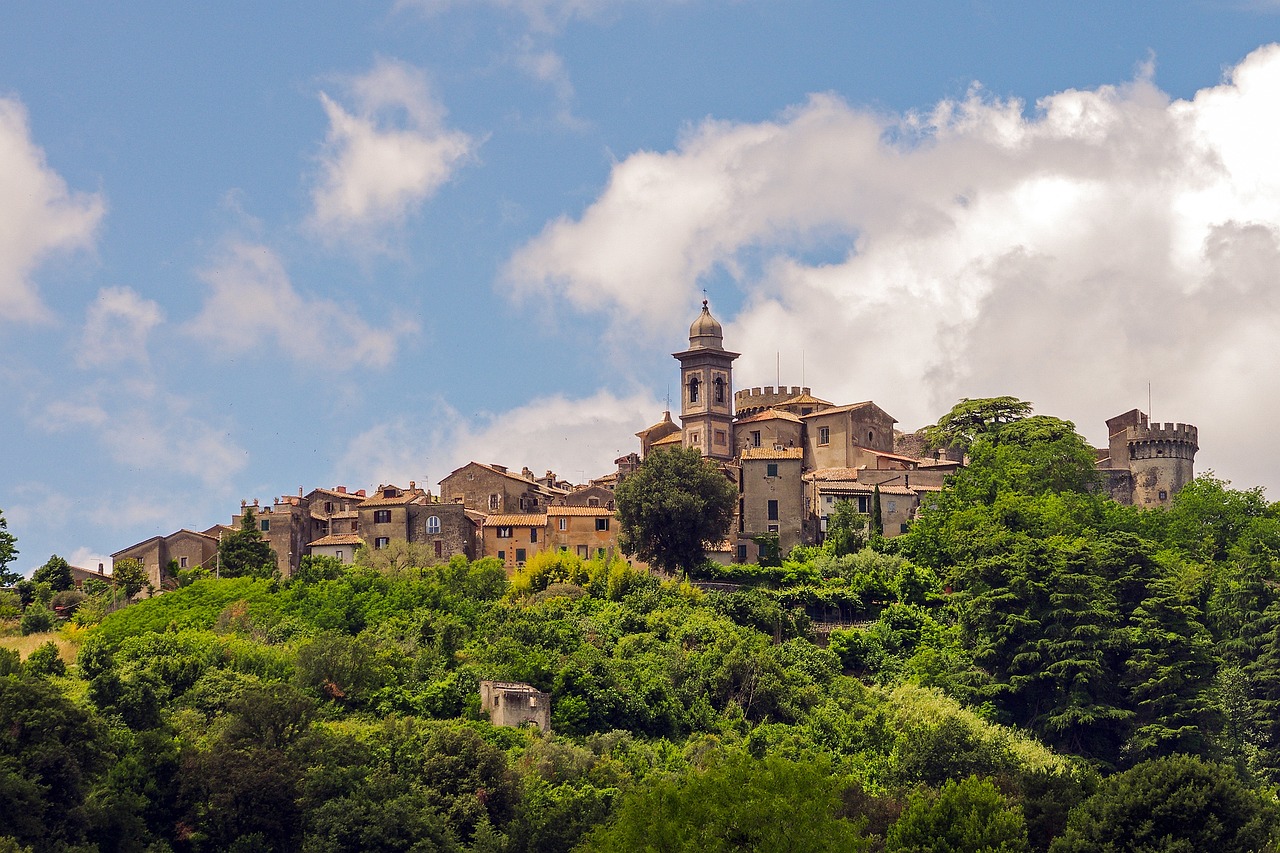
A short climb for perspective, skyline calm, and culture nearby
For a rewarding climb close to Trastevere, plan a short walk to Gianicolo—also known as Janiculum Hill (or Gianicolo in Italian). It’s close enough to feel spontaneous and elevated enough to deliver perspective. You’re not chasing “the perfect photo”; you’re giving your day a graceful rise and a gentle exhale at the top of the hill.
The promise here is simple: some of the best views without overhyping. The view of Rome stretches out in layers—domes, terraces, warm stone—and on a clear day, you may even spot Peter’s Basilica in the distance, plus a glimpse towards the castle across the river.
Fontana dell’Acqua Paola and Garibaldi: a beautiful fountain with skyline context
Use Fontana dell’Acqua Paola as your landmark, a beautiful fountain moment that feels cinematic even when it’s quiet. Nearby, the presence of Garibaldi adds context without demanding a full history lesson; it’s enough to know you’re standing on a hill shaped by the city’s changing identity.
When the light is good, pause for five minutes and decide what kind of evening you want next—another piazza, a long dinner, or a slow walk back down towards the river.
Around Trastevere: Villa Farnesina and where to stay in Trastevere
For adventure seekers, consider Villa Farnesina for a dose of art—an elegant villa experience that pairs beautifully with the rough-and-ready charm of the lanes. Then take a detour along the bank of the Tiber for a quieter reset before you head back into dinner and nightlife.
From the centre of the neighbourhood, the lower hill routes can be reached in a 15-minute walk. Wear shoes with grip; those cobblestone streets can be beautiful but demanding after a long day. If you’re coming from via della Lungara, you’ll feel the gradient begin almost without noticing.
Where you choose to base yourself shapes everything, so here’s a gentle framework if you’re deciding whether to stay in Trastevere or elsewhere in Rome:
- Boutique hotel near public transport: ideal if you want energy, ease, and quick returns after dinner. For example, Nikis Collection Trastevere is often cited for style and location.
- Quiet side-street stay: best if you want mornings that feel local and nights that respect residential calm—think small guesthouses like Casa Mia in Trastevere.
- A grand hotel elsewhere in the centre: perfect for classic luxury, with straightforward access when you want a different side of Rome.
If you’re mapping your week from the city’s main station, plan your journey from Termini (Rome’s modern terminus) with confidence: you can move between this part of Rome, riverside walks, and classic sights without feeling pinned to one area.
For inspiration as you build your route, browse our Trip gallery and imagine how Trastevere might slot into a wider, culturally rich stay.
F.A.Qs: Trastevere Rome
Why is Trastevere famous?
Trastevere is famous for its village-like atmosphere in Rome, with cobbled lanes, lively piazzas, traditional trattorias, and a blend of culture and nightlife. It’s also known for landmarks like Santa Maria in Trastevere and the basilica di Santa Maria, plus artisan shops, street art, and a warm, local feel that rewards wandering.
How far is Trastevere from the centre of Rome?
Trastevere is very close to central Rome. Depending on where you start, it can be a short walk (for example, across Ponte Sisto) or a quick ride on tram line 8 from Largo di Torre Argentina. The neighbourhood is well connected, so you can dip in and out easily.
What not to miss in Trastevere?
Don’t miss the Basilica of Santa Maria in Trastevere and time in the surrounding square, especially towards golden hour. Add a wander through back lanes for artisan finds and street art, then consider a walk up to Gianicolo for sweeping views. For a classic aperitivo scene, try Bar San Calisto on Piazza di San Calisto, or head to Freni e Frizioni—the little “e frizioni” sign has become part of local legend.
Is Trastevere a good area to stay in Rome?
Yes—Trastevere can be a great base if you want character, strong dining, and a neighbourhood feel while staying connected to central Rome. Choose a quieter side street if you value calm at night, or stay nearer transport links for the easiest connections and late-evening flexibility.
What stayed with me after visiting Trastevere: the softer rhythm of Rome
After Trastevere, what remains isn’t a list of sights—it’s a softened way of moving through Rome. You remember the small courage of turning into a lane that looked too quiet, and the relief of finding yourself again by a familiar landmark. You carry home the feeling that the city can be intense, yes, but it can also look after you when you travel with patience and trust.
I think of the way a stranger’s greeting can change the colour of a day, or how a musician’s melody in a piazza can wrap itself around your shoulders like a scarf. A backpacker once described spontaneous conversations with street musicians and artists—nothing planned, nothing purchased, just a warm exchange that made unfamiliar streets feel friendlier. It’s that local warmth that builds quiet confidence, the kind you don’t need to announce.
And then there’s the food, not as a checklist, but as an echo. Supplì eaten standing up, Roman-style pizza folded in half (sometimes the best pizza is the simplest slice), and a pasta lesson in one of the old-school trattorias—simple pleasures, carefully crafted into memory. A culinary enthusiast told me they learned to make traditional pasta in a kitchen where laughter was as essential as flour, and it made the whole stay feel more personal.
Trastevere teaches something gentle: travel becomes more meaningful when you move with care for residents and let the neighbourhood set the pace rather than forcing your own. If you ever visit Trastevere again, you’ll return not to tick off what you missed, but to see who you are when you slow down.