Go to Tuscany and choose your base – places to visit & how to base yourself in Tuscany

Design a calm, flexible base across sunlit hills in Tuscany, Italy
If you’re ready to travel to Tuscany Italy, the magic begins with one calm decision: base yourself in Tuscany in a way that matches your rhythm. This region suits cultural enthusiasts who still crave movement—museum mornings, countryside afternoons, and evenings that unfold in a piazza with a glass of something local. The goal is to keep the journey effortless, while leaving room to discover the unexpected.
Think of Tuscany as a set of beautifully linked worlds. Florence and Siena sit in the heart of Tuscany with art and medieval character, while the south feels slower, wilder, and more spacious—especially as you drift towards southern Tuscany and the province of Grosseto. Wherever you choose, you’re never far from towns and villages that invite you to explore at your own pace, with confidence and care.
Where to stay for different travel styles in Tuscany
Florence works when you want early museum entries, elegant dinners, and day trips by rail. Siena is a beautiful city for travellers who want to step straight into a medieval atmosphere after breakfast. If your plan leans quiet, choose the Val d’Orcia for a villa morning and gentle walks before lunch. For sea air, consider Livorno as a practical gateway, or Argentario for a more refined coastal escape.
To orient you quickly: the main cities in Tuscany include Florence and Siena, plus Pisa, Lucca, Arezzo, Prato, and the coastal stretches that lead down into Maremma. Each is a different part of Tuscany, and each supports a different kind of day—gallery-heavy, hike-forward, or market-led.
Places to visit by cluster, mapped in plain language
- Chianti between Florence and Siena for wine roads, cycling, and small-town lunches—try Radda in Chianti for an easy, scenic stop.
- Valdarno and Valdichiana corridors for easy drives, local producers, and quieter detours along provincial roads.
- Lunigiana for lesser-known medieval villages and a softer, uncrowded pace.
- Casentino for wooded escapes and cooler hikes when the sun is strong.
However you arrange your places to visit, the goal is the same: create a base that supports you. Use this as a guide to the best routes and regions, with a few pre-booked anchors and plenty of space to wander—Tuscany can feel both crafted and spontaneous.




Florence, Tuscany – things to do in Florence with the Uffizi, Duomo, and Renaissance walks
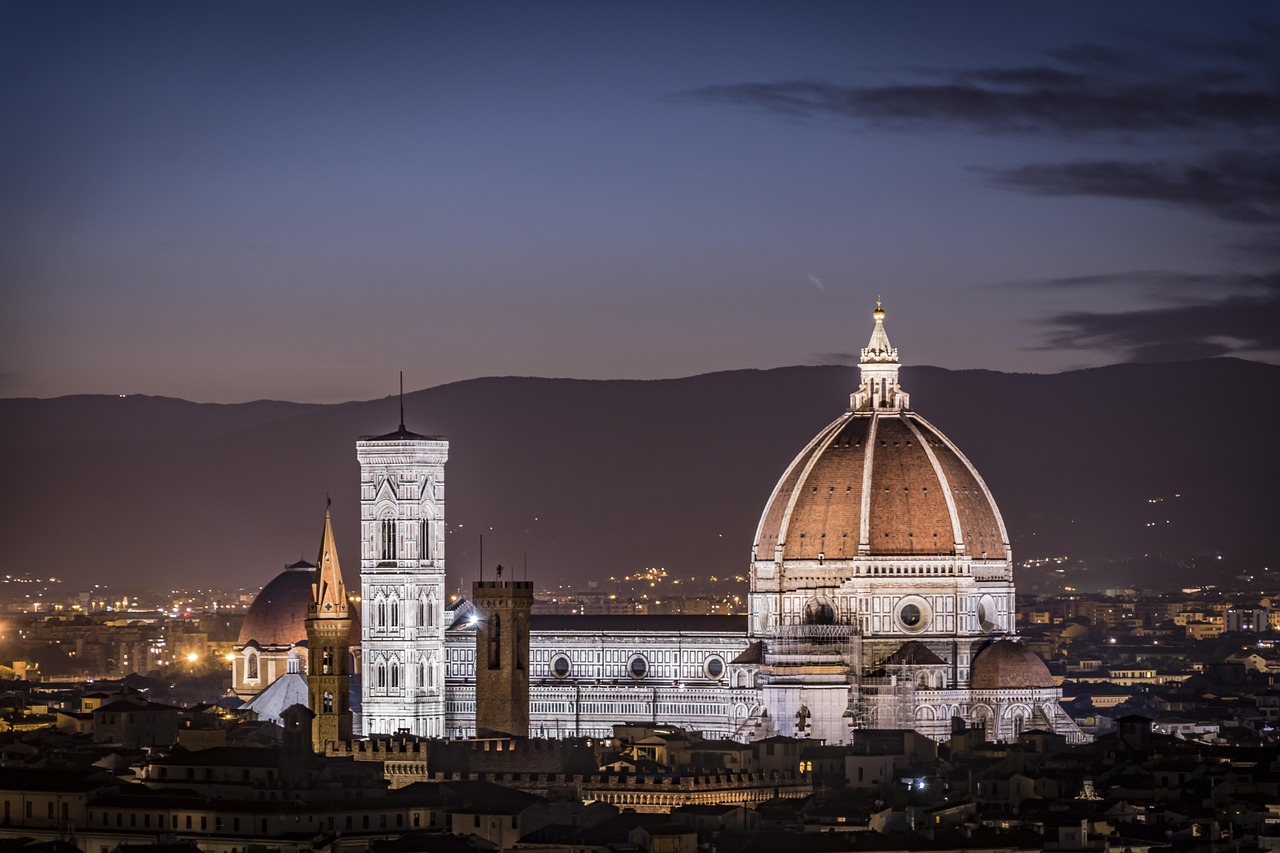
Florence highlights in the Renaissance heart, with the Duomo at golden hour
When travellers ask for the things to do in Florence that truly land, I point them to three anchors: the Uffizi, the Duomo complex, and one quiet hour when you simply walk with no agenda. Florence rewards curiosity, but it also rewards pacing—especially if you want the Renaissance to feel intimate rather than rushed.
Start with a designed museum morning. Pre-book the Uffizi for the earliest slot you can manage, then move through it like a story instead of a checklist. Afterwards, step into daylight for a reset—your eyes will thank you, and your mind will hold the art more gently.
Uffizi and Duomo strategies for a seamless day
In the Uffizi, choose a few “must-sees” and allow yourself to linger; it’s better to uncover a personal connection than to sprint through rooms. Then head to the Duomo area with a timed ticket, and split the complex over two moments: one for architecture and atmosphere, another for the dome views when the light softens.
One art lover told me they felt an unexpected hush standing before Michelangelo’s David—not just awe, but a deep connection to history, as if the Renaissance were suddenly present and human. Florence offers that kind of encounter when you give it time, and when you trust your own response rather than chasing someone else’s itinerary.
Walking routes, palazzo details, and earned gelato
For adventure seekers, the city is best explored on foot with a simple loop that avoids backtracking. Start near the river, drift through a few key piazza moments, and notice the palazzo façades: strong lines, balanced windows, and that distinctive Renaissance calm. Then take an earned gelato break—Florence is generous like that when you move through it thoughtfully.
If you want a change of tempo, you can escape to the hills above Florence for a half-day breath of green, or take a quick rail hop to Pisa to see the leaning tower of Pisa, or onward to Lucca for relaxed cycling on the walls. It’s a gentle way to keep your trip dynamic without feeling over-scheduled.
Siena and San Gimignano, Tuscany, Italy – Piazza del Campo, Palio traditions, and medieval charm
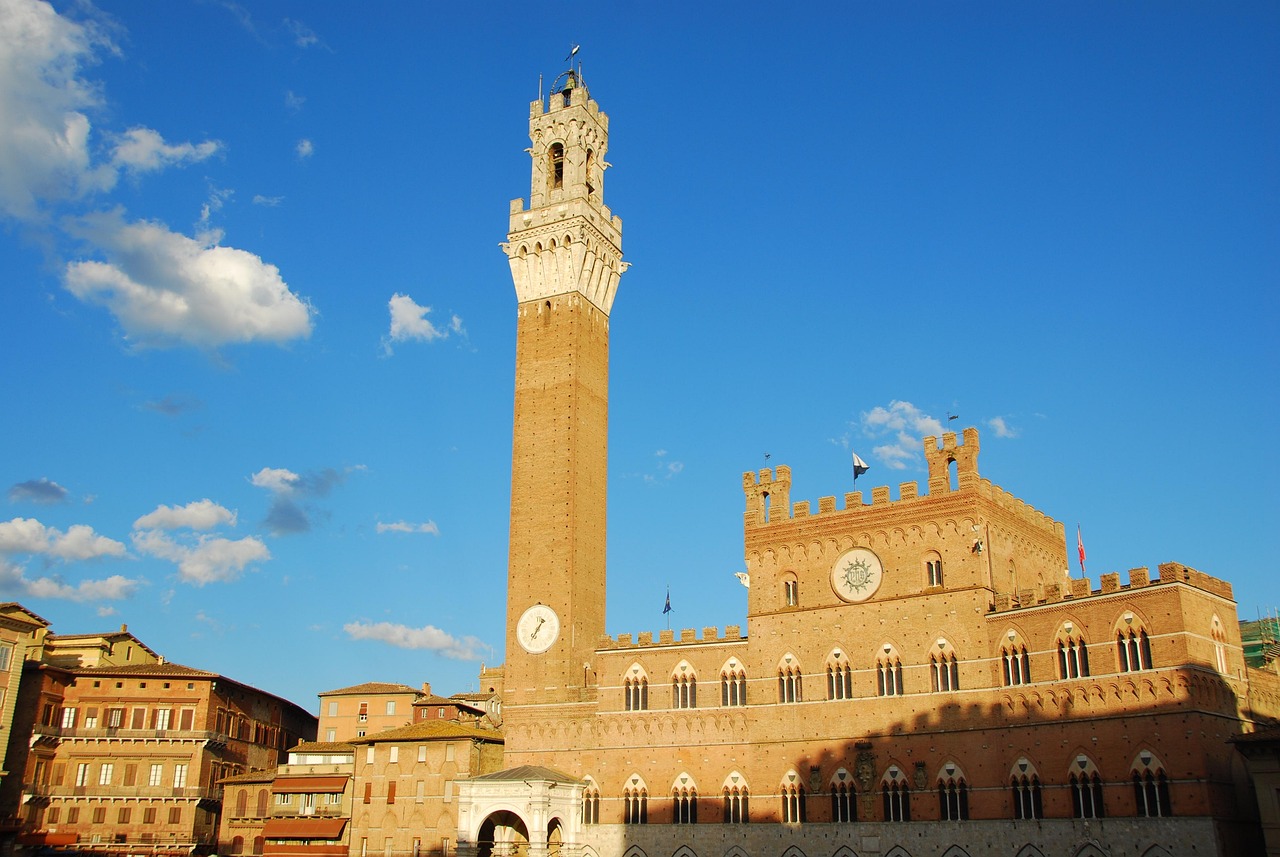
Siena and San Gimignano: medieval atmosphere you can feel, starting at Piazza del Campo
The pull of Siena, San Gimignano, Tuscany, Italy is emotional as much as visual, and it begins in Piazza del Campo. Siena doesn’t ask you to rush; it invites you to drift street by street, letting the city reveal itself in stone textures, sudden viewpoints, and the soft theatre of daily life.
Start in the piazza, then climb when your legs feel ready. The reward is perspective: rooftops unfolding like a terracotta sea, and the sense that you’re walking through a place that has carried its rituals for centuries. This is the kind of cultural immersion that still feels active and alive.
Palio, contrade, and the kindness that changes a trip
A solo adventurer once described arriving in Siena expecting to observe from the edges—only to be met with unexpected warmth. Locals invited them to join a Palio celebration, explaining contrade colours, sharing small toasts, and making space at the table. That’s Tuscany at its best: you show respectful curiosity, and doors quietly open.
If you find yourself there during festival days, keep your behaviour attentive and your tone gentle. A few basic Italian greetings go a long way, and modest dress matters when stepping into churches—less as a rule, more as a sign of care.
Pair Siena with San Gimignano without the crowds
Pairing Siena with San Gimignano creates a beautifully textured day: Siena’s sweeping curves and deep traditions, then the hilltop towers of San Gimignano for that postcard silhouette. Go early or later in the afternoon to avoid the heaviest crowds, and consider a long lunch between them so the day feels spacious rather than squeezed.
Expert insight: Pause for a quiet coffee just beyond the busiest lanes, watch the city breathe, and choose souvenirs that mean something—local ceramics, a small food item, or a simple linen—rather than mass-produced trinkets.
Chianti wine tour, Tuscany, Italy – vineyard cycling, small winery tastings, and food and wine
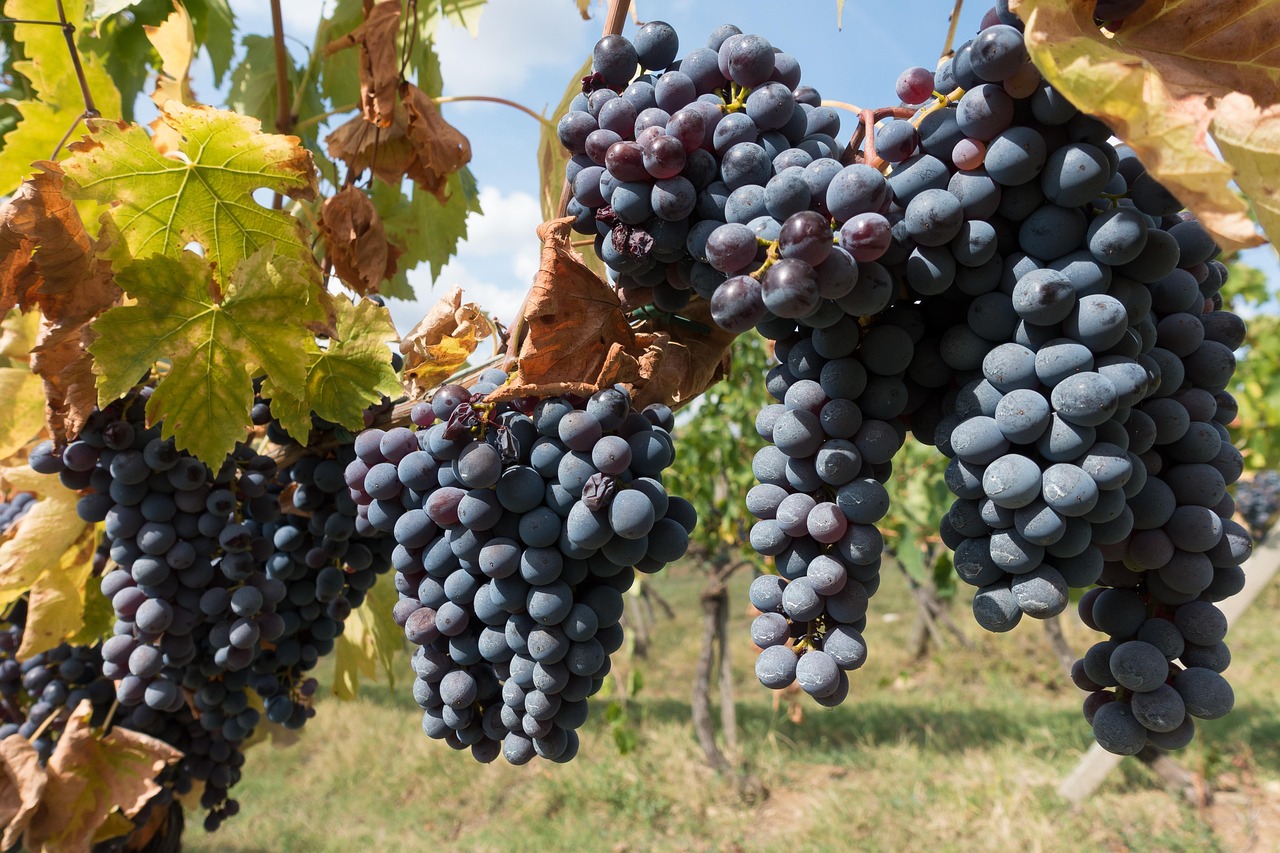
Chianti wine roads, cycling, and family tastings along a sunlit vineyard
A well-designed Chianti wine tour in Tuscany, Italy, can feel like the perfect blend of motion and indulgence: start with a scenic loop, then settle into a long table for food and wine that tastes even better after time outdoors. Chianti is not just a tasting region—it’s a landscape you inhabit, especially when you travel through it slowly.
Consider cycling (or an e-bike, which keeps it inclusive for mixed fitness levels) along vineyard-lined roads with gentle climbs and wide views. Then choose two tastings rather than four; depth beats volume, and you’ll remember conversations as much as bottles.
Family wineries, shared tables, and togetherness
One couple told me their favourite memory wasn’t a headline label, but stopping at a small family-run winery where the owners poured generously and shared recipes like heirlooms. Stories flowed with the wine, and by the end of lunch, they felt oddly together with strangers—proof that Tuscany doesn’t just host you, it includes you.
For a little extra context without over-teaching: focus on Chianti Classico, and note how the character shifts as you move through the Tuscan hills. If you want to extend beyond Chianti, consider a day trip to Montalcino for Brunello di Montalcino, or to Montepulciano for Vino Nobile di Montepulciano.
Booking, pacing, and safe transport by design
- Book ahead: small producers often host limited tastings, and the best slots disappear first.
- Tasting etiquette: it’s fine to spit, normal to ask questions, and wise to eat between pours.
- Transport: design safety in—hire a driver, join a curated tour, or base in a nearby town and cycle only before tasting.
Finish with a crafted pairing: local olive oil, seasonal produce, and a simple dessert. It’s an indulgence with integrity—excellent food and wine, earned through movement and curiosity.
Tuscan countryside adventures – hiking, hot air balloon views, and Val d’Orcia landscapes in Tuscany, Italy
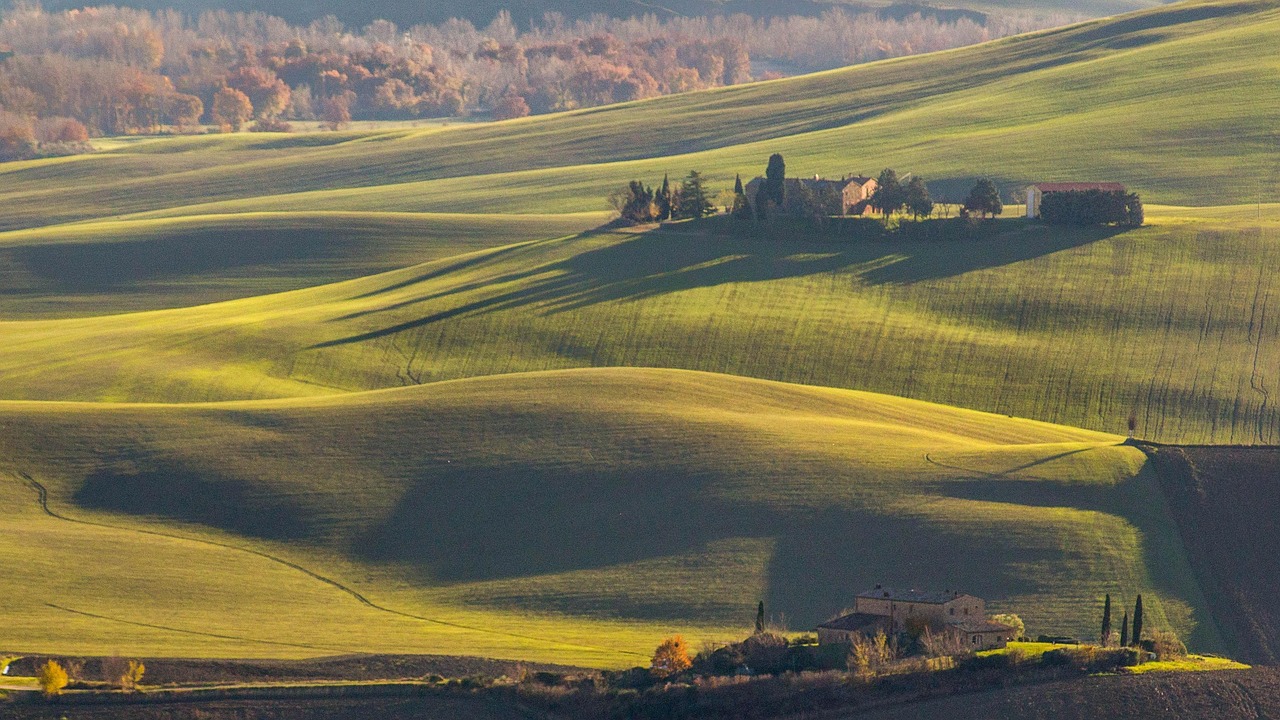
Trail views and big-sky mornings in the Tuscan countryside near Val d’Orcia
If your ideal day includes Tuscan countryside hiking and the hush of open sky, this is where Tuscany becomes a kind of breathing space. Plan one early start—either a sunrise hot-air balloon ride or a morning trail—then keep the afternoon open for a slow village wander and a restorative lunch.
The adventure menu is wonderfully flexible. You can choose a longer ridge walk, a gentle route between hilltop villages, or a simple viewpoint drive followed by a short stroll. What matters is the feeling: steady movement, fresh air, and a landscape that meets you where you are.
Val d’Orcia viewpoints, cypress roads, and Pienza
The Val d’Orcia is often the image people carry of Tuscany—cypress roads, soft light, and the famous rolling hills that seem to exhale. On maps, you may also see it written as Val d’Orcia, and both refer to the same UNESCO-protected landscape. Aim for viewpoints near Pienza and San Quirico for those postcard lines and open horizons. In Pienza, you’ll also brush up against Renaissance planning and the legacy of Pope Pius II—a small detail that adds depth to the scenery.
For a quieter moment, visit San Quirico d’Orcia for a gentle wander and a café pause. It’s a beautifully human scale: enough to explore, not so much that it overwhelms.
Picnics, Bagno Vignoni, and comfort in the sun
A traveller once described watching the sunset over the valley with a picnic of local cheeses and wine, calling it a soul-refreshing moment. It wasn’t a grand event—just a blanket, warm light, and the sense that nothing needed to be rushed. Tuscany offers those quiet rituals if you leave space for them.
Add a restorative detour to Bagno Vignoni, where thermal steam and stone create a calm, almost cinematic atmosphere. Then return for a farmhouse lunch or to your villa base, and keep your comfort simple: hydrate, carry sun protection, and wear footwear that handles cobblestones and trails. If weather shifts, swap a long hike for a shorter town wander—your day can still feel seamless with a little flexibility and support.
Note: The Val d’Orcia is a UNESCO World Heritage landscape and a recognised world heritage site, which helps explain why it feels so carefully composed—yet it remains real, lived-in, and warmly local.
Local experiences in Tuscany, Italy – truffle hunting, olive oil tastings, and where to stay in Tuscany

Hands-on local experiences: truffles, olive oil, and makers you can actually meet
The most memorable local experiences in Tuscany, Italy, are often hands-on: truffle hunting with a guide and a trained dog, or olive oil tasting with farmers who explain harvest timing as if it were family history. These aren’t performances; they’re real working lives, and your presence is welcomed when it’s respectful and curious.
If you’re wondering where to stay in Tuscany to access these moments, aim for a base that connects you to producers as well as sights. An agriturismo offers warmth and community; a countryside villa suits groups who want privacy and shared breakfasts; and a small-town base can be perfect for solo travellers who like familiar faces and evening chats.
Markets, festivals, and respectful curiosity
Seasonal markets and festivals are adventure-culture hybrids: you explore, you taste, you learn, and you feel the region’s pulse. Plan to attend at least one local event, and arrive with quiet confidence—ask before photographing, keep noise mindful at night, and dress modestly where tradition asks it. You’ll find that trust is built in small interactions.
For a broader texture beyond the headline stops, sprinkle in a few wider Tuscany ideas. Arezzo brings antiques and atmosphere, with a cinematic nod for film lovers: parts of the film Life is Beautiful are tied to its streets, adding a gentle emotional layer to a simple walk. Carrara reveals marble culture near the Apuan Alps, while Maremma offers wilder landscapes that feel closer to nature than to postcards.
Tuscan cities at a glance, to match your pace
If you like a quick mental model, here’s a simple Tuscan cities contrast: Florence for art intensity; Siena for medieval depth; Pisa for iconic architecture; Lucca for relaxed walls and cycling; Prato for local daily life; and Livorno for a salty, coastal edge. Beyond the big stops, the towns in Tuscany are where many travellers slow down, linger longer, and feel the region’s daily rhythm.
One extra layer, for history lovers: Tuscany carries Etruscan traces beneath the Renaissance sheen. Even a brief museum stop or a guide’s aside can help you uncover that older foundation, making the region feel deeper than a single era.
Exploring Tuscany, Italy – transport tips, best time to visit in Tuscany, and trips to Tuscany
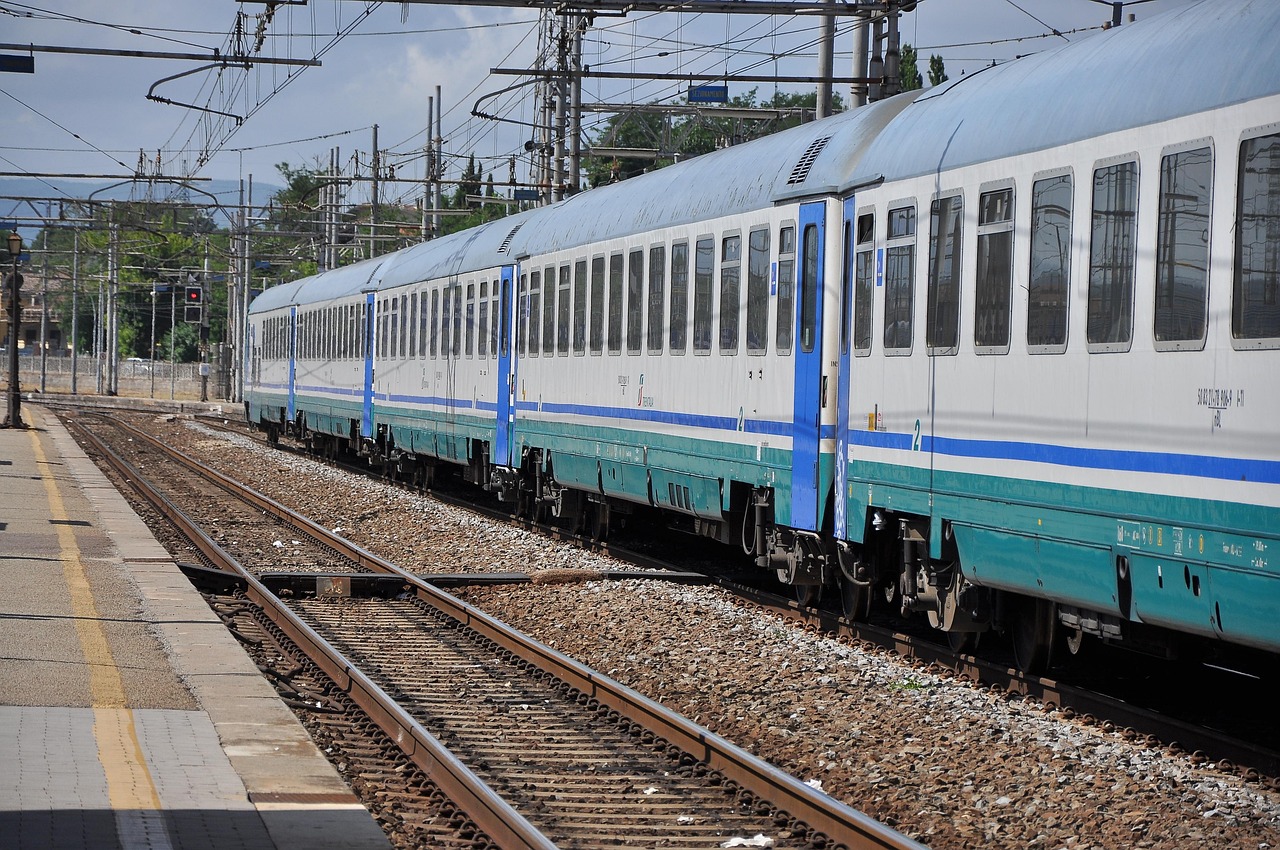
Exploring Tuscany logistics: trains, platforms, and easy day-trip connections
Exploring Tuscany, Italy, is easiest when you build a flexible scaffold: a few timed entries, a few booked meals, and plenty of open space between. This is where luxury becomes practical—less stress, fewer queues, and more energy for the moments you came for. If you’re planning trips to Tuscany, a little design up front gives you freedom on the ground.
Best time to visit Tuscany and what changes in summer
The best time to visit Tuscany is late spring (May–June) or early autumn (September–October), when the weather is pleasant, and crowds are at their lowest. In peak summer, heat and queues are the main challenges, so start earlier, take longer lunches, and shift sightseeing to evenings where possible.
Airports, trains, car hire, and ZTL confidence
Access is straightforward via Florence or Pisa airports, with trains linking the major routes across the region. Rent a car when you want freedom in the countryside and smaller communities, but plan for ZTL zones in historic centres—these restricted traffic areas can catch first-time drivers. Choose accommodation with clear parking guidance in your chosen province, and don’t be shy about asking your host for support; it’s normal, and it prevents costly mistakes.
Booking strategy matters most in Florence and for popular wineries: reserve timed gallery entries and tastings in advance, then keep the rest flexible. If you’d like curated inspiration, you can browse our Trip gallery for Italy and shape a route that fits your pace.
- Pack for movement: comfortable shoes for cobblestones and hikes, light layers, and a refillable water bottle.
- Sun care: a hat and high-SPF sunscreen make long days feel kinder.
- Plan B: if weather or strikes disrupt plans, pivot to a market, a longer lunch, or a smaller museum—still meaningful, just different.
Consider this section a guide to the best things that make travel smoother: simple planning, realistic pacing, and a few thoughtful habits. Finally, a small touch that changes everything: learn a few Italian greetings. It signals respect, and it often brings warmer service, better local insight, and a sense that you truly belong for a while.
F.A.Qs:
What is Tuscany best known for?
Tuscany is best known for Renaissance art and architecture in Florence, medieval towns like Siena and San Gimignano, and its Tuscan countryside, with vineyards, olive groves, and cypress-lined roads. It’s also celebrated for local traditions, markets, and iconic wine regions such as Chianti.
Will Italy pay you $32,000 to move to Tuscany?
Not as a general, guaranteed offer for moving to Tuscany. Italy has had various regional incentives and grants aimed at revitalising small towns, but eligibility, locations, and amounts vary and are not universally available. Always check official government or regional sources before planning around any incentive.
Is Tuscany cheap or expensive?
Tuscany can be expensive in peak season, especially in Florence, for premium hotels, timed-entry museums, and top winery experiences. However, smaller towns, inland areas, and agriturismo stays can offer better value, particularly in shoulder seasons. Planning ahead helps you balance comfort, experiences, and overall spend.
What is the prettiest town in Tuscany to visit?
“Prettiest” depends on your style, but many travellers fall for Pienza in the Val d’Orcia for its views and Renaissance harmony, or San Gimignano for its medieval towers. Siena feels deeply atmospheric and lived-in, while Lucca offers an elegant, calmer charm with walkable streets and walls.
What Tuscany Leaves With You in Tuscany, Italy – personal reflection after the journey
In the end, a Tuscany, Italy personal reflection isn’t a list of stops, but a collection of sensations that return when you least expect them. The texture of light on stone at dusk, the soft noise of a piazza settling into evening, the way a hillside road curves as if it was drawn by hand—these details linger long after the photos are filed away.
You may remember the confidence of navigating a new place with ease, or the care of a stranger who helped when you looked briefly lost. You might recall a moment of stillness: a final glance across vineyards, or the quiet gratitude that arrives when a day has been full without being hurried. Somewhere along the way, travel gently redesigns you—your patience deepens, your appetite for beauty grows, and your sense of discovery becomes more trusting.
Perhaps that’s the real gift of Tuscany: it meets you with art and landscape, then leaves you with something quieter and more personal. The best things are often the simplest—time, light, and a well-paced day. And when you’re home again, you may find yourself wondering what else you might uncover next time you visit Tuscany.