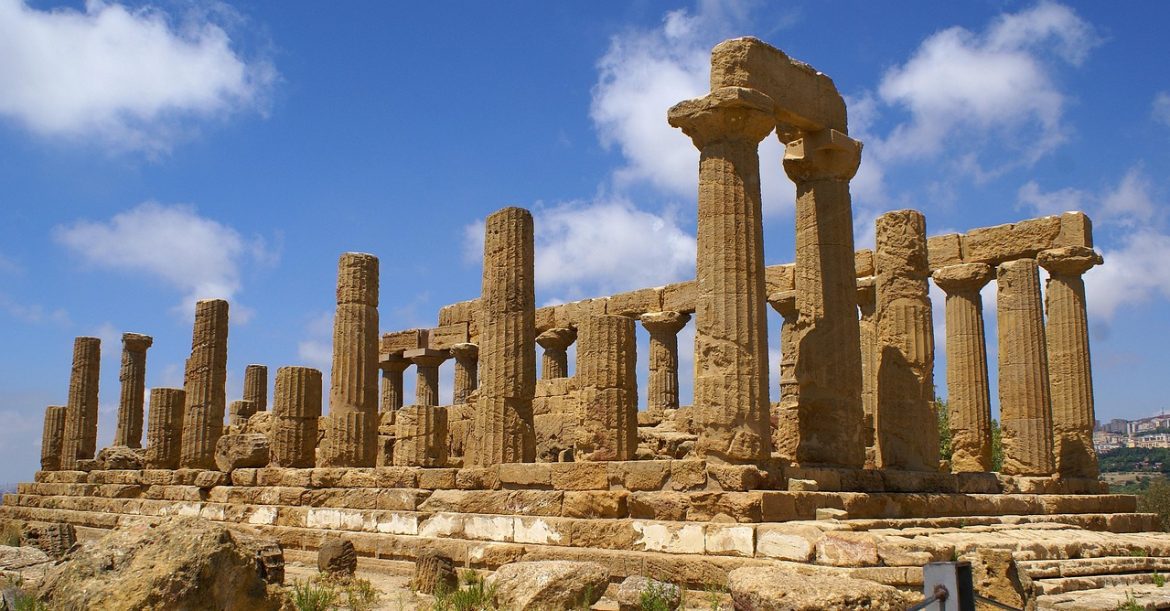
Overview of the Valley of the Temples in Agrigento, Sicily, highlighting its archaeological and landscape features within the park.
Valley of the Temples Agrigento Sicily and why it thrills adventurers across warm stone paths
The valley of the temples, Agrigento, Sicily: an archaeological and landscape park overview doesn’t prepare you for the first on-site moment: wide skies, warm stone, and that thrilling sense that you could discover an ancient city in a single sweep of the horizon. The air often carries sea brightness from the Mediterranean, and the paths feel like an invitation to explore rather than a museum corridor.
This place is the Valle dei Templi—an archaeological and landscape park set just outside the city of Agrigento. For high-end travellers who still want grit underfoot, it’s a dream pairing: world-class heritage with enough space and light to move, pause, and create your own rhythm.
Visit the valley with an adventurer’s mindset
To visit the valley well, imagine it as a long, open walk stitched together by viewpoints. There are uneven sections, a few uphill pulls, and sun exposure that can feel intense outside of spring and autumn. Yet those very contours are part of the appeal: your effort buys perspective—temples aligned on ridges, olive trees and low shrubs, and the suggestion of cities in the Mediterranean world beyond the slopes.
The reassuring approach is simple: design your day around light, energy levels, and curiosity. You’ll move with confidence when the route feels crafted for you—short pauses in shade, water top-ups, and space to uncover details without performing for a timetable.




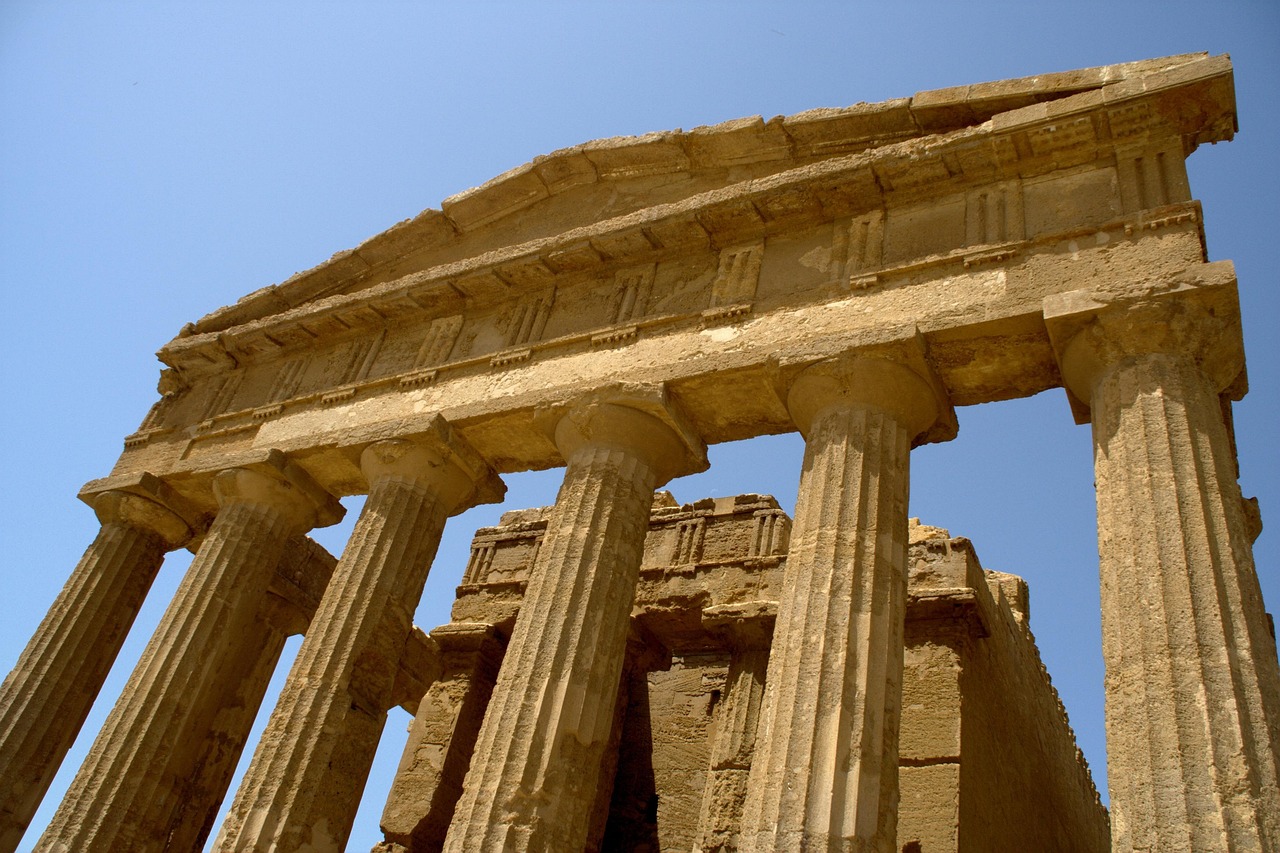
Akragas in Agrigento is a UNESCO World Heritage site with 6th-century Greek origins and an archaeological area.
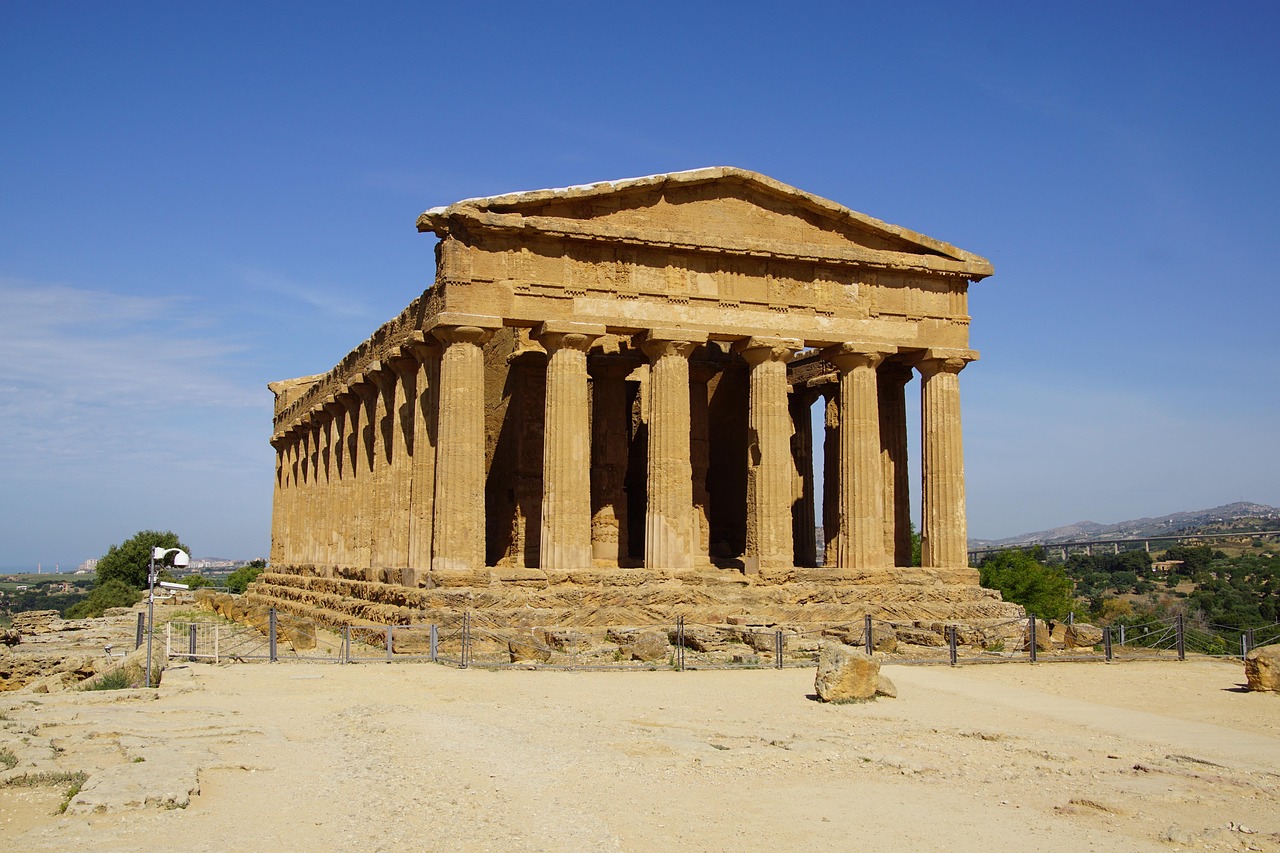
From Akragas to UNESCO the archaeological area in context with Agrigento’s hilltop views
Akragas, Agrigento, UNESCO World Heritage Site, history, 6th-century Greek colony, is the quick context that gives the stones their voice. Ancient Akragas began as a Greek colony—part of Magna Graecia—founded in the 6th century B.C, and it grew into one of the leading cities in the Mediterranean. Over time, it was reshaped by conflict, including the Carthaginians, and later empires that left their own layers in the landscape.
Today, the archaeological area has been protected as a UNESCO World Heritage Site since 1997, recognised on the World Heritage List for its extraordinary state of survival outside of Greece. That protection is also a gentle contract with travellers: move with care, respect barriers, and never climb fragile blocks—your attention supports preservation as much as any restoration team.
Classical Greek planning along the Via Sacra
With an expert lens, you start to see Classical Greek decisions everywhere: temples placed to be seen from afar, processional routes such as the Via Sacra, and sacred architecture woven into daily life. It’s not just “ruins on a hill”; it’s a designed cityscape where belief, civic pride, and Greek architecture met the open sky.
One solo traveller I met in Agrigento told me the most valuable insight came from a small, local exchange. Over an espresso near a piazza, a resident shared a legend about the temples of Agrigento—then quietly added practical tips about entry times, shaded stretches, and where to stand for the best photographs. Trust builds fast here, because the welcome feels personal.
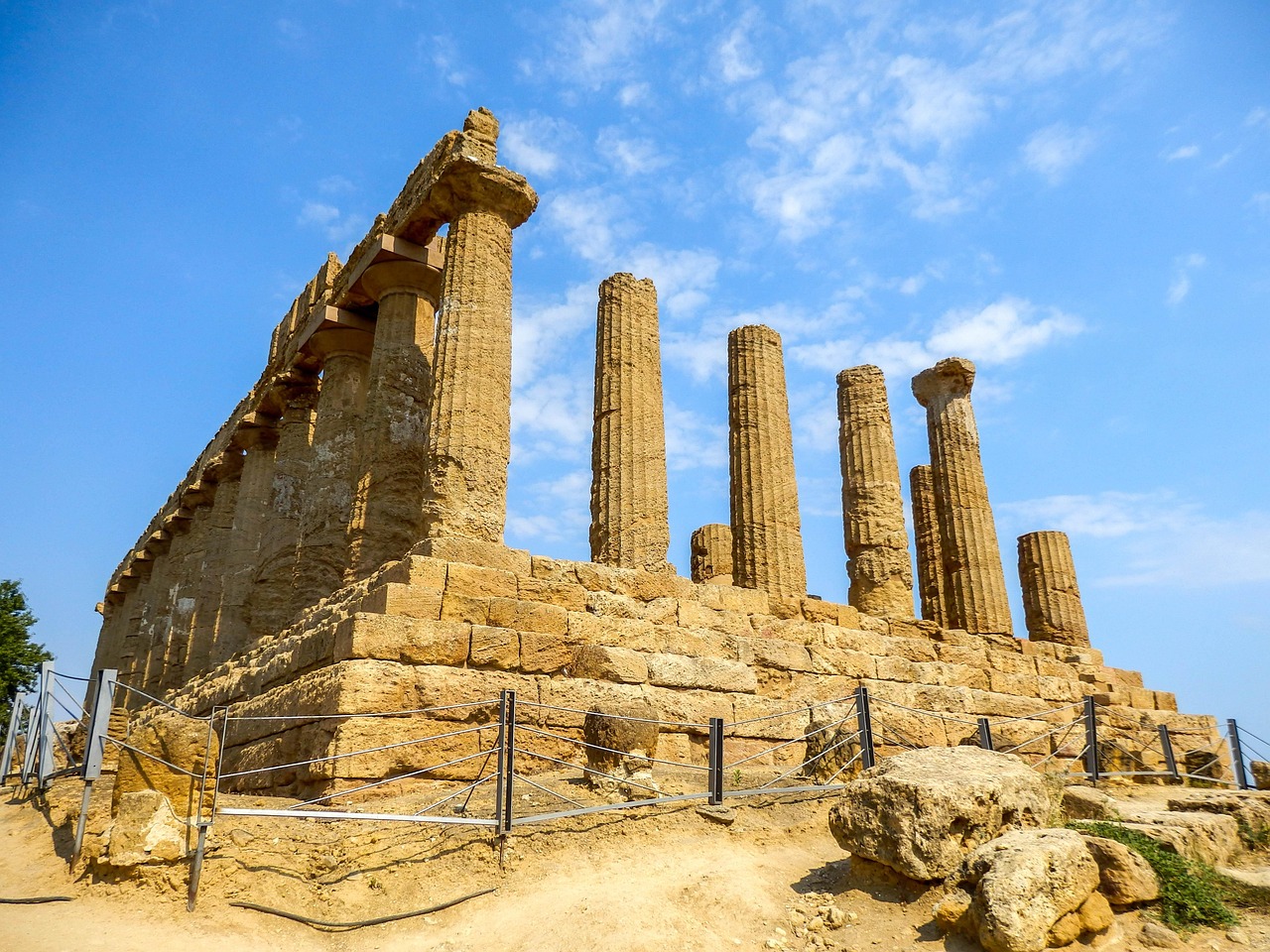
Temples in Agrigento’s Valley of the Temples, including the Temple of Concordia, Juno, and Heracles, for your core walk.
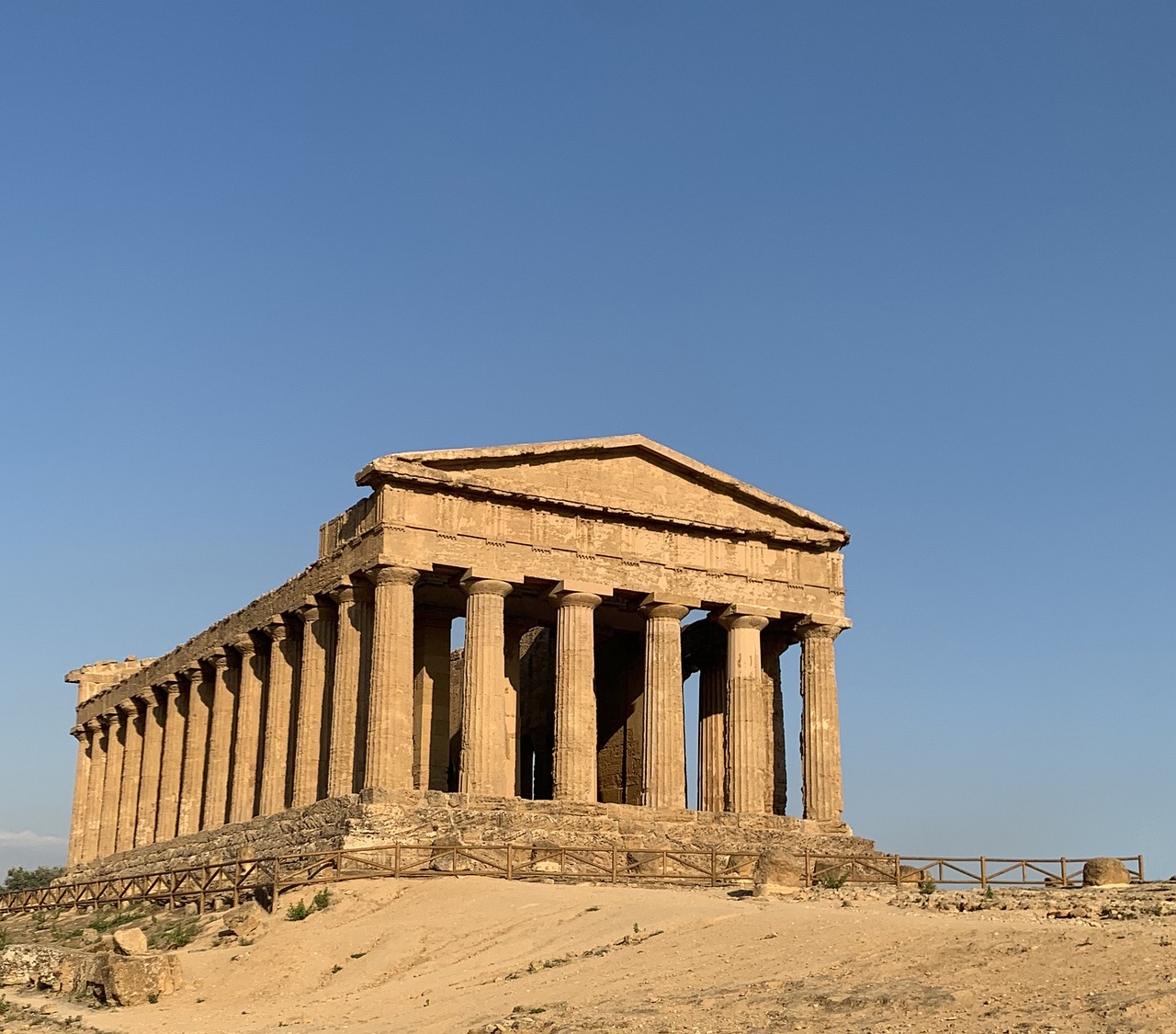
Great Greek temples in Agrigento your core walk from the Temple of Juno to the Temple of Concordia
Temples in Agrigento Valley of the Temples Temple of Concordia Temple of Juno Temple of Heracles is the essential trio for a first visit, and the route feels naturally satisfying. Start at the Temple of Juno (Hera) for the views—especially if you’re arriving early—then follow the line of the ridge along the Via Sacra towards the famous temple, the Temple of Concordia. Give a respectful nod to the Temple of Hercules (Heracles), among the earliest sacred remains on the site and a powerful way to sense time passing in stone.
This is where the Valley of the Temples Park shines for adventure seekers: you’re walking through an archaeological park that still feels like open country. The light changes quickly, and the breeze can shift from warm to cool in minutes.
Temple of Juno to Temple of Concordia with Doric details
To make the experience richer, look for the logic of a Doric temple: the Doric order, balanced proportions, and the satisfying rhythm of column spacing. The Doric style is “muscular” and calm—especially at Concordia, widely considered the best preserved highlight and one of the most complete Greek temples anywhere.
One visitor described an awe-filled stillness standing by the Temple of Concordia, letting the grandeur settle without needing to narrate it. That’s the gift here: the architecture does the talking, and you simply listen.
Adventure pacing for the archaeological park
If you can, set off early. A traveller once told me they hiked in just after opening, and before the heat climbed, they spotted birds and small wildlife moving through the scrub. The quieter paths helped them uncover details—chisel marks, subtle repairs, and the way the stone warms as the sun rises.
- Micro-moment to design in: a shaded pause near a porta-potty area to reset shoulders and sip water.
- Keep it seamless: short viewpoint stops every 15–20 minutes feel luxurious, not slow.
- Footing matters: sturdy shoes turn uneven stones into pleasure rather than strain.
Temple of Olympian Zeus, Valley of the Temples, Dioscuri, Temple of Vulcan, Agrigento archaeological site beyond Concordia
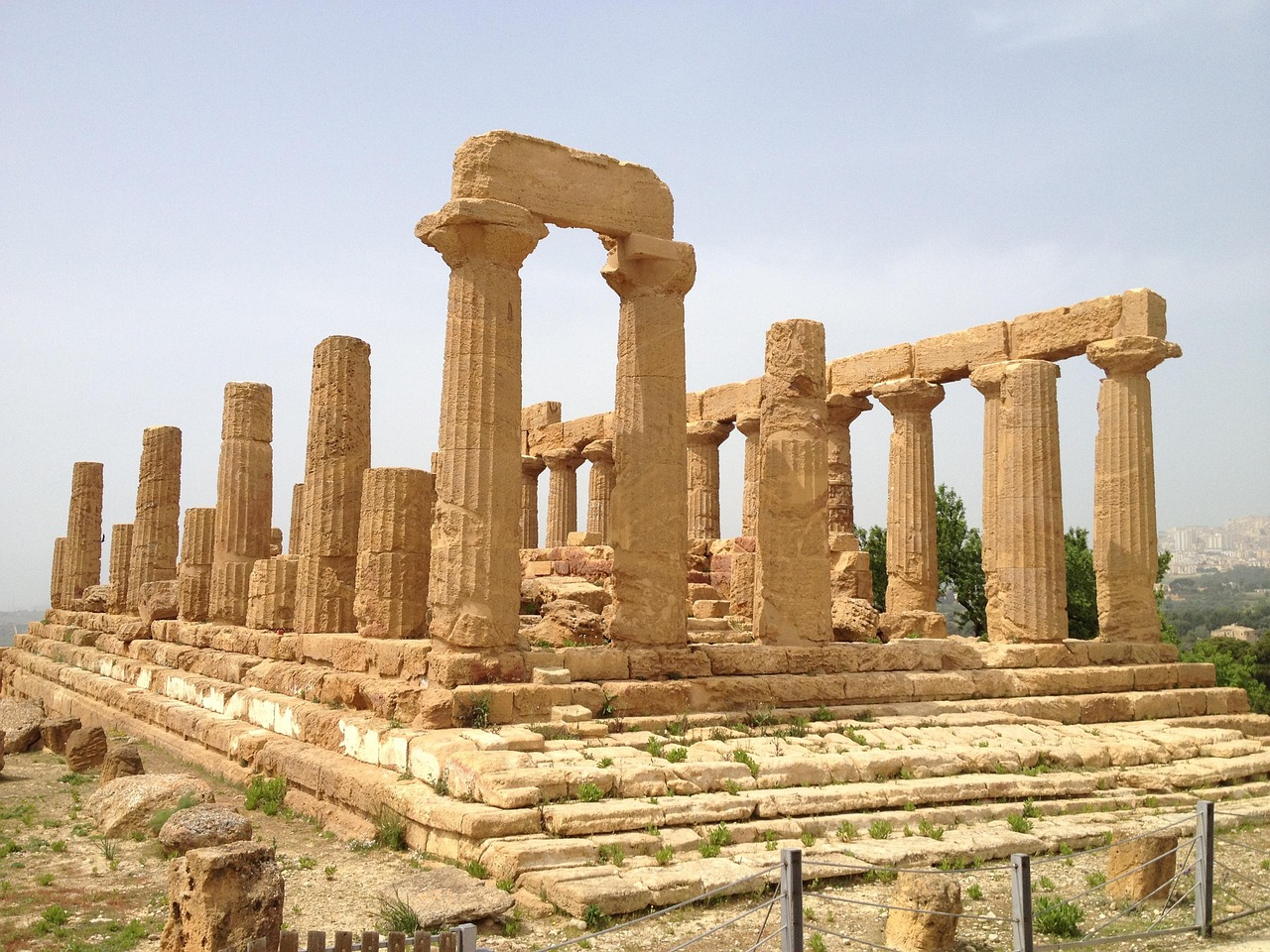
Beyond Concordia Olympian Zeus Dioscuri and Vulcan in Agrigento’s Valley of the Temples
The Temple of Olympian Zeus, the Valley of the Temples, the Dioscuri, the Temple of Vulcan, and the Agrigento archaeological site are where scale and curiosity take over. The temple of Olympian Zeus is a dramatic “footprint story”: even in ruin, its ground plan hints at ambition on a near-mythic level. You don’t need every date to feel the statement—this was a city announcing itself to the world.
Known to Romans as Jupiter and to Greeks as Zeus, the Olympian presence here reads like power translated into architecture. The site doesn’t ask you to believe; it asks you to imagine what it meant to build so boldly.
Temple of Olympian Zeus and the thrill of scale
Pause long enough, and you’ll sense why this corner of the valley of the temples archaeological zone feels different: the space around it is broader, the fragments heavier, the silence more dramatic. It’s an excellent place to slow your steps and let the proportions land—particularly if you’re travelling together and want a shared moment of quiet.
Temple of the Dioscuri, Castor and Pollux, and a calmer Vulcan corner
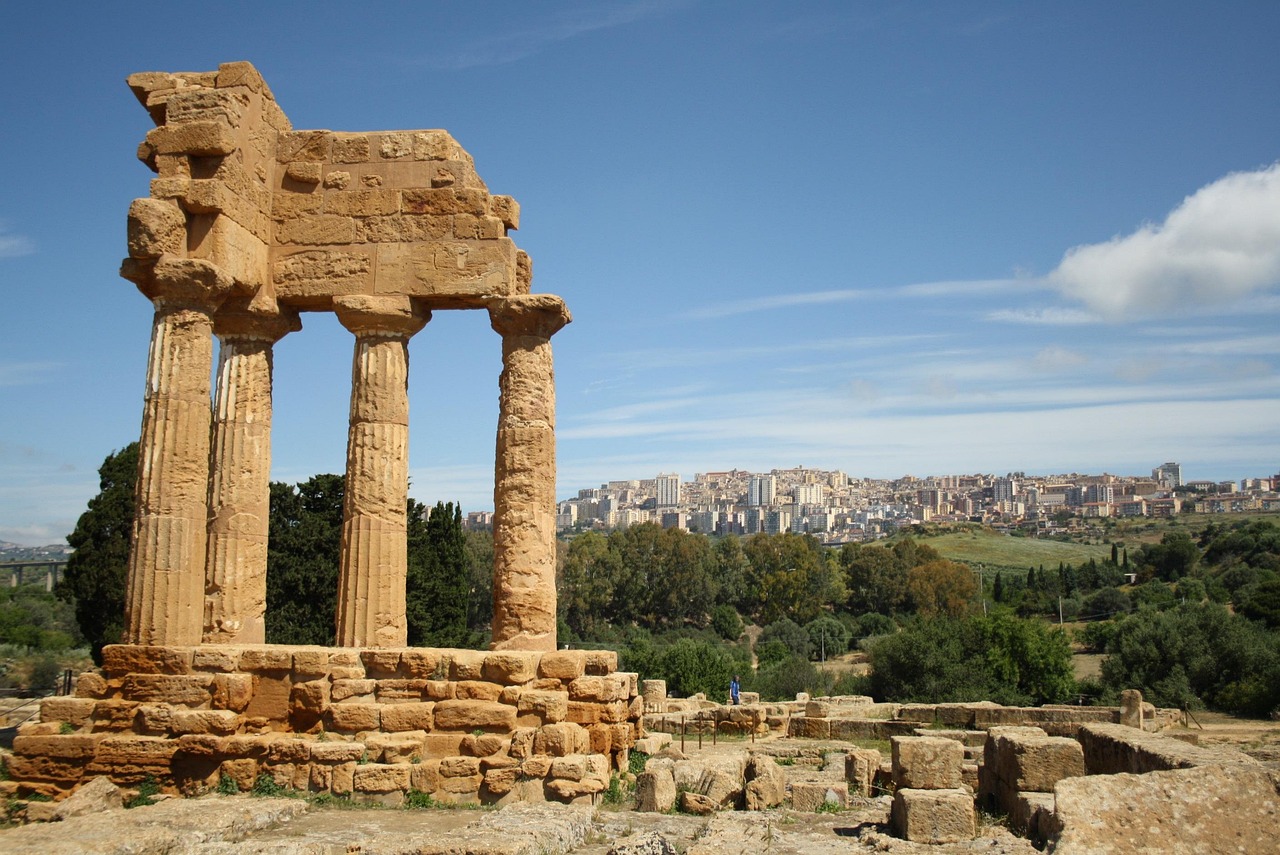
The Temple of the Dioscuri is beloved by photographers for its iconic, romantic silhouette. In myth, the Dioscuri—Castor and Pollux—move between worlds, a story that suits a site poised between past and present. If you’ve seen the phrase Temple of Castor in guidebooks, this is where that fascination lives, and for completeness, many travellers also refer to it as the Temple of Castor and Pollux.
Then there’s the Temple of Vulcan, a quieter edge that rewards anyone who likes to uncover overlooked angles. It’s an ideal reset away from the main flow—more wind, fewer voices, and space to reflect.
- Archaeological site etiquette: keep to marked paths and watch loose stones.
- Respect the work: give restoration areas space and follow signage.
- Leave no trace: no climbing, no collecting fragments—only photographs and care.
The Valley of the Temples sunset in Agrigento offers an evening light show with golden-hour confidence.
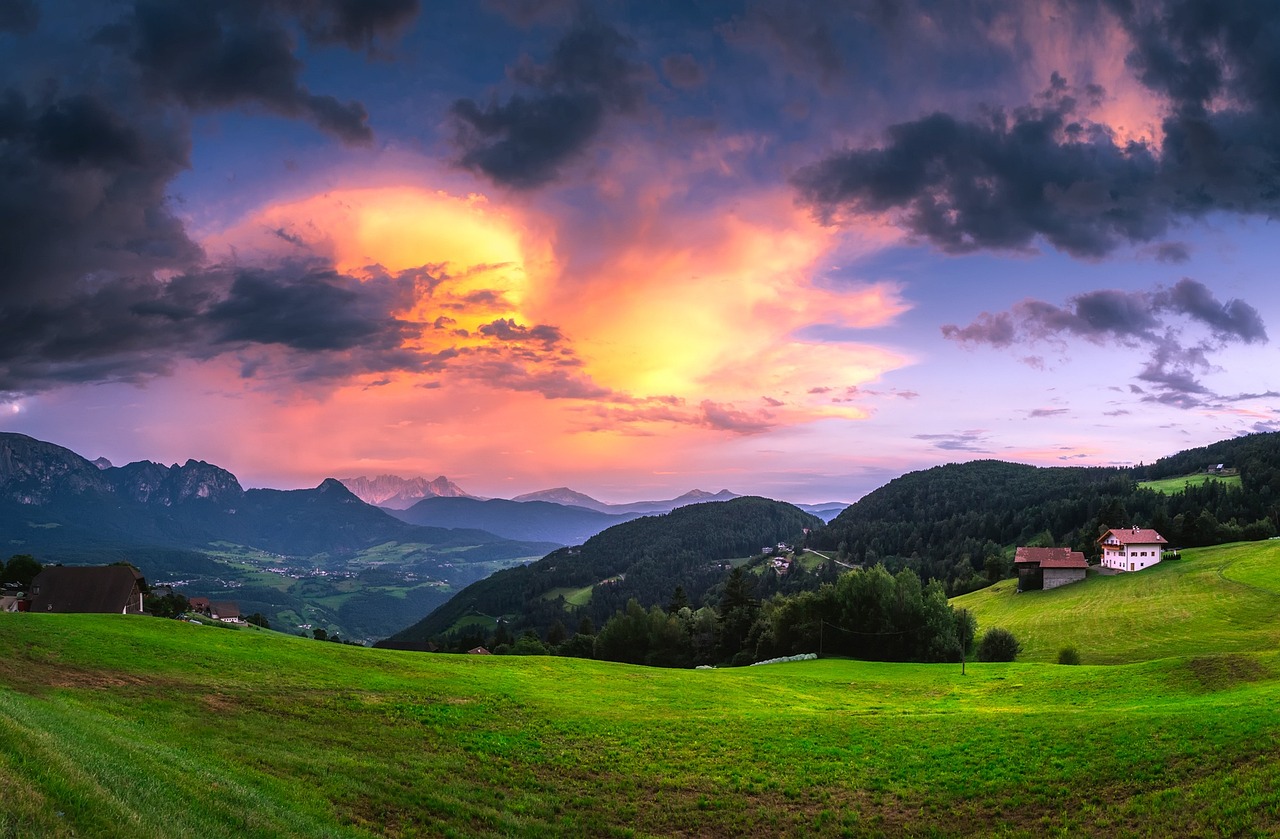
Light, landscape and adrenaline sunrise, sunset and the evening show at the Valley of the Temples
Valley of the Temples sunset views, Agrigento evening light show, Sicily is where the day turns cinematic. The simplest strategy is to arrive with enough time to wander before the light softens, then choose a viewpoint where columns cut clean lines against the sky. Sunset here is often described as one of Sicily’s most breathtaking moments, and it’s easy to see why: warm stone seems to glow from within.
For a seamless evening, consider buying tickets online when available, carrying water, and bringing a light layer for the breeze that can rise after dusk. If you’re coming from Palermo on a wider Sicily loop, this is a perfect “slow down and savour” stop after a day on the road.
Sunset design with a brisk twilight hike
Adventure seekers often enjoy a brisk twilight walk between viewpoints—just stay aware of footing as shadows lengthen on uneven ground. If closing times are near, keep a head-torch in your bag as quiet support; it’s not about drama, it’s about confidence.
One traveller described joining a local guide for the light-and-sound show and how it made the history feel vivid rather than abstract. The narration offered insight into Greek civilisation and daily life, and the gentle structure helped them trust what they were seeing—stone becoming story.
Reassurance for solo travellers in Agrigento
If you’re travelling solo, the well-trodden areas around the main temples are generally comfortable, especially at busy times. Guided options add support, and there’s no shame in choosing the pace that keeps you calm—luxury, in the end, is feeling safe enough to truly experience the temples.
Plan your visit: Valley of the Temples, Agrigento tickets, transport, Archaeological Museum, itinerary.
Plan your visit to the Valley of the Temples, the transport museum and an easy itinerary
Plan your visit to the Valley of the Temples, Agrigento, tickets, transport, and Archaeological Museum of Agrigento itinerary is the practical layer that keeps the magic intact. Most travellers base themselves in Agrigento, then reach the site from the station in Agrigento by local bus or taxi; it’s also easily accessed by car if you’re touring the southern coast of Sicily. Aim to arrive early in warmer months, when the sun can be uncompromising.
Tickets are typically affordable, with reduced rates and combined options that include the museum—ideal value for cultural enthusiasts who want depth. Do check seasonal opening times before you go, and consider booking ahead when possible to ensure a seamless arrival.
Half-day vs full-day itinerary with museum pairing
A half-day itinerary suits travellers who want the core ridge walk and a highlight or two without pushing in the heat. A full day lets you explore wider corners, slow down for photography, and add the Archaeological Museum of Agrigento for a calmer, indoor pause. The museum adds context: artefacts from the city of Akragas, Greek art, and the kind of details that make temples feel less like monuments and more like lived places—right down to a network of underground aqueducts that once supported the ancient community.
If you enjoy unexpected modern touches, look out for the statue of Icarus in the wider park area—an evocative contemporary counterpoint to the classical lines.
Comfort and safety kit, plus a Sicilian reward
Bring the basics that quietly protect your energy: hydration, sun protection, and shoes with grip. In spring, you may even catch flowering almond trees softening the landscape—an exquisite reminder that this is a living, breathing setting, not a sealed exhibit.
- What to pack: water, hat, sunscreen, and a light layer for evening breezes.
- What to wear: sturdy walking shoes for uneven terrain and occasional uphill sections.
- Afterwards: choose a local trattoria near a piazza and let Sicilian cuisine do its comforting work.
If you’re designing a few days on the southern coast, consider an extension to Scala dei Turchi for a contrasting coastal adventure—white cliffs, sea air, and an entirely different kind of adrenaline.
If you’d like inspiration for a crafted, high-end route across Italy and Sicily, browse our Trip gallery and imagine what you could create next.
F.A.Qs: Valley of the Temples, Agrigento, Sicily travel planning
F.A.Qs: Valley of the Temples, Agrigento Sicily travel planning in the archaeological park
What is the Valley of the Temples in Agrigento?
The Valley of the Temples is the main archaeological and landscape park in Agrigento, Sicily, preserving monumental Greek sanctuaries from ancient Akragas. It’s famed for its ridge-top temples, panoramic walks, and exceptionally well-preserved remains, including major Doric structures that feel immersive rather than enclosed.
Is the Valley of the Temples in Sicily worth visiting?
Yes—especially if you enjoy culture with a sense of movement and open space. The site combines world-class Greek architecture, viewpoints towards the Mediterranean, and unforgettable light at sunset. Pairing it with the Archaeological Museum of Agrigento adds depth, making the experience feel meaningful rather than a quick tick-box stop.
What is the valley of the Temple?
People often use this phrase to mean the Valley of the Temples (Valle dei Templi), the large protected area where Agrigento’s ancient sacred buildings stand. It isn’t one single temple; it’s a broad parkland setting that connects multiple sanctuaries, paths, and viewpoints across the historic ridge.
How long does it take to visit the Valley of the Temples in Agrigento?
Allow around 2–3 hours for a focused visit covering the main temples at a comfortable pace, longer if you want photographs and quiet pauses. A full, unhurried day is ideal if you’d like to include the museum, explore lesser-visited corners, and time your walk for golden-hour light.
Agrigento, Sicily, Valley of the Temples, personal reflection on what stays with you
Agrigento, Sicily, Valley of the Temples, personal reflection is less about what you “saw” and more about what you carry. Long after you leave the gates, you may still remember the warmth held in the stone at dusk, and how the sea air moved lightly through columns as though time had learned to breathe more slowly here.
There’s a particular kind of quiet awe that arrives beside the Temple of Concordia when you stop trying to capture it perfectly and simply stand. In that moment, confidence isn’t loud; it’s the calm trust that your pace is enough, and that beauty doesn’t require performance.
The day often returns in fragments: a small kindness from a local who pointed you towards a shaded path near Porta V, a shared smile as the light turned honey-gold, a sense of being supported by the landscape itself. And perhaps that’s the most lasting insight—how an ancient place can still meet you where you are, offering care through space, proportion, and silence.
When you think back, you might picture moonlight on Doric lines and feel a gentle pull to return in another season—when the light shifts, the air changes, and new details wait to be uncovered, together.