Post Contents
- Venice’s top attractions and map for things to do in Venice.
- Venice from the Water: Private Gondola at Sunset on the Grand Canal.
- The Piazza San Marco VIP tour includes early entry to the Basilica and Palazzo Ducale.
- Rialto Bridge Cicchetti and Getting Lost Well for Rialto Bridge cicchetti bacari getting lost Venice
- Modern Art and a grand canal palazzo afternoon for Peggy Guggenheim Collection, Venice.
- Murano and Burano: a crafted lagoon escape for a day trip from Venice.
- Seamless Venice logistics: hotels, water taxis, vaporetto, Piazzale Roma tickets in advance.
- F.A.Qs: Venice travel guide answers
- Back to Venice: Personal reflections after the visit.
Venice’s top attractions and map for things to do in Venice.
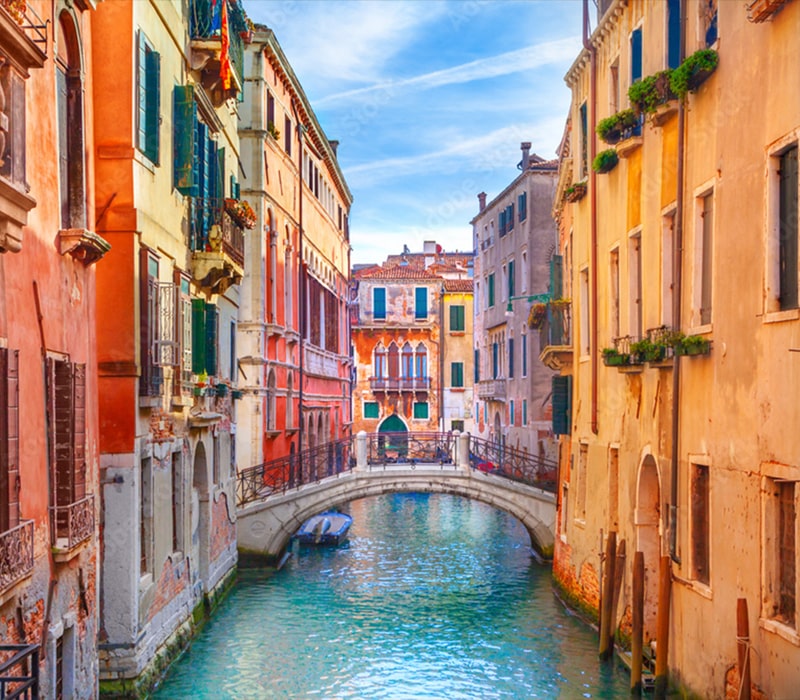
Venice and the Top Attractions Worth Designing Around as a calm start on a canal
If you’re searching for things to do in Venice, top attractions, and attraction map, the most useful starting point is understanding the city’s rhythm: Venice rewards those who design the day around light, water, and distance rather than rushing between sights. The city of Venice is compact, but every bridge in Venice and every canal crossing adds time—so it’s definitely worth slowing down and letting the journey feel crafted, not hurried.
Think of Venice as a handful of villages stitched together by water. Each sestiere has its own feel, and that’s where high-end travel becomes less about a checklist and more about personal pace, trust, and care: a first stop coffee, a quiet courtyard, and then a single major attraction done properly with expert support.
Experience Venice with a designed itinerary that fits a week Italy itinerary
For a day in Venice, focus on one iconic morning, one indulgent water moment, and one cultural afternoon—then let the evening unfold. For two nights, you can add a lagoon escape or a slower art-and-food day. For three days in the city, you’ll have time to explore two places beyond the postcard core and still leave room for getting lost without worry.
Within a week, Italy itinerary, Venice pairs beautifully after Florence or Milan (when you’re ready for softness and water), or before the Dolomites (when you want to trade canals for mountains). For Italy travel that feels seamless, plan Venice not as a day trip but as a pause: you’ll see more by doing less.
Top attractions without the tourist rhythm
Day trippers surge in late morning and early afternoon. To see in Venice with calm confidence, align early entry times, transport, and meals, and you’ll glide past the busiest pinch points.
- Start early: walk early in the morning when the streets of Venice are still quiet, and the canal edges feel private.
- Choose one anchor sight: a basilica or palazzo visit with timed entry, then a slower neighbourhood stroll.
- Build in softness: a vaporetto ride for views, a café pause, and time to simply discover a hidden lane.
The design principles are simple: book a ticket in advance to avoid queues that steal joy, choose VIP access when it adds meaning, and protect an hour for unplanned wandering. It’s the difference between visiting Venice and truly feeling held by it.




Venice from the Water: Private Gondola at Sunset on the Grand Canal.
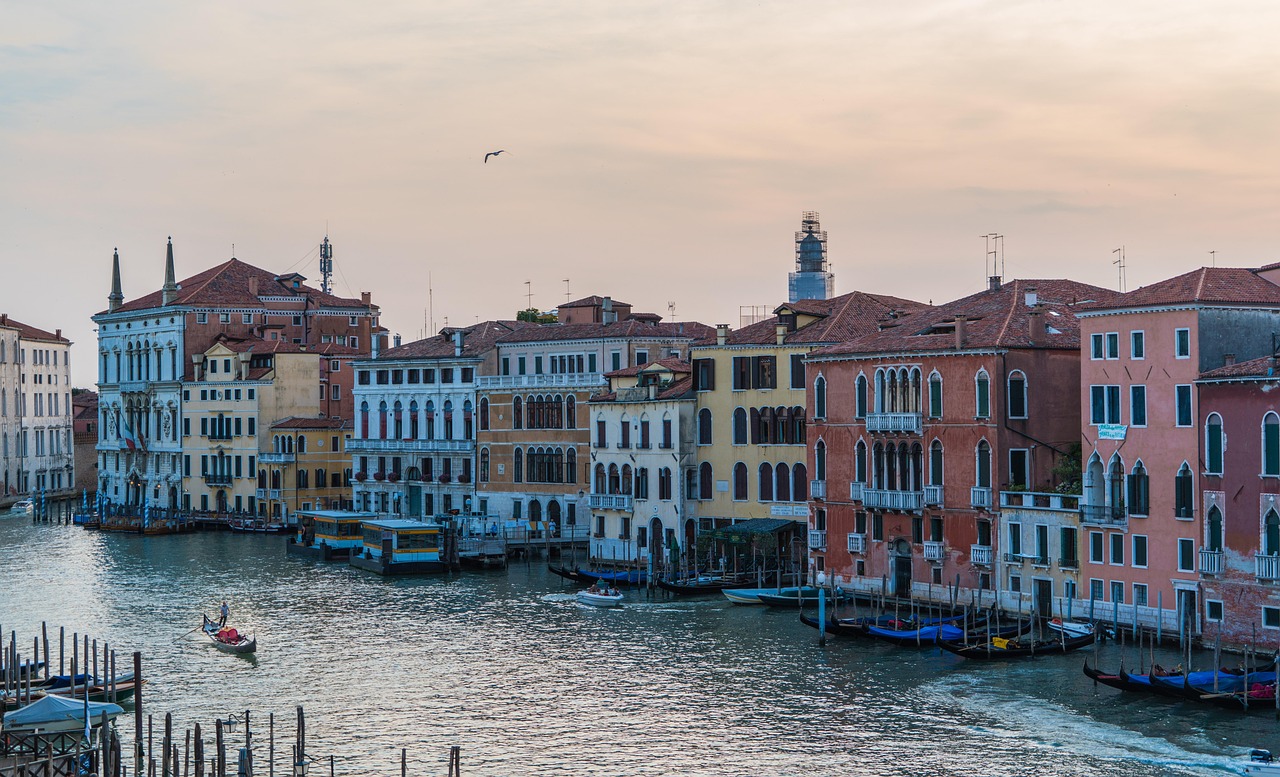
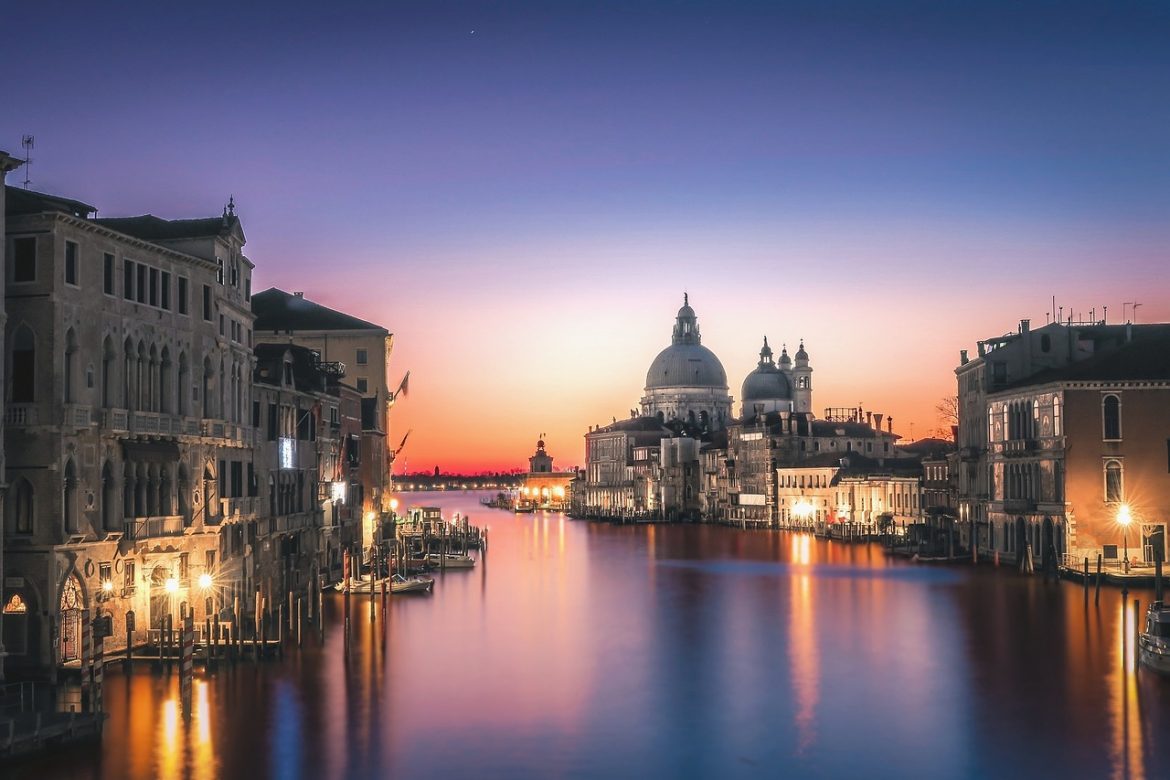
Venice from the Water Private Gondola at Sunset with reflections along the Grand Canal
If you’re picturing a private gondola ride, Venice sunset, Grand Canal moment, let it be this: a quieter side canal first, where the stone walls hold the last warmth of the day, and then a gentle drift along the Grand Canal as the palazzi begin to glow. Venice from the water feels like stepping into a painted scene—soft, cinematic, and oddly calming, even when the city is busy.
One traveller shared a story I still think about: on an anniversary gondola ride, their gondolier arranged a surprise serenade. It wasn’t loud or performative—just a few Italian verses that seemed to echo off the canal and settle into the evening. That small, personal touch uncovered Venice’s romantic charm in a way no itinerary line ever could.
Private gondola ride details in Venice that keep it seamless
For a high-end experience, ask for a route that begins away from the most crowded canal junctions, then finishes with a wide-water stretch for photographs. The best timing is the last hour before sunset, when the light is flattering, and the temperature is kinder in warmer months.
Etiquette is simple and reassuring: greet your gondolier warmly, keep your voice soft when you pass residential windows, and tip with quiet appreciation if the service has been thoughtful. For photographs, shoot low to catch reflections, and look for details—arches, lanterns, the curve of a ponte—rather than only the wide views.
Gondola vs water taxi vs vaporetto for the Grand Canal
A gondola is intimate and slow, perfect for romance and atmosphere. A water taxi is the sleek choice when you want privacy, speed, and door-to-door ease—especially with luggage or a tight dinner reservation. And the vaporetto can be a beautiful alternative for a short stretch: take it at dusk for an effortless way to see Venice’s facades without arranging anything at all.
Book in advance for the best time slots, particularly from April to June and September. Prices vary by season and route; for planning, expect a private gondola to cost in euros, at a premium compared with public transport, but the experience tends to feel priceless.
The Piazza San Marco VIP tour includes early entry to the Basilica and Palazzo Ducale.
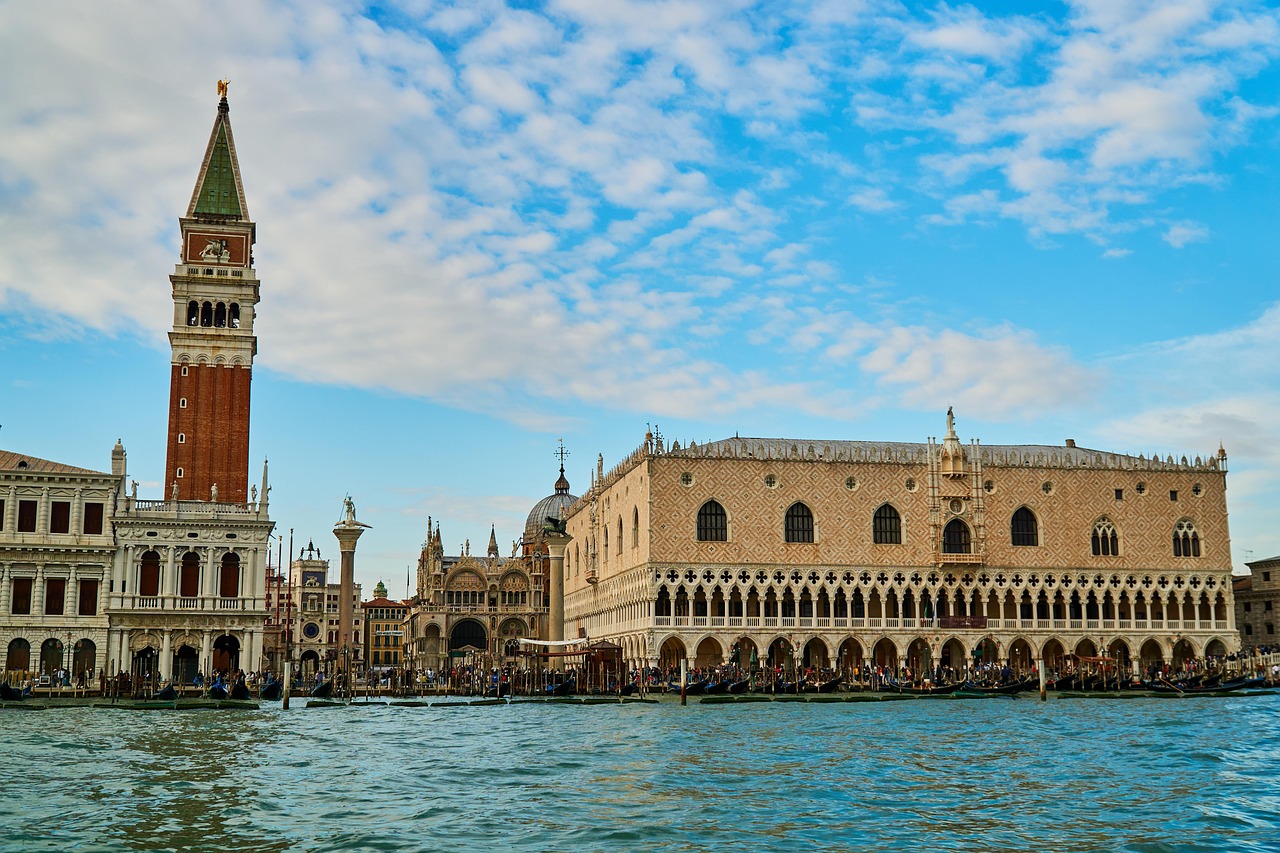
Piazza San Marco VIP Basilica and Palazzo Ducale at first light
For the Piazza San Marco VIP early entry tour of St Mark’s Basilica and Palazzo Ducale, the real luxury is calm. Arrive before peak hours, when Mark’s Square still feels spacious, and the city sounds are mostly footsteps and gulls. Piazza San Marco is the emotional centre of Venice, and an early arrival lets you take it in with confidence rather than competing with the tourist crush.
Inside Mark’s Basilica, the basilica mosaics are a lesson in light: Byzantine gold that changes as you move, and details that reward a slower gaze. A VIP early entry tour helps you understand the Di San Marco symbolism without being swept along by crowd flow—this is one of the attractions in Venice where expert context genuinely improves the visit.
Mark’s Basilica, the di San Marco mosaics, and respectful confidence
Dress modestly for churches, keep your voice low, and be prepared for brief pauses as staff manage entry. A private guide can support you with gentle care—where to stand for the best view, what to notice, and how to move through spaces respectfully without feeling self-conscious.
Some areas are free to enter, while others require timed tickets. If you hear someone say “it’s free”, they may mean the main church entry at certain times, not the museums or special sections. Planning your ticket in advance is a quiet act of self-kindness in Venice.
Palazzo Ducale, Bridge of Sighs, and the campanile bell tower view of the city
Pair the basilica with the Doge’s Palace (Palazzo Ducale) straight afterwards. I’ve heard seasoned visitors say, with a smile that’s half disbelief, “love the Doge’s Palace”—because it’s not just grand rooms; it’s the story of the Venetian Republic made tangible in corridors, courts, and decisions that shaped the lagoon.
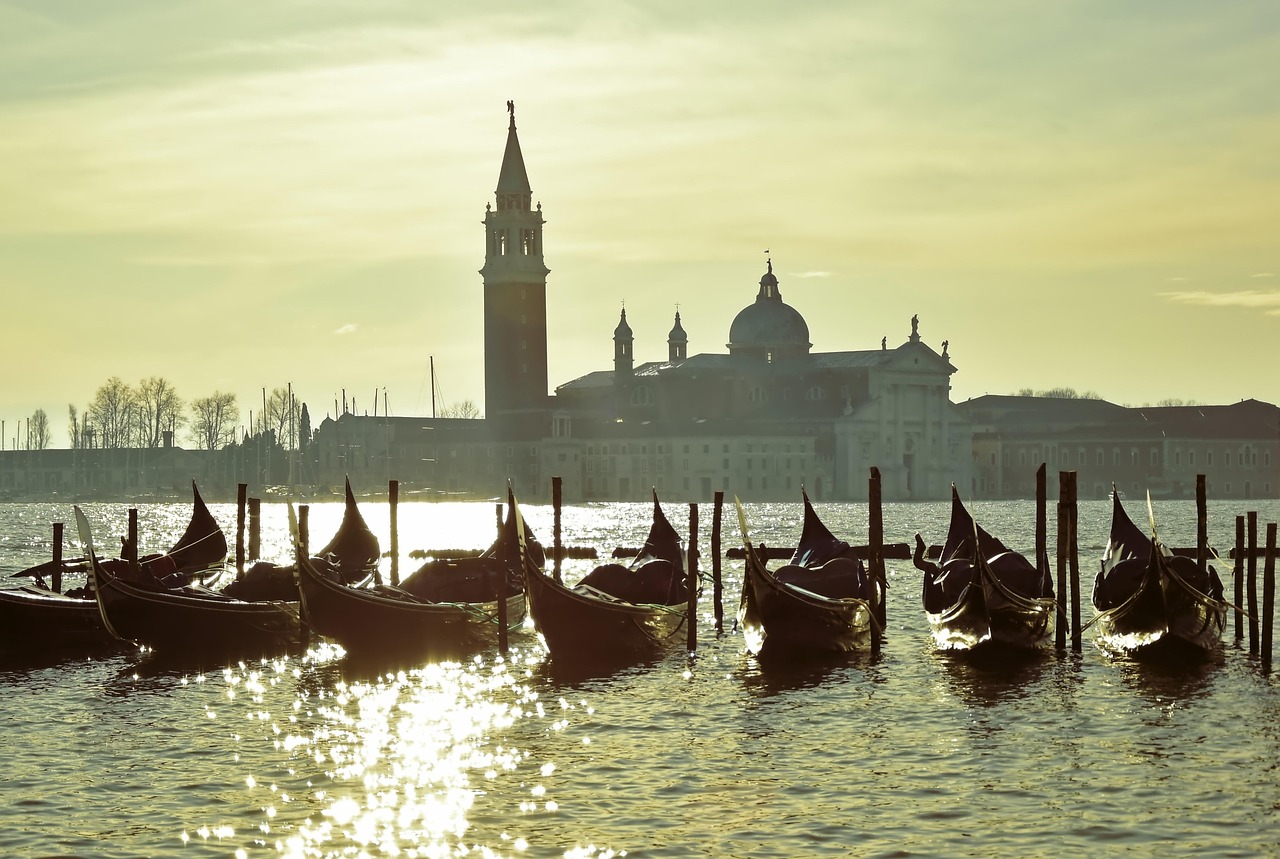
Don’t rush the Bridge of Sighs moment; it’s brief, but the emotional contrast is real. If you have energy, add the campanile for a view of the city that makes Venice’s layout instantly legible: canals threading between rooftops, and San Giorgio Maggiore sitting across the water like a calm counterpoint.
- Best tactic: book timed entry for the basilica and palazzo ducale, then walk out into the square before the peak surge.
- Support tip: A guide or concierge can align entry times to make your morning feel seamless.
- Quiet detail: step to the waterfront and look back—the light often turns the stone honey-coloured.
Rialto Bridge Cicchetti and Getting Lost Well for Rialto Bridge cicchetti bacari getting lost Venice
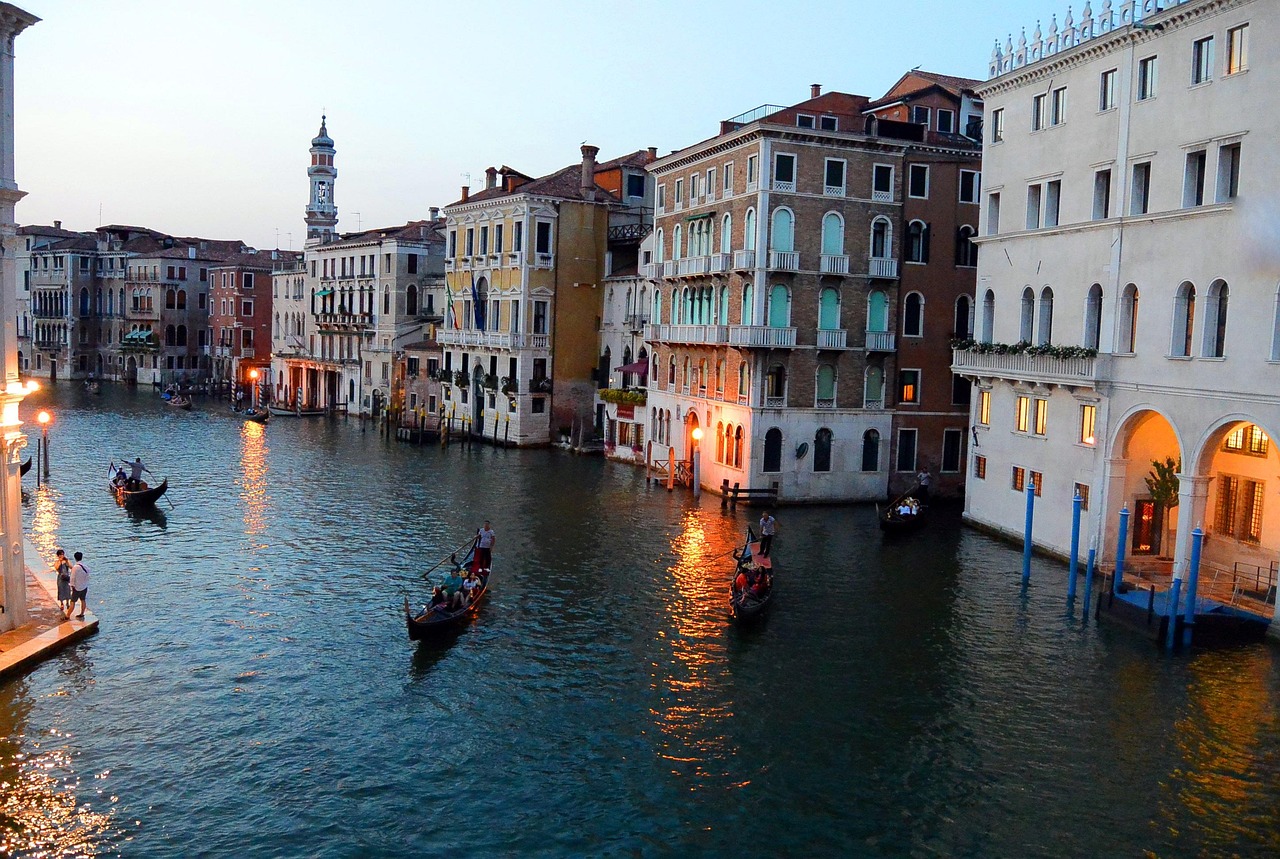
Rialto Bridge, Cicchetti and Getting Lost Well near a lively canal
For Rialto Bridge cicchetti bacari getting lost in Venice, design a gentle route that lets you cross the Grand Canal at the Rialto Bridge, feel the market energy (it’s cool to see), and then slip away before you linger too long in the crush. This is where Venice shifts from monumentality to daily life, and where small choices—timing, side streets, a good bar—create a more local feeling.
Cicchetti culture is Venice’s refined answer to grazing: small bites chosen with care, paired with a glass of wine, enjoyed standing at a counter with quiet conversation. It’s one of my favourite things to recommend because it’s social without being heavy, and it lets you sample the food scene in Venice without committing to a full meal straight away.
Cicchetti and bacari with quality over quantity
Pick two or three bacari rather than attempting a long crawl. Look for a short menu, busy locals, and a calm confidence behind the counter. A few well-chosen bites—seafood, seasonal vegetables, a polenta topping—can feel more luxurious than an overfilled table.
If you’d like a simple steer on where to eat in Venice later, avoid dining right by St Mark’s Square. You’ll often find better value, warmer service, and quieter rooms in neighbourhoods where Venetians still pop in after work.
Getting lost in the streets of Venice and uncovering artisan shops
Another traveller told me the highlight of their visit wasn’t a headline sight at all—it was wandering backstreets, getting lost on purpose, and uncovering tiny artisan shops: handmade paper, small leather goods, and workshops where the maker actually looked up to chat. Those moments of genuine local connection are part of Venice’s real luxury.
For ease at busy times, consider a water taxi drop-off when you’re dressed for dinner or carrying shopping. Otherwise, a vaporetto hop can be perfectly practical—and it doubles as a scenic way to see Venice without overthinking it.
Modern Art and a grand canal palazzo afternoon for Peggy Guggenheim Collection, Venice.
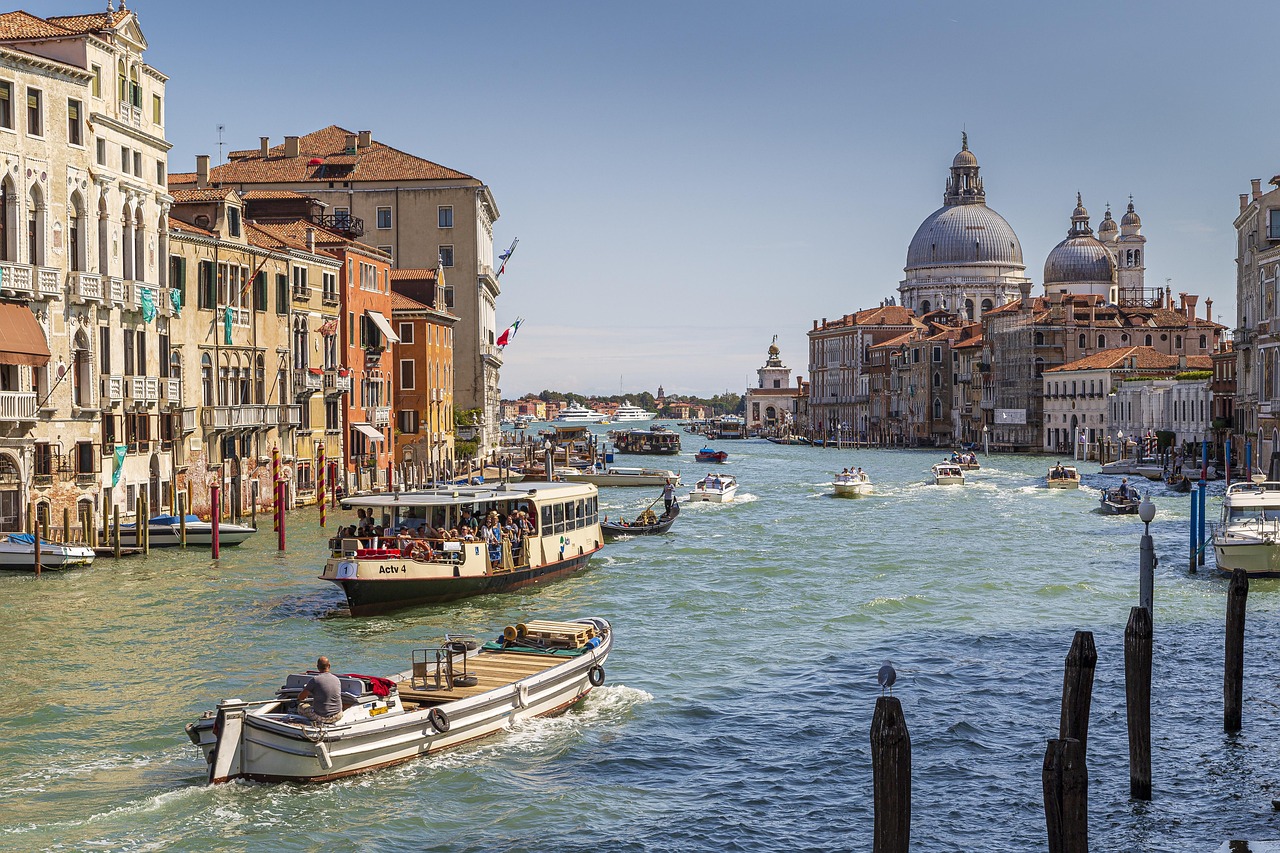
Modern Art and a Grand Canal Palazzo Afternoon at the Peggy Guggenheim Collection
If you’re searching for Peggy Guggenheim Collection modern art in Venice, Grand Canal, Palazzo, consider it the most elegant counterpoint to Venice’s historic circuit. The Peggy Guggenheim Collection sits in a palazzo on the Grand Canal, where modern art feels unexpectedly at home—clean lines and bold ideas framed by waterlight and stone.
This is a wonderful part of Venice to slow down. The rooms are human-scaled, the pace is calmer, and the experience feels curated rather than crowded. When the city is loud, this palazzo can feel like a breath you didn’t realise you needed.
A designed museum visit with calm, confidence, and a café pause
If you love detail, a private guide can bring the collection to life with insight; if you prefer independence, an audio strategy works well—choose a handful of pieces and go deeper rather than trying to “complete” every room. Give yourself permission to sit, look, and let the work land.
Build in a café pause to keep the afternoon seamless. In Venice, that small reset matters: it supports your energy, your mood, and your willingness to keep exploring with curiosity rather than fatigue.
Step back outside and let the architecture do its quiet work—doors, courtyards, and the shimmer of water against foundations. It’s a beautiful way to experience Venice at a softer pace, especially if you drift through Dorsoduro-style lanes and find one of the city’s artisan paper shops.
- Book ahead: secure timed entry in peak seasons so your afternoon stays unhurried.
- Keep it light: choose one nearby add-on rather than overstuffing the day.
- Notice the water: the Grand Canal light changes fast—pause when it does.
Murano and Burano: a crafted lagoon escape for a day trip from Venice.
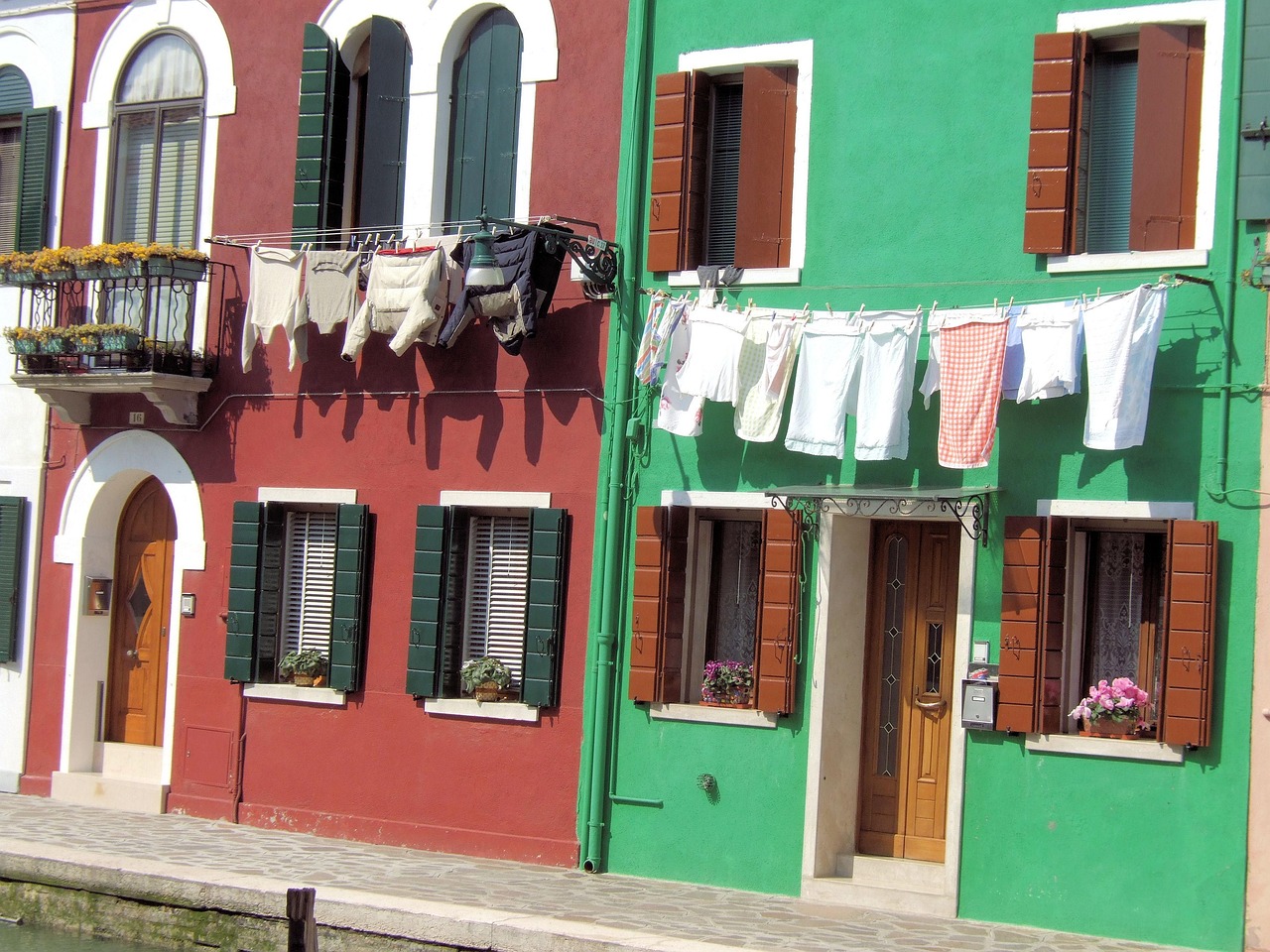
Murano and Burano: A Crafted Lagoon Escape with colourful houses and quiet water
For a Murano Burano lagoon day trip from Venice, think of it as an “around Venice” escape that refreshes you. The island of Murano offers glass artistry with real heritage, while Burano brings colour, lace, and a small island atmosphere that feels like a gentle exhale after the city’s grandeur.
The high-end routing choice is simple: take a private boat for privacy and control, or take the vaporetto for a more relaxed, public-luxe experience with great views. The trade-off is cost versus ease; a water taxi or private boat helps you avoid the heaviest tourist wave, but the vaporetto can be perfectly comfortable if you time it well.
Murano glass and Burano lace without the souvenir feeling
Choose a workshop-style visit that feels interesting and unique. On Murano, a glassmaking demo can be genuinely moving when you see the precision and the heat up close. On Burano, look for lace heritage presented with respect—more craft story than shopping pressure.
Go early for softer light and calmer lanes, then return before the late afternoon rush. That rhythm keeps the day balanced, especially if you’re travelling to Italy on a longer route and want to protect your energy for evenings back in Venice.
The lagoon as a sensory reset
Out on the lagoon, the air tastes of salt and distance. Canals feel quieter, footsteps slow down, and you get the chance to see a slower Venice’s surrounding world—one that makes the city’s brilliance feel even more improbable.
Seamless Venice logistics: hotels, water taxis, vaporetto, Piazzale Roma tickets in advance.
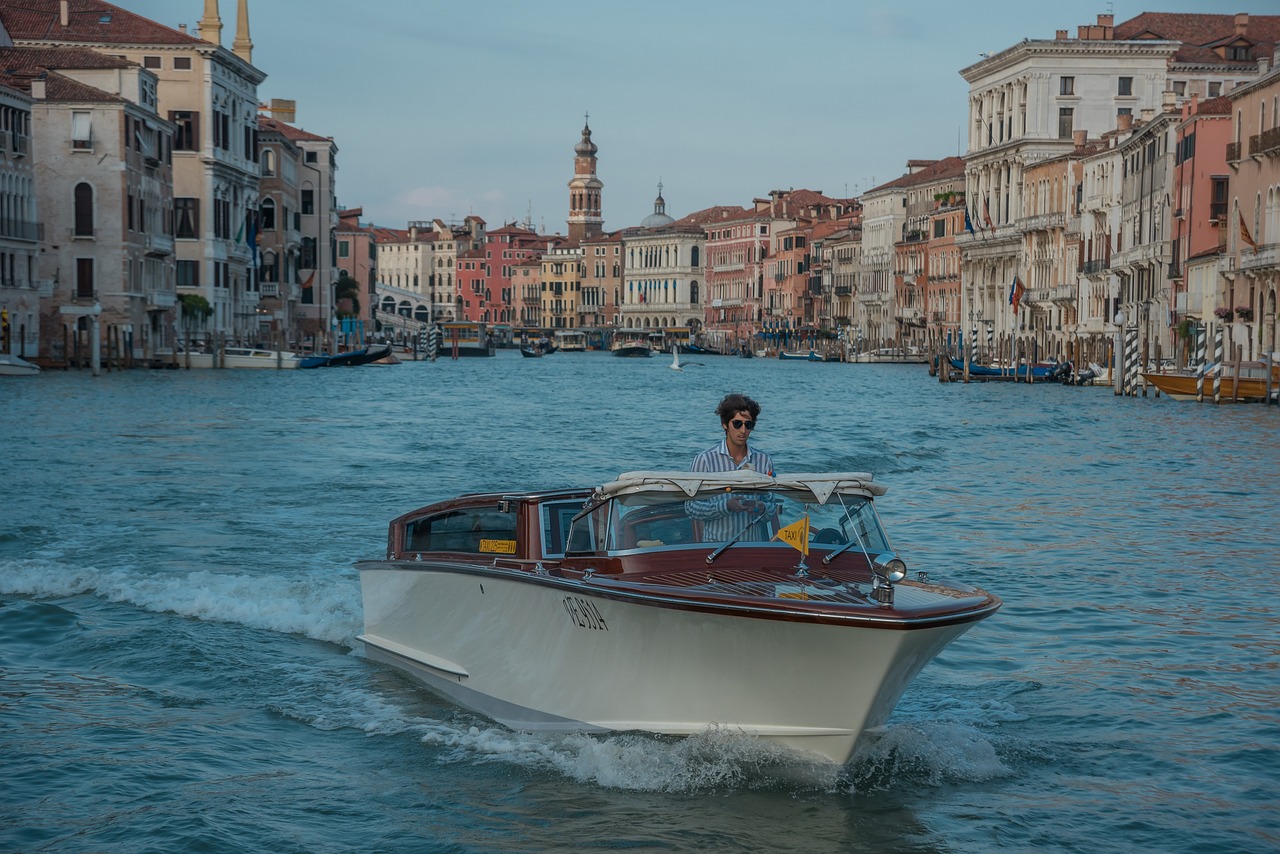
Seamless Venice Logistics, Hotels, Transport and Tickets with a vaporetto on the canal
For Venice hotels, water taxi vaporetto Piazzale Roma tickets in advance, the goal is simple: remove friction so the beauty can take centre stage. Most arrivals funnel through Piazzale Roma (road access) and the station; from there, you choose between a water taxi for privacy and speed, or the vaporetto for an efficient, scenic ride that still feels distinctly Venetian.
If you’re arriving with luggage or dressing for dinner, a water taxi is often worth it—especially if your hotel has a private dock. If you’re moving at midday without bags, the vaporetto is the most efficient way to see Venice, and it gives you a front-row seat to canal life for the price of a simple ticket.
Venice hotels by neighbourhood and stay duration
Where you stay shapes your time in Venice. Central buzz near Piazza San Marco can be thrilling but busier; quieter luxury in areas like Dorsoduro or Cannaregio can feel more residential and restful at night. The right base depends on whether you want to step out into the city’s theatre or retreat into calm between outings.
If you’d like inspiration for longer routes, our Trip gallery can help you imagine how Venice fits into a broader Italian journey, with the logistics already taken care of.
Tickets, seasons, and needs-aware planning with care
Ticketing is where expert planning gives you peace of mind. The basilica, palazzo ducale, and some museum time slots are best booked in advance as a ticket; a concierge can align timings so you’re not criss-crossing canals unnecessarily. Aim for April–June or September as the best time to visit Venice: pleasant weather, fewer extremes, and a more comfortable pace on foot and water.
- Mobility: Venice has many steps and bridges; choose routes with fewer crossings and consider private boat transfers for ease.
- Luggage: travel light where possible; porters and water taxis can support heavier cases.
- Dining needs: if you require gluten-free options, ask your hotel concierge to call ahead—good kitchens are usually happy to help.
With thoughtful design, Venice becomes wonderfully manageable. You’re free to explore with confidence, knowing the foundations are secure.
F.A.Qs: Venice travel guide answers
What shouldn’t you miss in Venice?
Prioritise one early start at Piazza San Marco for the basilica mosaics, one Venice-from-the-water moment (ideally a sunset gondola), and time to wander quieter lanes for artisan shops. Add cicchetti in a local bacaro and, if time allows, a half-day to Murano and Burano. The best experiences in Venice come from combining a few top sights with the unplanned corners you uncover as you go.
How much is a 30-minute gondola ride in Venice?
Prices are usually set by the city and can vary by time of day and season; in practice, expect a 30-minute private gondola to be a premium experience priced in euros, with evenings costing more than daytime. If you want the best route and timing—especially around sunset—book ahead and confirm the duration, starting point, and any extras (like music) before you arrive.
Do and don’ts in Venice, Italy?
Do start early, book key tickets in advance, and speak softly in residential streets and on canals. Dress modestly in churches and maintain a light, respectful presence in crowded areas. Don’t linger on narrow bridges or block lanes for photos, and don’t assume the closest restaurant to major sights will be the best. A little awareness makes Venice feel welcoming for everyone.
What not to do in Italy as an American?
Don’t expect meals and service to run on a rushed timetable; in Italy, lingering is normal. Avoid overly loud voices in sacred or quiet spaces, and dress with modesty in churches. Don’t treat historic areas like theme parks—respect local life, especially in places like Venice, where homes sit beside tourist routes. Finally, don’t rely on last-minute entry for major sights; timed booking prevents disappointment.
Back to Venice: Personal reflections after the visit.
For personal reflections after a visit to Venice, what remains is rarely the headline facts. It’s the light on water when the canal turns suddenly quiet, the soft scrape of shoes on stone, and the way history feels close enough to touch without ever feeling finished. Venice has a particular ability to hold you—gently—so that even busy moments feel threaded with meaning.
You might remember how trust changes a journey: you didn’t just hurry through, you explored with intention, together with the city, and with the reassurance of a crafted plan. The result is a kind of calm confidence—space to notice a doorway, to pause on a ponte, to listen to the water, and to feel that you were exactly where you meant to be.
A seasoned visitor once described the delight of a private cooking class with a Venetian chef: flour on hands, laughter in a small kitchen, and a new respect for the simplicity behind Venetian flavours. It wasn’t about mastering recipes so much as belonging for an afternoon—proof that cities in the world can still offer intimacy when you approach them with care.
And when you leave Venice, it doesn’t close behind you like a completed chapter. It lingers—quietly—until one day you may find yourself imagining a return, not for the lot to see, but because you love Venice, and it keeps unfolding when you’re ready.