Visit Ancona, Italy, in 2026: best things to do in Marche with calm confidence
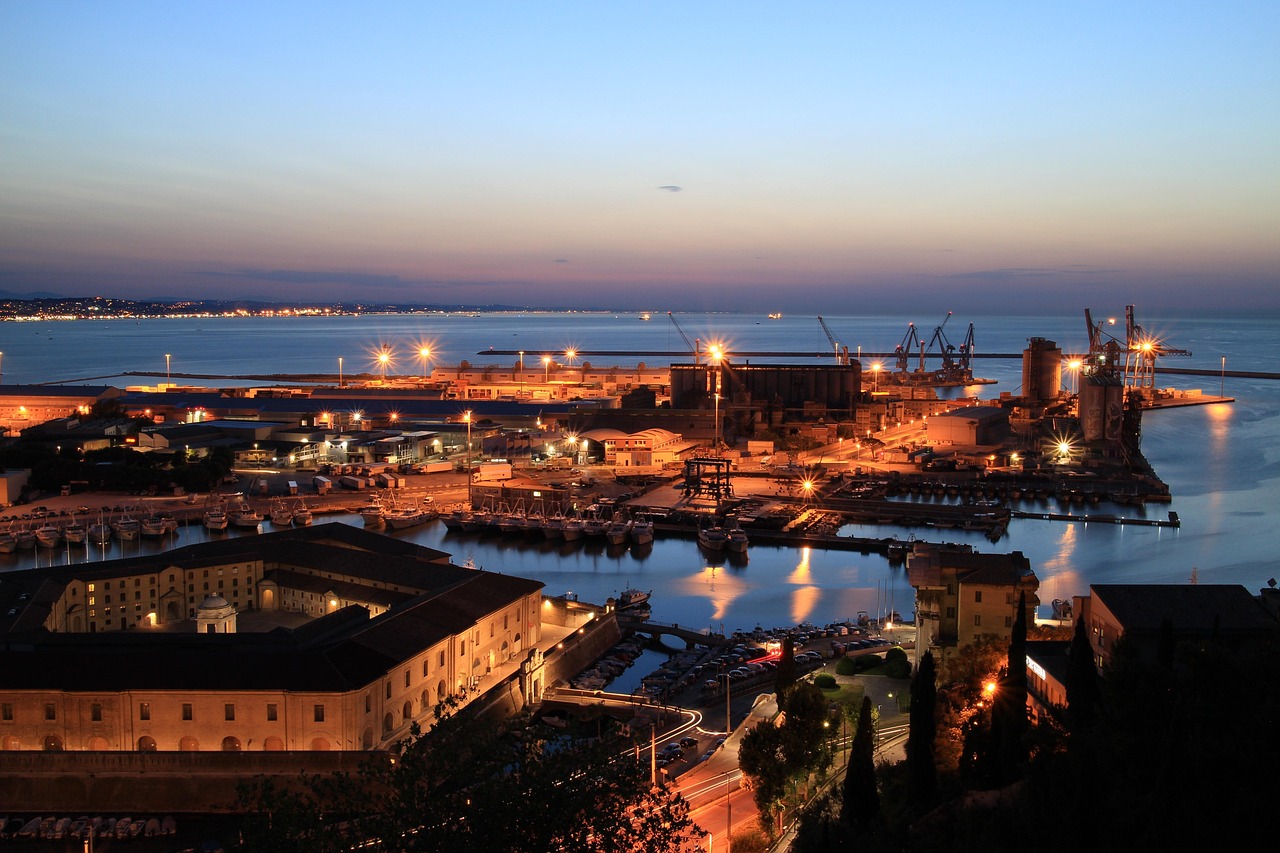
Ancona on Italy’s east coast: port energy and easy day trips in the Marche
If you’re planning a calm, culture-rich getaway, start by placing Ancona on the map: central Italy, on the coast northeast of Rome. Your first impression is a working seaport with real maritime bustle, yet a few uphill turns deliver surprising quiet. That contrast is your advantage: you can delve into sightseeing, then step back whenever you want.
Ancona is a city where you can design days around energy, not a rigid checklist. Think old town mornings for local history, coastline afternoons for light exertion, and unhurried evenings that feel restorative. In the city of ancona, small choices—shade, timing, and gentle pacing—make the experience feel personal and sustainable.
Ancona as a base in the Marche – designer days from port to hilltop streets
Use a simple framework to explore with confidence. Start early in the historic lanes while the streets are cooler, then let the afternoon belong to the beach or cliff paths, and keep evenings slow and local. You’ll find the city centre compact, but built on a slope, so your rhythm matters more than speed.
For high-end travellers, the quiet luxury here is how quickly the mood changes: espresso near the port, a short climb to a viewpoint, then a long exhale by the water. A short walk mindset helps—small distances, big moments—especially when you stop to notice shifting colours on stone and sea. Look for one panoramic pause each day and let that become your anchor.
Why go now and how to arrive – Falconara airport, Trenitalia trains, and smooth logistics
The sweet spot is late spring through early autumn, when Marche feels lively with festivals and longer daylight for coastal routes. Arrive via Falconara Airport in Ancona, which connects with international flights via major hubs, or choose rail for a relaxed approach. Trenitalia services make it easy to come from bologna, milan, and the capital—Rome is around 3.5 hours by rail depending on the service.
To keep things seamless, book accommodation that lets you walk to both the port and the hilltop neighbourhoods. If you want a little designer guidance for the wider country, keep this inspiration saved for later: Trip gallery.
- Timing: Avoid peak midday hours for cooler wandering and fewer crowds.
- What to wear: comfortable walking shoes for stone steps and uneven lanes.
- Etiquette: a polite greeting goes a long way, and modest attire helps at sacred sites.
- Money: carry a little cash for small purchases and low-cost entries.
One evening, local food enthusiasts told me their favourite way to uncover Ancona was simply to follow the scent of the sea to the fish market. They tasted the freshest catch while chatting with friendly fishermen about maritime traditions, then lingered over stockfish talk and family recipes—an intimate insight that no guidebook headline can replace.




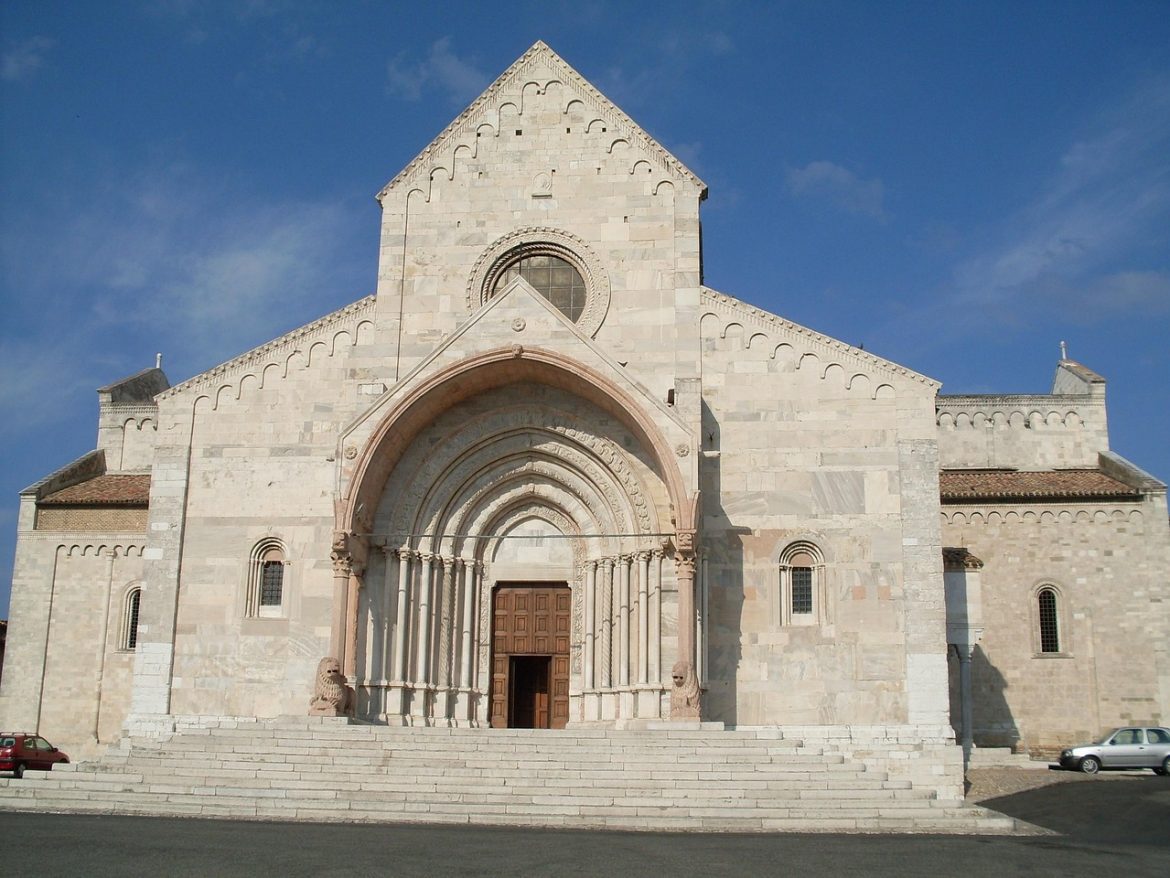
Ancona Cathedral of San Ciriaco – hilltop piazza and Adriatic Sea views
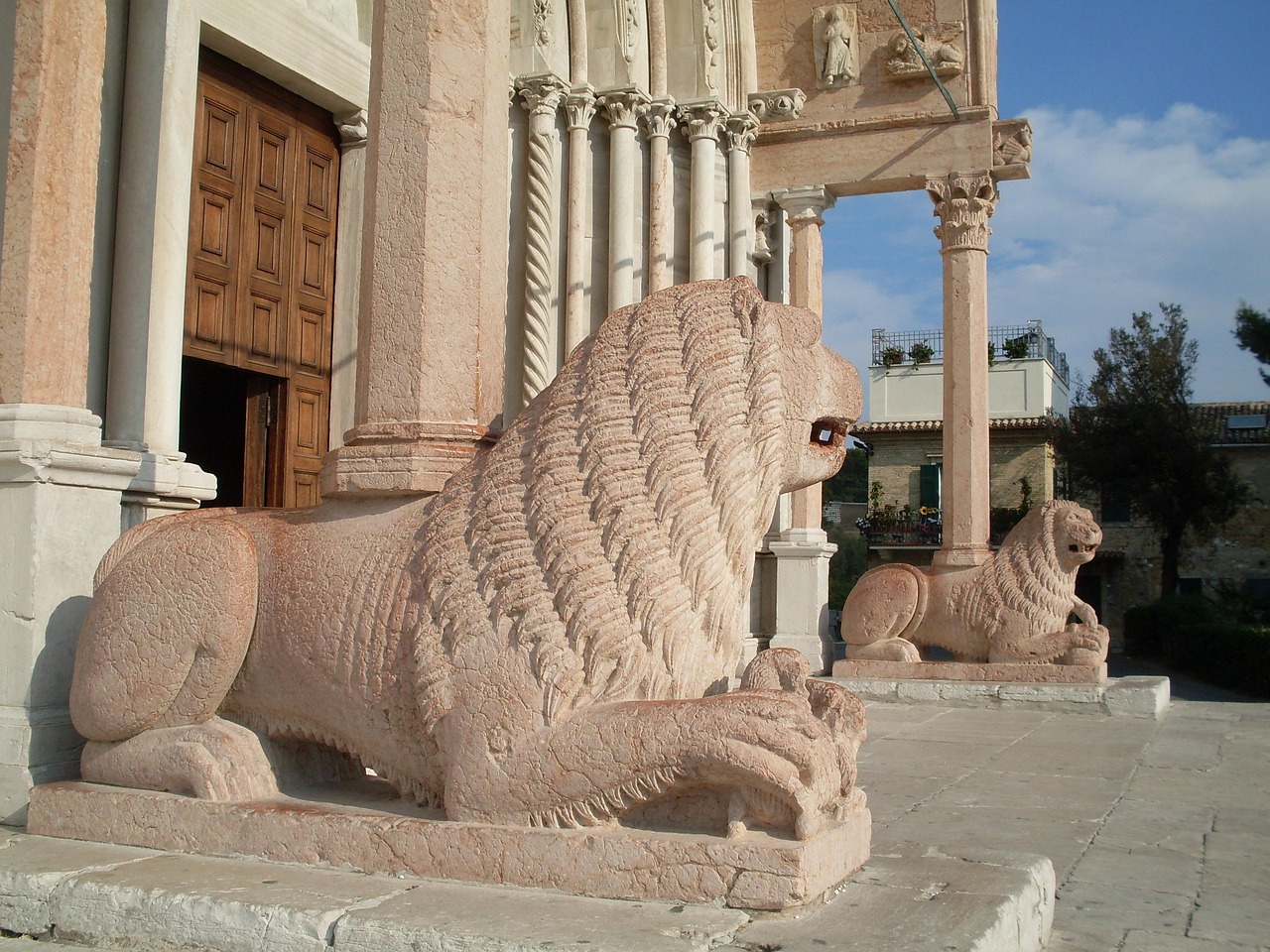
Hilltop views in Ancona: the cathedral terrace above the sea
Give yourself permission to arrive slowly. The climb to Monte Guasco feels like stepping onto an Acropolis, with the city falling away behind you. The light changes quickly here, and when it hits the water just right, you understand why this height has been cherished for centuries.
This is one of those Ancona moments that can be both personal and panoramic. Let it be crafted rather than forced: pause, breathe, then lift your camera only when the scene has settled in you. You’re not just collecting images—you’re building memory with care.
San Ciriaco and the cathedral details are worth lingering over
The Duomo, the cathedral of San Ciriaco, carries a Byzantine solidity with Gothic touches that reward close looking. Notice the marble lions guarding the approach; they add a quiet theatre to the entrance, like a welcome and a reminder to slow down. Inside, the atmosphere feels reassuringly cool, almost like a hilltop basilica—a gentle reset after the climb.
Keep your visit respectful and comfortable: modest clothing is appreciated, and a simple greeting to staff helps you feel part of the rhythm rather than a passerby. If you’re travelling together, it’s also easy to support one another—one person watches bags, the other takes photos, then swaps seamlessly.
A short walk from the hilltop piazza into the historic centre
From the Piazza del Duomo, drift downhill towards the historic centre for a confidence-boosting first afternoon. You can weave in ancient churches like Santa Maria della Piazza and small lookouts where the harbour appears between rooftops. If you want one more viewpoint without committing to a long hike, ask a local about Pietralacroce—a quieter spot where the sea breeze feels almost private.
Go earlier in the morning or later in the day for sweeping views without the heat. A small shift in cloud cover can change the whole scene, turning the bay and rooftops splendid in minutes.
Ancona historic centre itinerary in Marche – Roman Theatre, Arch of Trajan, and old stones
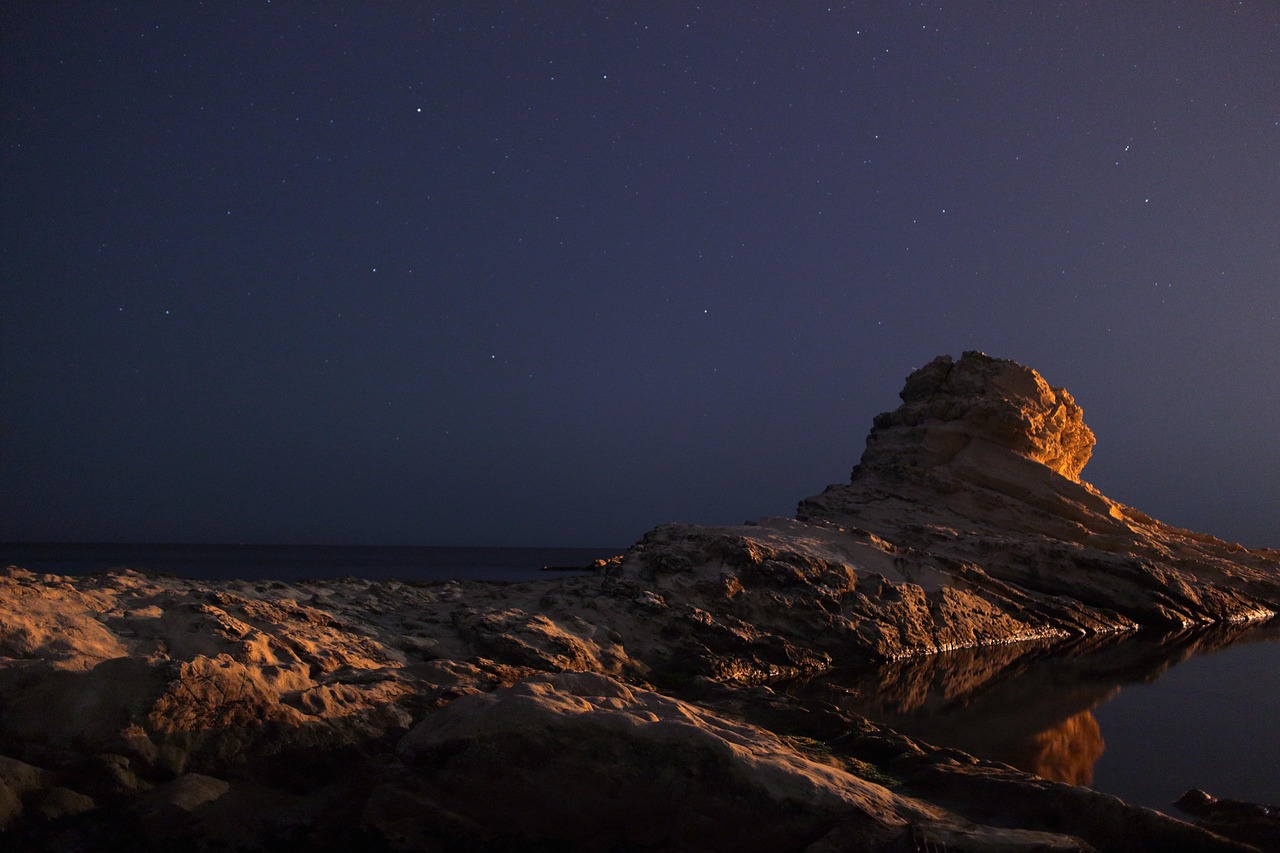
Roman-era Ancona: theatre steps, port-side arches, and lived-in streets
If you’re sketching an Ancona walking plan, think in pairs: one historic site, then one street that connects it to everyday life. Start with the ancient Roman Theatre (Teatro Romano), a remarkably preserved site set inside the modern fabric of the city. Unlike a Roman amphitheatre, this theatre was designed for dialogue and drama—its layout makes you imagine voices travelling up through the tiers.
Entrance is usually affordable—often under 5 euros—so keep some cash and enjoy how accessible the past feels here. You don’t need to be an expert to appreciate it; you just need the willingness to look twice.
Roman Theatre: local history and archaeological finds in the heart of Ancona
Pause on the higher rows and notice how the city wraps around the site. A few details—stone cuts, surviving stair lines, and small archaeological finds—make the experience feel surprisingly intimate. It’s an ideal stop when you want depth without a long detour.
The Arch of Trajan by the seaport is a landmark monument and maritime signal
Next, walk toward the water for the Arch of Trajan, a white stone monument from the second century AD. Standing near the port, the arch reads like a statement: Rome’s power made maritime movement possible, and Ancona mattered because ships mattered. Today it’s a living contrast—ancient authority beside modern cranes and ferry departures—making this landmark feel grounded rather than staged.
When you stand there, the maritime story becomes tangible. You can feel how Ancona has always been outward-looking, with the sea as both livelihood and horizon.
Mole Vanvitelliana (Lazzaretto) – architecture, museums, and the Omero experience
For an art-and-architecture detour, head to the mole vanvitelliana, a pentagonal building designed by Luigi Vanvitelli as a quarantine station. It was once a place of separation and safety, yet today it feels open, creative, and quietly bold. An art lover told me their visit here was unexpectedly moving: contemporary works set against fortress walls made them reflect on time, vulnerability, and resilience, all at once.
For deeper context, the national archaeological museum helps you read what you’ve seen—coins, fragments, and curated stories that turn “ruins” into real lives. Then, for something more personal, consider the Omero experience: a tactile museum approach that invites you to explore form through touch and description, adding a rare layer of human understanding.
- How to sightsee well: choose two major stops, then leave space for wandering streets between them.
- Comfort note: shaded lanes help on warmer days; carry water and take breaks without apology.
- Culture by night: if the calendar aligns, a performance at the Teatro Comunale makes the city feel elegant and alive.
And if you like small creative threads, let names like Lorenzo and Sebastiano del Piombo be inspiration points rather than guarantees—Ancona’s charm is the way it suggests connections across Italy’s cultural map, without shouting for attention. Even a single palazzo façade at dusk can feel like a private gallery.
Passetto promenade in Ancona – lighthouse path and Adriatic sunrise photography
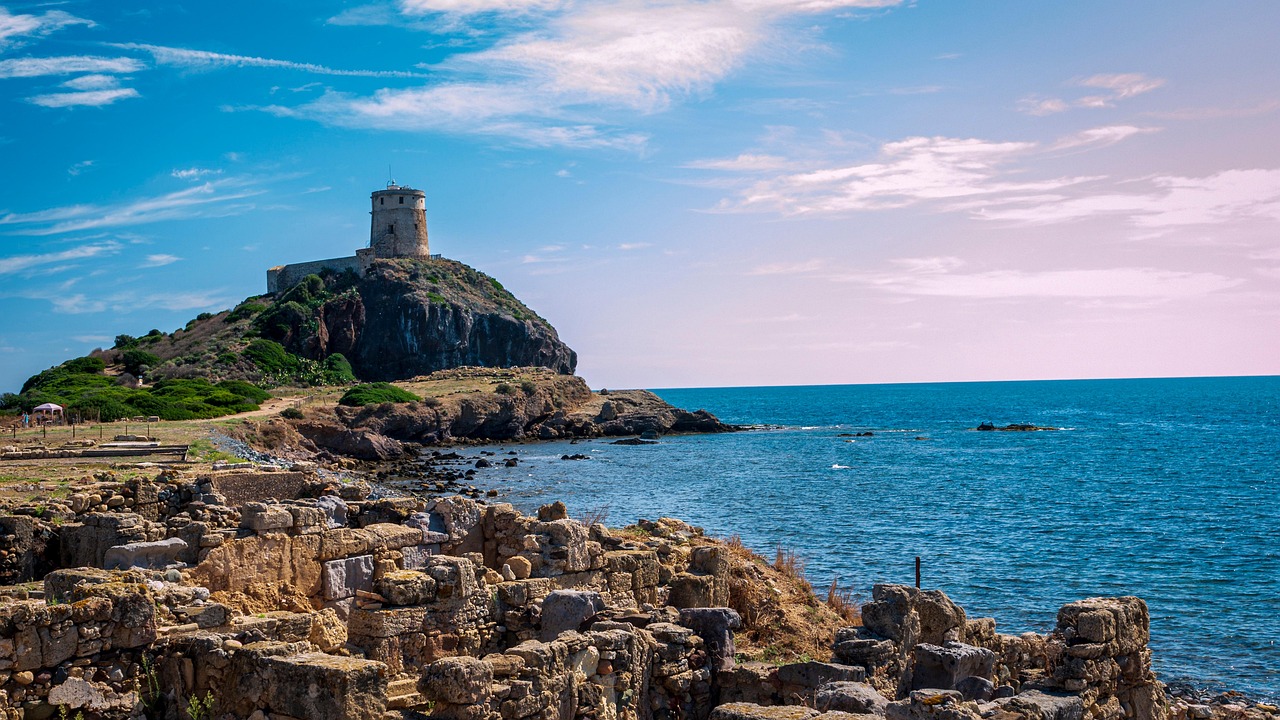
Sea cliffs and the lighthouse path: a restorative walk in Ancona
Imagine leaving the city in minutes. The promenade here has that rare quality adventure seekers love: you’re still in Ancona, yet the sea cliffs make it feel like a different world. Stone steps, sea air, and the sound of water below give you an instant sense of release.
This is where “together” becomes practical. If you’re travelling as a pair or group, you’ll naturally fall into a supportive rhythm—one person checks the path ahead, another steadies the pace—so the walk feels seamless instead of stressful.
Lighthouse ascent at dawn and a sunrise masterpiece
A group of hikers once shared their story of an early ascent to the lighthouse. They said the thrill wasn’t just the climb—it was the hush before sunrise, when the coast felt private, and the colours over the water turned the entire scene into a masterpiece. They didn’t rush photographs; they let the moment settle, then captured it with calm confidence.
If you want that same feeling, start in the cool hours and treat the climb as a moving meditation. In Ancona, the best adventures often come from choosing gentleness over speed.
Safety and sea-level rewards at the beach
A warm note of care: some areas around the rocks can be slippery when wet, so choose grippy shoes and take slower steps if conditions are damp. When you reach the waterline, Passetto Beach is the simple reward—salt air, textured cliffs, and angles photographers adore. Keep a little cash for small kiosks or extras, then unwind with the sea in front of you.
Even if you don’t climb far, the promenade itself offers plenty of adventure. The point is to explore in a way that builds trust in your body and your judgement.
Marche region: Riviera del Conero, Portonovo, and Monte Conero beaches on the Adriatic coast
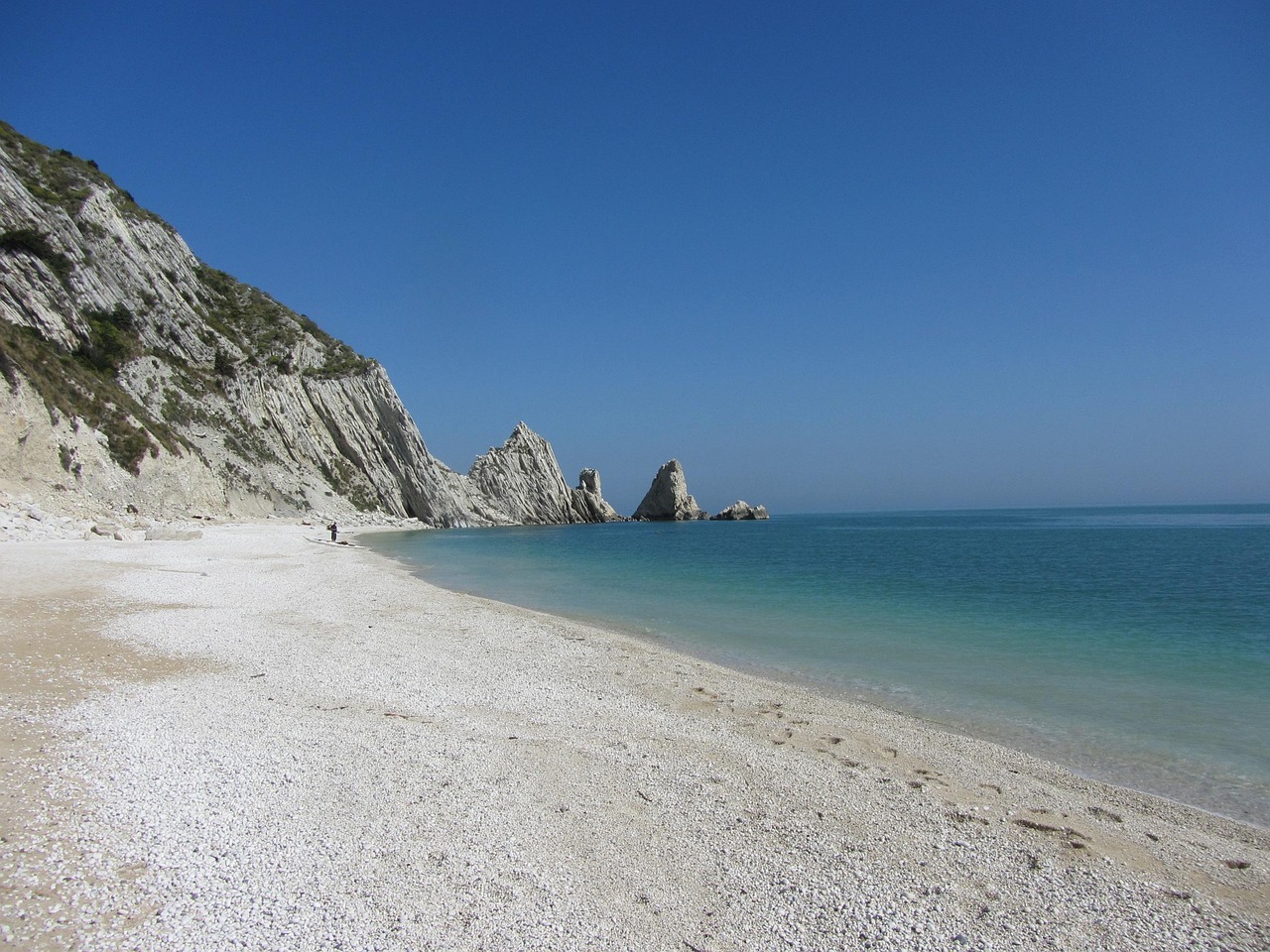
Riviera del Conero day trips: cliff paths, clear water, and beach time near Ancona
If you’re planning beach days beyond the city, you’re looking for Ancona’s wilder edge. The promontory of the Conero creates the most dramatic stretch of the Adriatic coast here, where woods and white cliffs meet clear water. It’s rugged and picturesque at once—ideal for travellers who want culture in the morning and salt-spray freedom after lunch.
From Ancona, it’s easy to design a day that feels balanced: viewpoints first, then a long swim and something delicious to finish. You don’t need a huge plan—just a little intention and good shoes. The march rhythm rewards travellers who keep things simple.
Portonovo and Mezzavalle beach choices for different energies
Portonovo is the classic stop, and Portonovo Bay has a soft glamour that still feels grounded. For a more adventurous mood, try Mezzavalle, where the approach and setting feel a touch wilder. Either way, you’ll find your beach time here is less about crowds and more about landscape—cliff lines, shifting blues, and that calming rhythm of the sea.
Getting there is simple: take buses or taxis, or drive if you enjoy the freedom to stop at viewpoints. If you’re travelling together, share the day in chapters—one person chooses the trail, another chooses the swimming spot—so everyone feels included and supported.
What to pack and the taste of Le Marche
- Essentials: water, sun cover, and sturdy shoes for trail-and-shingle transitions.
- Comfort: a light layer for breezes and a small towel for quick dips.
- Extra care: a dry bag if you’re hopping between rocks and water.
After a morning hike, reward yourself with a glass of verdicchio—a crisp local pleasure that tastes like the landscape itself. Then try brodetto, the region’s comforting fish stew, which feels especially earned after an active day.
If Ancona sparks bigger dreams, remember the port is also a gateway: catch a ferry across the sea toward Croatia or Albania, even if only as a future idea. The city’s modern side remains grounded too—maritime industry names like ferretti keep the seafaring identity real and present, not just historical.
F.A.Qs: Ancona travel questions
Is Ancona, Italy, worth visiting?
Yes—Ancona is worth visiting if you like culture with real coastal energy. You get cathedral views above the sea, a remarkably preserved Roman Theatre, and quick access to Conero beach days, all without the pressure of Italy’s headline cities. It’s ideal for travellers who want authentic local encounters, walkable sights, and adventures that still feel calm and manageable.
What is Ancona, Italy, known for?
Ancona is known for its Adriatic port, the hilltop Cathedral of San Ciriaco, and its Roman heritage including the Arch of Trajan and the ancient theatre. It’s also a strong base for the Marche coastline, with cliff walks in town and Portonovo nearby for beach time and hikes.
How far is it from Ancona to Rome?
By train, Ancona to Rome is commonly around 3.5 hours, depending on the service and connections. Driving times can vary more with traffic and routes. If you want the most seamless option, check Trenitalia schedules in advance and travel earlier in the day for a calmer, less rushed arrival.
Ancona, Le Marche, reflection after the journey with Adriatic light
What stays with you is rarely the biggest landmark. It’s the sensation of salt air in your lungs after cliff steps, the way your shoulders drop as the harbour starts to shimmer, and the soft confidence you earn by choosing your own pace in Ancona. The sea doesn’t demand anything from you; it simply offers its light, and somehow that feels like care.
You might remember the cathedral bells fading as you left the height of San Ciriaco, or the quiet moment you realised you were navigating new streets without second-guessing yourself. In Ancona, courage shows up in small, personal choices: an early start, a new path, a kind greeting, a pause to notice a detail you’d normally hurry past.
When you think back on the marche, it may not be the photographs that return first, but the feeling of being held by the city’s rhythms—maritime and hilltop, ancient and everyday. And perhaps that is the real gift: the trust that you can explore, design, and discover without forcing anything.
One day, you may find yourself imagining Ancona again in another season, not to tick boxes, but to see what the same light gently changes in you.