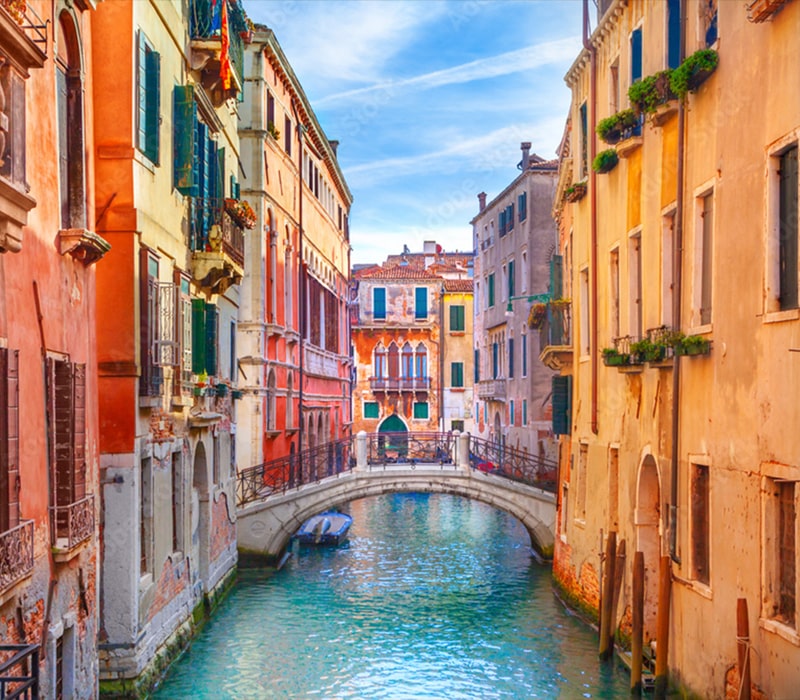
What to Do in Naples, Italy in Style – A Luxury Travel Guide for Elegant Days in Naples
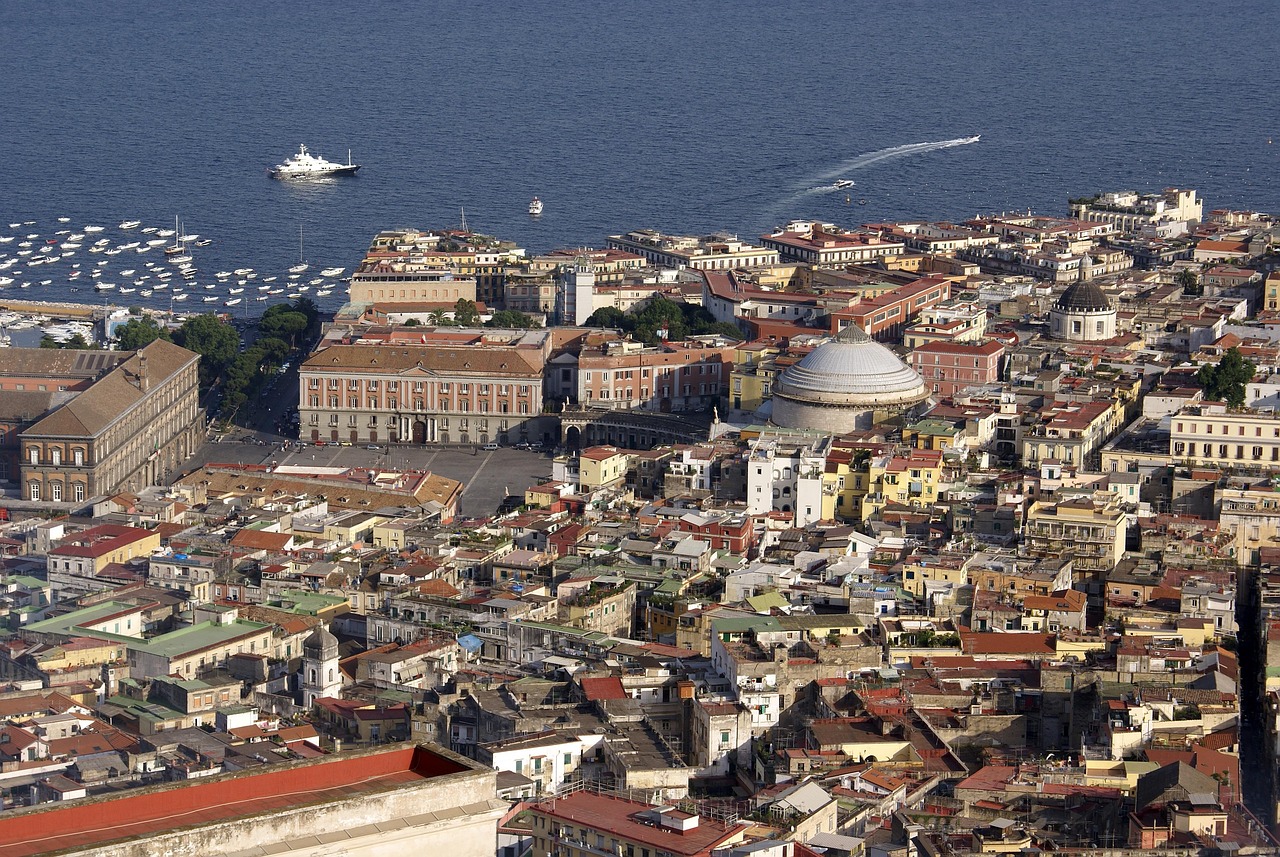
Naples in style: a luxury travel guide with Mount Vesuvius on the horizon
If you’re researching what to do in Naples, Italy, with a high-end mindset, the secret is not to overschedule—it’s to create a rhythm. In Naples, Italy, that means choosing a base you’ll genuinely enjoy returning to each afternoon, pre-booking your most important attraction slots, and leaving breathing space for spontaneous local discoveries. This travel blog philosophy works because Napoli rewards travellers who move with confidence, but also with curiosity and good taste.
For most guests, I suggest designing days in Naples around two anchors per day: one cultural highlight and one sensory pleasure (a long lunch, a waterfront walk, or a gallery-style shop stop). It keeps your time in Naples feeling elegant rather than frantic, and it’s how you see Naples with your senses fully awake. Just as importantly, think carefully about where you stay in Naples—service, location, and calm mornings make a real difference, especially if you’re following a luxury travel guide approach.
Time to visit Naples: spring and autumn light, fewer crowds, and easy walking days
The best time to visit is spring (April to June) and early autumn (September to October). The city feels softer then: clearer skies, flattering light on volcanic stone, and a calmer cadence in the streets. Crowd patterns shift too—mornings are more manageable, and late afternoons become one of the most beautiful windows for photographs and aperitivo.
Summer can be thrilling, but it’s hotter and more intense; winter can be atmospheric, with quieter museums and restaurants. If you’re planning opera, galleries, and long walks through the historic centre, shoulder seasons offer the most comfort and ease.
Flexible days in Naples for travellers short on time: one day, three days, and smart sequencing
Not everyone has a week. If you’re short on time, you can still design a polished experience with smart sequencing: a focused Naples in a day route, or a slower one-day in Naples plan with just enough grandeur and street-life to feel the city’s pulse. And if you’re spending three days in Naples, you can add a day trip to Pompeii, the National Archaeological Museum, and a sea day without feeling rushed.
Here’s a simple planning framework that keeps things seamless while leaving room for personal detours:
- Day 1: the historic centre, Duomo details, and an early evening at the opera house.
- Day 2: an underground visit and the archaeological museum, then dinner in Naples city with a concierge-backed reservation.
- Day 3: a day trip to the ruins or a coastal escape by sea, depending on your mood and energy.
Arrivals are straightforward. Naples International Airport has efficient links from major European cities; if you’re doing a visit to naples from Rome, high-speed rail is comfortable and surprisingly quick, especially with first-class seating. For the most seamless comfort, a private car transfer is worth it—less logistics, more calm, and someone else handles the edges.
A gentle word on safety, because trust and care matter: Naples ‘ safe basics are the same as those of other major European cities. Keep valuables secure, be aware of pickpockets in busy areas, and avoid less crowded alleys after dark—particularly if you’re unfamiliar with the neighbourhood layout. Naples is as safe as most cities when you move with awareness rather than worry, and your hotel team or an expert local guide can advise on routes that feel comfortable.
If you’d like inspiration for designing the wider journey through southern Italy, you can browse our Trip gallery for a sense of pacing and style.




Visit Naples’ Historic Centre – Spaccanapoli Walks, Via dei Tribunali, and Royal Palace Grandeur

Explore the historic center along Spaccanapoli
The historic centre of Naples is a UNESCO World Heritage Site, and it’s the most magnetic place to begin when you visit Naples for the first time. The best way to explore is on foot, with spaccanapoli as your spine—a living corridor of churches, boutiques, espresso bars, and everyday scenes that form the heart of naples. If you’re looking for things to do in Naples that feel immediate and real, this walk delivers, especially in Napoli’s old streets.
Weaving in via dei tribunali keeps the route grounded. Between laundry lines, bookish corners, and tiny shrines, the city offers constant, intimate insight—street-level Naples, not only postcard panoramas. It’s also where you’ll start spotting the small rituals that make Naples feel one of the most authentic destinations in Europe.
Duomo & San Gennaro: Naples Cathedral rituals and the patron saint story
Begin with the Naples Cathedral, where the city’s devotion is tangible. Within it, the Cathedral of San Gennaro holds the story of San Gennaro, the patron saint of Naples, and the rituals around him remain a living thread in local identity.
This is also an architectural experience: chapels layered with centuries, stone that seems to hold candlelight, and the quiet choreography of visitors pausing in respect. It’s an attraction that teaches you how Naples listens, not only how it performs—especially if you arrive early, when the atmosphere is most serene.
Santa Chiara to San Domenico: the cloister, calm artisan lanes, and the Veiled Christ
From there, create a churches-and-heritage loop that feels unhurried. Santa Chiara is an essential stop, and the cloister of Santa Chiara offers a gentle contrast to the city’s bustle—tiles, gardens, and a calm that resets your pace. A short stroll brings you to San Domenico, ideal for a quieter pause and a moment of crafted beauty.
For one of the city’s most emotional encounters with sculpture, book timed entry for the Veiled Christ. The workmanship is astonishing, but it’s the atmosphere—hushed, reverent—that makes it one of Italy’s most moving artistic experiences.
Then shift from the intimate to the grand set pieces. Around Piazza del Plebiscito, the scale opens up: the Royal Palace, the Royal Palace of Naples, the curve of San Francesco di Paola, Galleria Umberto, and the arcades nearby. The legacy of the kingdom of the two Sicilies is visible in these monumental spaces—formal staircases, ceremonial rooms, and the subtle language of power from that era.
If you’ve been to Milan, a quick comparison helps: the nearby arcade moment feels more theatrical and compact than Galleria Vittorio Emanuele II, yet it offers a similarly satisfying dose of Belle Époque splendour. Piazza del Plebiscito is one of those squares where you instinctively slow down; Plebiscito is one of Naples’s most photogenic squares, and it’s a perfect place in Naples to pause with a coffee and simply watch the city move.
To add neighbourhood texture, dip into the quartieri spagnoli (Spanish quarter) for street life and colour, then re-emerge along the Toledo corridor. The Toledo Metro station is a small contemporary surprise—an artful pause on a practical route. Continue to San Gregorio Armeno, famous for its nativity scene craft tradition; even outside the festive season, the artisans’ hands-on skill feels like a hidden gem in plain sight. If you love a strong main street for boutiques and people-watching, you can also walk via Toledo as a direct link back toward the waterfront.
As evening approaches, choose an elegant cultural note at Teatro di San Carlo. Dress with quiet polish—smart tailoring, a beautiful scarf, a sense of occasion—and let the house carry you. The experience can transform a trip to Naples into something lasting, especially when you treat it as a night of theatre rather than “just” a performance.
For a final coastal breath, stroll to Castel dell’Ovo at sunset—often described as the oldest standing fortification in Naples. The waterfront promenade offers sweeping bay views in warm light, and the city’s drama softens into romance.
Go Below the City – Underground Naples and Archaeological Museum Highlights Before a Pompeii Day Trip

Uncover the city’s underground layers with a private tour
For travellers who want depth with comfort, pairing underground Naples with the museum is a signature move. It’s best experienced as a private tour: smaller groups, expert storytelling, and the freedom to pause when something catches your imagination. You’re not just moving through tunnels—you’re uncovering the city’s layered memory beneath the historic center.
A guest once described the thrill of descending into cool, shadowy passages and feeling connected to millennia of southern italy beneath their feet. That sense of time travel is exactly what makes this attraction feel so rare: intimate, quiet, and unexpectedly moving.
Archaeological museum highlights: what to see, what to skip, and how to avoid queues
After the underground, rise into daylight and head to the National Archaeological Museum. The archaeological museum collection is among Italy’s great cultural treasures, with Greco-Roman masterpieces and extraordinary finds from Pompeii. For a seamless visit, pre-book tickets and choose a timed entry or early slot; it’s the difference between gliding in and waiting in a crowd.
To bring the galleries to life, focus on mosaics, domestic details, and the small clues of ordinary lives. When you see everyday objects up close first, the ruins you explore later make far more sense—and feel far more human.
Pompeii, Pompeii and Herculaneum, and Mount Vesuvius, pacing for an effortless day
If you want a day trip that feels effortless, design it with a licensed guide and a driver so you can move together with confidence. Many guests choose to tour Pompeii as their main archaeological immersion, then decide whether to add Pompeii and Herculaneum for a deeper comparative story. The second site is smaller and often feels more intimate; the larger one is more cinematic.
From the volcanic perspective, Mount Vesuvius is a powerful addition and a very different kind of landscape experience. Consider a sunrise or late-afternoon slot for better light, cooler air, and fewer visitors on the trail; Vesuvius views are particularly clear at day’s edges, especially when the Bay of Naples is clear.
A suggested rhythm that protects calm:
- Morning: visit Pompeii with a guided tour and a clear, well-organised route.
- Midday: a quiet lunch away from the busiest entrances, with water and shade.
- Afternoon: Mount Vesuvius or an earlier return to Naples for an unhurried aperitivo.
In practical terms, treat Pompeii as a full experience rather than a quick add-on. The pace matters: your guide will help you read the city’s patterns, not only its monuments. And if you do include Vesuvius, keep your footwear stable, and your schedule light; the best luxury is never feeling forced.
Neapolitan Flavours and Crafted Shopping – Neapolitan Pizza, Pastry Stops, and Spaccanapoli Finds

Neapolitan flavours and iconic pizza in the old town
In Naples, food is not a break from sightseeing—it is the sightseeing. Treat flavour as a cultural language, and you’ll understand why Neapolitan cooking is as much about identity as it is about appetite. Start with the icons: Da Michele or Sorbillo for Neapolitan pizza, where the simplicity is the point and the craft is the luxury.
Queues are part of the theatre, but you can also ask your concierge to help you plan timing or suggest alternatives with equally serious dough. If you go at peak hours, arrive with patience and a sense of play; if you prefer a more seamless evening, choose a slightly earlier slot and let the city come to you afterwards.
Neapolitan pizza: the personal story behind the dough (and why it matters)
One traveller still remembers their first proper slice as a personal milestone: sitting in a centuries-old pizzeria, chatting with local pizzaiolos who spoke—passionately—about yeast, hydration, and the “secret” methods that make pizza in Italy feel like an art form. The warmth of that exchange built trust instantly; it’s the kind of local encounter that turns dinner into insight.
Order simply, eat it hot, and don’t overthink etiquette: fold if you like, use a knife if you prefer, and enjoy the moment. In a city as expressive as Napoli, confidence is the best accessory.
Pastry stops, coffee culture, and cash for street treats
Naples’ snack culture is irresistible. Make room for pastry favourites like sfogliatella and babà, and try a ricotta-filled pastry at least once. Pair it with a quick coffee at the counter—one of the clearest windows into daily life, where elegance is measured in gestures rather than formality.
For a once-only indulgence, try fried pizza from a trusted spot, especially if you’re exploring Spaccanapoli on foot. Carry cash, as some small vendors and artisan workshops won’t accept cards, and you’ll appreciate the ease.
Then shift from flavour to style. Spaccanapoli’s lanes are layered with street art and small ateliers; wander slowly, letting colour and typography pull you into side streets that feel alive. Afterwards, design a polished shopping afternoon in Chiaia, where the mood becomes more refined: artisan leather, jewellery, and ceramics that travel home beautifully.
An art lover once told me their favourite Naples memory was not a museum but a tiny workshop, where warm hospitality turned browsing into a lesson in centuries-old craft techniques. The maker explained materials, showed tools, and offered gentle support as the guest tried a simple step by hand. It’s a reminder that the best souvenirs carry a story of place—crafted with care, not rushed.
Day Trip From Naples by Sea – Amalfi Coast Yacht Day with Views of the Bay of Naples
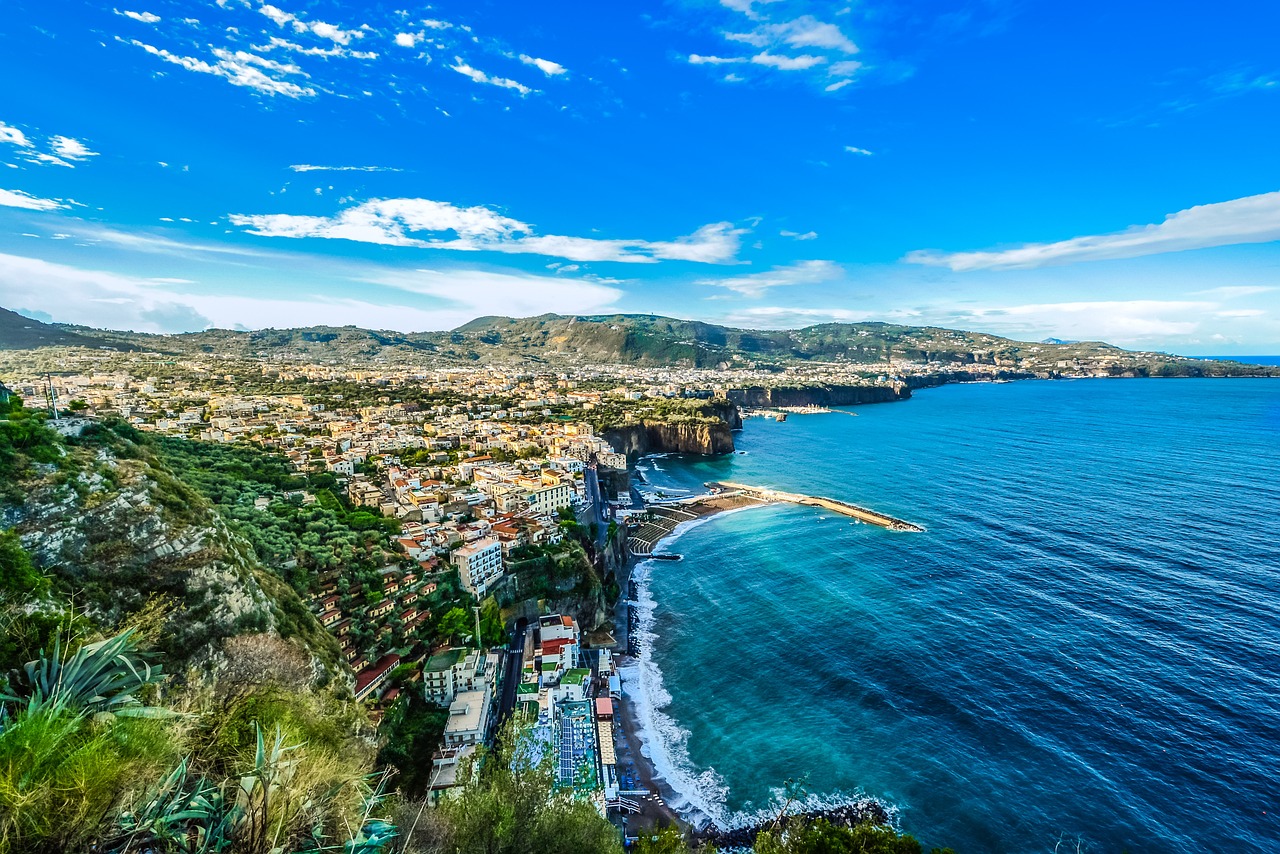
Day trip by sea with a yacht along the coast
A yacht day is the moment many high-end travellers describe as the trip’s exhale. This day trip from Naples lets the city’s edges soften as the coastline becomes one of the most spectacular stages in Europe. You’ll glide past headlands with views of the bay, watch the Gulf of Naples open wide, and arrive near Amalfi in a way that feels quietly cinematic.
This is not about ticking off towns; it’s about designing a day that feels made for you. With a skipper and an onboard host, the logistics disappear, and your only job is to enjoy the light, the salt air, and the sensation of moving through beauty.
Seamless logistics for an Amalfi Coast yacht day (what to bring and how to plan)
To protect calm, confirm marina meeting points the day before, and keep boarding simple: soft bag, sunscreen, a light layer, and swimwear that feels elegant. If you’re prone to sea-breeze chill, bring a linen shirt or a cashmere wrap—small details create comfort. A good crew will provide support with towels, drinks, and timing, keeping the day seamless.
Plan for swim stops in coves, a slow approach to Amalfi Coast villages, and a long lunch that doesn’t feel hurried. The best luxury is choosing when to do nothing at all.
Capri, Ischia, Procida, and a ferry from Naples alternative
If you want a lighter day trip without a long drive, consider islands close to Naples instead. Capri is polished and iconic; Ischia is greener and more relaxed; Procida feels intimate and colourful. A ferry from Naples is an easy alternative when you’d rather keep things simple, yet still experience the sea.
During one yacht outing, a couple described a magical sunset over Vesuvius that made their romantic getaway unforgettable. mount vesuvius becomes a silhouette then—ancient, calm, and strangely reassuring. Moments like that are why people return to southern Italy: not for urgency, but for atmosphere.
Choose your pace and let it be enough: beach coves, photography, conversation, and the kind of laughter that arrives when you feel looked after. This is travel designed together, with confidence—crafted not to impress, but to nourish.
FAQs: What to Do in Naples, Italy (Quick Answers for First-Time Visitors)
What is Naples, Italy, best known for—food, history, and culture?
Naples is best known for its historic centre, bold street life, extraordinary art and archaeology, and its deep connection to Mount Vesuvius. It’s also celebrated as the birthplace of Neapolitan pizza and for its cultural landmarks, including its world-famous opera house. The city’s energy is part of its appeal—grand, creative, and unmistakably local.
What should you not miss in Naples on a first visit?
Don’t miss walking in Spaccanapoli through the UNESCO-listed old town, visiting the Duomo, and seeing the veiled Christ with timed entry. Make time for the National Archaeological Museum, and consider a private underground experience. If your schedule allows, a day trip to Pompeii or a day on the coast by boat adds a beautiful change of pace.
Is Naples worth visiting in Italy for first-timers?
Yes—Naples is worth visiting if you want an authentic city with world-class culture and a strong sense of character. It offers remarkable churches, palaces, food, and access to the volcano and the sea. With thoughtful planning, it can feel both exciting and comfortable, especially for high-end travellers who value depth, craft, and local insight.
What is a must-try food in Italy when you’re in Naples?
In Naples, the must-try is a classic Neapolitan Margherita made with simple, high-quality ingredients. It’s a benchmark for pizza in Italy—soft, blistered, and perfectly balanced. Also, try a local pastry such as sfogliatella with coffee for a quick taste of everyday Neapolitan life.
After Naples: What Stays With You (Luxury Travel Guide Reflections)
Long after you’ve left, a good travel guide becomes less about where you went and more about what you felt. It might be the hush beneath the streets, where stone holds the city’s older selves, or the way your footsteps sounded different underground. It might be the opera’s echo—how a single voice made you sit still and listen, as if the room was teaching you attention.
Naples is also a city of daily generosity: small kindnesses, quick jokes, and the ease with which strangers become briefly familiar. You may think you know the city from headlines or history books, yet the real place arrives through human moments—shared food, a shopkeeper’s patience, a bartender’s recommendation offered with care. In that gentle contrast between grandeur and everyday warmth, something shifts: it’s what makes Naples feel unforgettable, and why it’s often counted among the most authentic cities in Italy.
And perhaps that’s what makes the city linger. Not the checklist, but the sensation of being held between intensity and tenderness—between volcanic horizons and ordinary streets, between basil-scented dinners and quiet chapels. It teaches you to look closely, but also to let things unfold.
When you think back on southern Italy, you might remember a particular light on stone, or the way the sea breathed under a late sky. The feeling doesn’t insist on itself; it simply stays—softly—like a story you’ll keep rereading, each time noticing a new line.