Post Contents
- Kamakura Tokyo Daytrip Foundations in Kanagawa | Kamakura travel guide day trip from Tokyo to Kanagawa seasonal planning
- Sunrise at the Great Buddha in Kamakura | Great Buddha Kamakura Kotoku-in temple Daibutsu buddha attraction
- Tsurugaoka Hachimangu Shrine and Komachi Street Flavours | Tsurugaoka Hachimangu Shrine things to do in Kamakura shrine seasonal festival
- Hidden Hiking Trails Between Temples and Bamboo Calm | Kamakura hiking trails temple walk Hase to Zeniarai ancient capital feel
- Yuigahama Beach Surf with Kamakura Culture Nearby | Yuigahama Beach Kamakura surfing trip to Kamakura scenic coastal
- What Stayed With Me After Kamakura | Kamakura Japan reflections ancient capital calm
- F.A.Qs: Kamakura Tokyo Kanagawa Japan
Kamakura Tokyo Daytrip Foundations in Kanagawa | Kamakura travel guide day trip from Tokyo to Kanagawa seasonal planning
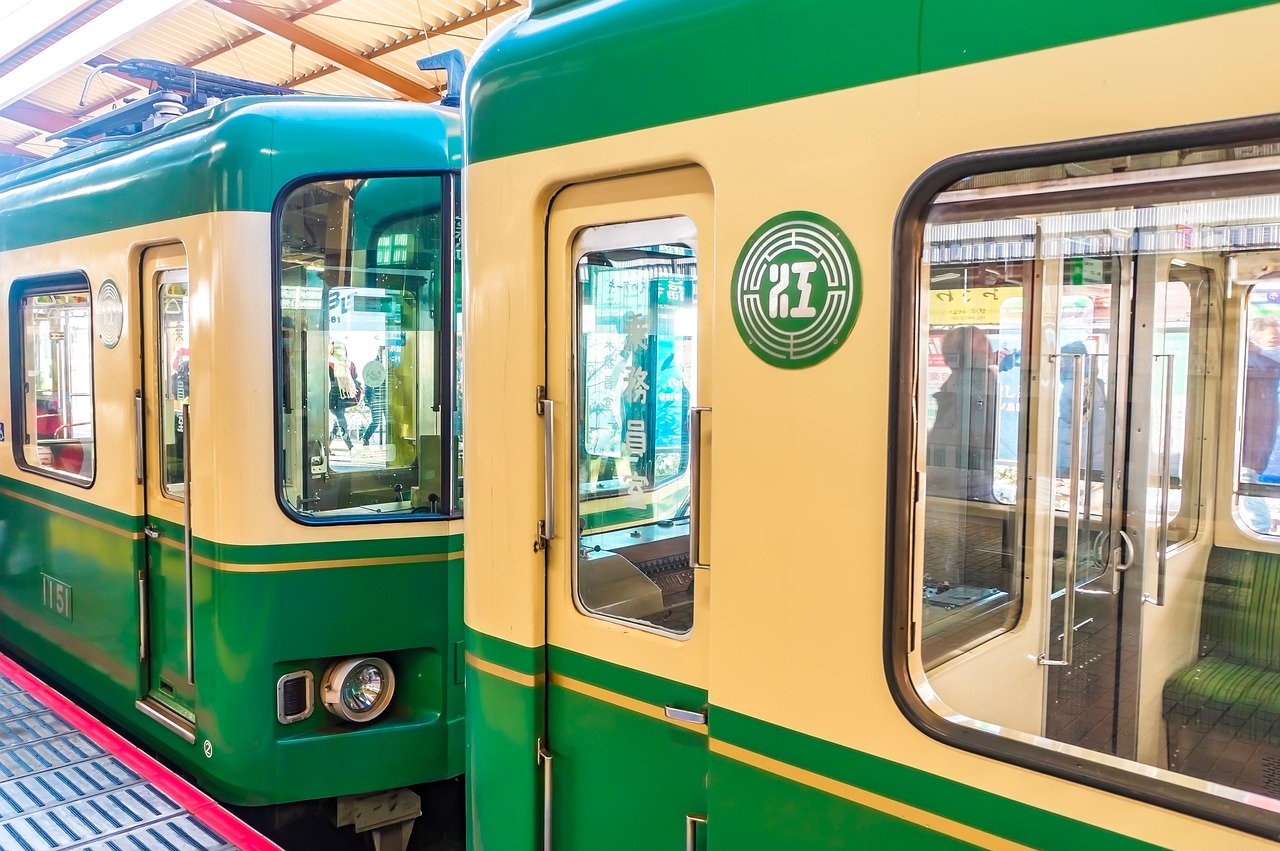
Kamakura Tokyo Daytrip Foundations in Kanagawa with scenic train journey
For first-time visitors, a Kamakura travel guide day trip from Tokyo to Kanagawa is one of the easiest ways to step into the city of Kamakura without giving up the polish of a well-paced itinerary. Kamakura city sits in Kanagawa Prefecture in the Kanto region, and its calm confidence comes from a serious past: the Kamakura government rose with Minamoto Yoritomo, shogun, in 1180—leaving samurai roots you can still feel between temple roofs and pine-lined lanes.
Kamakura is a popular day trip and a popular destination precisely because it lets you explore history and nature together. You’ll notice how different it feels from Kyoto—less formal, more seaside, and quietly lived-in—yet still undeniably historic. If you’d like visual inspiration before you go, browse our Trip gallery for Japan travel ideas that pair culture with comfort.
Arrival from Tokyo via JR Yokosuka Line and Enoden railway
From Tokyo, the JR Yokosuka Line is the simplest route to Kamakura station, often taking about an hour south of Tokyo depending on your starting point. Connections via Yokohama are straightforward, and if you’re landing at Haneda Airport, you can reach the area with minimal fuss by routing through central Tokyo or Yokohama and then continuing to Kamakura.
Once you arrive, the Enoden Line is your crafted, scenic add-on: a nostalgic little railway that hops between neighbourhoods and the coastal edge. It’s a gentle way to create a seamless daytrip rhythm—walk when you want intimacy, ride when you want breathing space.
Seasonal timing and crowd confidence for Kanagawa
Plan with care: spring (March–May) brings cherry blossoms, while autumn (October–November) paints the hills in warm colour. For a more zen start, choose weekdays or arrive early; Kamakura rewards the traveller who moves softly, especially around famous temple courtyards and shrine approaches.
To design your route in simple, walkable steps, imagine this map in words: Kamakura station → Komachi → Tsurugaoka Hachimangu Shrine → temples and trails → Hase → Yuigahama. It’s supportive for adventure seekers because you can shorten or extend sections without losing the story of the day.


Sunrise at the Great Buddha in Kamakura | Great Buddha Kamakura Kotoku-in temple Daibutsu buddha attraction
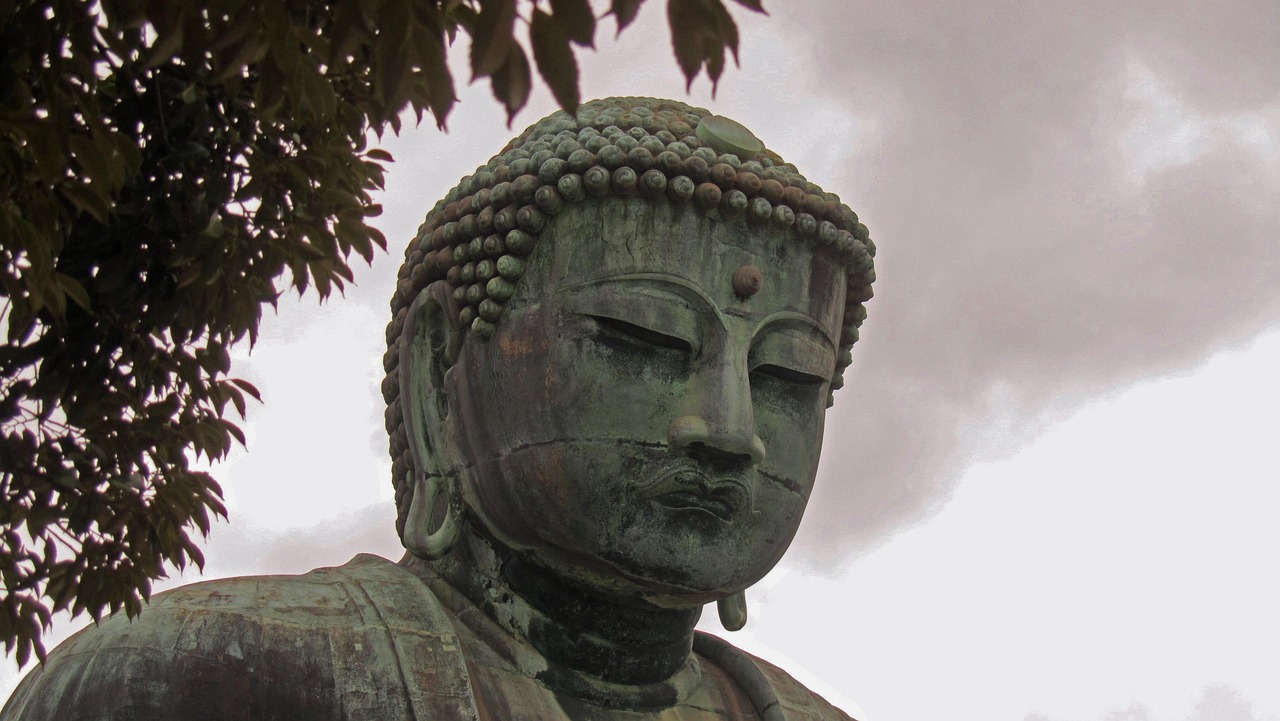
Sunrise at the Great Buddha in Kamakura at Kotoku-in in Hase
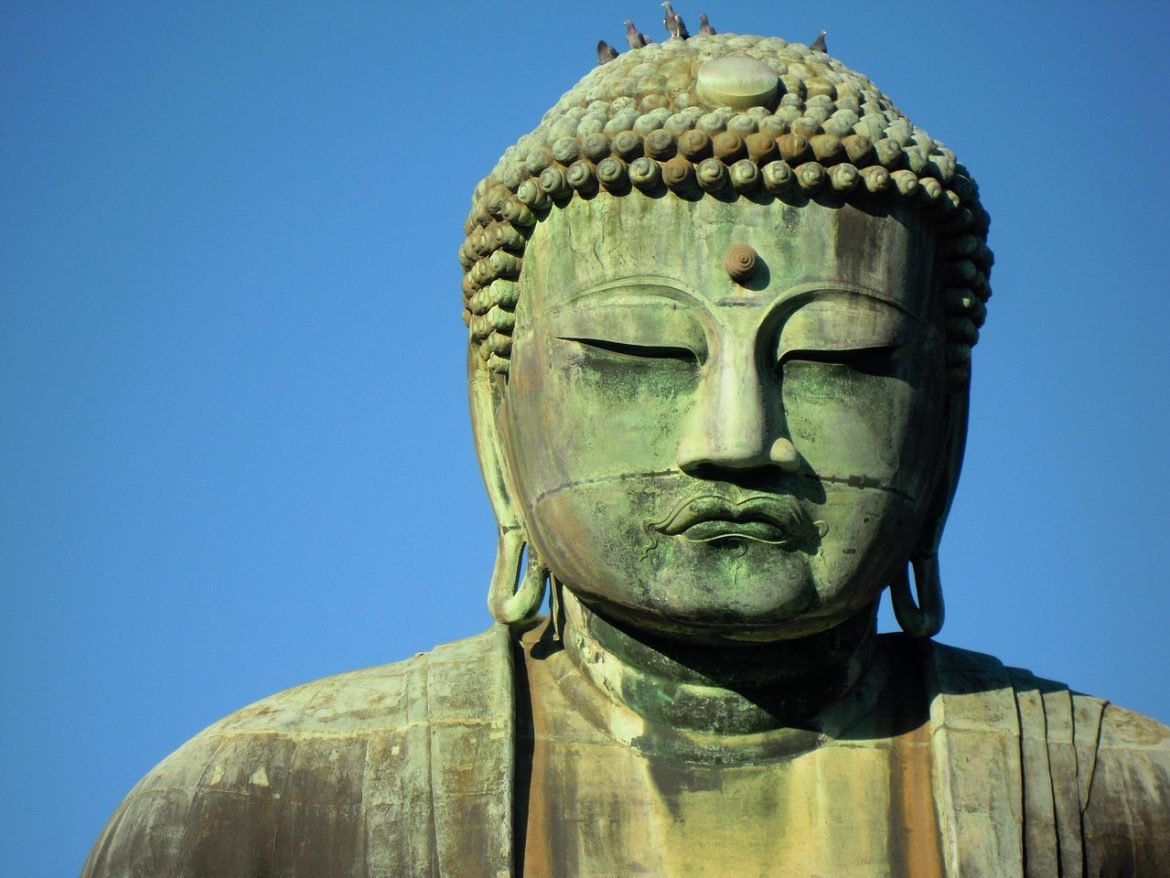
If your heart is set on the iconic icon, start with Great Buddha Kamakura Kotoku-in temple Daibutsu in Hase. Kotoku-in is a Buddhist site of quiet reverence, centred on the Great Buddha—an unforgettable 13-metre bronze statue of Amida Buddha dating to 1252. Even if you’ve seen a hundred photos, standing before this buddha in real scale is a different kind of insight: grounded, human, and oddly reassuring.
Arrive early for softer light and fewer tourist clusters. Opening times can shift by season, so it’s worth verifying locally, but the small admission fee is often around 200 yen—one of the most accessible highlights in Japan for what it gives back in atmosphere.
Kotoku-in temple and the bronze statue of Amida Buddha
At first glance, the attraction feels simple: a single statue, sky overhead, and the hush of surrounding trees. Then you notice details—the gentle expression, the weathered bronze surface, and the way the grounds encourage you to slow down rather than rush.
Travellers often share the same personal moment here: witnessing the Great Buddha at sunrise, when birdsong replaces conversation. It’s not performative; it’s a private kind of awe. Try one small practice: breathe in, listen for the wind, and let your eyes travel from the base to the crown without taking a photo straight away.
Sunrise etiquette for a zen visit
To keep the experience respectful, speak softly, follow signage, and mind queues. If any areas indicate shoes-off, take that cue without hesitation—small gestures build trust with place and people. And if you’re travelling together, agree a meeting point outside the main viewing area so you can each have a calm, unhurried look.
Tsurugaoka Hachimangu Shrine and Komachi Street Flavours | Tsurugaoka Hachimangu Shrine things to do in Kamakura shrine seasonal festival
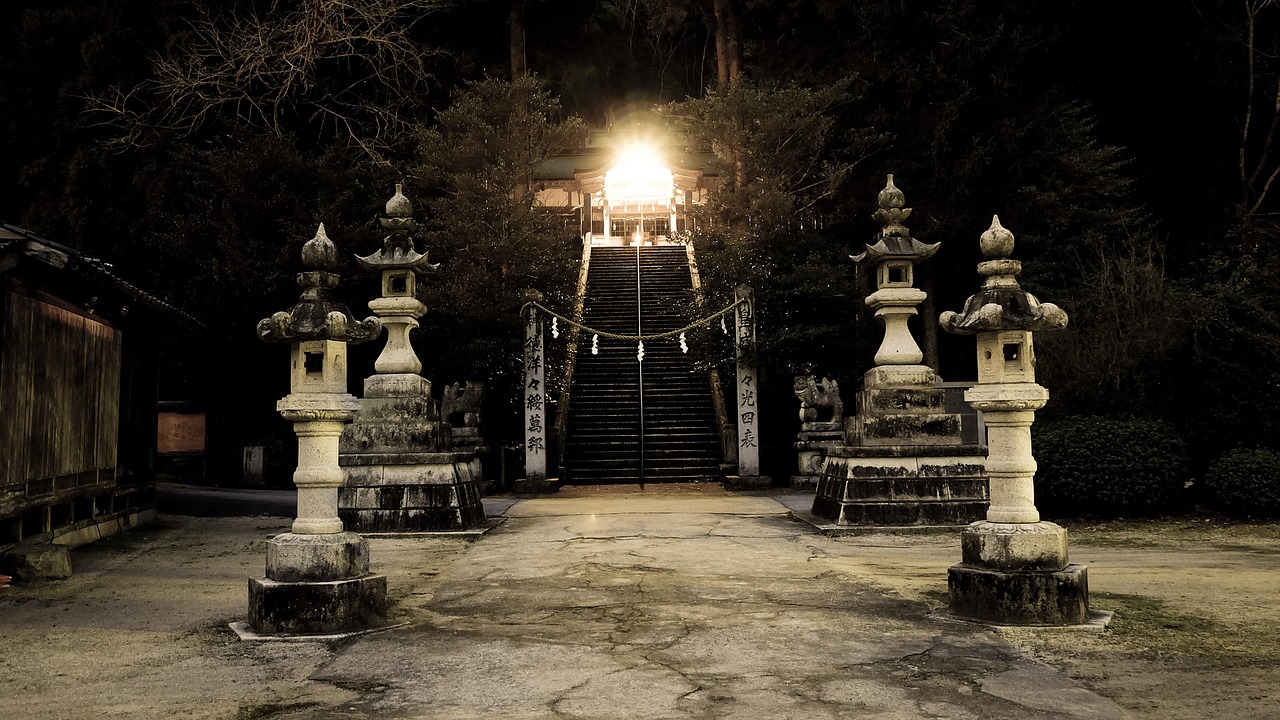
Tsurugaoka Hachimangu Shrine and Komachi Street Flavours in Kamakura
Next, weave in Tsurugaoka Hachimangu Shrine things to do in Kamakura—because this is Kamakura’s most important shrine, and the approach feels like entering an ancient story with modern life quietly flowing around it. You’ll also see it written as the tsurugaoka hachiman shrine, and locals often simply refer to it as Hachimangu Shrine. Whatever name you use, the feeling is consistent: a steady, protective presence at the heart of town.
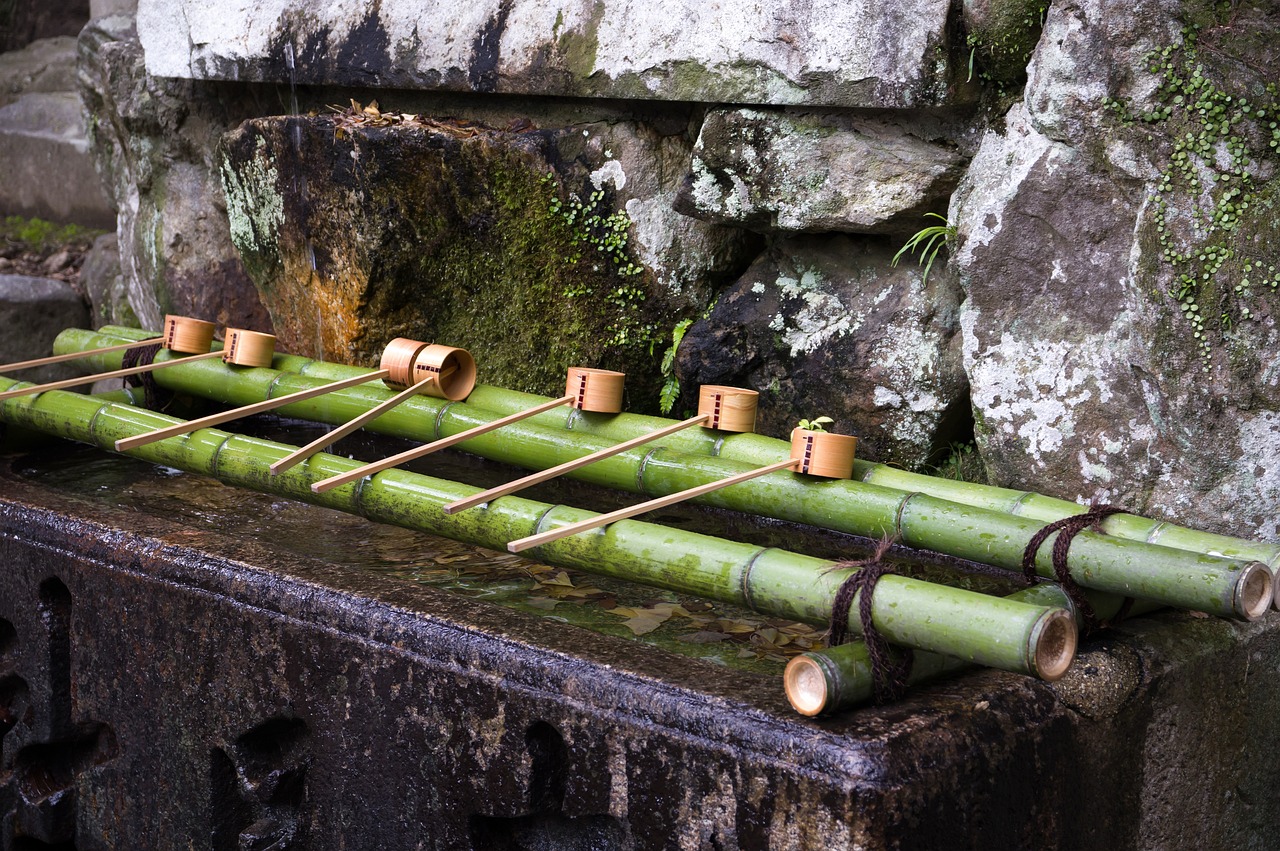
For first visits, a little structure helps you feel confident. Bow once before passing through a torii gate, then cleanse at the water pavilion: rinse left hand, right hand, and finally bring water to your mouth (without touching the ladle directly). These rituals are simple, but they create a thoughtful pace that makes the shrine feel more personal.
Tsurugaoka Hachimangu Shrine rituals and festival moments
Check the shrine’s calendar if you can—one seasonal festival can transform the walk into a lantern-lit, music-tinged memory. Even on ordinary days, the grounds invite a quiet kind of exploration: steps, ponds, and long sightlines that make you feel held by the landscape.
If you’re timing it for spring or autumn, linger a little longer. The shift in light across the approach can be as moving as the architecture itself.
Eat in Kamakura on Komachi Street with matcha and crafted finds
From the shrine, drift back towards Komachi Street for a tasting crawl—this is where to eat in Kamakura when you want a blend of comfort and curiosity. Think matcha treats, a sweet snack for the walk, and artisan stalls that make souvenir shopping feel like discovery rather than tourism.
- Start small: try one local specialty bite, then keep moving so you can sample without feeling rushed.
- Choose one crafted keepsake: a hand-carved token or textile is easier to love than a bag of clutter.
- Pause well: a terrace cafe or a quiet teahouse gives you a calm dining experience before your next explore segment.
One of my favourite Kamakura stories comes from travellers chatting with friendly local vendors outside the souvenir shops. More than once, someone has been offered a tiny unexpected gift—homemade sweets or a small charm—simply for showing genuine interest and care.
Hidden Hiking Trails Between Temples and Bamboo Calm | Kamakura hiking trails temple walk Hase to Zeniarai ancient capital feel
Hidden Hiking Trails Between Temples and Bamboo Calm in Kamakura
When you’re ready to uncover a wilder side, Kamakura hiking trails temple walk Hase to Zeniarai is the phrase to keep in mind. This half-day loop links Buddhist temples, small neighbourhood lanes, and forest paths that feel surprisingly remote for a city so close to Tokyo. It’s adventure with a soft landing: you can challenge yourself, yet still return to cafés and train lines with ease.
An adventurer once told me their favourite moment was the “turn”—when a busy temple gate gave way to woodland. The sense of discovery was immediate: damp earth, sudden birdsong, and a hush that felt earned rather than staged. It’s the kind of path that invites insight if you let it.
Kamakura hiking trails from Hase to Zeniarai with supportive pacing
A classic route begins near Hase-dera Temple and works towards Zeniarai Benzaiten Shrine, mixing stone steps with gentle climbs. Choose your version based on heat and fitness: shorter trails keep it relaxed; longer spurs add a satisfying burn without tipping into strain.
Keep your plan simple and safe. Wear proper footwear, carry water, and have a basic map ready—even if it’s just offline navigation on your phone. In residential stretches, keep noise low; this is a lived place, and respect is part of the experience.
Bamboo calm, pond reflections, and a quiet house-lined lane
Along the way, look for small details: a bamboo cluster catching wind, a pond mirroring a patch of sky, or a quiet house-lined lane where potted plants soften the edges of daily life. These are the scenes that make Kamakura distinct from Kyoto—less polished, more intimate, and deeply local.
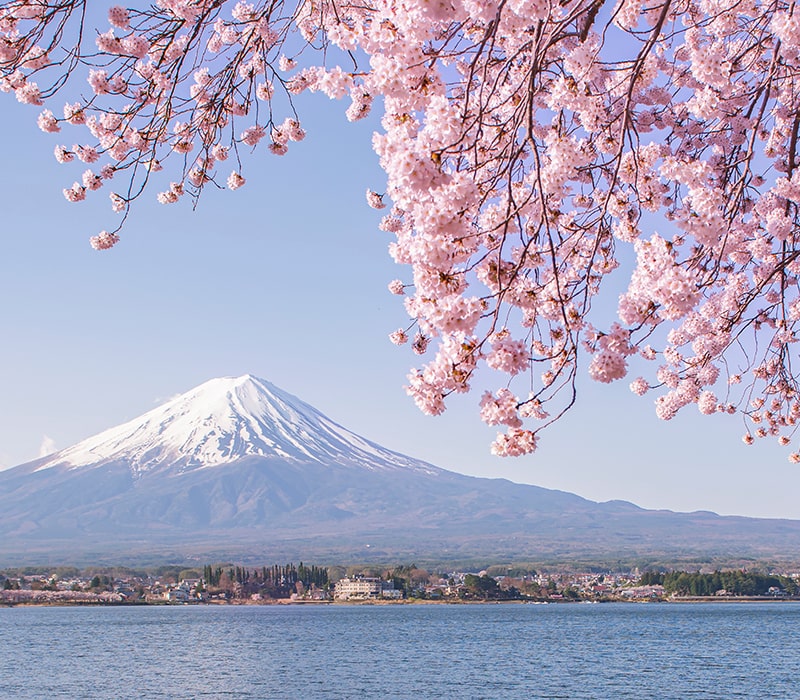
If the weather is clear, you may even catch a glimpse towards Fuji from an open viewpoint—one of those moments that feels expertly curated by nature itself.
Yuigahama Beach Surf with Kamakura Culture Nearby | Yuigahama Beach Kamakura surfing trip to Kamakura scenic coastal
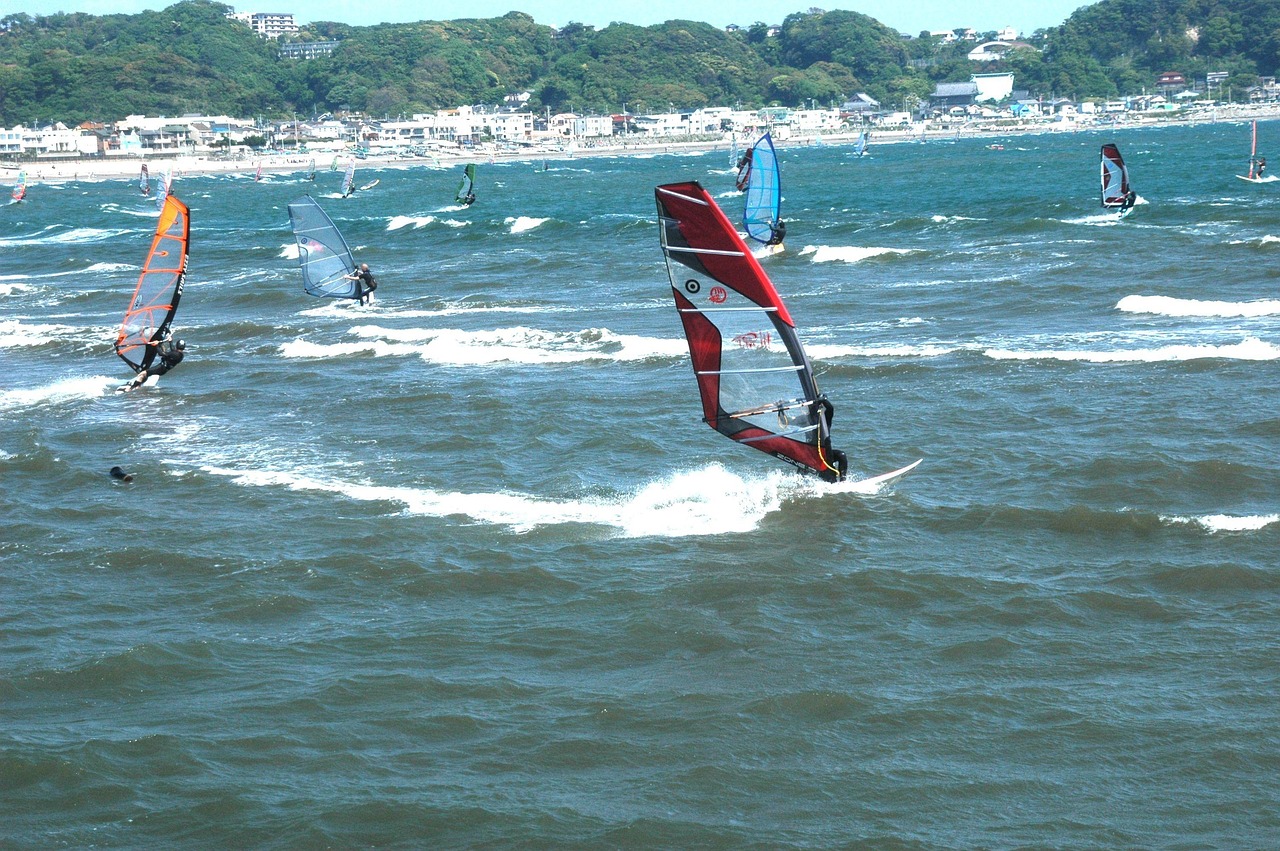
Yuigahama Beach Surf with Kamakura Culture Nearby on the Shonan coast
For an adrenaline lift with cultural grounding, Yuigahama Beach Kamakura surfing trip to Kamakura captures the contrast perfectly. Yuigahama is where you can surf with the sea breeze on your face, knowing temples are minutes away behind you. For adventure seekers, it’s a rare “culture plus waves” day that still feels seamless—and surprisingly luxurious in its simplicity.
Surfers often talk about the thrill of riding a clean line with panoramic views back towards historic Kamakura. It’s the kind of memory that stays vivid because it shouldn’t work on paper, yet it does: seaside freedom beside centuries of tradition.
Yuigahama Beach and Zaimokuza surf logistics with care
Check weather and tide conditions before you paddle out, and respect flagged swimming zones. Beginner lessons are available nearby, and they’re an excellent way to build confidence without guesswork. If you’re heading to Zaimokuza for a change of vibe, keep the same standards: follow local surf etiquette, take turns, and give space.
Pack like an expert, but keep it light: water, sunscreen, and a small towel are usually enough. After time in the water, a brief warm layer can feel like a thoughtful kind of support.
Scenic Enoden coastal railway ride to Enoshima for sunset
To extend the coast without overloading your day, hop the Enoden for a scenic ride and consider Enoshima for sunset viewpoints. The coastal stretch feels cinematic, yet time-aware—ideal when you’re balancing a daytrip schedule back to Tokyo.
For recovery, keep cuisine simple and satisfying: fresh seafood, grilled options, or light bowls that won’t weigh you down. A slow post-surf walk along the beach can reset your thoughts before you return to the city.
What Stayed With Me After Kamakura | Kamakura Japan reflections ancient capital calm
In Kamakura Japan reflections ancient capital calm, what lingers isn’t a checklist—it’s the feeling of moving through an old centre of power with ordinary life still unfolding around you. Kamakura holds its history lightly. You sense it in the steady presence of the buddha, in the hush near a shrine, and in the way the forest seems to soften the edges of your thoughts.
Small human moments that build trust
I think of the vendor who noticed a traveller hesitating, then offered a quiet recommendation and a small sweet with a smile—no performance, just kindness. I remember the sound of footsteps on gravel near temple gates, and how a pause there can create space inside you. In moments like these, you realise confidence can arrive softly, without needing to prove anything.
A crafted memory you can carry home
If you bring one thing back from Kamakura, let it be a crafted memory rather than a rushed record: the scent of sea air, the shade of bamboo, the calm after a climb, the light on an ancient roofline. Travel feels most meaningful when you let curiosity lead with care for place and self—gentle, grounded, and deeply personal.
And perhaps that’s why Kamakura stays with you: it quietly suggests that, whenever you return, another small treasure will be waiting—unannounced, and perfectly timed.
F.A.Qs: Kamakura Tokyo Kanagawa Japan
Why is Kamakura famous?
Kamakura is famous for its historic role as Japan’s medieval political centre, its temple and shrine culture, and icons like the Great Buddha at Kotoku-in. It’s also loved for its walkable mix of forested hills and seaside atmosphere, which makes the city feel both spiritual and outdoorsy in one day.
What to do in Kamakura, Kanagawa?
Explore the Great Buddha, visit Tsurugaoka Hachimangu Shrine, and wander Komachi Street for snacks and artisan finds. If you want more adventure, choose hiking trails linking temples and woodland paths, then finish at Yuigahama Beach or nearby Zaimokuza for a coastal reset.
Is it worth visiting Kamakura, Japan?
Yes—especially if you want a refined, nature-rich cultural day trip from Tokyo. Kamakura delivers powerful historic sites without feeling overwhelming, and it’s easy to balance calm moments with active ones, like a temple walk followed by sea air and excellent local cuisine.
What is Kanagawa famous for?
Kanagawa is famous for coastal scenery, access to heritage towns like Kamakura, and vibrant cities such as Yokohama. The prefecture is also associated with classic views of Fuji on clear days and a lifestyle that blends urban convenience with beaches, hills, and cultural landmarks.