A Curated Venice Travel Guide: What to See in Venice, Italy, Things to Do in Venice & Top Attractions
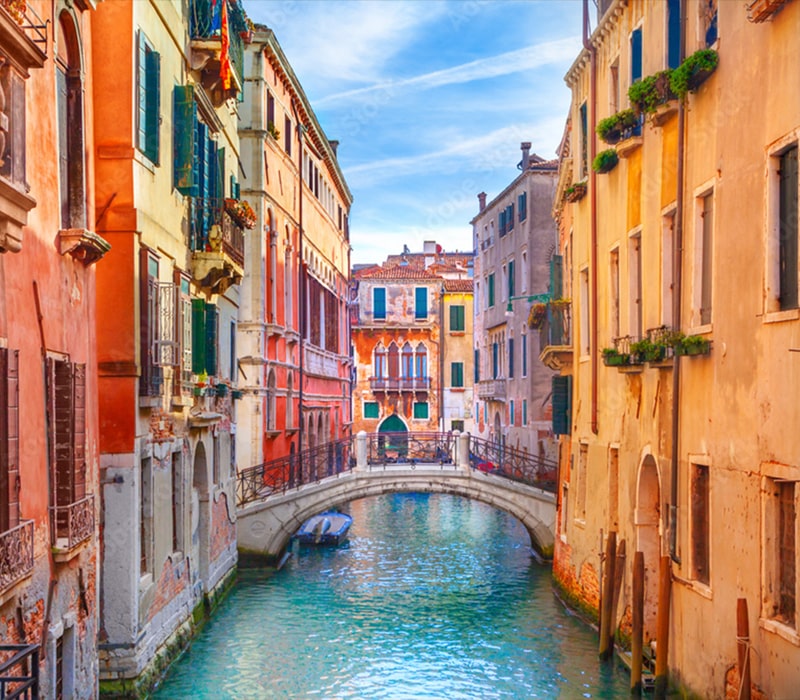
A curated Venice travel guide with canal highlights, palaces, and classic viewpoints—planned with an elegant pace.
If you’re searching for what to see in venice italy, it helps to think like a designer: the icons matter, but so does the pacing between them. Venice rewards travellers who balance the famous moments with quieter, more local textures—stone steps worn smooth, a sudden bell note across a canal, and the way light moves on water.
In this Venice travel guide, I’ll prioritise the best things to do, whether you have one indulgent weekend or a longer time in Venice. We’ll cover the classics, point out a few hidden gems, and build an itinerary that feels calm and premium rather than performative—my top approach to Venice.
Things to do in Venice with a designed day plan (calm, walkable, and water-first)
Imagine a day that feels effortless. Start early in the morning when the city is still hushed, then lean into the water for orientation—because to experience Venice, you’ll want at least one moment where the city reveals itself slowly.
A simple, high-end flow looks like this: a quiet walk through a sleepy part of Venice, a Vaporetto glide on the Grand Canal, a palace afternoon, then an evening of cicchetti where you feel gently folded into local life rather than surrounded by a tourist crush.
The heart of Venice: walkable neighbourhoods linked by ponte bridges and canals
The heart of Venice is a patchwork of neighbourhoods connected by ponte bridges and soft turns—San Marco, Dorsoduro, Cannaregio, and beyond. You don’t need a car; you need comfort with gentle wandering, plus a simple plan for when you’ll cross the Grand Canal so your day stays smooth.
To keep choices curated (especially if you’re time-poor), browse our Italy inspiration and routes in the Trip gallery. It’s a helpful way to see what’s possible in northern Italy and broader Italy travel planning when you want craft and care built in—whether Venice is your focus or you’re exploring elsewhere in Italy and around Italy too.
- Best orientation: take the water first—vaporetto for ease, or a private boat ride for polish.
- Most rewarding pace: one major highlight, one museum or craft stop, one long meal.
- Venice without stress: book timed entry, then leave space for serendipity.
Throughout, we’ll share the best things that make this destination feel intimate: not just what you “should” see in Venice, but what will stay with you.




When to visit Venice, Italy: time to visit Venice without the tourist crush
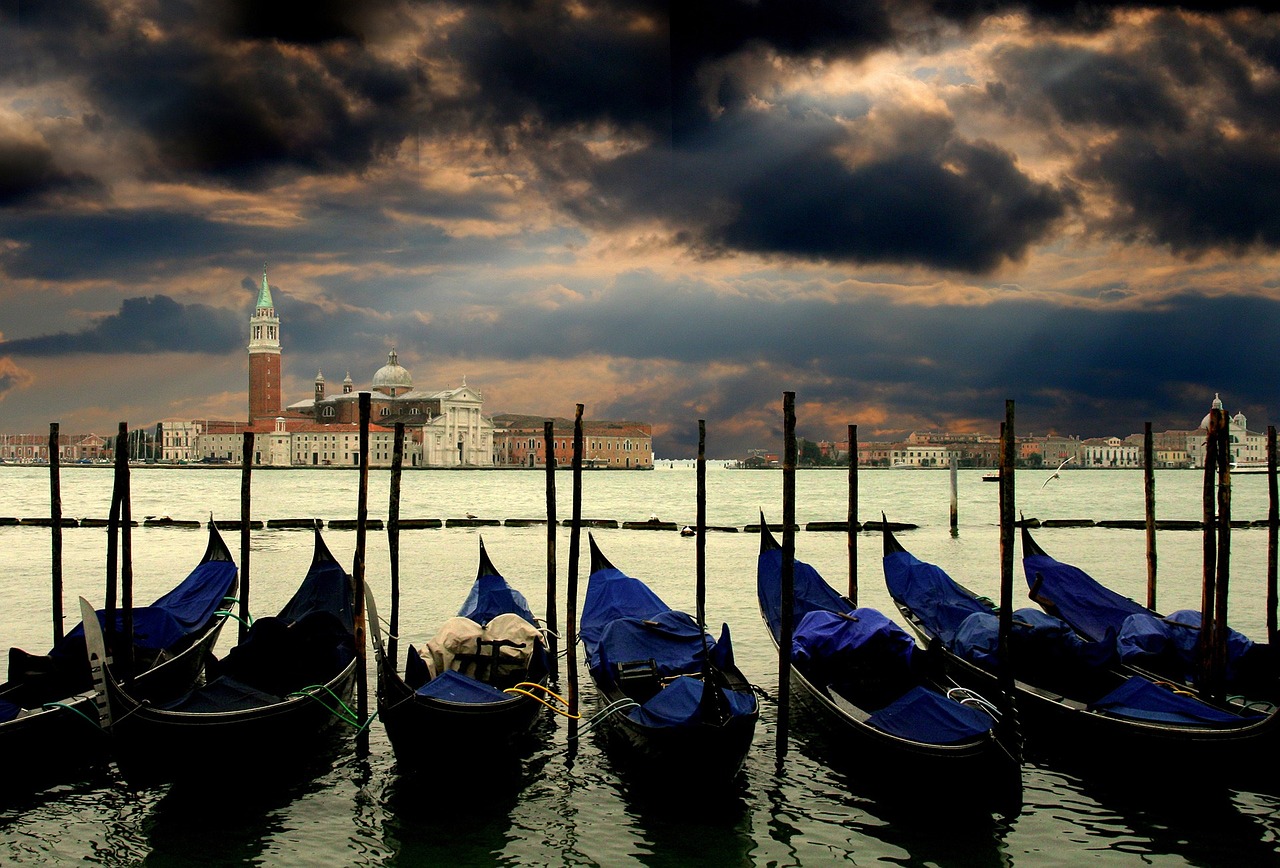
When to visit Venice for softer light, calmer canals, and less queueing.
The sweet spot for travel is when the air is mild and the crowds thin out: late spring and early autumn. April to June and September to October bring softer light, fewer queues, and the kind of strolling that feels elegant rather than jostled.
If you’re choosing dates around a larger trip to Italy, Venice sits beautifully within northern Italy itineraries—especially when paired with the lakes or Verona. The aim is not to outrun crowds, but to design around them with confidence and a little flexibility.
Time to visit Venice with crowd-smart patterns (early starts and timed entry)
Start earlier than you think you need to. The first hour of the day has a special quiet in this city of water and stone, and you’ll often have a landmark almost to yourself—plus a calmer canal mood that photographs beautifully.
Then build your day around reservations: timed entries, private guides, and premium experiences that feel crafted rather than rushed. If you want the best hotels and the most seamless private services, reserve at least 30 days ahead—more for peak weeks.
Tourist etiquette, acqua alta awareness, and staying comfortable
Acqua alta (seasonal high water) is most common from autumn into winter. A little planning is all it takes: check forecasts, pack smart footwear, and lean on concierge support if you’re unsure about routes or temporary walkways across low points near a canal. In a well-run luxury hotel, this kind of care is part of the service.
Venice is inhabited. Speaking softly in narrow lanes, respecting residents, and not feeding pigeons in Mark’s Square helps preserve what makes the city feel real. You’ll find that good manners here aren’t formal—they’re a quiet form of trust.
- Best time to visit: April–June and September–October for mild weather and fewer visitors on peak days.
- Book ahead: timed entries for major sights; choose a private guide over a crowded group tour.
- Pack: comfortable shoes for bridges, plus a light layer for the lagoon breeze.
And yes—Venice in winter can be wonderfully moody, especially if you love empty galleries, candlelit dinners, and mist over the water.
Get to Venice from Marco Polo Airport: private water taxi to your luxury hotel with ease
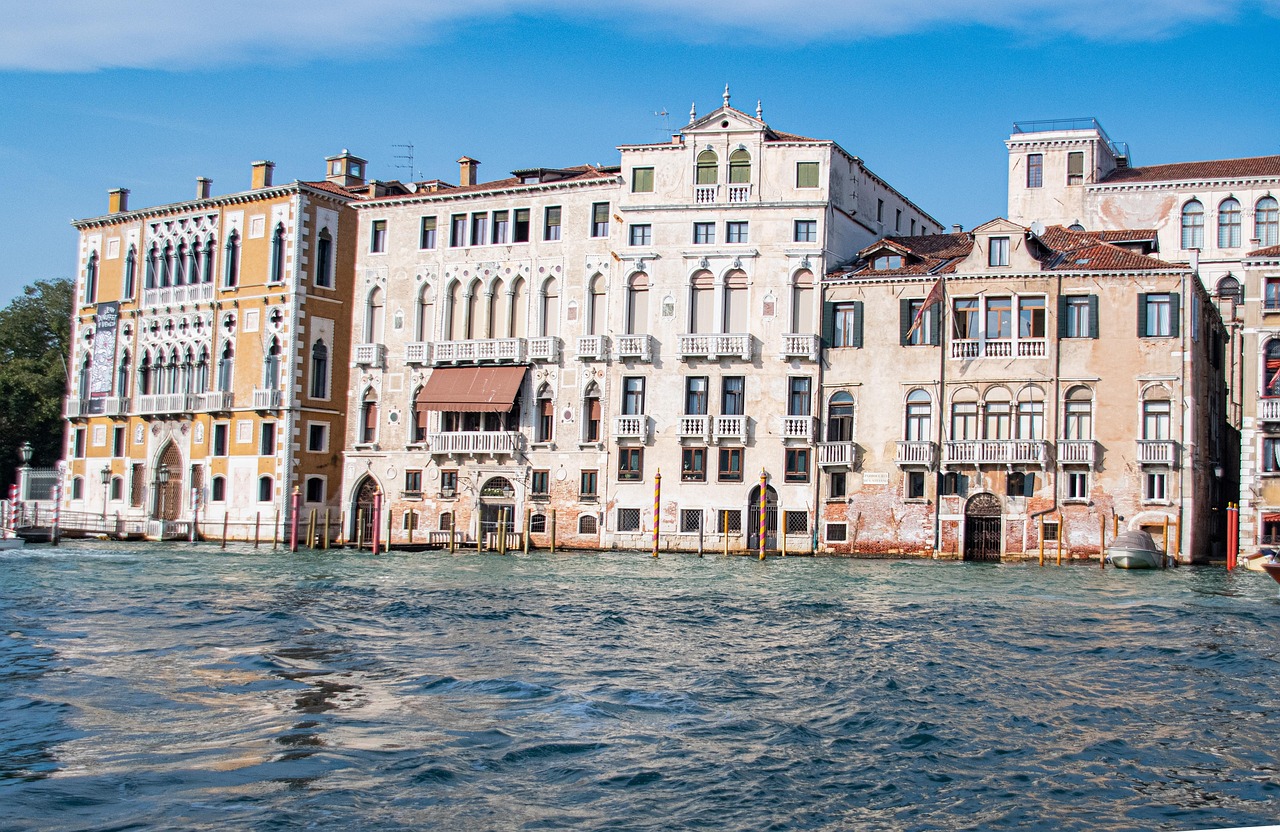
Arrival made simple: airport to palazzo check-in by water, with luggage handled.
Arriving via Venice Marco Polo Airport is one of those rare travel logistics that can feel genuinely cinematic. From the airport, you can choose shared transfers, land taxis to Piazzale Roma, or the high-end favourite: a door-to-door boat arrival that places you right on the water’s edge.
If you’re visiting Venice for a special occasion, a private water taxi is the most seamless choice. It’s not only about comfort; it’s about how the city introduces itself—by water, in motion, with space to breathe as the lagoon opens up around you.
Arrive across the lagoon with a first palazzo-and-canal wow moment
Crossing the lagoon, you feel Venice materialise from a wide horizon into narrow passages. Then, suddenly, you’re on the Grand Canal, gliding past palazzo façades and an ever-changing canal skyline as if the city is welcoming you home.
Luggage is straightforward: your driver handles it, and most top hotels coordinate porters at the dock. This is the reassurance many travellers don’t realise they need until they’ve experienced it.
Venice proper bases and a visiting Venice micro-checklist for smooth days
For a high-end stay, base yourself on the main island of Venice (often called Venice proper) so your mornings begin before the crowds arrive. San Marco is close to major sights; Dorsoduro is artful and calmer; Cannaregio offers a more local feel while still being beautifully connected by ponte bridges and a quiet canal rhythm.
- Comfort: supportive shoes—Venice has many bridges and more steps than you expect.
- Hydration: a refillable bottle; top up at public fountains and add artisan gelato stops.
- Simple planning: decide once when you’ll move between districts so you don’t zigzag all day.
This is also the moment to decide how you’ll move: vaporetto for practicality, a private boat for polish, and a gondola for romance.
Piazza San Marco and St Mark Basilica: a classic Venice attraction with the best things done well
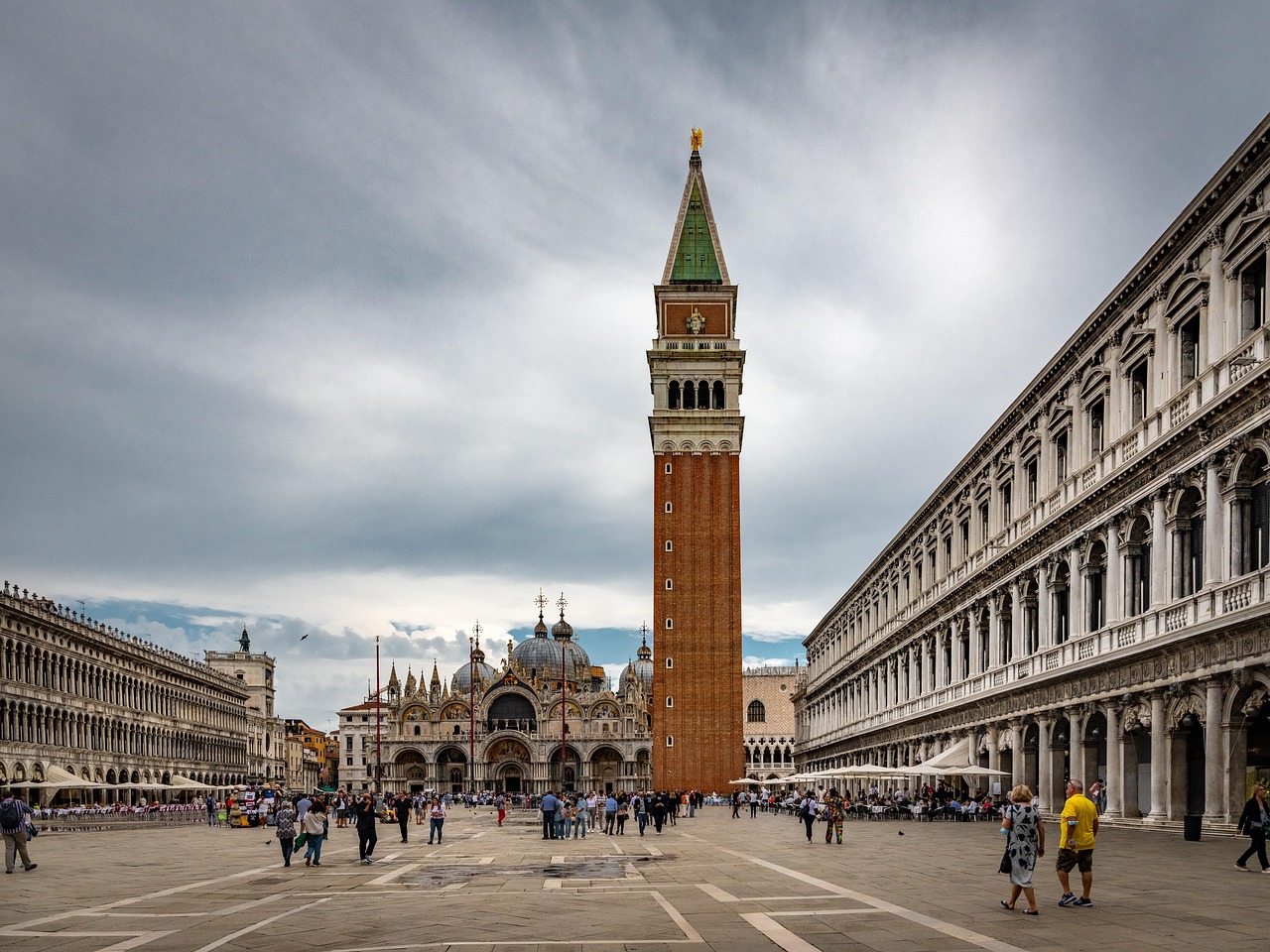
Piazza San Marco and the Basilica: the iconic start, best enjoyed before the crowds swell.
For many travellers, Piazza San Marco is the first image that comes to mind when they think of what to see. The key is to approach it with a little intention—so the experience feels personal, not like you’ve stepped into a queue.
Arrive early, when the square is still stretching awake. The stone holds the night’s coolness, and the air has a soft, almost theatrical hush that makes even a quick walk feel ceremonial.
Piazza San Marco in the calm hour (how to see it without feeling like a tourist)
Standing in Piazza San Marco, look up before you look around. Venice has a way of asking you to raise your gaze: to arcades, clocks, domes, and the gentle geometry of power and faith woven together. If you come later, the energy shifts—livelier, louder, more obviously tourist—so consider this your calm window.
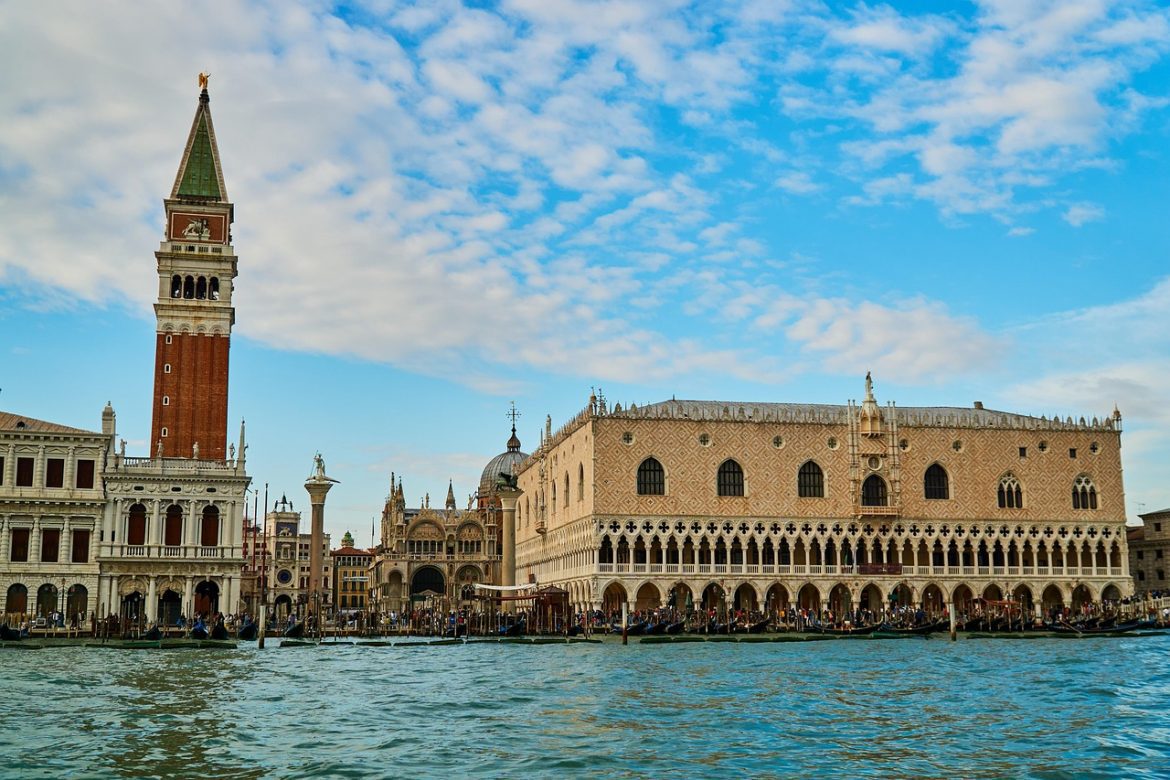
This is also where you’ll find two of the top landmarks side by side: the Basilica and the Doge’s seat of government. It’s one of the best things about Venice—so much history within a short walk, framed by water, stone, and an ever-present canal breeze.
St Mark’s Basilica mosaics: dress code, bell tower views, and a rooftop terrace
Inside St Mark’s Basilica, keep your voice low and your shoulders and knees covered. The interior is a world of gold mosaics and shadowed detail—one of the most beautiful sacred spaces in Europe. Give yourself time to let your eyes adjust; the basilica reveals itself slowly, and it’s one of those places that feels richer the longer you stay.
For a premium layer, add views. The bell tower offers views over Venice that help you understand the city as a floating pattern of rooftops, courtyards, and canal lines. If you can, include a rooftop terrace moment too—seeing the horses and domes up close makes the famous feel newly intimate. When someone asks about Mark’s Basilica, you’ll remember not only the glittering gold but the quiet reverence of standing there together.
Afterwards, take a coffee break nearby, choosing a spot that encourages you to sit, breathe, and notice. In Venice, the most refined luxury is unhurried time.
Doge’s Palace, Venice: Palazzo Ducale secret itineraries, Venetian power, and palace craftsmanship
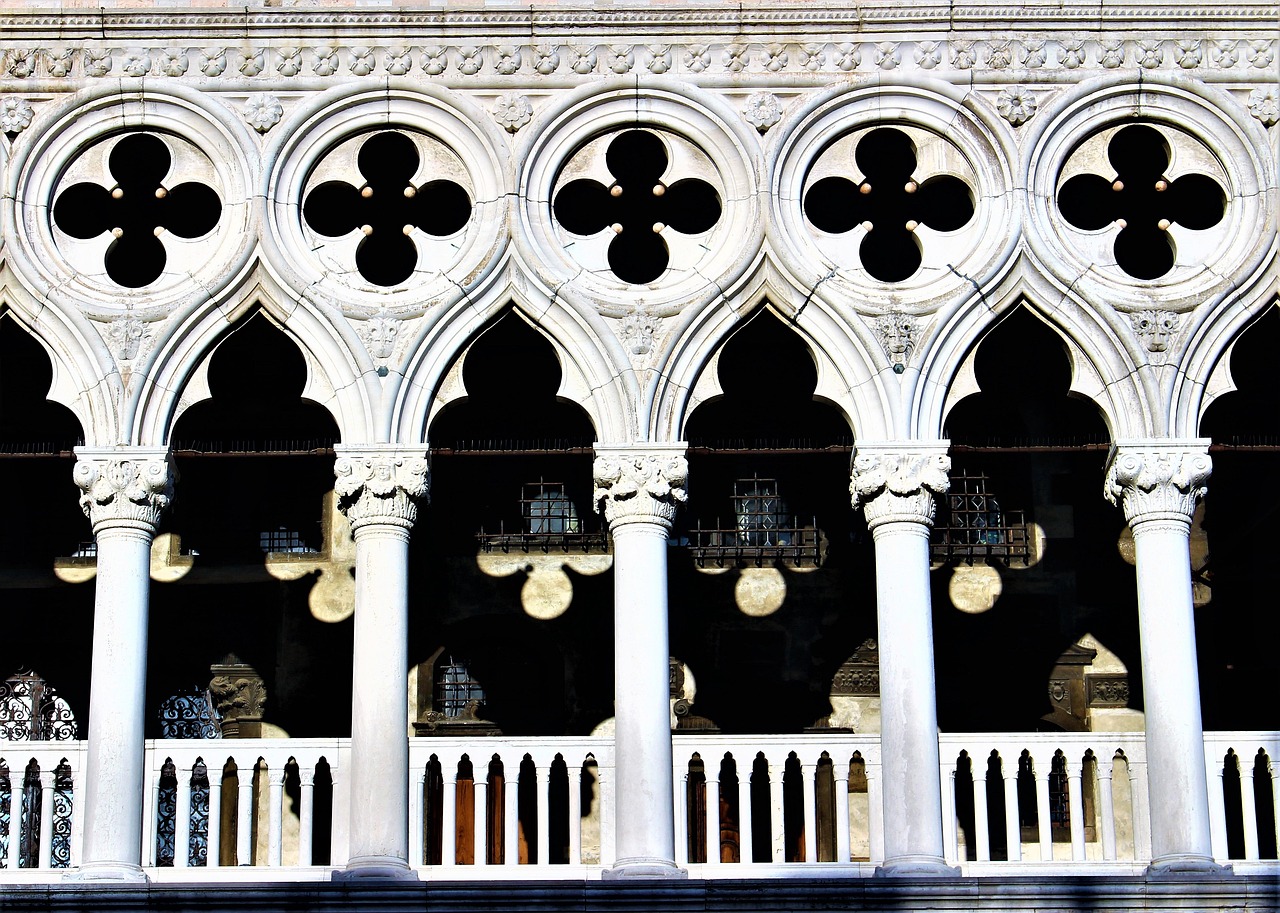
Doge’s Palace and Palazzo Ducale: ceremonial rooms, secret passageways, and impeccable Venetian detail.
Exploring Doge’s Palace, Venice, Italy, and the Palazzo Ducale’s secret itineraries is how you begin to understand Venice not just as beauty, but as strategy. The palace is a masterpiece of Venetian power—ornate, theatrical, and disarmingly elegant.
Doge’s Palace is also a reminder that Venice was once a global force. Its visual language—carved stone, painted ceilings, ceremonial scale—was designed to impress visitors before a single word was spoken.
Palace rooms, Venetian Gothic details, and why this is a top highlight
Move slowly through the grand chambers, letting the Venetian Gothic architecture speak for itself. Look for the lace-like stonework, the soft pink and white tones, and the way light catches in corridors. This isn’t just a stop on a checklist; it’s a story about control, trade, and civic identity rendered in art.
In the main rooms, it helps to have an expert guide who can translate symbols and politics into human stories. With the right context, a ceiling fresco becomes less about splendour and more about ambition.
Secret passageways, dei sospiri, and the Bridge of Sighs without the rush
Pre-book premium access and the Secret Itineraries tour to uncover secret passageways that most visitors never see. The difference is night and day: smaller groups, more space, and the feeling that you’re being gently led behind the scenes of history rather than pushed through it.
You’ll also encounter the Bridge of Sighs, known as the Ponte dei Sospiri. It’s often sensationalised, but it lands best when viewed thoughtfully—as a literal link between splendour and consequence. Pause in a quieter corridor or courtyard and notice the stone’s coolness, the way the city’s long memory sits inside these walls.
Grand Canal viewpoints: gondola ride, Rialto Bridge, and Venice from the water
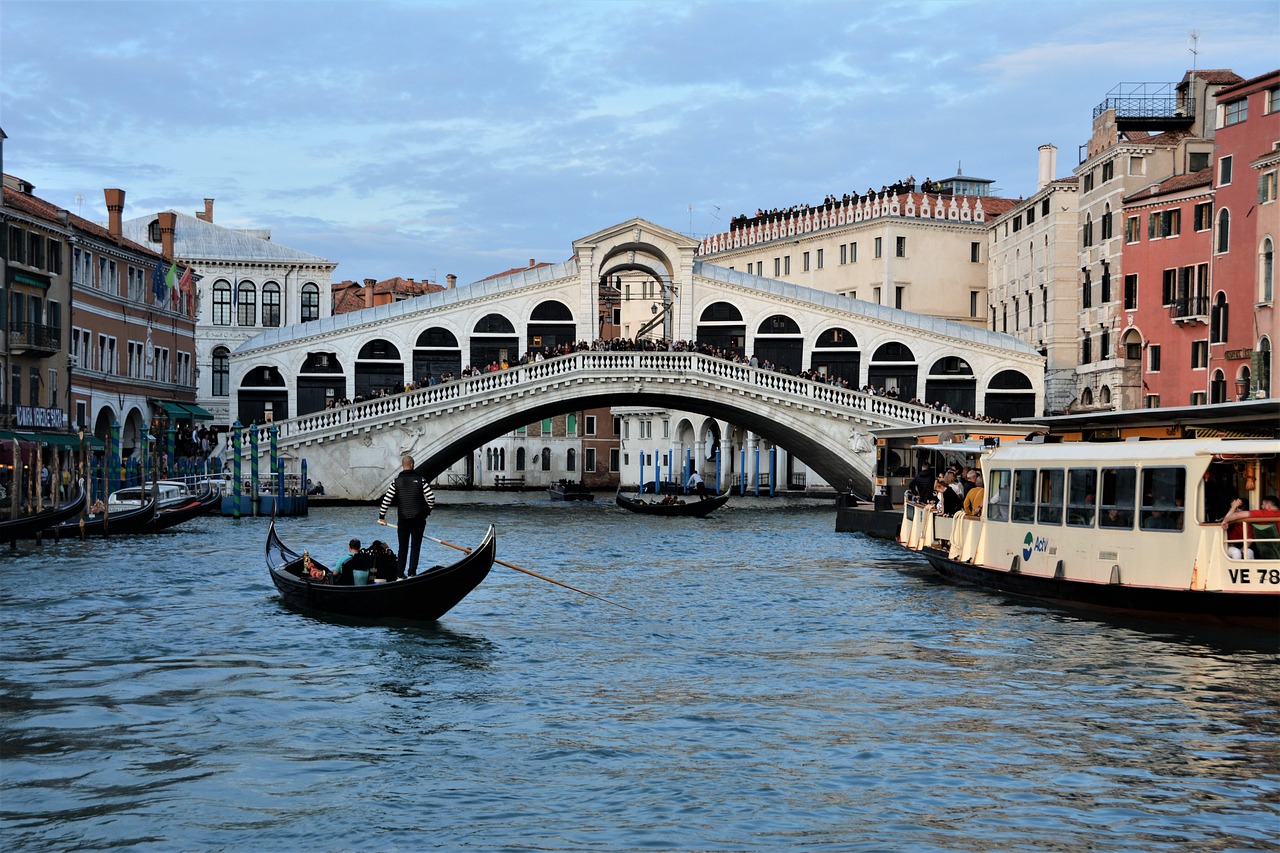
Grand Canal scenery, gondola moments, and the Rialto Bridge—see the city as it was meant to be seen.
For Grand Canal and gondola moments, think of the water as Venice’s main stage. The grand canal isn’t just a route; it’s a moving gallery of palace façades and daily life, a living runway where the city’s elegance and grit share the same frame.
This is where Venice becomes easiest to understand: not by looking at a map, but by flowing through its curves and smaller canal branches.
Along the Grand Canal by vaporetto, Line 2, or a private water taxi
For a refined overview, take Vaporetto Line 2 for a practical cruise, ideally outside commuting peaks. For a more seamless experience—especially if you’re dressed for dinner or travelling with family—choose a private water taxi and let someone else handle the timing.
Either way, this is Venice from the water at its most effortless: palazzo fronts in pale stone, arched windows, and the gentle choreography of boats passing like quiet conversation on the Grand Canal.
Gondola at sunset: a classic gondola ride through quieter canal lanes
A private gondola at sunset is a classic for a reason. A gondola ride gives you a different scale—close to water level, tucked into narrower channels, brushing past doorways and worn steps. It’s one of the best things to do when you want romance without forcing the moment.
One traveller told us their most magical memory wasn’t sunset at all, but dawn: quietly drifting by gondola as the city woke up. The canal water was glassy; shutters opened one by one; a delivery boat slipped past without a word. Venice felt like a private stage set, and they were the only audience.
For viewpoints, the Rialto Bridge is essential—arrive early for photographs and later for people-watching. The Ponte di Rialto is the oldest of the four and remains the most famous of the city’s four bridges that span the main waterway.
- Best photo light: early morning on the Rialto Bridge, before the crowds thicken.
- Best water perspective: a private boat for the Grand Canal, a gondola for smaller canal intimacy.
- Best finish: step off near a calm bacaro for a glass of wine.
A simple mini-route: start near San Marco, follow the curve of the Grand Canal, then wander towards Rialto and end the night somewhere that feels quietly local.
Peggy Guggenheim Collection: a modern art palazzo and the Dorsoduro canal calm
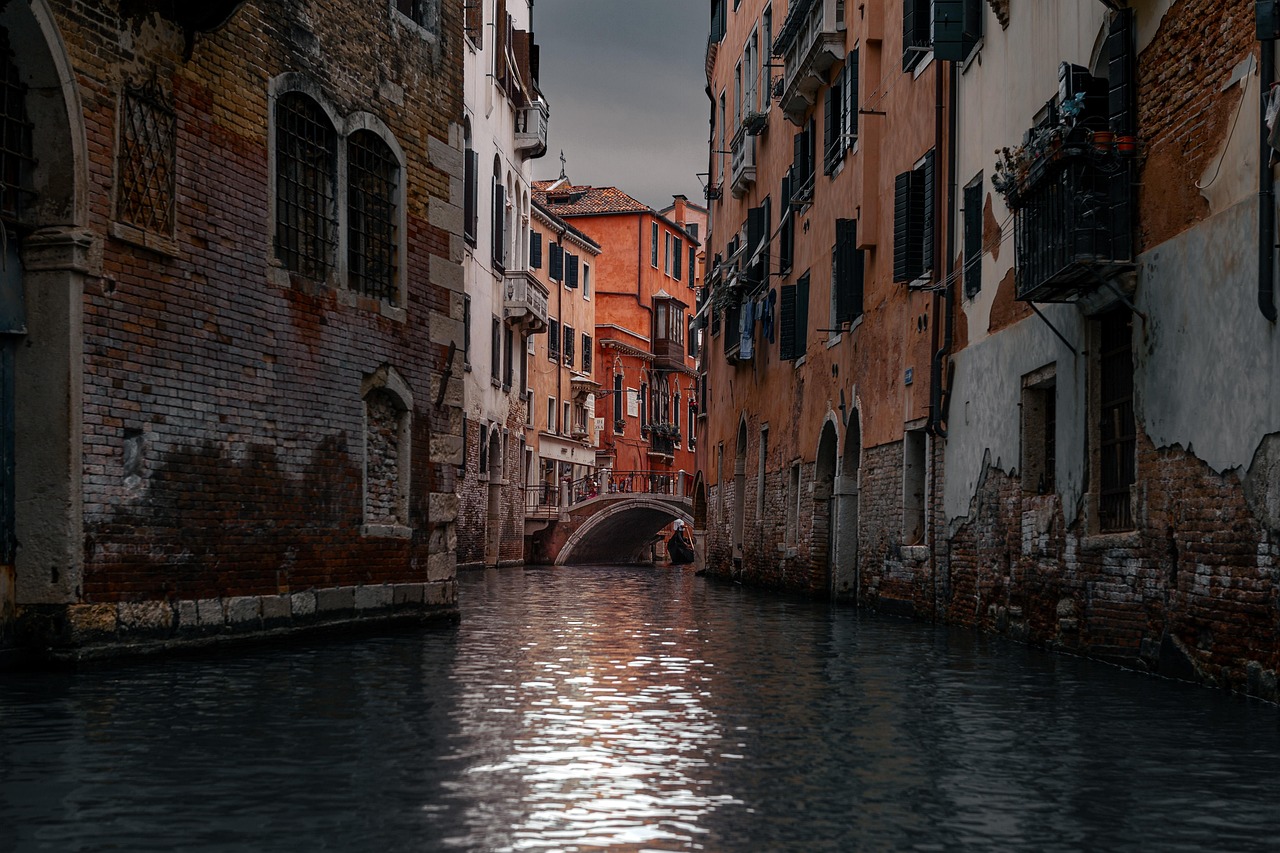
Modern art in a historic setting: Dorsoduro’s calmer canals and a memorable palazzo museum.
The Peggy Guggenheim Collection, Venice, Italy, Palazzo Modern Art experience is a beautiful reminder that Venice isn’t only about the Renaissance and the Republic. Here, in a lived-in setting, modern art feels human—close enough to make eye contact with, rather than admired at a distance.
Set along a quieter stretch of canal, this museum invites you to slow down and let colour and form do their work. It’s also a wonderful reset if you’ve just come from the busiest lanes around San Marco.
Peggy Guggenheim Collection: a personal, quiet encounter with modern art
An art lover once shared how deeply moved they felt inside Peggy Guggenheim’s former home. The rooms are intimate, almost domestic, and that closeness can spark a personal connection to the avant-garde. Instead of feeling like you’re ticking off “important works”, you find yourself pausing—absorbing, reflecting, discovering what you respond to most.
That’s the gift of this place: the collection is exceptional, but the atmosphere is what stays. It’s a palazzo not in name only, but in mood—elegant, layered, and quietly confident.
Dorsoduro design stops and San Giorgio Maggiore view of the city
Build a Dorsoduro afternoon around gentle wandering: small galleries, calm walkways, and the reassuring feeling that you’ve stepped away from the busiest routes. Add a design-forward boutique stop to create a “designer journey” mood—something crafted to your taste, not copied from a checklist.
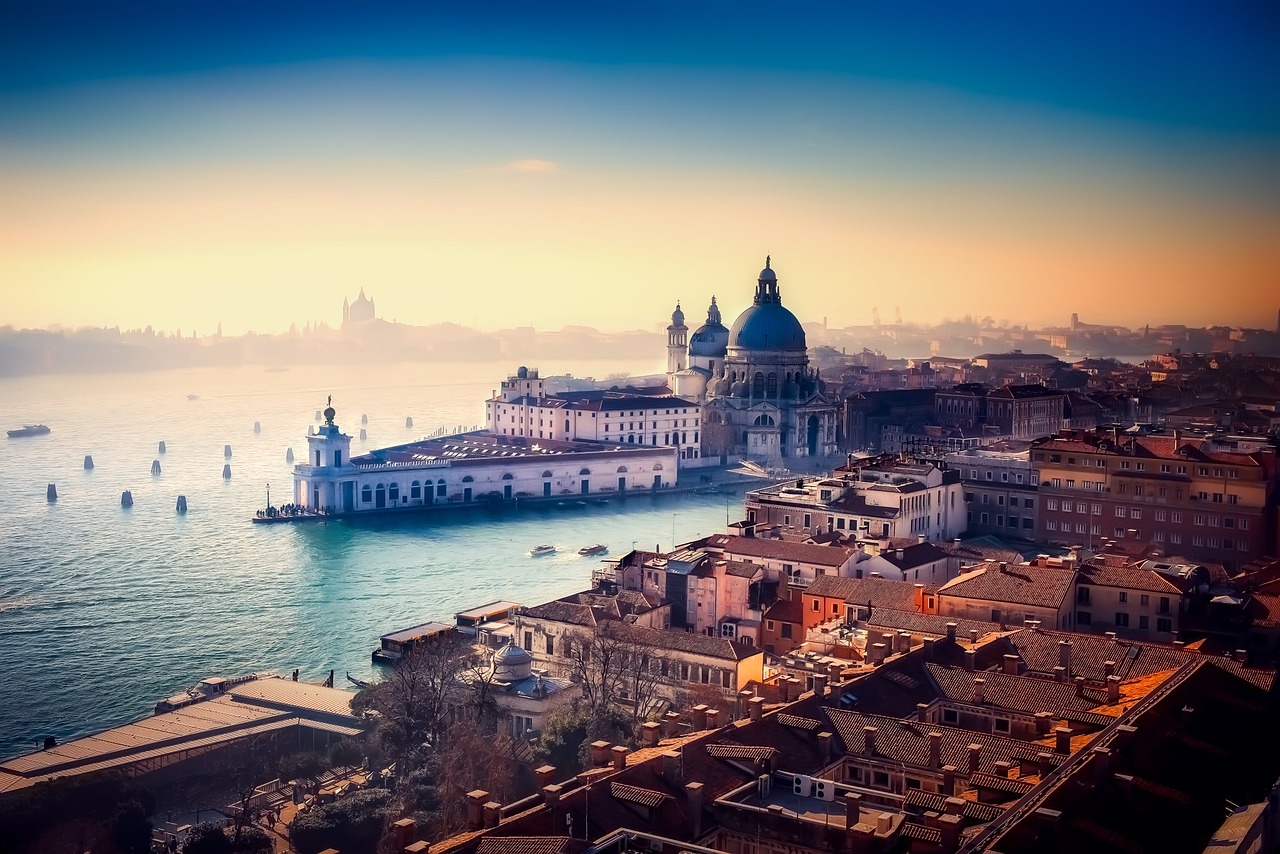
If you want a classic panorama with fewer crowds than San Marco, take a short boat across to San Giorgio Maggiore. The view of the city is outstanding: domes, rooftops, and water threading through everything. It’s a calmer counterpoint that helps you see Venice anew before returning to your hotel for an unhurried evening.
Murano and Burano: a day trip from Venice for craft, colour, and island charm.
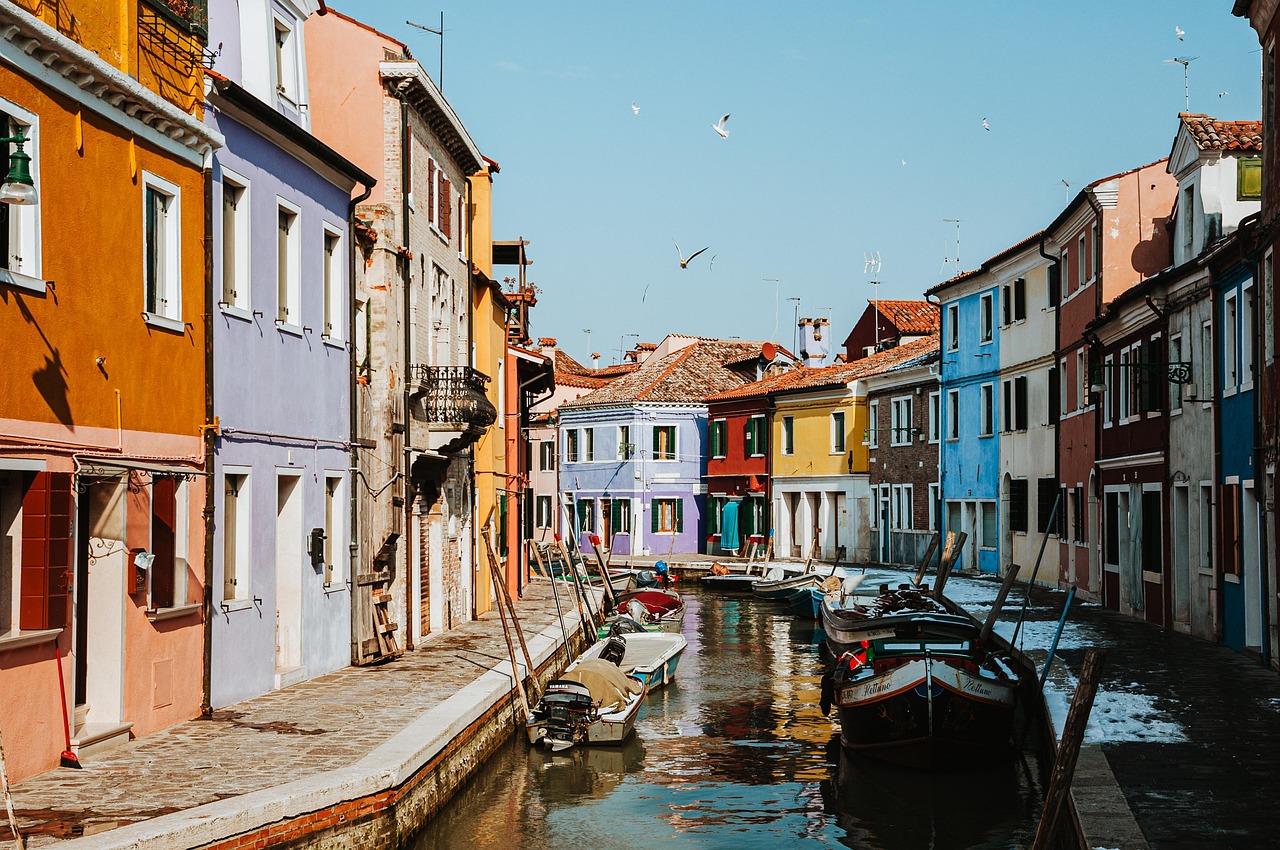
Island time: Murano glass and Burano lace beyond the main canal routes.
If you’re planning a day trip to Murano and Burano from Venice, Italy, the key is to keep it refined. The lagoon islands are wonderful, but they can feel like rushed add-ons unless you time them well. Think of this as a single day trip with a soft schedule—enough structure for ease, enough space for delight.
These islands offer some of Venice’s most unique things: living craft traditions that still matter to real families, not just souvenir shelves. They’re also a beautiful contrast to the grand palace façades back on the main island.
Murano glass: an appointment-style atelier visit (not a salesy demo)
In Murano, prioritise an atelier visit that feels like an appointment rather than a salesy demo. With an expert host, you’ll uncover the history behind Venetian glassmaking—how heat, breath, and timing become art. It’s a different kind of luxury: not overt, but deeply skilled.
If you enjoy collecting, choose one meaningful piece and have it shipped properly. It’s a way to carry Venice home without carrying it through airports.
Burano lace, colourful houses, and respectful canal-side photography
Burano is a small island with a big visual impact: vibrant houses reflected in a quiet canal, laundry lines and flowers softening the scene. The tradition of lace-making is real and rooted; if you buy, look for makers who can speak to their process.
Photograph respectfully, especially in residential lanes. Venice (and around Venice) is not a theme park—it’s home.
- Late morning: easy boat ride out across the lagoon.
- Midday: long lunch, then slow wandering.
- Late afternoon: calm return with energy left for a beautiful evening back in the city.
This is one of those trips to Venice that adds depth, not just photos.
Cicchetti and Venice food: Cannaregio and the Jewish Ghetto for a local evening
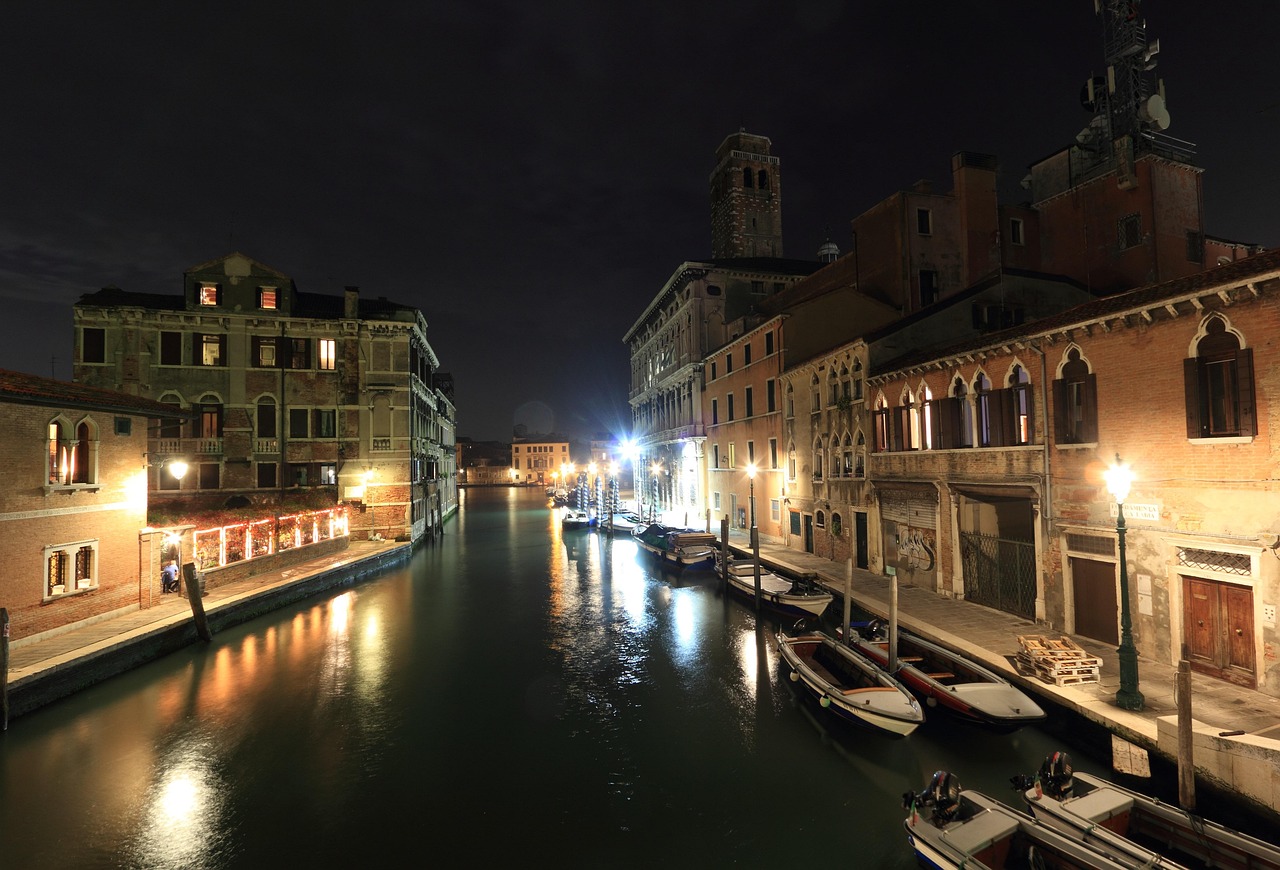
An evening plan that feels local: cicchetti in Cannaregio and a respectful walk in the Jewish Ghetto.
For cicchetti, Venice food, Cannaregio Jewish Ghetto evenings, Cannaregio offers something precious: authenticity with warmth. This is where you can explore Venice after dark and feel the city soften—less spectacle, more real life along a quieter canal.
Plan it like a tasting, not a marathon. The goal is connection: with flavours, with people, and with the simple pleasure of arriving somewhere you’re glad to linger.
Cicchetti in Cannaregio: a crafted pace with two or three bacari
A cicchetti night is best with a gentle structure. Choose 2–3 bacari, order small plates, and let the rest unfold together. If you’re unsure what to try, ask what’s best today—staff often steer you to what’s freshest, not what’s most photographed.
One visitor fondly remembered sitting in a family-run bacaro, where locals invited them to join a spirited game of cards. They didn’t share a perfect vocabulary, but they shared laughter, gestures, and the feeling of being welcomed. That kind of local encounter is hard to plan—but you can make space for it by not rushing.
Jewish Ghetto history: quiet respect and a more layered Venice story
The Jewish Ghetto is a place to walk slowly. Its history is significant and complex, and it deserves quiet attention rather than casual sightseeing. If you visit, keep your tone soft, and consider a guided walk for context—so the experience is grounded in insight and care.
It’s one of the top things to do when you want Venice to feel three-dimensional: beautiful, yes, but also human, layered, and enduring.
- Order well: one drink, one or two cicchetti each, then move on.
- Stay present: look up at the windows, listen to the water, and notice the reflections in the canal as the city settles for the night.
- End gently: a final stroll back across a ponte, unhurried.
By the time you leave, you’ll have tasted Venice food in a way that feels like trust, not performance.
F.A.Qs: What to see in Venice, Italy, and planning essentials
What not to miss in Venice?
Don’t miss Piazza San Marco and St Mark’s Basilica for its mosaics, the Doge’s Palace for its ceremonial rooms and secret passages, and at least one private gondola moment on a quieter canal. Add a ride on the city’s main canal for perspective, then give yourself time for a local evening in Cannaregio and, if possible, a gentle lagoon island day to Burano.
How much is a 30-minute gondola ride in Venice?
Prices vary by season, time of day, and whether you choose a standard service or a more premium experience. As a guideline, expect a set daytime rate with an additional supplement in the evening, with private arrangements costing more for tailored routes and quieter timing. For high-end travel, booking ahead helps you secure the most seamless, well-paced ride.
What are two famous things to see in Venice?
Two famous highlights are St Mark’s Basilica in Piazza San Marco and the Doge’s Palace beside it. Together, they offer a remarkable contrast—spiritual splendour and civic power—within a short walk. Visiting early and booking timed entry will make both experiences feel calmer and more personal.
What is the number one attraction in Venice, Italy?
Many travellers consider St Mark’s Basilica the number one attraction because its interior is extraordinarily beautiful and uniquely Venetian. That said, the best “number one” choice depends on your interests—art, history, or atmosphere. Pair the basilica with a gondola or vaporetto ride to understand Venice’s rhythm, and you’ll feel the city rather than just see it.
What Stayed With Us After Venice: what to see in Venice Italy, memories, and meaning
The question of what to see in Venice, Italy, can be answered by its landmarks, but what remains is quieter. It’s the light on a canal when the day is undecided, the hush inside a basilica where your footsteps feel like a question, and the soft slap of water against stone as you pause on a bridge and simply look.
Long after you’ve left the city of Venice, you may find yourself remembering small, almost ordinary moments: a waiter who noticed you were tired and brought water without being asked; a doorway garlanded with ivy; a child laughing somewhere behind shuttered windows. Venice has a way of making you more attentive, as if it’s teaching you to travel with gentleness.
There are flashes of grandeur too—the palace ceilings, the Bridge of Sighs glimpsed in passing—but they settle into the mind alongside more intimate scenes. The unexpected closeness of modern art in a lived-in palazzo, the warmth of a local evening where you didn’t feel like a tourist, and the confidence that comes from moving through a city built on water and finding it, somehow, reassuring.
It’s one place that changes as you change. You might return for different reasons: to see Venetian life in a new season, to wander a new part of Venice you didn’t reach before, or simply to sit beside a canal and let time move. When you see Venice this way, the city doesn’t ask you to hurry—only to notice.