Post Contents
- When is summer in South Korea?
- Seoul in summer: a good time to visit Seoul with Changdeokgung and Huwon Secret Garden
- Festivals in South Korea in July
- Jeju Island beach season: best beaches, coastal villas, and easy summer escapes in South Korea
- Best time to visit South Korea and what to expect
- F.A.Qs: When is summer in South Korea, and what to know
- After South Korea: what summer leaves with you
When is summer in South Korea?
Summer dates and atmosphere for June–August in South Korea
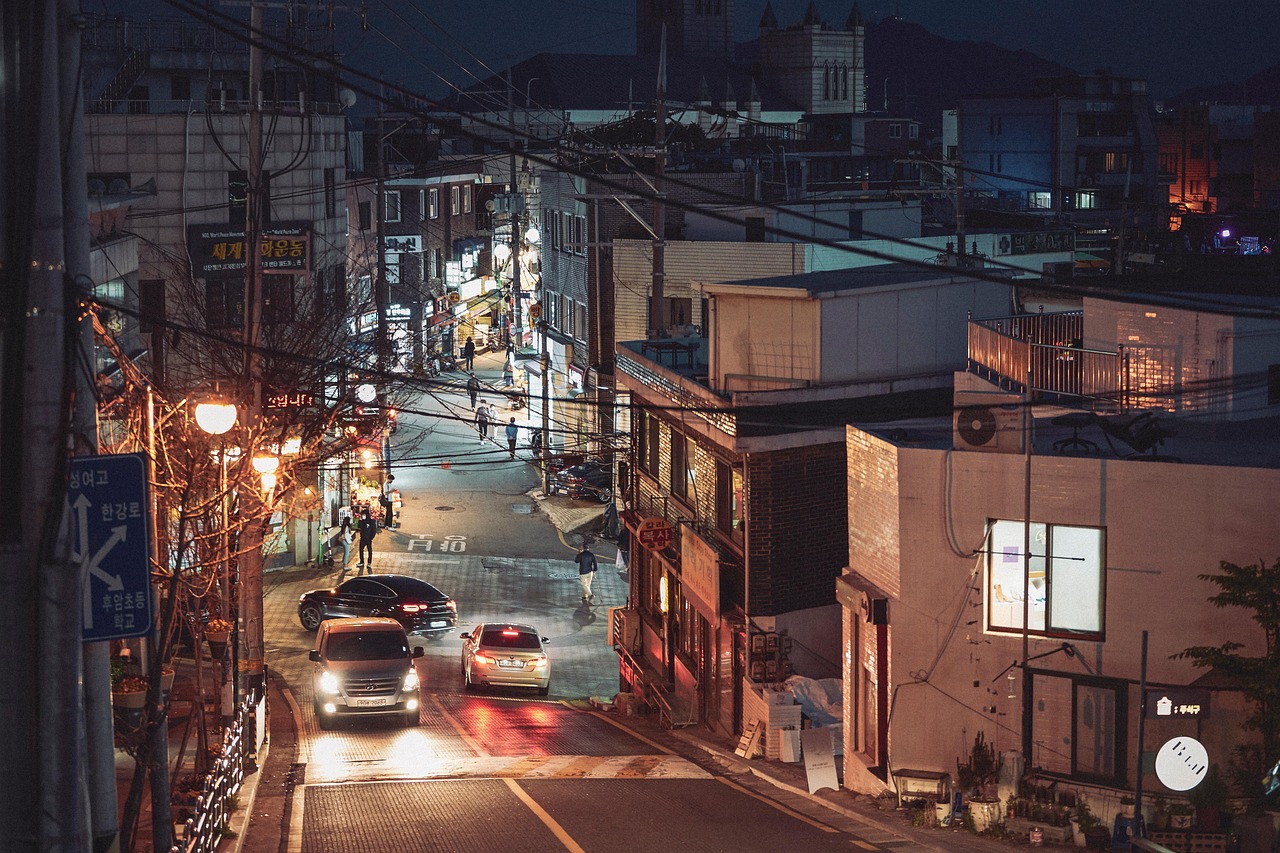
If you’re pinning down the time to visit South Korea for a summer break, the broad answer is clear: the summer months between June and August bring long days, late evenings, and an easy beach-and-city rhythm. It’s a popular time to travel, and it can feel like peak season along the water, especially once schools and offices settle into their warm-weather routines. For high-end travellers, the key is choosing the right pace so the season feels intentional rather than overwhelming.
South Korea is usually at its most animated in these popular months to visit, and that energy can be part of the allure when you plan for comfort. Think late-afternoon strolls along the Han River in Seoul, slow breakfasts, and a suite that feels like a sanctuary when the streets are bright outside.
Summer heat and humidity: planning around temperatures and weather conditions
In June through August, the weather in South Korea can swing from sunny heat to sudden showers, so it pays to design days around shade and recovery. In practical terms, summer is hot and humid, especially in urban areas, with sticky evenings that make curated breaks feel essential. Plan for shaded routes, museum pauses, and a little extra time for spa rituals, and keep an eye on air-quality updates as part of your daily check-in.
Rather than trying to outrun the heat, treat it as a reason to travel differently: early starts, a calm midday reset, and a second chapter after sunset. That simple rhythm gives you time to travel well without sacrificing the feeling of ease.
Monsoon season in South Korea: rainy-season patterns and staying flexible
Summer also overlaps with monsoon patterns, and understanding them makes the whole trip smoother. South Korea’s monsoon season often arrives as intense bursts rather than all-day drizzle; the rainy season can mean a radiant morning followed by a sudden downpour, and rainfall over the summer months is often concentrated into a few dramatic spells. Korea experiences quick shifts, so it’s wise to keep a compact umbrella on hand and to plan at least one “indoor favourite” each day.
The key is flexibility with support: build in a buffer, keep reservations adjustable where you can, and lean on hotel concierges or a trusted local expert to re-route plans smoothly. After a storm, palace grounds and stone courtyards can look freshly polished—an unexpected reward for staying adaptable through the monsoon season.
A mini decision guide for times to visit:
- Early June (the beginning of the month is often calmer): a good month for lighter crowds and easier restaurant bookings.
- Korea in July: high summer energy for beaches and seasonal nightlife, but plan your days around shade and late starts.
- Late August (often the second half of the month) can feel like a softer shoulder: occasional better value on premium rooms if you book with care.
For a humid time to travel, the most elegant rhythm is simple: start early, pause midday, and explore again when the light turns kind. If your time to travel to the south is limited, this approach helps you stay present rather than pushed—making it a wonderful time to enjoy the highlights you’ve chosen.
Seoul in summer: a good time to visit Seoul with Changdeokgung and Huwon Secret Garden
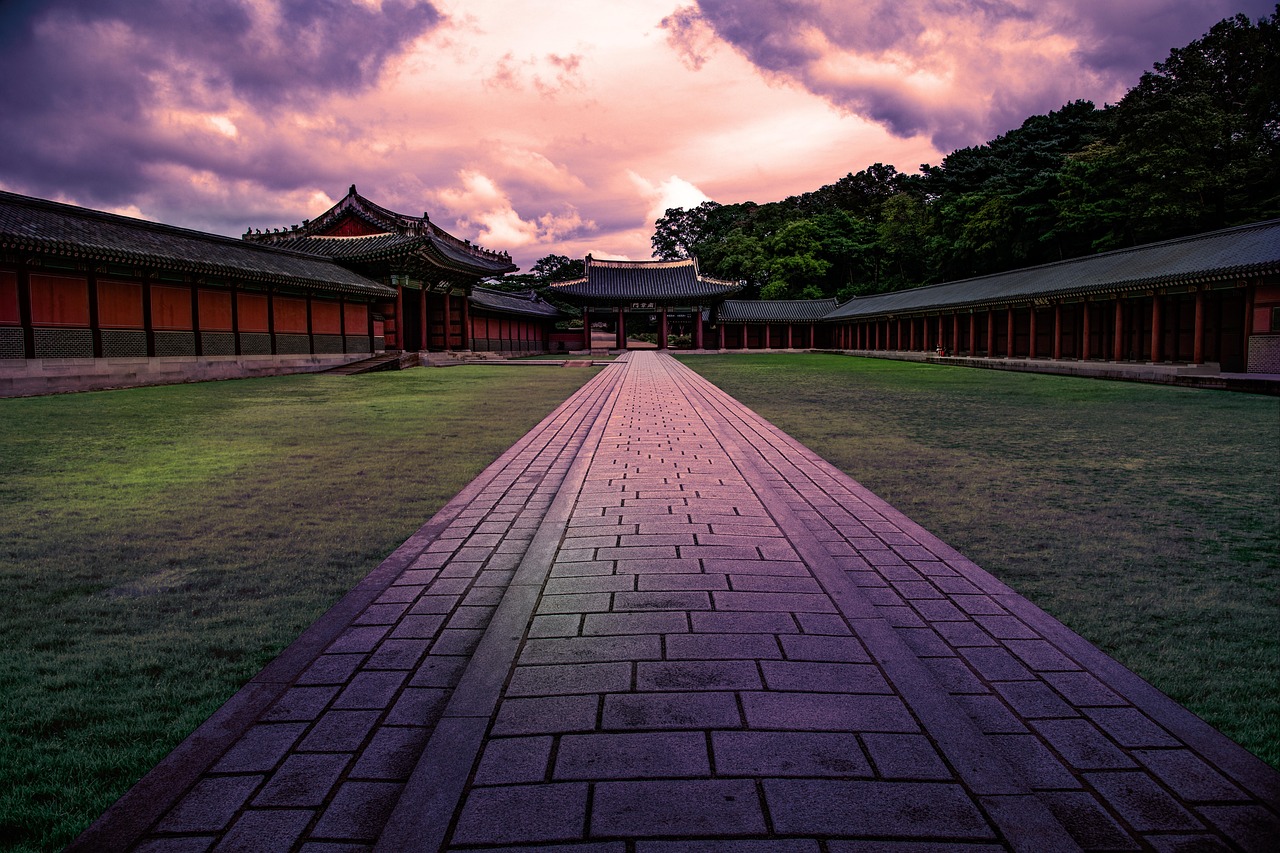
Seoul’s calmer, shaded side in summer at Changdeokgung and Huwon
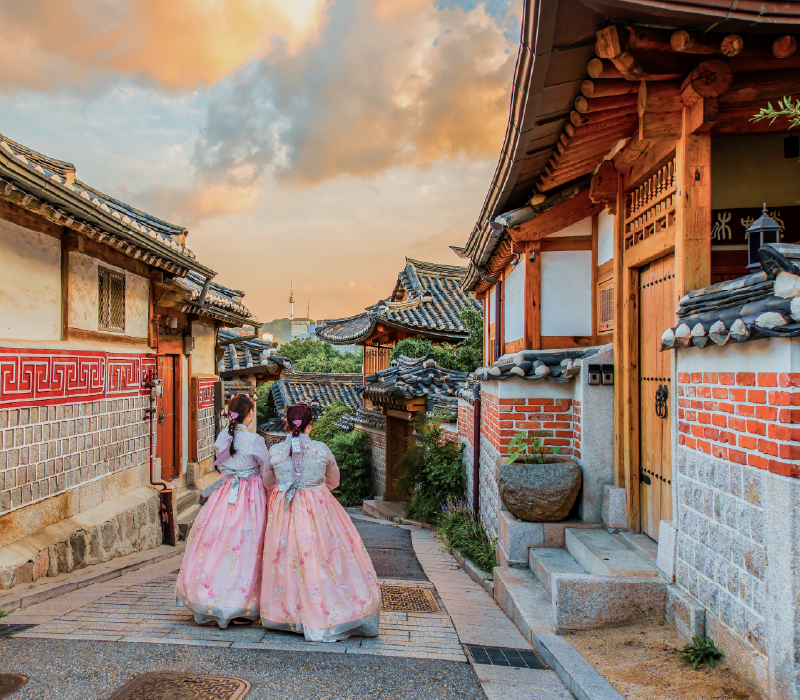
It can still be a good time to visit Seoul in summer—especially if you travel to South Korea with a slower, more comfortable itinerary. Seoul rewards early mornings and curated pauses: the city feels gentler before midday, and its historic sites offer natural canopies and quiet corners that many travellers miss when they rush between landmarks.
For many, the best time to visit Seoul isn’t a season at all—it’s a time of day. Begin with heritage, step into greenery, then re-emerge for a long lunch with cooling flavours like naengmyeon, or a hotel spa session that restores you before evening plans.
Best time to see the Huwon lotus blooms at Changdeokgung Palace
Create an “old-city to hidden-garden” morning: book timed entry at Changdeokgung Palace, then continue into Huwon Secret Garden. In midsummer, lotus blooms and lush greens soften the edges of the city, and it’s the best time to see a quieter, more intimate side of Seoul without needing to leave town.
A couple once told us their most personal memory of Seoul wasn’t a skyline view, but their serene dawn walks through Huwon. They described the historic ambience—stone paths, birdsong, and that hush of early light—feeling almost private, as if the garden was holding space just for them.
Visiting Korea etiquette: quiet luxury, simple cultural respect
At cultural sites, visiting Korea etiquette is beautifully straightforward: greet politely, keep your volume respectful, and dress with quiet consideration. Light, breathable layers are ideal; shoulders covered is a safe choice inside heritage spaces, and comfortable shoes will carry you across palace courtyards with ease.
For seamless comfort, consider private transfers between stops—especially in summer heat—so you’re never searching for shade in the wrong place. A well-timed museum interlude, a café pause, or a short return to your hotel for spa support can make Seoul feel not just manageable, but genuinely indulgent.
Festivals in South Korea in July
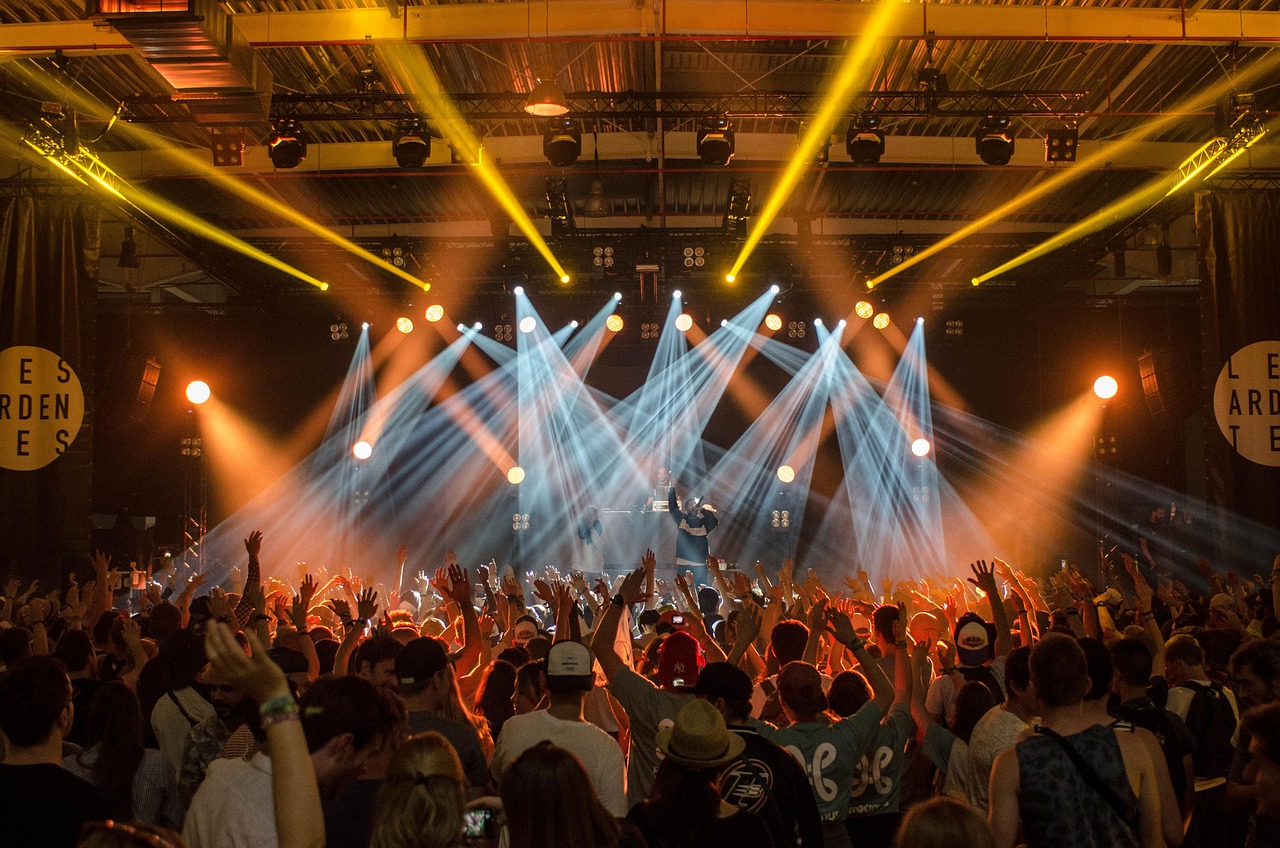
Boryeong Mud Festival in July—fun outside, calm comfort after
Among the standout festivals in South Korea, the Boryeong Mud Festival held every July is summer’s joyful counterpoint to the heat. If you’re choosing times to visit for a playful atmosphere, this is the moment that turns warm weather into a full experience: mud baths, mudslides, sea air, and live music in a surprisingly well-run setting with plenty of structure.
A luxury traveller once shared how the festival changed their view of South Korean summer celebrations. They expected chaos; instead, they found cultural immersion wrapped in carefree fun—then returned to premium suites where everything felt calm again. That contrast is often the magic: adventure outside, quiet trust inside.
Boryeong day planning: from mud play to fine dining with ease
To keep the day feeling elevated, design it like a curated performance. Start with a driver who understands timing, arrive early to settle in, and plan a clean, comfortable transition back to your hotel (or an overnight by the coast). Small logistics make a big difference: a private car, pre-booked dining, and a clear “mud-to-evening” plan can turn a busy event into a crafted memory.
This is also a great time to visit with friends, couples, or family—togetherness comes easily when the mood is light, and the practicalities are handled.
What to pack for comfort (without losing polish):
- Quick-dry clothing and easy sandals you don’t mind getting messy
- Skin recovery essentials: gentle cleanser, moisturiser, and SPF for after
- A small waterproof pouch for phone, room key, and a little cash
Make space for local street snacks—fresh seafood and icy drinks are part of the story—then end with a sunset moment if you can. When the day is designed well, you can explore fully and still return to softness.
Jeju Island beach season: best beaches, coastal villas, and easy summer escapes in South Korea
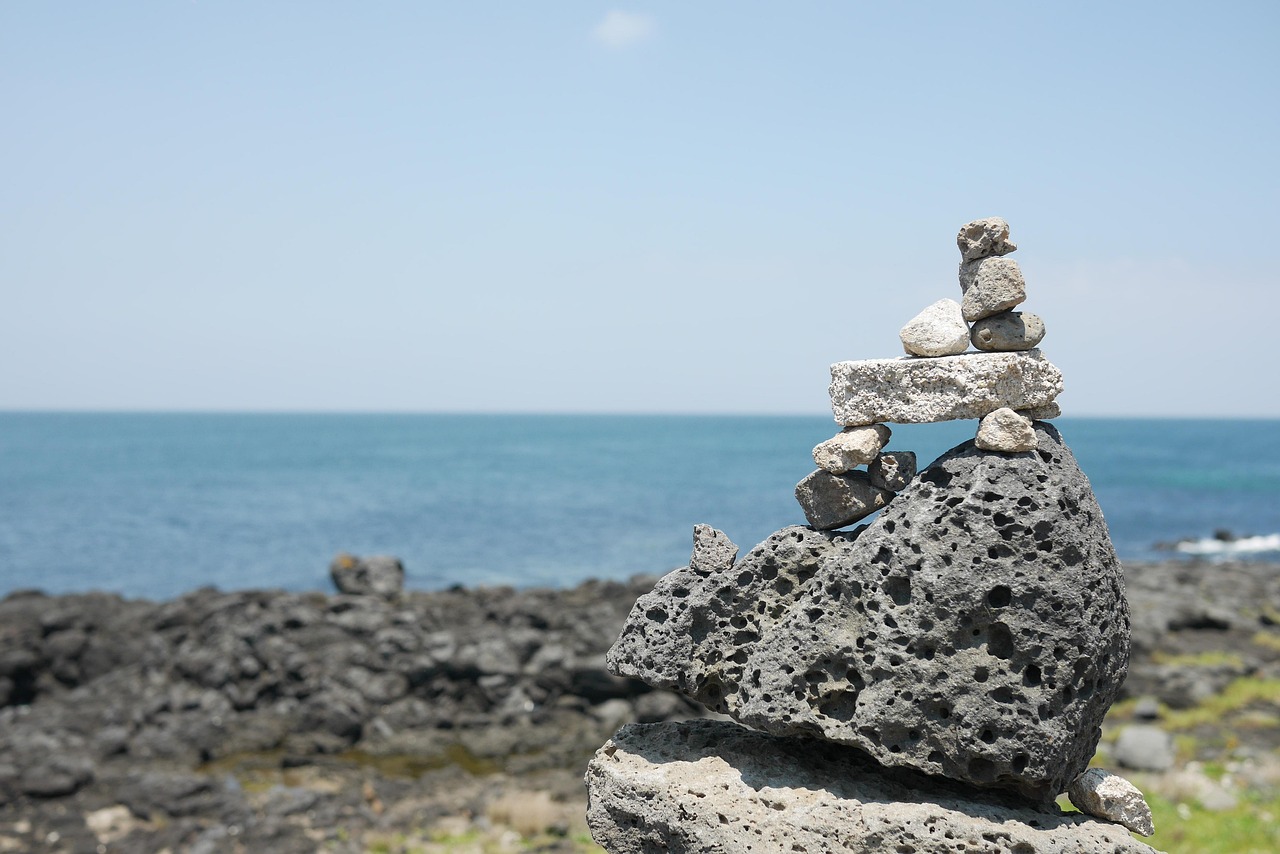
Jeju beach days with Hyeopjae and Hamdeok’s clear shallows
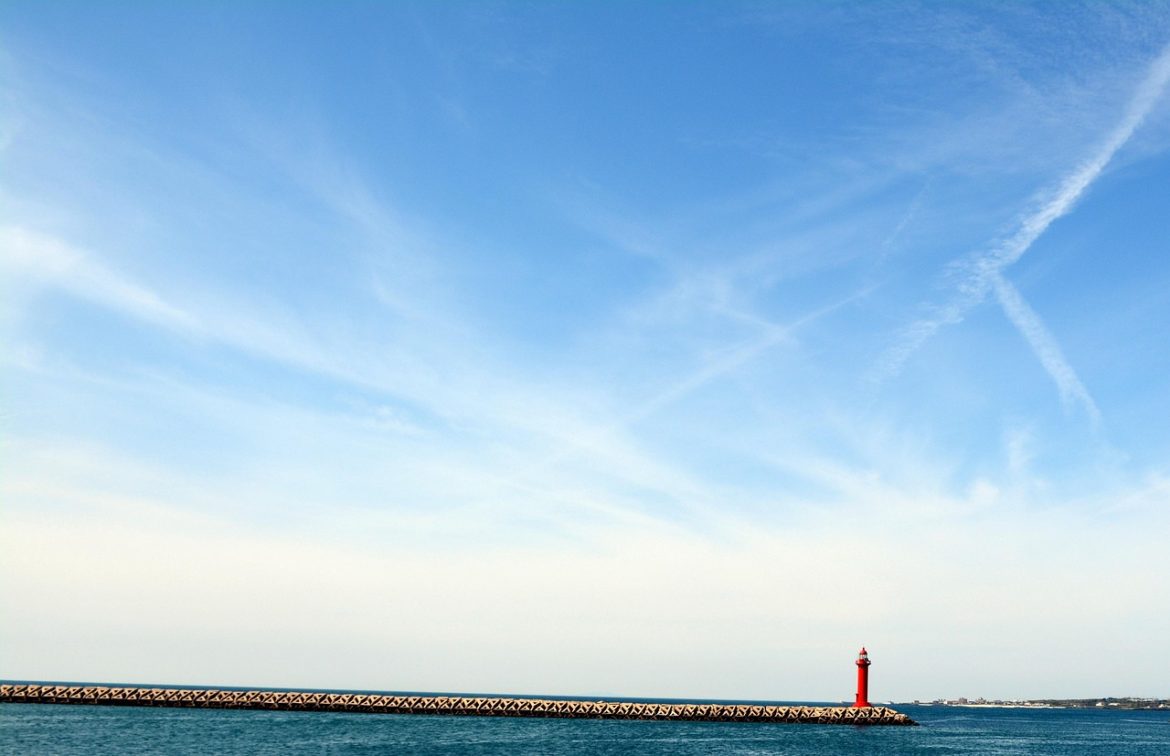
For travellers who want the ocean to do the soothing, Jeju delivers a beach season that feels naturally luxurious. When searching for the best beaches on Jeju Island, South Korea, two names come up again and again: Hyeopjae and Hamdeok. On clear-water days, the shallows are crystalline, and the pace is unhurried—swim time, gentle water activities, then quiet service back at your resort.
One traveller described their exclusive Jeju villa stay as “seamless from the first step”: attentive but unobtrusive staff, a calm check-in, and tranquil ocean views that made the whole trip feel like an exhale. It’s the kind of comfort you don’t have to request; it’s simply there, with care.
Coastal style and local norms for relaxed confidence
Jeju’s style is understated, and modest swimwear is standard at many beaches—think refined and practical rather than performative. Sun protection matters, so a hat, SPF, and hydration become part of the daily ritual, especially on bright days by the water. Take your time in local cafés and markets; a gentle pace invites better conversations and small discoveries.
If you’d like variety, you might pair Jeju with coastal cities like Busan on the mainland. The best time to visit Busan often echoes summer’s seaside appeal, but it can also work as a shorter add-on if you want standout dining and evening beach walks without committing to a full island stay.
High-end touches that elevate Jeju beyond the beach
To create a trip that feels designed rather than simply booked, consider a private drive with scenic stops, a spa ritual timed to sunset, or even a yacht charter for a quieter perspective on the shoreline. End the day with a seafood-forward dinner that feels both local and elevated—fresh, simple flavours handled with expert restraint.
For a visual sense of how a South Korea travel itinerary can flow from city to shore, browse our Trip gallery and imagine the version that fits your own pace.
Best time to visit South Korea and what to expect
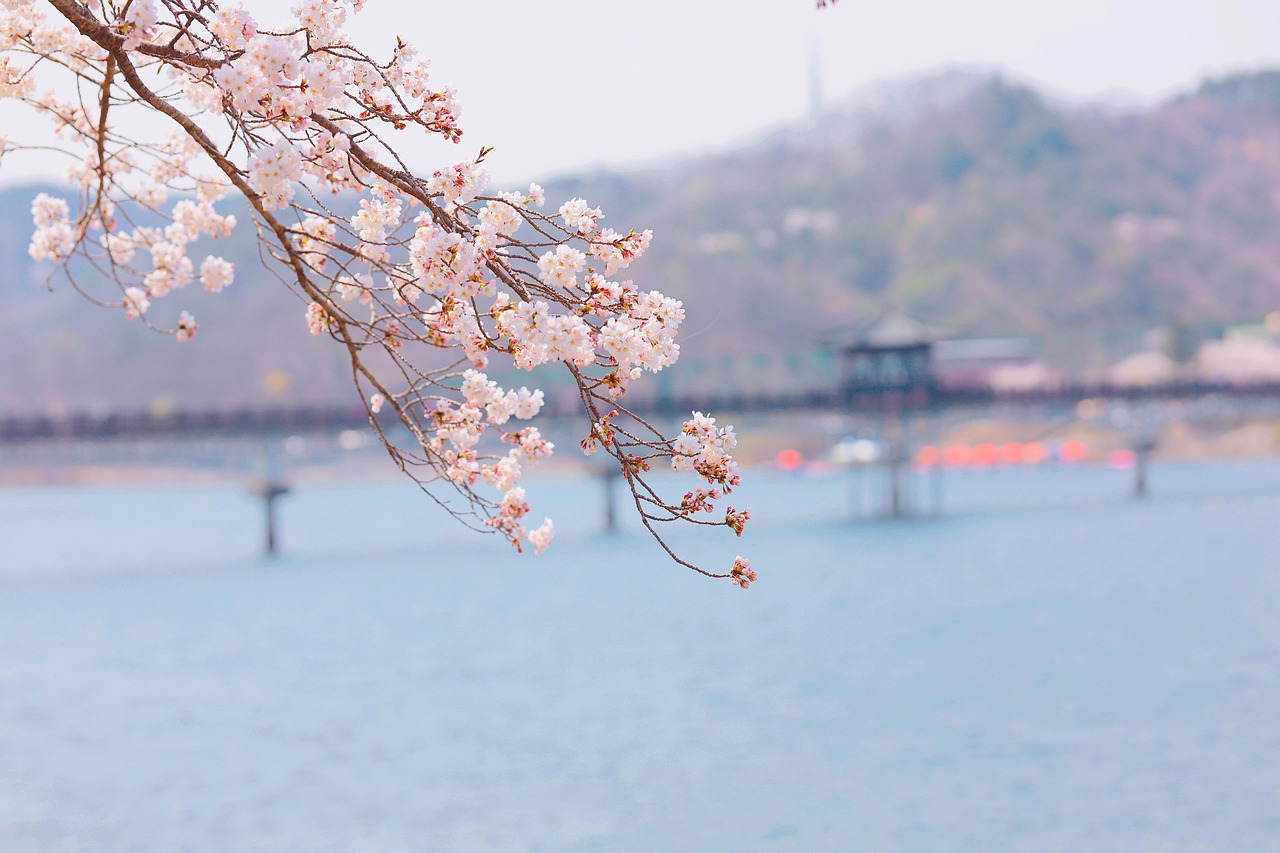
Beyond summer: cherry blossom and autumn colour across the seasons
Choosing the best dates gets easier once you understand South Korea by season. This North African country it is not—this is an East Asian destination with four distinct seasons, and those shifts change everything from what you pack to how you structure a day. For many travellers, the seasons of spring and autumn are considered the best time for comfort, colour, and unhurried days.
What you experience in South Korea depends on your priorities, because conditions vary by month: pricing, crowd levels, and domestic travel patterns shift throughout the year. If you’re comparing the best time of year with the time of year to visit for your style, think of it as a shortlist of months to visit South Korea rather than a single perfect answer—and use that as your time to visit Korea planning baseline.
Cherry blossom season: South Korea in March and South Korea in April highlights
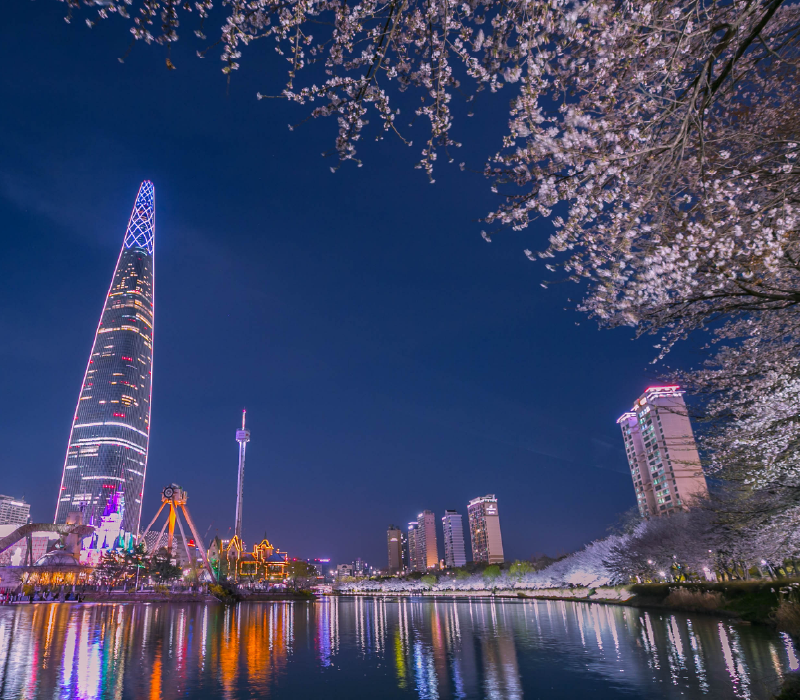
Spring is the soft-focus favourite. Cherry blossom streets arrive with an almost cinematic feel, and a cherry blossom festival can turn an ordinary evening walk into something quietly celebratory. South Korea is at its most photogenic during spring, with South Korea in March offering early blooms in some areas and South Korea in April bringing fuller displays.
If you’re chasing the iconic event, the Jinhae cherry blossom festival is the headline, but the capital has its own magic too. Seoul is especially charming during the spring—parks, riversides, and palace grounds become gentle stages for blossom viewing, and it’s a calm, romantic way to see another side of the city.
Autumn travel from September to November: South Korea during October, hiking, and national parks
Autumn is the season of clarity, and September to November is when cooler air makes movement feel effortless. South Korea in October is often a sweet spot: autumn colour spreads through hills and South Korea’s national parks, creating a natural time for outdoor exploring. For travellers who love scenery, it’s also one of the best times to plan a temple-and-trail itinerary with long lunches in between.
For refined travellers, autumn can be the best time to see foliage without battling the heaviest summer heat, and it’s an ideal time for hiking when you want comfort as well as views. Look to national parks like Seoraksan or Naejangsan for some of the best places to see seasonal colour, then return to high-end hotels where evenings feel cosy rather than humid.
Winter in South Korea: coldest month in South Korea, winter sports, and Lunar New Year notes
Winter in South Korea brings a different kind of polish—clean air, bright light, and winter sports for those who want alpine energy. South Korea in January is a crisp choice for city culture and mountain escapes; Korea is usually very dry at this time, so layers feel warm without the heavy dampness some travellers expect. January is the coldest month of the year, and it’s often considered the coldest month in South Korea for packing—think thermals, gloves, and shoes with grip.
For many guests, the highlight is a balance of cold-weather days with cosy interiors and restorative spas, plus cultural moments like lunar new year celebrations. If you’re interested in slopes, choose resorts that support sports like skiing and snowboarding, then plan an easy recovery day after. Ultimately, your year to visit South Korea is whichever season matches the mood you want to create, with the right support behind it.
A simple planning layer for times to visit:
- Match the month of the year to your priorities: blossoms, beaches, hiking, or winter sports.
- Expect higher hotel pricing in peak dates; quieter windows can offer more space and calm.
- Domestic travel increases around major holidays, so reserve premium rooms and flights early.
F.A.Qs: When is summer in South Korea, and what to know
What month is the hottest in South Korea?
Typically, the hottest stretch falls in July and August, when heat and humidity are at their highest. Exact temperatures vary by region, but cities such as Seoul can feel especially intense due to the urban heat effect. If you’re visiting then, plan early mornings, shaded cultural stops, and cooling breaks to stay comfortable.
What month is best to visit South Korea?
Many travellers consider spring (especially April) and autumn (often October) the best balance of comfortable conditions and beautiful scenery. Summer can still be a good time to visit if your priority is beaches and festivals, while winter suits travellers looking for seasonal atmosphere and mountain escapes. The best month depends on whether you prioritise blossoms, hiking, coastal time, or cultural events.
What is the 52-hour rule in Korea?
The “52-hour rule” refers to South Korea’s legal cap on maximum weekly working hours for many employees, designed to improve work-life balance. It’s not a tourism regulation, but travellers may notice that it influences opening hours, staffing patterns, and reservation availability in some settings. For high-end trips, booking in advance helps ensure seamless dining and service.
After South Korea: what summer leaves with you
Long after the photographs are filed away, what stays is texture: salt air on Jeju, the cool shade of palace trees in Seoul, and the sound of laughter carrying across a beach at dusk. These are the details that arrive quietly, then settle into memory as something you can return to.
There’s a particular tenderness to summer: the way heat slows you down, inviting you to accept a gentler rhythm with gratitude rather than impatience. In that slower cadence, it becomes easier to experience South as it really is—layered, welcoming, and full of small human moments that feel unforced.
And perhaps that’s the real gift: not just the places you explore, but the confidence you carry home. The sense that you can arrive somewhere new, be looked after with care, and still feel like yourself—curious, comfortable, and quietly open to wonder.
When you think back on it later, you may find the season hasn’t ended at all; it’s simply waiting—somewhere between the hush of a garden path and first light on the sea—ready to be rediscovered in a different month, whenever you’re drawn to return.