Post Contents
- Why the Basilica of San Marco is Venice’s landmark
- Tickets, time and how to visit without the wait
- Inside the basilica a golden mosaic world beneath the domes
- Museum highlights and the Pala d’Oro treasure chamber
- Terrace views and the Horses of Saint Mark adventure
- F.A.Qs:
- What stays with you after St Mark’s in Venice
Why the Basilica of San Marco is Venice’s landmark
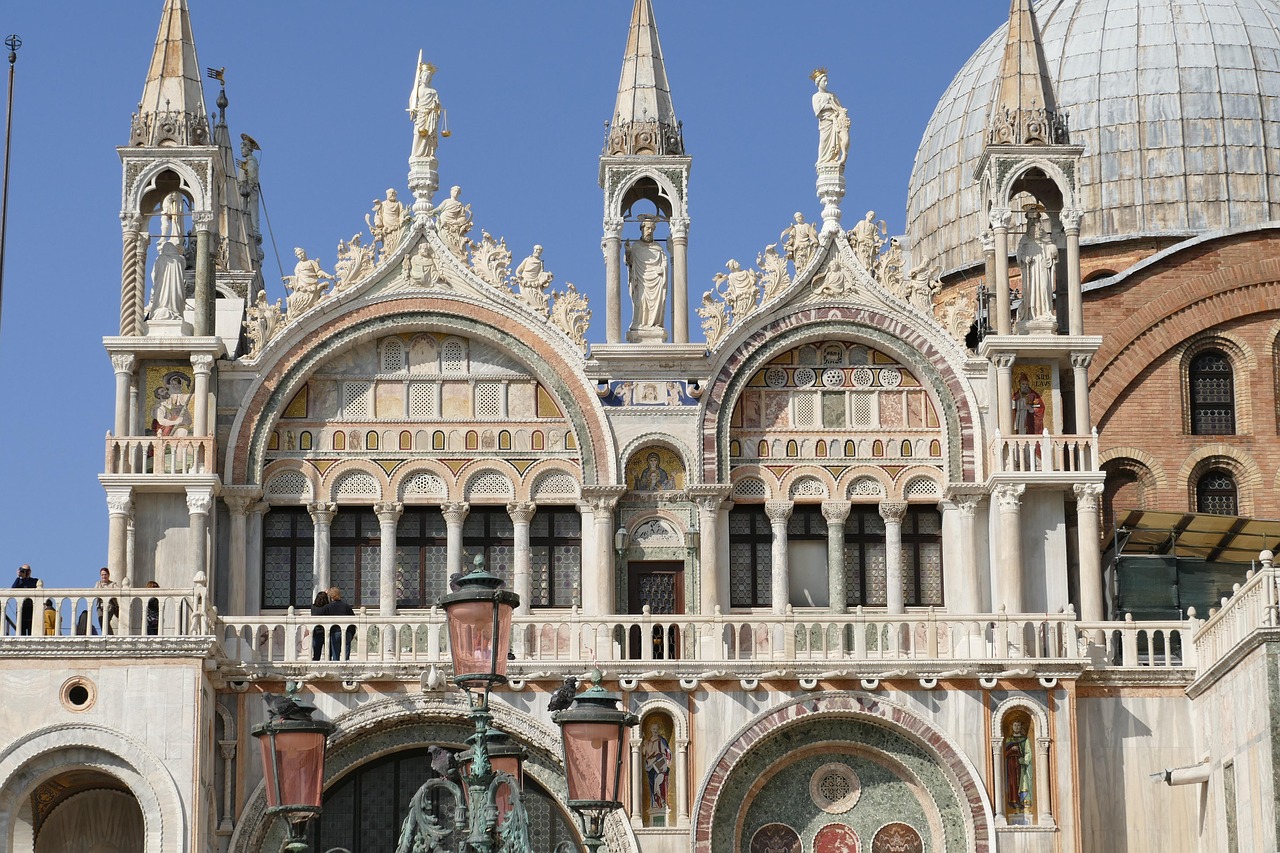
Why the Basilica of San Marco is Venice’s landmark in Piazza San Marco
The Basilica of San Marco, Venice, Italy— history, Saint Mark, landmark — is not a slogan here—it’s a feeling you sense the moment you reach the square. Outside the present basilica, light slides across marble and decoration as if the building is quietly changing outfits throughout the day. Pause for a breath and let your eyes travel: arches, inlaid stone, and that unmistakable promise of gold within.
The story begins in the year 828, when Venice was a Mediterranean merchant power, ambitious and outward-looking. Saint Mark became the city’s protector and symbol, woven into civic pride as much as faith, and the basilica grew into a statement of identity as well as devotion. Even now, with the Doge’s palace close by, the whole setting reads like a stage built for power, art, and belief.
History, identity and how it became the cathedral
Over more than a century of change and refinement, the city continued to build and embellish, drawing on trade routes and distant workshops for ideas and materials. In 1807, it became the cathedral, a shift that formalised its role in daily religious life. It remains an important, living church—so even on a busy day, treat it as a place where people still come to pray, not just to look.
A local way to slow the square down
To create calm before you enter, stand near a column at the edge of the action and watch the movement for a minute. Listen for the change in sound as footsteps cross stone, then choose your moment to approach the doors with trust in your own pace. That small ritual—one deep breath, one quiet look up—can turn a crowded landmark into a personal beginning.




Tickets, time and how to visit without the wait
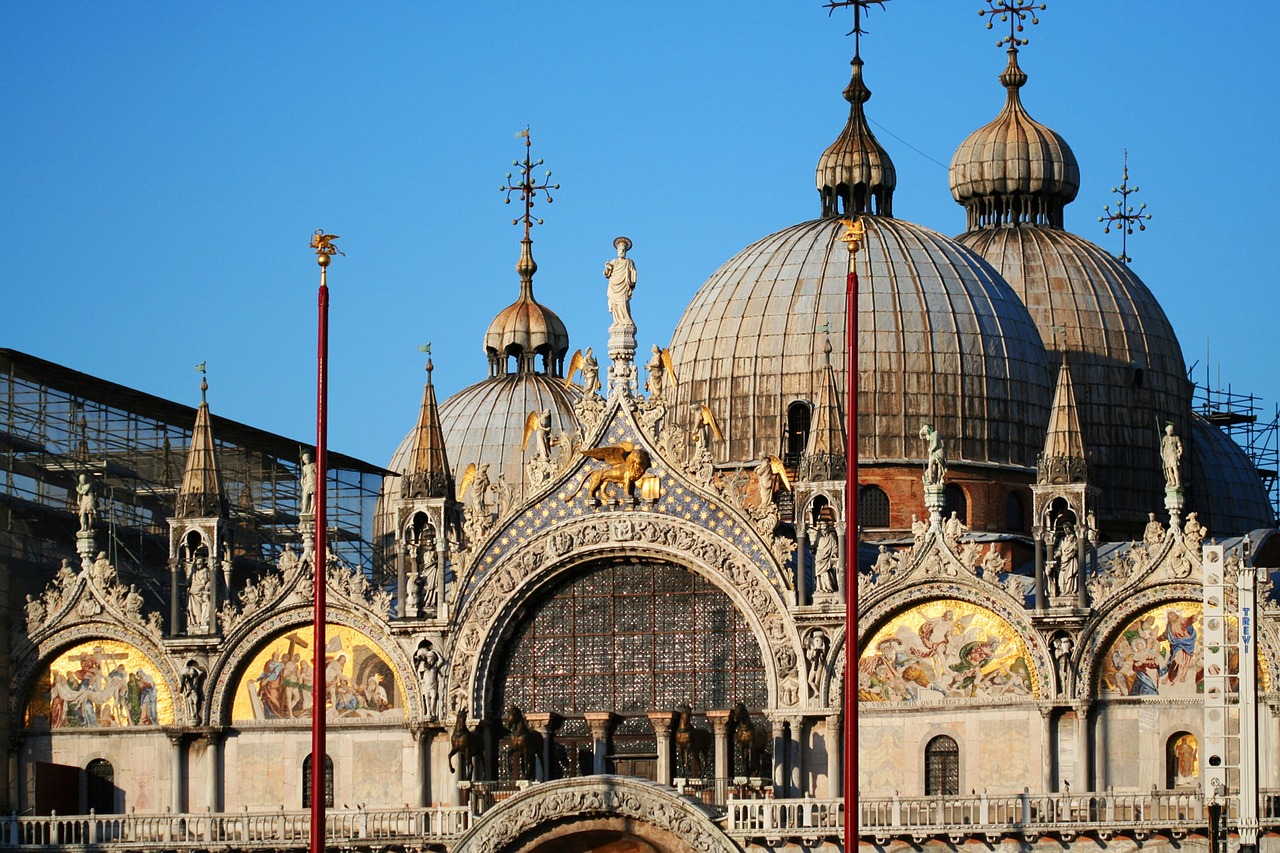
Tickets, time and how to visit without the wait at St Mark’s Basilica
For st mark’s Basilica tickets in Venice, the best time to visit, open hours, and booking online, the core truth is reassuring: the main basilica is free, and you pay only for special areas. A ticket is typically needed for the museum, the Pala d’Oro, and the terrace, often around 5–7 euros depending on what you choose. Think of it as designing your own depth: a quick look, or a richer, detail-led experience.
If you’re an Adventure Seeker, the strategy is simple and effective—go early, especially from April to October, to avoid the longest queues and keep your energy for what’s inside. If you’ve seen searches for mark’s basilica tickets, you’ll know timeslots can sell out; when available, tickets online can reduce uncertainty and help you move with confidence. If you arrive without a booking, stay flexible: check the signage for the next entry window and decide whether to explore the square briefly before returning.
How to book and arrive with confidence
When you book a time, choose the earliest slot you can realistically make, and arrive a little ahead so your entrance feels seamless rather than rushed. If you’re using public transport, Vaporetto water buses are the safest, simplest way to reach San Marco without stress. For inspiration while planning, you can browse our Trip gallery and imagine how this visit fits into a larger, crafted itinerary.
What to bring for a seamless, respectful visit
- Dress modestly: cover shoulders and knees (it’s a religious site).
- Keep a light layer handy; interiors can feel cooler than the square.
- Photography is usually allowed, but no flash and no tripods.
- Carry valuables close in a small cross-body bag in busy areas.
The basilica welcomes many thousands each day; the key is support through good timing and a flexible plan. Stay together if you’re travelling as a pair or group, trust your instincts around crowds, and let the day breathe—your experience will feel more personal when you don’t fight the rhythm of the place.
Inside the basilica a golden mosaic world beneath the domes
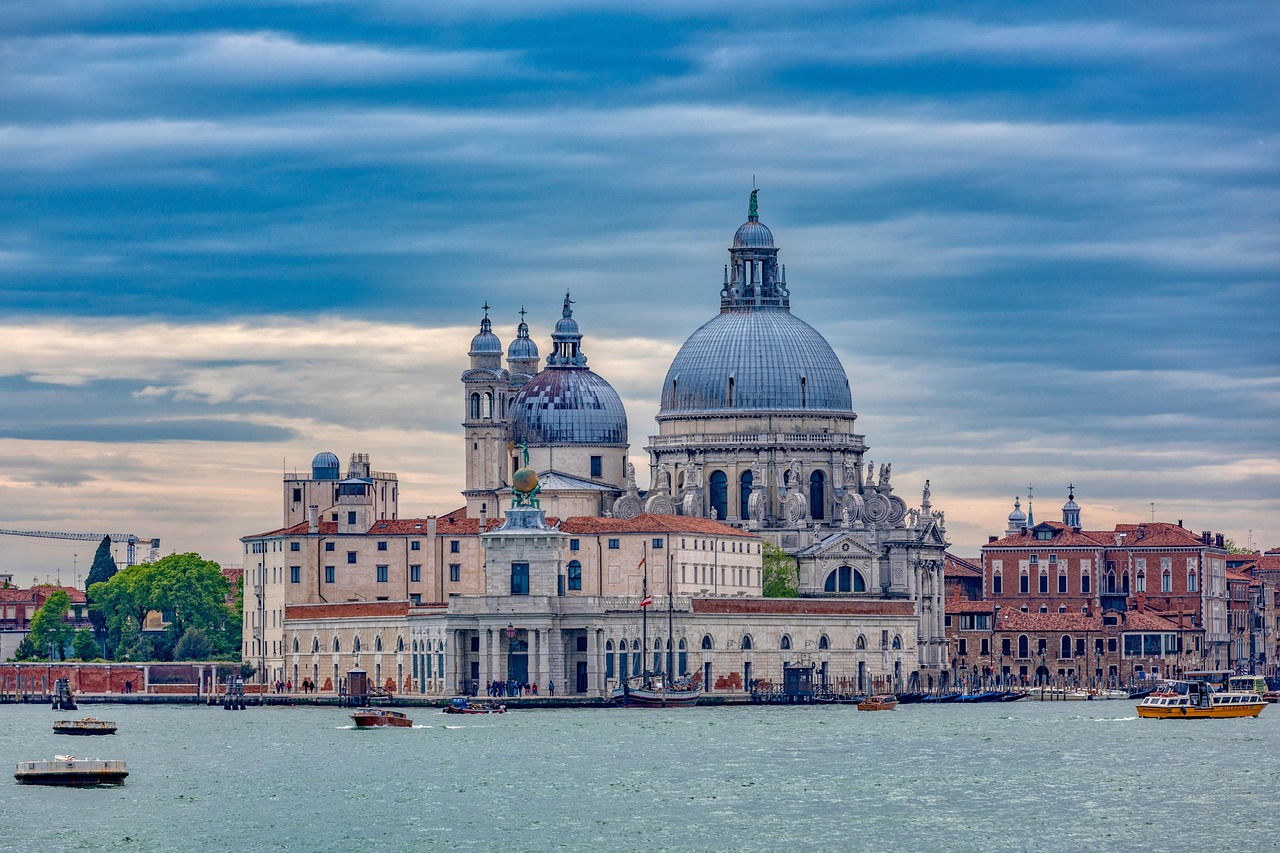
Inside the basilica a golden mosaic world beneath the domes
Inside st mark basilica venice byzantine domes mosaic 8000 square metres sounds like a fact until you take the first step and feel it land in your chest. Many travellers recall being enveloped in shimmering gold, as if the air itself carries light—then you realise the mosaic storytelling spreads across more than 8,000 square metres overhead. Give yourself time: let your eyes adjust, and let the details come to you rather than chasing them.
Domes, scenes and a treasure-hunt way to look
There’s a clear Byzantine influence in the sequence of each dome, guiding your gaze upward in a gentle rhythm. You don’t need a lecture to enjoy it: choose one scene, notice the gestures, then follow how the figures are framed by pattern and gold. Look for moments of deep colour—greens, blues, and reds—set against the shine, like jewels tucked into the ceiling.
The architecture is a bold blend of Byzantine and gothic elements: rounded domes and layered arches, with surfaces that reward close attention. Turn it into an adventure: find a patch of porphyry, a carved border, a repeated motif, then move on. Even in a large crowd, this approach keeps you grounded and curious.
How to feel present, even during mass
One visitor told us they attended mass and, despite the bustle, found a serene connection in the chanting and the soft movement of light. If you find yourself inside during a service, stand to the side, keep voices low, and let others pass without frustration. The most meaningful moments are often quiet ones: a remembered hymn, a candle’s flicker, a pause that feels like yours alone.
For a simple flow, enter, spend a few minutes beneath the central area, then drift along the side aisles before returning to the main space. That route feels crafted—enough structure to support you, enough freedom to explore.
Museum highlights and the Pala d’Oro treasure chamber
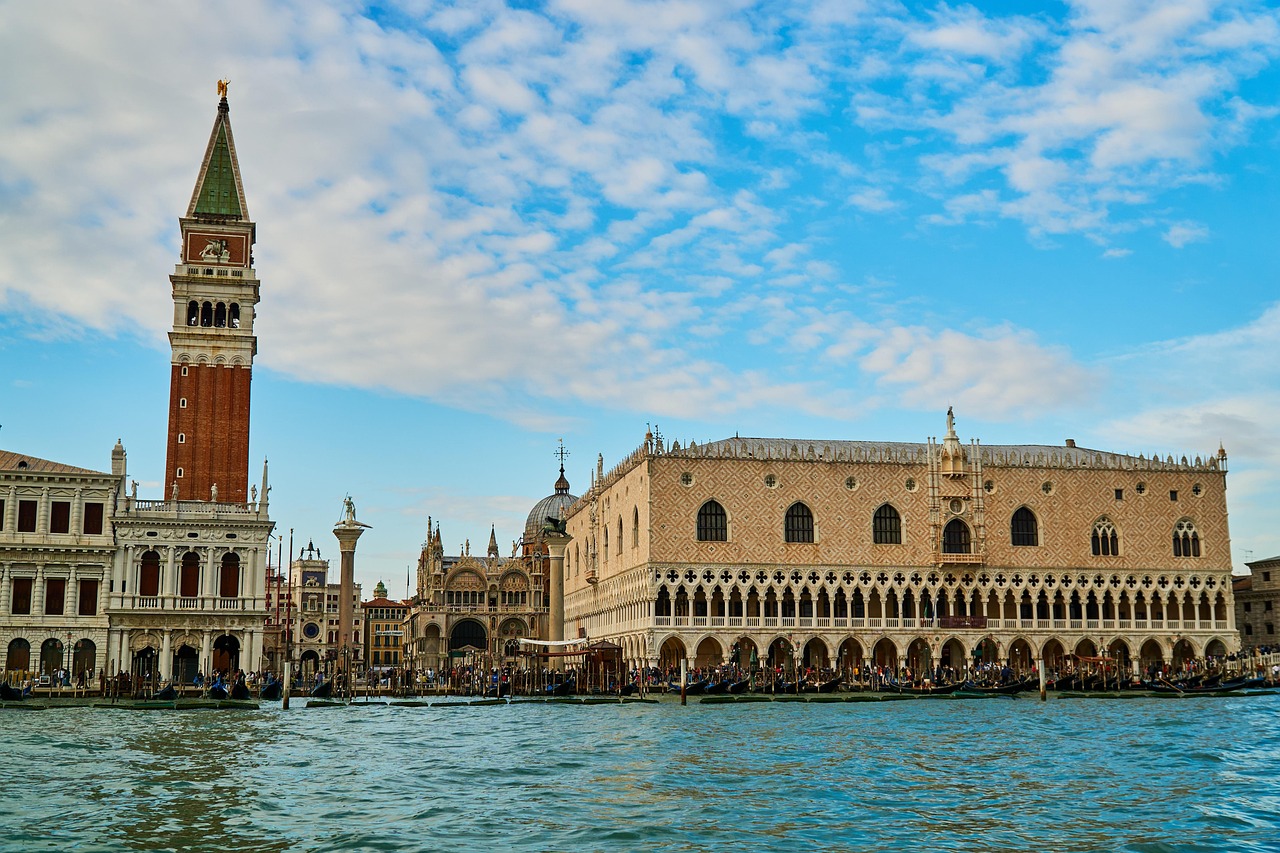
Museum highlights and the Pala d’Oro treasure chamber at St Mark’s Basilica
St Mark’s Basilica Museum, Venice: Pala d’Oro Byzantine Altarpiece is the upgrade that rewards travellers who love craft, symbolism, and patient looking. The museum spaces help you uncover layers you might miss below—objects, viewpoints, and a sense of how the building’s story was shaped over time. If your interest leans towards artistry, it’s a confident choice.
The Pala d’Oro and how to look patiently
The Pala d’Oro is a magnificent altarpiece—Byzantine in spirit, and encrusted with precious gems that catch light differently as the day shifts. Don’t rush the first glance. Stand back, let others move through, then step closer when there’s room; you’ll notice how the gold seems to change temperature, from warm to almost white, depending on where you stand.
- Look for narrative panels and repeated figures that guide the eye.
- Notice iconography: hands, halos, and facial expressions.
- Spot medieval workmanship in tiny borders and filigree-like details.
- Watch how light moves across the surface as people pass.
Why a local expert guide can change everything
A local guide can turn facts into insight—connecting what you see to historical context without drifting into guesswork. If you choose a guide, select someone you trust, and ask how they’ll pace the visit to keep it respectful. It’s a small investment in care: you get accurate stories, and you keep the experience calm for those around you.
For etiquette, stand slightly to the side when you pause so you don’t block the narrowest points. These are small gestures, but they help the whole visit feel smoother, kinder, and more special.
Terrace views and the Horses of Saint Mark adventure
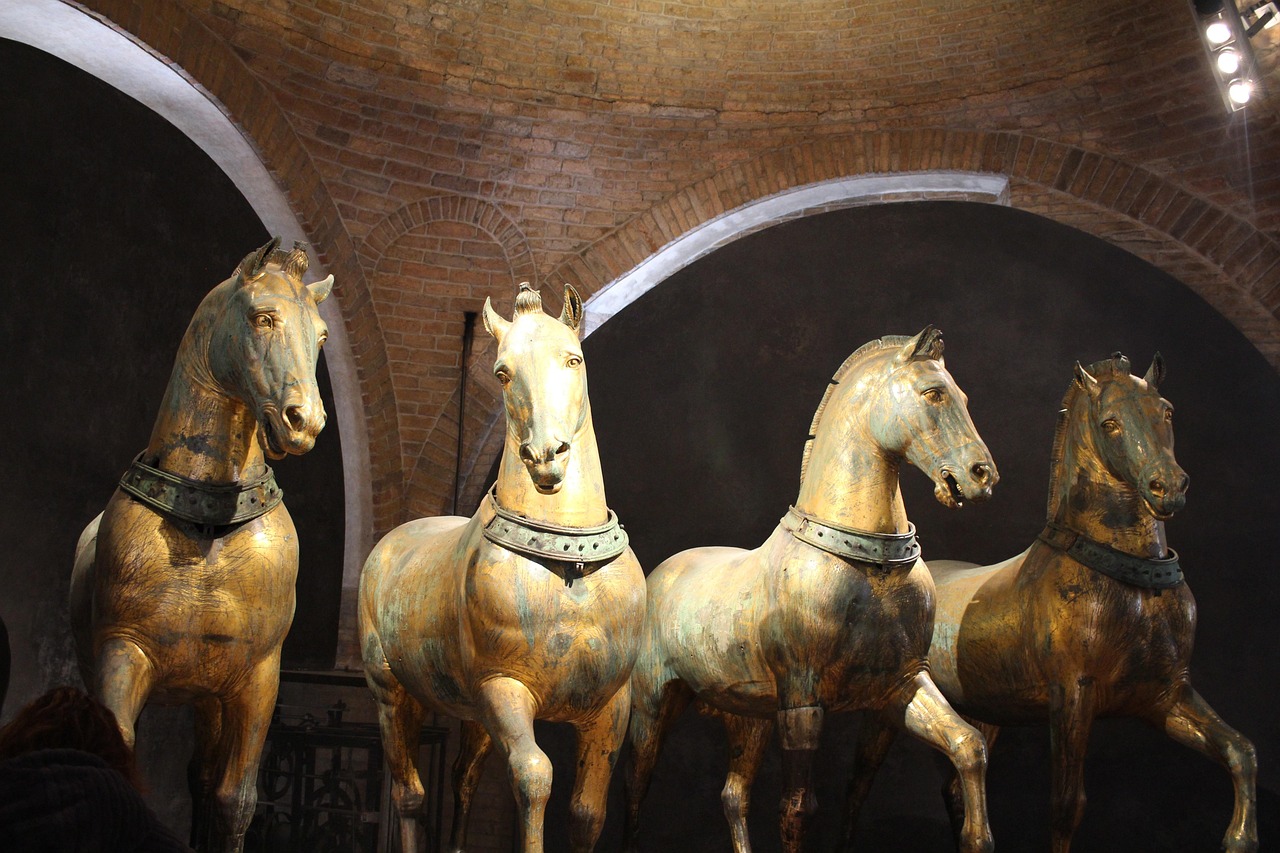
Terrace views and the Horses of Saint Mark adventure above San Marco
St. Mark’s Basilica terrace, Venice: museum, horses of St. Mark, ticket, view of Piazza San Marco. It’s where your cultural day turns into a small, satisfying climb. Reaching the terrace is a mini-adventure with a generous reward: a panoramic view over piazza san marco and the Venetian lagoon, with rooftops and waterlines stitching the horizon together. It’s one of the best ways to feel the city’s scale without leaving its heart.
Golden hour on the terrace
One adventurer shared how they timed the terrace for sunset and watched the skyline become a magical silhouette—soft edges, dark spires, and a sky that looked hand-painted. If you can, choose a time when the light is lower; it makes everything feel more cinematic, and somehow more intimate. This is where you pause, imagine the old sea routes, and let your curiosity roam.
The ancient bronze horses and a rare close look
Then come the Horses of Saint Mark—ancient bronze statues dating back to classical antiquity, and seeing them in person feels genuinely special. A group of friends told us their thrill wasn’t just spotting each horse, but hearing a guide’s anecdotes that made the figures feel alive rather than decorative.
Photography on the terrace is usually fine, but keep it respectful: no flash, no tripods, and don’t hold up the flow. For comfort and safety, watch your footing on steps, keep your bag zipped, and move with quiet confidence in tight spaces—small choices that help everything stay smooth.
F.A.Qs:
Why is St. Mark’s basilica so famous?
It’s famous for its extraordinary golden mosaics, its richly layered design, and its role at the heart of San Marco’s civic and spiritual life. The interiors feel immersive, with domes, precious materials, and storytelling artwork that reflects centuries of craftsmanship and influence from across historic trade routes.
Who is buried in St. Mark’s basilica?
Tradition links the basilica with Saint Mark the Evangelist, whose relics were said to have been brought to the city in 828. While many visitors speak of “burial,” what matters most is the basilica’s long-standing association with Saint Mark and how that connection has shaped its identity and prestige.
Is St Marks basilica Venice free?
Yes. Entry to the main basilica is free, but you’ll usually need a paid ticket for add-ons such as the museum areas, the Pala d’Oro, and the terrace. Prices can vary, so it’s wise to check the latest options and choose the one that best matches your pace and interests.
What is inside St Mark’s basilica in Venice?
Inside you’ll find vast gold mosaics across the ceilings, domes with biblical scenes, ornate stonework and decorative details, and a powerful sense of atmosphere. With additional ticketed access, you can also see museum exhibits, the jewel-like Pala d’Oro altarpiece, and terrace viewpoints.
What stays with you after St Mark’s in Venice
The phrase “St. Mark’s Basilica, Venice, Italy: personal reflection after the visit” sounds deliberate, yet what remains is often tender and unexpected. It might be the way gold and shadow met beneath an arch, or the hush you found for a moment within the crowd—proof that wonder doesn’t always need silence to arrive.
Later, you may remember details rather than headlines: a glance that caught on a face in a mosaic, the coolness of stone under your palm, a quiet ritual that made you slow down. In that sense, the basilica becomes less a checklist and more a small inner landmark—something you carry as a feeling of craft, faith, and human patience.
Even if the day was busy, intimacy is still possible when you move gently, breathe, and let yourself be changed by what you notice. And long after you leave San Marco behind, you may find the city’s light returning in memory—inviting you to uncover another layer, whenever you next drift back in imagination.