Post Contents
- Rome at a Glance Things to Do in Rome and How to See It Well for a Luxury Destination Guide Italy
- Ancient Rome Must See in Rome Colosseum Roman Forum Palatine Hill
- Vatican City Attraction Vatican Museum Sistine Chapel Private Tour Rome
- Centro Storico Best Things to See in Rome Pantheon Piazza Navona Trevi Fountain Spanish Steps
- Trastevere Rome Attractions Local Dining Santa Maria in Trastevere
- Museums of Rome Villa Galleria Luxury Day Itinerary and Seamless Logistics
- F.A.Qs: Sightseeing places in Rome Italy
- What Stayed With Us After Rome
Rome at a Glance Things to Do in Rome and How to See It Well for a Luxury Destination Guide Italy
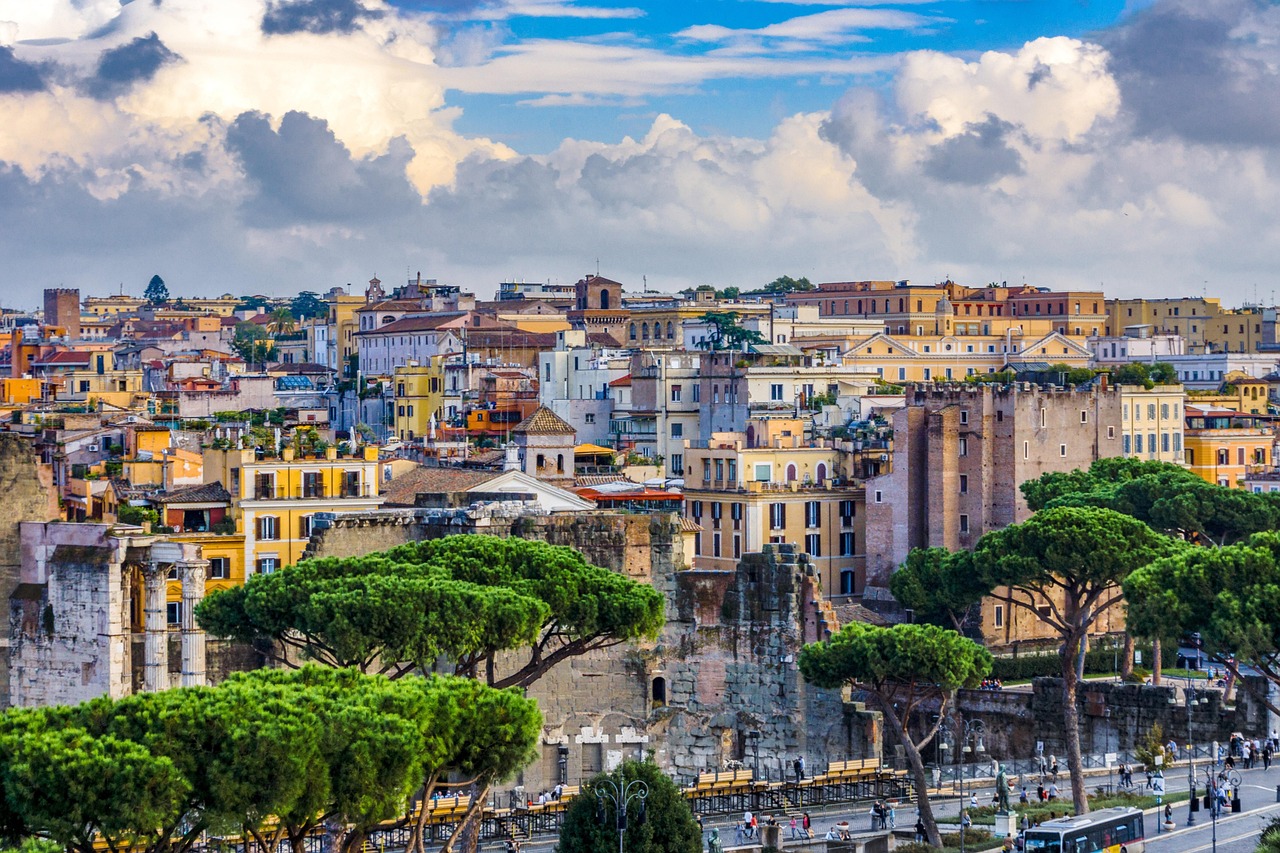
Rome at a Glance Things to Do in Rome and How to See It Well
For a first-time visitor, the luxury destination guide to things to do in Rome, Italy, isn’t just a search phrase—it’s the promise of a city that rewards both the famous monument and the quiet lane. Rome is a city full of headline sights, yet the best Rome memories often come from how you move between them: unhurried, supported, and with space to feel the city breathe.
We like to frame Rome sightseeing as a balance. You’ll explore the must see icons, then uncover gentle, local moments that soften the edges of a busy itinerary—an espresso at the bar, a sunlit courtyard, a small gallery you didn’t plan but somehow needed. When the heart of Rome feels intense, it helps to remember you’re allowed to wander, pause, and create your own rhythm.
How to group Rome attractions by neighbourhood for a seamless flow
The most elegant way to see in Rome is to group attractions in Rome by neighbourhood, so you spend less time in transit and more time immersed. A simple structure keeps your days in Rome coherent:
- Ancient Rome: the Colosseum, Roman Forum, Palatine Hill, and Circus Maximus—best done early.
- Vatican City: Vatican Museum, Sistine Chapel, and Peter’s Basilica—best with pre-arranged entry.
- Centro Storico: Pantheon, Piazza Navona, Trevi Fountain, Spanish Steps—best on foot, in layers.
- Trastevere: artisan lanes, Santa Maria, and evening dining—best as a slower, local counterpoint.
With this approach, you’re not chasing a list of places; you’re designing a flow that feels intuitive. If you’d like inspiration for how a curated trip to Italy can look and feel, our Trip gallery shows the kind of crafted pacing that keeps the experience luxurious rather than exhausting.
Timing and planning that feels calm, not complicated
For visiting Rome with fewer tourists and more comfortable weather, aim for April to June or September to October. Those shoulder seasons give you better light at outdoor Rome landmarks and a calmer atmosphere around popular tourist areas.
A high-end planning lens is simple: pre-book what truly matters, then keep some daylight for discovery. Choose a private guided tour of the Colosseum and the Vatican Museum, where expert context brings what you notice to life. Save lighter hours for free attractions such as strolling riverbanks, browsing small shops, or lingering in a piazza.
Rome is definitely a walking city in its centre, but comfort is part of luxury. Use the metro when it’s the easiest connection; bring in a private car service for transfers, late evenings, or when you want the confidence of door-to-door support. And if you’d like a softer, creative pause between monuments in Rome, a cooking class can be a surprisingly restorative way to experience local culture together.




Ancient Rome Must See in Rome Colosseum Roman Forum Palatine Hill
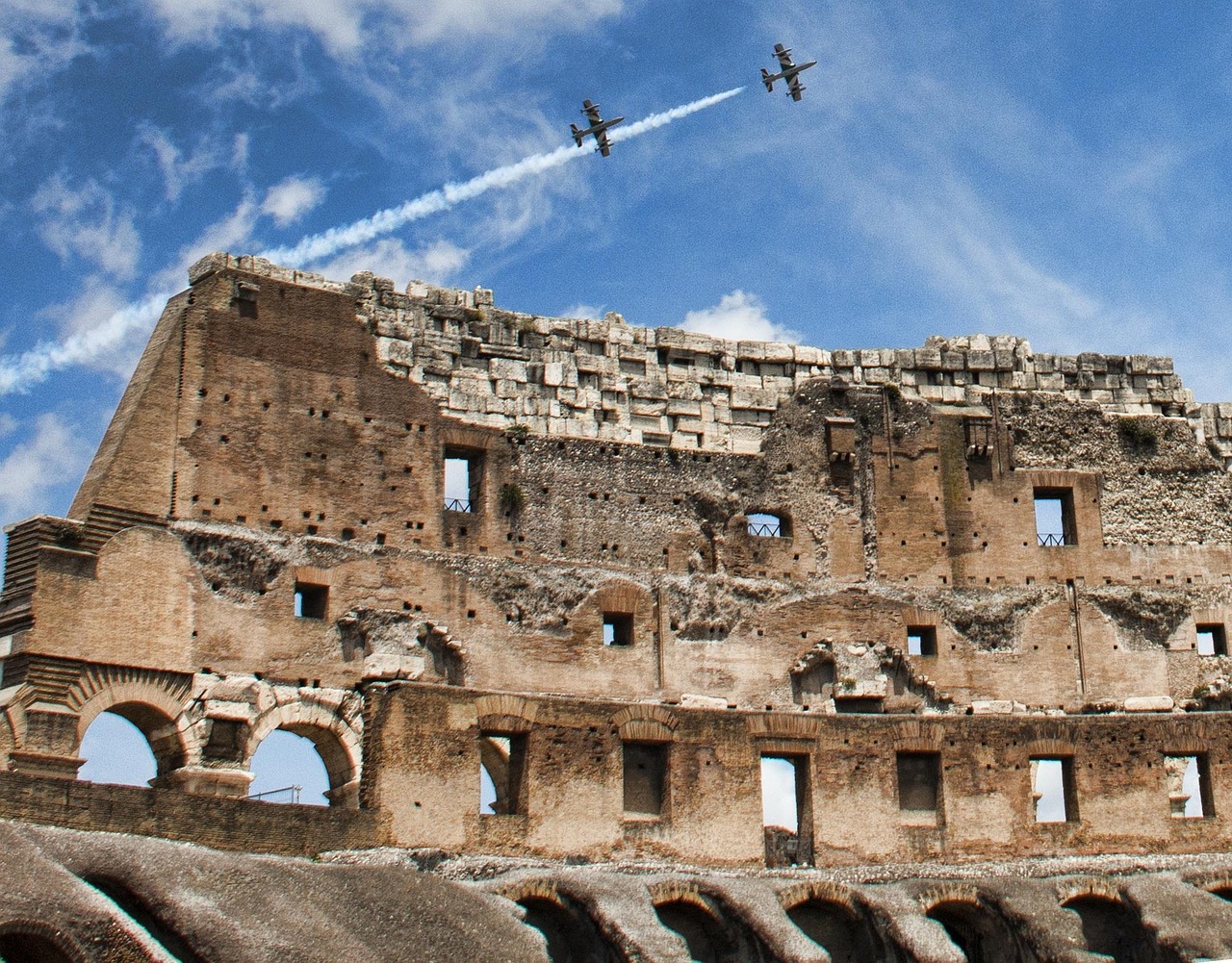
Ancient Rome Must See The Colosseum Roman Forum and Palatine Hill
If you’re searching must see in Rome Colosseum Roman Forum Palatine Hill, you’re already aiming for the most cinematic chapter of ancient Rome. This is the day to begin early, when the stone feels cooler, the light is softer, and the city hasn’t yet gathered momentum.
Colosseum access and how to visit the Colosseum with ease
The Colosseum is one of the wonders of the world, but it can feel like a popular tourist circuit if it’s not well designed. For high-end travellers, the difference is access and storytelling: an expert guide, timed entry, and the kind of behind-the-scenes route that turns a tourist attraction into a living narrative.
On a premium tour of the Colosseum, prioritise the arena floor and (where available) the underground levels. Standing where gladiators once waited shifts the scale from “famous building” to human drama, and the Colosseum becomes less about photographs and more about insight. If you can, visit the Colosseum at opening time; you’ll feel the space before it fills.
Practical detail matters: closed-toe shoes with grip, a hat in warmer months, and a small crossbody bag you keep in front. Around major attractions, pickpockets are opportunistic—carry minimal valuables, keep phones secure, and use your hotel safe for jewellery.
Roman Forum and Palatine Hill as one story, built on top of centuries
The Roman Forum and Palatine Hill work best when you see them as a single, layered story. Here, Rome’s politics and private lives sit side by side: temples, basilicas, triumphal arches, and the domestic worlds of emperors, all built on top of earlier foundations. With a guide, the scattered stones start to align into a city plan you can almost hear.
For the best preserved impressions, look for vantage points that let you read the Forum’s spine from above, then step closer to notice how columns, carvings, and paving reveal shifts in power. Palatine Hill adds the personal dimension—gardens, palaces, and the idea of Rome as a home, not just an empire.
To widen the sense of scale without adding another queue, include Circus Maximus. It’s often overlooked, yet it gives you the breath of an open space and the imagination of crowds, chariots, and ceremony.
End the afternoon with a rooftop sunset aperitivo overlooking the Roman Forum and Palatine Hill. Arrive 30–45 minutes before golden hour, order a classic spritz or a crisp white wine with something small and salty, and let the day soften. This is where the intensity of the Colosseum day becomes intimate—an elegant exhale with views of the city.
Vatican City Attraction Vatican Museum Sistine Chapel Private Tour Rome
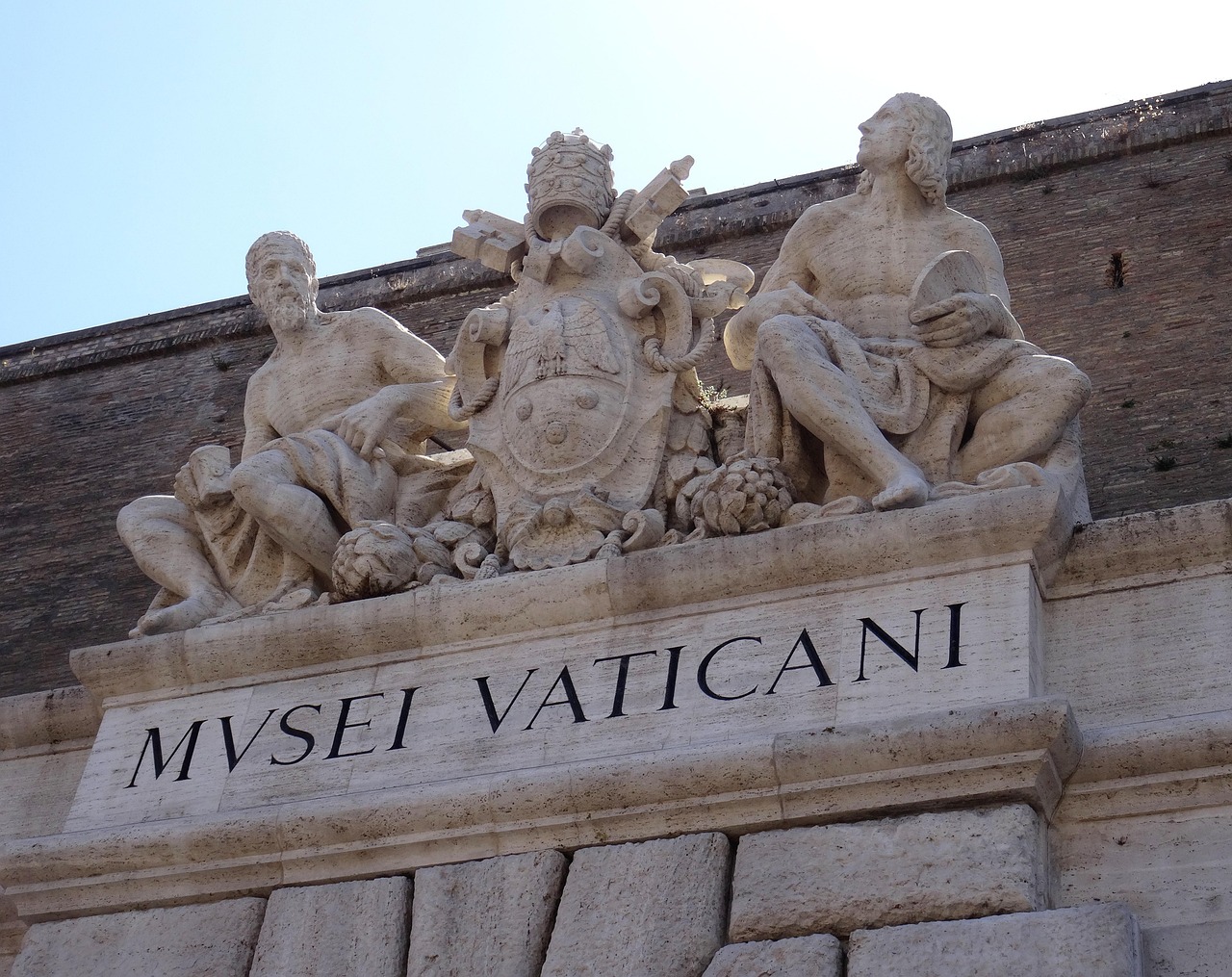
Vatican City Attraction Private Vatican Museum and Sistine Chapel Moments
For travellers planning a private tour of the Vatican Museum, Sistine Chapel, and Rome, the goal is simple: protect the art from the crowds and preserve your energy for wonder. Vatican City is an extraordinary place to visit, but it rewards a crafted approach—early entry, a clear route, and an expert who can turn abundance into meaning.
How to move through the Vatican Museum without fatigue
Think of the Vatican Museum as an art-and-architecture journey rather than a checklist. Some corridors feel like spectacle; others feel almost hushed. A good plan moves you from the grand statements to the quieter rooms where details land more deeply—mosaic floors, sculptural fragments, and the small moments that make paintings in Rome feel newly alive.
For high-end travellers, private access or the earliest entry is the best way to escape the crowds. It’s also the best way to learn: your guide can pace the experience, translate symbolism, and gently edit what you don’t need to see, so you arrive at the masterpieces with attention still intact.
Sistine Chapel and Raphael moments that stay with you
The Sistine Chapel can feel overwhelming when it’s busy. But with quiet—true quiet—the ceiling becomes something else entirely: colour, movement, and humanity layered into a single breath. One traveller we know described their VIP morning as “almost unreal”: the privilege of seeing the Sistine Chapel without crowds meant they could simply look up, listen, and absorb the full emotional range of Michelangelo’s work.
Just as important: don’t rush Raphael in the Stanze di Raffaello. Raphael’s rooms offer a different kind of genius—lighter, more architectural, and richly narrative. Give yourself a few minutes in stillness, and you’ll notice how the compositions guide your eye with calm confidence.
Then step into Peter’s Basilica, a cornerstone among Rome sites. Dress modestly, move respectfully, and keep your voice low—this isn’t just an attraction; it’s a living space of faith and history. A guided tour here can add context that changes what you see: the scale, the symbolism, and the craftsmanship that makes the building feel both monumental and intimate.
If your interests extend beyond the Vatican, it’s reassuring to know there are many attractions of sacred art across the four major basilicas of Rome. You don’t need to do them all; simply knowing the options can help you design a return to Rome that feels purposeful.
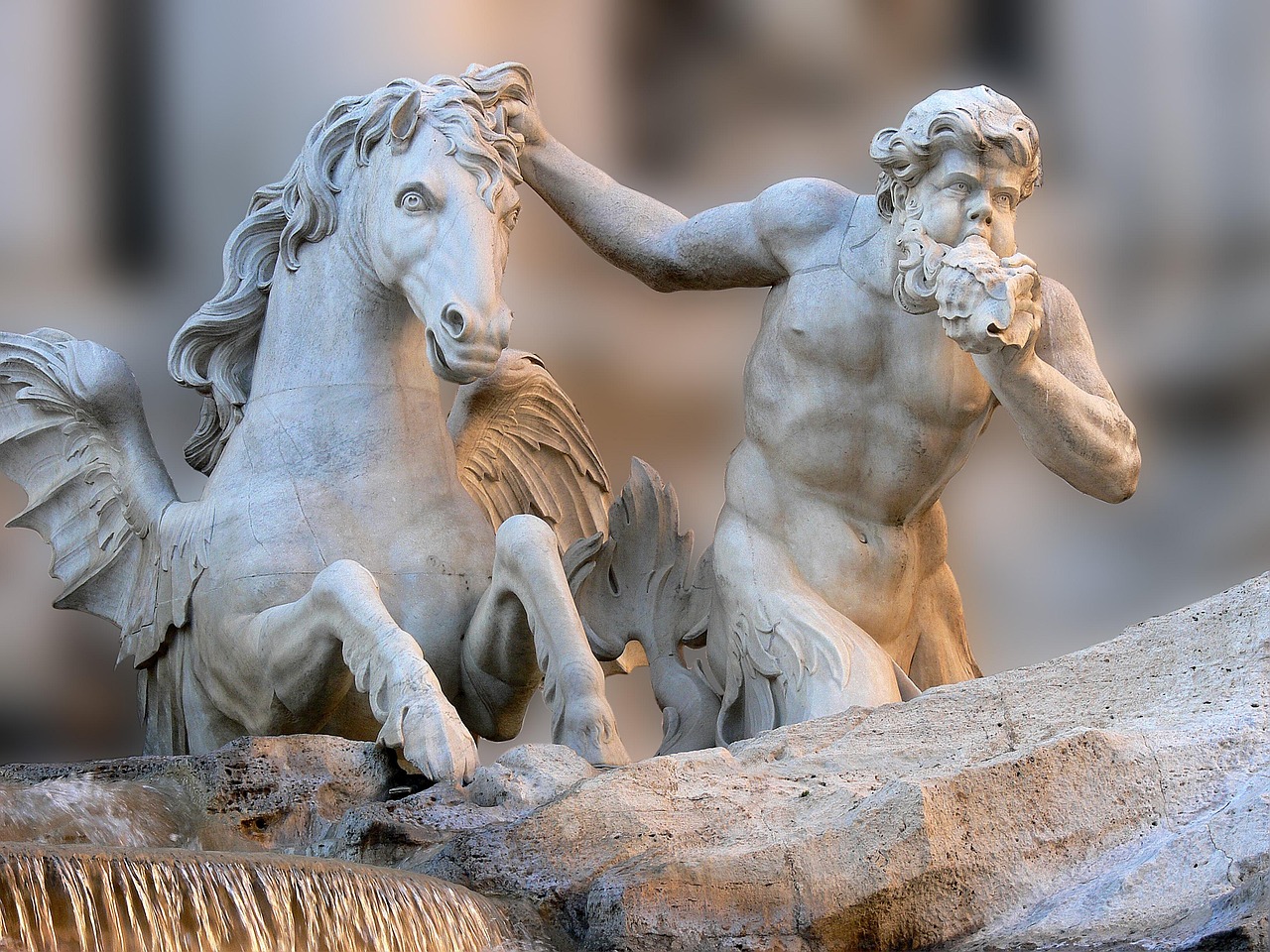
Centro Storico Best Things Pantheon Piazza Navona Trevi Fountain Spanish Steps
When you map out best things to see in Rome Pantheon Piazza Navona Trevi Fountain Spanish Steps, you’re really designing a walk through the centre of Rome that can be as stylish or as contemplative as you wish. This is where Rome’s beauty feels close enough to touch—fountains, façades, and the gentle theatre of daily life.
The Pantheon is worth visiting even if you only have a short visit to Rome. Time it for early morning or later in the day when lines are lighter, then stand beneath the oculus and look up. The proportions are so precise they feel modern, yet the building holds centuries with effortless grace.
From there, drift towards Piazza Navona. Bernini’s presence shapes the square’s energy, especially as evening approaches and the lights come on. For a refined pause, choose a café just off the main terrace line—close enough for ambience, far enough to avoid the noisiest tables. A simple coffee or gelato becomes a small ritual rather than a tourist performance.
Trevi Fountain and the Spanish Steps in a softer, more elegant rhythm
Trevi Fountain is at its most magical early in the morning. Arrive before the city fully wakes, keep your bag close, and carry minimal valuables. If you choose to toss a coin, do it quietly—make it personal, not performative—and then step back to let the sound of water replace the sound of crowds.
Continue towards Piazza di Spagna for the Spanish Steps, where style and people-watching feel like part of the architecture. Rome are the Spanish Steps in the sense that they capture the city’s theatre—yet the most luxurious move is to keep walking. Slip into quieter streets behind the square, connect to boutiques and ateliers, and let the route become your own.
To reset the day, finish at Piazza del Popolo. It’s airy and open, an elegant counterpoint to tighter lanes, and it offers gentle viewpoints and broad views of the city when you climb a little higher. If you want one “best things” style moment without adding another museum, this is a graceful way to close your Centro Storico loop.
Trastevere Rome Attractions Local Dining Santa Maria in Trastevere
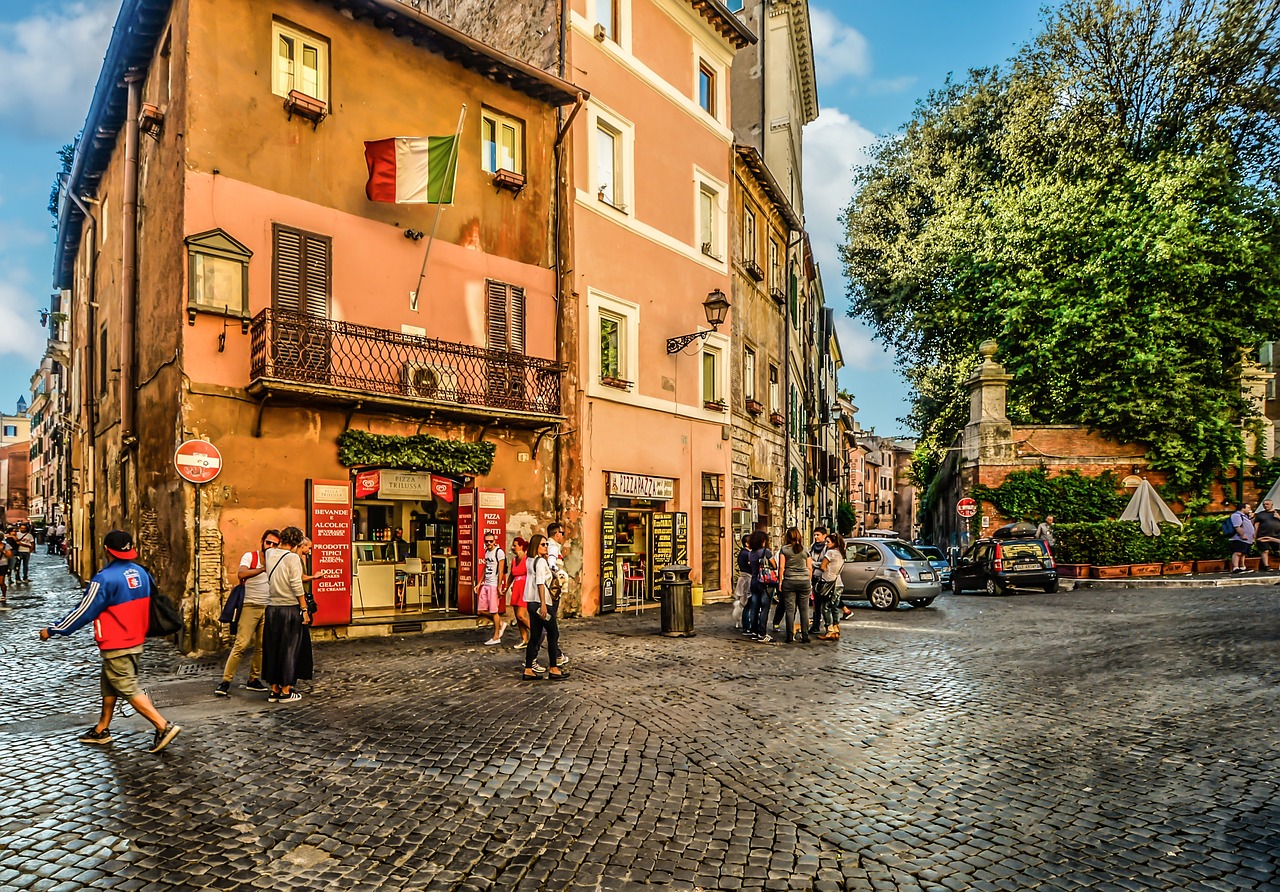
Trastevere Local Rome Attractions Dining Santa Maria and Evening Strolls
For travellers searching for Trastevere Rome attractions, local dining, and Santa Maria in Trastevere, the real appeal is texture: cobblestones, candlelit corners, artisan workshops, and the feeling of a neighbourhood that lives beyond sightseeing. Trastevere can be lively at night, but it’s also one of the best places in Rome to slow down with care.
Trastevere by day and night, and the quiet of Santa Maria
Start in Trastevere during daylight, when you can explore small artisan shops and choose crafted souvenirs that feel meaningful rather than mass-produced. This is where you discover Rome’s softer creativity—paper goods, ceramics, leather, and little details that travel home well.
Then step into Santa Maria in Trastevere. One visitor told us they were genuinely surprised by the serenity inside: the church felt hushed and golden, a contrast to the lively streets outside. That juxtaposition is part of Rome’s magic—the city offers intensity, then suddenly gives you stillness.
Dining guidance, Caravaggio detours, and Gianicolo Hill golden hour
For dining, the most refined strategy is simple: choose lesser-known Trastevere restaurants on weekdays. Book ahead, ask your hotel concierge for a table away from the door, and skip menus with aggressive photo displays. You’ll find more authentic cuisine, calmer service, and a room that feels genuinely local.
If you want depth beyond the headline sights, add a small art detour for Caravaggio (as available in nearby churches). It’s an intimate way to experience masterpieces without committing to another large museum, and it enriches your understanding of Rome’s artistic layers.
To end the evening, head to Gianicolo Hill for golden hour. A traveller once described their view of Rome from there as the city transitioned from vibrant daylight to shimmering night lights—an almost cinematic shift that felt both grand and personal. Go with minimal fuss: a light jacket, a taxi or private car for the uphill stretch, and just enough time to arrive before the colours change.
Museums of Rome Villa Galleria Luxury Day Itinerary and Seamless Logistics
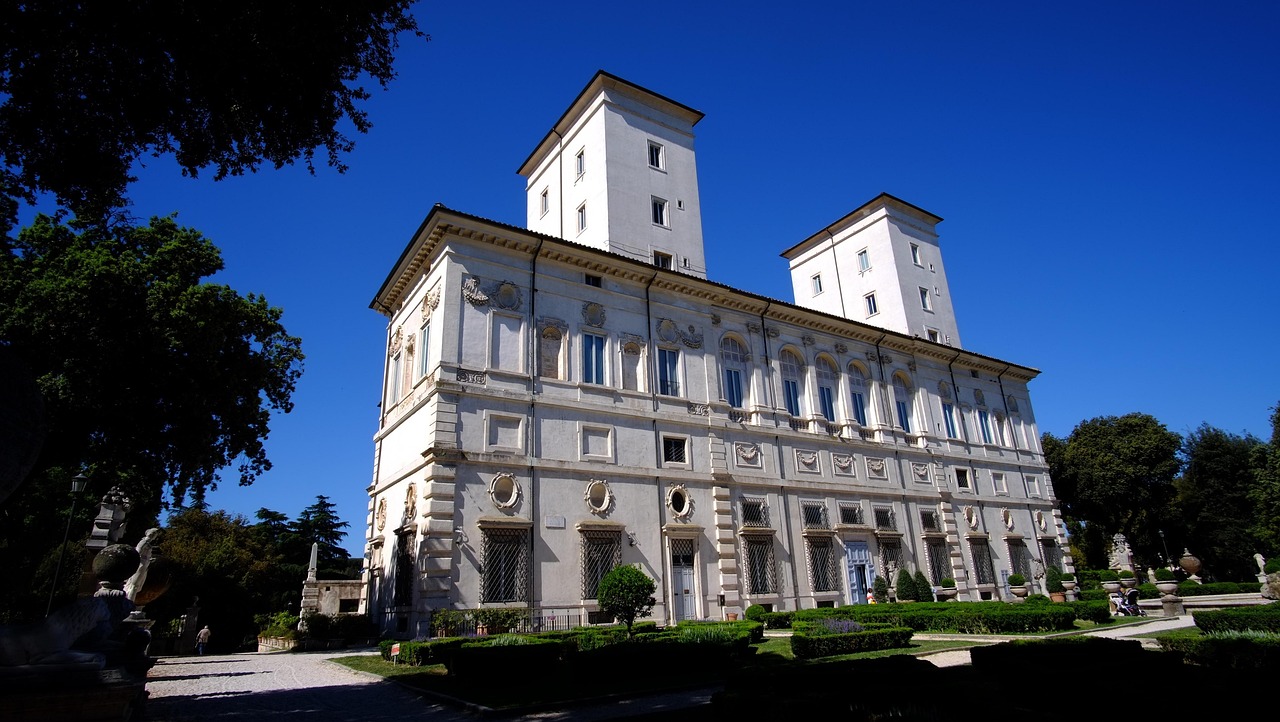
Museums of Rome Villas and Hidden Depth A Seamless Luxury Day Plan
If your search looks like “museums of Rome, villa, galleria, luxury day itinerary,” you’re probably craving a slower day that still feels rich. This is the point where Rome can either exhaust you—or quietly reset you—depending on how you design the pacing.
A slower museum day that stays elegant
The best way to spend a museum-focused day is to keep it intentionally light: one strong collection in the morning, a long lunch, a garden walk, then a second short visit. That structure is seamless because it respects attention spans and keeps beauty enjoyable rather than relentless.
Begin with the Galleria Borghese inside Villa Borghese. Timed entry matters here, and it’s part of what keeps the experience feeling exclusive. Decide in advance what you want to prioritise—sculpture rooms, key paintings, or simply the atmosphere—and let your guide protect the tempo.
Afterwards, step outside into the park in Rome that locals genuinely use. A gentle stroll through the villa grounds (or a pause by a viewpoint) gives your mind space to absorb what you’ve seen, rather than stacking impressions until they blur.
Quietly unforgettable stops and layered history
For travellers who appreciate Rome’s darker, more contemplative layers, Santa Maria della Concezione can be a thoughtful stop. The tone matters: keep it respectful, don’t treat it as spectacle, and allow the space to be what it is—an invitation to reflect on time and mortality, not just another photo opportunity.
If your curiosity leans toward history, consider a tomb-focused detour where your interests allow. It’s a way to uncover Rome’s depth without adding another queue-heavy top attraction, and it can be tailored to your comfort level.
Logistics are what make this day feel luxurious. A private driver can connect the villa and your lunch reservation with calm confidence, especially in summer heat or after a late night. Taxis work well too; the metro is useful for straightforward routes. The difference is support—knowing transitions are handled, so your energy stays with the experience.
F.A.Qs: Sightseeing places in Rome Italy
F.A.Qs Sightseeing places in Rome Italy with luxury planning context
What should you not miss in Rome, Italy?
For a first trip to Rome, don’t miss the Colosseum and the Roman Forum for ancient Rome, the Vatican Museum and Sistine Chapel for art, and a slow walk through Centro Storico for the Pantheon, Piazza Navona, and Trevi Fountain. Add an evening in Trastevere for local dining and a calmer, human rhythm. Pre-book key tickets so the day feels effortless rather than queue-led.
What are the top five attractions in Rome?
Many travellers consider the top attractions to be the Colosseum, Roman Forum, Vatican Museum, Sistine Chapel, and the Pantheon. If you want a more rounded luxury experience, pair these with a sunrise or early-morning visit for softer crowds, then design downtime into your day. A private guided tour in the busiest sites can transform both comfort and understanding.
Is there a 7 wonder in Rome?
Yes. The Colosseum is widely recognised as one of the New Seven Wonders of the World, and it remains one of the most powerful Rome landmarks to experience in person. To make it feel special, choose early entry or a premium experience that includes arena-level seating and, when available, restricted areas. With expert storytelling, it becomes far more than a photograph.
What to do in Rome in 3 days?
For three days, design your time by area: Day 1 for the Colosseum, Roman Forum, Palatine Hill, and a sunset drink overlooking the ruins; Day 2 for Vatican City including the Vatican Museum, Sistine Chapel, and Peter’s Basilica; Day 3 for Centro Storico on foot—Pantheon, Piazza Navona, Trevi Fountain, Spanish Steps—then Trastevere for dinner. Keep mornings early and afternoons unhurried for a more refined pace.
What Stayed With Us After Rome
After Rome, what lingers isn’t a tally of attractions in Rome so much as a feeling—ancient stone warmed by evening light, and the gentle hum of the centre of Rome as you cross a bridge with no particular plan. You remember the way the city holds opposites together: grandeur and intimacy, noise and stillness, the most famous monument and a quiet side street where someone is sweeping their doorway as if the world isn’t watching.
There is a particular kind of trust that grows when a journey is guided with care. Not the kind that controls every hour, but the kind that gives you confidence—so you can look up more often, and worry less. You’re supported, yet free to wander; you’re thoughtfully directed, yet able to discover what you didn’t know you needed.
And then there are the small moments that return unexpectedly: a low church candle in Trastevere, the echo inside a vast basilica, the hush that briefly settles in a crowded city, and that sense that Rome has many lives, all built on top of one another. At night, when the streets turn glossy under the lamps, it feels less like you’ve completed a trip and more like you’ve opened a door—one you might pass through again, when the time is right, on your own quiet return to Rome.