Post Contents
- Why Cagliari, Sardinia’s Capital City, Works for Adventure Seekers in Italy
- Castello district in Cagliari, Italy – history, viewpoints, and citadel panoramas
- Marina district in Cagliari, Italy – markets, harbourfront strolls, and dining
- Poetto beach in Cagliari, Italy – devil’s saddle hike and beautiful beaches
- Molentargius park in Cagliari, Italy – lagoon walks in a regional natural park
- Archaeological site near Cagliari, Italy – Nora, Barumini, and ancient layers
- Explore Cagliari, Italy – tips for getting around, day trips, and stays in the capital
- F.A.Qs: Cagliari, Italy
- What stayed with me in Cagliari, Italy – travel reflections in Sardinia
Why Cagliari, Sardinia’s Capital City, Works for Adventure Seekers in Italy
Why Cagliari on the island of Sardinia works for adventure seekers
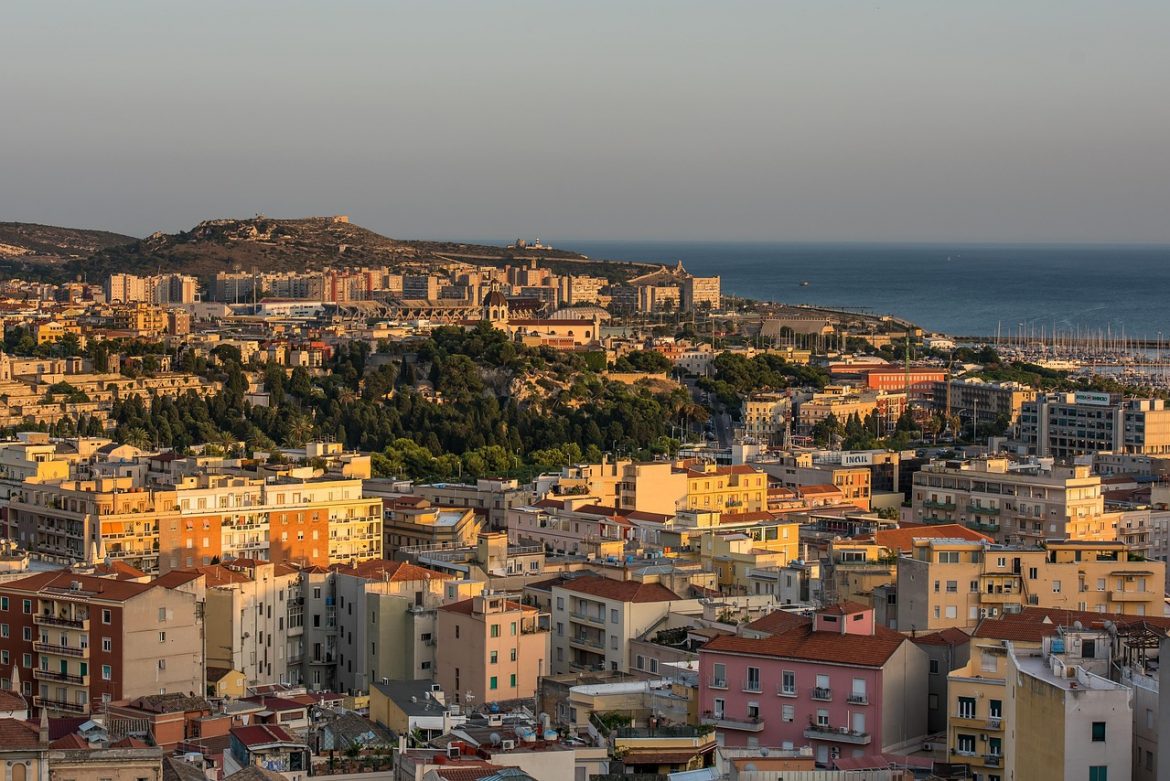
A quick Cagliari, Italy, overview is all you need to see why this compact base fits active travellers: it’s Sardinia’s capital on the south coast, with a beach, hills, wetlands, and southern Sardinia day trips stitched straight into the map. For visitors to Sardinia who like their mornings energetic and their evenings indulgent, Cagliari delivers without the faff of constant hotel changes.
The city’s micro-geography makes planning almost intuitive. The hilltop castello district crowns the skyline; below it, the seafront marina district curves around the porto; and you can move between these layers on foot with ease. Save taxis or buses for when you want to keep your legs fresh for the next climb or swim.
Climb-and-swim days in Cagliari, Italy – hills, sea, and easy momentum
There’s an adventure-seeker ease to Cagliari: steep stairs up to panoramic terraces, a quick drop back down to the water, and enough breeze that sailing culture never feels far away. The skyline is built for stunning views, and the coastline stays close—ideal if you like to earn your aperitivo, then linger.
If you want a little visual inspiration before you start plotting your route, browse the Trip gallery for ideas on how luxury pacing can still feel spontaneous.
A simple 2–4 day itinerary in Cagliari for active travellers
Think in themes rather than a checklist of things to do in Cagliari. This keeps your schedule flexible if the wind picks up, the sea looks irresistible, or an hour of history runs longer than expected.
- Day 1: a city day—Castello Heights, elegant lanes, and sunset from above.
- Day 2: a beach day—long swim, light hike, long lunch.
- Day 3: an archaeological day trip—seaside ruins or inland stone towers.
- Day 4 (optional): a nature morning—wetlands, birds, and soft light, then depart.
With that structure, you’ll experience Cagliari’s best contrasts without rushing, and still leave room for the serendipity that makes Sardinia’s cities feel lived-in rather than performed.




Castello district in Cagliari, Italy – history, viewpoints, and citadel panoramas
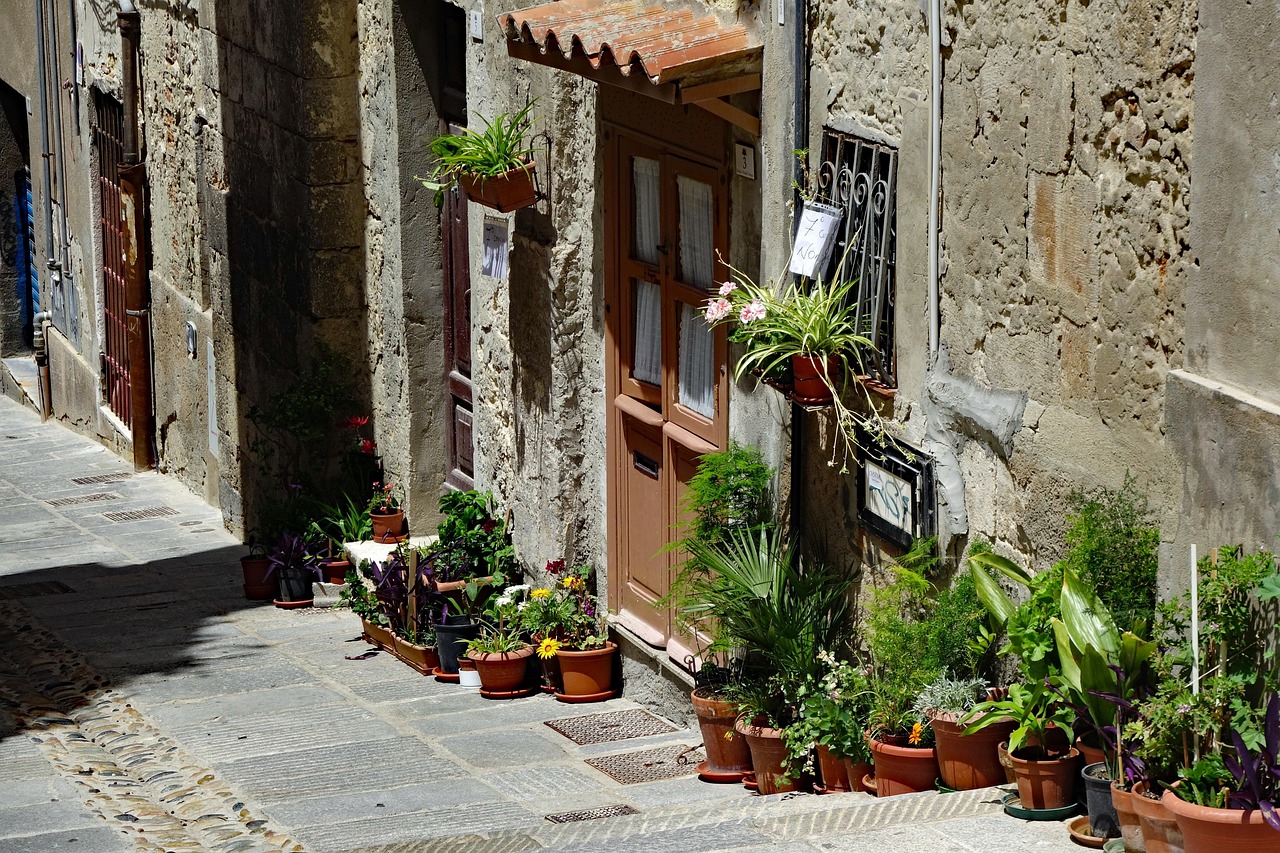
Castello District heights: citadel walls, viewpoints, and old-city atmosphere
For a Castello district, Cagliari, Italy, history viewpoint experience that feels both athletic and intimate, start early in Il Castello while the stone is still cool. The climb is part of the pleasure: narrow streets that suddenly widen into tiny piazzas, glimpses of palazzi behind heavy doors, and the unmistakable sense of a lived-in citadel rather than a museum set.
Even in peak season, the upper lanes reward the early riser. You’ll hear shutters opening, scooters humming below, and the city arranging itself for the day—an understated kind of theatre that feels distinctly Cagliari, and quietly picturesque.
Cagliari viewpoint from the bastion terrace – gulf panoramas in one glance
Your anchor is the Bastion and the Saint Remy Terrace, where the whole city makes sense at once. From here, you can trace the Gulf of Cagliari, pick out the curve of the sand, and see how the harbourfront funnels energy back into the centre. It’s also a good moment to decide how hard you want to go next: another climb, or a slow coffee with the view you’ve earned.
Fortification layers above Castello – walls, sea power, and shifting rule
Cagliari’s defensive story is written into its skyline. The Pisans left a crisp logic of walls and towers; later Aragonese touches softened some edges and sharpened others, each fortification responding to whoever controlled the sea. When you stand above the city, you’re not just looking at a pretty panorama—you’re reading how power and protection shaped daily life.
One of my favourite small moments here was ducking into a tiny workshop while hunting for artisan jewellery, then stepping back out with a simple piece that felt like a private souvenir rather than a branded purchase. Minutes later, with espresso in hand, I watched sunlight move across rooftops and thought: this is luxury too—time, space, and calm.
Marina district in Cagliari, Italy – markets, harbourfront strolls, and dining
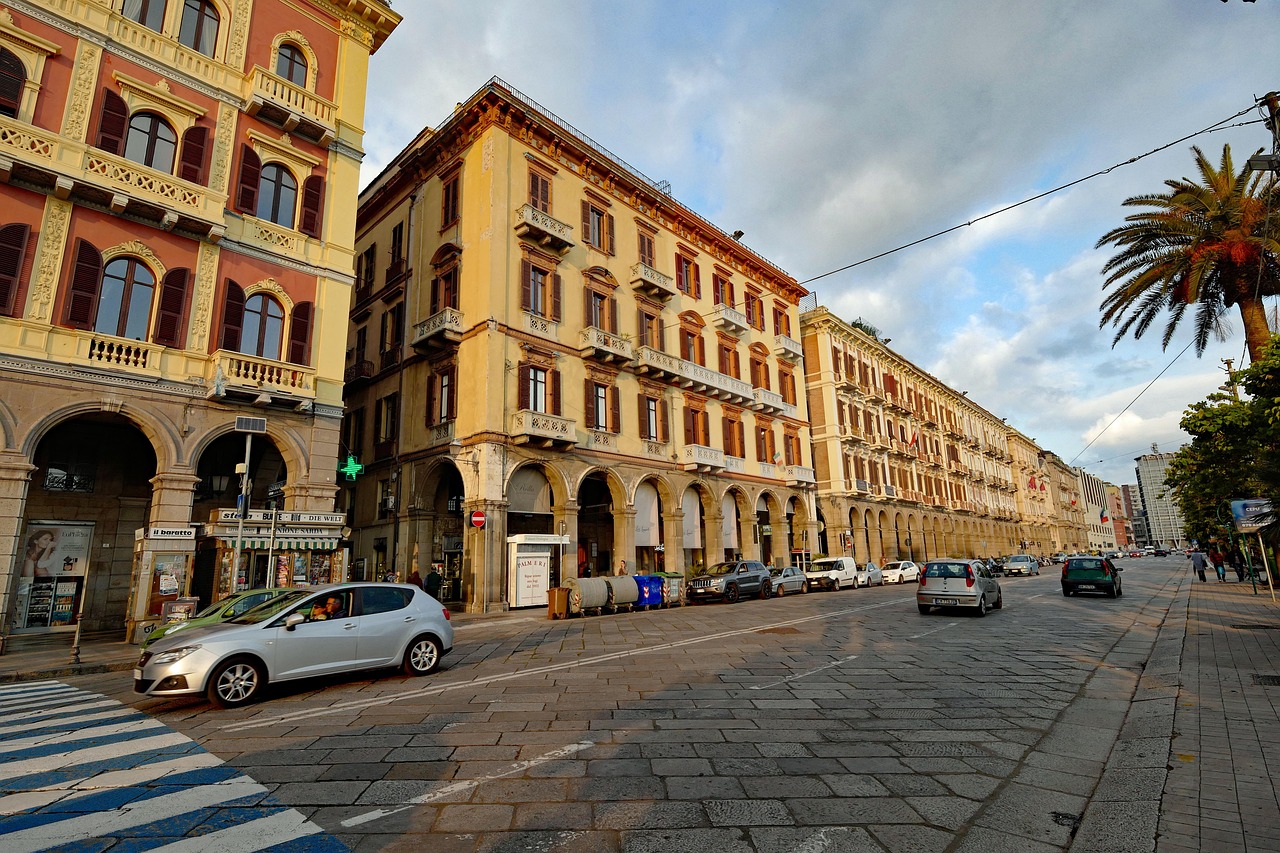
Via Roma strolls, cafés, and market energy near the sea
A via Roma stroll is where the city’s sea-level rhythm becomes addictive. Walk in the morning light, and you’ll feel the pull of ferries, fishing boats, and the everyday choreography around the waterfront—deliveries, greetings, and that particular confidence you get in a capital that knows it’s the island’s front door.
This is also where Cagliari leans most into pleasure: apertivi done properly, polished hotel lobbies you can slip into for a discreet drink, and restaurants that treat seafood with quiet reverence rather than fuss.
Vibrant markets and Sardinian cuisine – local culture without the performance
If you want cultural immersion that still feels respectful, head to the vibrant markets—especially San Benedetto—and observe first. The best approach is to buy something small, ask before photographing close-up, and keep your pace unhurried. You’ll smell citrus, herbs, and briny shellfish; you’ll see cheeses stacked like sculptures; and you’ll understand how daily life shapes Sardinian culture.
For tastings, look for local flavours that define traditional Sardinian cooking and classic Sardinian dishes: pecorino shaved over salads, fregola in seafood broths, malloreddus dressed simply, and culurgiones that taste like comfort with a craftsperson’s touch. Finish with a dolce and a chilled glass of vermentino, and you’ll have sampled the city’s palate without needing a formal tasting menu.
From the marina into Villanova – a softer, residential side of Cagliari
After the sea air, loop inland towards Villanova for quieter streets and a more residential mood. The shift is subtle but telling: less sparkle, more lived-in charm, and a sense of how Cagliari breathes between its busy edges. It’s a graceful way to balance your day—market energy followed by calm lanes—before you return to the marina for dinner.
Poetto beach in Cagliari, Italy – devil’s saddle hike and beautiful beaches
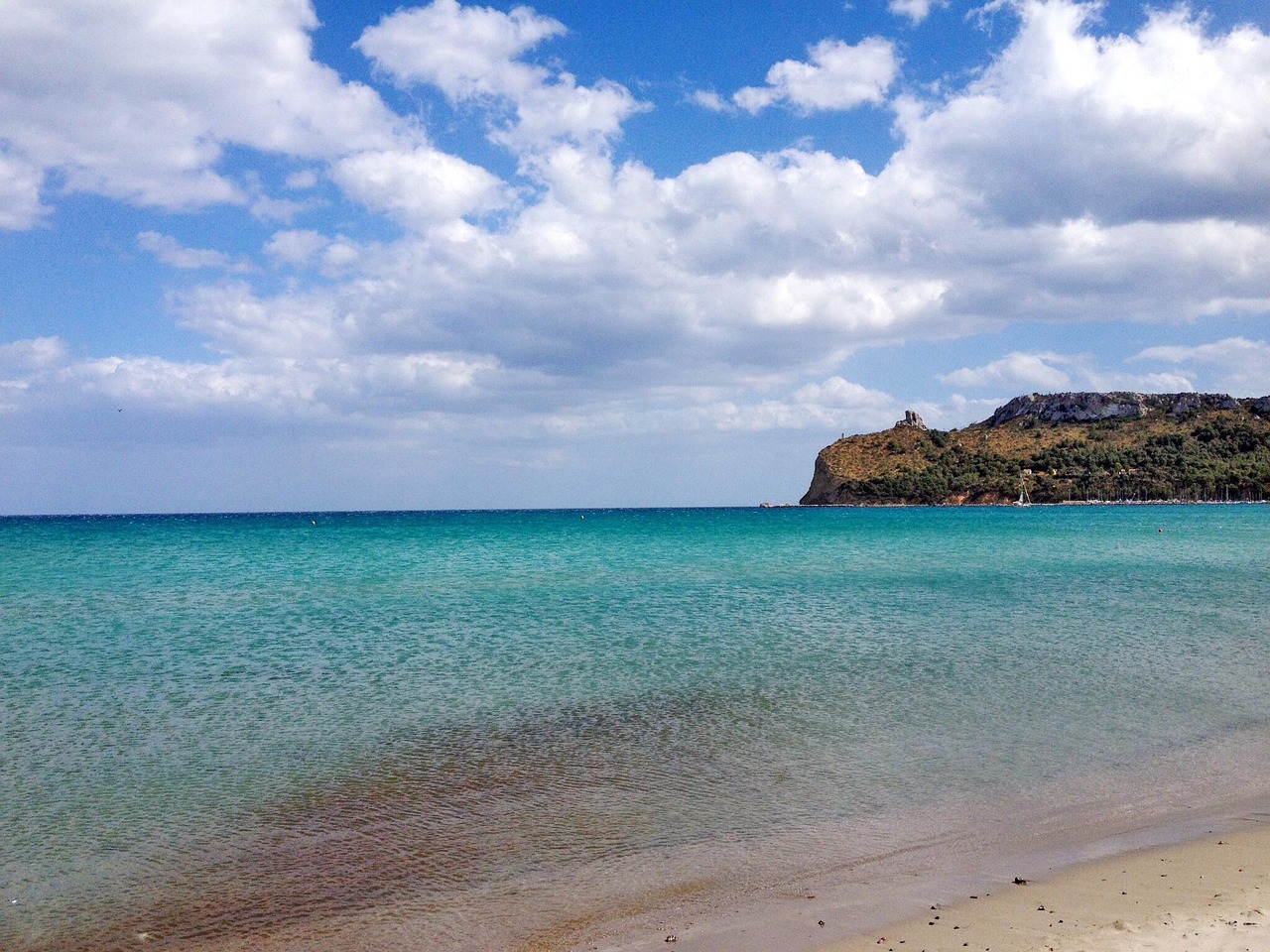
Poetto Beach mornings: long swims, boardwalk strolls, and clifftop routes
A Poetto beach day is the city’s signature “work hard, float later” combination. Start with an easy swim-and-run morning, using the catwalks and boardwalks when the sand gets hot underfoot, then wander the dune-backed stretches for a change of texture. The long curve makes it feel limitless, and on a clear day, the sea flashes that clean, inviting turquoise that practically dares you in.
Poetto is also where you’ll notice how wind shapes the mood. Some mornings are glassy and calm; others are lively enough to hint at windsurfing conditions further along the bay, especially when the air feels crisp despite the sun.
Beach alternatives near Cagliari – quick dips at Calamosca
If you prefer something smaller than the main sweep, calamosca is a quick cove-style option for a dip and a snorkel feel when you don’t want the full sprawl. It’s an easy reset between a city morning and an afternoon hike, and it keeps that “city to sea” promise very real.
Capo Sant’Elia promontory hike – cliffs and coastline above Poetto
The hike at Capo Sant’Elia is Cagliari at its most cinematic. The path rises over a rugged promontory, with sea spray in the air and views that widen with every step, revealing the coastline as a layered panorama rather than a line on a map. Wear grippy footwear—rock can be slick—and time your climb to avoid the fiercest midday heat.
When you descend, you’ll hit an adventure-seeker choice point: recover with a slow lunch in the city, or push on for a sunset swim. Either way, you’ve earned the contrast that makes Cagliari’s best days feel complete.
Molentargius park in Cagliari, Italy – lagoon walks in a regional natural park
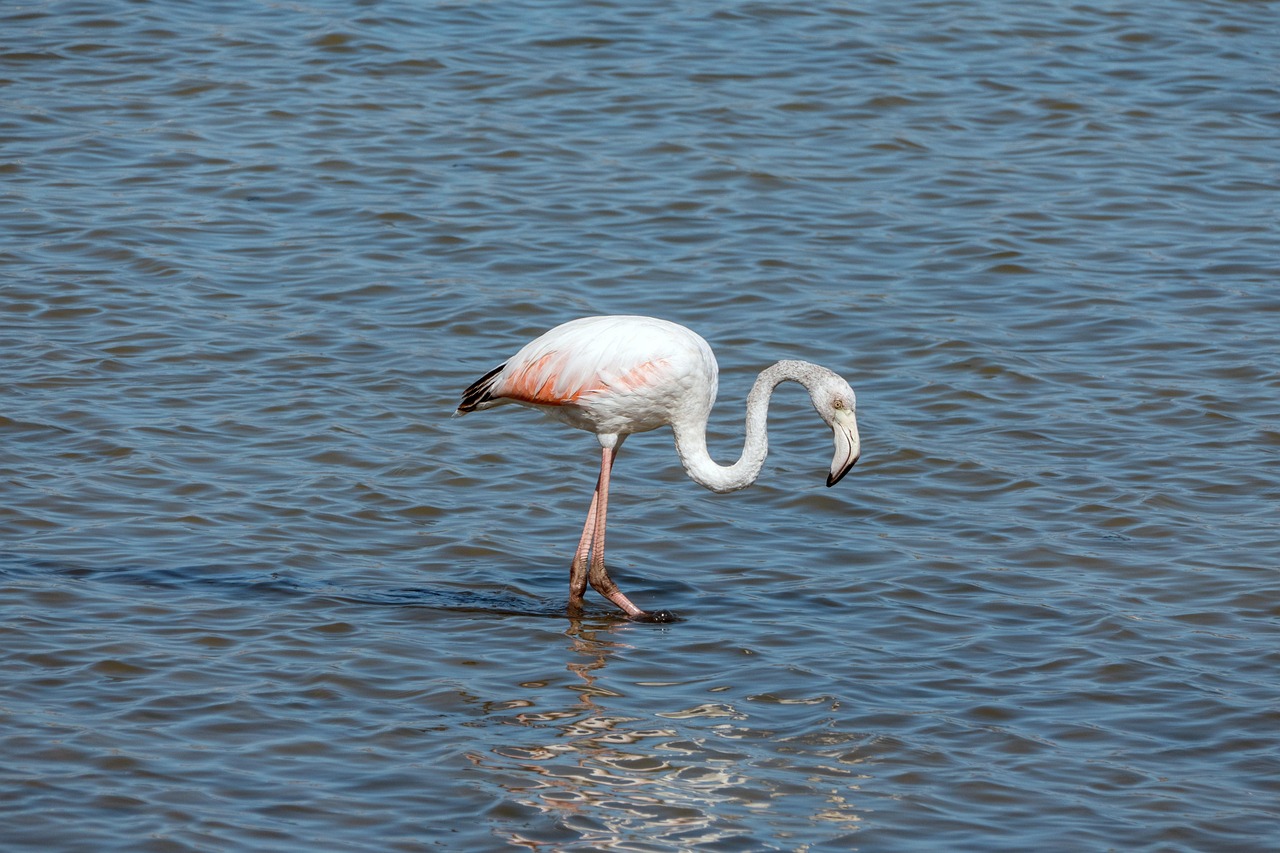
Lagoon wildness near the city: cycling routes, birds, and soft morning light
A morning here feels like a secret, even though it sits close to the city. This regional natural park is made for an easy cycle or a brisk walk, the kind that loosens your legs after hill climbs while still giving you a sense of discovery across the lagoon.
The light is the headline: soft, reflective, and constantly changing as the sun lifts. It’s the sort of place where even a quick stop becomes an hour, because the landscape keeps rearranging itself.
Wildlife moments in the lagoon – flamingos, heron, and soft light
The stars are the pink flamingos—elegant, surreal, and surprisingly casual as they feed. Look patiently, and you may also spot a heron standing perfectly still, as if the whole wetland is holding its breath. For photography, keep your distance, avoid sudden movements, and let the scene come to you; the best images here look unforced.
Sharing space with nature around Santa Gilla – how Sardinians do it
Zoom out, and you’ll understand this as part of a wider ecosystem: salt flats, shallow waters, and a working landscape where people and birds both have routines. The most respectful way to be here is simple—stay on paths, keep voices low, and never chase a shot. There’s a quiet pride in how the city protects these wetlands, and it feels like a different pace from mainland Italy: less show, more stewardship.
Archaeological site near Cagliari, Italy – Nora, Barumini, and ancient layers
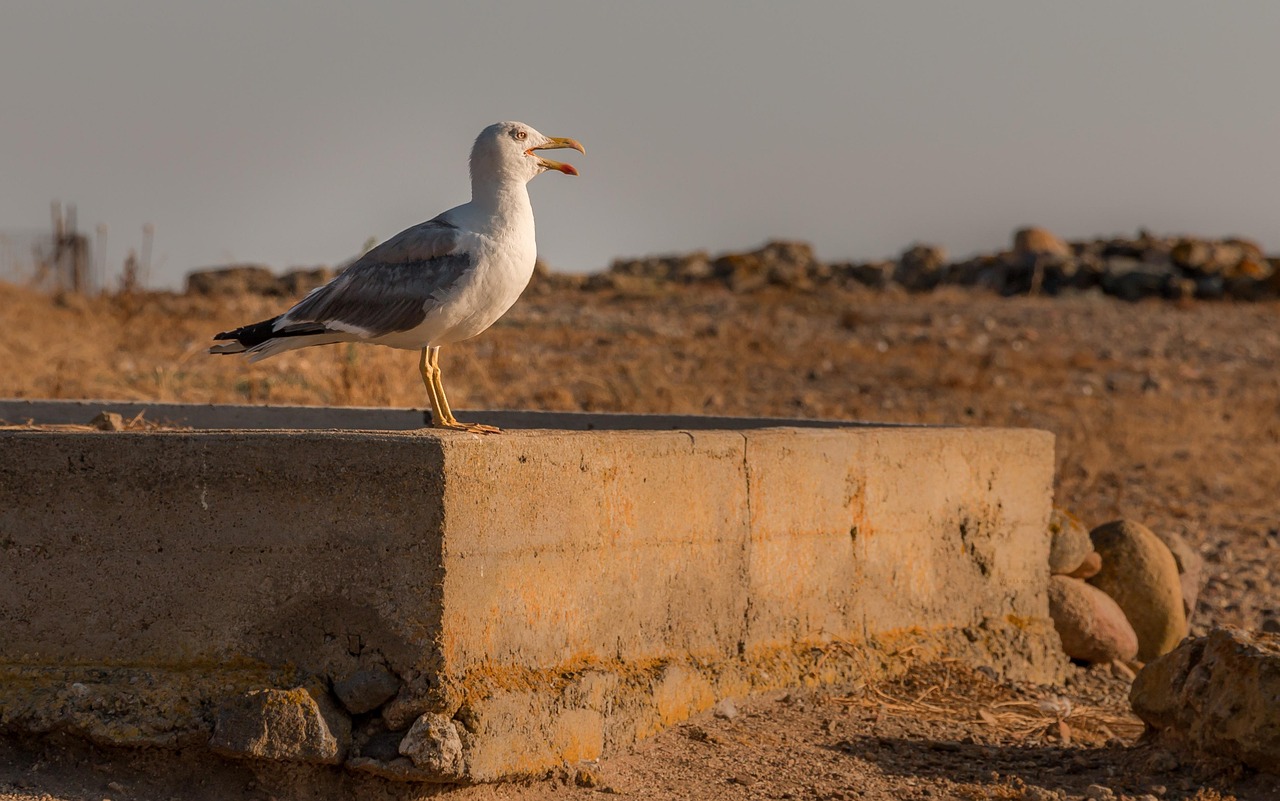
Ancient layers near Cagliari: city history, coastal ruins, and inland stone worlds
An archaeological site near Cagliari, Italy, can be as light or as ambitious as your energy allows, and that flexibility is exactly what makes Cagliari such a strong base. Start with the in-city layer: caralis-era traces and a roman amphitheatre—an open-air stone amphitheatre—that delivers history without requiring a long transfer.
It’s worth pairing this with one calm, context-rich museum hour before you head out of town. Understanding the sequence changes everything about what you notice in the landscape.
Archaeological museum context – Phoenicians, Punic shifts, and sea routes
The archaeological museum helps connect the dots: the Phoenicians as sea-minded traders, a Phoenician network mentality that prized harbours and routes, then Punic influence as power changed hands. Later, the Carthaginians and Romans shifted the island again, but the through-line remains the same—Sardinia as a prized crossroads rather than a remote outpost.
In the city, you can also make time for the Basilica of San Saturnino, an early Christian site that adds a gentler layer to the narrative and gives your day a reflective pause between stone and sun.
Nora by Pula and Barumini – archaeological ruins and nuragic identity
For a half-day trip, nora near pula is the headline. Go early or late to dodge the hottest hours, and take water—shade can be limited. The setting by the sea makes the ruins feel vivid, as if the salt air is still part of the story; these are ancient ruins with a living horizon.
For a full-day adventure inland, Barumini is the essential leap: a nuraghe complex and doorway into the wider nuragic world, recognised as a UNESCO World Heritage. Some of the structures date back to the 8th century bc, and standing beside them makes modern timelines feel suddenly thin. If you’re trying to understand what distinguishes Sardinia’s identity from the rest of Italy, this is one of the clearest answers.
Explore Cagliari, Italy – tips for getting around, day trips, and stays in the capital
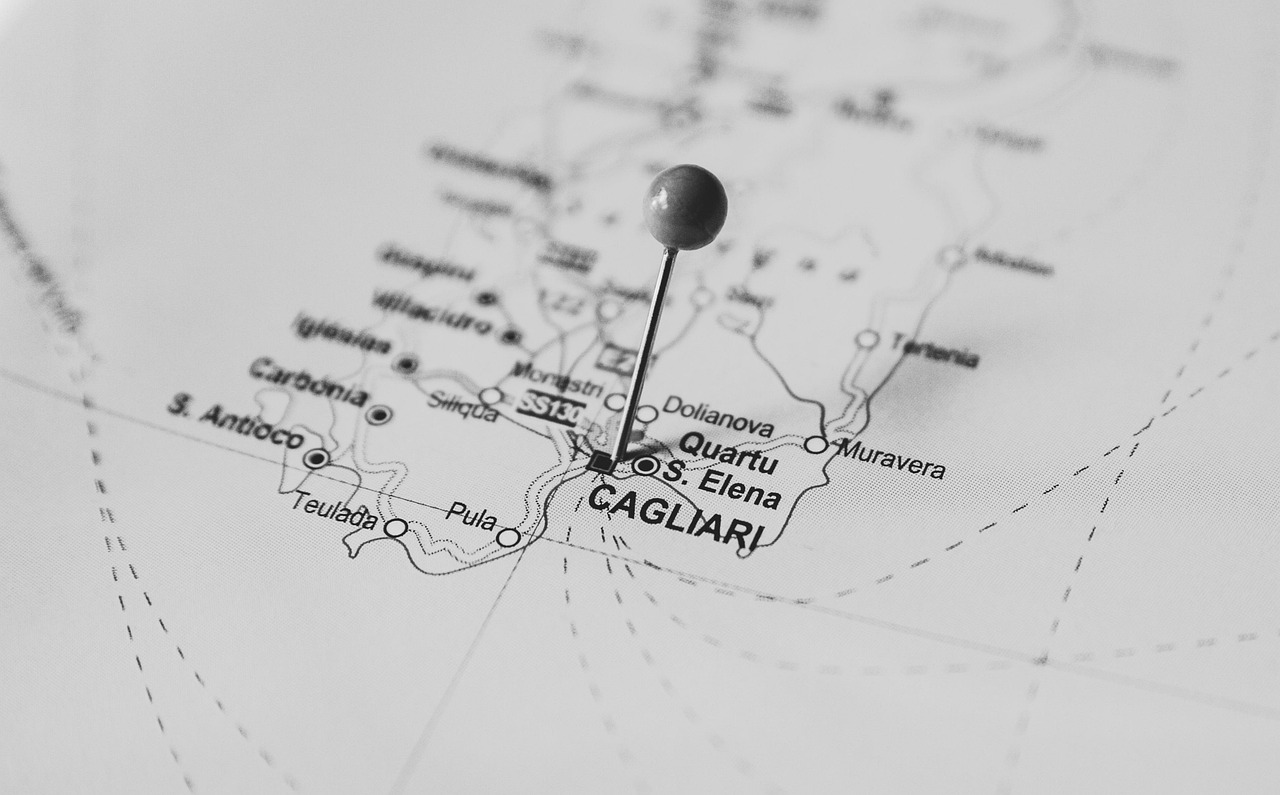
Practical logistics for active days: walk-smart routes, quick transport, and pacing
If you want Cagliari, Italy tips for getting around and where to stay that actually match active days, start with one principle: don’t over-plan. Cagliari is walkable in sections, but it’s also vertical; the smartest luxury is knowing when to stroll, when to climb, and when to save energy for the hike or swim that matters most.
The city naturally splits into hill routes and flatter sea-level routes. Link them on foot when you can, and use buses or a quick taxi when you want to arrive fresh, especially in summer heat.
Where to stay in Cagliari’s capital – Castello, Marina, or calmer edges
Choose your base like you choose your shoes: for the terrain you’ll actually cover. Castello gives you atmosphere and late-evening views, but expect stairs and the occasional echo of nightlife. The Marina area is best for connections, dining, and a simple walk back after a long day; it’s also handy for anyone arriving by ferry.
Day trips, safety, and pacing on the south coast of southern Sardinia
For day trips, decide whether you value freedom or ease. Buses can work for set routes; a car adds flexibility for detours and dawn starts. Many travellers pair Cagliari with Villasimius for extra beach time, but keep distances realistic if you’re also considering Sassari later in a longer route—this island rewards patience more than speed.
- Hydration: carry water; wind dehydrates faster than you expect.
- Exposure: pack a light layer—breezes on viewpoints can surprise you.
- Crowds: stay pickpocket-aware in busy streets and market lanes.
- Mixed-day kit: trainers with grip, swimwear, sun protection, and a compact dry bag.
Cultural etiquette is straightforward: dress with care when visiting churches, ask before photographing people’s faces, and treat vendors as people rather than props. When you meet locals with that baseline respect, the warmth you receive back feels genuine and unforced.
F.A.Qs: Cagliari, Italy
Is Cagliari, Italy, worth visiting for a short break?
Yes—Cagliari is worth visiting if you want a city break that still feels outdoorsy. You can combine Castello viewpoints, a long day at Poetto beach, lagoon wildlife, and serious archaeological highlights without changing hotels, while still enjoying excellent dining and polished stays.
Why is Cagliari famous in Italy?
Cagliari is famous for its hilltop old quarter, wide seafront, and easy access to beautiful beaches and nature. It’s also known for layered history—Phoenician, Punic, and Roman traces—and for the nearby wetlands where flamingos are often seen.
Is Cagliari a walkable city for travellers?
Cagliari is walkable in the sense that key areas link well on foot, especially between the seafront and central districts. The main consideration is elevation: the old quarter involves steep climbs and stairs, so many travellers mix walking with short taxi or bus rides.
How far is Cagliari from the beach?
Cagliari is very close to the beach. The city’s main stretch begins just a short drive from the centre, and you can reach the sand quickly by taxi or local transport—making swim time easy even on a packed itinerary.
What stayed with me in Cagliari, Italy – travel reflections in Sardinia
A Cagliari, Italy travel reflection feels less about highlights and more about texture. Days after leaving, I still remembered salt on my skin after the beach, the way stone held warmth in Castello at dusk, and the hush of the lagoon before the city woke—like the island was exhaling slowly, on its own schedule.
There was also something quietly reassuring in the rhythm: effort followed by ease, culture followed by water, a long look followed by a long meal. The idea of the blue zone drifted into my thoughts as a gentle reminder that some places coax you into habits that help you live longer, even if you arrived chasing thrills.
My final image is simple and oddly unfinished: one last glance from the high terrace towards the bay, then drifting back down to the marina lights, where conversations blurred into the evening, and the air smelled faintly of the sea. Cagliari didn’t feel like a destination completed; it felt like a door left slightly ajar, and I suspect I’ll return to Sardinia when I’m ready.