Post Contents
- Seoul, Korea in March 2026 Weather – An Early Spring Blueprint for Korea Travel Planning
- Cherry Blossom Season in Seoul – Yeouido Park Hanami and Korea in March Planning
- Gyeongbokgung Palace at Night
- Gangnam Gourmet Food Tour in Seoul – Korean Dining, Seoul Food, and Spring Events
- Seoul Luxury Spa, Cheongdam-dong Shopping, and Day Trip Options – Korea in March
- F.A.Qs: Seoul, Korea in March 2026
Seoul, Korea in March 2026 Weather – An Early Spring Blueprint for Korea Travel Planning
Seoul in March 2026 Weather and the Early Spring Blueprint
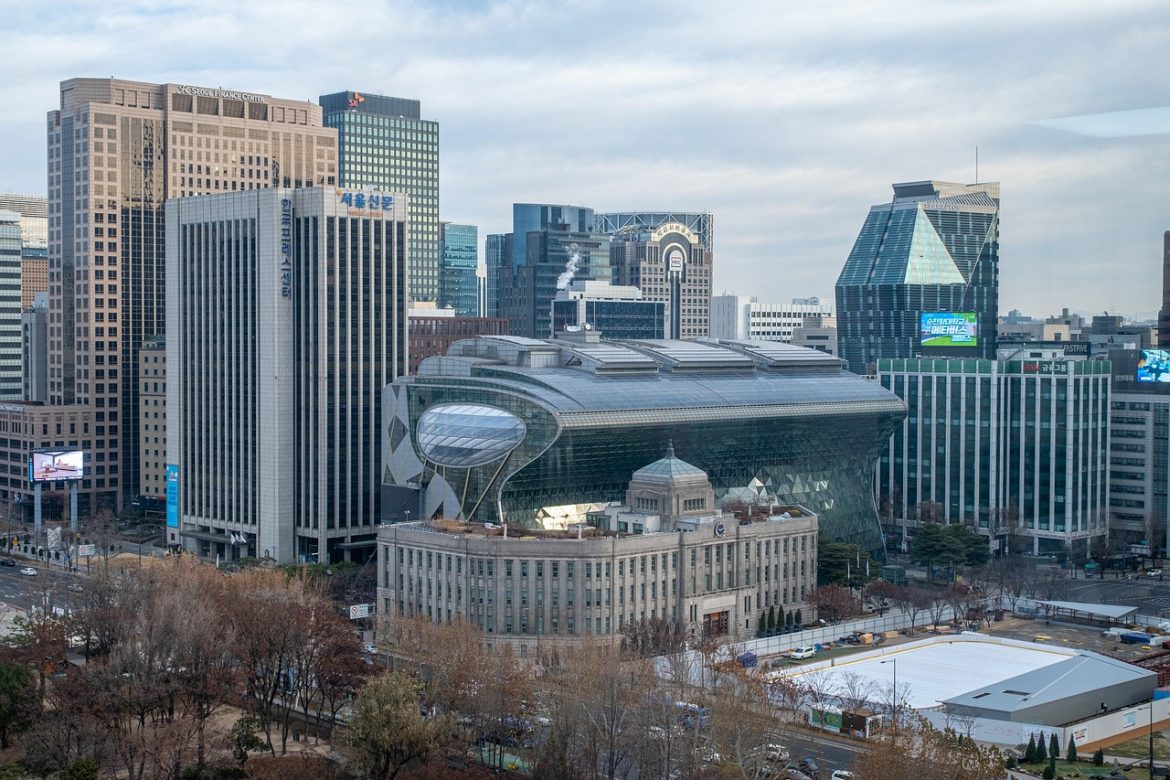
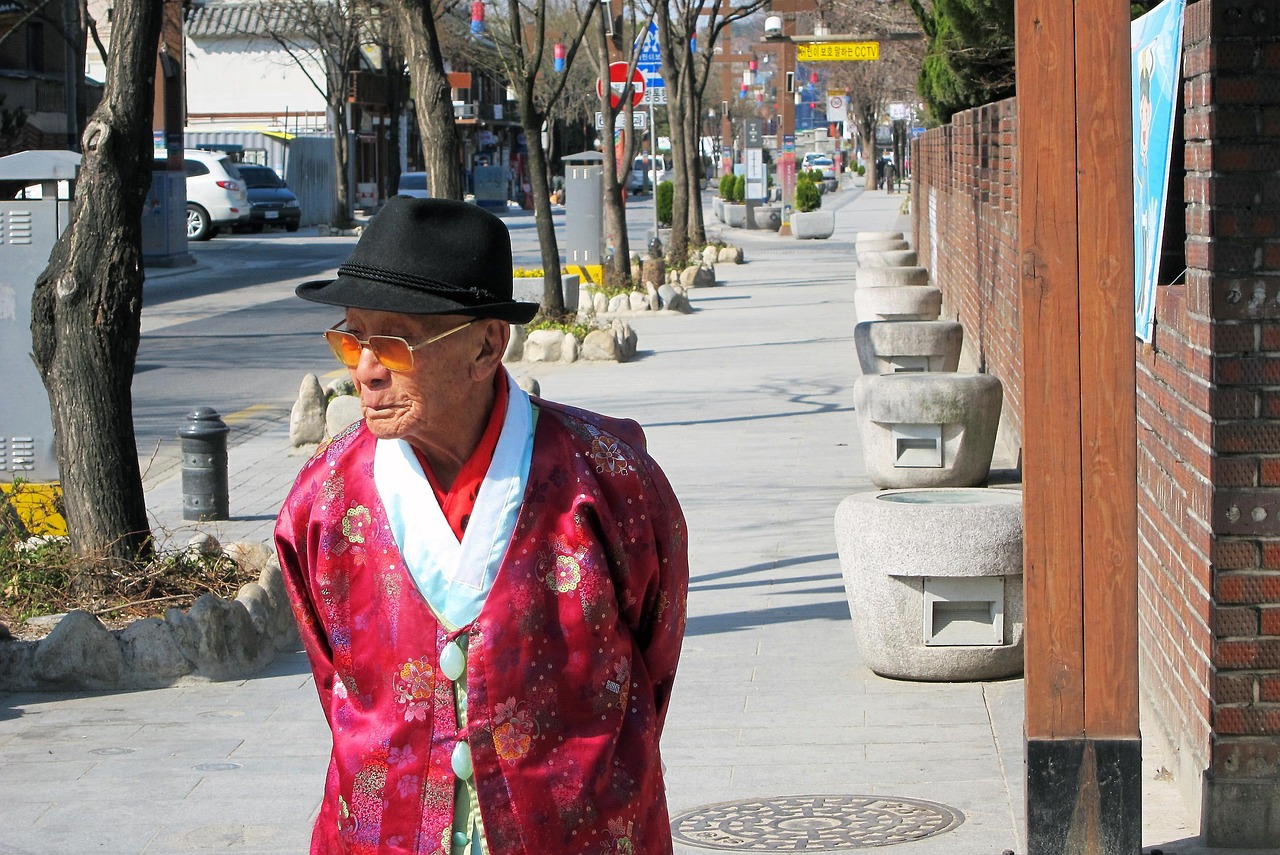
When you start planning Seoul, Korea, in March for 2026, think of this capital as poised between seasons: bright skies, crisp air, and a gentle thaw that can still feel chilly after sunset. Average temperatures in Seoul often hover around 2–12°C, which is why the March weather can feel pleasantly milder by day yet still call for warm layers at night. For luxury travellers, it can be a good time to visit—museum queues are lighter, tables are easier to secure, and you can enjoy outdoor walks without the heavy heat of later months.
The weather in South Korea can shift quickly in March, so the most supportive approach is to design days with a relaxed indoor–outdoor rhythm. That might mean a late-morning exhibition, an early afternoon stroll by the Han River, then a slow dinner that isn’t rushed by cold evenings. If you’re travelling to Korea for the first time, a trusted local expert or hotel concierge can keep your schedule polished but never fragile, so you can confidently visit Korea without over-planning every hour.
What to pack for March weather in Korea: layers, light and polish
Seoul’s weather in March rewards elegance with practicality. You’ll see locals in sharp coats and refined knitwear, and you’ll feel most at ease when you can adapt from sunny afternoons to cooler evenings—especially during early spring, when temperatures can change fast.
- Light jacket for daytime exploring Seoul on brighter days
- Winter coat option for evenings, especially if you plan night views or riverside walks
- Fine layers: cashmere, merino, or a thermal base that sits neatly under tailoring
- Comfortable shoes with grip—pavements can be brisk and occasionally damp
- Sunglasses and skincare: March brings bright light and occasional dry air (often a bigger contrast than Korea in January)
One extra reality high-end travellers appreciate: yellow dust can appear on some days in late winter and early spring. It’s not a reason to worry—just a reason to keep plans adaptable, lean into indoor museums or spas if needed, and let your hotel team help with masks, air purifiers, or last-minute reservations.
Early March, mid-March, and the end of March in Seoul
Early March (the beginning of March) often feels like winter loosening its grip: cool mornings, clear skies, and the first signs of spring in Korea—tiny buds and brighter afternoons. Mid-March usually brings more comfortable daytime walking and the sense that the city is waking up again—cafés spill a little further out, and parks draw locals back. The end of March can be a more reliable indicator of spring, with more visible blossoms in Seoul, depending on the year and microclimates around the city.
If you’re choosing a time to visit, March is milder than mid-winter while still calmer than the peak weeks of March and April. It’s also a good time to visit for photography: soft morning light, long golden hours, and a city that looks freshly washed by the seasonal shift—especially in South Korea in March, when visibility can be excellent.
Getting around with care in Seoul, South Korea
Arrive via Incheon International Airport and keep the first hour as seamless as the hotel welcome that follows. The AREX train is fast and efficient to central Seoul; alternatively, pre-booked chauffeur services provide door-to-door comfort, especially if you’re carrying shopping or arriving after a long-haul flight. Within the city, prioritise registered taxis or your hotel’s car service—small details that help you maintain your pace and make Korea travel feel effortless.
If you’d like visual inspiration before you finalise your trip to Korea, our Trip gallery offers a refined glimpse of what a crafted South Korea journey can look and feel like.
Public holidays in Korea: March 1st, opening hours, and reservations
Do note public holidays in Korea and other holidays in March when shaping reservations. Independence Movement Day falls on March 1st (often written as March 1st), and it can subtly affect opening hours, traffic patterns, and the feel of central districts. It’s not a problem—just something a concierge can support you through with alternate museum timings, dinner confirmations, and well-chosen neighbourhood strolls. A little foresight here protects the rest of your Korea weather experience in March, so the city feels welcoming rather than complicated.
Cherry Blossom Season in Seoul – Yeouido Park Hanami and Korea in March Planning
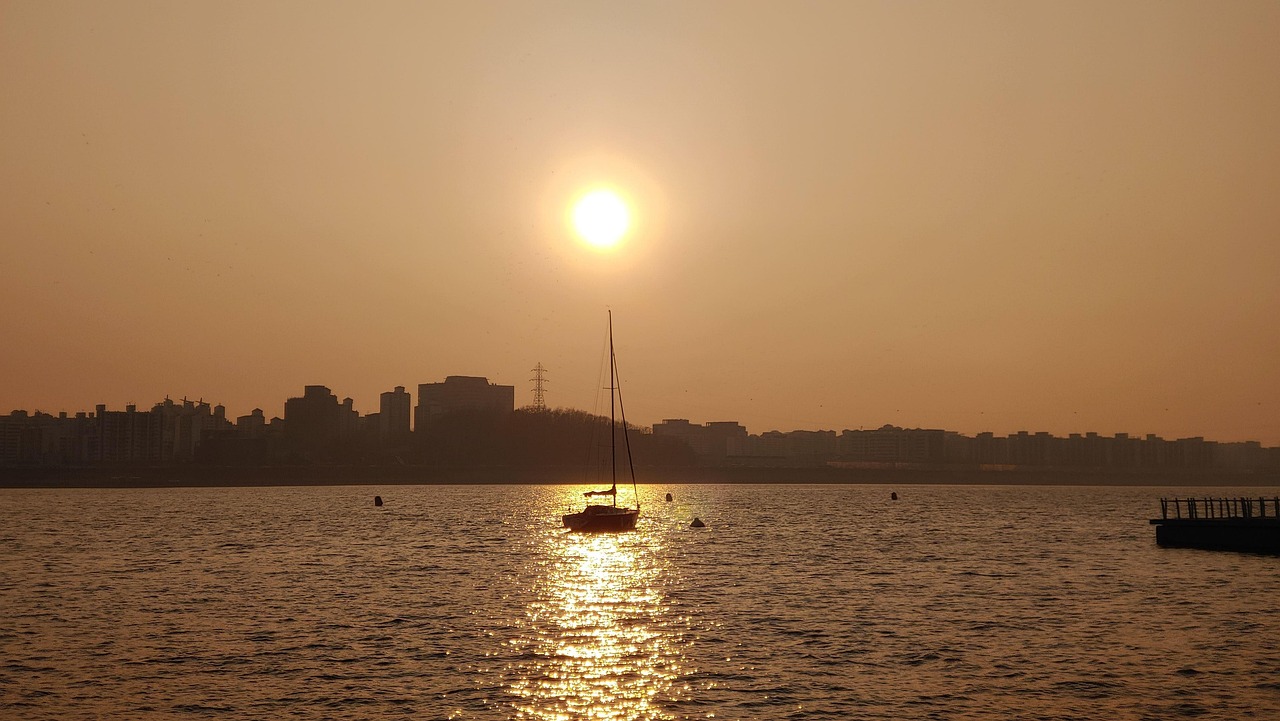
Cherry Blossom Season in Seoul Yeouido Park Luxury Hanami
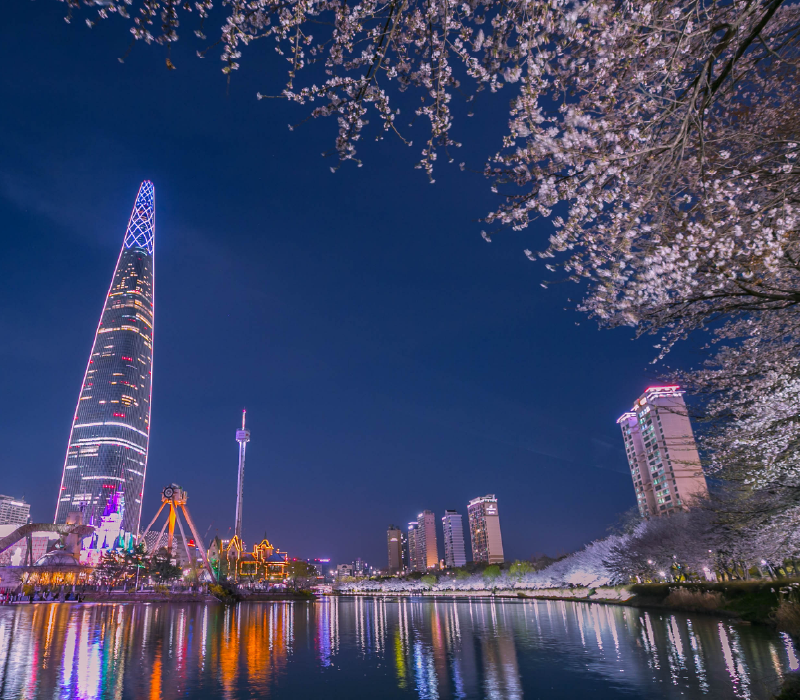
For many travellers, the dream of Korea in March is simple: to see cherry blossoms without feeling hurried. Cherry blossom season in Seoul can arrive in gentle stages, and Yeouido Park remains a classic for a reason—tree-lined paths, the nearby river, and that unmistakable sense of Seoul exhaling into spring. If your taste runs towards calm rather than crowds, you can still explore Yeouido with confidence by aiming for early morning, choosing weekday strolls, and letting a local guide quietly lead you to softer lanes just beyond the busiest stretches.
It helps to hold the timing of blossoming lightly. Full bloom shifts year to year, and microclimates matter—riverside areas can feel different from inner-city streets. A well-designed plan gives you options: one park, a second park, and a few blossom-lined streets as graceful backups so you can still see cherry blossoms even if the city blooms on its own schedule.
Spring in Korea beyond cherry blossoms: plum blossom, forsythia, and early colour
Visiting Korea in March is also about the smaller floral notes that arrive first. Look for plum blossom moments in quieter gardens and temple edges, and the bright sweep of forsythia along paths that suddenly feel more optimistic. These early details—your first spring flower sightings—are often what photographers remember most: less expected, more intimate, and wonderfully local.
If you’re keen on spring flowers in Korea without chasing crowds, consider a short, scenic climb on Eungbongsan Mountain. It’s closer to Seoul than many travellers expect, and it can offer a lovely viewpoint for a gentle march visit when the air still feels clean and cool.
Hanami-inspired outdoor activities with a luxury touch in Seoul
A luxury hanami picnic is less about extravagance and more about care: a crafted basket, a comfortable set-up, discreet photography if you want it, and a sense of being looked after while you simply sit beneath the cherry trees. Your concierge can design this to feel effortless—choosing a quiet patch of grass, timing it for the best light, and ensuring a warm drink is ready when the breeze turns.
For a second stop that feels softer and more residential, weave in Seoul Forest. It has a different rhythm—more everyday, more gently modern—but it’s still a beautiful place for outdoor activities in March in Korea, when you want nature without leaving the city.
One high-end traveller once told us that an early spring stroll beneath pale petals in Yeouido became unexpectedly meditative. After the bright intensity of boutiques, traffic, and meetings, those petals and that quiet river air offered a reset—like the city had made space for them to breathe again. It’s an insight worth holding: the best moments often arrive between the headline plans, when you allow the city to be unhurried.
You may also hear about popular cherry blossom festivals and the atmosphere in late March and into April and May. Dates can vary, so rather than overpromising a specific weekend, plan your blossom experience like a beautiful possibility—with two or three well-chosen spots, plus other blossom festivals around the country that can be swapped in if timing shifts.
Gyeongbokgung Palace at Night
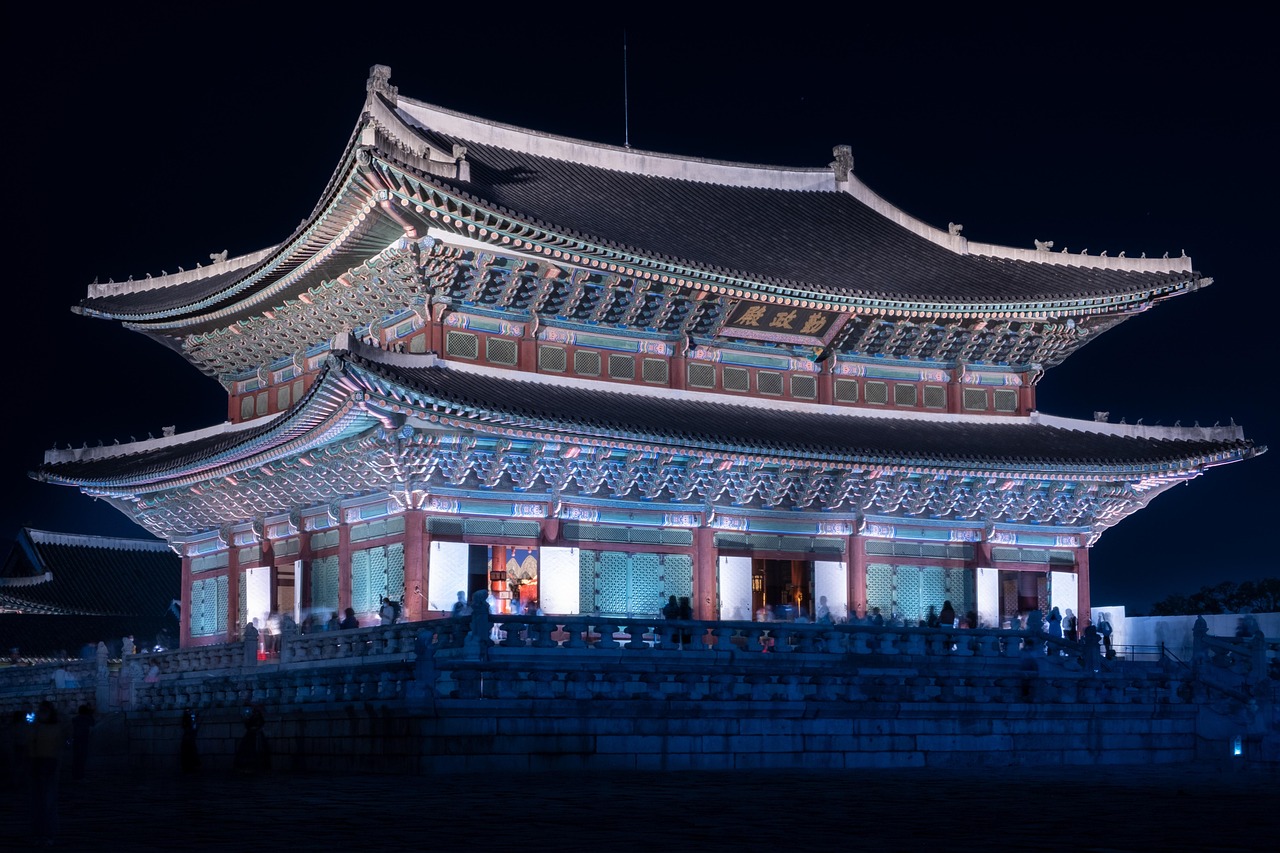
Gyeongbokgung Palace at Night Romance, Ritual and Korean Elegance
To experience March in Seoul through a more cinematic lens, consider a Gyeongbokgung Palace night tour—ideally private, paced, and quietly narrated. This is where Seoul feels like layered silk: illuminated courtyards, reflective stone paths, and the calm grandeur of Joseon-era design. In March, the air is often clear and cool, which makes the palace lighting feel sharper and more theatrical, without the heavy heat of later months.
A private host also changes the emotional texture of the evening. Instead of rushing to “see everything”, you can slow down, take in the symmetry, and let the story of the place unfold with warmth and insight. It’s a graceful way to experience local history with confidence, especially if you’re new to heritage sites in this South Korean capital.
Etiquette, dress, and a few Korean greetings for upscale venues
Palaces and upscale venues in Seoul reward elegant simplicity: neat tailoring, covered shoulders, and shoes that feel polished but practical. A small gesture—like greeting staff with “annyeonghaseyo” (hello) or “gamsahamnida” (thank you)—goes a long way in South Korea. It signals care, and it tends to be met with warmth that makes the city feel even more welcoming.
- Dress smartly and respectfully, especially for evening palace visits
- Keep voices low in quieter courtyards and exhibition spaces
- Ask before photographing guides, artisans, or private areas
Bukchon Hanok Village in the morning: calm lanes, craft, and hanok heritage
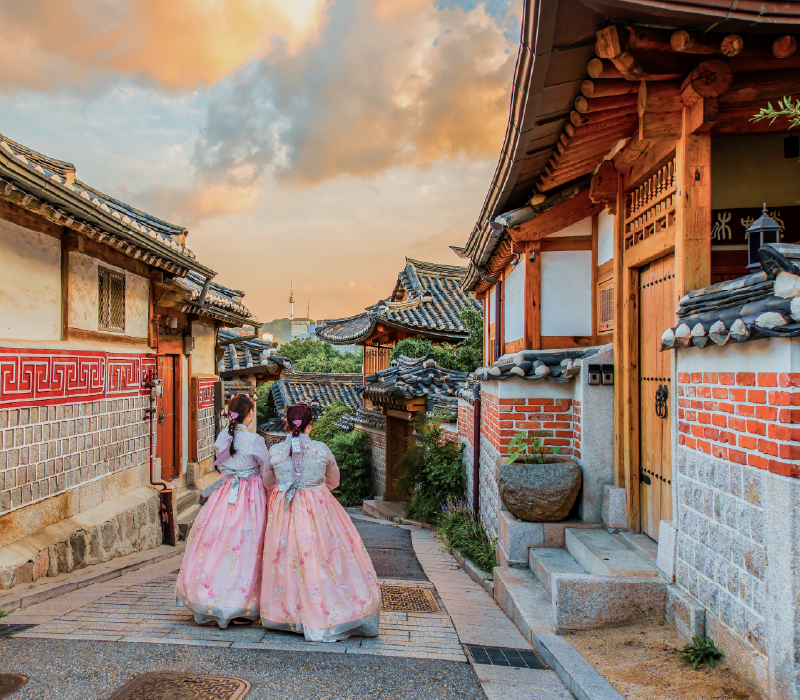
To balance the night’s glamour, pair it with an early visit to Bukchon Hanok Village. In the morning, the lanes are calmer, the light is soft, and the details of each hanok roofline stand out—wood grain, stone steps, small courtyards glimpsed through gates. If you prefer privacy, your concierge can arrange a quiet tea moment or a short visit to an artisan atelier, or suggest a lesser-known hanok village experience that feels intimate rather than crowded.
A couple once shared how they celebrated their anniversary with an exclusive night tour at Gyeongbokgung. What stayed with them wasn’t only the history—it was the feeling of togetherness in a vast city, and how the evening had been designed so nothing felt stressful. Romance, they said, wasn’t left to chance; it was created through pacing, comfort, and thoughtful support.
If you’d like a final contrast, a late stop at Seoul Tower offers night views that stitch heritage and modern Seoul into one skyline. It’s a gentle way to end the evening—quiet, expansive, and reassuringly beautiful.
Gangnam Gourmet Food Tour in Seoul – Korean Dining, Seoul Food, and Spring Events
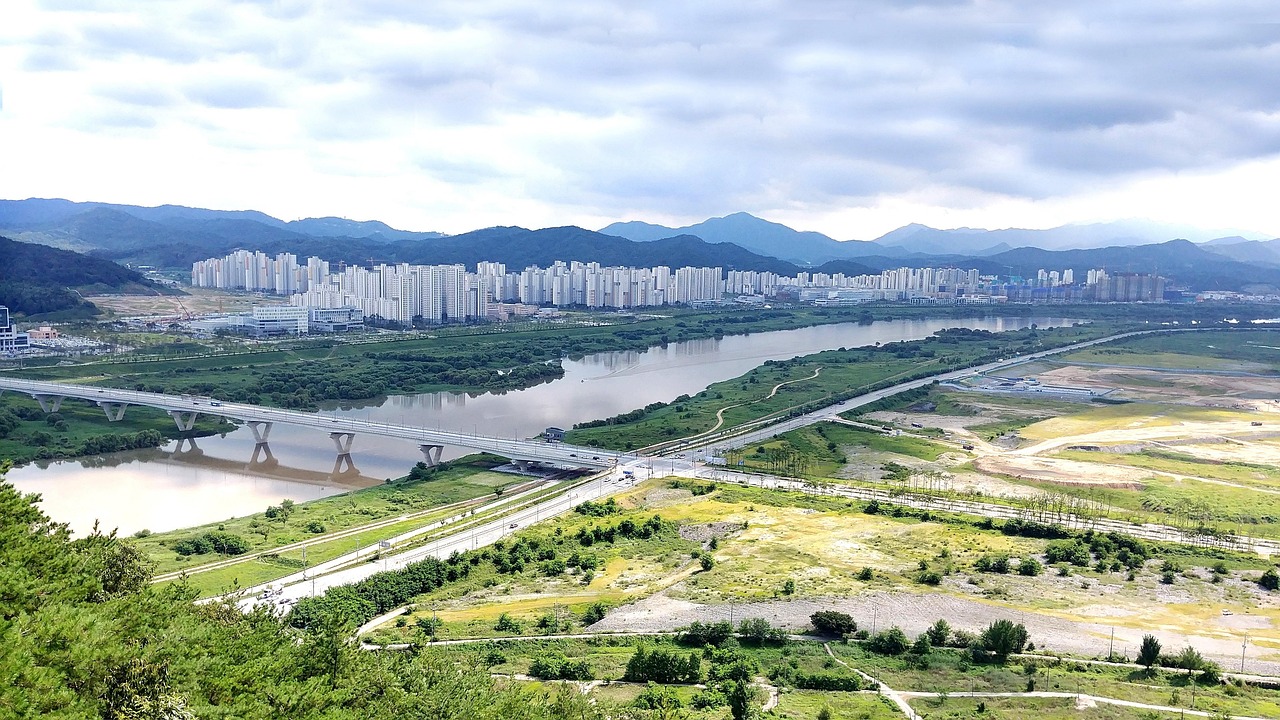
Gangnam Gourmet Nights Fine Korean Dining and Story Rich Tastings
If you’re drawn to Seoul food with a high-end sensibility, a Gangnam gourmet food tour is one of the most satisfying ways to experience Korea in March. This is not about novelty; it’s about fine Korean cuisine, immaculate ingredients, and the quiet confidence of chefs who understand balance—clean broths, pristine seafood, perfectly grilled cuts, and side dishes that feel like miniature seasonal compositions.
Done well, the evening feels crafted rather than crowded: a smooth flow between one address and the next, a host who reads your pace, and seating that feels discreet. It’s also an easy way to connect with Korean dining culture without worrying about language barriers or menu nuance.
Soju and makgeolli tastings with narrative and care
Exclusive soju and makgeolli tastings become far more memorable when they come with story—heritage producers, regional methods, and rare pours that don’t appear on standard menus. Local luxury food enthusiasts often describe quiet Gangnam alleyways as the city’s true after-dark soul: soft-lit entrances, unassuming doors, and flavours that reveal themselves slowly.
If alcohol isn’t your preference, a skilled host can design equally refined pairings—seasonal teas, artisanal sparkling drinks, or thoughtful non-alcoholic flights that still honour the structure of the meal.
Reservations, dietary preferences, and hosting around the best festivals and events
March is a popular month for dining, particularly on weekends, so reservations should be handled well in advance. The best hosts also manage dietary preferences with real care, so you never feel like you’re “making it difficult”—you feel supported.
- Book key restaurants early, especially Fridays and Saturdays in March
- Share allergies and preferences in writing so kitchens can prepare confidently
- Let your host plan pacing: fewer stops, higher quality, and time to linger
To connect your meals with the city’s cultural calendar, keep an eye on spring events—concerts, gallery openings, and seasonal menus that quietly change week by week. A concierge can also uncover invite-only moments, from intimate chef’s counters to private tastings aligned with the best festivals and events that happen across Seoul and beyond in March.
For budget clarity, premium tastings and private hosting typically sit in the $150–$400 per person range. That investment buys access, calm pacing, and seamless service—so your evening feels like a designed experience rather than a string of reservations you have to manage.
Seoul Luxury Spa, Cheongdam-dong Shopping, and Day Trip Options – Korea in March
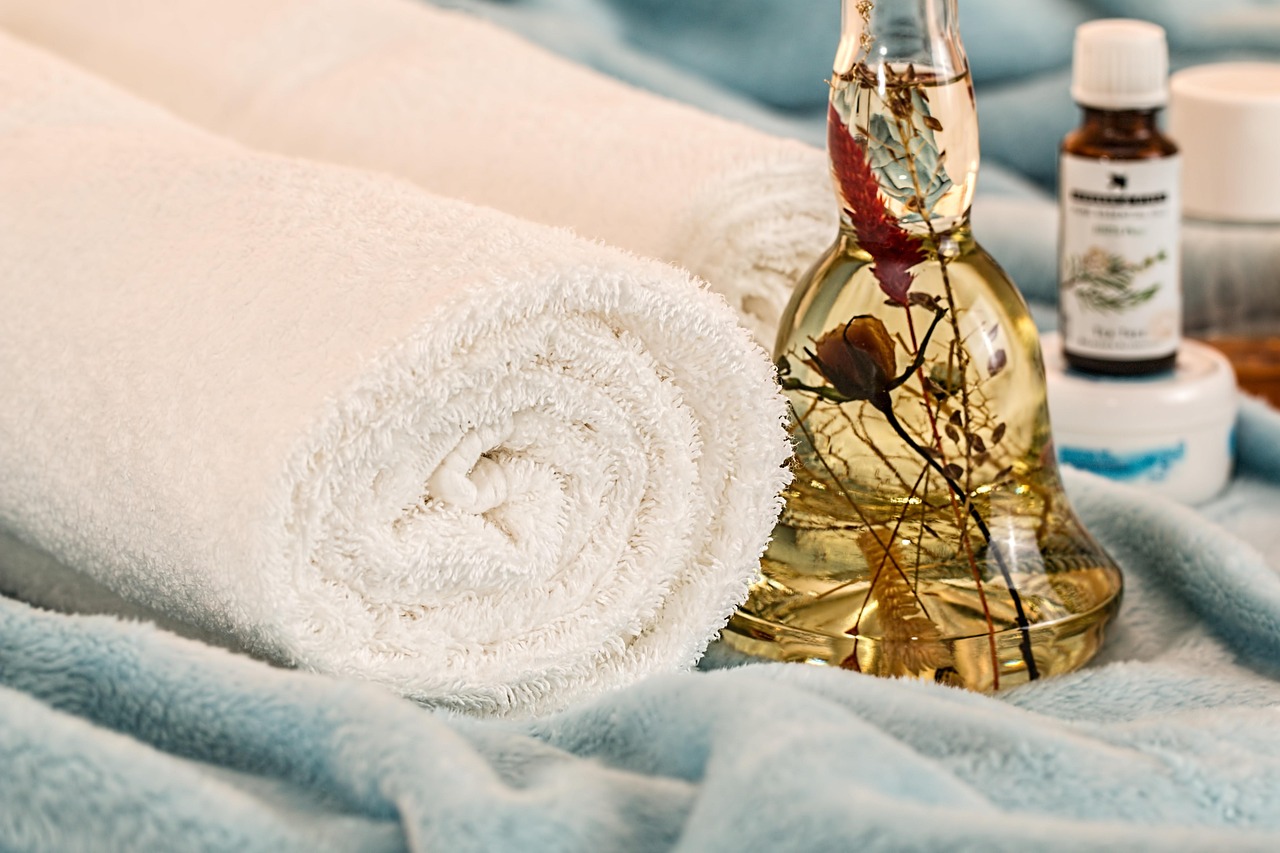
Seoul Designed for Indulgence Spas Cheongdam Style and Day Trip Escapes
If Korea in March 2026 is about balance, this is where you feel it: slow mornings, deep well-being, and indulgence that restores rather than overstimulates. For Seoul luxury spa experiences, The Shilla’s Guerlain Spa is a standout—quiet, refined, and grounded in skilled touch. Across the city, other high-end spas blend traditional Korean wellness with modern relaxation, and reviews tend to echo the same theme: you leave feeling reset, not merely pampered.
The most satisfying spa days are designed with recovery time built in. Instead of squeezing a treatment between shopping and a late dinner, allow space to come back to yourself—tea afterwards, a calm return to the hotel, and an early night if your body asks for it.
Choosing treatments with a personal, supportive rhythm
Your ideal menu is personal. Some travellers love invigorating body scrubs; others prefer heat-therapy-inspired rituals that feel like winter finally lifting from the bones. In March, that warmth can be especially comforting—milder days outside, then deep quiet indoors.
If you’re travelling together, consider booking treatments in parallel and meeting afterwards for a slow lunch. It’s a simple way to feel connected, while still giving each person space to choose what they truly need.
Cheongdam-dong designer boutiques and avant-garde galleries
For shopping that feels like cultural discovery, Cheongdam-dong offers designer boutiques, bespoke fittings, and galleries where Korean creativity feels confidently global. High-end shoppers often describe finding one-of-a-kind pieces here—clothing with architectural lines, jewellery that references traditional forms in modern materials, and service that feels genuinely attentive.
One shopper told us the highlight wasn’t just the purchase, but the conversation: boutique owners explaining inspiration, offering personalised alterations, and sharing local insight over tea. It’s a reminder that luxury in Seoul can be deeply human—less about display, more about trust and relationship.
Day trip and optional extensions near Seoul, Busan, Jinhae, and Jeju Island
If you want to widen the lens on South Korea in March, a carefully timed day trip can add perspective. The DMZ offers a sobering, meaningful insight into the peninsula’s modern history, while the Korean Folk Village can feel like a living tradition—crafts, performances, and architecture that give context to what you’ve seen in the city. Both are easy choices near Seoul when you want to add depth without exhausting your schedule.
For a longer add-on, Busan offers coastal contrast: sea air, seafood, and neighbourhood colour. If you do extend, consider the Gamcheon Culture Village for artful hillsides and a different pace—best enjoyed with a local guide who keeps it calm and curated.
Blossom chasers sometimes look beyond Seoul towards Jinhae and the Jinhae Gunhangje festival, with photogenic stops like Gyeonghwa Station. And if you’re craving a softer horizon, Jeju Island is an optional spring add-on—best framed as a gentle extension rather than a must-do, especially if your priority is a relaxed pace.
F.A.Qs: Seoul, Korea in March 2026
Is March a good time to visit Seoul?
Yes—March is a good time to visit Seoul if you enjoy crisp air, lighter crowds than peak spring, and early signs of spring in Korea. You may catch early-blossom moments and seasonal menus while still enjoying cosy evenings and beautiful city views. The key is to plan with flexibility, as bloom timing and temperatures can vary.
How to dress for Seoul in March?
Dress in layers for March in Seoul. A light jacket works well for daytime, but bring a winter coat option for evenings, plus knit layers and comfortable walking shoes. Smart, understated outfits suit upscale venues, and palaces appreciate elegant, respectful dress. If you’re sensitive to dry air, pack moisturiser and lip balm.
What is the 52-hour rule in Korea?
The “52-hour rule” in Korea commonly refers to the 52-hour workweek limit, which caps standard working hours to improve work-life balance. For travellers, it’s not a tourism rule, but it can subtly influence opening hours, staff scheduling, and how busy some restaurants feel on weekends—especially around major festival dates. Your hotel concierge can help you book at the best times.
How cold is Korea in March?
Korea in March can still feel chilly, especially at night. In Seoul, average temperatures are often around 2–12°C, though wind can make it feel cooler. Daytime sun can be comfortable for walking, but evenings call for warmer layers. If you plan outdoor night views or riverside strolls, pack accordingly.