Post Contents
- Is August a good time to visit South Korea? Korea weather, crowds, and “time to visit” expectations
- Arrive in Seoul smoothly: Incheon transfers, Songdo stopovers, and essential travel tips for 2025
- Seoul heritage in summer: Gyeongbokgung Palace, royal guard ceremony, and Joseon Dynasty insight
- Garosu-gil, Seoul style and culture: upscale boutiques, art galleries, gourmet cafés, and Michelin hanjeongsik
- Best festivals and events, beach escapes, and a Seoul-to-Busan day trip in August in Korea
- F.A.Qs: Planning Korea in August (weather, Seoul, and what to pack)
- After your August journey: what South Korea leaves you with—Seoul insight and perspective (2025)
Is August a good time to visit South Korea? Korea weather, crowds, and “time to visit” expectations
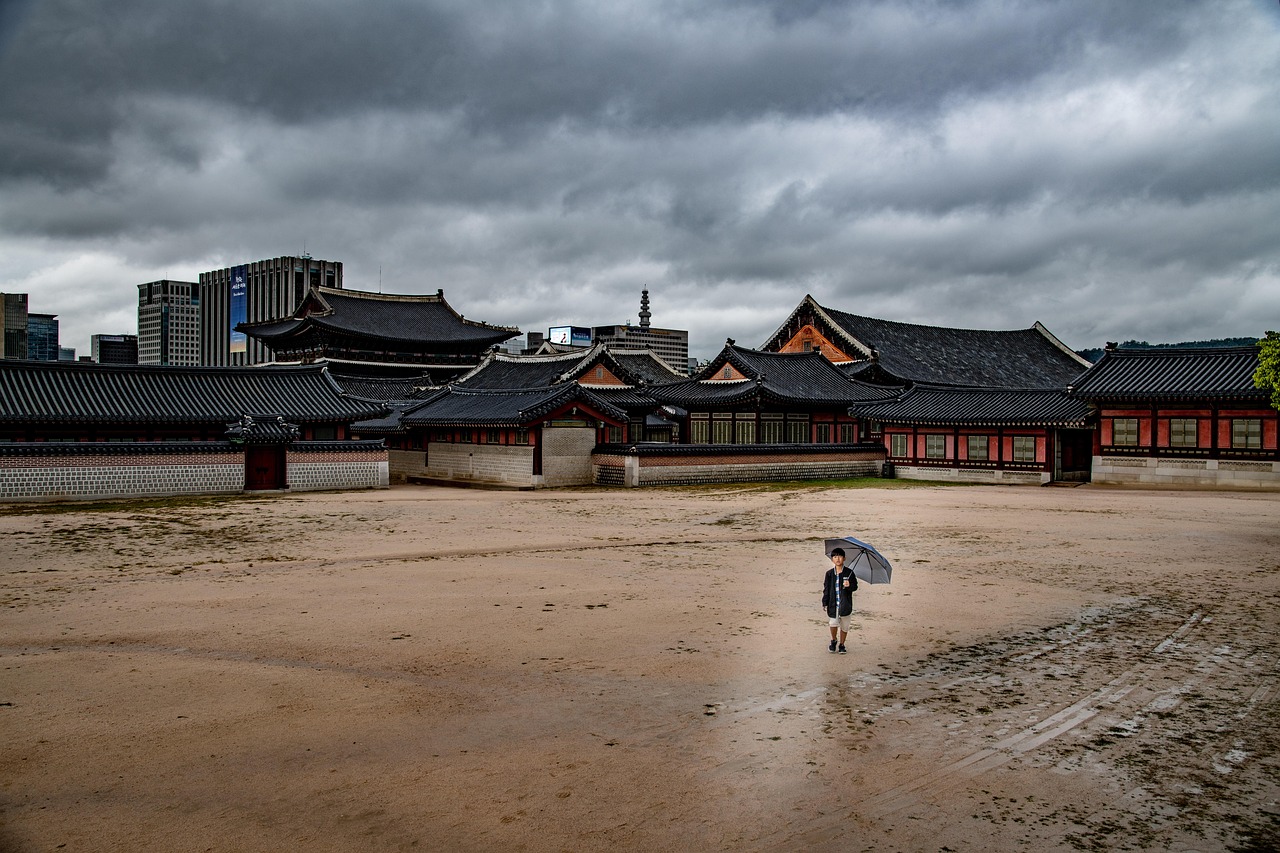
Late-summer temple light and calm moments between showers
When people ask whether August is a wise choice, they’re usually asking about weather, comfort, and whether the atmosphere will feel energising or exhausting. If you’re considering South Korea in August, expect peak-season buzz: a surge in domestic travel, fast-selling Seoul hotels, and an events calendar that turns the country into a lively stage. Plan with confidence, pace your days around the warmest hours, and August in Korea can feel bold, bright, and genuinely rewarding.
Think of it as a month of contrast: immaculate interiors and rain-silvered streets outside; long lunches, then late evenings when the city finally softens. For high-end travellers, seamless logistics matter most in 2025—because the best rooms, drivers, and reservations are secured early, and heat changes the rhythm of a day.
Weather in Korea in August: temperatures, humidity, and what it feels like day-to-day
Korea’s weather in late summer is defined by hot, sticky air and a steady need to manage comfort. South Korea typically sees daytime highs around 28°c, and there will be days that touch 30°c; US readers can think of 82°f as a useful reference point for a classic warm afternoon. Evenings can dip closer to 20°c, which is when Seoul feels made for rooftop views, gallery openings, and a slower kind of exploring—balancing temperatures and humidity without sacrificing style.
What catches first-time visitors isn’t just the temperature—it’s the humidity. You’ll feel humidity levels rise quickly after breakfast, especially during July and August, and the smartest itineraries are designed around that reality: earlier heritage visits, slower middays, and evenings reserved for dining and music. On some days, high humidity levels make indoor culture—museums, cafés, and hotel wellness—feel like the most luxurious part of the plan.
Monsoon season in South Korea: monsoon rains, typhoon risk, and practical safety
Monsoon season doesn’t mean constant downpour; it means weather that can change quickly, with monsoon rains arriving in confident bursts, then clearing to plenty of sunshine. August weather can also be influenced by a typhoon tracking further south—most trips won’t be disrupted, but it’s wise to check forecasts daily, note expected rainfall, and keep your plans flexible.
If alerts mention flash floods or a landslide risk in a specific area, the most elegant choice is also the safest: stay indoors, lean into a spa hour, a gallery, or a long tasting menu, and let conditions settle before heading back out. This is where a good hotel concierge or private guide becomes part of your comfort strategy—particularly when it comes to transport changes and last-minute reservations.
Pack to beat the heat while still feeling polished for Seoul.
- Breathable fabrics in light colours, plus a layer for strong air-conditioning—classic Korean summer practicality.
- High-protection sunscreen, a hat, and a hydration plan you’ll actually follow.
- Footwear with grip for slippery pavements after showers.
- Rain gear that looks refined—compact umbrella, light waterproof jacket, and a dry bag for devices.
Next, we’ll create the smoothest possible landing in Seoul—then explore heritage, design-led shopping, standout dining, and the best festivals and events along the coast of Korea.
Arrive in Seoul smoothly: Incheon transfers, Songdo stopovers, and essential travel tips for 2025
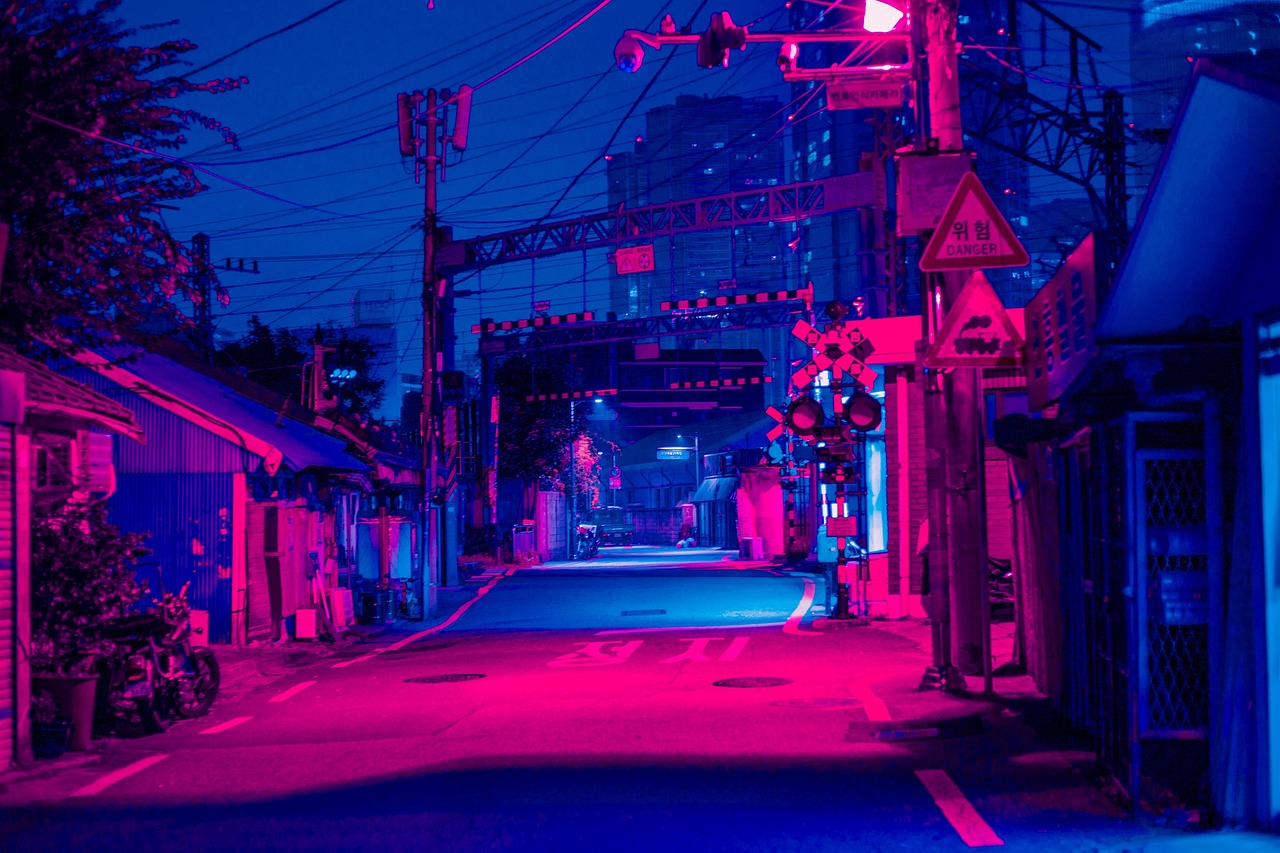
A calm, private arrival from Incheon sets the mood for the city
Your first hour in the country sets the tone, so when travelling to Korea in late summer, aim for calm: Incheon-to-Seoul private transfer options, lounge time, and a check-in that feels like an exhale rather than an effort. Incheon Airport is wonderfully efficient, and premium airport limousine services are reliable and comfortable; for a truly seamless arrival, a private transfer with meet-and-greet support is hard to beat, especially after an overnight flight.
Before you leave the terminal, handle the small details that protect your energy: luggage assistance, an eSIM or local SIM, and a bottle of water for the ride. If you’re arriving late, consider a first night in Songdo near Incheon for an unhurried start; if you’re ready to step straight into the city, central Seoul is easily reached with the right driver. This kind of planning is the quiet backbone of great south korea travel.
Luxury hotels in Gangnam and Itaewon: boutique Seoul stays for hot and humid days
Where you stay shapes how Seoul feels during summer in Korea. Gangnam suits travellers who like contemporary polish, excellent wellness facilities, and smooth access to luxury shopping and business-class convenience. Itaewon offers international flair, a wide range of dining options, and a more eclectic energy—ideal if you want the city to feel open-minded and global from day one.
If you prefer a more personal mood, boutique properties can feel beautifully curated, with design details and attentive service that make hot and humid afternoons feel lighter. August availability can be tight in 2025, so booking early isn’t just practical—it’s how you protect choice and the exact atmosphere you want.
Getting around Seoul with comfort: private drivers, metro ease, and key tourist sites
Seoul’s local transport is fast and clean for quick hops, but warm afternoons are when door-to-door ease matters most. Private driver services are ideal for gallery days, multi-stop shopping, or weather pivots when rain interrupts your plan, especially if you’re connecting several tourist sites in one day. You’ll arrive composed, not rushed, and that changes how you experience everything that follows.
- Money: Cash and credit cards are widely accepted; keep a little cash for markets and smaller cafés.
- Etiquette: A slight bow when greeting is appreciated, and removing shoes indoors is common in some spaces.
- Tipping: Not customary, though it may be appreciated for exceptional service.
Budget-wise, festival entry fees are typically moderate, but build in room for crafted experiences: a fine-dining hanjeongsik, a private shopping appointment, or a sunset cruise. If you’d like to browse inspiration before you design your own trip to Korea, start with our Trip gallery.
Seoul heritage in summer: Gyeongbokgung Palace, royal guard ceremony, and Joseon Dynasty insight
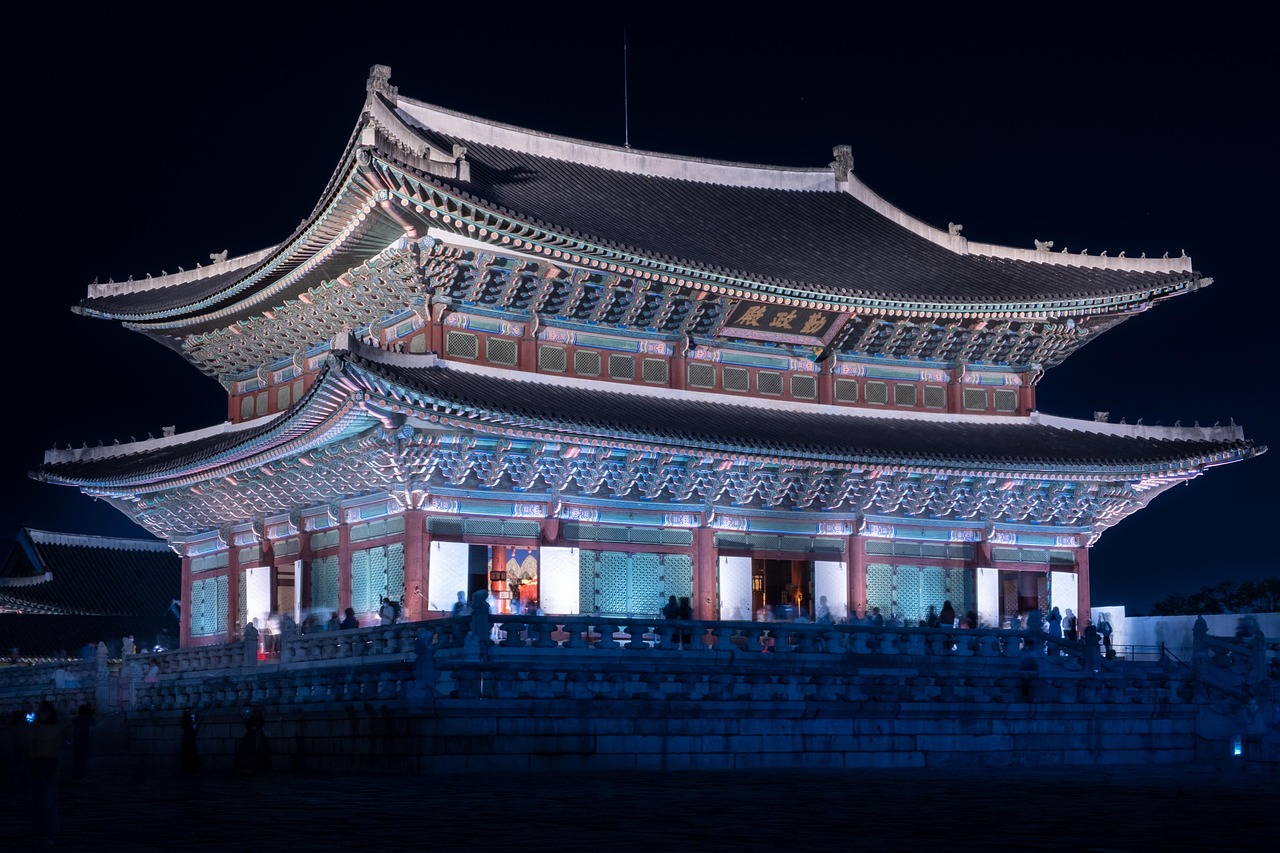
Gyeongbokgung’s ceremony is most comfortable in the early morning
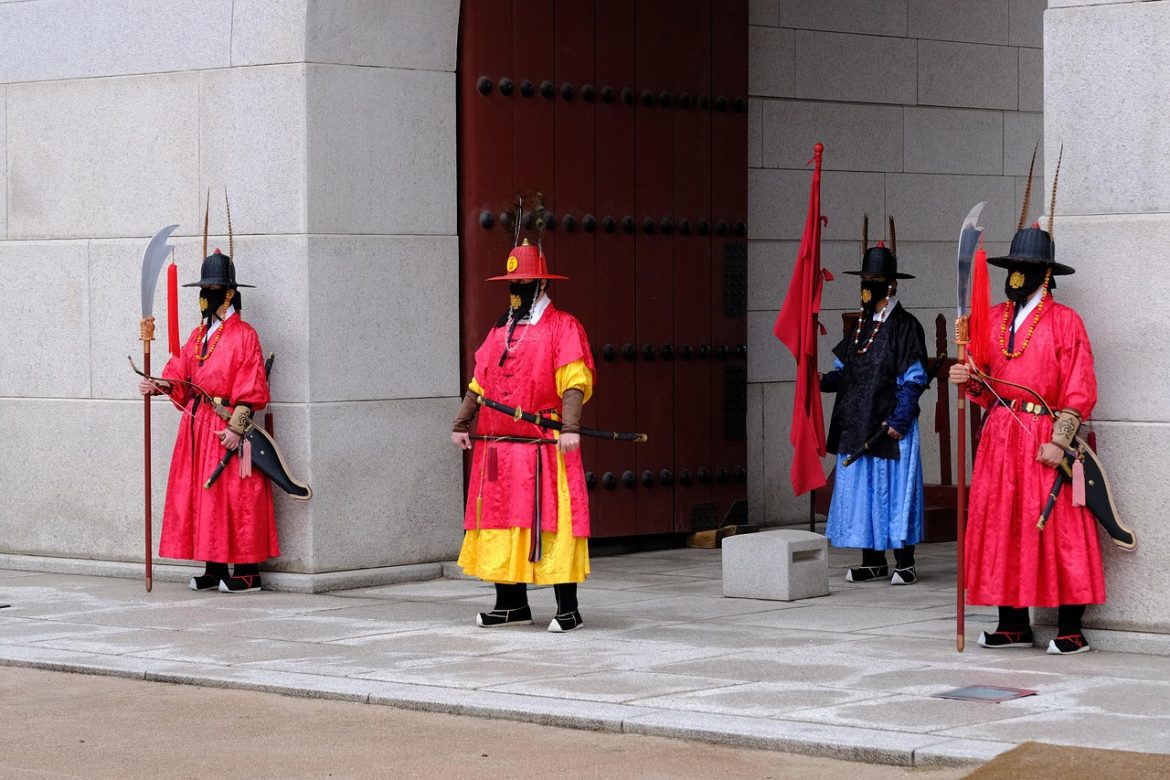
For a first deep breath of history in Seoul, the Seoul Gyeongbokgung Palace royal guard changing ceremony, Joseon Dynasty mornings are hard to surpass. Arrive early, when the courtyards still hold cooler air and the stone feels gently warmed rather than hot. If you time your visit for the changing ceremony, the pageantry offers real cultural insight—colour, rhythm, and respect—rather than something that feels staged.
An expatriate once described their serene morning stroll here as “the moment the city became timeless”. They spoke about the palace’s painted beams, the harmony of the roofs, and the quiet confidence of the guards, and how—before midday arrived—Seoul felt like a layered story you could step into. It’s also a memorable window into South Korean history and court culture.
Visiting Korea in August: make Gyeongbokgung Palace feel exclusive
To create a more private experience, consider a specialist guide who can interpret the symbolism of the Joseon Dynasty and steer you to calmer viewpoints. Photography is best in the soft morning light—framing gates, tiled roofs, and the geometry of the courtyards. Keep a respectful distance during ceremonies, and let your guide advise where to stand so you’re not caught in the flow of the event.
If you want a gentle seasonal touch, ask about nearby gardens and ponds where lotus and lotus flowers sometimes appear in summer. A simple glimpse of lotus flowers can feel like a small, local secret—one that stays with you long after the day ends.
From heritage to modern Seoul: design motifs, crafts, and seasonal flavours
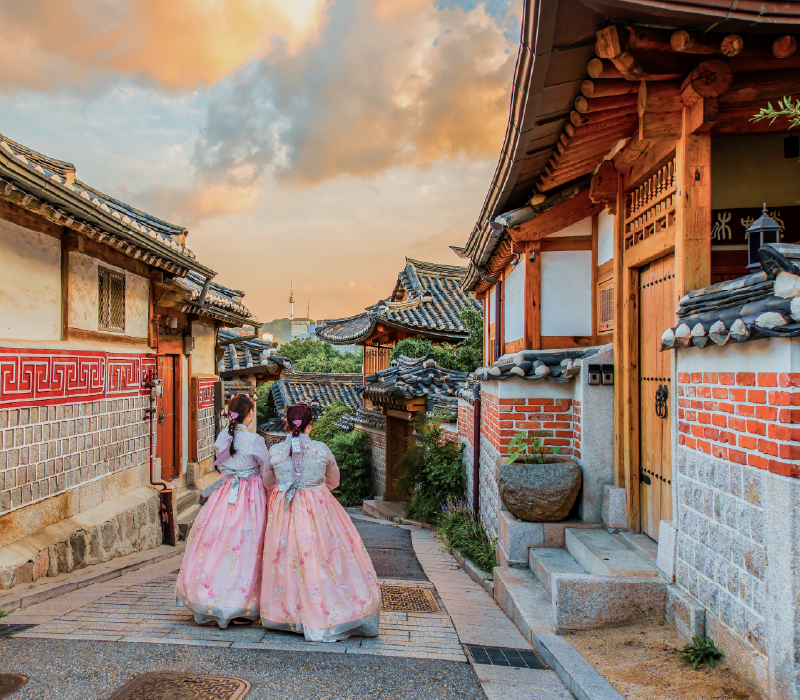
The joy of Seoul is how tradition remains lived, not locked away. You’ll uncover palace-inspired design motifs echoed in contemporary interiors, and you may notice heritage craft techniques reimagined in modern boutiques. After your visit, pair the morning with a refined tea stop, or a restorative lunch—samgyetang is a classic seasonal choice, often enjoyed for its nourishing comfort even in the heat.
Practical care matters in August in Korea: take shade breaks, refill water whenever you pass a café, and if sudden rain arrives, simply pause under a gallery arcade or museum entrance until it clears. Seoul rewards travellers who explore with flexibility.
Garosu-gil, Seoul style and culture: upscale boutiques, art galleries, gourmet cafés, and Michelin hanjeongsik
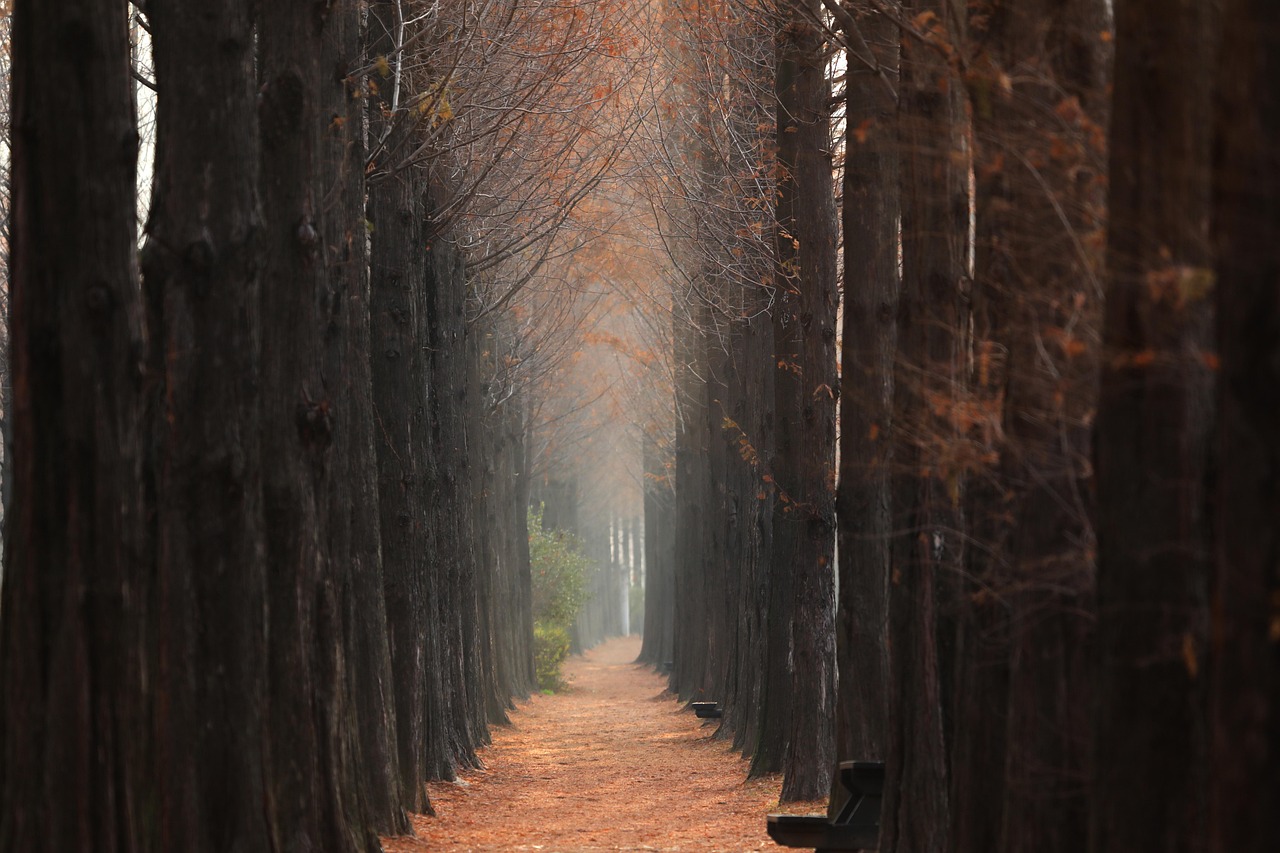
Garosu-gil’s shaded streets and cool interiors make afternoons easy
If you want to explore Seoul as a creative capital, build an afternoon around Seoul Garosu-gil upscale boutiques, art galleries, gourmet cafes, and Michelin hanjeongsik. This is a neighbourhood for travellers who like to discover ideas: understated fashion, independent designer studios, fragrance concepts, and galleries that feel confident rather than crowded. In the hottest month of the year, Garosu-gil also makes it easy to pace yourself—step in and out of cool, beautifully designed spaces without losing the sense of a day unfolding.
An art enthusiast told us they arrived expecting “just shopping” and left feeling like they’d uncovered a different Seoul. They described an invitation-only capsule collection in a quiet boutique, followed by a daring local show in a small gallery—one that changed their view of modern South Korean culture from trend-driven to genuinely creative.
For high-end travellers, food is where a city reveals its craft. A traditional hanjeongsik—Korea’s refined full-course meal—can feel like a designed experience: texture, temperature, colour, and timing. In 2025, Michelin-starred dining in Seoul is as much about warmth as prestige, with teams skilled at discreetly accommodating dietary preferences.
Reservations matter in August, and dress codes are usually “smart, not stiff”. If you’re unsure, your concierge can confirm expectations so you arrive with quiet confidence.
Cool things to do between walks: cafés, spa hours, and curated food halls
To beat the heat without losing the day’s momentum, plan one elegant pause. Linger in a café where design is part of the pleasure, book a spa hour for circulation and recovery after humid streets, or drift through a curated department store food hall when you want variety without the sun.
- Best time: Late afternoon into evening for Garosu-gil, when the light softens and the pavements cool.
- Comfort: Keep a small towel and face mist in your bag—small care, big payoff.
- Extra flavour: If you’re curious, sample a little K-pop energy later near Hongdae in Mapo-gu, then retreat early for rest.
From here, it’s a short step to the month’s biggest festivals—and the coast, where Korea has to offer an entirely different kind of glamour.
Best festivals and events, beach escapes, and a Seoul-to-Busan day trip in August in Korea
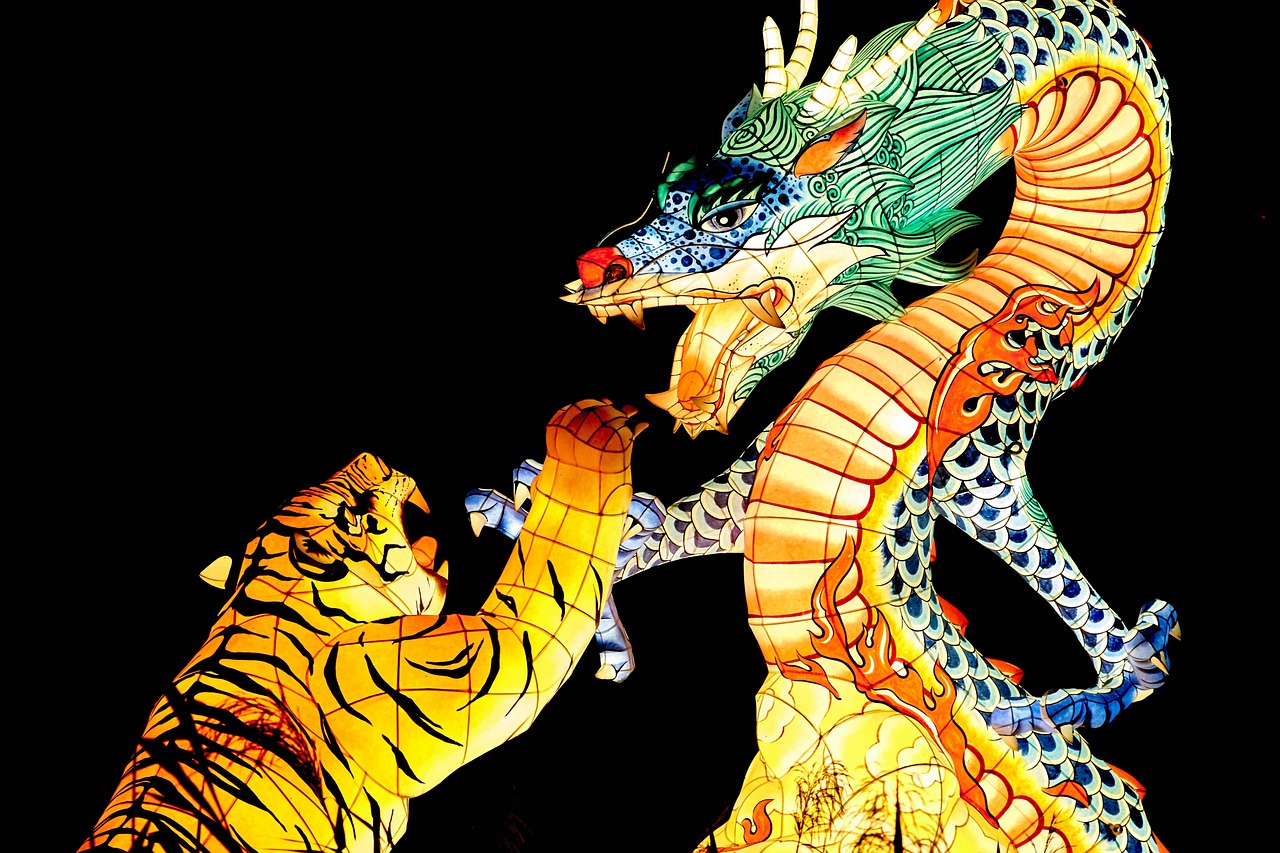
From Seoul to the sea: summer celebrations and coastline escapes
The quickest way to understand events in August is to see how joy becomes a shared language. For many travellers, the headline is a well-planned Korea in August circuit—where you can move from Seoul’s design to the coastline’s playful energy in a single itinerary. With the right pacing, you can stay comfortable and still say yes to the spontaneity that makes a trip feel personal.
Best festivals and events in August: Boryeong Mud Festival, Hangang River Festival, and more
The Boryeong mud festival at Daecheon beach is one of the country’s most famous festivals and a true summer festival: mud slides, mud-based activities, performances, and a “try it once” spirit. A high-end traveller once admitted they arrived hesitant—worried it would feel messy or too loud—then ended up laughing with strangers and making unexpected friendships. Their takeaway was simple: luxury isn’t always about staying pristine; sometimes it’s about feeling free and together for an afternoon.
To broaden the map of August celebrations in 2025, consider these options depending on your style. Busan Sea Festival brings beach stages and seaside energy, while the Hangang River Festival in Seoul adds water-based fun right in the city. Music lovers might time the pentaport rock festival near Incheon, and if you want smaller, local favourites, look at the bonghwa sweetfish festival, muju water festival, and the Jeongnamjin Jangheung water festival—known locally as jeongnamjin jangheung—complete with playful water guns and family-friendly chaos in the best possible way. (If you’re travelling during the month of July as well, some festival dates overlap, so double-check schedules.)
Beach escapes in South Korea: Busan, Jeju Island, and the east coast beaches in Gangwon-do
If your ideal itinerary includes sand and water sports, South Korea offers beaches suited to different moods. busan is the most effortless pairing with Seoul—fast to reach, full of excellent hotels, and ideal if you want a city-and-beach balance. Seek out dadaepo for sunset: the light feels cinematic, and the shoreline can feel less crowded than the headline spots, especially on weekdays.
For a resort-style coastline, Jeju Island offers a softer pace and a sense of space; it’s perfect for swimming on calmer days, and a beautiful contrast to Seoul’s intensity. If you prefer a polished seaside day without flying, look to east coast beaches in gangwon-do—gangneung and gyeongpo are favourites for clean lines, cafés, and an easy on-the-water summer mood.
- Comfort tip: Choose accommodation with a strong pool and wellness facilities—August beach days feel better with shade and recovery built in.
- Family-friendly option: A premium water park can be a smart add-on when the sea is rough or rain arrives.
If you want one mountain reset, make a day trip to Seoraksan National Park for cooler air and scenic trails. In monsoon season, be ready to adjust: sudden downpours can raise the risk of flash floods, so follow local guidance and reroute with confidence when needed.
F.A.Qs: Planning Korea in August (weather, Seoul, and what to pack)
Is August a good time to visit South Korea?
Yes—if you enjoy summer energy and plan around the heat. Korea in August is hot and humid with occasional rain, but it’s also packed with festivals, long evenings, and lively coastal escapes. Book hotels and key dining early for 2025, start days sooner, and keep a flexible plan for sudden showers (or a typhoon alert) so the trip still feels seamless and restful.
What is the 3-day rule in Korea?
The “3-day rule” is used informally by travellers to mean allowing three days to settle into Seoul: one day to recover and get oriented, one day for heritage sights, and one day for modern neighbourhoods and shopping. It’s not an official regulation, but it’s a smart pacing approach—especially in August—so you experience more with less fatigue.
Which is the best month to visit South Korea?
Many people consider spring (often April) and autumn (often October) the best times because temperatures are milder and skies are clearer. That said, the best month depends on what you want to do: August offers major festivals, beach time, and late-night city buzz. With the right itinerary, it can be a brilliant, high-energy season.
What to wear in Korea in August?
Choose light, breathable clothing that still looks polished: linen or technical fabrics, comfortable sandals or trainers with good grip, and a light layer for air-conditioned spaces. Bring a compact umbrella or rain jacket for sudden showers, plus sunscreen. If you have fine dining reservations, pack one smart outfit—most upscale venues prefer neat, understated style.
After your August journey: what South Korea leaves you with—Seoul insight and perspective (2025)
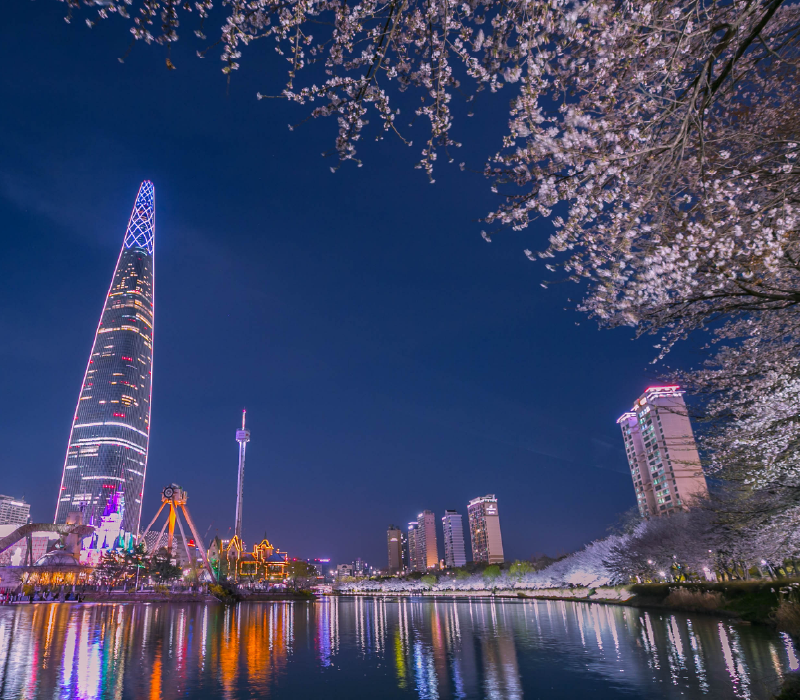
After an August journey, what lingers isn’t a checklist—it’s atmosphere. You remember how humidity softened the edges of an evening, how pavements turned reflective after rain, and how the city’s lights seemed warmer against the sky. In Seoul, you may picture palace roofs catching late sun, and the quiet satisfaction of finding cool interiors—galleries, cafés, hotel lobbies—that felt designed to hold you gently.
It’s often the small, unplanned moments that become “the trip”. A spontaneous laugh at the Boryeong Mud Festival when you expected to stay immaculate. A quiet bow exchanged at a palace gate, instinctive and respectful. A conversation with a local designer that made you see modern Seoul not as fast, but as crafted. A shared toast by the river, service impeccable, the skyline bright enough to feel like a promise—yet calm enough to let you simply be.
With time, you may realise that August was never about choosing the best time to visit in a perfect, universal sense. It was about trusting your own rhythm within the season in South Korea: stepping out early, pausing when the day asked for softness, and letting the country meet you where you are. And somewhere between palace stones and night water, you might find yourself quietly wondering what else you’ll uncover when you return.