Post Contents
- Seasonal guide: best time to visit Seoul through four seasons
- South Korea by month: best months to visit and the right time to visit South Korea
- Visit Seoul: Gyeongbokgung Palace, guard change, and Korea’s royal heritage
- Seoul design districts: Gangnam luxury shopping, Seoul Forest, and Dongdaemun Design Plaza
- Times to visit South Korea: travel tips for travelling in South Korea with effortless Seoul logistics
- F.A.Qs: Best months to visit South Korea and Seoul
- What stays with you after Seoul: seasons, contrasts, and reasons to return
Seasonal guide: best time to visit Seoul through four seasons
Seasonal guide to the best time to visit Seoul, South Korea
If you’re typing “when is the best time to visit korea seoul” into your search bar, think of timing as a quiet form of luxury: weather, atmosphere, and crowd levels shape how personal your days feel. This seasonal guide is designed to help you find out the best time for your style—whether you want calm mornings, curated evenings, or more space between popular attractions.
South Korea’s capital has four distinct seasons, and each one changes how you experience Seoul city—light on palace courtyards, air clarity for city views, and how far you’ll want to walk. For many travellers, spring and autumn are the best times to visit the south for comfortable pacing, while summer and winter reward those who plan around climate and culture.
Spring and autumn: clear skies, cherry blossom, and outdoor activities in Seoul
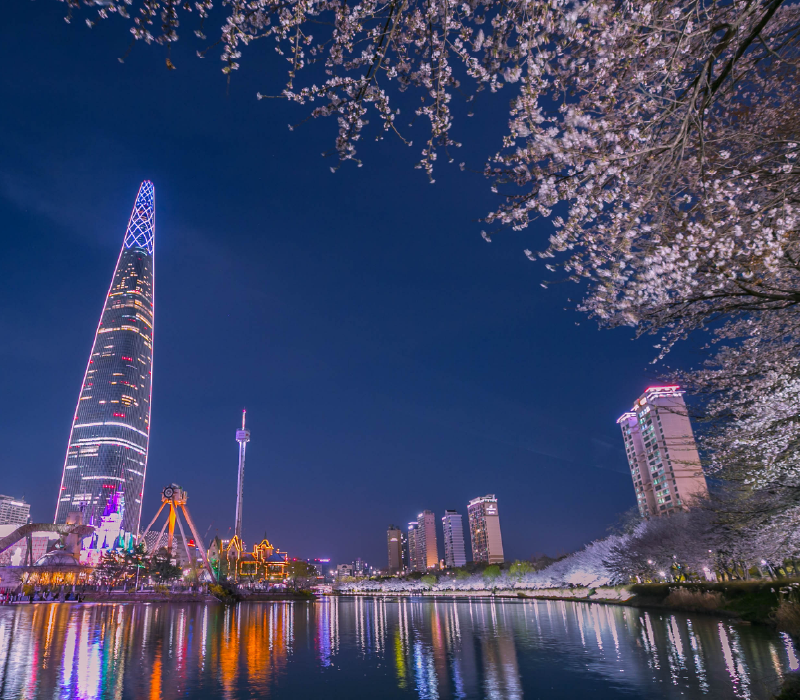
For most high-end travellers, spring and autumn are two of the best times to start planning your trip because the weather is mild, skies are often clearer, and it’s suitable for outdoor activities without feeling rushed. In spring, cherry trees soften the city’s edges with cherry blossom colour; in autumn, parks glow with autumn foliage—both seasons invite time to explore at an unhurried, elegant rhythm.
These are popular times to visit, so the simple luxury move is to book early and leave breathing room: spa mornings, gallery afternoons, and a relaxed dinner reservation rather than a packed checklist. If you prefer it less crowded, consider the shoulder-season weeks just outside the headline bloom or peak colour—you can still see Seoul at its most photogenic, with a little more space.
Summer in South Korea: hot and humid monsoon season, plus winter comforts
Summer in South Korea can be hot and humid, with noticeable humidity, occasional humid afternoons, and periodic rainfall that can feel sudden. This is also when monsoon patterns and the monsoon season shape the city’s rhythm, creating a classic rainy season feel—sunshine at lunch, a downpour by late afternoon. With smart logistics—chauffeur cars, covered arcades, and a hotel base that supports mid-day breaks—Seoul can still feel effortless, even in August in South Korea.
Winter is chilly, yet elegant in its own way: museums, tea houses, and winter city lights create a slower, more intimate mood. South Korea in January can be brisk, but it’s a beautiful time to design indoor culture—thoughtful exhibitions, ceramics in Insadong, and the glow of evening streets—while keeping the option to ski on a crisp day trip when you want mountain air.
South Korea by month: best months to visit and the right time to visit South Korea
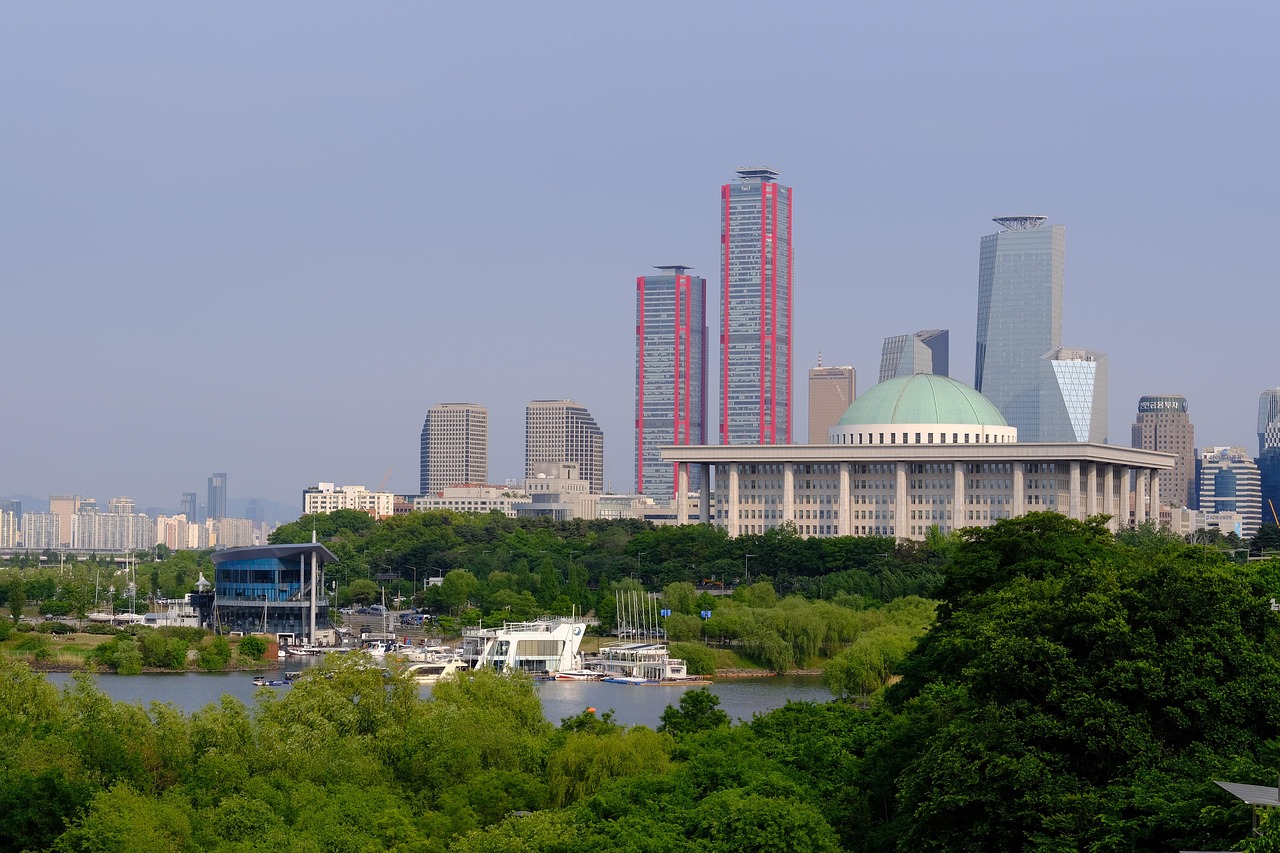
South Korea by month: best months to visit and time to visit South Korea, with Seoul highlights
This South Korea by month snapshot is designed to help you quickly match the climate to your mood and narrow down which months to visit. The year in South Korea starts with winter clarity, then gradually warms—each shift changing what feels most natural to do, wear, and reserve well in advance.
Instead of chasing everything, choose a month that supports how you want to feel: energised and outdoors, or cocooned in design hotels and dining. Depending on the weather, you might prioritise palace walks, neighbourhood cafés, or long museum afternoons with unhurried care—this is the simplest way to make any time to visit South Korea feel intentional.
Early March to May: cherry blossom season, full bloom, and best weather days
Early March brings the first hint of warmth—still cool in the evenings, but promising. By March to May, average daily temperatures rise to comfortable levels for walking neighbourhoods and uncovering small galleries without needing long indoor breaks. April is the headline: cherry blossom season arrives, and on the right week, the city reaches full bloom; for some travellers, that timing is also the best blend of colour and comfort.
A traveller once told us the cherry blossom festival in April at Yeouido Park left a lasting impression: pink cherry canopies, soft light on the water, and a calm, festive atmosphere that felt both local and gently celebratory. If you want a similarly serene pairing, a stroll through Yeouido Park and Namsan Park gives you two views of spring—riverwide openness and hillside vantage points for those classic Seoul skyline frames.
September to November: Korea in October, autumn leaves, and national parks
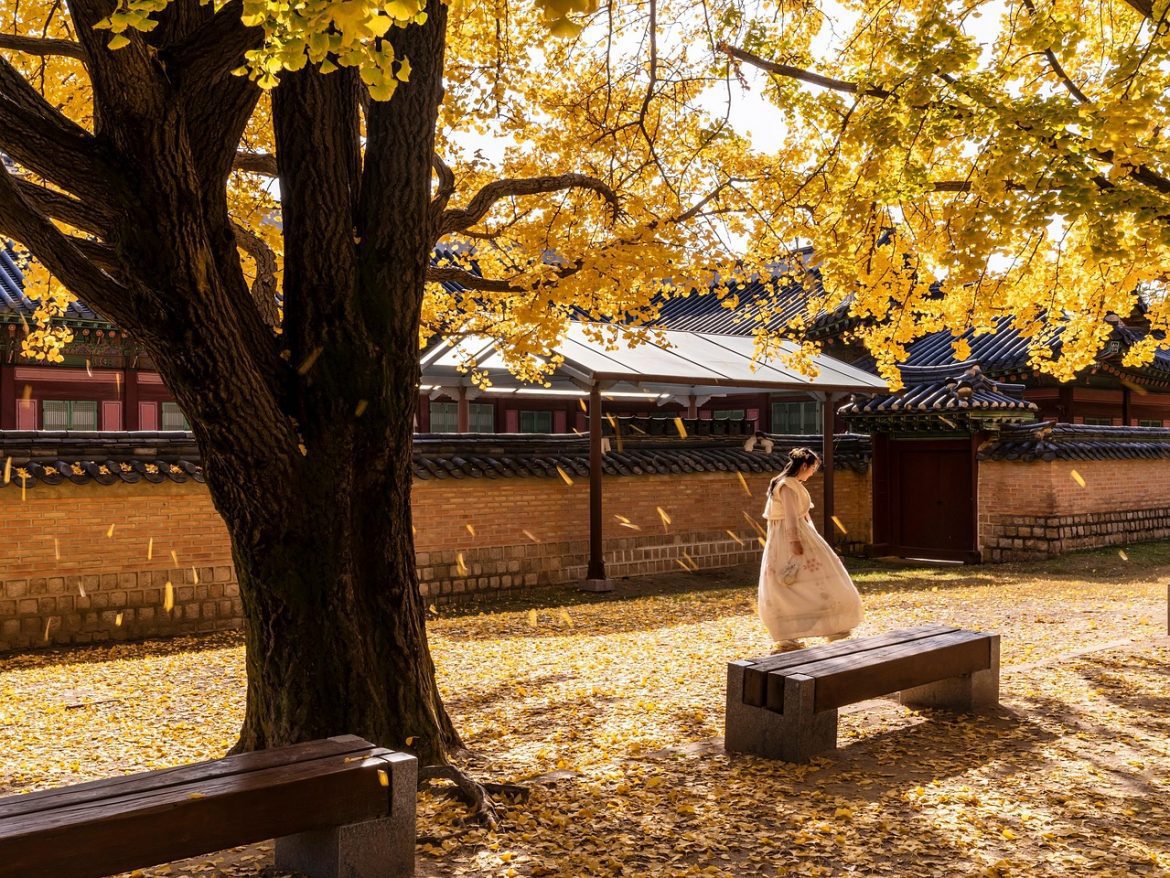
Autumn, from September to November, is made for crisp evenings, clear horizons, and long walks that don’t exhaust you. Korea in October is often the sweet spot: comfortable days, tailored-jacket nights, and foliage in city parks that looks curated—even when it’s completely natural. Look for autumn leaves in tucked-away courtyards and riverside paths for a quieter kind of beauty.
If you’re extending beyond Seoul, this is a lovely season to add national parks for deeper colour, or a simple day trip to Nami Island for its iconic tree-lined scenes. For travellers who want heritage beyond the capital, consider a night in Gyeongju for a richer sense of Korea’s layered history.
Key calendar notes for pricing and availability:
- Chuseok creates a significant surge in domestic travel; flights and premium rooms can sell out quickly, and some smaller venues may reduce hours.
- Korean New Year can bring closures and family travel—beautiful culturally, but plan reservations and transport with extra care.
- For the best weather with the least chance of rain, reserve top dining and suites early, especially during peak season weeks; this is when airfare and hotel prices move fastest.
For optional extensions, Jeju is a polished contrast to the city—sea air, slower days, and seasonal festivals. The Jeju Fire Festival is held on Jeju Island, and it’s a compelling cultural moment on Jeju Island to celebrate local tradition with warmth and spectacle—an ideal stop if you want a nature-forward chapter that can offer the best reset after the capital. A Busan add-on offers a seaside reset—markets, coastal walks, and a different energy—ideal if you’re balancing city glamour with calm.
Seoul also hosts light-filled evenings year-round: look out for the Seoul Lantern Festival and, in spring, the Lotus Lantern Festival, which can turn ordinary streets into something quietly magical. If a lantern festival overlaps your dates, it’s a gentle way to enjoy the city after dark without needing a late-night push; the glow of each lantern adds a soft, memorable layer to your itinerary.
Visit Seoul: Gyeongbokgung Palace, guard change, and Korea’s royal heritage
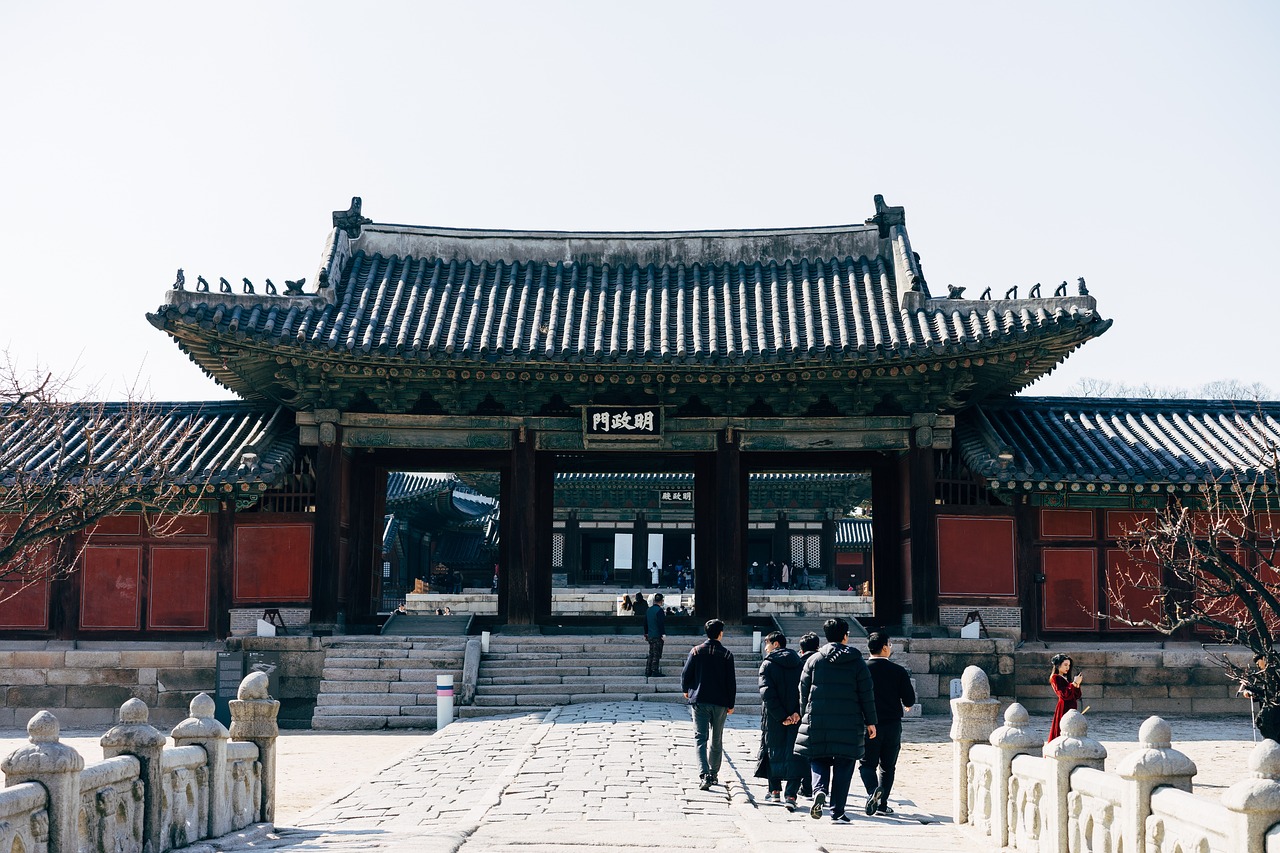
Visit Seoul for royal heritage at Gyeongbokgung Palace and Changing of the Guard
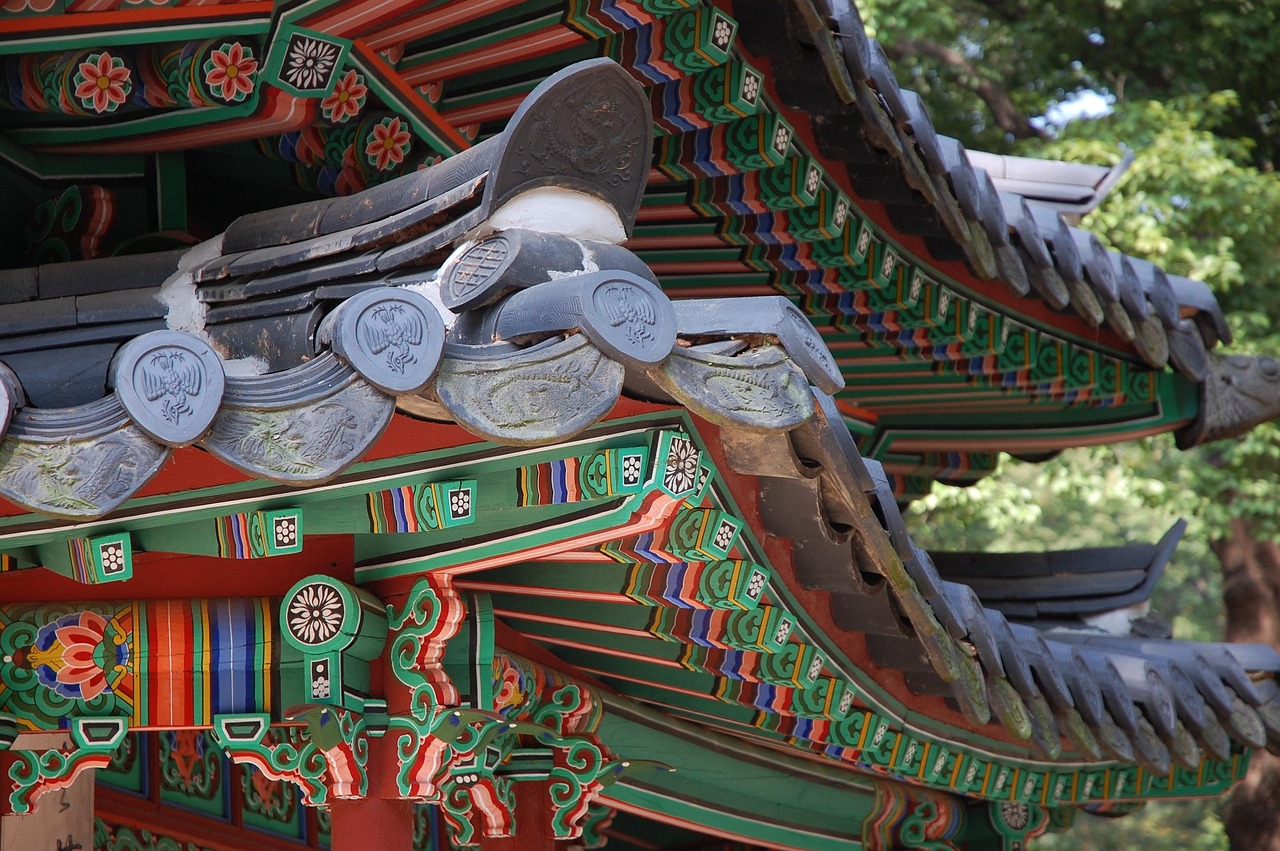
If your ideal moment in Seoul is about more than photos, start with the palace grounds in the morning. Gyeongbokgung is an anchor attraction for first-time travellers, and the Changing of the Guard ceremony offers insight into Korea’s royal past, with a sense of theatre that remains dignified and beautifully paced.
To keep it seamless, a private guide can time your arrival, steer you to the best viewing points, and weave context into what you’re seeing—so it feels personal rather than performative. It’s one of those experiences where knowledge, delivered warmly, changes everything, especially when you’re fitting heritage around dining, shopping, and spa time.
Hanbok styling: confidence, photos, and a deeper kind of immersion
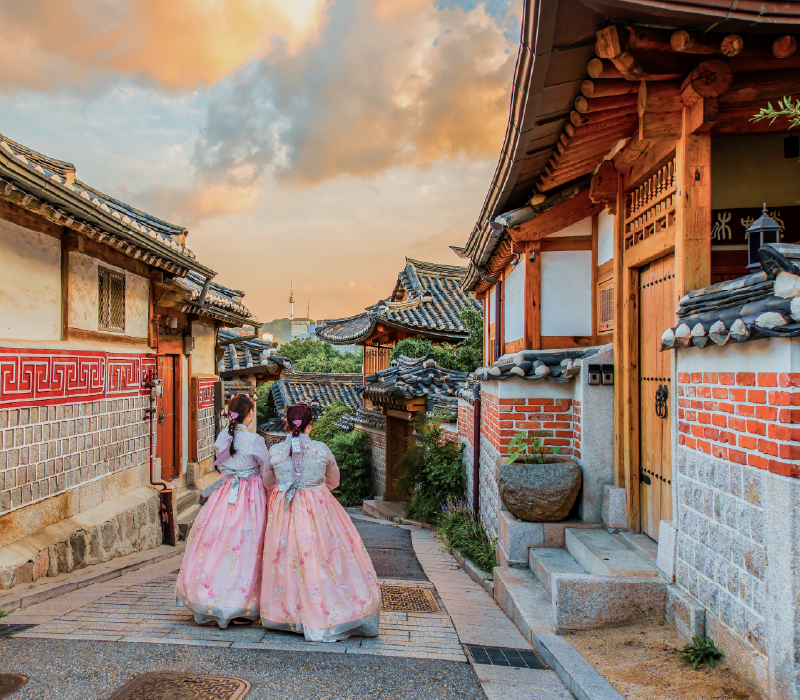
One visitor shared a memorable hanbok rental experience that allowed deeper immersion in Korean culture while walking through palaces. The weight of the fabric, the way colour shifts in sunlight, and the gentle attention from attendants created a quiet confidence—suddenly you’re not just observing history, you’re moving inside it with care.
If you’d like photographs that feel elegant rather than staged, aim for early hours and soft light, and choose a style that suits you. This is also an easy place to travel with trust: staff are used to visitors and will support you kindly, even if you feel unsure at first.
Bukchon, Insadong, and South Korean craft in living tradition
From the palace, design a heritage walk that connects Bukchon Hanok Village and nearby lanes, where traditional rooftops sit against modern Seoul energy. The contrast is part of the magic—old timber lines, then glass towers—yet it never feels jarring when you move slowly and look closely.
Insadong is a softer counterpoint to the busy city, perfect for uncovering quiet tea houses tucked away behind shopfronts. Several travellers have spoken about the joy of finding a peaceful cup of tea here, creating a restorative pause between gallery visits and market wanderings. If you’re shopping, look for artisan paper, ceramics, and contemporary craft that feels rooted, not touristy—and make time to try seasonal South Korean flavours along the way.
A small etiquette note, offered with warmth: you’ll often remove shoes indoors, and shared-food manners matter—wait a moment before reaching across, and follow your host’s lead. These tiny gestures help you feel at ease, and they’re received with genuine appreciation.
Seoul design districts: Gangnam luxury shopping, Seoul Forest, and Dongdaemun Design Plaza
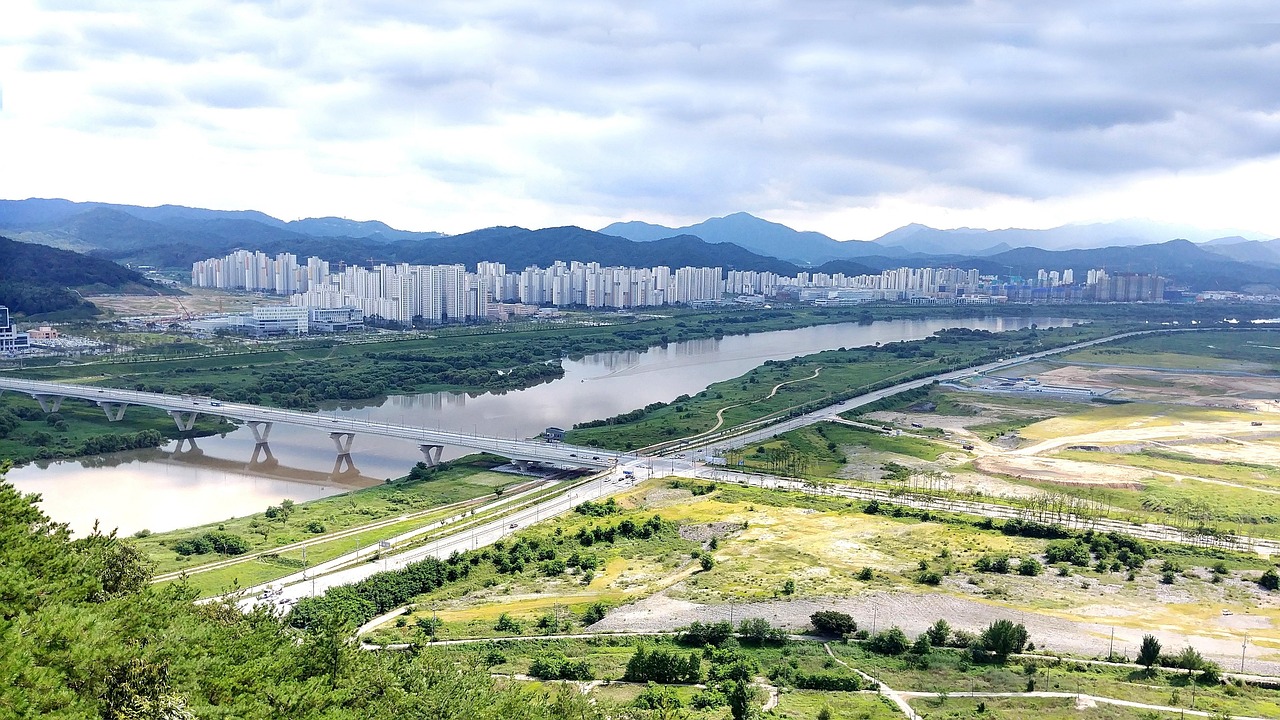
Design-forward Seoul with Gangnam luxury shopping and Dongdaemun Design Plaza
For a polished modern chapter, think of Gangnam and the design corridor as a choice-filled playground: style, architecture, and the pleasure of moving at your own pace. Gangnam can be a beautifully curated base for high-end travellers—concept stores, discreet service, and café culture that’s as considered as a tasting menu, with green breaks nearby like Seoul Forest.
This is where you can design a day with intention: a late breakfast, a few appointments, then a long lunch before art in the afternoon. It’s a perfect time to try a chef’s counter or a reservation-only café, because when your timing is right, the city feels like it’s moving at your speed.
Gangnam as a luxury base: shopping, services, and tax refunds made easy
Luxury shoppers will appreciate tax refunds available at major malls when making purchases over a qualifying amount. If you prefer it to feel seamless, your hotel concierge can support the process—helping you organise receipts and advising when to complete formalities—so you can focus on the joy of choosing well.
Between boutiques, make time to try a refined hanjeongsik experience: a multi-course meal built around seasonal delicacies. It’s fine dining with a local soul, offering the best kind of pause—grounding, warm, and quietly celebratory.
Dongdaemun Design Plaza: architecture, exhibitions, and a crafted evening plan
Dongdaemun Design Plaza is a must for contemporary architecture and exclusive art exhibitions. Even if you’re not an architecture devotee, the flowing lines and shifting light make it a place you feel, not just see. Build a “day of design” around it—gallery stops, emerging ateliers, and time with local designers if that’s your interest.
To end the day, consider a crafted evening: private shopping assistance, a reservation-only cocktail bar, then a chauffeur transfer back to Cheongdam-dong or Jongno. If you’re visiting during peak season, timed tickets and an expert guide can help you bypass queues at popular attractions, keeping the mood calm and unforced.
Times to visit South Korea: travel tips for travelling in South Korea with effortless Seoul logistics
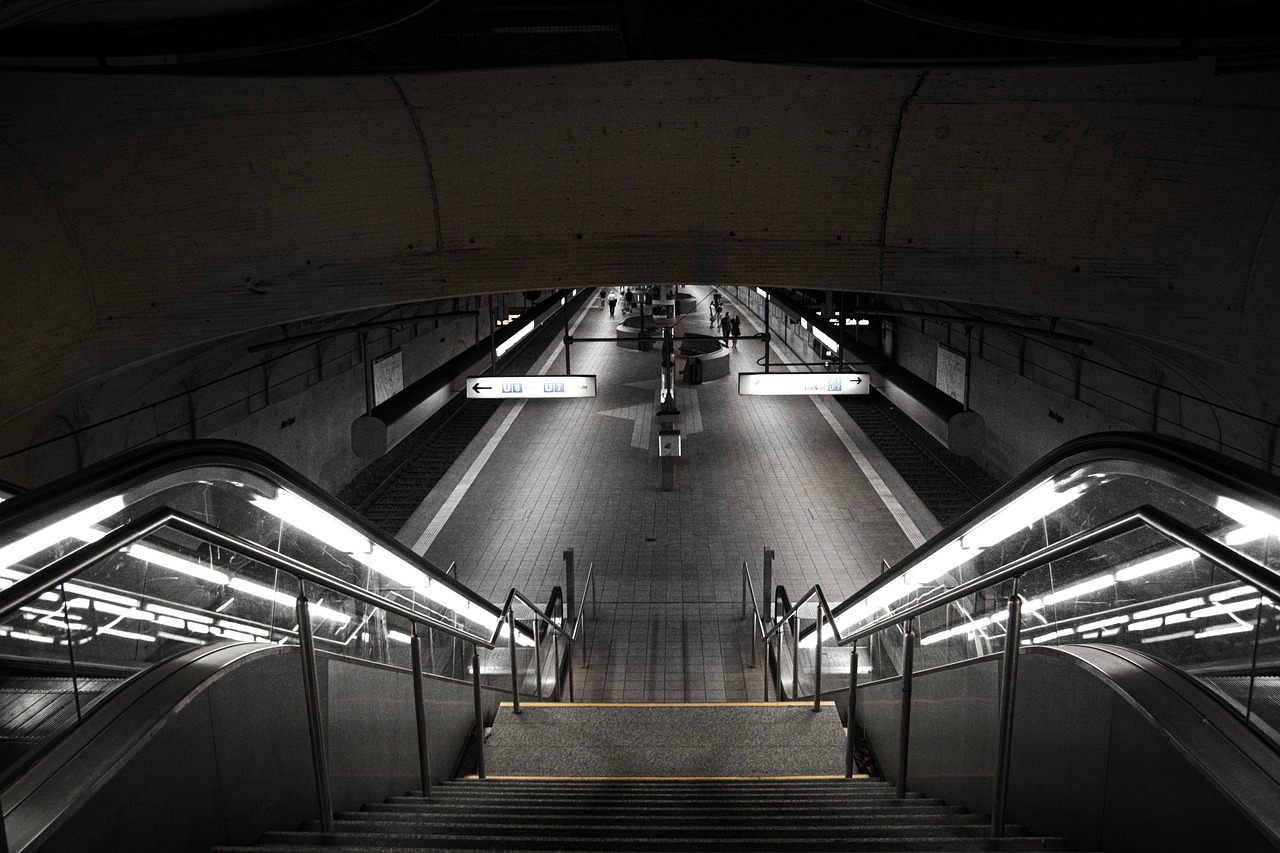
Times to visit South Korea: travel tips for effortless Seoul logistics
These times-to-visit notes focus on comfort and practicality—because the best time to visit can change simply by avoiding pinch points. The busiest holiday days shape hotel rates, dining availability, and how crowded major sites feel; planning your trip around those dates is one of the most effective ways to protect your sense of ease when you travel to South Korea.
As a general rule, the best time to avoid is the tightest days around Chuseok and the first rush surrounding January or February public holidays, when many people return to their hometowns to celebrate. Outside those surges, you’ll often find better service availability and a calmer pace in Seoul, plus more flexibility for last-minute dining and gallery reservations.
Arrival, transfers, and where to stay in Seoul with confidence
For international arrivals, Incheon International Airport is the most seamless gateway, with excellent connections including the AREX train into central Seoul. If you want door-to-door comfort—especially after a long-haul flight in travel in asia—book a private transfer and let someone else handle the details with quiet care; it’s a small upgrade that pays you back immediately.
Where to stay depends on your style. Luxury hotels in Jongno place you close to royal heritage and early palace access, while Cheongdam-dong suits travellers who prefer design, shopping, and a glossy evening scene. In-season in the south, rates can vary widely, so early holds are smart if you’re aiming to align with weather and availability.
Getting around, connectivity, and safe city comfort across South Korea
Seoul’s public transport is excellent. T-money metro cards keep the system seamless, taxis are reliable, and a local SIM or portable Wi‑Fi supports navigation apps and last-minute restaurant bookings. If you travel with us to Seoul for a short stay, this is especially helpful—less time troubleshooting, more time enjoying.
Seoul is very safe, yet standard precautions apply in crowded tourist spots. What tends to stay with visitors is the warmth of locals: people patiently helping in traditional markets, or pointing out a hidden café without fuss. Pair that local kindness with expert planning, and you can confidently visit South Korea—from Seoul to Jeju and Busan—at exactly the pace you want.
If you’d like inspiration for how this can look in real life, explore our Trip gallery for beautifully designed journeys.
F.A.Qs: Best months to visit South Korea and Seoul
Which month is best to visit South Korea?
For many travellers, April and October are standout choices: April for cherry blossom and soft spring light, and October for crisp evenings and autumn colour. If you prefer fewer crowds, late spring (May) and early autumn (September) can feel more relaxed while still offering excellent weather in Seoul and beyond.
What is the cheapest month to travel to South Korea?
Prices vary each year, but the cheapest month to travel to South Korea is often in deeper winter (excluding major holidays) or during the height of summer heat and rainfall, when fewer visitors plan long city walks. Avoid peak national holiday periods for better airfare and hotel prices, and book early for the best luxury inventory.
How many days is enough for Seoul?
Four to five days is enough for Seoul if you want a high-end pace: one day for royal heritage, one for neighbourhoods like Bukchon and Insadong, one for design districts and shopping, plus time for fine dining and an evening skyline view. Add an extra day for a tailored private tour or a relaxed day trip.
Which month is the coldest in Seoul?
January is typically the coldest month in Seoul. You can expect chilly conditions and clear winter air, which suits indoor culture—museums, tea houses, and design-led districts—paired with cosy dining. If you’re comfortable dressing warmly, winter can feel elegant and calm, especially when the city lights are at their best.
What stays with you after Seoul: seasons, contrasts, and reasons to return
Seoul doesn’t just end when your flight lifts; it lingers in contrasts. You remember the hush of a palace courtyard, then the hum of neon streets a few hours later—how both can exist together, and how you can, too. It’s a city that meets you where you are, then quietly invites you to soften your pace.
Small moments return without warning: a cherry blossom evening that felt like a held breath; the reassuring weight of hanbok fabric as you crossed a threshold; the gentle kindness of someone who noticed you hesitating and offered help, simply because they could. Those moments are the real souvenirs—evidence of care that asked for nothing back.
And perhaps that’s the best season to travel, in the end: not only a month on a calendar, but the emotional timing of being ready to slow down, notice detail, and trust your own way of travelling. South Korea starts to feel like a place you can return to again and again—winter lights, autumn air, spring petals—wondering what a different month might reveal, if you let it.