Post Contents
- How to Choose the Best South Korean Cities to Visit
- Seoul, South Korea Luxury Itinerary: Gyeongbokgung Palace, Gangnam Style and Capital City Elegance
- Busan, South Korea Luxury Beach Escape: Haeundae, Jagalchi Market and Coastal Glamour
- Jeju, South Korea Luxury Resorts: Seongsan Ilchulbong Sunrise Hike, National Park, Calm and Scenery
- Gyeongju, Incheon and Luxury Detours: South Korea Cities Beyond the Headlines (Day Trip Ideas)
- F.A.Qs: Best city questions for South Korea
- After South Korea: What Stays With You From the Best City Breaks
How to Choose the Best South Korean Cities to Visit
How to Choose the Best City to Visit in South Korea with a luxury traveller lens
If you’re researching the best South Korean cities with a luxury lens, start with a gentle truth: the best city depends on how you want to feel when you wake up each morning. Seoul suits travellers who want culture with couture-level convenience, while Busan relaxes the pace with coastal air and an easy rhythm. For nature-led restoration, the volcanic island offers wide horizons and quiet design, and elegant detours add story-rich depth beyond the obvious. Choose one city in South Korea as your base, then let curated side trips widen the view so you can truly visit South Korea without rushing.
Seasonal decision-making: the best time to visit South Korea for clear skies and soft light
For most travellers, spring (April–June) and autumn (September–November) are the sweet spot in South Korea, with crisp visibility and comfortable temperatures for walking and shopping. These months also keep the energy calmer in popular areas, so you can enjoy beautiful photo moments without being pressed by the crowd. Summer can be wonderfully sunny, yet humidity changes the feel of a city break—especially when you move between indoor galleries and outdoor markets. If you’re planning terraces, river views, and long evening strolls, shoulder season is your quiet advantage in this part of Asia.
Arrivals, transfers and moving around the city with confidence
Incheon is the main gateway for international arrivals, and it makes Seoul effortless—whether you prefer a chauffeured car straight to your hotel or a swift premium rail connection into the capital. For Busan, Gimhae International Airport is the convenient entry point, and many luxury properties can arrange a meet-and-greet that feels reassuring after a long flight. Within South Korea, first-class KTX rail is one of the smoothest ways to travel around the country with comfort and reliability, while a bus can be useful for short hops when rail timings don’t align with a spa slot or theatre ticket.
High-end travel here is all about seamless handovers: a driver who knows your hotel entrance, a guide who times your visit to royal gates, and a concierge who prebooks experiences that otherwise sell out. Reserve key moments early—especially private heritage-guiding and yacht time—so your best days unfold without friction and at the right pace.
Premium pricing in South Korea often reflects crafted luxury: thoughtful design, exceptional service, and teams who quietly remember your preferences. Look for hotels that offer lounge access, spa partnerships, and concierge support, so they can build dining and museum plans around your energy levels. You’ll also notice care in small touches, from beautifully packed amenities to calm, low-drama check-ins.
Etiquette is simple: a small bow, removing shoes indoors, and keeping voices quiet on transport. Safety is excellent, and low crime rates make it easy to wander, even at night in lively districts. Add one insider indulgence—high-end Korean skincare in a luxury spa—and you’ll understand why many travellers return to South Korea for both excitement and restoration.
Seoul, South Korea Luxury Itinerary: Gyeongbokgung Palace, Gangnam Style and Capital City Elegance
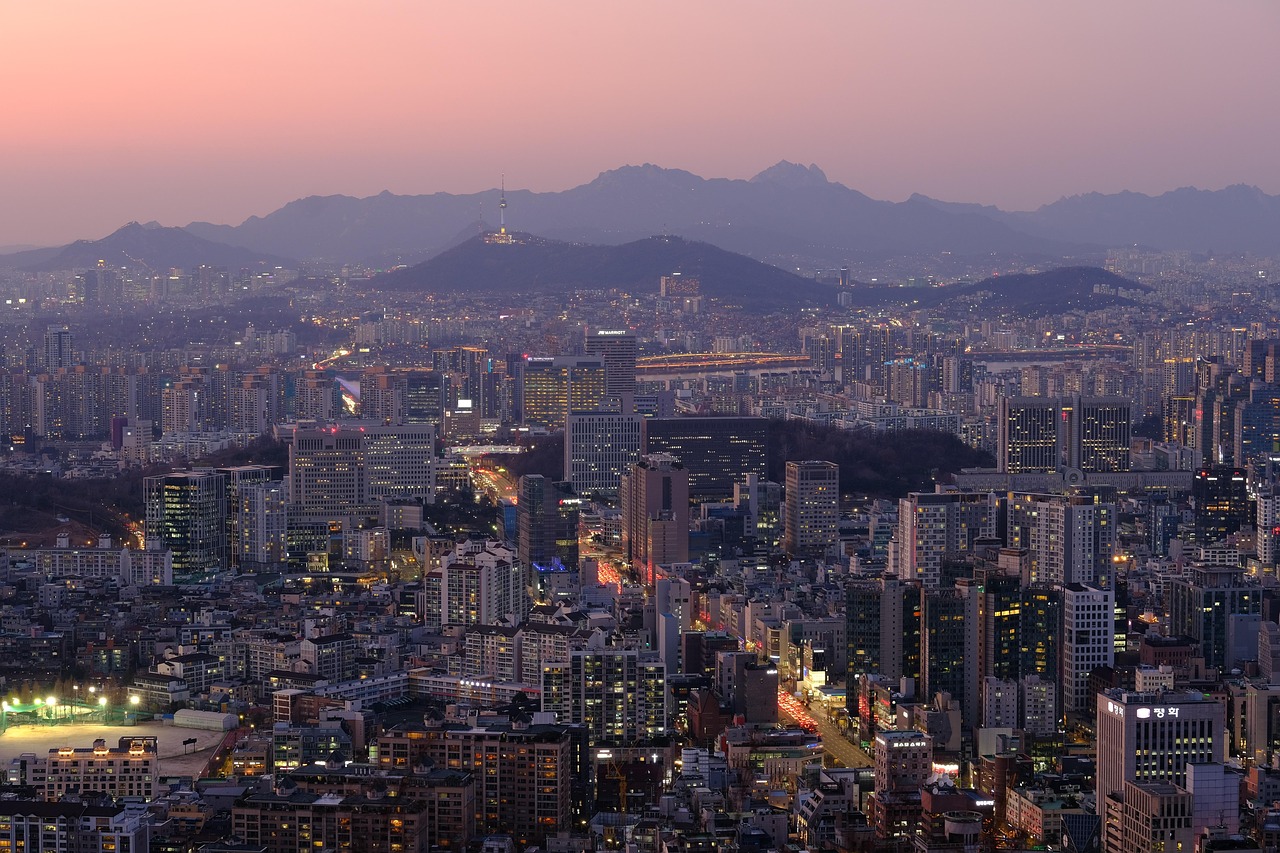
Seoul The Capital City Where Palaces Meet Gangnam in one inspiring day
For a Seoul, South Korea, luxury itinerary that feels seamless, picture your first day as a graceful curve from heritage to high style. Seoul is the capital city of South Korea, where ancient royal geometry sits beside glass-and-steel confidence—and that contrast can genuinely stun. Start early for softer light and calmer courtyards, then let the day become more contemporary as the city brightens and the cafés fill.
Across the city: from royal mornings to modern neighbourhood polish
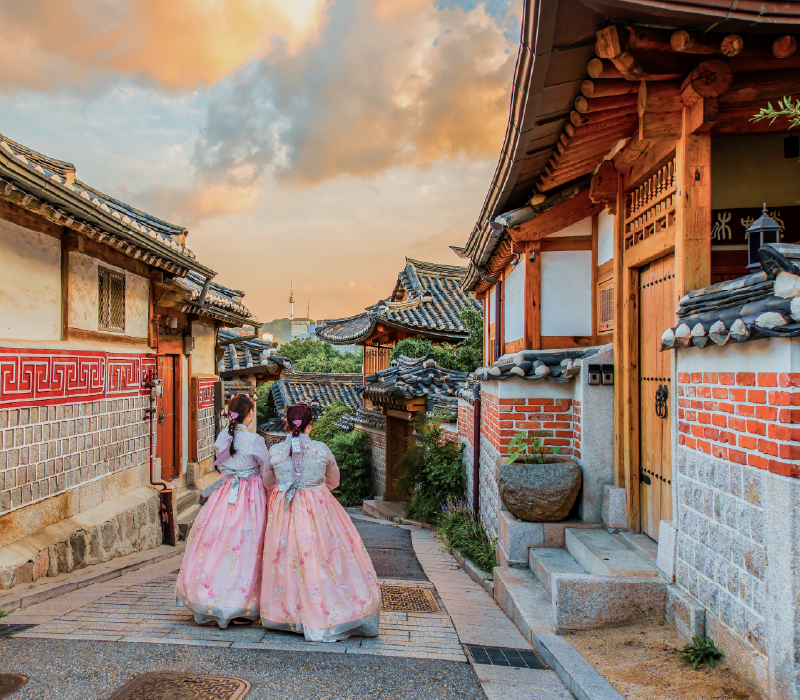
Begin at Gyeongbokgung Palace, arriving soon after opening to enjoy the sense of space before groups thicken. A private guide can uncover symbolism in the gates and throne hall without overwhelming you with dates, leaving you free to simply look and feel. From there, slip into Bukchon Hanok Village for traditional Korean textures—timber lines, quiet lanes, and small workshops—then pause for tea where the rooftops feel like a gentle exhale.
In the afternoon, transition into Seoul’s sleek retail streets for a different kind of elegance: flagship boutiques, gallery-like showrooms, and polished cocktail bars that make the modern city feel designed rather than hectic. If shopping is on your wish list, a concierge can schedule appointments, so you’re not waiting and align them with a skincare consultation for that signature South Korean glow. If you prefer food to fashion, end the day in Myeong-dong for a curated street-food tasting that stays clean, comfortable, and surprisingly refined when guided well.
Changdeokgung Palace and UNESCO values: quieter courtyards in the capital
When you want a deeper layer of heritage, add Changdeokgung to your plan and allow time to slow down. Changdeokgung Palace is prized for its balance with nature and for the way its design respects the landscape—an approach that speaks volumes about Korean aesthetics. With private guiding, you can step into quieter corners at the right time, notice details most visitors pass by, and enjoy the calm that lies behind Seoul’s speed.
Luxury moments on the river and a tower night to remember
For a signature indulgence, a private Han River yacht cruise offers views across the skyline that feel cinematic rather than tourist. Aim for sunset, bring a light layer even in warm months, and let the city’s lights arrive gradually as you sip something chilled. It’s one of those experiences where everything feels quietly elevated, with the river doing the work and Seoul providing the theatre.
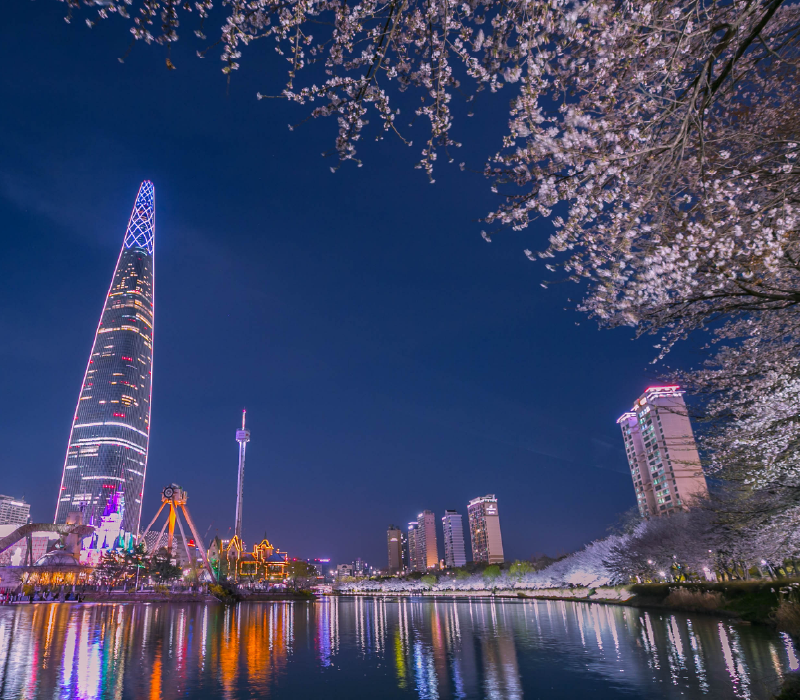
One luxury traveller told us about an evening that still feels personal years later: dining atop a landmark, the tower of Lotte World Tower, watching Seoul turn into constellations of light. The restaurant delivered gourmet Korean fusion cuisine with measured confidence—beautiful plating, thoughtful pacing, and an atmosphere that never tried too hard. They described a rare feeling of trust: that the capital would keep unfolding, and that they were in exactly the right place to receive it.
If you’re curious about modern history, you can design a DMZ visit with expert framing that respects the border’s sensitivity. A good guide will give context on the Korean War and today’s realities without turning the experience into a spectacle. Back in the city, a visit to the national museum offers a calmer glimpse of artistic lineage, and it pairs beautifully with an early night before another full day. For visual inspiration as you plan, you can browse our Trip gallery and shape your own Seoul itinerary in the capital.
Busan, South Korea Luxury Beach Escape: Haeundae, Jagalchi Market and Coastal Glamour
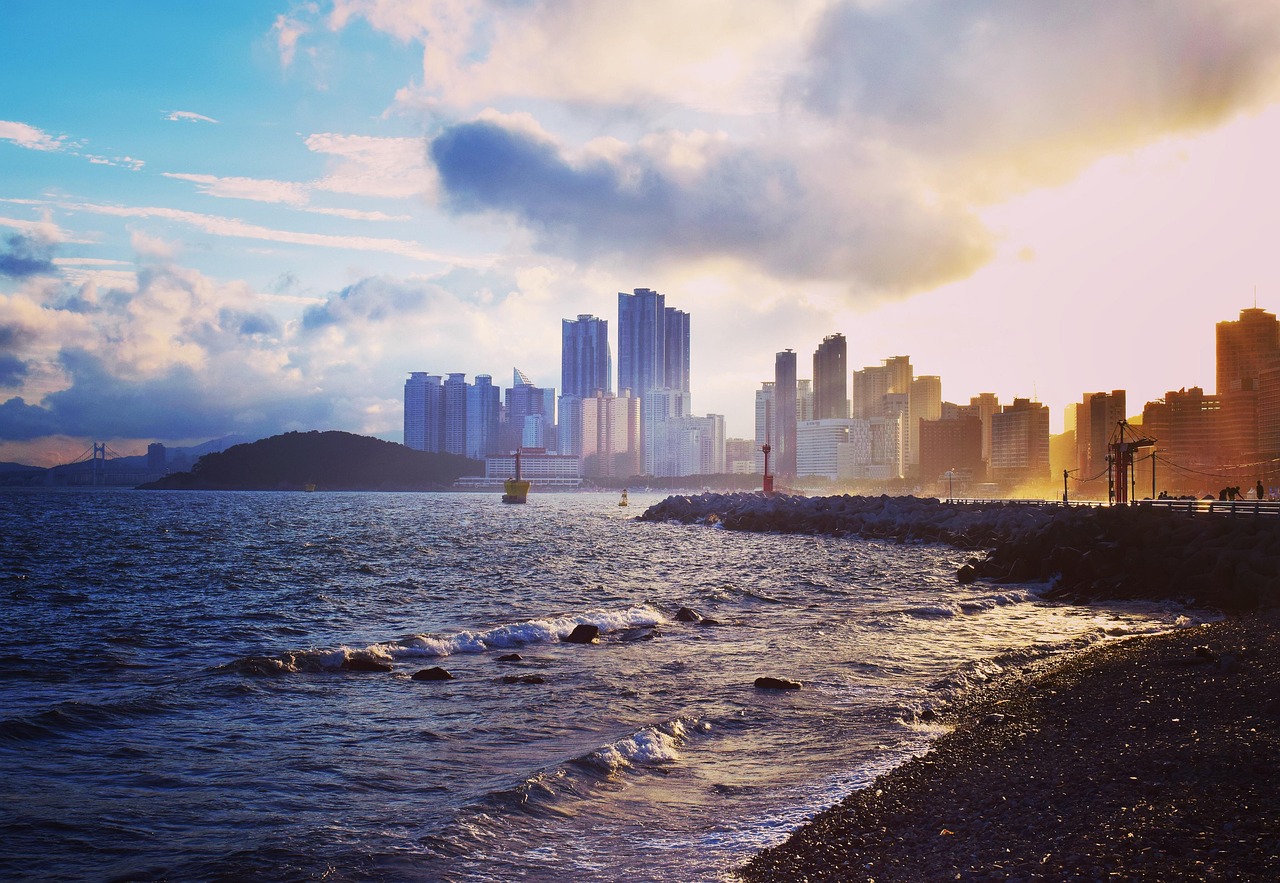
Busan Coastal Glamour in Haeundae and the Port with luxury touches
For a Busan, South Korea, luxury beach resort escape, think of Busan as the city that breathes a little wider. The coastal setting softens the pace, yet the port energy keeps it vibrant, especially when you’re dipping between sea views and dinner reservations. It’s also a place with powerful layers: during the Korean War, Busan became a refugee stronghold, and that history still lends weight to its resilience and warmth.
Haeundae Beach stays designed for deep chill
Where you stay matters in Busan, and Haeundae is the polished choice when you want everything close: the Haeundae beach shoreline, excellent dining, and spa-level service. The best city breaks here come from smart timing—the top properties can book you for early treatments, quiet pool hours, and private lounge time, so the day feels genuinely chill. If your ideal luxury is privacy and quiet, ask your hotel to schedule cabanas away from peak hours and pre-arrange cars so you’re never negotiating logistics mid-rest.
A visitor once shared how a tailored spa day in this district changed the texture of their trip. Their therapist blended high-end Korean skincare steps with gentle massage, then guided them towards a silent lounge and a slow swim, as if the city had been turned down a notch. That sense of care—precise, calm, never showy—is what makes Busan such a comforting complement to Seoul.
Jagalchi Fish Market with expert support and seafood confidence
Jagalchi Fish Market can look intense at first glance, but with a guide, it becomes curated rather than chaotic. You’ll learn what’s seasonal, how to choose premium catches, and how to order with ease even if you don’t speak Korean. Many travellers pair the market visit with a nearby chef-led dinner, where seafood is treated with restraint and skill, and service is quietly impeccable.
If you’d like a simple way to design the day, keep it in three beats:
- Late morning: a market visit with a guide, focusing on quality and stories rather than speed.
- Afternoon: spa or gallery time to reset, then a short promenade to let the sea air do its work.
- Evening: a chef’s-table style dinner near the port, with pairings that respect the delicacy of the menu.
Culture, scenery and respectful temple moments by the sea
For colour and craft, Gamcheon Culture Village is a bright hillside village of murals, steps, and cute cafés that make for playful photography. Go earlier for softer light and fewer clusters, and be mindful that it’s a real neighbourhood—keep voices low and ask before photographing residents. For a more contemplative stop, Haedong Yonggungsa offers a temple experience with open sea views, where you can pause, breathe, and let the soundscape replace the city’s buzz.
To add an extra sea-facing angle, head to Songdo for airy viewpoints and a waterfront stroll that feels clean and open. Sunset is particularly flattering here, and it’s an easy way to end the day without over-programming. Busan boasts a confidence that doesn’t demand you do everything; it simply invites you to slow down and enjoy the coastline.
Jeju, South Korea Luxury Resorts: Seongsan Ilchulbong Sunrise Hike, National Park, Calm and Scenery
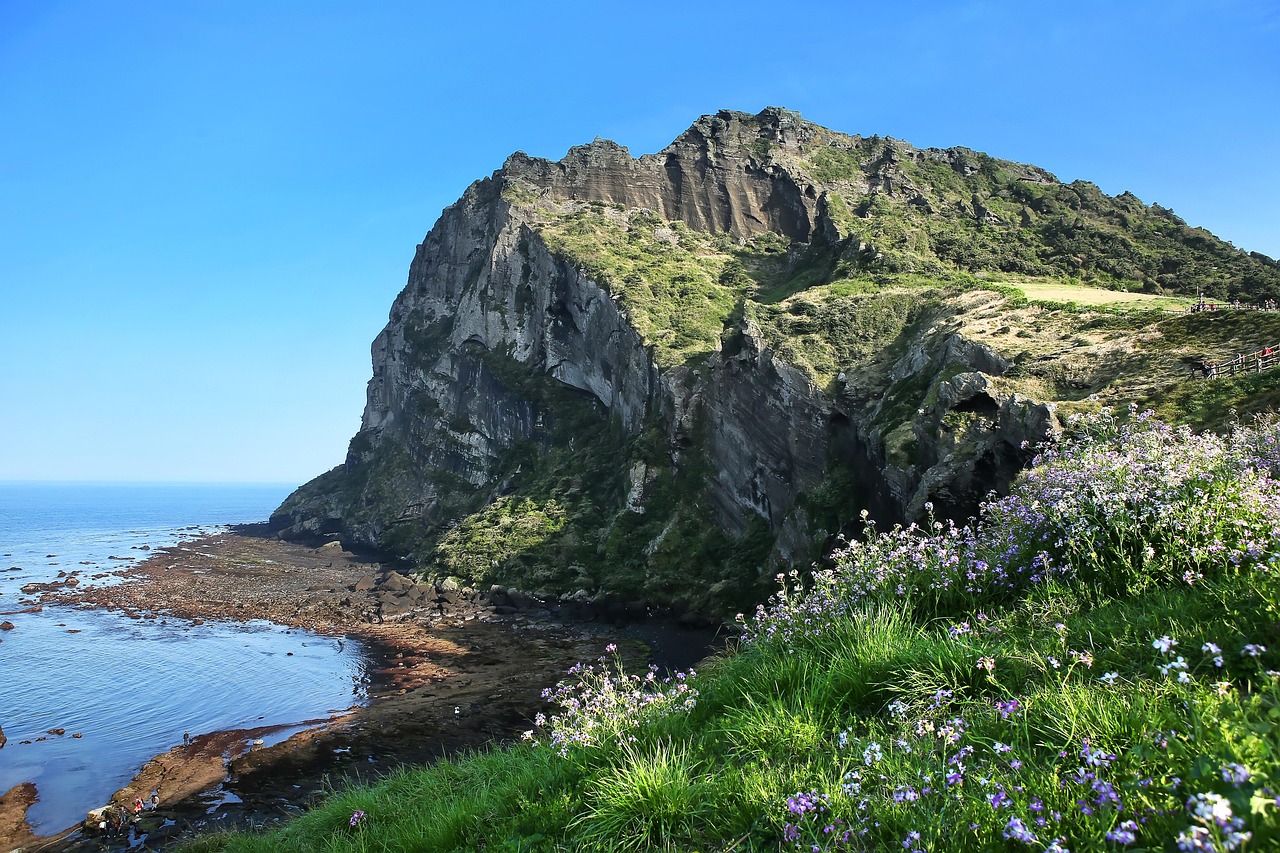
Jeju Island Sunrise Scenery and Volcanic Calm for luxury travellers
If your ideal reset includes Jeju, South Korea, luxury resorts, and planning the Seongsan Ilchulbong sunrise hike, Jeju is the stunning place that makes it effortless to breathe again. South Korea’s nature-forward island feels worlds away from Seoul, yet the service standards remain high, with resorts that nestle into volcanic landscapes and prioritise serenity. This destination isn’t about constant stimulation; it’s about quiet design, open horizons, and a sense of time restored.
Seongsan Ilchulbong at sunrise: a hike that feels exclusive with the right timing
The signature experience is the Seongsan Ilchulbong sunrise hike, and it’s worth doing well rather than quickly. Bring layers, wear grippy footwear, and leave your hotel early so you’re not rushing the final steps. To keep it feeling exclusive even on popular mornings, ask your concierge for a private driver and the best entry timing, then linger afterwards instead of turning straight back.
A couple once told us how their dawn climb became the most personal moment of their journey through South Korea. After reaching the top, they descended to a quiet spot where a private picnic had been arranged—local delicacies, warm tea, and the kind of thoughtful pacing that lets emotion catch up with you. They said it didn’t feel like a ‘product’; it felt like an intimate connection to the island’s calm generosity.
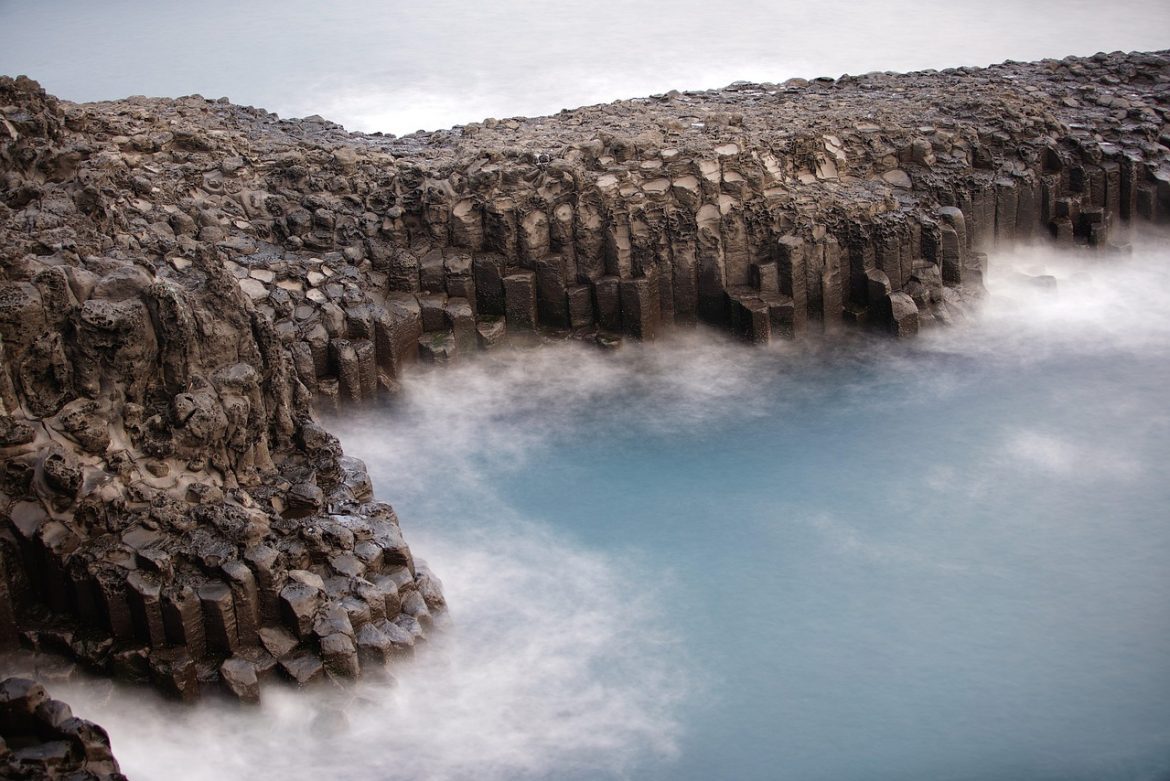
The island is perfect for “soft adventure”: enough movement to feel alive, with plenty of space to recover. You might choose a gentle national park walk, a few sea cliffs for salt air and basalt drama, and then an unhurried afternoon in the spa. The luxury here is the balance—energy and ease, together—and the changing scenery keeps every drive feeling fresh.
When you’re designing these days, keep one margin free. That empty space is where you’ll discover the unplanned: a small café with perfect light, a shoreline path you want to follow, or a moment of silence you didn’t realise you needed.
Luxury logistics with private drivers and seamless transfers
On Jeju, logistics are straightforward when arranged with expert support. Private driver options are widely available and worth pre-booking during peak seasons, especially if you’re moving between resorts, viewpoints, and dining reservations. Many travellers connect via Seoul or Busan, and the best concierges handle the transfer chain—car to airport, flight timing, and arrival—so the day feels seamless rather than fragmented.
Gyeongju, Incheon and Luxury Detours: South Korea Cities Beyond the Headlines (Day Trip Ideas)
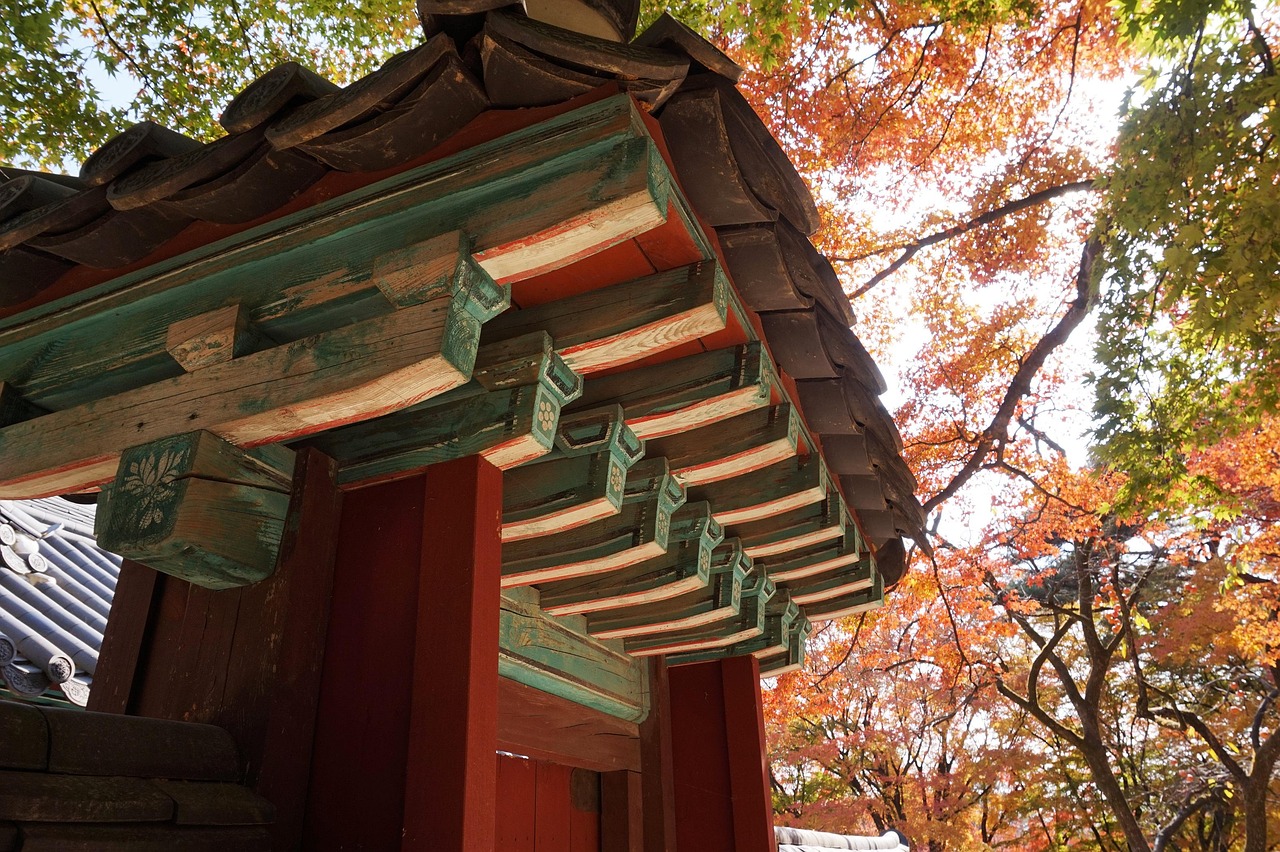
Gyeongju, Suwon, Gwangju and Incheon: elegant detours for refined touring
When you’re ready to widen your lens, day trips to Gyeongju, Suwon, Gwangju, and Incheon in South Korea’s cities add a deeper story to your route. These places aren’t about ticking boxes; they’re about uncovering nuance—how history, creativity, and daily life shape the country beyond its headline cities. This is where South Korean cities can surprise you with a treasure trove of detail, especially when you travel with an expert guide who keeps the pace light.
Gyeongju as a historical site: UNESCO World Heritage layers and the ancient Silla kingdom
Gyeongju is often described as a living historical site, and it earns that reputation with grace. Here, the ancient Silla kingdom still feels present in the landscape and museum collections, and refined touring suits the atmosphere. Visit Bulguksa Temple for its calm geometry, then continue to Seokguram Grotto to see the Buddha that has watched over the region for centuries.
For added depth, a private guide can take you through a tomb complex, sharing stories that feel human rather than academic, and explain how these sites meet the standards for UNESCO World Heritage Site recognition. End your day with a quiet stroll through Tumuli Park, when the light lowers, and the city feels almost ceremonial.
Suwon, south of Seoul: Hwaseong Fortress walls at golden hour
Suwon, south of Seoul, makes a polished one-day escape when you want structure without strain. The highlight is Hwaseong Fortress, where a sunset walk along the walls offers perspective—history under your feet, modern life beyond. Time it so you return to your hotel before late evening, and you’ll keep the day restorative rather than draining.
Gwangju creativity, Incheon as a hub, and a quieter route beyond Seoul
Gwangju appeals to travellers who enjoy modern creativity and a more local rhythm. Plan for galleries, design-led cafés, and—if your dates align—a festival that brings the city’s cultural pride into the streets. It’s an insightful contrast to Seoul’s bustle, and it suits return visitors who want to explore beyond the obvious.
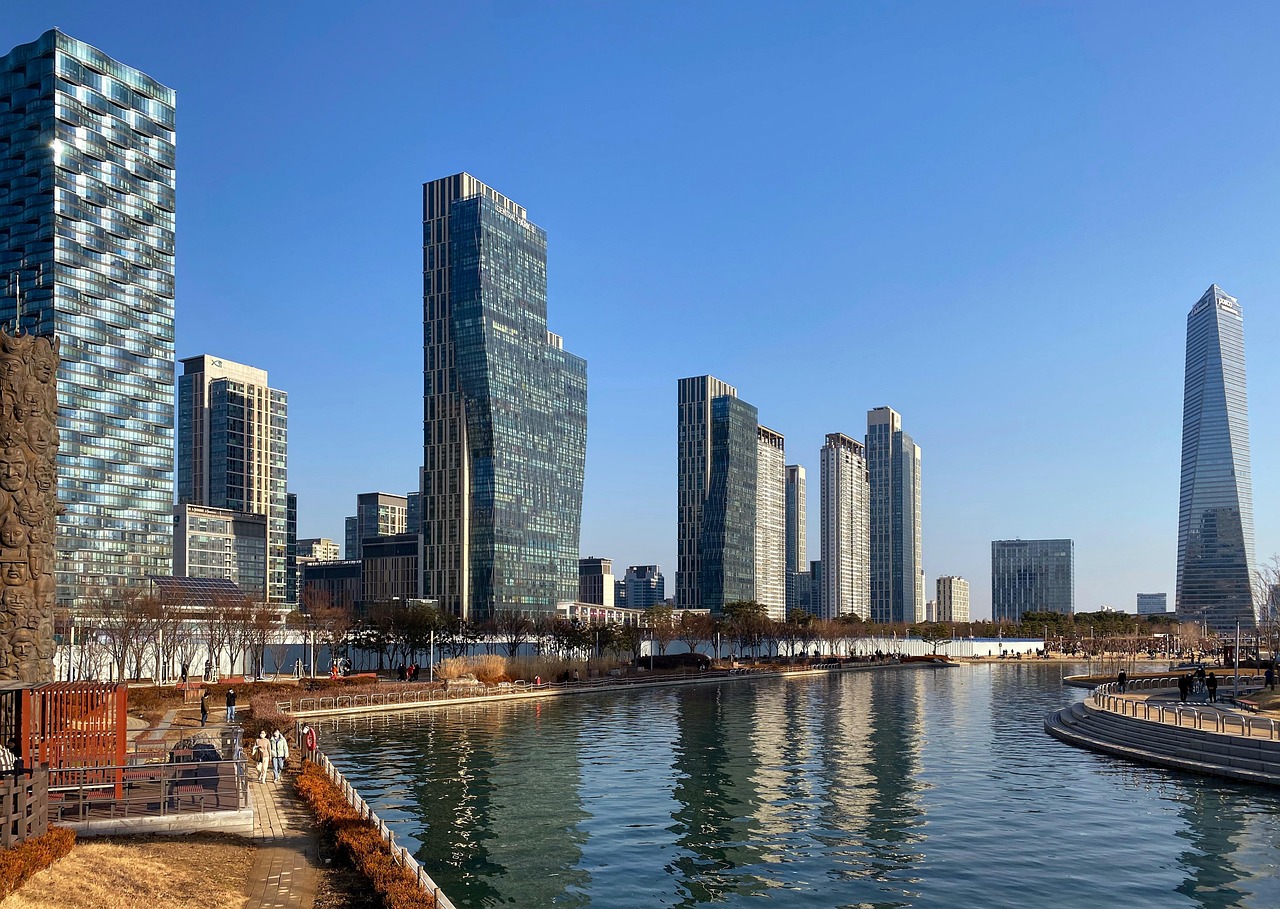
Incheon is an airport city and a practical hub that can also be a quietly chic start or finish. If you have time, explore the waterfront for a slower perspective, then enjoy an early night before a long flight. With the right planning, these detours can stun in a quieter way—proof that South Korea’s story lives far beyond the main avenues.
F.A.Qs: Best city questions for South Korea
What is the nicest city in South Korea for luxury travellers?
For many luxury travellers, Seoul feels like the nicest all-round choice because it blends royal heritage, top dining, design hotels and smooth transport. If you want sea views and a softer pace, Busan can feel more relaxing, especially around Haeundae. For pure scenery and calm, Jeju is hard to beat. The “nicest” depends on whether you’re prioritising culture, coast, or nature-led restoration.
What is the “3-day rule” in Korea for planning a city break?
The “3-day rule” is often used informally to mean giving each base at least 3 days to settle in: 1 day for icons, 1 for neighbourhood wandering, and 1 for a slower, more personal experience. It’s not an official regulation, but it’s a helpful way to design a trip that feels unhurried. In practice, it reduces travel fatigue and makes premium experiences feel more seamless.
What are the top 5 cities in South Korea to visit first?
A common top five for travellers includes Seoul, Busan, Incheon, Gyeongju and Daegu, with Jeju often added as an island favourite rather than a city stop. Seoul offers culture and contemporary style, Busan brings sea-air energy, and Gyeongju adds deep history. Incheon works well for arrivals with easy excursions, while Daegu can be a comfortable addition on a rail route.
How much is $100 US in Korea in KRW?
$100 US is roughly 130,000–140,000 KRW in many typical exchange-rate periods, but the exact amount changes daily. For a luxury trip, it can cover a quality casual meal for two, a small shopping purchase, or part of a spa treatment, depending on location. Check the live rate with your bank or a trusted currency app, and consider a card with low foreign transaction fees.
After South Korea: What Stays With You From the Best City Breaks
After South Korea, what lingers is often the texture rather than the headline: light on the river, the hush of a courtyard, the particular clarity of sea air, and the volcanic stillness that makes you walk a little more slowly. You may remember how quickly the country can change mood—from neon avenues to a quiet temple step—yet how the transitions feel oddly natural once you surrender to them.
There’s also a human thread that stays close: trust built with guides who knew when to speak and when to let silence do the work, and local gestures of care that made you feel sure to explore without guardedness. In the best moments, luxury wasn’t about display; it was about being gently looked after, so your attention could return to what you came for—beauty, meaning, and the freedom to feel present.
And then, at home, it arrives again in unexpected ways: a taste you can’t quite replicate, a colour palette you start noticing in your own surroundings, a new confidence in choosing journeys designed around you. South Korea doesn’t ask to be finished in one visit; it simply waits, ready to be uncovered a little differently next time—perhaps with a new best city as your base.