Post Contents
- Times to Visit South Korea at a Glance – Best Time to Visit Seoul for Clear Skies
- Best Times to Visit Seoul in Spring – Cherry Blossom Season at Palace Gardens
- Autumn in Seoul, South Korea – Festival Season, Beautiful Fall & Foliage
- Summer in South Korea – Seoul Monsoon Season, Rainy Season Tips & Humidity
- Winter Months in Seoul, South Korea – Ski Trips, Winter Sports & Lunar New Year
- F.A.Qs: Best Time to Visit Korea Seoul – Months, Prices & Peak Season
- Best Time to Visit Seoul: Reflection on Your South Korea Journey
Times to Visit South Korea at a Glance – Best Time to Visit Seoul for Clear Skies
Times to visit Seoul and South Korea at a glance, with clear skies over the city for an effortless first impression
When guests ask about the best time to visit korea seoul and the most rewarding times to visit South Korea, our answer is reassuringly consistent: spring and autumn tend to deliver the best weather, soft light, and those much-loved clear skies. Summer can be more intense, while colder weeks bring a crisp, quieter mood that suits travellers who value calm luxury and culture. The art is matching your pace—outdoor activities, dining, shopping, and rest—to the season to visit that feels most like you, and choosing the right time to go to the south without overplanning.
For most high-end travellers, the best times to visit are the shoulder seasons: you can explore Seoul’s neighbourhoods with ease and build days that flow naturally from heritage to modern design. If you plan to visit South Korea beyond the capital, timing helps you create a seamless route through Seoul, Busan and Jeju Island—and lets each attraction shine without weather-related stress.
Month in South Korea: Seoul Weather Snapshot, Temperatures in Seoul & Humidity
Below is a refined, realistic view of the month in Seoul—enough detail to time the weather without turning your trip into a spreadsheet. Temperatures in Seoul vary more than many visitors expect, and humidity can change the feel of a day as much as the forecast.
| Dec–Feb | Cold, bright days and chilly nights; occasional snow. Ideal for galleries, tea culture, and quiet city walks with warm breaks. |
| Mar | Early spring arrives; still crisp in the evenings. A graceful time to explore before peak blossom crowds. |
| Apr | Mild, romantic, and often the heart of cherry blossom season. Outdoor visits to royal grounds feel effortless. |
| May–Jun | Comfortable warmth, longer days, and a confident rhythm for day trips, river strolls, and rooftop dining. |
| Jul–Aug | High humidity and higher rainfall: Seoul’s rainy season and monsoon season patterns. Plan more indoor design, shopping, and wellness. |
| Sep–Nov | Autumn brings crisp air and a beautiful fall glow. Autumn colours and fall foliage are the stars, alongside a confident festival calendar. |
As a gentle rule of thumb for travel to South Korea, plan outdoor-heavy days in spring and fall, and keep summer and winter more curated: museums, markets, spas, and reservations-led dining that feels crafted rather than reactive.
Popular Times for Seoul, Cheapest Time to Visit & Luxury Accommodation Strategy
Seoul can feel like two cities depending on the calendar. The popular times to visit are school holidays, peak foliage weekends, and the brief full bloom weeks in spring—wonderful, but busier and pricier. Airfare and hotel prices tend to rise noticeably around those dates, especially for premium rooms in central Seoul and for boutique stays with strong design credentials.
- Peak dates: Cherry blossom peaks, Chuseok travel windows, and autumn weekends with fall leaves.
- Cheapest time to visit: Late winter to early spring (outside major holidays) can be a smart luxury value, with better upgrades and more dining availability.
- Comfort sweet spots: April–June and September–November usually balance weather, light and walkability—truly one of the best times for first-time visitors.
When you visit South Korea with a luxury lens, accommodation becomes part of the story. Gangnam offers polished convenience and high-end shopping; Itaewon adds international flavour and effortless dining; and a boutique hanok stay (when thoughtfully chosen) brings a deeply personal sense of place. Add private guides for expert insight at museums and royal sites, and your time to explore feels seamless—less queueing, more meaning, more care.
If your itinerary extends, the shoulder seasons are often ideal for coastal comfort in Busan, when breezes keep walks easy, and the city’s cafés and markets feel relaxed. Jeju Island also shines in spring and autumn for coastal drives and soft hiking days—ideal when visit south korea depends on how gently you want to move through the country. For visual inspiration as you plan, browse our Trip gallery.
Best Times to Visit Seoul in Spring – Cherry Blossom Season at Palace Gardens
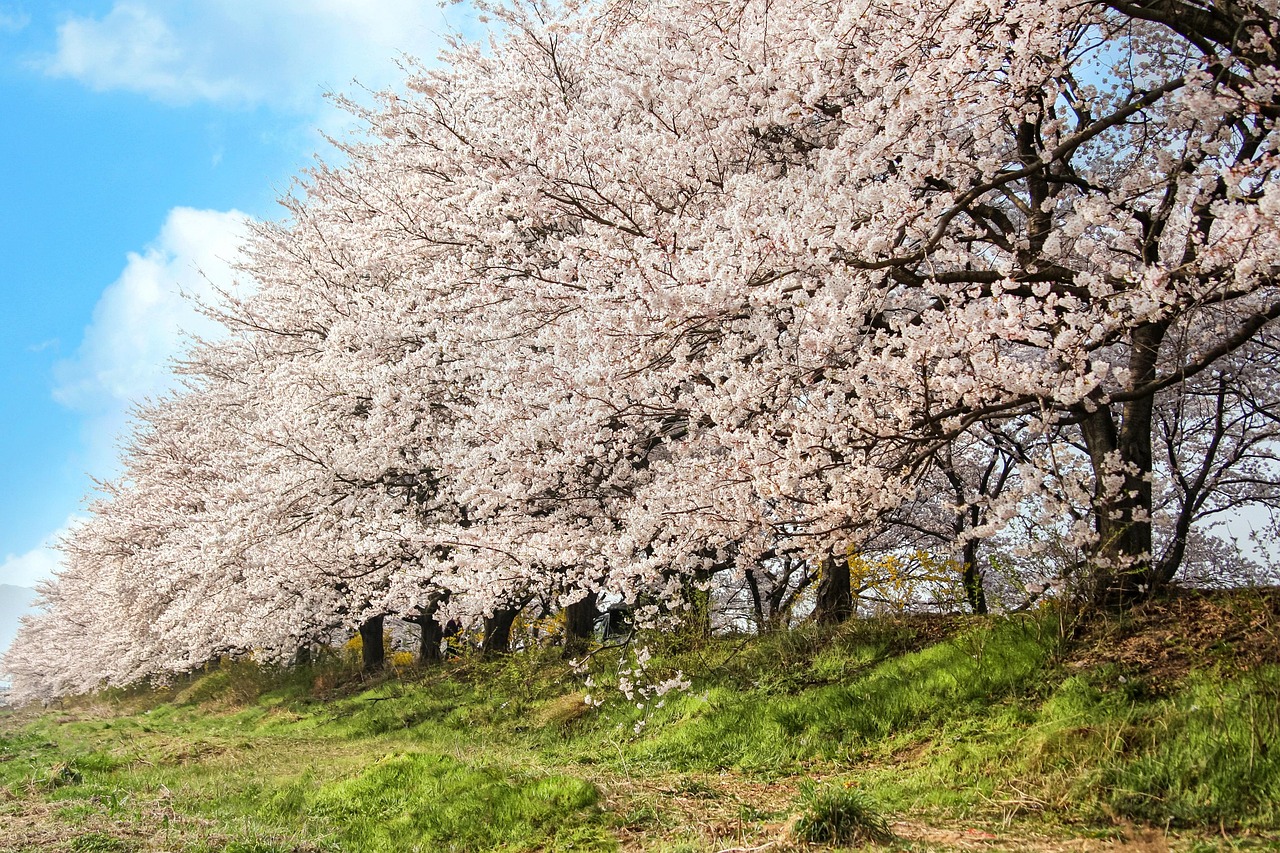
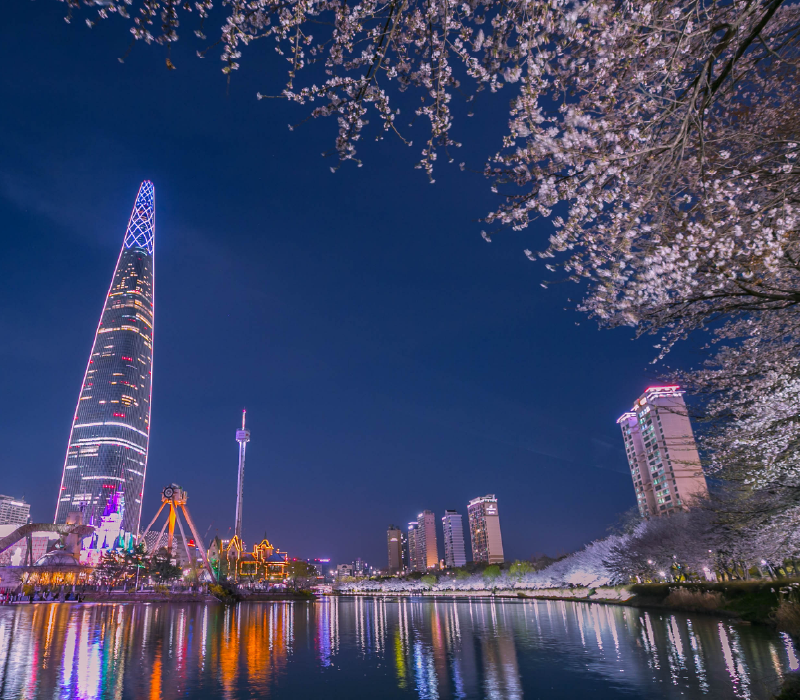
Best times to visit Seoul in spring, when cherry blossom romance softens gardens and stone walls
The best times to visit Seoul for spring romance typically fall between April and early May, though the city’s bloom window shifts each year. Think of it as a beautiful season rather than a fixed date: blossom forecasts change with late cold snaps and warm spells, so a little flexibility brings confidence. In South Korea, spring is also when the capital feels at its most tender—soft pinks against old walls, bright mornings, and evenings made for slow, together moments.
If you’re trying to choose a month to visit, April often delivers that classic picture-book feeling. May and June offer greener, calmer days with fewer peak-bloom crowds, while still keeping walking conditions comfortable for long afternoons and terrace dining.
Cherry Blossom Season: Best Time to See Full Bloom in Seoul, Yeouido & Jinhae
Cherry blossom season is short, and the best time to see full bloom may last only a week. In Seoul, Yeouido is a favourite for classic riverside scenes; you’ll also find gentle pockets of cherry blossom in neighbourhood streets that feel unexpectedly local. For travellers who want a peak atmosphere, a day trip to Jinhae can be extraordinary when it aligns with the Jinhae cherry blossom festival—a joyful cherry blossom festival energy that’s very different from the capital’s quieter elegance.
Our advice is simple: aim to see cherry blossoms early in your trip, then keep a second “bonus blossom” window later in the week. That way, if showers arrive or petals fall early, you still catch the cherry blossoms somewhere—without stress.
Royal Romance in Seoul’s Historic Palaces: Gyeongbokgung & Changdeokgung
Design a heritage-focused day for spring light and calm. Begin at Gyeongbokgung for a glimpse into Joseon history, arriving early so your first moments are unhurried. Then, later in the day, uncover a quieter mood at Changdeokgung Secret Garden, where the landscaping feels like poetry—especially in soft afternoon light.
One couple told us their most unforgettable memory in South Korea was walking between historic palaces under cherry blossom, almost as if the city had slowed down for them. They remembered the sound more than the sight: shoes on gravel, distant gates opening, and the gentle hush that falls when you both realise you’re sharing something rare. If you’d like to create a similarly personal day, consider a private guide who can shape the story with expert insight, and a discreet photographer session so you can stay present while the details are captured with care.
Finish with a calm Han River stroll—simple, but beautifully balanced. Spring showers are possible, so carry a compact umbrella and build in a café pause; this is how you keep plans flexible without losing the sense of crafted romance.
Autumn in Seoul, South Korea – Festival Season, Beautiful Fall & Foliage
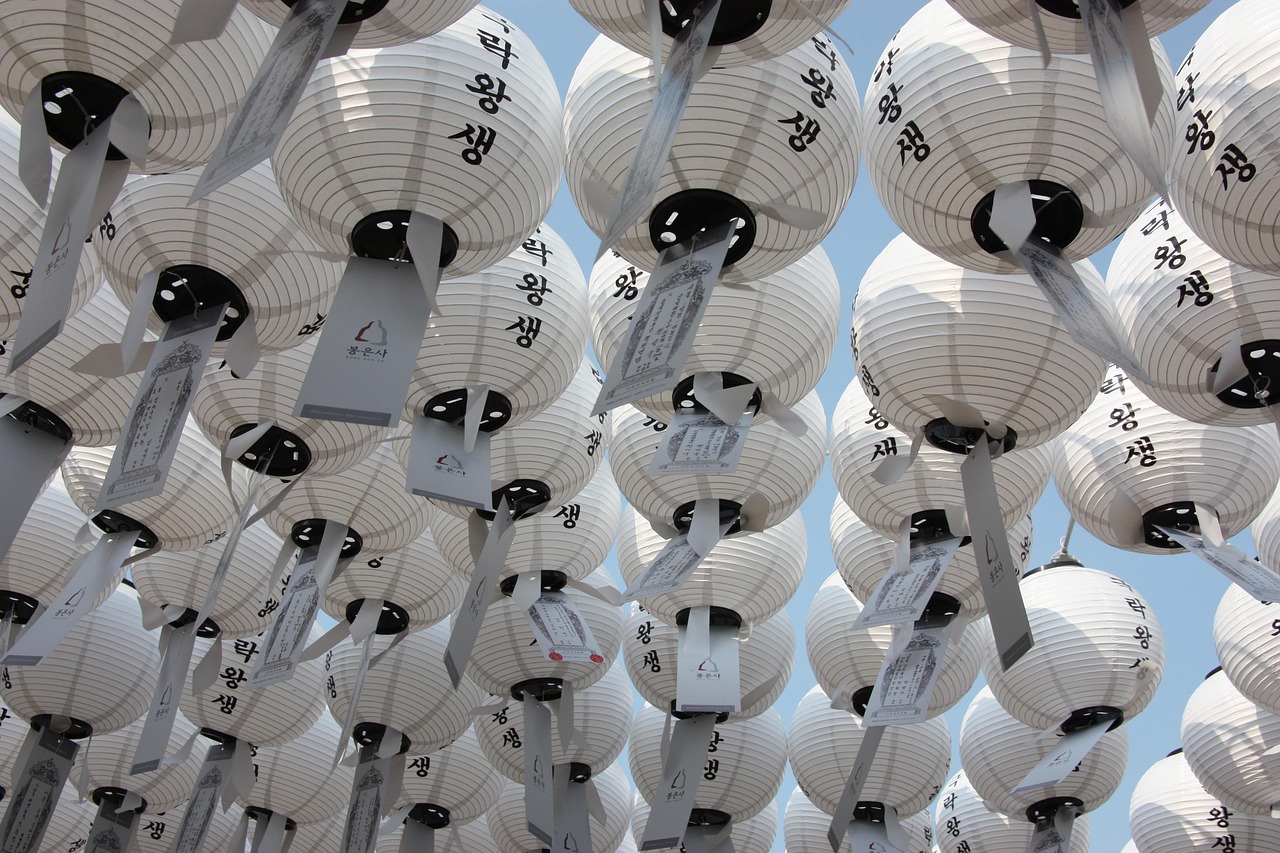
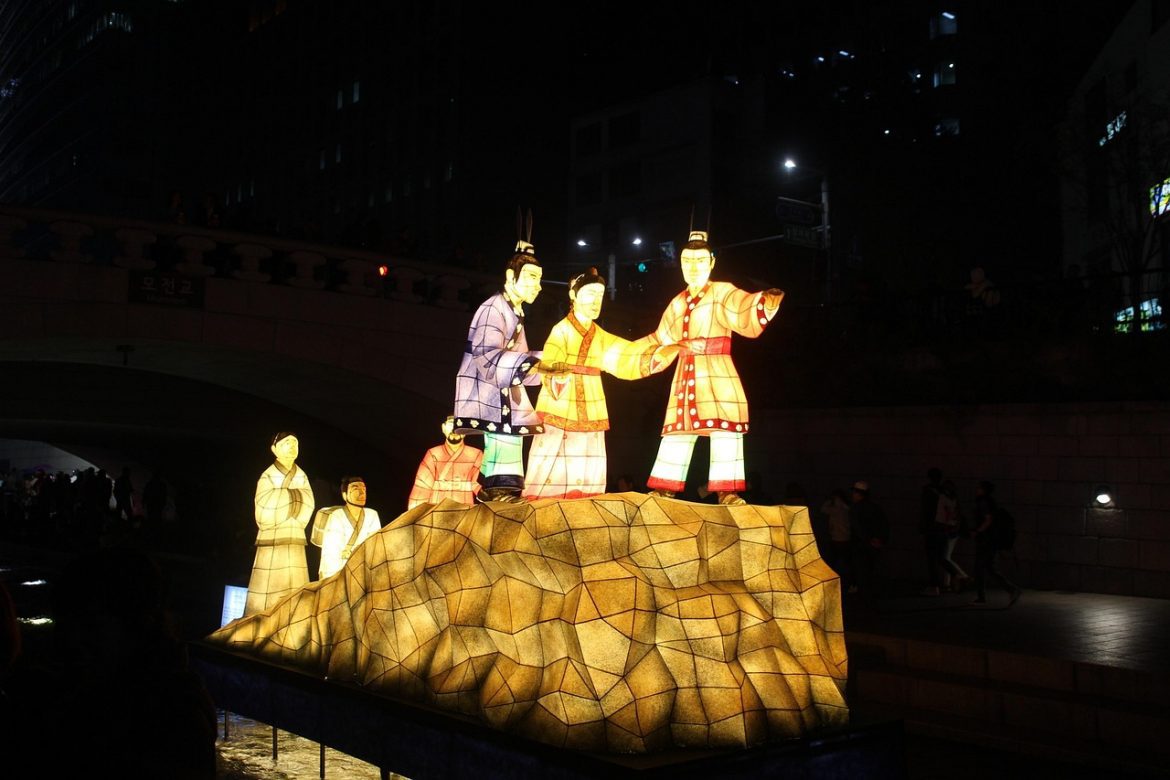
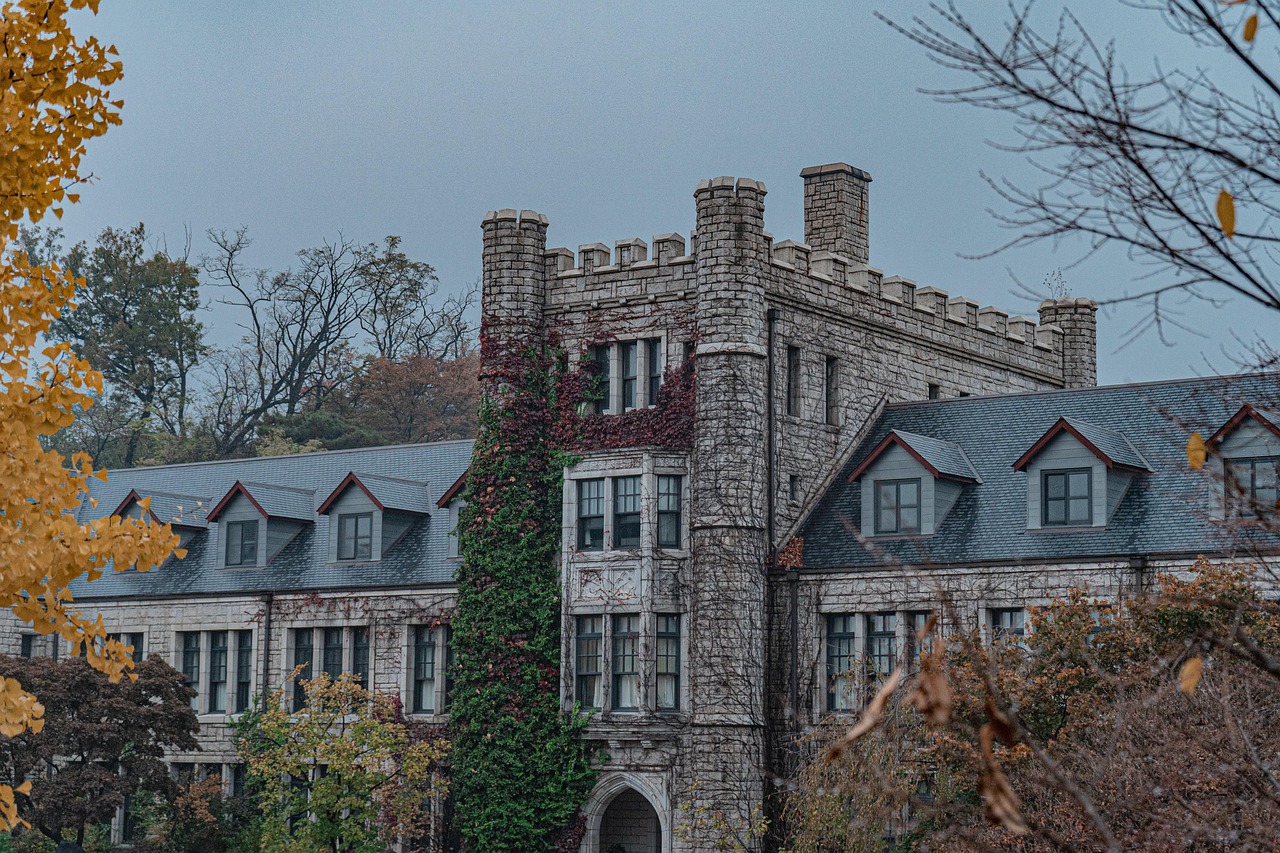
Autumn in Seoul for foliage, festivals and lantern-lit nights across the city
For many travellers, autumn in Seoul is the sweet spot: crisp air, flattering light, and an easy pace for long, stylish days out. This season in the south has a clarity that makes every view feel intentional, whether you’re looking across rooftops from a terrace or watching leaves drift in courtyard corners. It’s also one of the best places to pair nature with culture—without the intensity of summer humidity.
As you plan your time in South Korea, remember that autumn brings not just colour but a heightened sense of occasion. Festival programming expands, and it’s a prime window for festivals in South Korea, from design events to neighbourhood food celebrations.
Autumn Colours & Fall Foliage: Namsan Park and National Parks Day Trips
For autumn colours, head to Namsan Park for a classic city-meets-nature walk, and consider day trips into nearby national parks for deeper autumn foliage. This is when Seoul invites you to slow down: warm coffee in hand, a gentle incline under trees, and a skyline that appears and disappears through branches.
If you want a simple, luxurious pairing, try Yeouido Park and Namsan Park on different mornings—two distinct atmospheres, both easy to reach. Your concierge or private driver can help with timing so you arrive just before the crowds, with the confidence that your return will be seamless.
Festival Evenings in Seoul: Seoul Lantern Festival, Chuseok & a High-End Night Out
Autumn is shaped by major dates, including Chuseok, when domestic travel peaks and some businesses adjust hours. It’s a meaningful period in South Korea, and it can be either wonderfully atmospheric or logistically busy—so it’s worth planning with expert care. If your dates align, book key restaurants early and keep a small cushion in your schedule for traffic and sold-out seatings, especially on festival weekends.
For pure visual magic, plan an evening around the Seoul Lantern Festival (dates vary). Many guests simply call it the lantern festival night: light reflecting on water, illuminated forms feeling like stories you can walk through. Start with N Seoul Tower at sunset for panoramic views, then continue to a lantern-lit riverside walk where the city’s festival energy softens, almost becoming meditative.
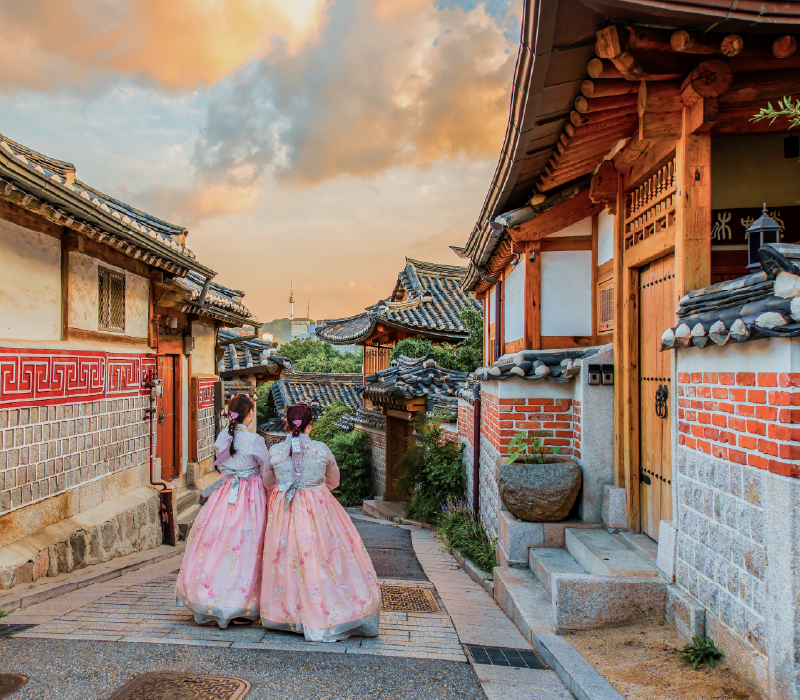
To keep the night elevated, pair Bukchon Hanok Village at golden hour with a reservation-led dining route: a refined tasting menu, a quiet cocktail bar, and a gentle end time. Festival nights can be crowded, so a private driver is more than a comfort—it’s a form of trust, especially when you’re returning late in heels, with shopping bags, or together as a family.
Summer in South Korea – Seoul Monsoon Season, Rainy Season Tips & Humidity
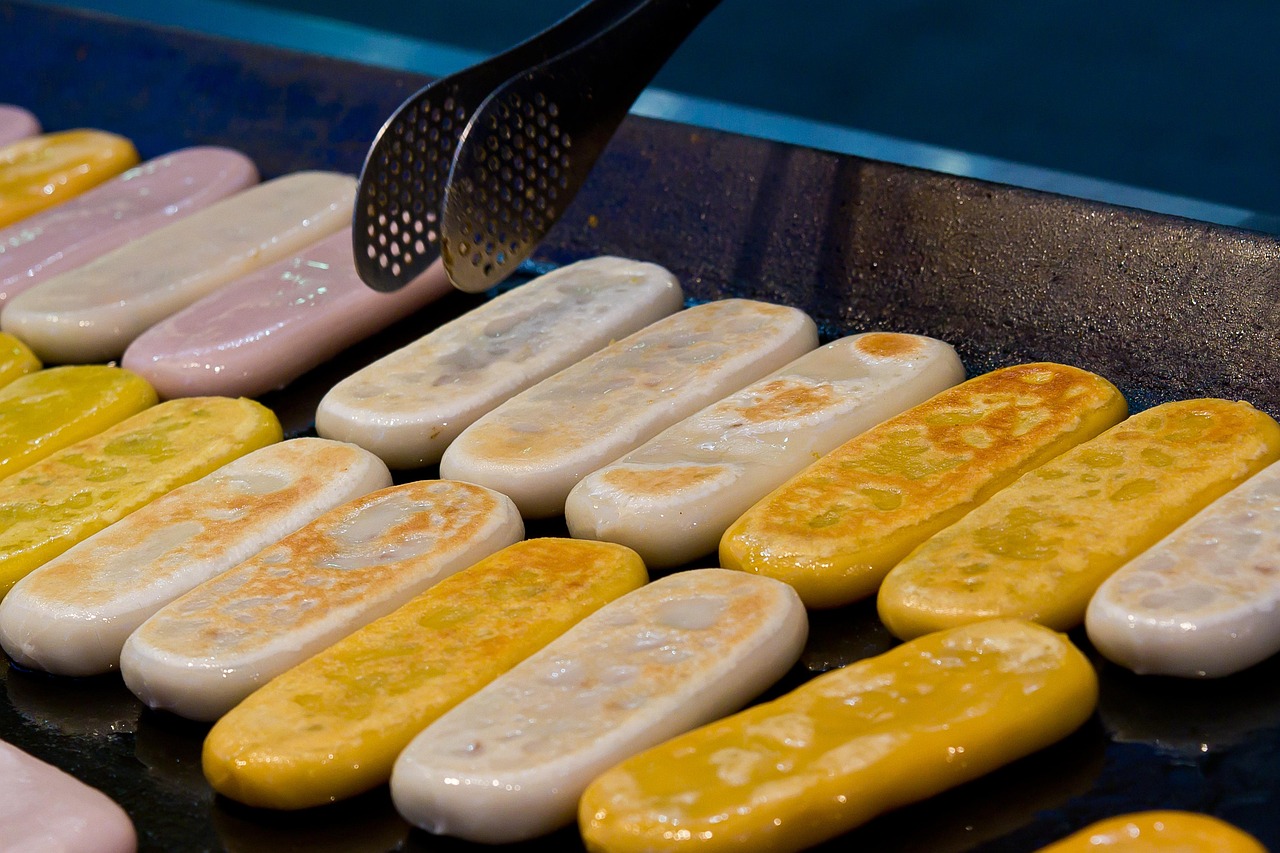
Summer in South Korea and Seoul during monsoon season, with street food moments that still feel special
Understanding summer in south korea—and specifically Seoul in monsoon season—is the difference between merely coping and genuinely enjoying the city. July and August bring sudden downpours and sticky afternoons, and August is often the hottest month. The days can feel hot and humid even after sunset, so style and comfort need to work together.
The good news is that Seoul is brilliant at indoor pleasure: design, shopping, dining, and wellness experiences that feel deliberately crafted. With the right pacing, summer becomes an intimate way to discover the capital—moving from one beautifully air-conditioned world to the next, then stepping out for short, atmospheric walks between showers.
Designing Indoor Days During the Rainy Season: DDP, Museums & Café Culture
When the weather is unpredictable, turn the forecast into a design brief. Begin with the Dongdaemun Design Plaza (DDP), a future-facing icon and often one of the best indoor stops for architecture lovers; check for fashion events or exhibitions that add a special-occasion feel. Add curated museum time (your private guide can tailor this to art, history, or contemporary design), then linger in café culture where the ritual of coffee becomes a small, restorative pause.
Build your day like a gallery: short transitions, meaningful highlights, and space to breathe. This is also when flexible booking policies matter most—choose hotels and providers who can support you if heavy showers intensify.
Myeongdong Luxury, Family-Friendly Food & Jjimjilbang Care
For a classic Seoul summer afternoon, wander Myeongdong for premium beauty, boutiques and exquisite Korean cuisine. One family told us their favourite “together” memory was a guided street food tour: sharing tteokbokki, then sitting down for Korean BBQ as rain tapped gently on the awning outside. It’s a lovely reminder that a festival of flavours can be just as memorable as any headline highlight.
Make wellness the centrepiece. A high-end Korean spa (jjimjilbang) can reset your whole trip—especially when humidity has been quietly draining. A good concierge will help with bookings and translation, and can advise on etiquette so you feel at ease: remove shoes in traditional areas, and use both hands when giving or receiving items. After a spa session, Seoul feels softer—like you’ve made room for the city rather than battling it.
Comfort tactics are simple but powerful: start early, retreat at midday, then explore again in the evening when the temperature eases. Use a T-money card for seamless subway access, and keep a light layer in your day bag—air-conditioning can be surprisingly strong.
Winter Months in Seoul, South Korea – Ski Trips, Winter Sports & Lunar New Year
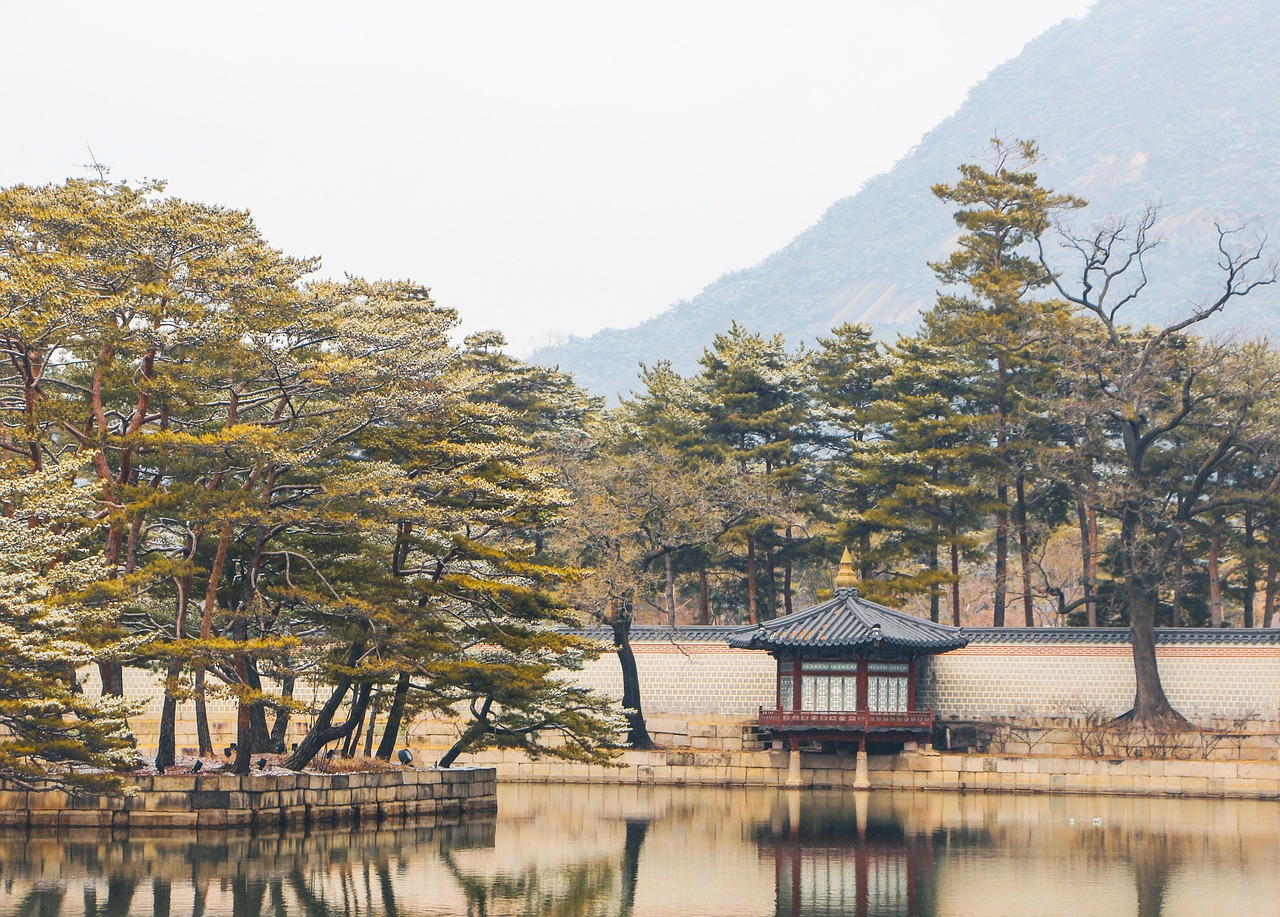
Winter in Seoul for calm luxury, culture and ski escapes with glowing city lights
If you’re considering winter travel in South Korea, expect Seoul to feel clean-edged and cinematic—crisp streets, bright skies, and the possibility of snow. It can be cold in winter, with the coldest month typically in mid-winter; pack layers, gloves, and a coat that still looks sharp for dinner. South Korea’s winter luxury is in warmth: heated floors, calm lobbies, and the pleasure of stepping into a teahouse when your cheeks are rosy from the air.
Winter is also a quietly strategic time to go to South Korea if you prefer fewer crowds at museums and a more intimate pace in Seoul. With the right care—short outdoor moments and cosy indoor anchors—it becomes a deeply elegant best time to visit South for travellers who value calm.
Lunar New Year (Seollal) in Seoul: Culture, Closures & Planning Ahead
Lunar New Year (Seollal) is meaningful across South Korea, and it can change opening hours as families travel. For high-end travellers, this isn’t a problem—it’s a chance to design a calmer, more observant itinerary: hotel lounges, curated exhibitions, and reservations in districts that remain lively. If you love quiet elegance, this period can feel surprisingly special, as the city’s usual intensity softens.
It’s wise to check museum schedules and confirm transport plans in advance; a local fixer or private guide can provide the expert insight that keeps everything seamless.
Ski Escapes from Seoul: Winter Sports Like Skiing and Snowboarding & Teahouse Stillness
For a striking contrast, add a day trip for winter sports. Several ski resorts sit within reach of Seoul, making it easy to combine galleries with sports like skiing and snowboarding—an energising burst of alpine air before returning to the city’s warm glow. Keep it curated: private transfers, pre-booked equipment, and a late start if you prefer leisurely breakfasts.
Back in Seoul, winter invites you to uncover quieter layers. A solo traveller once described finding small teahouses tucked into Bukchon Hanok Village, where the city’s noise felt far away and time moved more slowly. They spoke about the trust that comes from tiny rituals: tea poured carefully, a calm greeting, shoes left at the door. It’s a personal kind of luxury—one you carry with you.
If you extend beyond the capital, winter can also be a chance to balance climates. Busan may feel milder for coastal culture and seafood, while Jeju Island can be windswept yet restorative. The best time to visit Busan depends on whether you’re chasing beaches (summer) or a cultural city break (shoulder seasons and winter), so it’s worth aligning with your pace.
F.A.Qs: Best Time to Visit Korea Seoul – Months, Prices & Peak Season
Which month is best to visit South Korea?
April is often the best month for many travellers because spring feels fresh, cherry blossom can appear, and outdoor days in Seoul are comfortable. October is similarly lovely, with crisp air and autumn colour. If you prefer fewer crowds, aim for late May, early June, or mid-November for a calmer rhythm while still enjoying flattering light.
What is the cheapest time to go to South Korea?
The cheapest time to visit is often late winter to early spring (outside major holidays), when demand is lower, and you may find better-value flights and hotel rates. In Seoul, this period can also offer excellent availability at top restaurants and for suite upgrades. Always check for Lunar New Year dates, as prices and travel volumes can shift around that window.
How many days is enough for Seoul?
Four to five days is enough for a well-paced first-visit itinerary to Seoul, Korea: two days for heritage neighbourhoods, one for design and shopping, and one for food, markets, or a day trip. If you enjoy slow luxury—spas, cafés, and guided museum time—six to seven days feels wonderfully unhurried and gives you room to explore without packing every hour.
What is peak season in Seoul?
Peak season in Seoul typically falls in spring, during cherry blossom weeks, and in autumn, when foliage is at its best. These are the best times to visit because the weather is mild and the city looks stunning, but accommodation and dining reservations book quickly. Major holiday periods such as Chuseok can also create peak demand and heavier domestic travel.
Best Time to Visit Seoul: Reflection on Your South Korea Journey
The best time to go rarely announces itself through the weather alone. Often, what stays with you after Seoul is something quieter: the dignity of courtyards where footsteps echo and then dissolve; lantern light that turns a riverside walk into a small, glowing meditation; the warmth of local hospitality offered without performance. In South Korea, modern design and ancient calm don’t compete—they coexist, and that balance can feel unexpectedly reassuring.
You might remember how your confidence grew as the days unfolded: learning when to pause, how to accept help, how to move with care rather than rush. A cup of tea taken slowly. A small bow. The ease of being guided with gentle expertise while still feeling free. Whether you travelled together or alone, Seoul has a way of giving you space to imagine new beginnings, without insisting on a grand gesture.
And when you think back on the year in south korea you touched for a moment—korea’s shifting seasons, its light, its quiet kindness—you may find there’s no need to chase the “perfect” date. It’s one of the best reminders that travel can meet you where you are: every season offers another return, whenever you’re ready.