Post Contents
- Choosing the Best Time to Visit South Korea and Its Four Seasons
- Spring in South Korea and the Best Time to visit Seoul
- Summer in South Korea, monsoon season and the Best Time to Visit Busan
- Autumn in South Korea, Seoraksan National Park, and Nami Island
- Winter in South Korea: winter festivals, skiing, and snowboarding
- Designing a Seamless South Korea Luxury Itinerary with Private Tours and Incheon Transfers
- F.A.Qs: Seasons in South Korea and travel timing
- Leaving South Korea: What the Seasons Leave With You
Choosing the Best Time to Visit South Korea and Its Four Seasons
Choosing the Best Time to Visit South Korea and its four seasons
When you’re deciding the time to visit South Korea, it helps to think in terms of mood as much as meteorology: spring and autumn for mild weather, summer in Korea for lush colour, and winter is very cold yet quietly rewarding. Korea has four distinct seasons, and the change of seasons is pronounced enough to shape what you wear, what you taste, and how you move through each day with confidence.
The climate of South Korea is temperate, with a clear continental influence, resulting in pronounced seasonal shifts and significant temperature differences. In Seoul, you’ll feel sharper winters and crisp shoulder seasons, while the southern coast and Busan tend to be gentler, and mountainous Gangwon-do can be dramatically colder and snowier. The weather is usually at its most comfortable for unhurried exploring in spring and autumn, especially if you love walking and photography.
Planning snapshot for times to visit
To help you design the right rhythm, here’s a simple overview of average temperature ranges in degrees Celsius, along with what to expect regarding precipitation and rainfall. The rainy season is most likely in early-to-mid summer; plan for it with calm flexibility rather than anxiety.
- Spring (March to May): roughly 7–20°C; breezy evenings, clear days, low-to-moderate rainfall.
- Summer (June to August): roughly 22–32°C; hot and humid at times, with higher precipitation and heavier rainfall risk.
- Autumn (September to November): roughly 10–25°C; drier air, excellent visibility, comfortable walking days.
- Winter (December to February): roughly -10–5°C; crisp, dry, cold and bright skies, particularly inland.
Luxury expectations are worth setting early: April and October are peak, so private guides, suite-level stays, and restaurant reservations should be crafted well in advance. A seamless private transfer from Incheon International Airport to your hotel also changes the arrival experience—supportive, calm, and immediately personal.
A few small etiquette notes make everything smoother: respectful bowing is appreciated, removing shoes indoors is standard in many places, and you’ll notice how safe Korea feels year-round. With trusted planning, you can simply explore—and let the country meet you gently, exactly where you are.
Spring in South Korea and the Best Time to visit Seoul
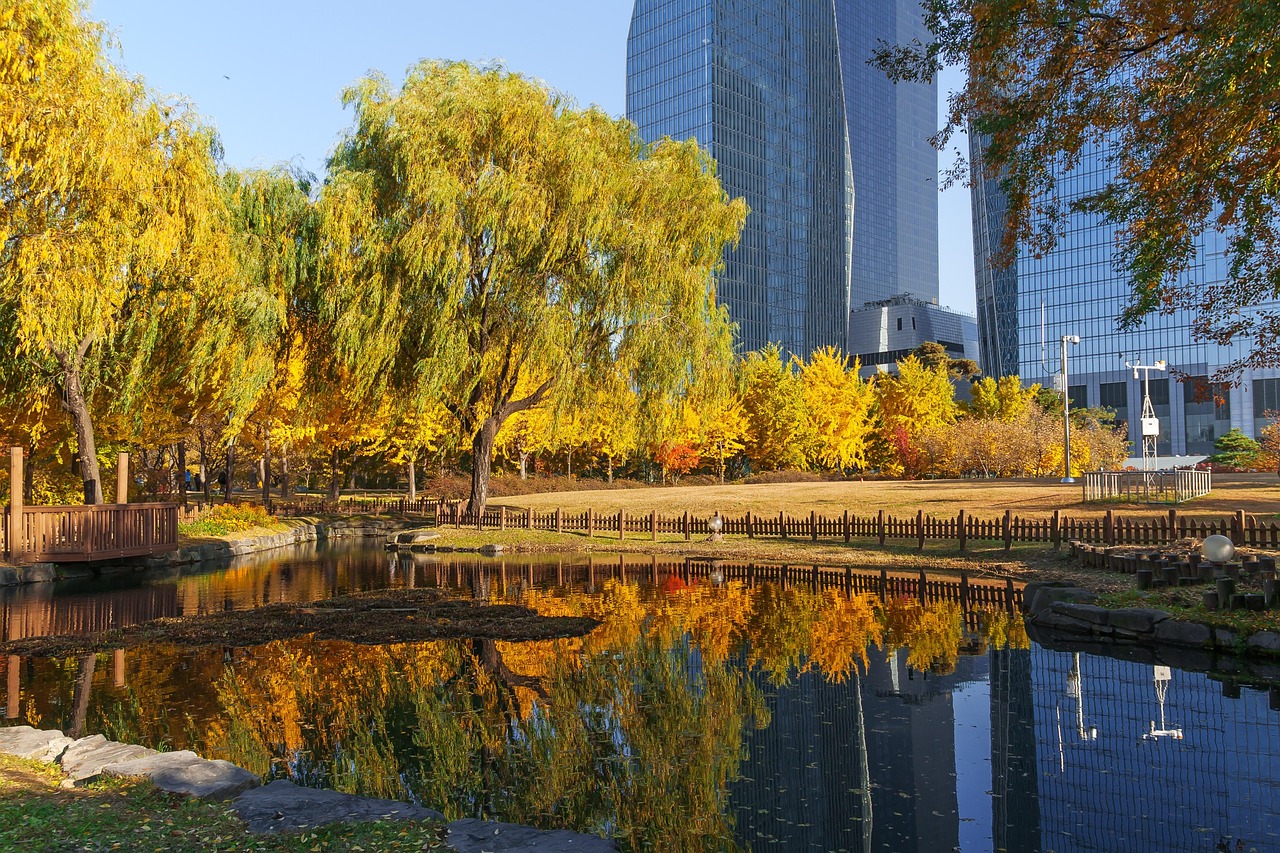
Spring in South Korea Cherry Blossom and Palace Calm in Seoul
Spring in South Korea runs from March to May, and for many travellers, April is the best time to visit Seoul for a true cherry blossom moment. Seoul is at its most flattering during the spring—clear light, softened edges, and a pace that invites you to linger. If you want that iconic display of cherry blossoms without feeling swept along by the crowd, your timing and routing matter.
Cherry blossom highlights from Yeouido Park to Jinhae
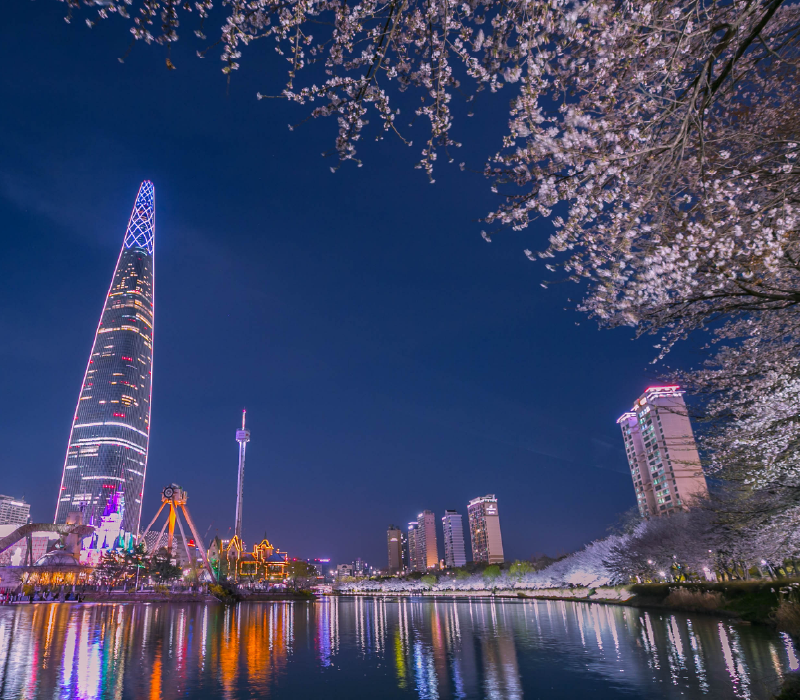
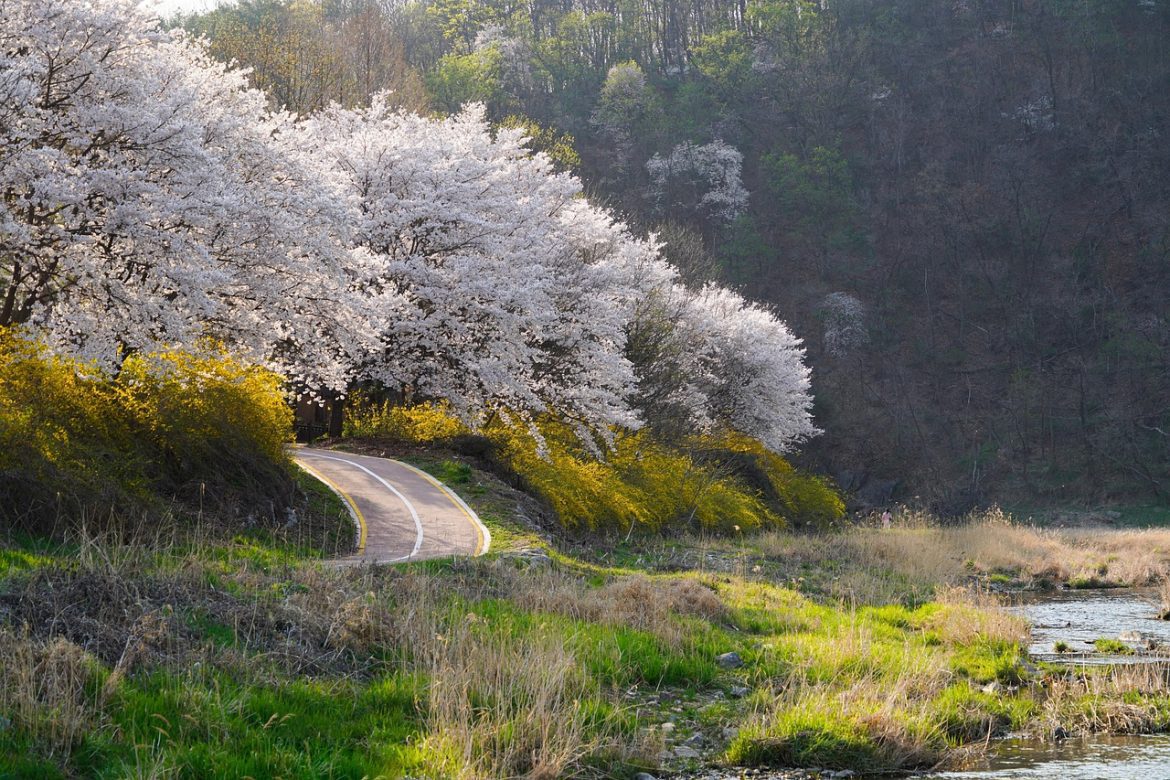
Begin with Yeouido Park and the Han River paths at golden hour, when petals catch the light, and the city feels unexpectedly quiet. For a deeper festival atmosphere, head south to the Jinhae Gunhangje Festival, where avenues of blossom create immersive tunnels of pink; with an expert guide, it can feel curated rather than chaotic. This is also the perfect season to uncover smaller neighbourhood streets where forsythia and azalea appear like brushstrokes between cafes and galleries.
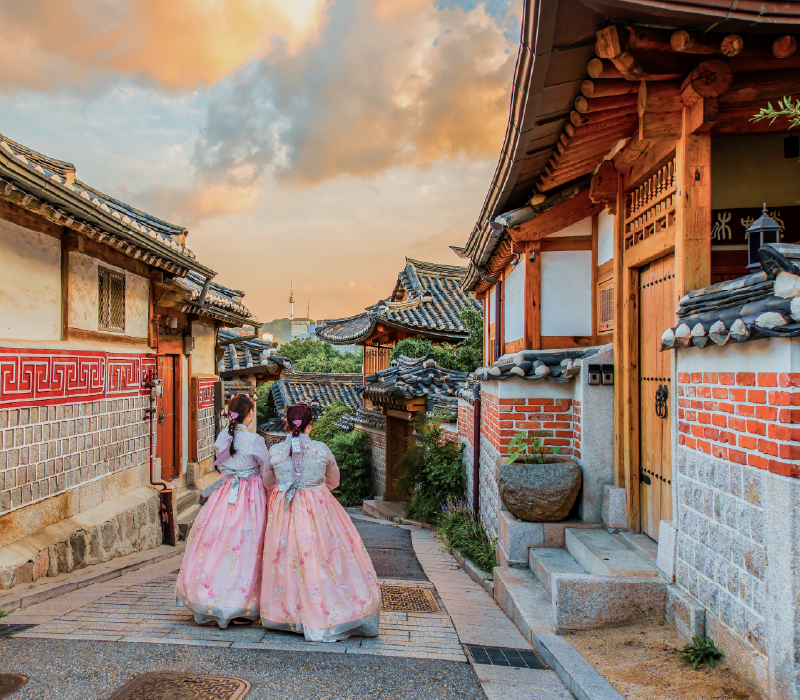
One high-end traveller told us their favourite day in Korea wasn’t a headline attraction, but a private guided tour through Seoul’s palaces—anchored by Gyeongbokgung—when the courtyards were framed by blossom. They slipped into beautifully fitted hanbok rentals, and the entire morning felt like stepping into a painting: dignified, playful, and deeply local. With the right support, even a busy city becomes gentle.
If you plan to visit Seoul in spring, design your days with intention:
- Start early for palace courtyards and quieter photographs before tour groups arrive.
- Built-in tea stops—one calm pause can transform a day of sightseeing into a personal ritual.
- Keep one flexible morning for blossom hunting beyond the obvious routes.
Comfort matters: bring layered clothing, as temperatures drop after sunset can surprise you, and carry small cash for festival snacks and artisan stalls. The spring season is gentle, but it rewards travellers who prepare with care.
Summer in South Korea, monsoon season and the Best Time to Visit Busan
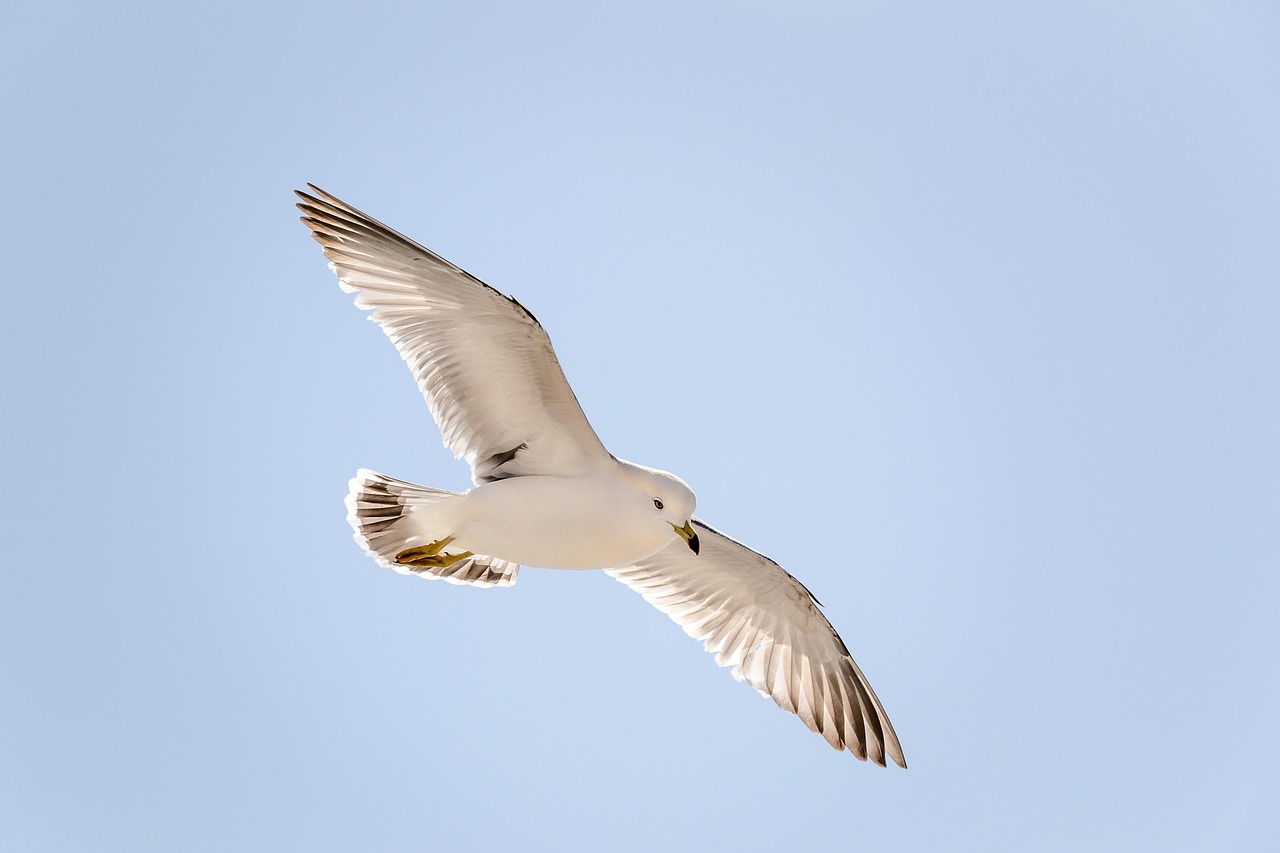
Summer in South Korea Monsoon Season with Coastal Escape in Busan
Summer in South Korea typically runs from June to August, with July and August often the hottest months of the year. It can be hot and humid, with monsoon rains and occasional heavy rainfall; the monsoon season often runs from late June to late July, sometimes nudging into the end of June patterns depending on the year. For luxury travellers, summer isn’t about avoiding weather—it’s about designing around weather patterns so the trip still feels seamless.
In Seoul, treat rainy days as invitations rather than disruptions. Plan indoor culture—museums, private tastings, and design-led shopping—then add spa time so your schedule feels supportive rather than reactive. A good concierge can also hold light, flexible reservations, so you keep your confidence even when forecasts shift.
Busan and the island of Jeju as coastal antidotes
Between showers, Busan delivers bright coastal energy: cafés with sea views, seafood markets, and a beach walk when the air turns salt-clean. The best time to visit Busan is late spring or early autumn, but summer still works with smart pacing and private transport that keeps you dry, comfortable, and unhurried. For a softer tempo, consider the island of Jeju—or Jeju Island if you prefer the full name—where breezier evenings can make dining outdoors feel effortless.
One calm logistics note: a typhoon can affect flights and ferries in peak summer. Keep buffers, take rainfall forecasts seriously, and use private drivers where possible, especially on day trips. It’s not about worry; it’s about trust in a plan that has room to breathe.
Summer in Korea is also a delicious season. Think cold noodles after a gallery afternoon, market fruit that tastes like sunlight, and a chef-led seafood evening along the southern coast—one of those nights where the rain clears, the lanterns glow, and Korea feels intimate and local.
Autumn in South Korea, Seoraksan National Park, and Nami Island
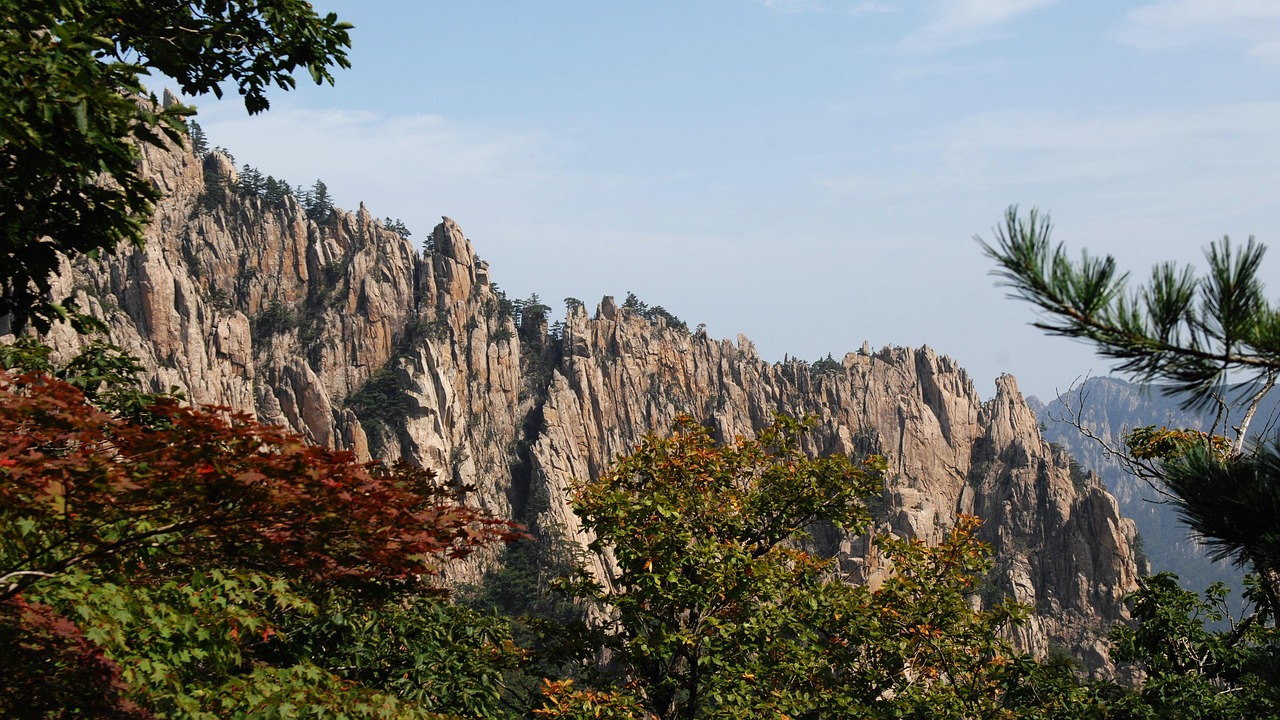
Autumn in South Korea Luxury Foliage in Seoraksan and Beyond
Autumn in South Korea is the season many high-end travellers quietly adore: bright days, crisp evenings, and beautiful autumn foliage that looks almost too vivid to be real. The prime window runs from September to November, and it often lasts through October, with October a popular time for dry weather and clear skies—often the best time to visit the south for photographers and nature lovers.
Start in Seoraksan National Park with a private guide who understands light, timing, and the most rewarding viewpoints without exhausting you. Seoraksan’s mountainous scenery feels grand, yet the day can still be gentle when your transfers are arranged and your walking route is thoughtfully crafted. Then slow everything down on Nami Island, where red and gold leaves frame editorial-ready portraits and café stops feel like part of the art direction.
A couple once shared their favourite autumn memory in Korea: luxury glamping near Seoraksan, complete with gourmet Korean cuisine and a fire-lit evening under clear stars. They woke to a hushed horizon as temperature drops began to arrive at dawn—proof that comfort and wild beauty can sit together when the details are designed with care.
If you’d like a culture pairing, add a day trip to Gyeongju for heritage sites and serene gardens, balancing the forest palette with architectural calm. It’s a graceful counterpoint that keeps the journey feeling personal rather than repetitive.
- Book national park transfers early in this popular season, especially for weekends.
- Pack warm layers for dusk; inland evenings can cool quickly.
- Leave space for an unplanned tea house—autumn rewards travellers who linger.
Fall in Korea has a particular clarity, and it’s easy to understand why so many travellers return for this one season alone.
Winter in South Korea: winter festivals, skiing, and snowboarding
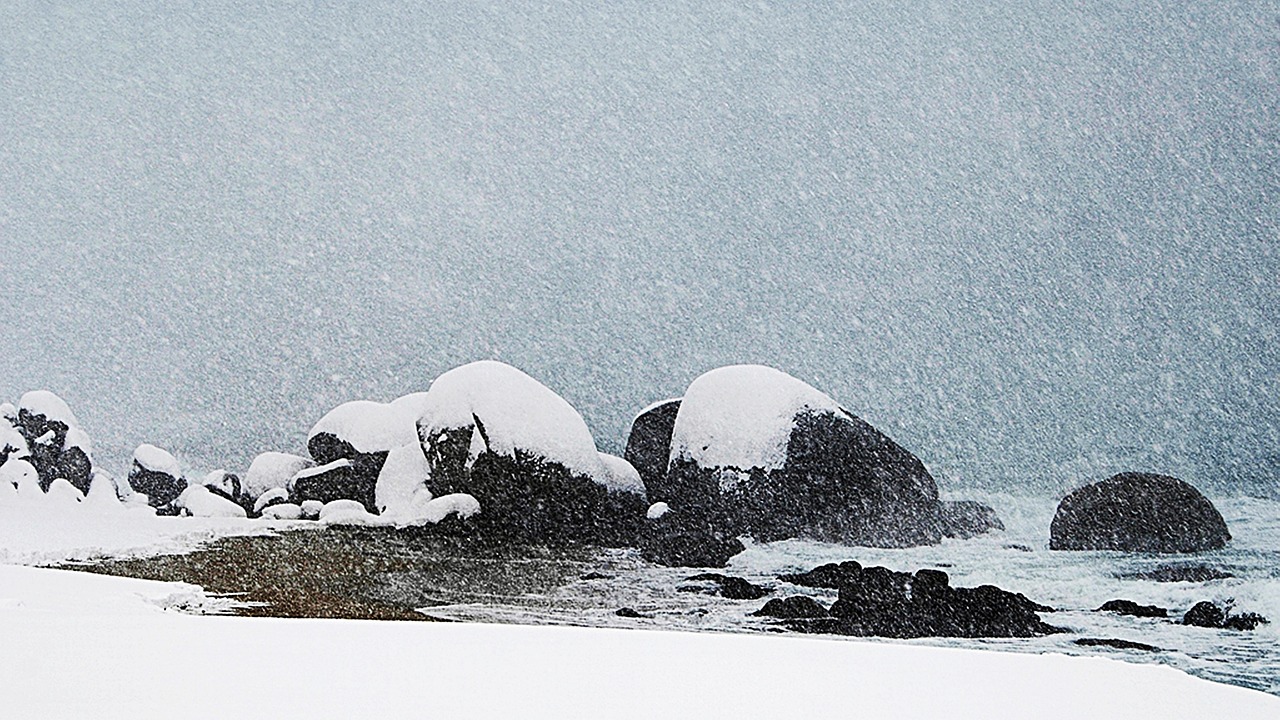
Winter in South Korea Snowy Festivals and Restorative Stays
Winter in South Korea spans December to February; it is very cold, with temperatures often dropping below freezing, particularly inland and in higher regions. January is the coldest month of the year in much of Korea, and that coldest edge is exactly why winter can feel so restorative when you pair outdoor wonder with warm interiors.
Winter festivals with hot springs and quiet care
For a signature experience, plan the Hwacheon Sancheoneo Ice Festival, where ice fishing and snow activities turn a frozen river into a celebratory playground. In a luxury lens, the day doesn’t end in the cold; it continues at an upscale hot spring resort, where the body softens back into warmth, and the mind goes wonderfully still.
One upscale traveller described their most cherished moment not as adrenaline, but as a heated outdoor spa after Hwacheon—steam rising into the night air, local delicacies laid out with care, and the snowy landscape turning the world quiet. In that kind of stillness, Korea feels less like a destination and more like a gentle reset.
If you want movement, Gangwon-do is ideal for winter sports, including sports like skiing and snowboarding. With a private guide and equipment delivery, a day of skiing and snowboarding can be seamless: you arrive warmed up, skip rental queues, and finish with a crafted late lunch rather than a scramble.
- Pack thermal base layers, gloves, and a scarf; coldest conditions can feel sharper in the wind.
- Choose footwear with grip for icy pavements at night markets and festival paths.
- Allow extra transfer time to keep the day calm, not rushed.
Safety is high, yet winter roads near mountain parks require caution. Consider a driver, prioritise well-maintained routes, and hold the day lightly—winter rewards travellers who move with patience and confidence.
Designing a Seamless South Korea Luxury Itinerary with Private Tours and Incheon Transfers
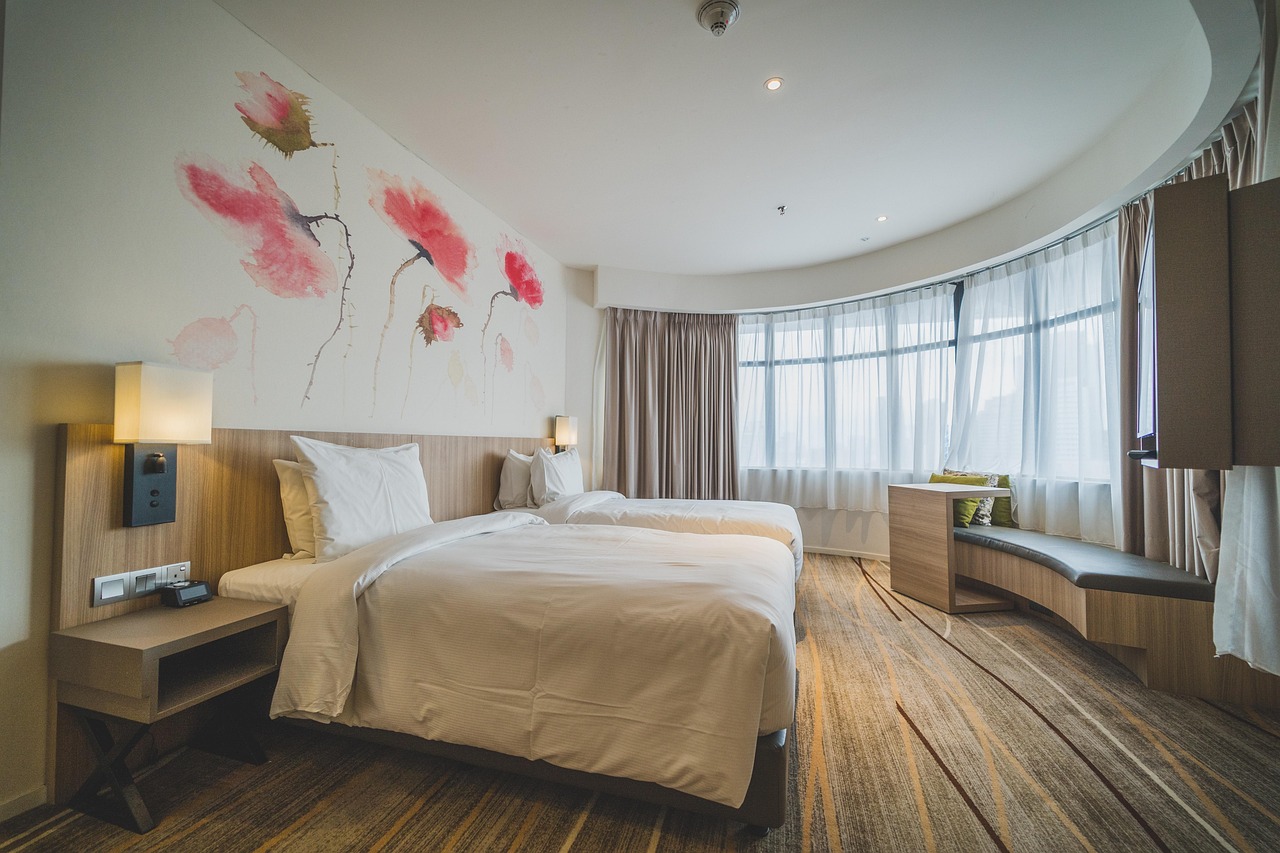
Designing a Seamless High End Journey Through Korea with private tours
A truly calm South Korea luxury itinerary begins with how you arrive. With direct flights to Incheon International Airport, a VIP meet-and-greet, and private transfers to Seoul, the first hour feels supportive rather than transactional. It’s a small detail that builds trust quickly—especially after a long flight.
From there, an expert can help you pair seasons with cities in a way that feels designed around you: Seoul for palaces and contemporary dining, Busan for coastal air, and Jeju for a softer pace when you want nature without intensity. Cities like Seoul can feel wonderfully intimate when your day is crafted with breathing space rather than a checklist.
For peak weeks in April and October, booking strategy matters. Secure luxury accommodations and private tours early, and make restaurant reservations with confidence—especially for chef’s tables and highly regarded hanjeongsik. Then keep one free morning for local discoveries, so the journey stays personal and you can uncover a gallery, a tea room, or a market lane that wasn’t on anyone’s list.
If you’d like a visual sense of what’s possible, browse our Trip gallery and imagine how your own route could come together—quietly, beautifully, and at your pace.
Small details that protect comfort
Etiquette is simple: bowing is a respectful greeting, and removing shoes indoors is common in homes and some traditional venues. Keep cash for smaller vendors at a festival, and you’ll never feel caught out when something delicious or handmade tempts you. These are small acts of care that create warmer interactions and a more local feeling throughout Korea.
- Layered clothing for variable days, especially in spring and autumn.
- Weather contingencies are built in for summer and winter, including flexible bookings.
- Concierge support for dining, transport, and last-minute refinements.
The goal isn’t to control every moment; it’s to design a trip that stays seamless even when the weather shifts, so you can simply explore with confidence.
F.A.Qs: Seasons in South Korea and travel timing
F.A.Qs: Seasons in South Korea and travel timing
Which month is best to visit Korea?
For many luxury travellers, April and October are the sweet spots. April is ideal for cherry blossom scenes in Seoul and beyond, while October brings crisp air and autumn colour with comfortable walking temperatures. If you prefer fewer crowds, aim for early April weekdays or mid-to-late October, and book top hotels and private guides well ahead.
What is the 3-day rule in Korea?
The “3-day rule” often refers to a simple travel-planning approach: give yourself at least 3 days in one base—commonly Seoul—before changing cities. It helps with jet lag, allows time for palaces, dining, and neighbourhood exploration, and keeps the journey feeling calm. With private transfers, you can still add day trips without overpacking your schedule.
What is the coldest month in Korea?
January is generally the coldest month in Korea, with the lowest average temperatures in inland areas such as Seoul and the mountainous regions. Expect below-freezing days and sharper windchill at night. If you travel in January, prioritise warm layers, door-to-door transport, and restorative stays such as hot springs to balance cold outdoor experiences.
What are the seasons in Korea, listed by month?
Korea’s seasons are typically: spring from March to May, summer from June to August, autumn from September to November, and winter from December to February. Summer is the wettest period, while autumn is often the driest and clearest. The timing can shift slightly each year, especially for the blossom peak and the summer rain period.
Leaving South Korea: What the Seasons Leave With You
What stays with you after Korea is rarely the itinerary. It’s the feeling of light changing on stone and water, and how your own pace changed with it—one season teaching patience, another offering uncomplicated joy. In spring, blossom drifts across your coat sleeve, and you notice how softly a city can breathe; in summer, the sound of rain becomes a lullaby behind museum walls and late suppers.
Then autumn arrives like a careful painting—red and gold leaves turning ordinary paths into something quietly ceremonial. Even in late November, when the air sharpens again, there’s a clarity to the streets and a comfort in warm bowls shared without fuss. Winter, in contrast, asks for stillness: a few minutes of silence in a snow-dimmed valley, or the kindness of heat rising from water when your cheeks are pink with cold.
There’s a particular reassurance in being guided well, knowing someone has thought about the small things, so you can be fully present for the big ones. Korea lasts in memory because it meets you with hospitality that feels both polished and human, and because each season invites a different kind of attention.
And perhaps, months from now, you’ll find yourself wondering how the same street in Seoul might look under a different sky.