Post Contents
- Best month to visit Seoul Korea: South Korea seasonal guide and the best time to visit
- Spring in Seoul: best time to visit Seoul for the cherry blossom festival at Yeouido Park, Han River
- Summer in South Korea: when to visit Seoul for festivals
- Autumn in Seoul: best time of year and time to visit South Korea
- Winter in Seoul: festive charm, white snow moments, and cosy luxury
- F.A.Qs: best month to visit Seoul, Korea, and planning basics
- After Seoul: the moments that stay with you
Best month to visit Seoul Korea: South Korea seasonal guide and the best time to visit
Best time to visit Seoul and South Korea, seasonal guide with neighbourhood colour
For most travellers, the best month to visit Seoul, Korea comes down to comfort, colour, and how much time you want to explore without rushing. The best months to visit are April to June and September to November, when the weather is mild, and the city feels less crowded without losing its energy. This is also when many high-end hotels feel more relaxed, and you can uncover quieter moments in galleries, parks, and cafés between headline sights.
These are popular times to visit, so expect peak-season demand for suites and premium cabins. Airfare and hotel prices typically rise around blossom weeks and autumn weekends, but thoughtful timing—midweek stays, early starts, and a touch of flexibility—often delivers the best time to visit feeling without compromising on experience.
South Korea by month: what changes across the year in South Korea
Think of a year in South Korea as four distinct seasons with clear personalities: spring and autumn (comfortable and bright), summer (warm with storms), and winter (brisk and calm). In spring and autumn, average daily temperatures are pleasantly cool to mild, ideal for walking-heavy itineraries, café-hopping, and outdoor activities. Summer brings higher rainfall and noticeable humidity, while winter can slide into freezing cold evenings—beautiful, but best enjoyed with a more crafted, indoor-outdoor rhythm.
As a simple seasonal guide, consider this: spring (March to May) is for blossoms and fresh menus; summer in South Korea is for festivals and rooftop nights; autumn is for foliage and golden-hour photography; winter is for markets, spas, and slow luxury. If you want the best of avoiding the biggest tour groups while still catching signature scenes, target the shoulder seasons—late April into May and late September into early November.
When to visit Seoul for cherry blossom and autumn leaves
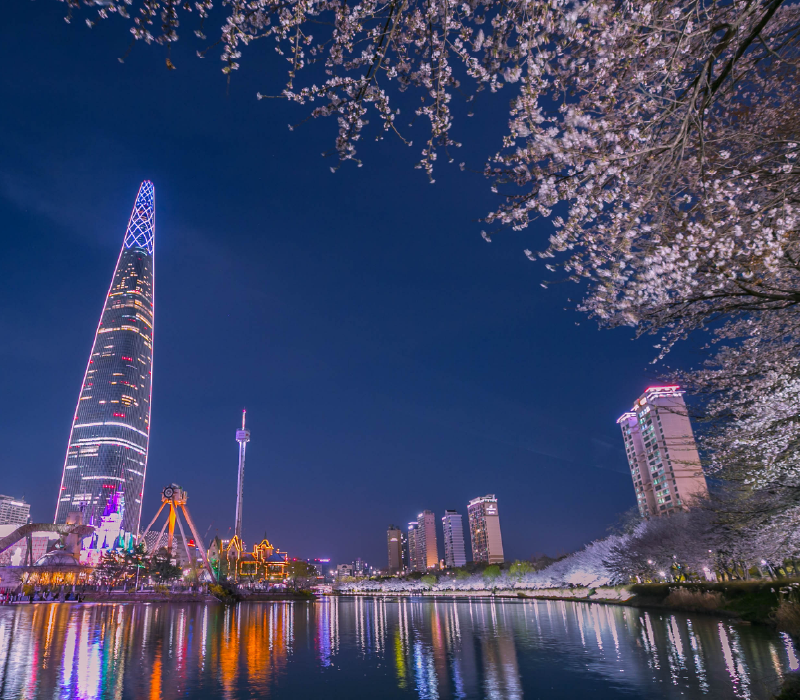
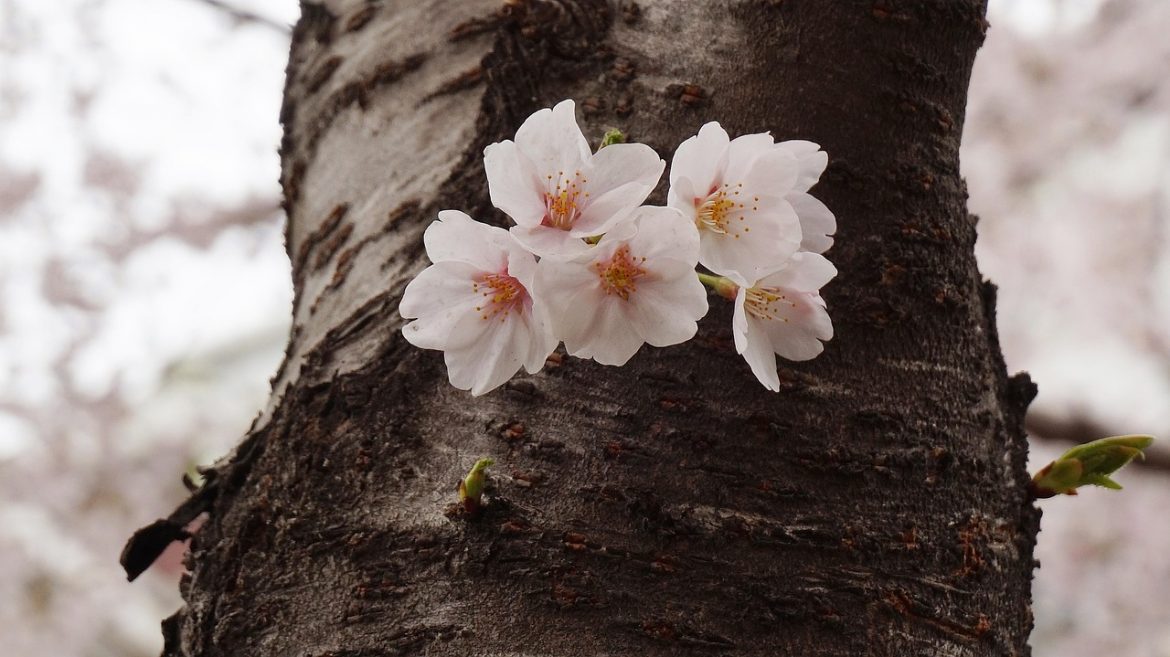
Seoul’s cherry blossom moment usually arrives from early March into April, with full bloom shifting each year depending on temperatures. You’ll see cherry trees lining riverside paths and neighbourhood streets, often dusted in pink cherry petals after a breezy night. Autumn leaves typically appear in Korea in October into early November; for many guests, October feels like the city has been softly re-lit, especially in historic neighbourhoods.
From a high-end planning lens, start with seamless airport-to-hotel support via Incheon International Airport luxury transfers, then choose neighbourhoods that fit your style—design-forward Gangnam, traditional-feeling Bukchon, or river-adjacent stays near Yeouido. Book key viewpoints and palace visits early in the morning for calm corridors and cleaner light, then leave one unprogrammed afternoon to simply see Seoul the way locals do.
For inspiration you can browse at leisure, here’s our Trip gallery, which shows how curated days can feel both effortless and personal.
Beyond the capital, it’s worth your time to add easy extensions, depending on the weather: Busan for coastal dining, Gyeongju for heritage depth, and Jeju Island (Jeju) for wide skies and slower afternoons. For nature, South Korea’s national parks offer scenic drives and short hikes that suit a leisurely pace—especially in autumn and late spring.
- Quick planning notes: the best months to visit for first-timers are May and October; for a little more breathing room, try late April or late September, and give yourself extra time to explore neighbourhood cafés.
- Getting in: fly into Incheon; private transfers give privacy, support, and a smoother arrival when you travel to South Korea.
- Budgets: upscale stays commonly run US$300–$600 per night, rising on key weekends—plan early if you want the best rooms and the best value.
Spring in Seoul: best time to visit Seoul for the cherry blossom festival at Yeouido Park, Han River
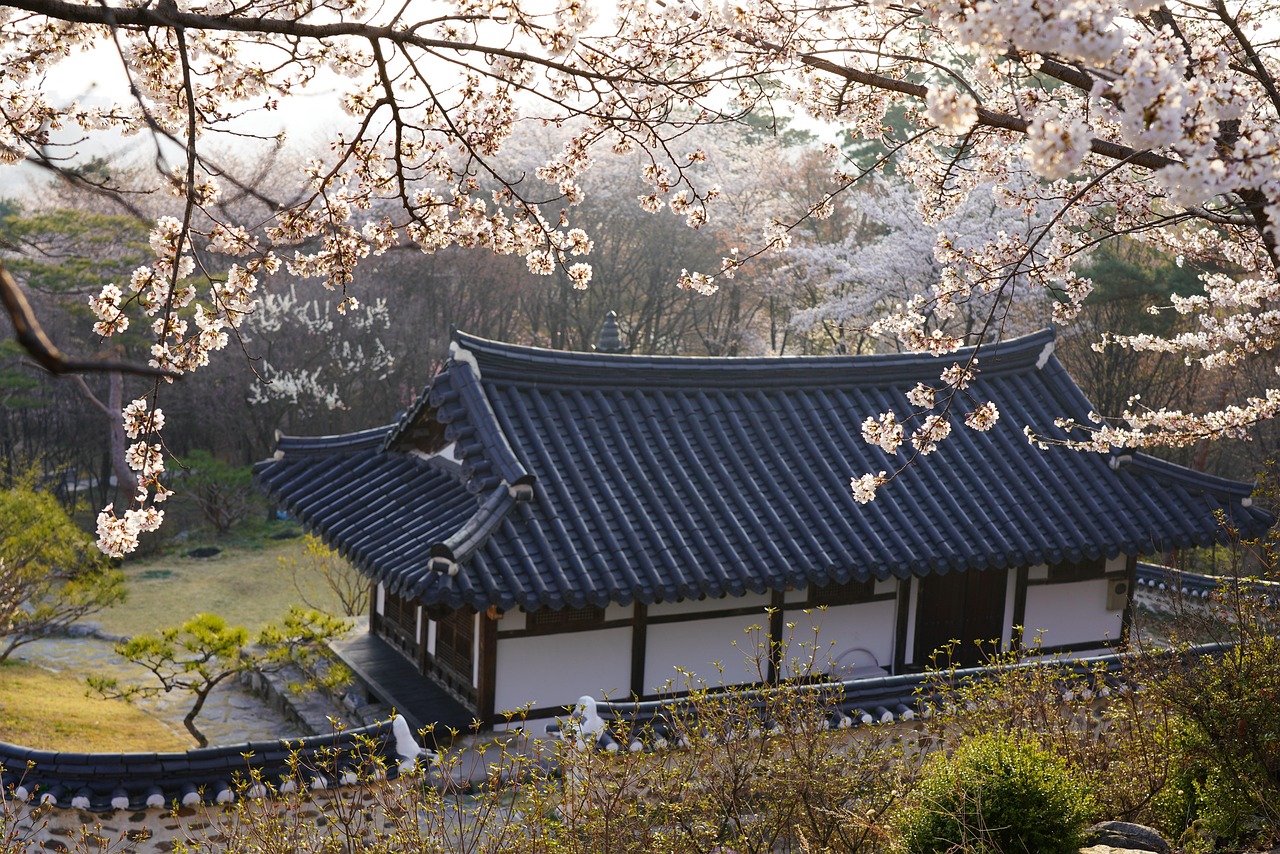
Spring in Seoul best time to visit for cherry blossom scenes and gentle city walks
For many, spring is the best time to visit Seoul: you step under a canopy of blossoms, and the city seems to exhale. Begin at Yeouido Park on the Han River, then drift towards the riverside paths for golden-hour photos and a calmer, local rhythm. It’s the kind of morning that makes it easy to visit Seoul as a place to settle into, not a checklist to rush through.
The cherry blossom festival atmosphere can be joyful and busy, so timing matters. Go at sunrise or on a weekday, and you’ll often find space to linger—perfect for couples, solo travellers, or families who prefer a quieter kind of luxury.
Gyeongbokgung Palace mornings: private guide, etiquette, and calm photos
Spring is ideal for a private guided tour of Gyeongbokgung, when the air is clear and the light is soft. With an expert guide, this palace becomes more than architecture: you uncover stories, symbols, and the way Seoul has continuously designed itself around tradition and reinvention. For etiquette, a slight bow is appreciated, and it’s thoughtful to handle tickets or small gifts with both hands.
Schedule your slot early, then step into a nearby café for a slow second coffee—this is where confidence replaces rushing, and the day feels beautifully crafted rather than crowded.
Spring dining in Seoul city and quiet green resets at Seoul Forest
Spring menus are a time to try fresher flavours: light bibimbap with early greens, seasonal banchan, and chef-led tastings that translate South Korean ingredients into modern artistry. Michelin-starred counters in Seoul can feel intimate rather than formal—especially when you sit close enough to watch technique, ask questions, and gain genuine insight.
If you want more blossoms, consider a day trip to Jinhae for its famous waterfront bloom, or keep it local with a restorative walk through Seoul Forest. For a springtime cultural highlight, the lotus lantern festival is a beautiful, family-friendly tradition, and if you’re extending to Jeju later in the year, the Jeju Fire Festival is another signature seasonal event.
Summer in South Korea: when to visit Seoul for festivals
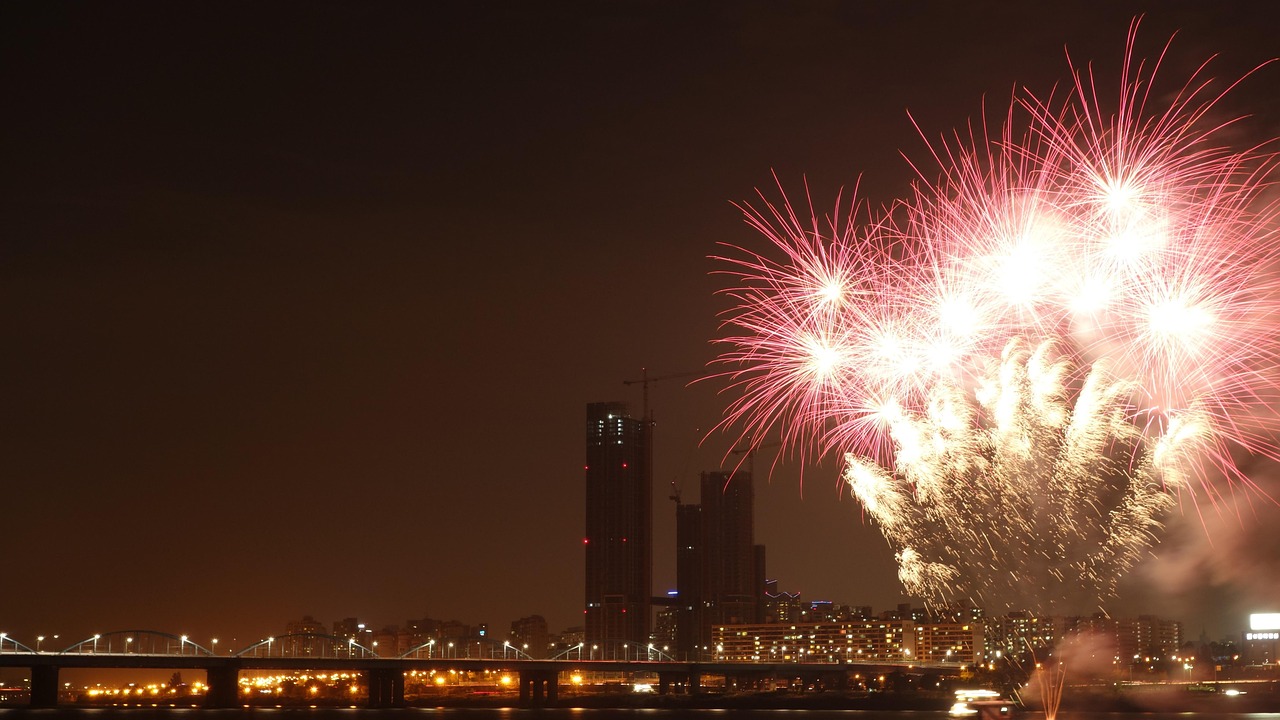
Summer in South Korea when to visit Seoul for festivals and riverside fireworks
Understanding summer travel helps you plan the season to visit for your style and pace. June to August brings the rainy season, and monsoon season showers can arrive in bursts—sometimes dramatic, sometimes fleeting. August in South Korea can feel hot and humid, so the luxury move is to design days with shade, air-conditioning breaks, and a few perfectly chosen nights out; you’ll feel the city’s energy without letting the weather run the schedule.
When the skies clear, Seoul comes alive: the Hangang Summer Festival energises the riverfront, and evenings can stretch into the early hours with music, pop-ups, and glowing skyline reflections.
Festivals, night markets, and a lantern-lit evening route in Seoul
Summer is made for vibrant, late-night exploring—especially around Dongdaemun Design Plaza, where design-forward night markets keep the mood playful and creative. Many travellers remember warm evenings spent at riverside cafés with jazz performances and craft cocktails, when Seoul feels both cosmopolitan and warmly personal.
To create your own night, build a simple three-part route: a pre-dinner drink with city views, a lantern-lit riverside walk, then a chef’s counter dinner that feels seamless even in the heat. If your dates align later in the calendar, the Seoul Lantern Festival and other lantern festival displays are iconic ways to see the city glow after dark.
Comfort-first travel tips for travelling in South Korea during the monsoon
In summer, comfort is a form of care. If you’re travelling in South Korea during the monsoon, use chauffeur services so you’re not managing umbrellas and train changes in sudden downpours, and keep indoor options reserved for stormy hours—museums, private tastings, or a quiet tea room. Hotel spas and pools become part of the itinerary, not an afterthought.
Seoul is generally very safe, including for families, but in crowded markets and festival areas it’s wise to keep personal belongings close. These travel tips help you move through the city with trust and ease, even when the weather has its own plans.
Autumn in Seoul: best time of year and time to visit South Korea
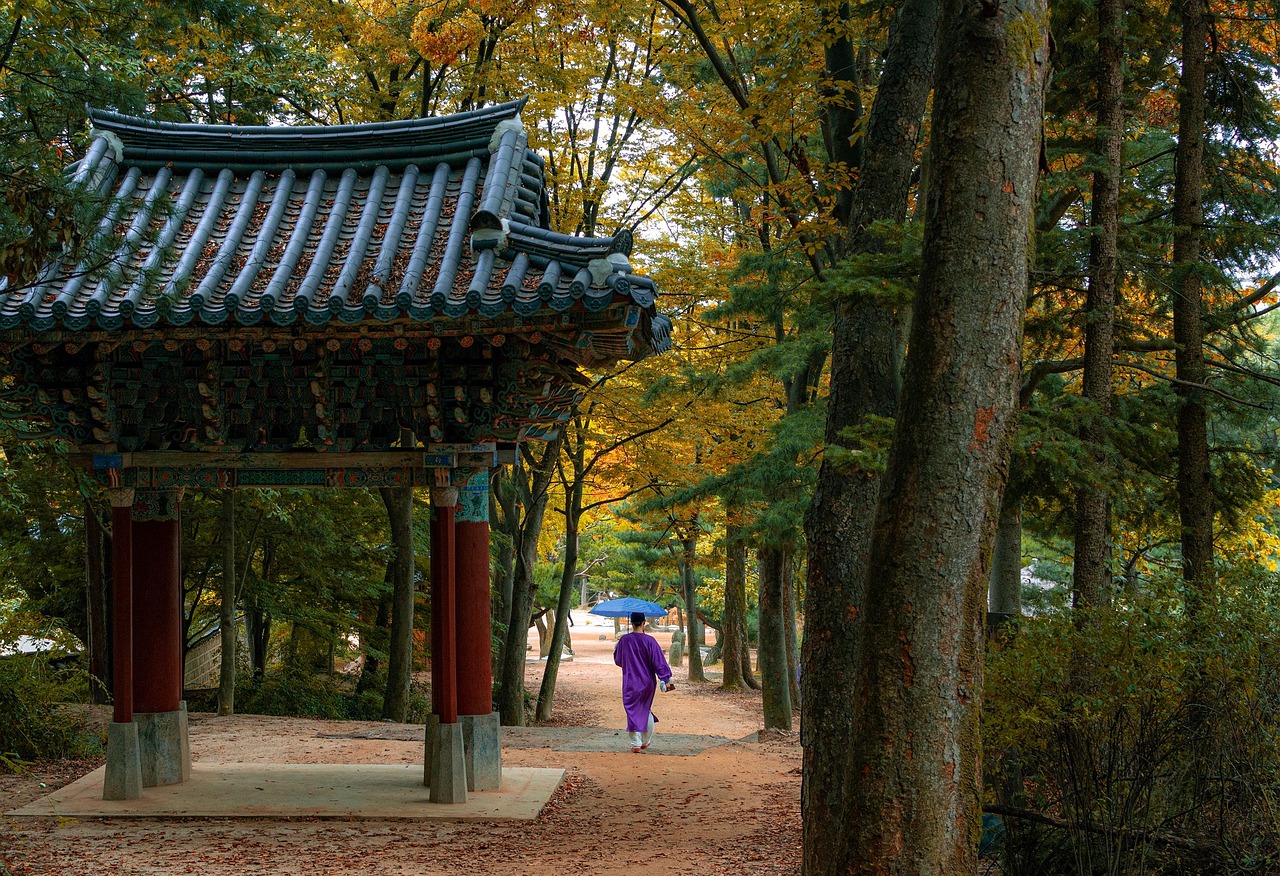
Autumn in Seoul best time of year for foliage, heritage lanes, and cultural encounters
For many travellers, autumn in Seoul is one of the best times to arrive: the weather is mild, there’s less chance of rain, and the city’s colour feels cinematic. This period is suitable for outdoor activities such as long neighbourhood walks, markets, and visits to scenic viewpoints, without the strain of summer heat. It’s also the season when autumn foliage adds depth to photos in palace gardens, riverside paths, and quiet backstreets.
In this time to visit South Korea, Seoul’s light turns flattering and calm, and even simple neighbourhood walks can feel like a private gallery of textures—stone walls, wooden doors, and amber leaves.
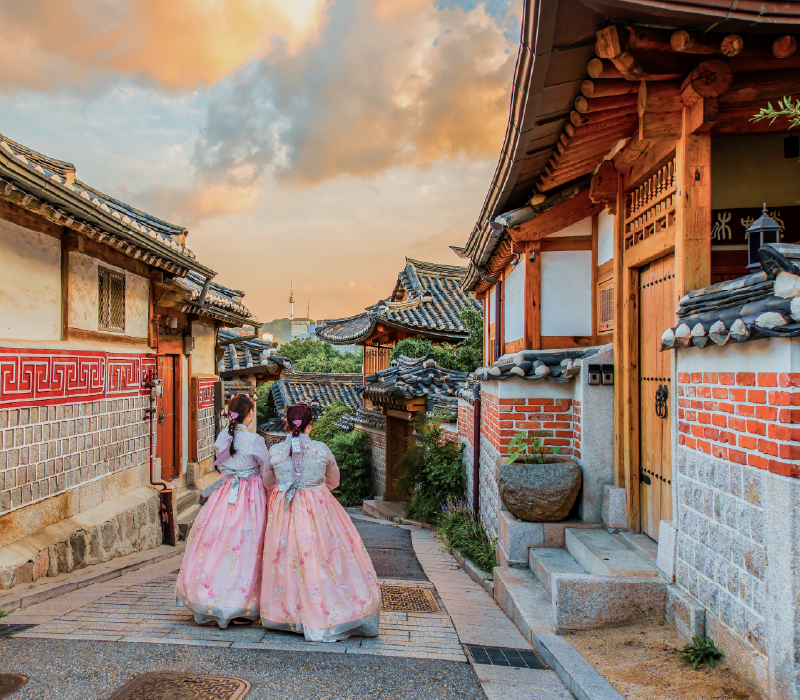
See Seoul in autumn from Namsan Park to Bukchon Hanok Village
A signature day begins in Namsan Park, climbing gently towards Namsan Seoul Tower for late-afternoon panoramas. One visitor described the crisp air enhancing their visit to Namsan Tower, where the skyline felt breathtaking at sunset—an experience that stays vivid long after you’ve flown home.
Afterwards, wander slowly through Bukchon Hanok Village as the mood deepens in hidden lanes. If you’re choosing between photo locations, Yeouido Park and Namsan Park offer the best contrast: river softness versus hilltop drama, both wonderful for a private photographer session.
Culture with depth around Chuseok and creative Seoul
High-end travellers often find the richest memories come from intimate cultural encounters: a private tea ceremony, a conversation with an artisan, or a gallery-style visit that helps you uncover Seoul’s creative pulse. Local guides frequently highlight how meaningful these interactions become when done together with a translator-guide who understands context, not just logistics.
Do watch your calendar around Chuseok, when some opening hours shift and premium restaurants book out quickly. With trusted local partners, you can keep planning your trip flexible—reserving key meals while leaving time to explore side streets and small museums at your own pace.
- Timing: September to November is ideal for walking-heavy days and rooftop dinners.
- Easy nature add-ons: Nami Island is a gentle day trip for colour and lake views.
- Reservations: book guides and tasting menus earlier around Chuseok weekends.
Winter in Seoul: festive charm, white snow moments, and cosy luxury
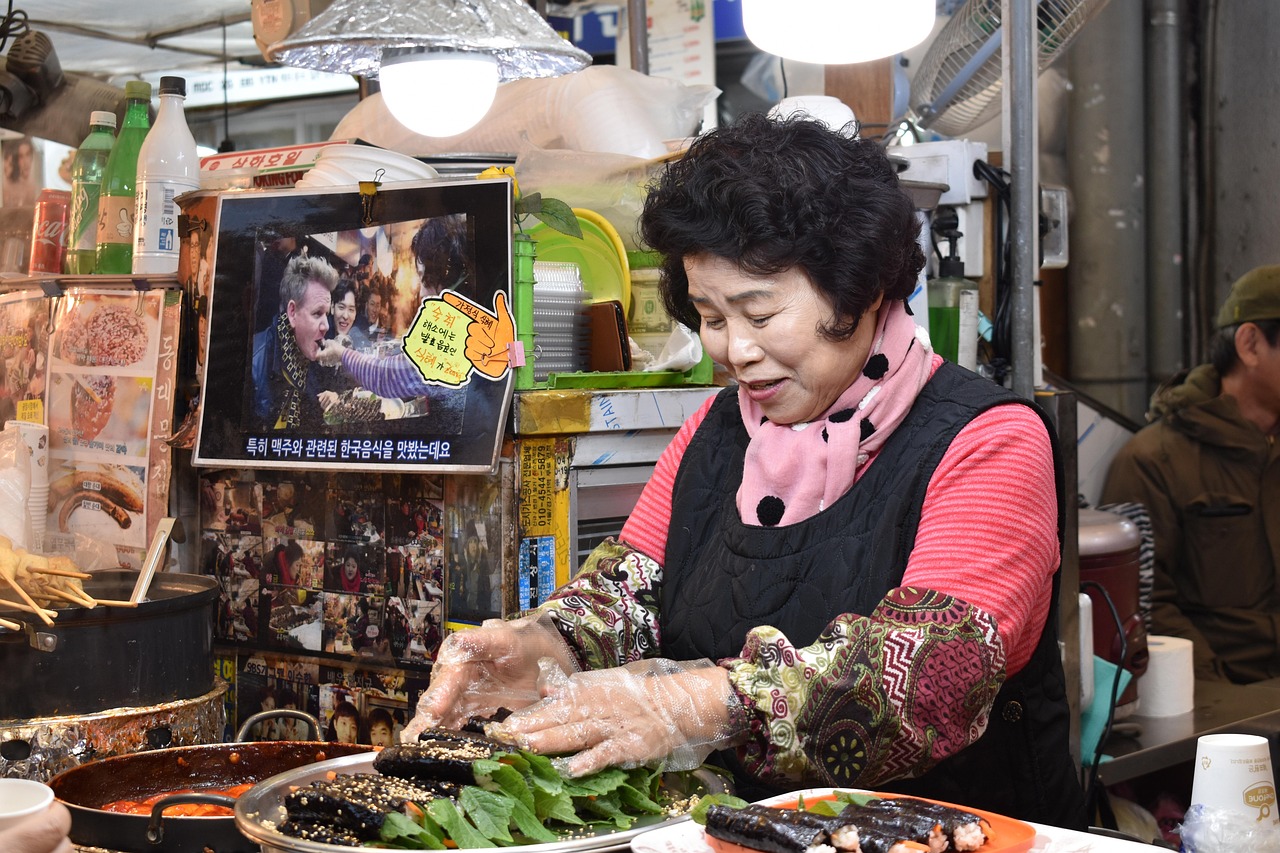
Winter in Seoul festive charm with white snow moments and cosy luxury
Winter in Seoul can be quietly magical, and South Korea in January has a particular hush to it—streetlights reflecting on pavements, cafés glowing from within, and the occasional white snow morning that makes the city feel newly designed. December to February is a chilly season in the south, but it rewards travellers who enjoy atmosphere, warm interiors, and a slightly slower rhythm.
If you’re choosing the time to visit South Korea for winter charm, plan shorter outdoor bursts balanced with indoor comfort: a museum, a tea room, then a walk when the air feels sharp and clean.
Markets, ice skating, and a crisp ski day
Winter experiences feel naturally festive without being loud: holiday markets, ice skating at Seoul Plaza, and an evening of calm bar-hopping with craft cocktails. For a bright change of scene, add a day trip to the mountains for skiing—just one day is enough to feel the contrast between urban elegance and alpine clarity.
Do keep an eye on public holidays. Korean New Year (often in January or February) can shift restaurant hours and increase transport demand, so it helps to book flexible reservations and have a backup plan for your favourite dining rooms.
Luxury hanok calm, hotteok warmth, and winter flavours
A frequent traveller once praised the intimate winter experience of enjoying traditional hotteok and tea in a luxury hanok stay, where silence in the courtyard felt like a gift. After a long walk, a hearty hot pot dinner is deeply comforting, especially when your day has been curated to feel seamless rather than rushed—and when the evening turns truly chilly.
For premium stays, a hanok-style property or suite with underfloor heating brings genuine comfort. It’s also the perfect time to lean on expert support—drivers who know the best drop-off points, guides who adjust pacing, and hosts who offer quiet care when the temperature dips.
F.A.Qs: best month to visit Seoul, Korea, and planning basics
F.A.Qs on the best month to visit Seoul, Korea and seasonal planning
Which is the best month to visit Seoul?
May and October are often the best months to visit Seoul for comfortable temperatures and a refined pace. May leans into spring colour and outdoor cafés, while October brings crisp air and a sophisticated autumn mood. For fewer crowds with similar weather, consider late April or late September, and schedule key experiences—like palaces and viewpoints—early in the day.
What are the cheapest months to travel to South Korea?
Cheaper periods are usually mid-winter (outside holiday peaks) and parts of early summer before school breaks, when demand softens. Late February can be a good value after major winter travel, while some June dates price well before the most humid weeks. For high-end travellers, the best savings often come from flexible midweek stays and from booking flights and suites well in advance.
What is the rainy season in Seoul?
Seoul’s rainy season typically falls from late June into July, linked to the summer monsoon. Rain may arrive in heavy bursts rather than day-long drizzle, so a well-designed itinerary keeps indoor options ready—museums, shopping, and long lunches—then uses clear windows for river walks and evening neighbourhoods. A driver service can make rainy days feel far more seamless.
How many days is enough for Seoul?
Four to five days is a comfortable amount of time to explore Seoul in a high-end way, with space for palaces, design districts, and slow dining. Three days can work for a highlights-only trip if you prioritise one key area per day and plan transfers carefully. If you can spare a sixth day, add a side trip for contrast—coast, heritage, or nature—without feeling rushed.
After Seoul: the moments that stay with you
After Seoul, what stays with you is rarely the headline moment alone—it’s the softer edges. The way spring light settles on cherry trees, or how leaves collect in a lane you found by accident. The warmth of a cup held in both hands, and the small pause before a shopkeeper smiles, as if to say you’re welcome here, take your time.
Perhaps it’s the confidence of moving through the city with ease, because someone had designed the details with care: a driver waiting where you expected, a guide who earned your trust gently, and a pace that allowed you to discover rather than rush. If you’re trying to find out the best time for your own return, these small details often offer the best clue—choose the season that matches your pace.
And then there’s the feeling that South Korea never runs out of seasons worth returning for. You might remember streetlights along the Han River, or a soft glow near a calm courtyard, and imagine coming back in another chapter of the year—because, for many travellers, that’s also the best part of visiting South Korea.