Post Contents
- Why the Roman Forum feels like the heart of ancient Rome, and a forum overview
- Visiting the Roman Forum in Rome, Italy: tickets online, opening hours, and skip-the-line options.
- Explore the forum Via Sacra walk in the Roman Forum route, Rome, Italy
- Roman Forum’s Temple of Vesta, House of Vestal Virgins, and sacred stories in Rome, Italy
- Roman Forum and Palatine Hill night tour with Colosseum views in Rome, Italy
- F.A.Qs: Roman Forum in Rome, Italy
- What stayed with me after the Forum in Rome, Italy
Why the Roman Forum feels like the heart of ancient Rome, and a forum overview
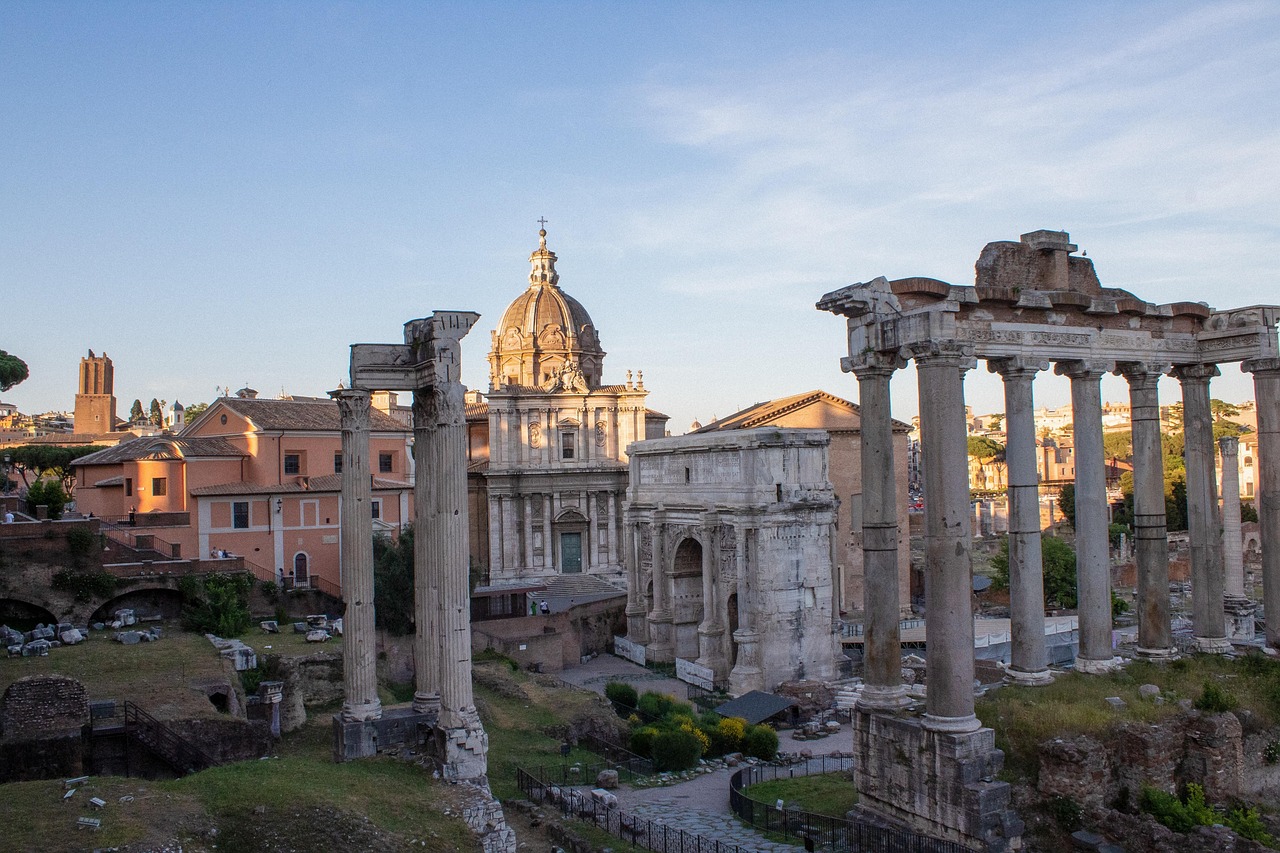
Why the Roman Forum feels like the heart of ancient Rome as the forum overview
Think of the Roman Forum, Rome, Italy, as a living map: a place where law, faith, and ambition overlapped in the centre of Rome. The first time you step into the forum, it can feel like a puzzle of stones—until you realise you’re standing inside the city’s original public stage, where power was performed and remembered.
This archaeologIcal site sits in a valley that was once marshy, folded between the Palatine and Capitoline slopes. What looks like scattered remnants is actually a layered city core, reshaped and rebuilt from the Republic to the Roman Empire, with ancient buildings set around a long, rectangular plaza that once thrummed with speeches, commerce, and ritual.
History of the Roman Forum made simple
A few signposts help you explore with confidence. Caesar and Julius Caesar loom large here—not just as names in a textbook, but as forces that bent institutions, public space, and memory. The Senate House and its debates shaped alliances and wars, while triumphal processions turned victory into theatre, moving through the forum so everyone could witness Rome’s story being crafted in real time.
Monuments were built to commemorate a person, a victory, or an idea—stone propaganda designed to endure. You’ll sense how ancient Romans used architecture to create legitimacy, and even to deify leaders after death, turning politics into a kind of public religion.
An adventure mindset for the Roman Forum
For Adventure Seekers, the secret is to slow your pace even when your curiosity runs ahead. Uncover the small clues: a carving half-erased by centuries, a column drum with tool marks, a channel cut for drainage. Many travellers describe a personal, almost startling feeling of being transported—like the forum is one long echo, and you’ve stepped into it.
Let yourself imagine the noise: sandals on stone, vendors calling, a magistrate’s entourage moving past. With that shift, the ruins of the forum stop being “ruins” and start becoming a readable city, one careful detail at a time.




Visiting the Roman Forum in Rome, Italy: tickets online, opening hours, and skip-the-line options.
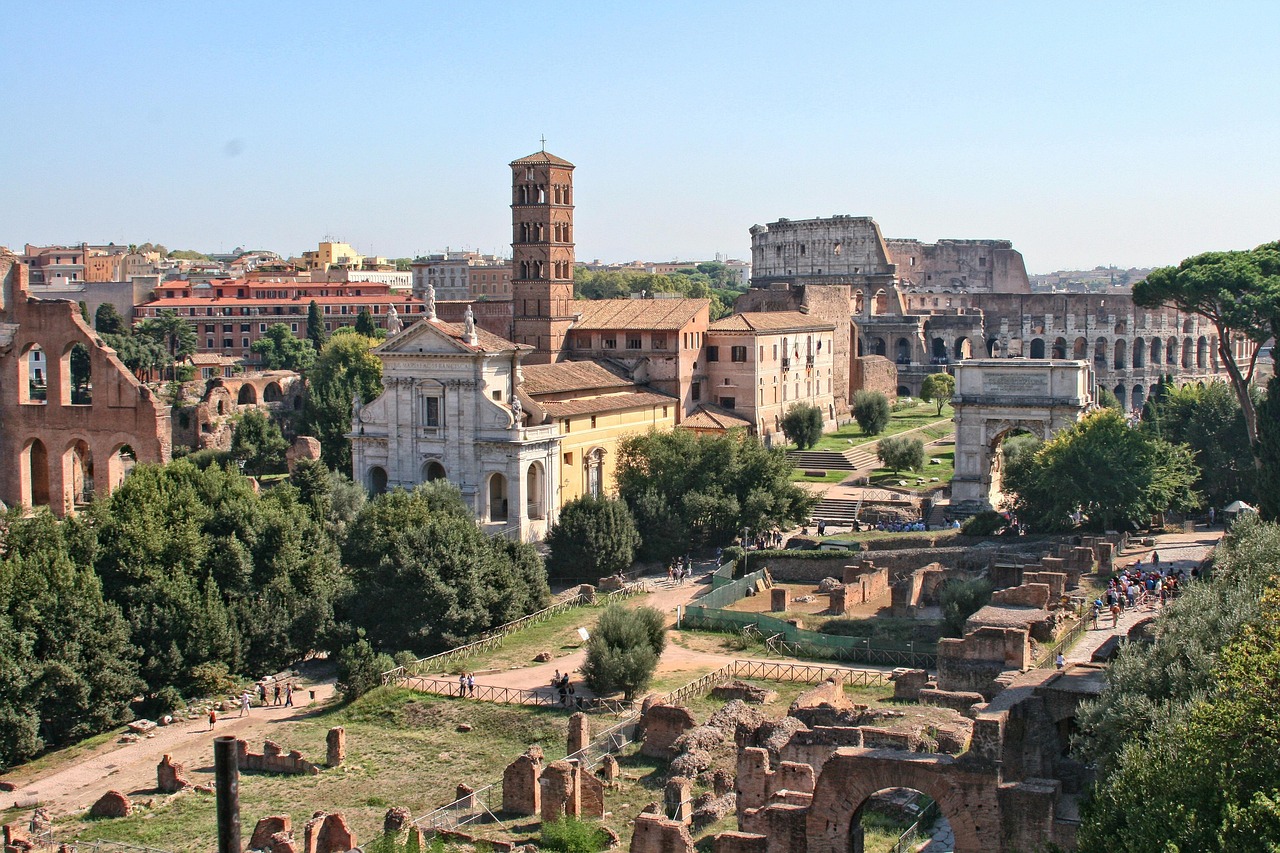
Visiting the Roman Forum with confidence for tickets, timing, and entry in Rome Italy
When you’re visiting the Roman Forum in Rome, Italy, tickets online, opening hours, and skip-the-line, a little planning turns the day from effortful to seamless. In peak months, the forum can feel bright and exposed, so timing is your most luxurious tool: aim for early morning or late afternoon to dodge the midday heat and find calmer corners for real insight.
Opening hours vary by season and may be subject to special closures, so do check official sources close to your visit to the Roman Forum. Spring and autumn offer comfortable light for photography and a gentler pace on the ancient site, while summer demands extra care with sun protection and water.
Visiting the Roman Forum with the best-value ticket strategy
The simplest approach is the combined ticket that covers the Colosseum, the Roman Forum, and Palatine Hill—ideal if you want one coherent day of discovery. If your ticket includes entry to the Colosseum, note that time slots can shape your whole schedule, so design your route around that fixed time rather than fighting it.
Booking tickets online gives you more control and often less waiting, but even with reservations, you’ll still have to go through security checks. If you want to skip the line as much as realistically possible, arrive a little before your slot and keep your bags to a minimum for a quicker scan.
Getting in and getting near the Colosseum
The easiest metro stop is Colosseo on Metro Line B; from there, it’s a short walk to the entrances near the Colosseum. You can also approach from Piazza Venezia and the Colosseum direction for a grand, cinematic arrival, or come via Via di San Gregorio for a calmer lead-in that feels more local and less crowded.
To help you explore together with comfort and confidence, here’s a high-end essentials checklist that keeps the day enjoyable without overpacking:
- Comfortable shoes with grip for uneven stones and surprise steps
- Water and electrolytes, plus a refill plan
- Sun hat and SPF in summer, a light layer in shoulder season
- Respectful behaviour in preserved areas: keep voices low, and never leave litter
If you want context without slowing your pace, a small group tour can be a smart middle ground—expert storytelling, but still room to wander and take your own photographs.
Explore the forum Via Sacra walk in the Roman Forum route, Rome, Italy
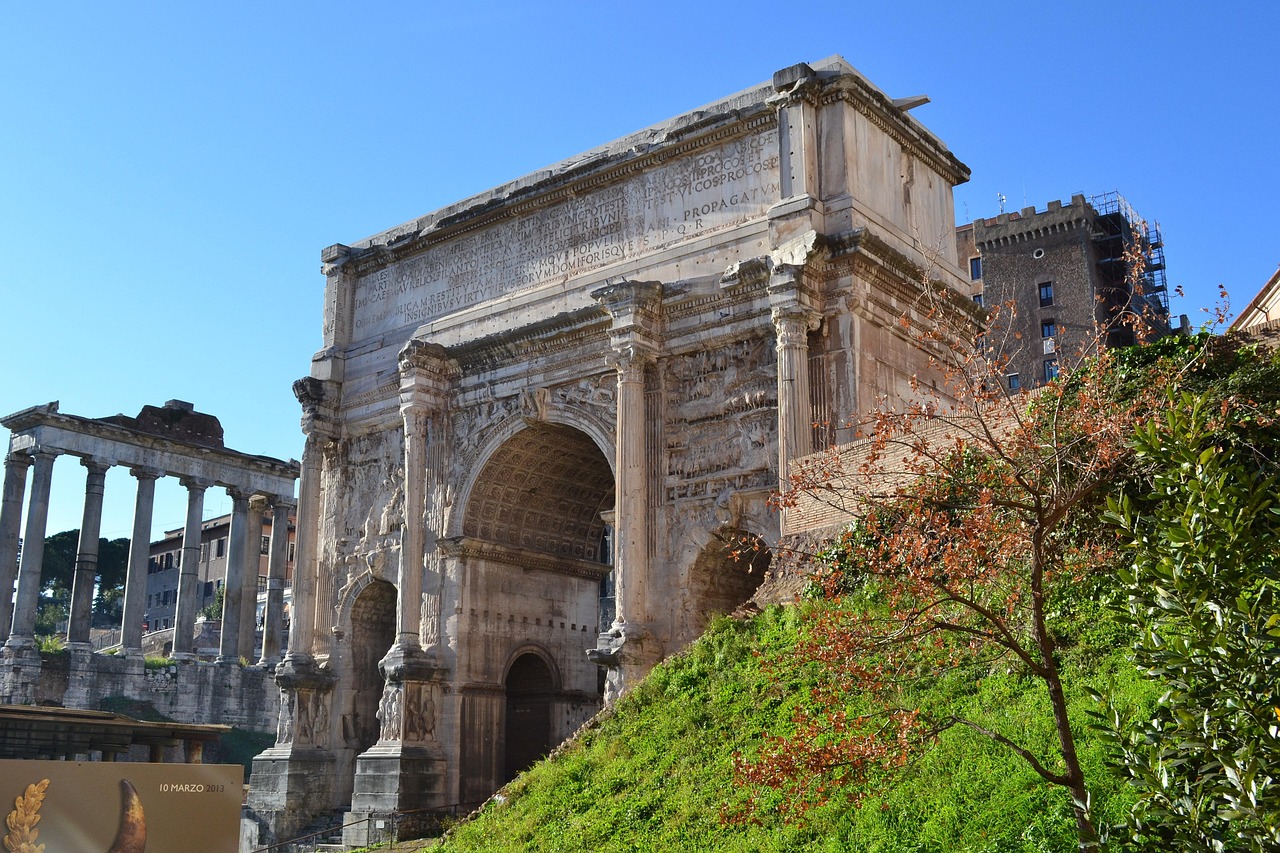
Explore the Forum along the Via Sacra on a self guided walk through Rome Italy
If you’re craving a clear rhythm, the Via Sacra walk through the Roman Forum in Rome, Italy, is the most intuitive way to explore. The Via Sacra was the ceremonial spine of the forum, and walking it today helps you read the landscape like a story unfolding from scene to scene.
Start with a simple intention: move steadily, then pause often. The best panoramic views arrive when you stop looking for the “main attraction” and instead look back across the open space, tracing how temples, basilicas, and arches align like a designed set.
Along the Via Sacra with the Temple of Saturn and the Curia
As you walk along the Via Sacra, make time for the Temple of Saturn—one of the forum’s most recognisable silhouettes. It’s a temple that quietly signals how religion, wealth, and the state were entwined, with the nearby spaces once tied to the treasury and civic identity.
Not far away, the Curia Julia anchors the political heart. Standing near the Curia, you can picture the senate house as more than a building: it was an engine room of influence, where alliances were forged and broken with consequences that rippled across ancient history.
Arches, Severus, and the power of triumphal imagery
The Arch of Septimius Severus is where stone turns into storytelling. Built for the emperor Septimius Severus, it broadcasts victory with carved scenes and controlled perspective; even the name Geta—once honoured—was later erased in a political un-writing. That detail alone can change how you see the forum: not as static remains, but as contested memory.
Keep an eye out for engineering and urban layers too. Nearby, references to the Cloaca Maxima remind you that Rome’s greatness wasn’t only marble and rhetoric; it was infrastructure. It was in the 19th century that excavations gathered pace, peeling back levels of the city and revealing how rebuilding in a later century AD altered sightlines and pathways.
Finally, give the Basilica of Maxentius the time it deserves. This basilica wasn’t primarily about worship; it supported law, commerce, and civic life at scale. Even in fragments, Maxentius’s ambition reads clearly in the vastness of the surviving arches and vault lines.
Roman Forum’s Temple of Vesta, House of Vestal Virgins, and sacred stories in Rome, Italy
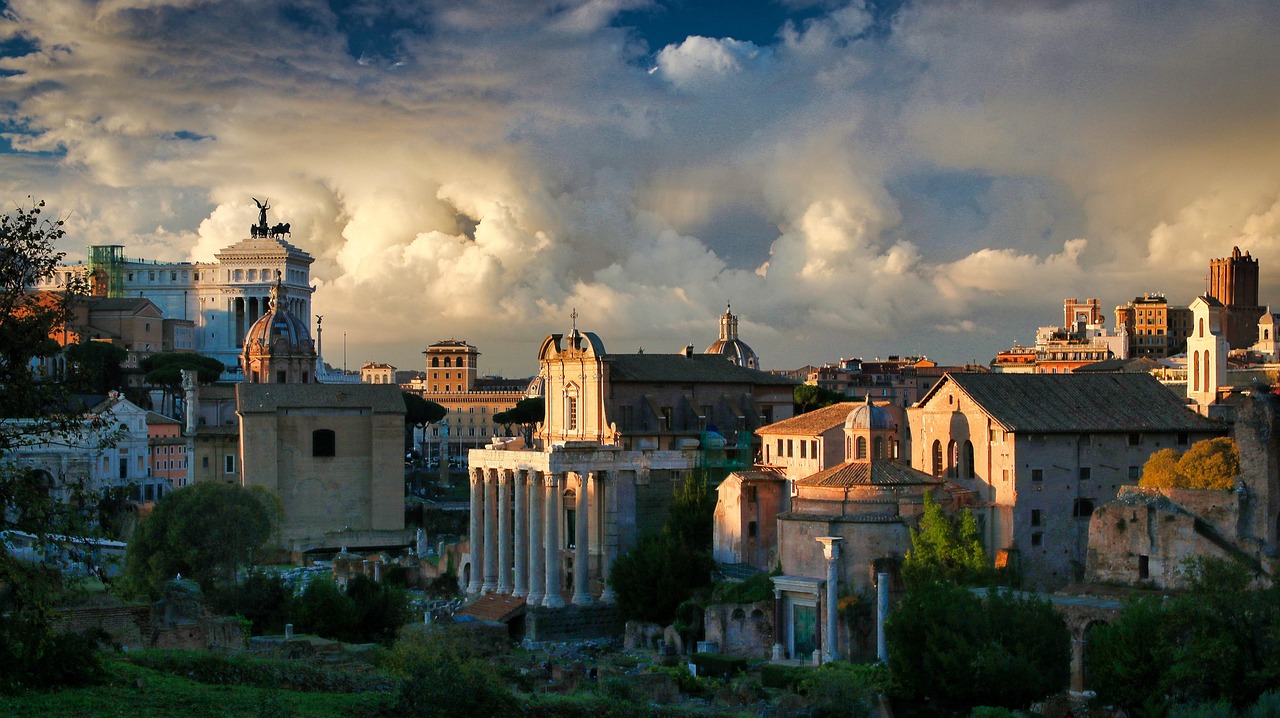
Temples and quiet human stories at the Roman Forum including Vesta and the Vestal Virgins
The roman forum temple of Vesta, House of the Vestal Virgins, Rome, Italy, forum areas invite a different pace—less conquest, more human texture. If you arrive when the forum is serene, the sacred corners can feel almost spiritual, as though the air itself is holding its breath.
The Temple of Vesta is a small space with a big presence. Dedicated to the goddess Vesta, it once protected the sacred flame that symbolised the city’s continuity—an idea so powerful it feels modern: civilisation as something we must tend with care.
Vesta, vestals, and respectful curiosity
Nearby, the House of the Vestal Virgins offers a glimpse into the lives behind the institution. The Vestal Virgins were priestesses entrusted with public safety and ritual duty; they took vows of chastity, and their status came with both privilege and pressure. It’s worth approaching this area with quiet respect, allowing space for the complexity rather than turning it into a quick anecdote.
Many travellers share a personal moment here: a sense of intimacy that contrasts with the forum’s grand political theatre. In the hush between columns, you can almost hear footsteps fading into time.
Temple craft, Castor and Pollux, and details worth uncovering
To uncover the forum’s artistry, turn it into a small game of attention. These are the details walkers often describe with awe—proof of the craft that held an ancient Roman world together:
- Fluted columns with subtle variations, revealing handwork
- Worn steps that show the direction of centuries of movement
- Inscriptions and letter grooves, sometimes sharper than expected
For a broader context, look towards the Temple of Castor and Pollux. The temple of Castor and Pollux (Castor and Pollux) signalled stability and trust, the kind of architectural message ancient Romans understood instantly. Across the forum, every temple was designed to communicate: devotion, continuity, and the authority of the state.
Before you move on, allow yourself one reflective pause. Standing where decisions once changed lives in ancient Rome, you don’t need to “solve” the past—just let the silence offer insight, and create your own meaning from it.
Roman Forum and Palatine Hill night tour with Colosseum views in Rome, Italy
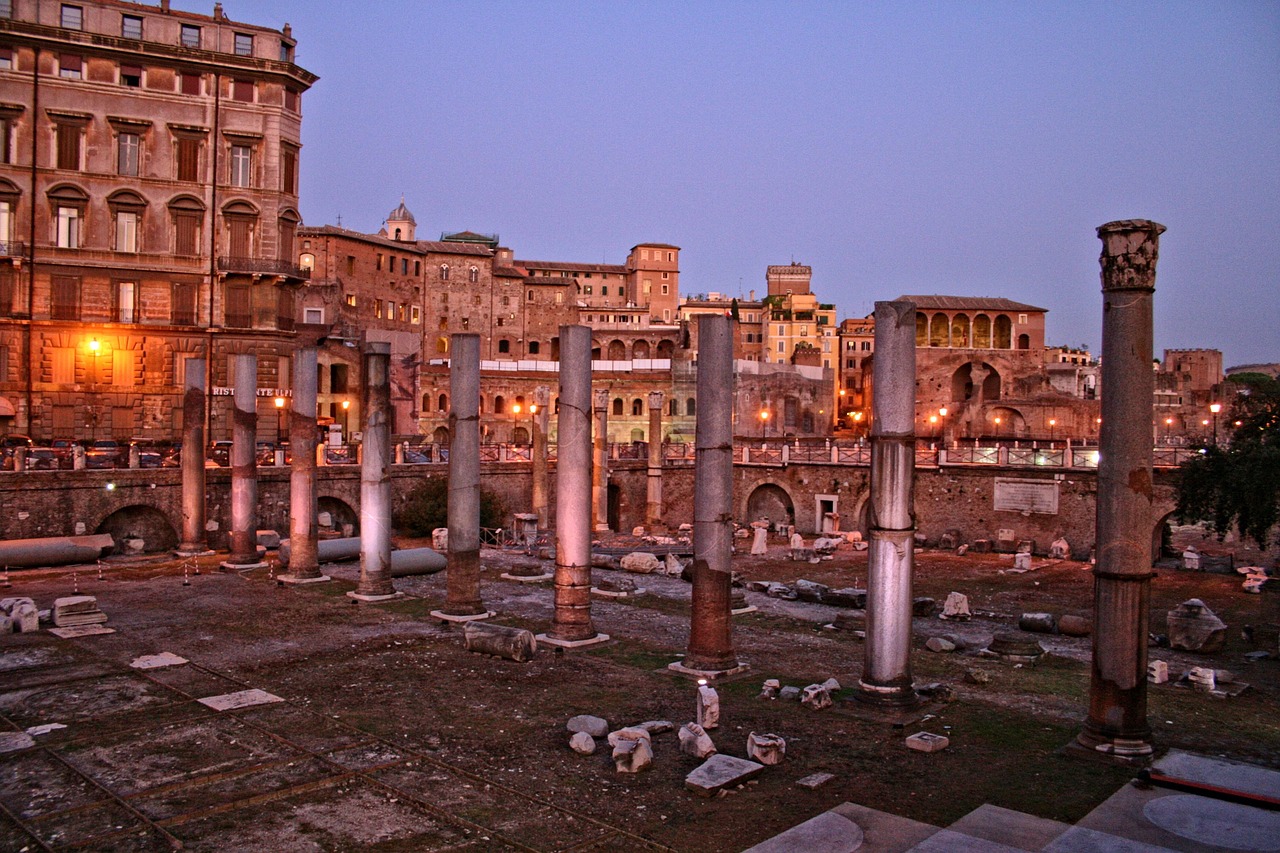
Roman Forum and Palatine Hill at dusk with Colosseum views and the magic of a night tour
The Roman Forum and Palatine Hill night tour, combined with Colosseum views in Rome, Italy, makes the city come to life. The forum is the civic floor; Palatine Hill is the vantage and the myth. Together, they help you trust what you’re seeing, because the geography finally explains the story.
Palatine Hill is part of the Seven Hills of Rome and is home to Rome’s most famous origin myth: Romulus, according to legend, founded the city from this hill. Later, emperors chose this ground for palaces that dominated both skyline and politics, turning the landscape into a statement.
Roman Forum and Palatine Hill as one seamless route
For pacing, climb Palatine Hill earlier in the day for cooler air, or later when the light softens the stone. If you’re combining the Colosseum and Palatine Hill, give yourself permission to move slowly on the ascent; the reward is the moment you look down, and the forum suddenly reads like a planned city, not a scatter of remnants.
These route notes keep the day adventurous but comfortable:
- Take a short break before the climb, especially in summer heat
- Seek viewpoints that frame the forum against Capitoline Hill for context
- Use the shade pockets for hydration, then continue with steady steps
From above, you can understand the Palatine and Capitoline hills’ relationship—why this valley became the public heart, and why the Capitoline ridge held temples and power. You may notice how the city feels stitched together, with the forum at its centre like a hinge.
Emperors, textures, and the archaeological park at night
Different eras left different textures. Look for names that spark curiosity: Emperor Augustus, Domitian, Antoninus and Faustina, and Phocas. The Column of Phocas, raised in the 7th century, is a reminder that the forum never had a single “ending”; it kept being reused, reinterpreted, and re-layered.
For a truly distinctive experience, consider a guided night tour. The illumination turns stone into theatre—arches become outlines, pathways feel curated, and the crowds thin to a gentle murmur. Availability varies seasonally, so book ahead with confidence if you want this calmer, cinematic perspective. It’s a beautiful contrast to daytime energy along with the Colosseum, whose gladiatorial associations still colour the atmosphere even from a distance.
Before you leave the area, catch the Arch of Titus if you can; built after 82 AD, it’s a triumphal arch that still communicates victory with startling clarity. In a certain light, it feels less like a relic and more like a sentence written in stone.
F.A.Qs: Roman Forum in Rome, Italy
F.A.Qs: Roman Forum in Rome Italy to help you visit with confidence
What’s so special about the Roman Forum?
It’s special because the Roman Forum was the civic core of ancient Rome: politics, religion, and public life shared the same space. When you stand in the forum, you’re not just seeing ruins—you’re reading a city’s decisions in stone, from temples to the senate house, all set in a landscape that still makes sense on foot.
Can you walk through the Roman Forum for free?
Access to the Roman Forum itself is ticketed, and you typically need a valid ticket to enter the archaeological areas. There are, however, viewpoints from surrounding streets where you can see parts of the forum without going inside. For the full experience—walking the Via Sacra and reaching key ruins—plan on purchasing a ticket.
Why is the Roman Forum so destroyed?
The forum’s condition comes from centuries of change: earthquakes, weathering, reuse of stone, and later building projects that treated older structures as convenient material. Over time, layers of soil also buried parts of the site until modern excavation revealed them again. What remains is fragmented, but it still offers remarkably clear insight into Roman engineering and public life.
Is it worth visiting the Roman Forum?
Yes—especially if you enjoy culture with context and you give it enough time. The Roman Forum offers an experience that’s both active and reflective: uneven paths, elevated viewpoints, and intimate details on columns and arches. Pairing it with Palatine Hill deepens the story, and visiting early or near sunset can make it feel calm and surprisingly moving.
What stayed with me after the Forum in Rome, Italy
The forum reflection, Rome, Italy, ancient Rome, personal experience isn’t something I can pin to one monument. The forum is like a conversation with time—stone, shadow, and the soft weight of stories you cannot fully know, even when you’ve read every sign.
What stays with me is quieter: the sense that the Roman Forum rewards tenderness as much as knowledge. I remember a worn step catching late light, and a broken arch line that still felt deliberate, as if the city’s designers expected the future to keep looking.
In those moments, I felt a personal connection many travellers describe—an unhurried confidence that you’ve walked beside centuries, and that your curiosity is trustworthy. Not every question gets answered, but the questions themselves become part of the experience, a kind of gentle support you carry onward.
Long after you exit the gates, Rome offers the same lesson in smaller ways: a local fountain detail, an inscription half-hidden, a doorway polished by hands. If you keep noticing without rushing, the city remains open—quietly inviting you to uncover what you’re ready to see next.