Post Contents
- Why the Coast of Italy Feels Like Many Journeys for the Coast of Italy
- Amalfi Coast Coastal Towns That Perch Above the Sea
- Explore the Amalfi Coast from water, road, and Trail for things to do in Amalfi
- Cinque Terre Coast Scenic Coastal Towns Hiking Sentiero Azzurro
- Apulia Coastline Beach Towns in Italy, Alberobello Trulli, Lecce
- Best Time to Visit and How to Get Around Italy’s Coast
- A Crafted Coast of Italy Itinerary: Amalfi Coast, Cinque Terre, Apulia Around Italy
- F.A.Qs: Coast of Italy planning questions
- Final Thought
Why the Coast of Italy Feels Like Many Journeys for the Coast of Italy
When people say the coast of Italy, they often mean one dream—yet the reality is richer: the coast of Italy, scenic coastal towns, beautiful places can describe very different shorelines, each with its own mood. Imagine Tyrrhenian Sea drama where the land drops into deep blue, Ligurian paths where walking is part of the culture, and the calmer coast of southern Italy where long afternoons stretch softly towards dinner. Our role is to help you discover the version that fits your time, your energy, and your appetite for culture.
For adventure seekers, the promise is tangible: hike above a cliff, swim from a hidden cove, ferry-hop between harbour towns, and still pause for an insight-filled conversation over espresso. You can explore with purpose, not pressure—choosing a few places deeply rather than chasing every viewpoint.
Coast choices that build confidence
Think of beautiful Italian coastal towns as places to live, not a checklist. Quiet hours are real; churches ask for respectful dress; small villages have rhythms that reward patience. If you travel with care, you’ll feel that trust come back to you—in warmer welcomes, better tables, and local tips you wouldn’t find on a map.
- Pace: choose two “anchor bases” and design day trips around them.
- Movement: mix rail and water so transfers feel scenic rather than stressful.
- Mindset: keep one “empty” window per day for the personal moments that appear unexpectedly.
Even in peak season, you can create space for wonder. Start early, linger late, and trust that the coast stretches far beyond the busiest piazzas.




Amalfi Coast Coastal Towns That Perch Above the Sea
Amalfi Coast Coastal Towns That Perch Above the Sea
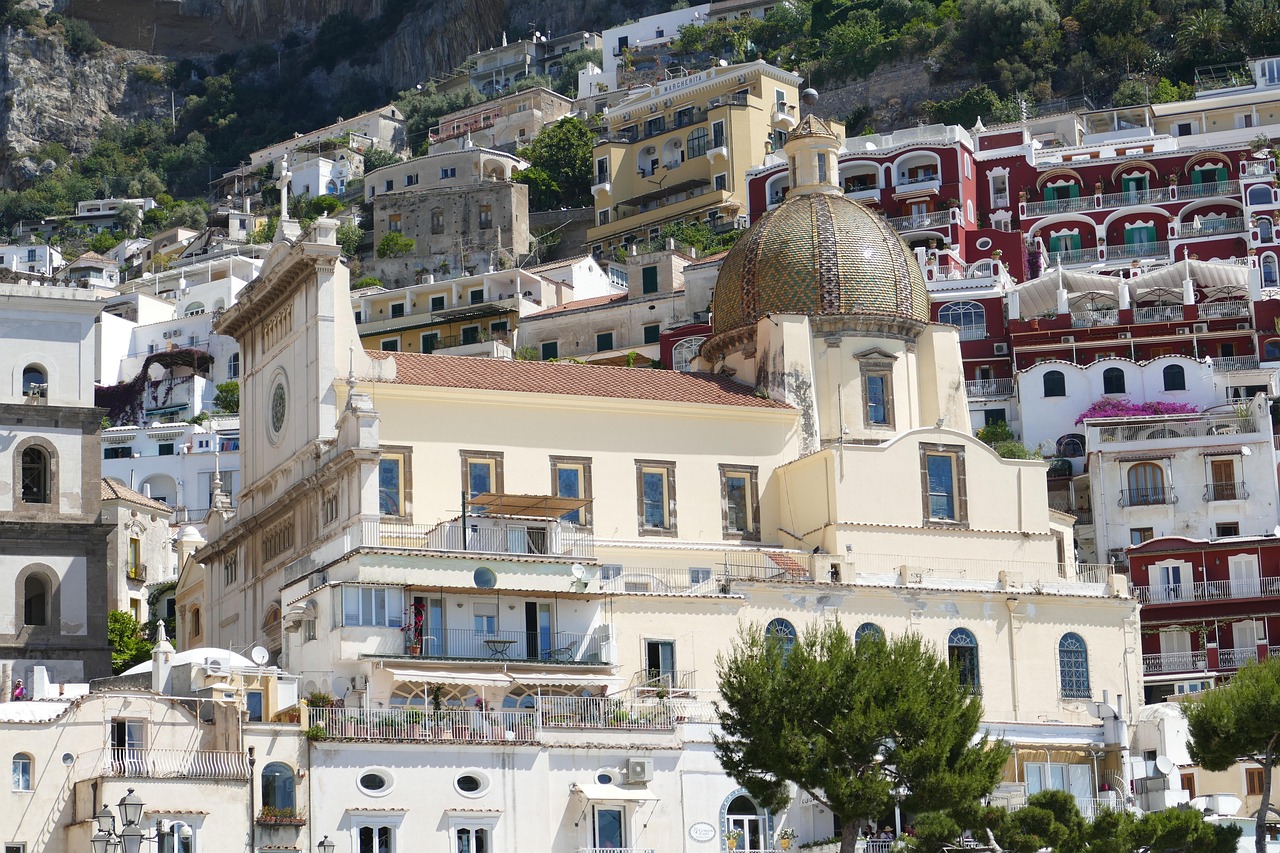
The Amalfi Coast coastal towns, Positano, Ravello, and the town of Amalfi, tell a story that begins with geology and light: a dramatic Amalfi Coast of rock and terraces, where colourful houses tumbling down a slope make the shoreline feel like one of the most scenic scenes in Europe. The Mediterranean seems close enough to touch from every stairway, and every turn reveals another marina, another lemon-scented terrace, another viewpoint that asks you to pause.
Positano beach life and the town of Positano viewpoint rhythm
Positano is the iconic beach town, and it earns its reputation through detail: tiled lane ways, linen shops, steps that open to sudden sea-framed windows. The town of Positano feels cinematic at golden hour when the cliffside glows, and the beach settles into a slower hum. To avoid rushing, choose two anchor viewpoints, then let yourself drift—one swim, one long lunch, one calm walk down to the marina.
If you’re weighing Amalfi and Positano, think about what you want your mornings to feel like. Positano is more vertical and fashion-forward; Amalfi is flatter, more practical, and wonderfully historic. It’s not about “better”—it’s about how you want to move.
Ravello as a seaside-adjacent perch and the town of Amalfi’s legacy
Ravello is the quieter artistic perch above the water, the kind of place that supports reflection after a big hiking day. Its villa culture is the headline: Villa Cimbrone and its terrace views are famous for a reason, and Cimbrone’s gardens make time feel slower. Finish with unhurried piazza time as the evening cools.
Down by the water, the town of Amalfi carries the legacy of the Republic of Amalfi with confidence. Amalfi Cathedral anchors the old town, and the lanes invite you into small paper shops, gelato stops, and limoncello moments. Amalfi is Italy’s quietly proud reminder that this coast once looked outward to the world by sea.
Explore the Amalfi Coast from water, road, and Trail for things to do in Amalfi
If you’re searching for things to do in Amalfi visit the Amalfi Coast Capri Sorrento ferry logistics, here’s the heart of it: the Amalfi Coast is best experienced as a trilogy—coast from the water, slow roads, and high paths. The magic is how seamlessly you can shift from sea-level ease to cliff-top exhilaration, then back again for dinner by the marina.
Things to do in Amalfi and along the Amalfi Coast by boat
A private boat tour at sunset is one of those experiences that feels crafted for high-end travellers who still want something real. One adventurer told us about sharing stories with local fishermen as the boat traced the shore: legends of ancient marine traditions, superstitions about winds, and the names of coves passed down like family heirlooms. You’re not just sightseeing—you’re being invited into a living culture.
Choose a calm-weather day, bring a light layer for the return, and let the captain set a safe pace if the swell changes. This is the Amalfi Coast must for travellers who want both romance and reassurance.
Path of the Gods hiking confidence and coastal care
The Path of the Gods is the signature hike: a ribbon of trail with cliff views that feel almost weightless. Start early for cooler air, carry water, sun protection, and comfortable footwear, and check the weather before you go—this is where expert planning becomes genuine care. If the forecast shifts, choose a shorter section rather than forcing it; confidence is built by good decisions, not bravado.
- Recovery ritual: post-hike swim, then lemon gelato made with Amalfi lemons.
- Flavour anchors: marina seafood, then a limoncello tasting as the light softens.
- Photograph gently: step aside on narrow sections and support other walkers.
For a Bay of Naples add-on, consider the island of Capri if you want glamour and sea caves, or stay longer around the Amalfi Coast if your joy is small villages and unhurried meals. If you do choose Capri, a ferry is the cleanest way—just keep an eye on sea conditions.
On land, the Amalfi Drive can be thrilling and slow. Many travellers prefer to take the bus for the experience, but if you’re prone to motion sickness or short on time, a driver can make the day feel seamless. Sorrento or Salerno also work well as a base for exploring, especially when you want calmer evenings and simpler connections.
Cinque Terre Coast Scenic Coastal Towns Hiking Sentiero Azzurro
Cinque Terre coast scenic coastal towns hiking Sentiero Azzurro is a phrase that captures the region’s genius: it’s a coastline built for walking. As a UNESCO World Heritage Site in 1997, it protects not only the villages but also the human relationships between the trail, vineyard terraces, and the sea. For adventure seekers, the reward is simple—your day is measured in steps, views, and conversations, not car parks.
Sentiero Azzurro local encounters and a personal pace
A traveller once described hiking the famed Sentiero Azzurro with a kind of quiet joy: the trail opened above tiny marinas, then dipped into lanes where laundry fluttered like flags. They stopped at family-run trattorias for fresh seafood and homemade wine, and felt immersed in local life through slow conversation—uncovering traditions that don’t appear on signboards.
That’s the cultural difference from the Amalfi Coast’s cliff grandeur. In Cinque Terre, the coast feels intimate: you’re close enough to hear plates clink from kitchen windows, close enough to notice the tide in the harbour walls.
Trail support and confidence when the weather changes
Logistics matter here, and they’re easy when you plan with care. Some sections require trail tickets, and conditions can change after rain; if paths close, swap to the train and keep your day trip flexible. The aim is not to “complete” the coast, but to keep the magic intact.
For photographs, look for viewpoints above the beach, the little boats tied in the marina, and sunset swims when the crowds thin. It’s still one of those beautiful places where your best memories arrive between the landmarks.
Apulia Coastline Beach Towns in Italy, Alberobello Trulli, Lecce
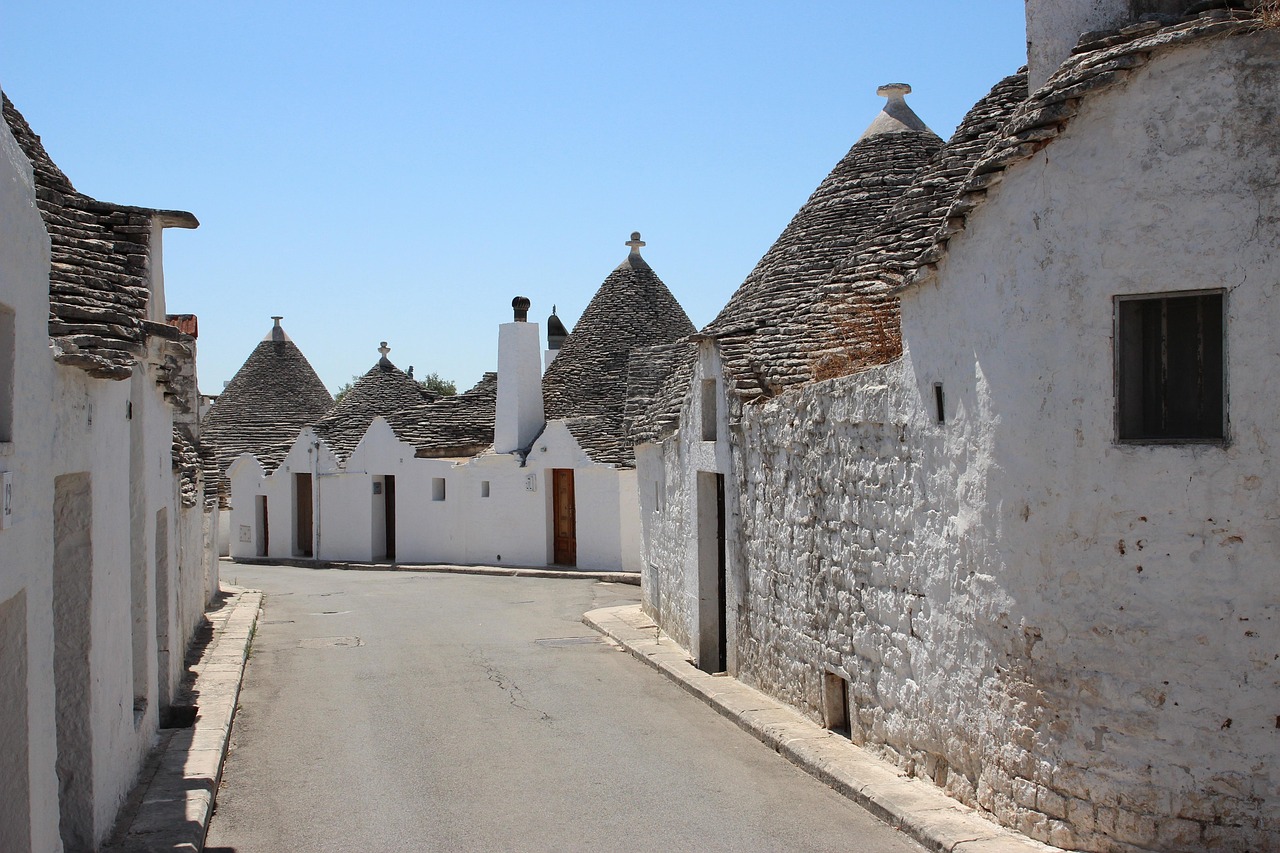
Apulia Coastline Quiet Beaches Trulli and Baroque Beauty
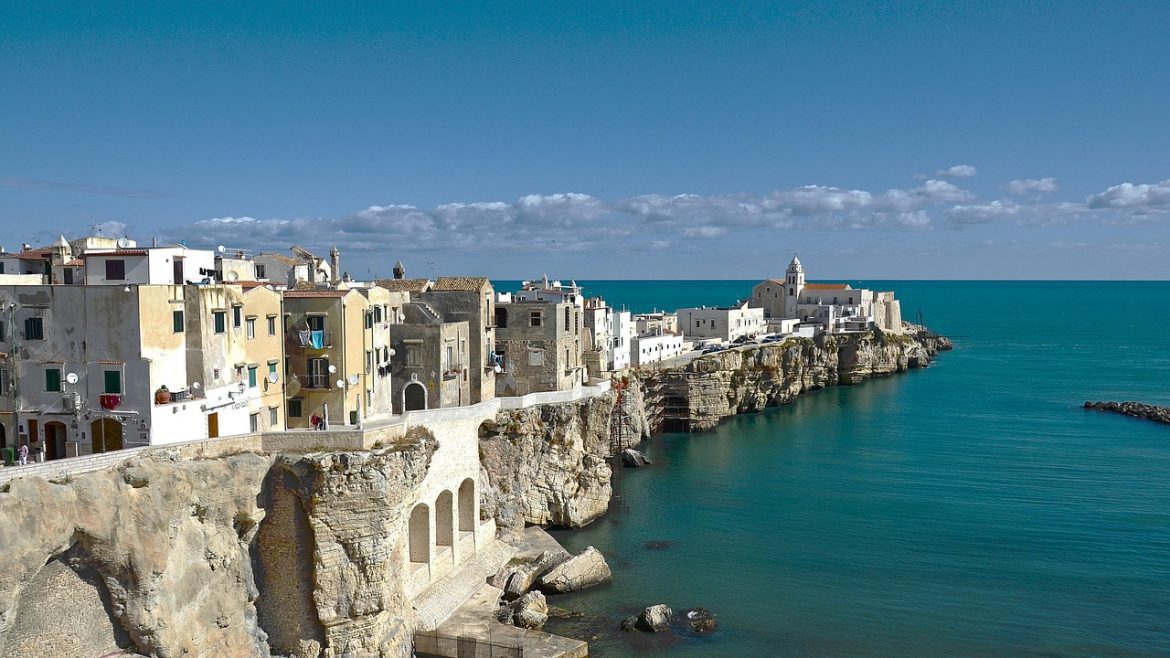
Apulia coastline beach towns in Italy, Alberobello trulli, Lecce is your cue to look beyond the headline-makers. Apulia is the lesser-known part of Italy for travellers who want beach time with space: clear water, slower seaside towns, and a gentler soundtrack of cicadas and cutlery. If the Amalfi Coast feels like theatre, Apulia feels like a long, graceful exhale.
Coastline mornings and trulli afternoons in Alberobello
The charm is how easily you can pair a beach morning with heritage afternoons. Alberobello’s trulli houses—white cones clustered like a storybook—offer a “wow” contrast to the coast. It’s an easy day design: swim early, then head inland before the heat peaks, returning in time for aperitivo by the sea.
This balance suits high-end travellers who want culture without sacrificing comfort. Think shaded courtyards, boutique stays, and dinner reservations that still feel personal.
Lecce Baroque insight near the Apulian coast
An art enthusiast once told us Lecce stopped them in their tracks. The Baroque architecture glows honey-gold at sunset, and even a short wander feels like a museum without walls. What stayed with them was the blend of culture and seaside serenity—an insight that beauty doesn’t always shout; sometimes it simply holds you.
- Food ritual: local olive oil tastings, then simply grilled seafood.
- Evening rhythm: the passeggiata, observed quietly and respectfully.
- Village care: honour quiet hours—small towns notice, and they appreciate it.
For towns in southern Italy, Apulia is one of the most beautiful choices when you want authenticity with polish, and the coastline feels wonderfully open.
Best Time to Visit and How to Get Around Italy’s Coast
For the best time to visit the Amalfi, the best hotels in Naples, Rome, trains, and ferries, the goal is simple: keep the coast feeling effortless. The best time to visit is late spring or early autumn, when hiking conditions are clearer, the beach is still inviting, and tables feel more attainable. This is the time to visit the Amalfi when mornings are crisp, the light is soft, and you can move with confidence rather than negotiating crowds.
Arrivals via Naples or Rome and seamless coast connections
Most journeys begin in Naples or Rome, then unfold by regional trains to gateway towns. From Naples, you can reach Sorrento easily, while Salerno is a smooth entry point to the Amalfi Coast area from the north or south. For Cinque Terre, you’ll aim for the La Spezia area. Ferries can be the most scenic choice when the sea is calm, but trains are often the most reliable when schedules matter.
To keep it seamless, design your transfers around daylight: arriving at a new coast in the afternoon makes check-in and dinner feel more human. It also protects your energy for hikes rather than logistics.
Best hotels strategy and respectful travel with support
In popular spots, book early—especially if you want to stay in Positano. The best hotels sell out first, and early planning often brings better rates and better room locations. If Positano is full, consider a quieter nearby option like Vietri sul Mare, or base yourself in Sorrento or Salerno and day-trip in comfort.
- Church etiquette: carry a light layer for shoulders and knees.
- Community support: tip local guides and choose family-run businesses where possible.
- Safety basics: check the weather for coastal trails, hydrate, and, if the seas turn rough, switch to rail.
This is expert travel with trust: you’re cared for, and you return that care by travelling gently through places that are lived in, not staged.
A Crafted Coast of Italy Itinerary: Amalfi Coast, Cinque Terre, Apulia Around Italy
If you want a coast of Italy itinerary, Amalfi Coast, Cinque Terre, Apulia, around Italy that feels luxurious and doable, think in three chapters with breathing room. The magic comes from a crafted balance: adventure blocks that energise you, and recovery windows that let the culture land. For a guide to the best flow between beautiful coastal towns in Italy, this is our favourite starting point.
Around Italy, transfers that protect your energy
Keep the trip train-heavy for ease, with one optional flight if time is tight. Rail is ideal between Italian cities, and it reduces the small friction points that can steal joy from a hiking day.
- Option A, mostly trains: Naples to Salerno/Sorrento (gateway), then train north to La Spezia for Cinque Terre, then train to Bari/Brindisi for Apulia.
- Option B, one flight: after Cinque Terre, fly Pisa or Florence to Bari to shorten the long cross-country leg.
- Energy rule: avoid late-night arrivals before long walks; your confidence the next day will thank you.
For visual inspiration while you design, browse our Trip gallery to see how different pacing changes the feel of the coast.
Sample 9–12 day itinerary with beach towns and trails
Days 1–4 Amalfi Coast area (3–4 nights): Arrive via Naples, settle into Sorrento or Salerno for easy access, then move closer if you want. Spend one day between Positano and Amalfi for viewpoints and a beach afternoon, one day hiking, and one evening on the water. If you’re deciding between Amalfi or Positano as your base, choose Positano for romance and vertical views, Amalfi for history and convenience.
Adventure block: Path of the Gods in the morning, then a recovery swim and marina dinner. Add a Capri day only if the sea is calm and you’re not overpacking your schedule; otherwise, keep your luxury where it matters—time.
Days 5–7 Cinque Terre (2–3 nights): Travel north by train and settle in with an early dinner. Hike a section of Sentiero Azzurro with slow trattoria stops, then use the rail for the return. Choose one sunset swim and one early-morning walk when the villages feel most local.
Days 8–12 Apulia (3–4 nights): Head to the heel for beach mornings and cultural afternoons. Pair Alberobello with a quieter coast day, and reserve an evening for Lecce’s glowing streets. This is where beautiful beach towns can feel intimate again, and where you’ll naturally meet more small villages than tour groups.
With the right pacing, you can explore the Amalfi Coast once, then let Cinque Terre and Apulia widen your perspective—together creating a journey that feels personal, not performative.
F.A.Qs: Coast of Italy planning questions
What is the nicest coast in Italy?
The nicest coast depends on your travel style. For sheer drama and iconic views, Italy’s Amalfi Coast is unforgettable. For walking-focused beauty and village charm, Cinque Terre is exceptional. For quieter shores with culture and space, Apulia offers a calmer coastline with wonderfully clear water and a slower pace.
What are the 5 coastal towns in Italy?
The famous “five” are the Cinque Terre villages: Monterosso al Mare, Vernazza, Corniglia, Manarola, and Riomaggiore. They’re connected by train and hiking paths, and each has its own character—from small marinas to hillside viewpoints—making them ideal for a scenic, active coastal stay.
What is the famous coast in Italy called?
Internationally, the Amalfi Coast is Italy’s most famous coast, celebrated for its cliffside villages like Positano and the historic town of Amalfi. That said, Cinque Terre is also globally recognised, and different regions have their own legendary stretches depending on whether you prioritise trails, beaches, or cultural towns.
Is the Amalfi Coast expensive?
Yes, the Amalfi Coast can be expensive, especially in summer and in hotspots like Positano. Costs rise for hotels, transport, and beach clubs. To manage spending without losing quality, travel in late spring or early autumn, book accommodation early, consider Sorrento or Salerno as bases, and focus on a few meaningful experiences rather than trying to do everything at once.
Final Thought
Long after the suitcases are unpacked, the coast of Italy returns in fragments: salt on skin, the hush before a village shutters for the afternoon, and the way light skims a harbour wall as if it has all the time in the world. We remember the Amalfi Coast most vividly not as a panorama, but as texture—stone steps warmed by the sun, a lemon-sweet carried in a pocket, a quiet glance exchanged with a host who could tell you needed a slower day.
There is a particular kind of trust that forms when you move through seaside towns with care. It shows up in small kindnesses: a guide who adjusts the pace without being asked, a driver who waits while you take one last look, a fisherman who shares a story that makes the sea feel older and gentler. That support changes you, softly, and your confidence shifts from pushing through to listening well.
What lingers is the contrast: cliff and beach, trail and piazza, marina and old town—each offering a different way to belong. And perhaps that is Italy’s gift: it doesn’t ask you to rush back, only to keep imagining the next shoreline, knowing you will discover something new each time.