Post Contents
- Design your visiting Florence museum itinerary with museum tickets and the Firenze Card
- Uffizi Gallery in Florence, Italy, with a private evening tour and insights into the Medici family.
- Accademia Gallery in Florence, Italy, houses Michelangelo’s David and sculptures.
- Pitti Palace Palatine Gallery, Boboli Gardens, and more museums to visit
- F.A.Qs: Museums in Florence, Italy
- What stays with you after Florence, with Florence museum memories
Design your visiting Florence museum itinerary with museum tickets and the Firenze Card
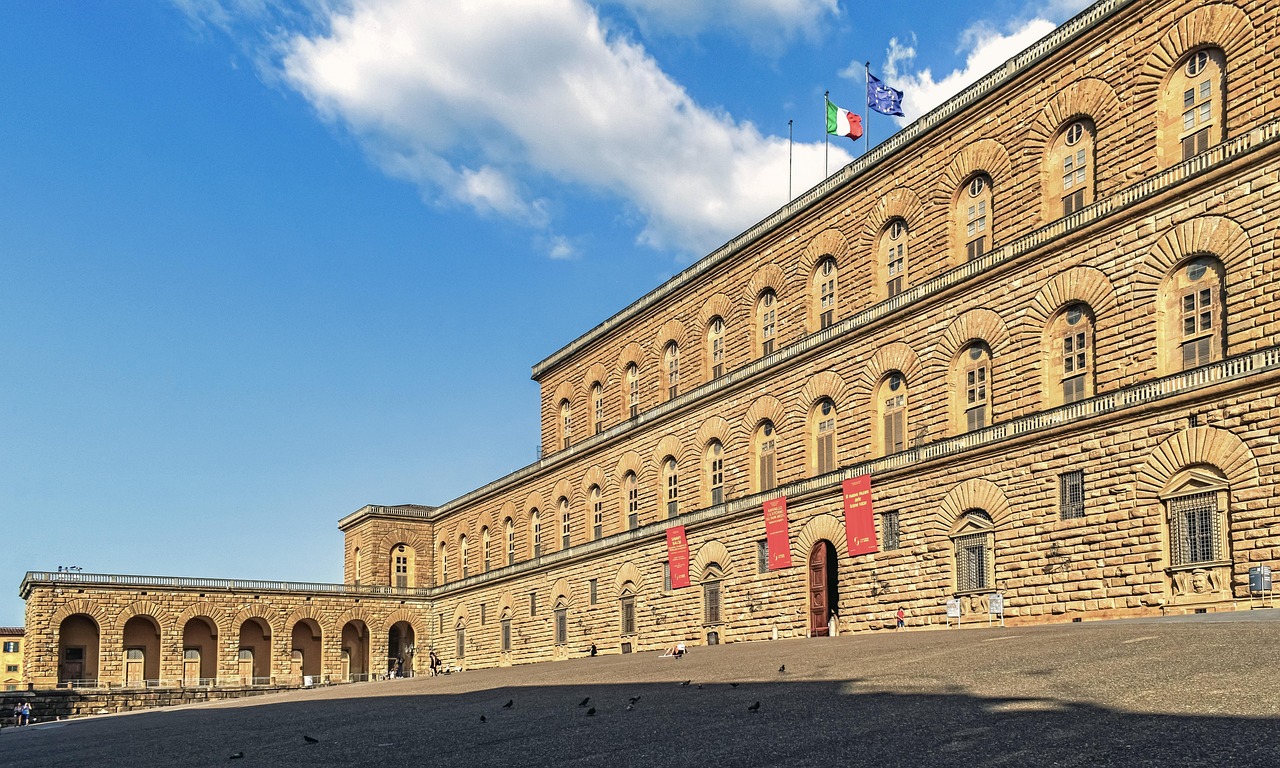
Design your visiting Florence museum itinerary with Palazzo Pitti as a refined starting point
If you’re building a museum in Florence, Italy itinerary, the secret is to design it like a private collection: fewer rooms, more meaning. Florence can feel abundant, but a thoughtful museum plan turns it into a seamless, high-end stay where you explore with trust in your own eye. For most travellers, one to three days is ideal—enough to uncover the city’s top museums without losing the pleasure of lingering.
Start by choosing your anchors: the Uffizi for paintings, the Accademia for Michelangelo, and a palazzo-and-garden pairing for atmosphere. Then weave in one or two smaller art museums based on your interests—sculpture, science, fashioning power, or domestic life. If you’d like inspiration for a full Italian journey beyond Florence, our Trip gallery can help you imagine what fits together.
Museum tickets strategy that feels effortless
The most refined way to visit a museum in Florence is to book timed entry early and let your day breathe. In high season, it’s often worth paying more to skip the queue—and on especially busy dates, to skip the line with a hosted entrance, particularly for the Uffizi and Accademia. This is less about luxury and more about protecting your mood; nothing steals joy like arriving flustered.
- Book online in advance and keep confirmation emails easy to access on your phone.
- Choose first entry or late-afternoon slots for softer crowds and calmer galleries.
- Allow buffer time between venues for a café pause and a gentle stroll.
- Consider private support when you want context without information overload.
Firenze Card and guided tours for Florence museums
A smart pass strategy can simplify logistics across the museums of Florence. The Firenze Card may streamline entry if your itinerary is museum-dense, but it shines most when your timing is tight and you need predictability. If you prefer a more personal pace, one of the most valuable upgrades is expert-led guided tours: a local guide can read the room with you, shape the route, and offer insight that makes a gallery feel human rather than academic.
For atmosphere, consider early morning or late afternoon, and look out for venues that occasionally stay open late—an elegant choice when you want to see important art in quieter light. Wear comfortable yet elegant clothing (Florence is stylish, but never loud), keep hydrated, and plan small breaks. Do note that some rooms restrict photography during a temporary exhibition, so it’s best to enjoy first, then check signage before you lift your phone.




Uffizi Gallery in Florence, Italy, with a private evening tour and insights into the Medici family.
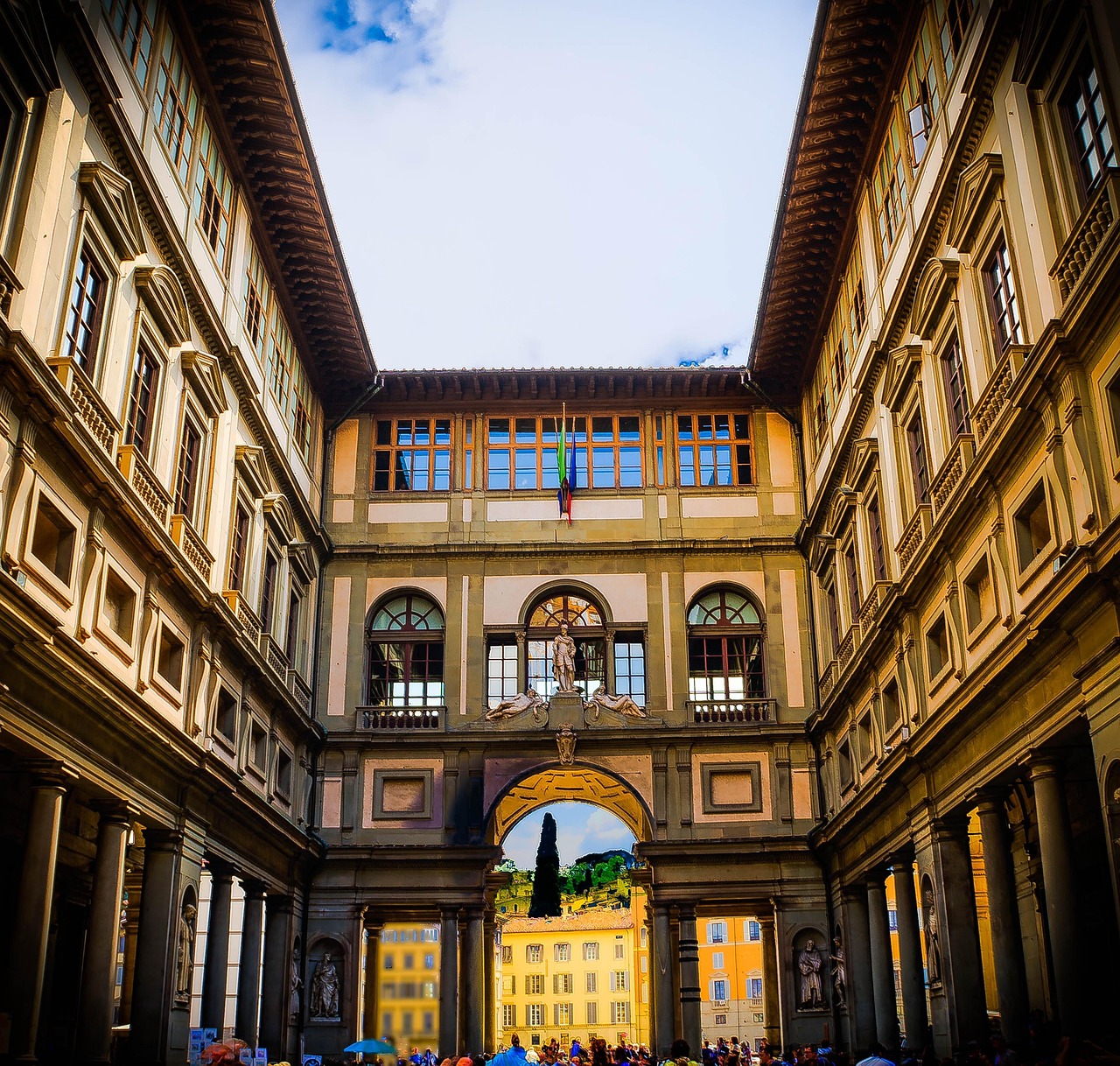
The Uffizi Gallery and the Medici story in Florence
The Uffizi Gallery in Florence, Italy, is the anchor for many Florence museums days—an art history immersion that still feels intimate when you approach it with confidence. The building is arranged across three floors, yet most visitors spend their best time on the main level where the Renaissance narrative gathers momentum. Rather than trying to see everything, create a route of highlights, then leave space for one unexpected room that draws you in.
Think of the Uffizi as a gallery of turning points: technique becoming emotion, devotion becoming individuality, power becoming spectacle. With an expert guide, famous works stop being names and become stories you can actually feel. It’s one of the finest collections in Europe, but it doesn’t demand you rush—only that you stay present.
Uffizi Gallery masterpieces and works by Leonardo da Vinci
Botticelli’s The Birth of Venus is the masterpiece that many travellers come for, and it remains quietly astonishing in person—lighter, more tender, more daring than you expect. Nearby, you’ll find works by Leonardo da Vinci that reward slow looking, as well as paintings linked to Michelangelo and his circle. Your guide may also weave in Fra Angelico (often simply called Angelico in Florence conversations) to show how spiritual light becomes human warmth.
One traveller once told us that a private evening tour changed the entire feeling of the museum: fewer footsteps, more silence, and the rare gift of standing with Venus long enough to notice the small, personal details—how a face can look both mythic and familiar. It’s a reminder that a great museum visit isn’t about ticking off rooms; it’s about creating conditions where the art can speak.
The Medici family and the Vasari Corridor thread
Local guides love to share anecdotes about the Medici—how patronage was both taste and strategy, and how money shaped public beauty. You’ll hear about Cosimo, about alliances and rivalries, and about how collecting became a way of writing Florence’s identity in paint. In these stories, the works of art feel less distant; they become part of a living city.
To connect your day seamlessly, look beyond the Uffizi to nearby art galleries and civic spaces. The Vasari Corridor remains a fascinating thread in Florentine art history; access can change with restoration and ticketing, so treat it as an “if available” detail rather than a promise. Even without entering, noticing how the city was designed for power—bridges, viewpoints, private routes—adds depth to what you’ve just seen on the walls.
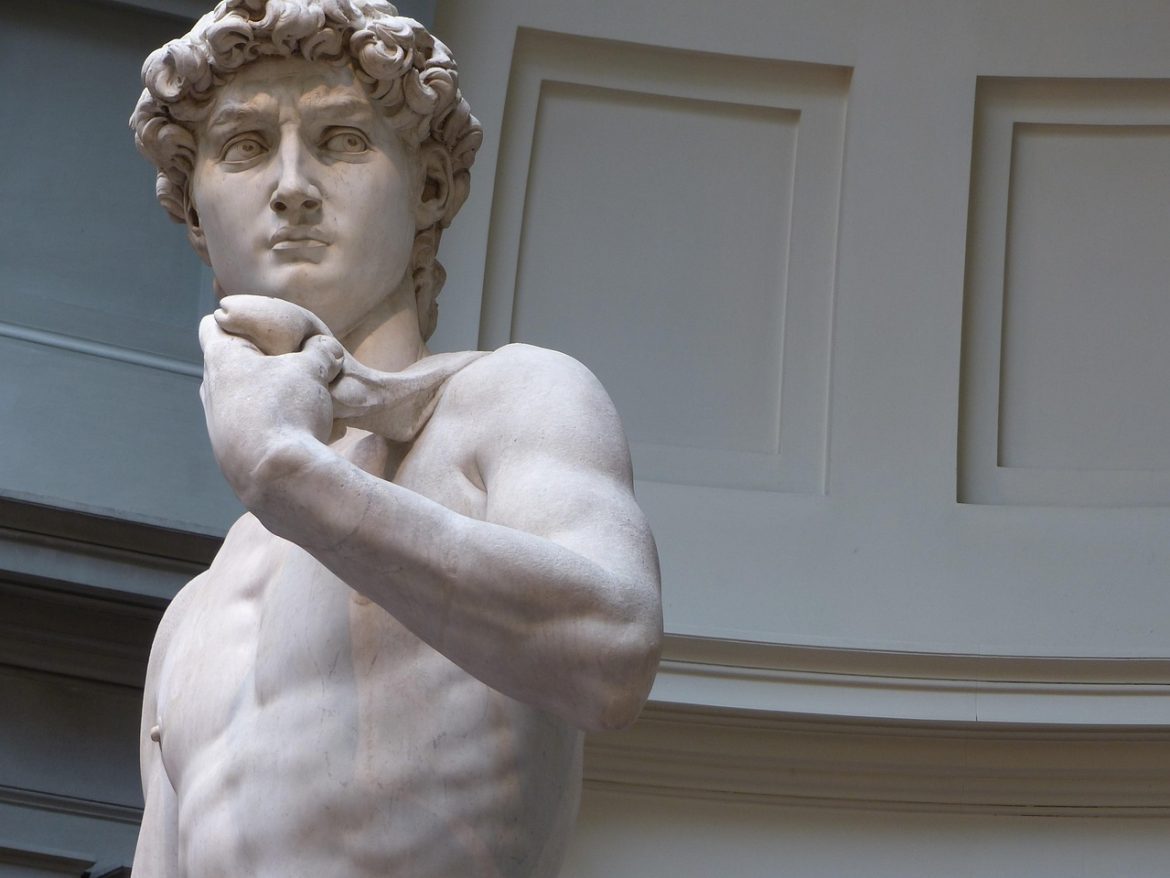
Accademia Gallery in Florence, Italy, houses Michelangelo’s David and sculptures.
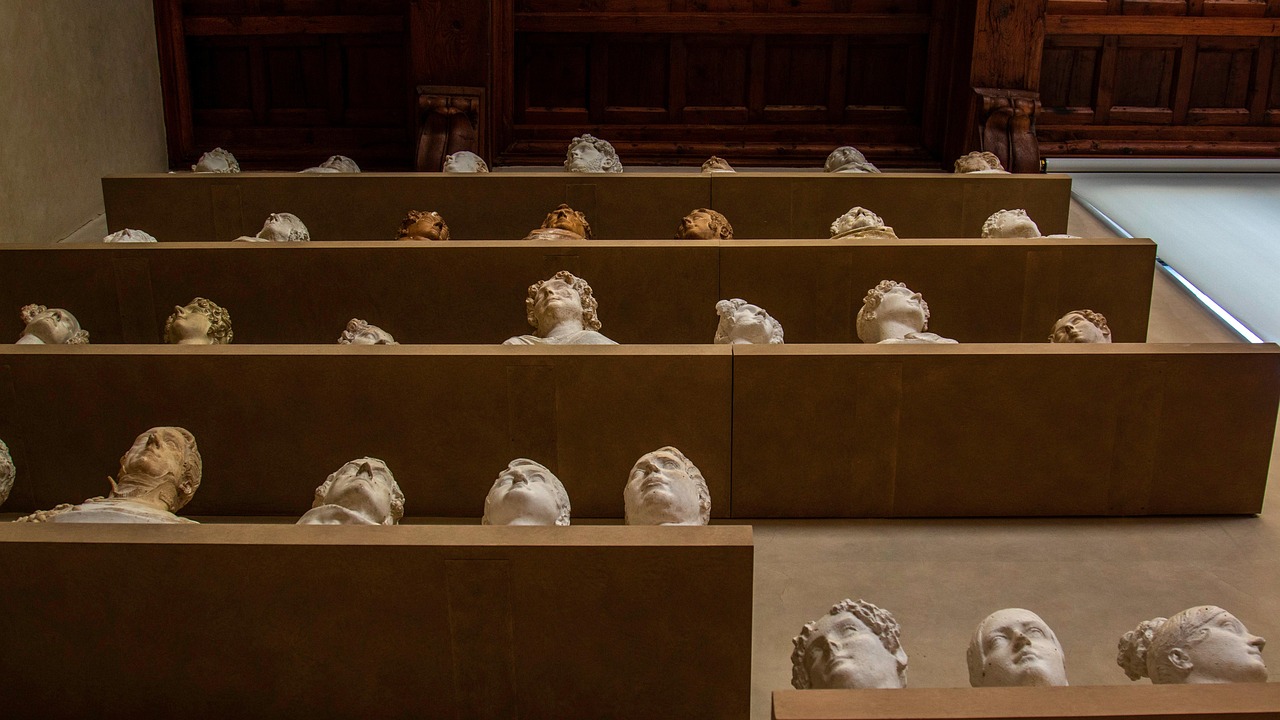
Accademia Gallery and Michelangelo’s David in Florence
The Accademia Gallery, Florence, Italy, is beautifully focused, which is exactly why it works so well in a designed itinerary. The museum offers a focused encounter with Michelangelo and Florentine craft, and most high-end travellers find that 60–90 minutes is enough without feeling rushed. With timed entry, your arrival can be calm, and your attention stays where it belongs—on the sculpture in front of you.
If you’re pairing the Uffizi and the Accademia in one day, place the Accademia first, then have lunch and a slower afternoon. That rhythm protects the emotional impact; David deserves your freshest mind. For many, it becomes the moment they remember most from their visit to Florence.
Michelangelo and the famous transformative sculpture
Standing before Michelangelo’s David is often described as transformative. It’s a famous sculpture, yes—but it’s also a presence: the tension in the body, the alertness in the face, the confidence that feels almost modern. Visitors frequently speak about the awe of realising what a human hand can create, and how that single figure can recalibrate your relationship with the Italian Renaissance.
Give yourself permission to stand still. Notice how light falls over the marble, and how the sense of scale changes as you move. In a city full of marvels, this is the one that asks you to breathe.
Looking closer at unfinished figures in the galleria
Beyond David, explore Michelangelo’s unfinished figures and let them teach you how he thought. In these works, you can see the idea emerging from stone—an insight into process rather than perfection. Look for tension where a shoulder wants to turn, or where a hand seems to press against its own boundaries; it’s sculpture that feels alive in its becoming.
- The best light is often early morning or later afternoon for softer contrasts and fewer people in the galleria.
- Move through gently, pausing at the edges rather than pushing forward with the crowd.
- Respectful photography matters: follow room rules and avoid blocking others’ views.
To extend the story, connect David’s ideals to Donatello and Donatello’s quieter revolution in form and emotion—threads you’ll feel again in Florence’s streets, churches, and civic spaces.
Pitti Palace Palatine Gallery, Boboli Gardens, and more museums to visit
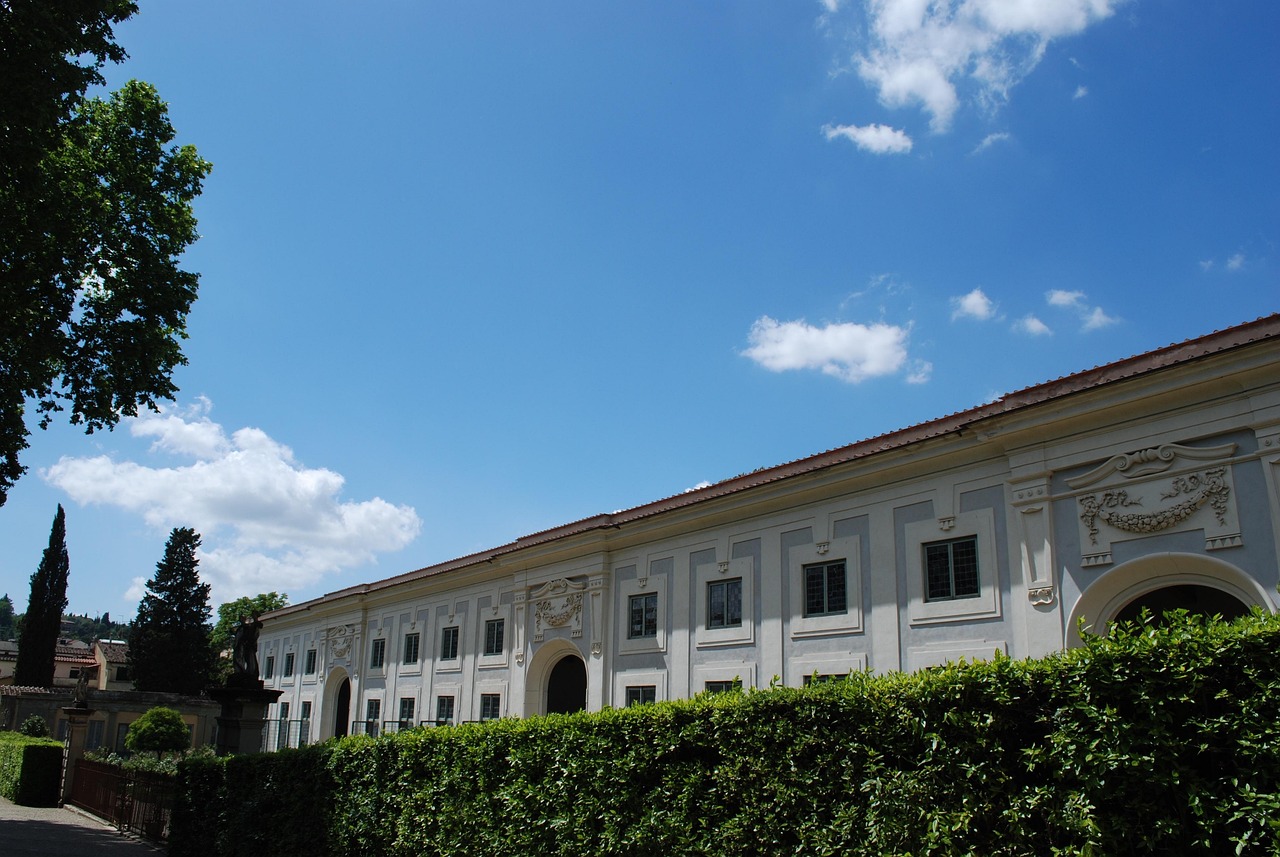
Pitti Palace Palatine Gallery and Boboli Gardens for an elegant Florence museum day
If your list includes Pitti Palace, Palatine Gallery, Boboli Gardens, and Florence museums to visit, you’re choosing a day that blends art, power, and open air. Palazzo Pitti can sound imposing, yet it becomes approachable when you treat it as a set of curated choices rather than a marathon. Think in three levels of enjoyment: richly decorated rooms, a focused gallery experience, and then a garden walk that feels like an outdoor museum.
At a high-end pace, it’s about selecting the right sections for your time in the city. If you only have one afternoon, prioritise the Palatine rooms and the gardens, then let everything else be a reason to return. This approach creates a visit in Florence that feels generous, not exhausting.
Palatine Gallery pleasures inside Palazzo Pitti
The Palatine Gallery is a lesson in looking. Here, collections of paintings sit within rooms that are artworks themselves—layers of fabric, gilding, and colour that change how you read a canvas. Rather than repeating the Uffizi, it complements it: the Uffizi is a narrative; Pitti is a mood, a domestic theatre of taste.
Look for how light is painted (not just shown), how colour creates hierarchy, and how storytelling shifts from public ideals to private worlds. If you’re lucky, you may spot a Caravaggio that feels like a candle in a dark room—direct, human, and unforgettable.
Boboli Gardens as art and architecture in the open air
Boboli Gardens are where Florence exhales. Sculptures line the paths, fountains catch the sun, and viewpoints open out across terracotta roofs—art and architecture in a landscape designed for pleasure. It’s an elegant way to balance the intensity of museums in Florence, especially in warmer months when you want beauty with movement.
Keep an eye out for theatrical forms and mythic references, and let a local guide point out details you’d otherwise miss: a Giambologna gesture in bronze, classical echoes, and the quiet influence of Greek sculpture on later styles. Bring water, take a café pause, and allow time to simply sit and watch the city.
To round out your itinerary, here is a curated shortlist of more Florence museums—choose by interest and mood, not obligation:
- Bargello and the Bargello Museum (a national museum of medieval and Renaissance sculpture, including Donatello) in a more intimate setting. The Middle Ages and a hint of Gothic sensibility appear here in a way that makes later Renaissance clarity feel even more radical.
- Palazzo Vecchio and Piazza della Signoria for civic power, symbols, and the drama of public identity.
- The Medici Chapels at the church of San Lorenzo, including the Chapel of the Princes and the New Sacristy, where stone and ambition feel inseparable.
If you have extra time—or simply want to visit beyond the obvious—Florence offers deeper doors. Consider the Duomo story at the Duomo Museum and Opera del Duomo beside Santa Maria del Fiore near San Giovanni (its 13th-century roots are part of the city’s long memory). For a different kind of curiosity, the Galileo Museum holds extraordinary scientific instruments. The Stibbert Museum surprises with armour and global collections, while the Bardini Museum reflects Stefano Bardini’s eye for beauty. Add Palazzo Strozzi (linked to the Strozzi family) for a rotating exhibition, Palazzo Davanzati for a view of domestic life, and Museo degli Innocenti for a moving, human view of Florence.
Not everything is something you need to visit; the city rewards discernment. Choose what you want to visit based on what you’re becoming curious about—paint, stone, science, or the quieter lives behind the grand façades.
F.A.Qs: Museums in Florence, Italy
Which museums are must see in Florence?
The must-see museum experiences in Florence are the Uffizi Gallery for Renaissance paintings, the Accademia for David, and Palazzo Pitti with the Palatine Gallery and Boboli Gardens for art and atmosphere. If you have time, add the Bargello for sculpture and the Duomo Museum for the story of the city’s cathedral.
What are the two main museums in Florence, Italy?
The two main museums are the Uffizi Gallery and the Accademia Gallery. Together, they give you Florence’s signature painting collection and its most iconic Michelangelo sculpture, making them the most efficient foundation for a short, high-end cultural itinerary.
What should you not miss in Florence, Italy?
Do not miss standing before Michelangelo’s David, and taking time for Botticelli at the Uffizi. Beyond the galleries, a walk through Boboli Gardens offers a beautiful pause with panoramic views, and Piazza della Signoria adds context for Florence’s civic identity.
What is the most famous gallery in Florence?
The most famous gallery in Florence is the Uffizi Gallery. It’s known worldwide for Renaissance masterpieces, including Botticelli’s, and for how it captures the Medici legacy through extraordinary paintings and curated rooms.
What stays with you after Florence, with Florence museum memories
After a few days in Florence, a museum stops feeling like a place you pass through and becomes a mirror of taste, time, and your own imagination. You may remember a single face in Botticelli, the clean line of Michelangelo’s marble, or a garden path where the city felt briefly your own. These aren’t checklist moments; they’re personal impressions that arrive softly, then remain.
There is an afterglow to Renaissance art when you slow down enough to let it work on you. It’s the way a room holds silence, the way a painted hand suggests tenderness, the way a viewpoint in Boboli offers a calm sense of perspective. Florence’s gifts are often small and vivid—carefully crafted, even when the streets are busy.
With the right support, exploring Florence’s museum world can feel gentle and seamless. You leave not only with photographs, but with confidence—trust in your own judgement, and a renewed curiosity for beauty in everyday life. And perhaps that’s why people return to Florence: not to see more, but to uncover something different in the same rooms, under a new light.