Post Contents
- Colosseum in Rome: First-Time Visit Guide, Roman History Facts, and What to Notice
- Colosseum Underground Tour: Gladiator Dungeons, Chambers, and the Arena Backstage
- Roman Forum and Palatine Hill Nearby: Combined Ticket Walk Through Rome’s History
- Night at the Colosseum Today: Evening Tours, Lighting, and Updates
- Plan a Seamless Colosseum Day: Tickets Online, Price, and Metro B Colosseo Stop
- F.A.Qs: Italy Colosseum and Rome trip planning (tickets, facts, and history)
- What Stayed With Me After the Colosseum in Rome, Italy: Personal Reflection on Roman History
Colosseum in Rome: First-Time Visit Guide, Roman History Facts, and What to Notice
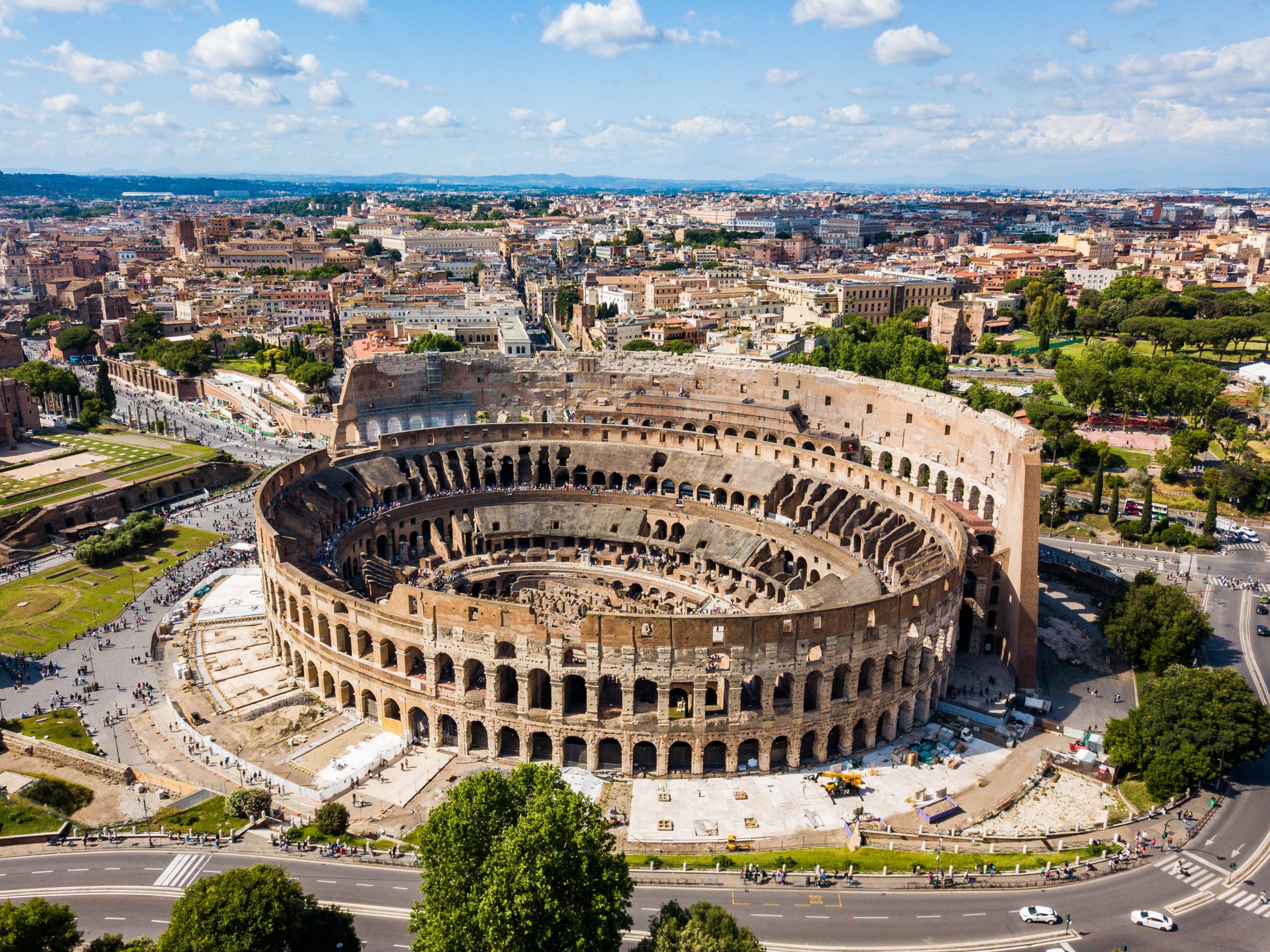
Colosseum at sunrise in Rome – a first encounter worth showing down for
Your first visit to the Colosseum in Rome can feel like stepping through a soft tear in time, where Roman history and a simple fact suddenly become personal. I still remember arriving early, when the morning sun caught the ancient stone and the whole structure seemed to glow—quiet, nearly private, and undeniably famous. For a moment, you simply stand still and let the scale settle in your chest.
A grounding fact helps the mind catch up with the heart: the Colosseum, also known as the Flavian Amphitheatre, was built under Emperor Vespasian, with construction completed under his successor, Titus, who opened it to the public. It became a symbolic monument of imperial Rome, built to hold tens of thousands of spectators and to make state power visible. What’s known from sources and archaeology is that this amphitheatre was engineered for mass entertainment and control, yet it now reads as art, memory, and endurance.
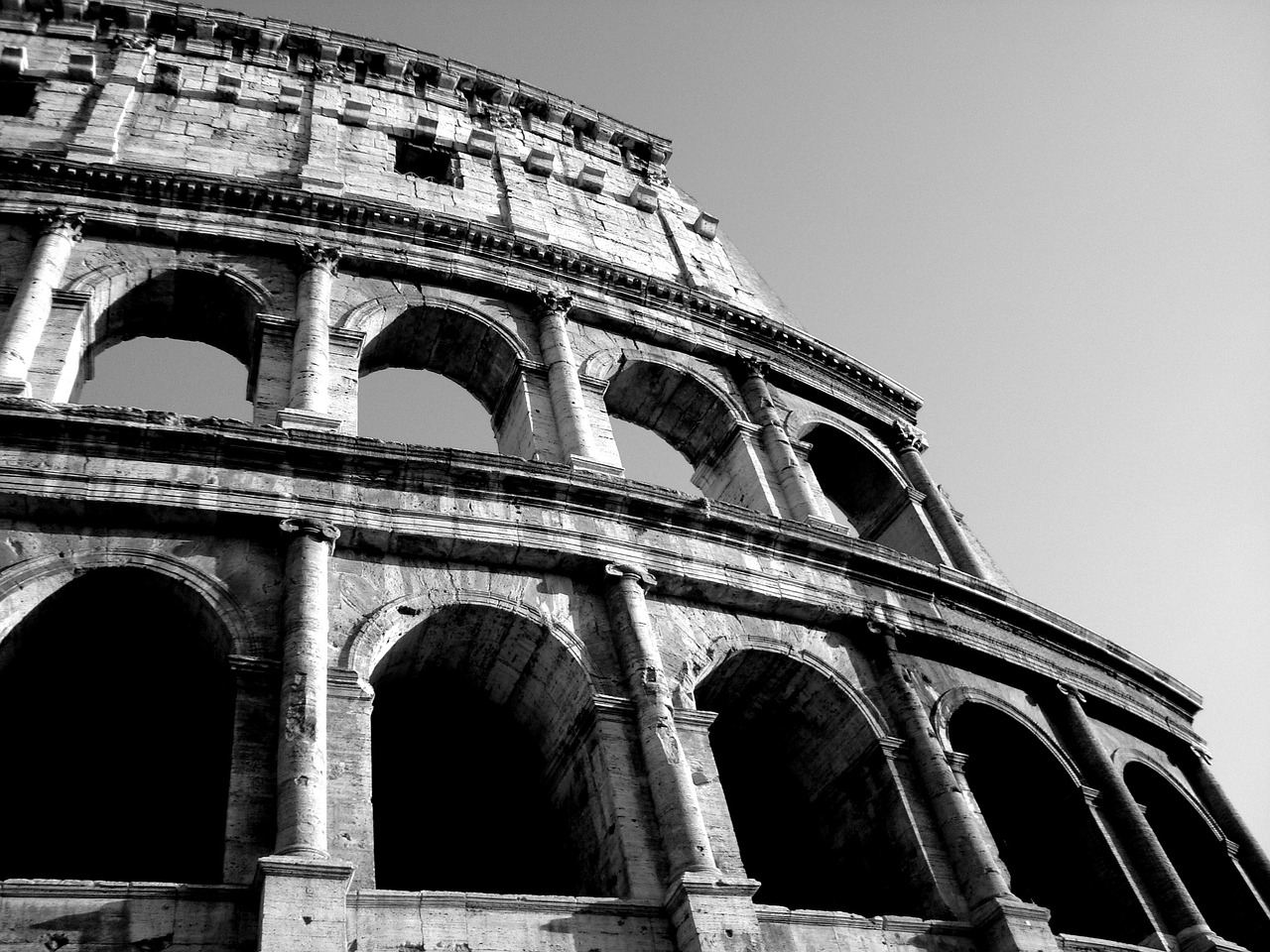
For adventure seekers, a strong first view is often from the east side as you approach from Via dei Fori Imperiali; you see the amphitheatre’s curve and the city behind it in one sweeping glance. Look up at the layered tiers and the different orders—ionic details and hints of Corinthian style—like a coded language in stone. Begin your loop by circling slowly, noticing the rhythm of arches and the way the arena once sat at the centre of public life.
To spark your curiosity before you go deeper, keep the cast in mind: Vespasian’s reign sets the build in motion, Titus gives it its grand debut, and Domitian later adds the hidden systems beneath your feet. The Colosseum could feel like a single monument, but it’s really a timeline you can walk. In Rome, it has become a popular tourist landmark and a must-see tourist attraction in Italy—yet it still rewards a quieter pace.




Colosseum Underground Tour: Gladiator Dungeons, Chambers, and the Arena Backstage
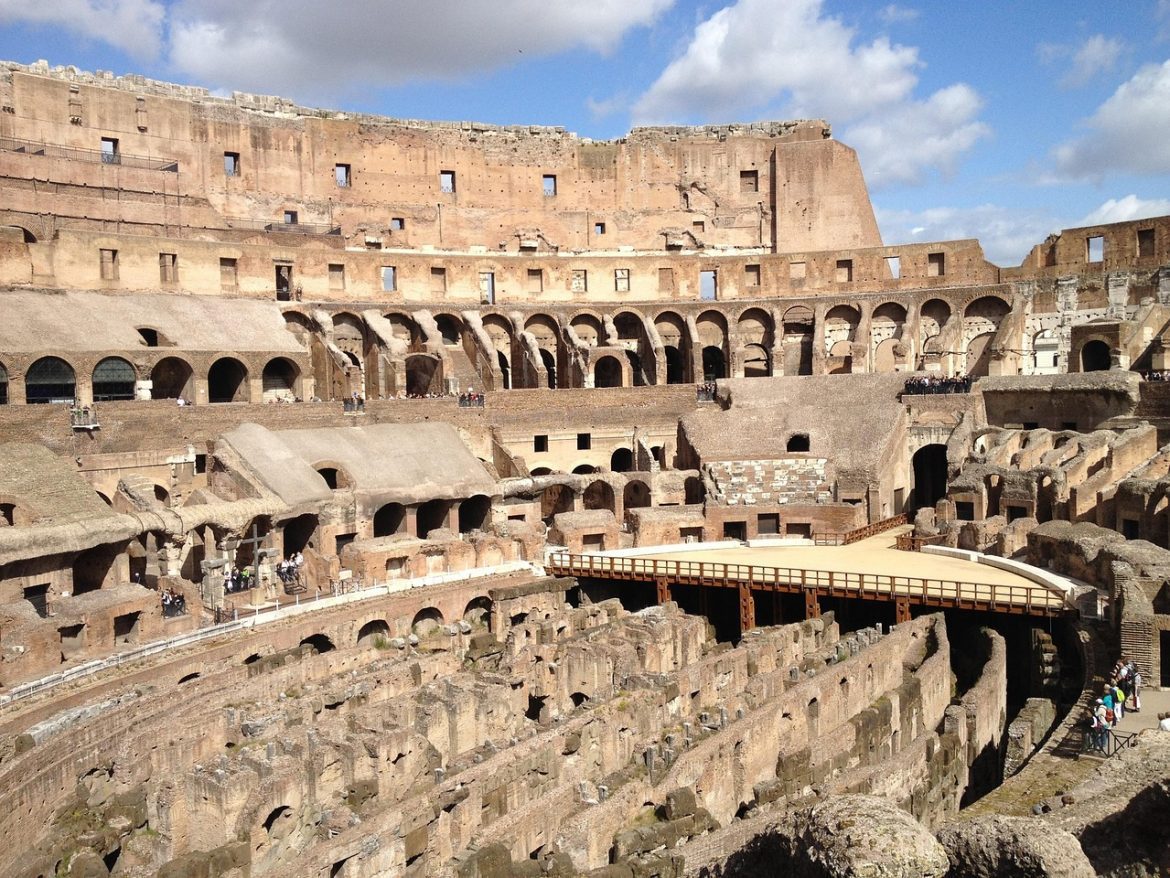
Underground passages beneath the Colosseum — where gladiators waited
A Colosseum underground tour experience begins with a change in temperature and sound, as you descend below the arena into corridors that once managed fear, focus, and spectacle. It’s the kind of place that gives you goosebumps without trying—because you can imagine the order of preparations, the hush before combat, and the weight of the gates. This area was used for gladiatorial staging and animal hunts, a controlled machine built for a crowd’s roar.
Gladiator history fact: Roman engineering beneath the amphitheatre
Down here, the Colosseum stops being “ruins” and becomes a layout you can read. Tunnels, trapdoors, and lifts created flow: animals and fighters could appear as if from nowhere, turning entertainment into an orchestrated surprise. The Romans understood routing like modern event planners—separating people, beasts, props, and performers so the show could run on time, even during a staged battle.
For depth, it helps to know how they built it. Concrete formed the core, while stone came from a quarry network feeding the city; the architectural system layered strength with elegance, allowing the structure to stand through a brutal span of centuries. Much is known about the materials and the construction logic, even if some mechanics remain debated because wood and metal fittings rarely survive completely.
Tour tips for today: tickets, access, and what to bring
Most underground tours include a timed entry, a small-group guide, and access to areas you can’t reach on a standard ticket. Mobility varies: there are steps and uneven surfaces, so a reputable operator will explain routes and alternatives with care. If you’re travelling as a family, children often find the tunnels thrilling—keep it respectful by speaking softly, staying with your group, and remembering this is a protected site, not a set for mock combat.
- Bring: water, comfortable shoes, and a light layer (it can feel cooler below).
- Expect: narrow passages, low lighting, and moments where you’ll pause to let others pass.
- Choose: a local guide if you want stories that feel immediate, not just dates.
Roman Forum and Palatine Hill Nearby: Combined Ticket Walk Through Rome’s History
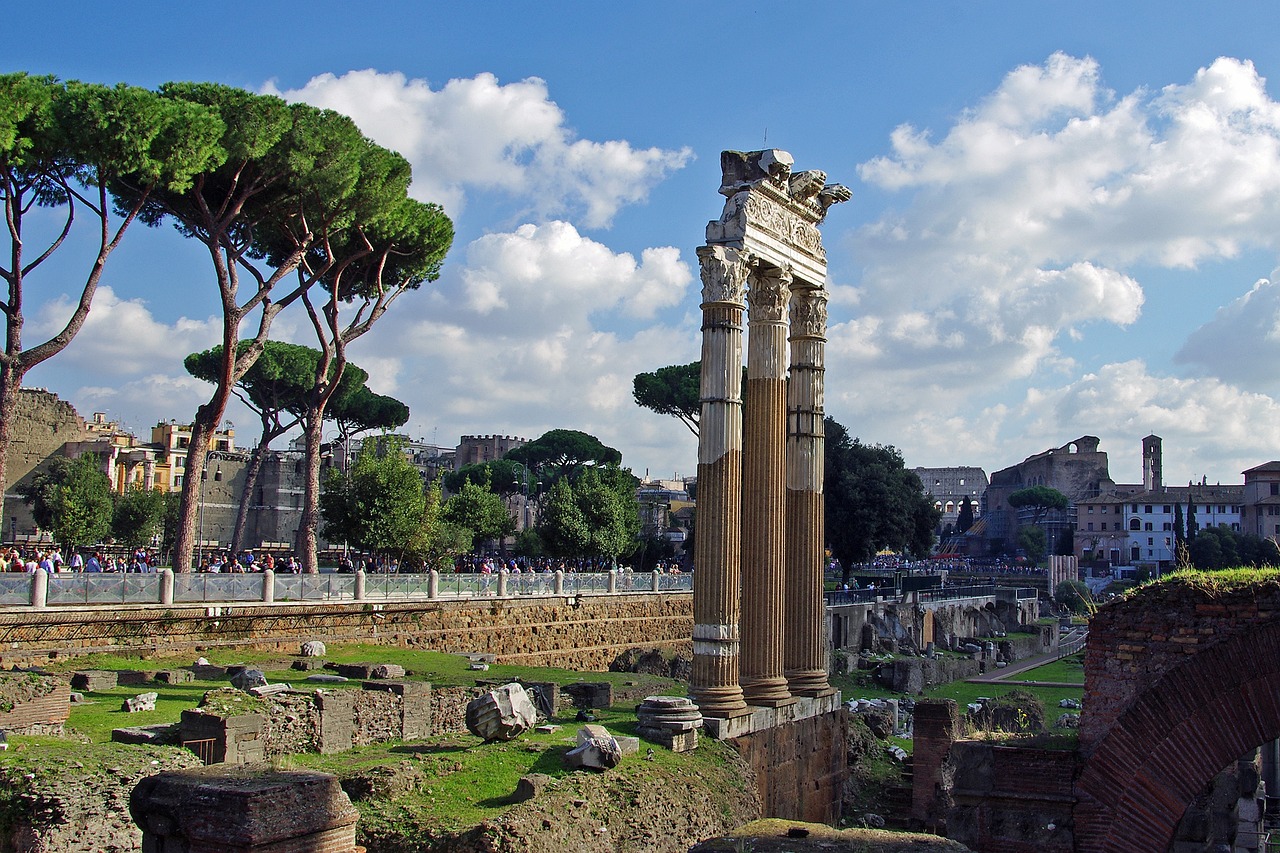
Palatine viewpoints near the Colosseum — rooftops, ruins, and long views
A combined ticket turns three spaces into one crafted narrative walk: the Colosseum, the Roman Forum, and the hill where power once looked down over the city. Instead of treating them as separate tourist attractions, plan your visit as a single story about public life, the rise and fall of the empire, and renewal across an age of change. This is where Rome feels layered—politics, religion, and ordinary footsteps pressed into the same stones.
Roman history route in three stops (Forum–Hill–Colosseum)
A route that feels adventurous but doable starts at the Forum while the light is still gentle, then climbs Palatine as the sun moves lower. You’ll discover viewpoints that frame domes and rooftops, with shaded pauses that make the walk feel manageable rather than punishing. What’s known from inscriptions and excavations is substantial, yet some reconstructions are incomplete; a good guide will clearly refer to the evidence and flag where interpretation begins.
On Palatine Hill, you’ll understand why emperors chose height—panoramic views help you map Rome, and the scale becomes emotionally real. If you love detail, notice textures: chipped marble edges, warm brick tones, and wildflowers finding purchase in cracks. This is a place to create “designer journey” images with patience, without blocking paths or climbing where it isn’t appropriate.
Fact checks, comfort, and pacing for uneven stones
Underfoot, you’ll meet uneven stones and surprising steps, so steady shoes matter as much as curiosity. Carry water, and plan micro-breaks: five minutes in shade can reset your energy and keep the day enjoyable. Rome rewards pacing—your confidence grows when you treat the experience as a long story, not a checklist.
Night at the Colosseum Today: Evening Tours, Lighting, and Updates
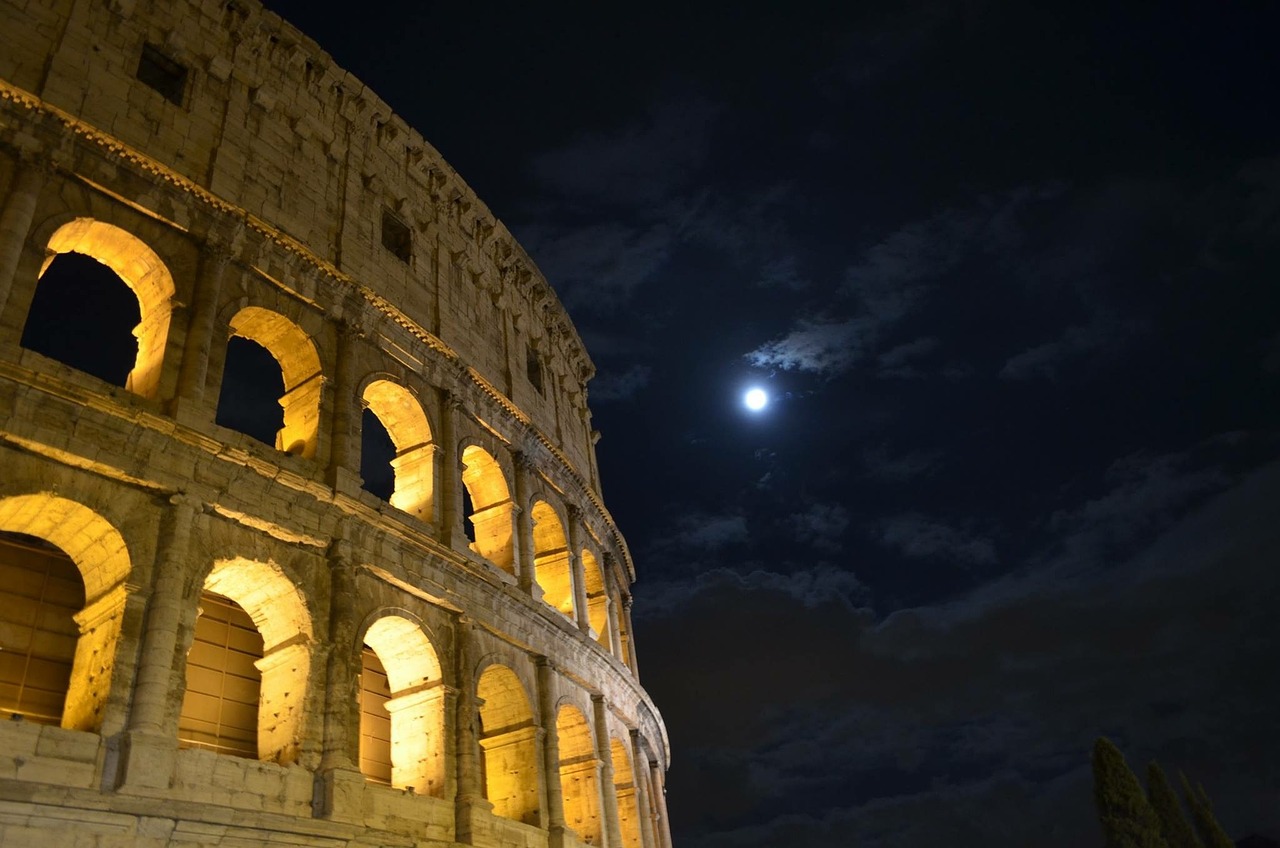
The Colosseum after dark — illuminated arches and a quieter mood
Evening visits offer a different kind of thrill: less heat, fewer crowds, and an illuminated curve that feels almost theatrical. Streets quieten, the stone darkens, and the monument seems to breathe in a slower rhythm. Today, the Colosseum remains a powerful, modern experience, even after 2,000 years, and some estimates put the number of visitors at 7 million in a strong year.
Evening entertainment: what a night tour includes
In practice, “night tour” usually means limited areas, timed entry, and smaller groups, rather than a full roam of every level. That constraint can be a gift: fewer voices, more atmosphere, and a sense of being held by the space rather than pushed through it. For travellers who prefer calm over chaos, it can feel like the most seamless way to connect with the arena’s story.
How to book safely: check official news and entry rules
Make a habit of checking official news before you book, because evening openings can change with restoration work or seasonal scheduling. Look to the official ticketing platform and reputable museum communications, and be wary of sellers who can’t explain exactly what areas are included. If you choose a premium guided option, ask about group size, meeting points, and whether the guide is licensed—small questions that help prevent disappointment.
- Best for: travellers seeking atmosphere, photography, and a cooler time slot.
- Plan for: security checks, punctual entry windows, and limited toilets on some routes.
- Pair with: a slow dinner nearby, letting the evening feel like a celebration rather than a sprint.
I once booked a later slot after a long day in Rome, and the whole experience felt like exhaling. The city outside was lively, but inside the arches, everything was measured and calm—quiet help for a more mindful pace.
Plan a Seamless Colosseum Day: Tickets Online, Price, and Metro B Colosseo Stop
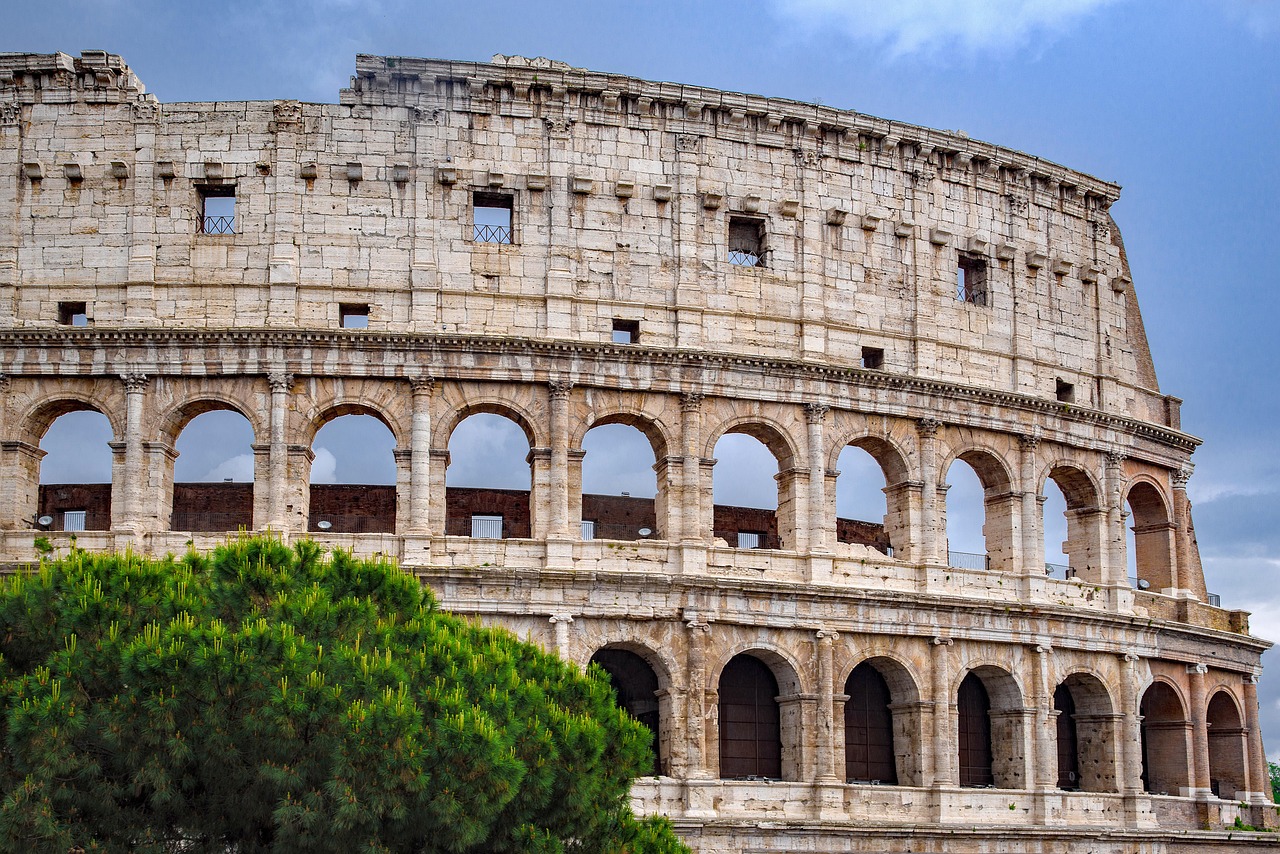
Plan your Colosseum day — tickets, arrival, and a calm entry
Colosseum tickets online and a clear plan are the difference between an elegant day and a frazzled one. Book in advance whenever you can, especially in peak season, because timed entry slots shape your whole itinerary. A commonly referenced entry cost is around 16 euros for adults, with discounts for EU citizens under 25, and free entry on the first Sunday of each month—though availability and rules can change, so always double-check at the time you book.
Roman fact-based timing: crowds, heat, and a three-part schedule
To explore with confidence, aim for early morning or late afternoon, avoiding the busiest midday hours. A reliable rhythm is a three-part day: Colosseum first, then the Forum, then Palatine, with a proper break in between. It keeps your energy high and helps you stay focused rather than simply pushing through.
Remember the building’s scale: the Colosseum is known to have had 72 numbered entrances to manage the flow of each spectator. That same logic still applies today—arrive a little early, find your gate, and let the system work for you. If you want to add one extra layer to your visit, book an audio guide so you can learn at your own pace.
Transport, etiquette, and safety tips
Getting there is easy: take Metro Line B to the Colosseo stop, which places you right at the action. If you’re walking, approach the city through the surrounding streets to enjoy it as a living gallery; it’s a gentle way to begin, especially if you want a more personal connection. Wherever you start, wear comfortable shoes—uneven paving and steps are part of the experience.
Inside, travel with care: keep to marked routes, don’t climb on walls, and take your time in crowded corridors. In queues, be mindful of pickpockets and keep valuables close to your body; a crossbody bag worn in front is a simple way to keep them close. For readers who like a quick fact to anchor the visit: the Colosseum’s seating reflected social order, with different levels guiding where people could sit during a contest or show.
- Tickets: combined tickets can include the Forum and Palatine—great value if you want the complete story.
- Hydration: carry water, especially in summer, and take shade breaks before you feel drained.
- Where to stay: choose a base with easy transport links; central areas mix tourist apartments with real housing needs, so book thoughtfully and without judgement.
If you’re still shaping your wider Italy route, I like to browse a visual itinerary before I commit—here’s our Trip gallery for inspiration, you can adapt to your own pace.
F.A.Qs: Italy Colosseum and Rome trip planning (tickets, facts, and history)
What is the Colosseum in Italy famous for today?
The Colosseum is famous as the largest ancient amphitheatre ever built and as a defining symbol of Rome. It hosted vast public spectacles, from staged hunts to formal contests, and it still displays remarkable Roman engineering and design today.
Can you just walk into the Colosseum in Rome without booking in advance?
You can’t just walk in; entry is typically timed, and lines can be long. It’s best to book online in advance for your preferred slot, then arrive early for security checks and a calmer, more seamless entrance.
What happened in the Colosseum arena in ancient Rome?
The Colosseum hosted organised public entertainment, including combat displays, animal hunts, and staged performances that demonstrated Roman power and order. These events were tightly managed with underground logistics, gates, and crowd control for tens of thousands of spectators.
What are 5 fun facts about the Colosseum in Rome?
It’s also called the Flavian Amphitheatre; it was begun under Vespasian and opened by Titus; it had 72 entrances for crowd flow; it once used lifts and trapdoors under the arena; and it has survived earthquakes, reuse, and centuries of change while remaining one of Rome’s most famous landmarks.
What Stayed With Me After the Colosseum in Rome, Italy: Personal Reflection on Roman History
Colosseum reflection arrives quietly, often when you least expect it. For me, it was the feeling of standing where the arena once opened to noise, then noticing how silence has its own weight. You hold wonder in one hand and empathy in the other—because the stones are beautiful, and the story is complicated.
The city’s layers drift through your mind: Nero’s shadow in Rome’s memory, the way later centuries repurposed a damaged monument, and how the Middle Ages recast parts of the structure into a fortress. There are church connections and even a pope’s influence in how the site was treated and protected, reminders that history doesn’t end—it keeps editing itself. Then an earthquake, time, and weather reshape what we see, leaving gaps that invite imagination as much as they demand respect.
And yet, what’s known is enough to change you. You begin to believe that travel can be both bold and gentle: an adventure in perspective rather than speed. As dusk gathers, you walk away with the city behind you and the Colosseum at your back, feeling strangely together with everyone—tourist, local, scholar, child—who has looked up at these arches across a hundred generations.
Later, you may find yourself measuring time differently, not by minutes but by centuries, by what we build and what we choose to protect. The Colosseum stands as one of the world’s most famous structures, and in that endurance, you can feel the past made present. If you return to Italy, what might you uncover next—another monument, another street, another detail that makes the ancient world feel close?