Post Contents
- Visiting Udine in Friuli Venezia Giulia: essentials for first-timers in the historic centre
- Udine Castle: golden-hour walk, museum time, and views from the hill
- Piazza Libertà in Udine: landmark loggias, arches, and the Torre dell’Orologio
- Friulian culture in Udine: Museum of Popular Arts and Traditions in Friuli-Venezia Giulia
- Udine food and wine: Friulian dishes, osterie, and Friuli DOC for adventurous appetites
- F.A.Qs:
- After Udine, Italy: reflection, Friuli memories, and why the city stays with you
Visiting Udine in Friuli Venezia Giulia: essentials for first-timers in the historic centre
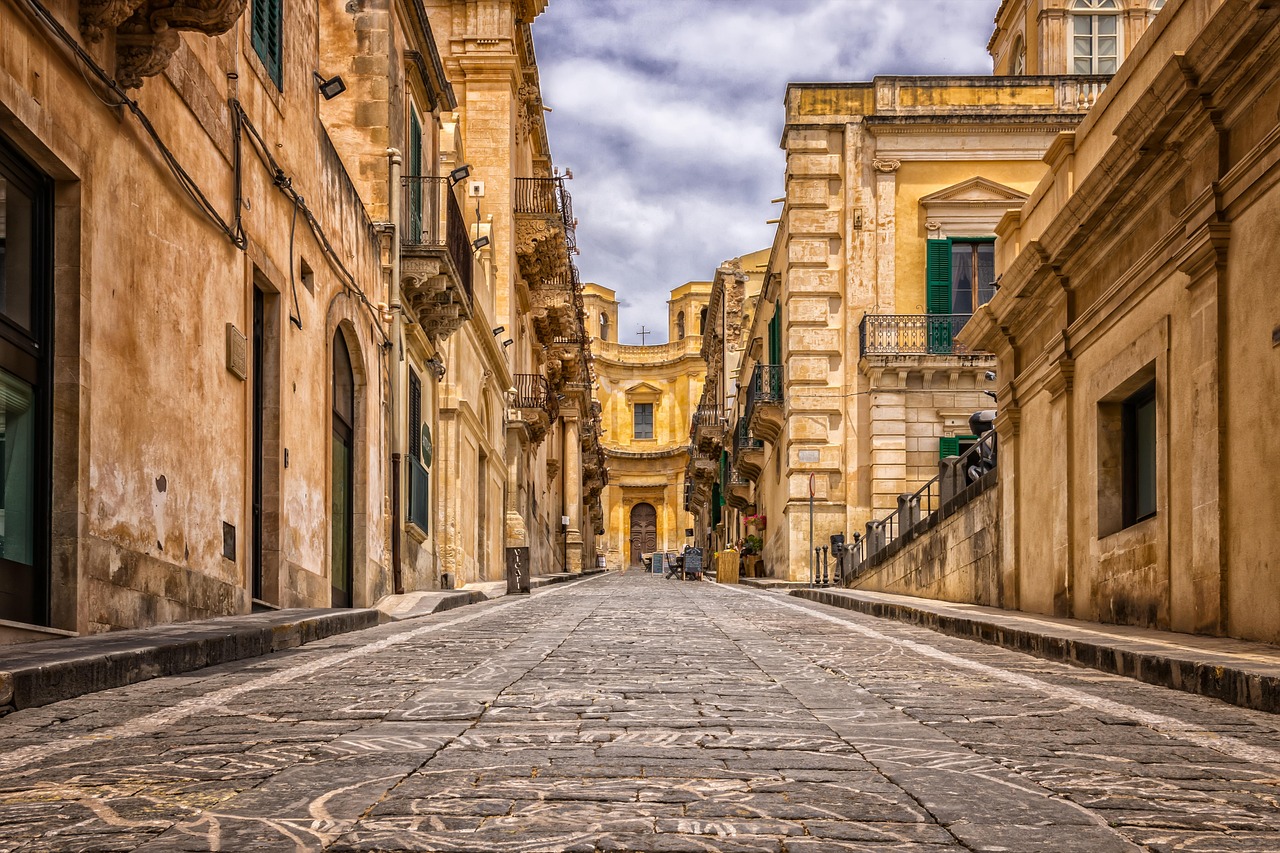
First-time street scene in Udine, Italy
For first-time essentials in Udine, Italy, think of a refined base with the soul of a borderland and the ease of a compact, walkable city. Udine is a city that’s often overlooked between Rome and Venice, yet it’s exactly right when you want culture with breathing room and a quietly adventurous edge. You can design your day around one viewpoint, one museum, and a long, leisurely meal—then let the evening bring that soft, local glow in the old town.
Udine is one of those places that reassures you quickly: street safety is excellent, navigation is simple, and the welcome feels genuine rather than performed. Many travellers rave about the Friulian hospitality—shopkeepers who share stories, waiters who guide you to the right glass of wine, and baristas who remember your order the next morning. If you’ve ever wondered what slow travel looks like when it still has momentum, this destination delivers it beautifully.
See in Udine: a confident 1–2 day plan for first-time visitors
When people ask what to explore, the answer isn’t a checklist—it’s the heart of Udine and how it feels to move through it. The heart of the city sits between the castle hill and the grand squares: start with a simple piazza loop, add the castle at golden hour, and weave in one museum or church for quiet contrast. If you want to see Udine well in a short visit, focus on a few anchors and leave space for small discoveries like artisan shops, tucked-away cafés, and galleries that still feel local.
If you’re building a longer itinerary through northeastern Italy, Udine also works beautifully as a refined day trip stop—yet it’s calm enough that many travellers prefer to stay in Udine and take the region slowly. Nearby attractions that pair naturally include Cividale del Friuli for layered history and Aquileia for its extraordinary Roman mosaic heritage; for an easy rail extension, Pordenone adds another elegant slice of Friuli life. And yes, the Adriatic Sea is close enough to feel in the air, even when you’re inland.
Getting there, getting around, and the best places to base yourself
Arriving is refreshingly seamless. Trains from Venice and Trieste run frequently, and the station is close enough that you can check in, drop bags, and be in the centre before your first espresso cools. Once you’re here, walking is your best friend, with buses as a simple backup for anything slightly uphill or further out. This is the kind of city where you can travel with confidence—no complex logistics, no constant app-checking.
Where you sleep changes the feel of the trip—and it’s worth choosing with intention. For the best places to wake up into Udine’s rhythm, choose either: (1) near the main square for immediate atmosphere and a late stroll, or (2) near the station if you’re connecting onward and want extra ease. Both work for a high-end traveller; it’s simply a question of whether you want to step straight into the evening buzz or prioritise streamlined arrivals and departures. For inspiration as you plan, browse our Trip gallery and picture how Udine can anchor a beautifully balanced route across Friuli.
Quick planning notes (crafted to keep things low-stress):
- Best time: late spring and early autumn for gentle weather and long, comfortable walks.
- Transport: arrive by train; then explore on foot—Udine rewards unhurried wandering.
- Safety: very good overall; keep standard precautions in busier pedestrian areas.
- Timing: plan one long pause each day (coffee, a museum visit, or an aperitivo) so your pace feels intentional.
Once you’re oriented, the city starts to feel like it’s looking after you—subtle, steady, and quietly beautiful. Next, we’ll climb towards the viewpoint that many travellers describe as the moment the city becomes truly personal.




Udine Castle: golden-hour walk, museum time, and views from the hill
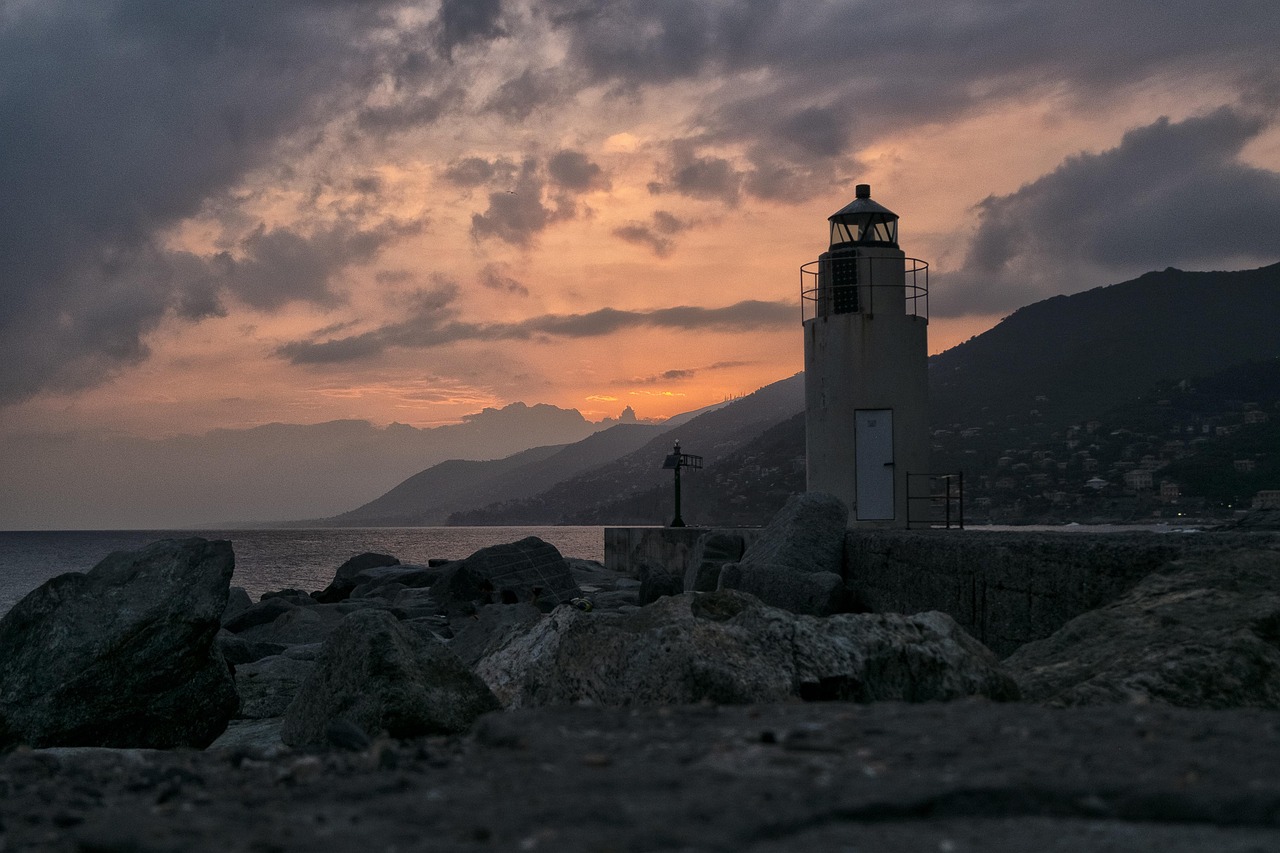
Udine Castle at golden hour, looking over the rooftops
The idea of “castle plus museums plus views” can sound like a lot—until you realise the approach is part of the pleasure. A short uphill walk (more satisfying than strenuous) leads you to the castello di Udine, and the reward is immediate: panoramic views of the city and, on clear days, a crisp line of the Alps that makes you stop mid-sentence. One solo traveller told us that arriving at sunset felt like stepping into history, then watching Udine light up in real time—quietly thrilling, never overwhelming.
Golden-hour climb: calm courtyards and an Alps horizon
Plan the climb for late afternoon, when the light softens, and the courtyards feel cinematic. There’s often a small parco-like calm around the hilltop—families, students, couples lingering—so the atmosphere stays relaxed rather than staged. Bring water and wear shoes you trust; the streets are safe, but comfort matters when you want to arrive feeling good rather than rushed.
If you enjoy photographing details, the warm light helps tones read clearly and makes portraits feel natural. For the best “design” moment, linger until the first lamps switch on: rooftops begin to sparkle, and the view becomes less about skyline and more about belonging—just for a brief, beautiful hour.
Inside the castle museums: Tiepolo context and a choose-one visit
Within the castle complex, you can explore galleries and exhibits without needing an art-history degree. You’ll see references linked to Tiepolo and the wider tradition around the Gallerie del Tiepolo; if you’re short on time, choose one room or theme and let it be enough. If you want a touch more context, look for labels that highlight works by Tiepolo and note how his colour and composition echo through local collections.
Practicalities are straightforward: entry is a modest fee, with common discounts for students and seniors. Give yourself anywhere from minutes to 2 hours, depending on whether you’re moving quickly for the viewpoint or savouring the exhibits. This is your day to shape—quietly ambitious, never pressured.
From the hill, the route naturally leads down towards the city’s grandest square. Follow the slope, and the architecture shifts from hilltop calm to a piazza scene that feels unmistakably Italian, yet distinctly Friulian.
Piazza Libertà in Udine: landmark loggias, arches, and the Torre dell’Orologio
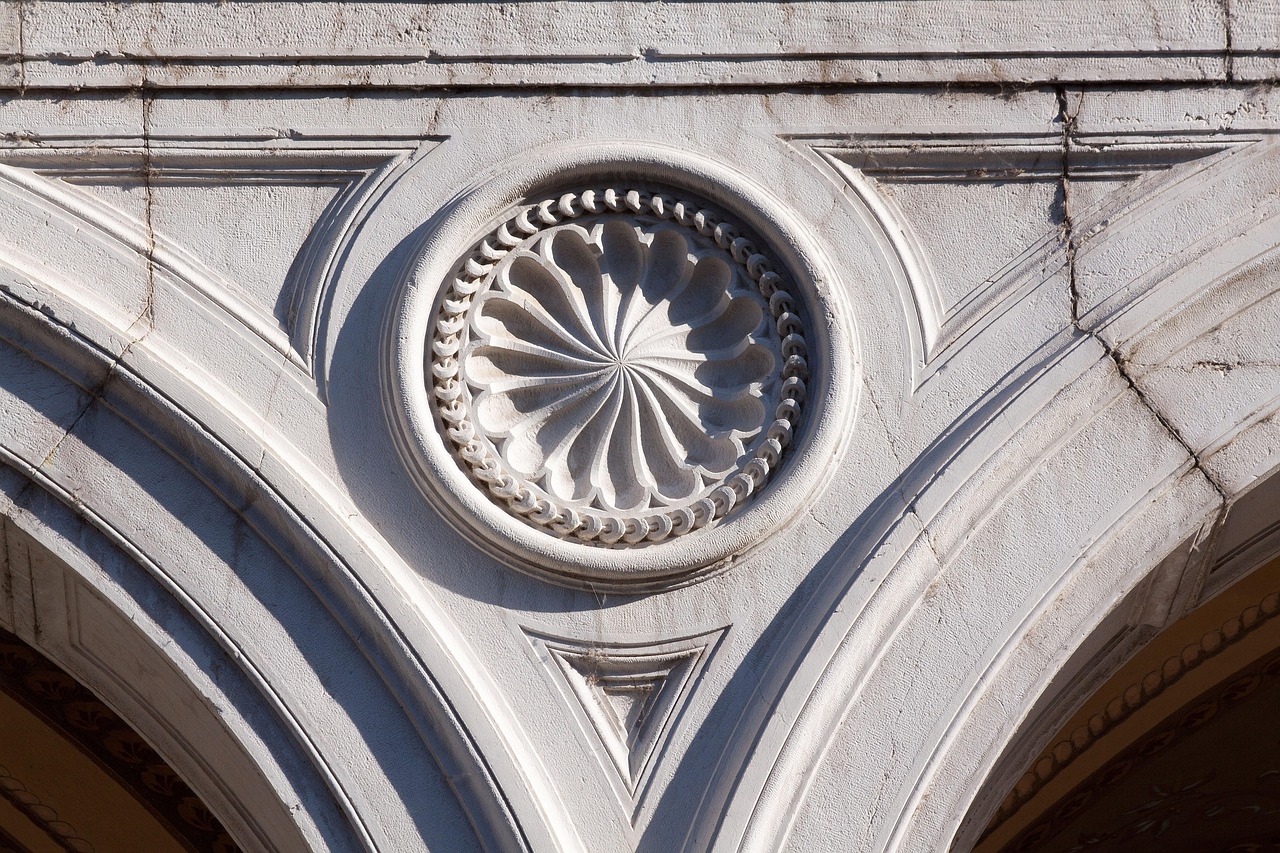
The main square and elegant arcades in Udine
If you’re searching for the city’s signature square, you’re already circling one of the loveliest urban rooms in Italy’s north. Piazza della libertà is often cited among Italy’s most beautiful squares, and you’ll feel why as soon as you step in: elegant proportions, pale stone, and a rhythm of arches that hints at a single, clear Venetian influence—quite literally built by the Venetians in spirit and style. It’s a place that doesn’t demand attention; it earns it.
A piazza loop: Loggia details, arches, and the fountain
Begin with the iconic striped loggia del lionello, a showpiece that anchors the square with confidence. Look up and you’ll spot the clock tower and the Torre dell’Orologio, while at ground level the details—arches, columns, and a central fountain—keep your eye moving like a curated exhibition. It’s easy to explore this as a self-guided loop that feels crafted rather than complicated.
Just steps away, you’ll find the loggia di San Giovanni, adding another layer to the loggia-lined experience. Give yourself permission to sit for five minutes, watch the flow, and let the square become a living gallery—street life, footsteps, and snippets of conversation that sound like music when you’re travelling well.
Piazza San Giacomo and the Duomo: cafés, aperitivo, and quiet lanes
From Piazza San Giacomo, also known as Piazza Matteotti, the energy turns softer, and the café culture becomes the main event. Choose one of the open-air cafés, order an aperitivo, and let the hour stretch; it’s a simple ritual that makes the city feel instantly familiar. This is also where a casual stroll down a side lane can turn into your favourite memory—bookstores, small workshops, and a sense of ease that’s hard to manufacture.
For a quieter counterpoint, continue to the cathedral of Udine and the Duomo area, where Duomo di Udine brings a more reflective atmosphere. If you enjoy looking up, notice the bell tower lines and how the streets frame the stonework, like a scene set for slow observation. The name Giacomo becomes a subtle thread here, too—proof that Udine layers identities without ever feeling split.
Two small ways to make the centre feel personal:
- Visit the main square twice—once in daylight for architecture, once in the evening for atmosphere.
- Choose one alleyway to explore without a map; it’s a gentle adventure with surprisingly rich rewards.
With the square circuit in your body like a remembered dance, Udine invites you deeper—into the objects and rituals that shaped daily life in the region, beyond the postcard scenes.
Friulian culture in Udine: Museum of Popular Arts and Traditions in Friuli-Venezia Giulia
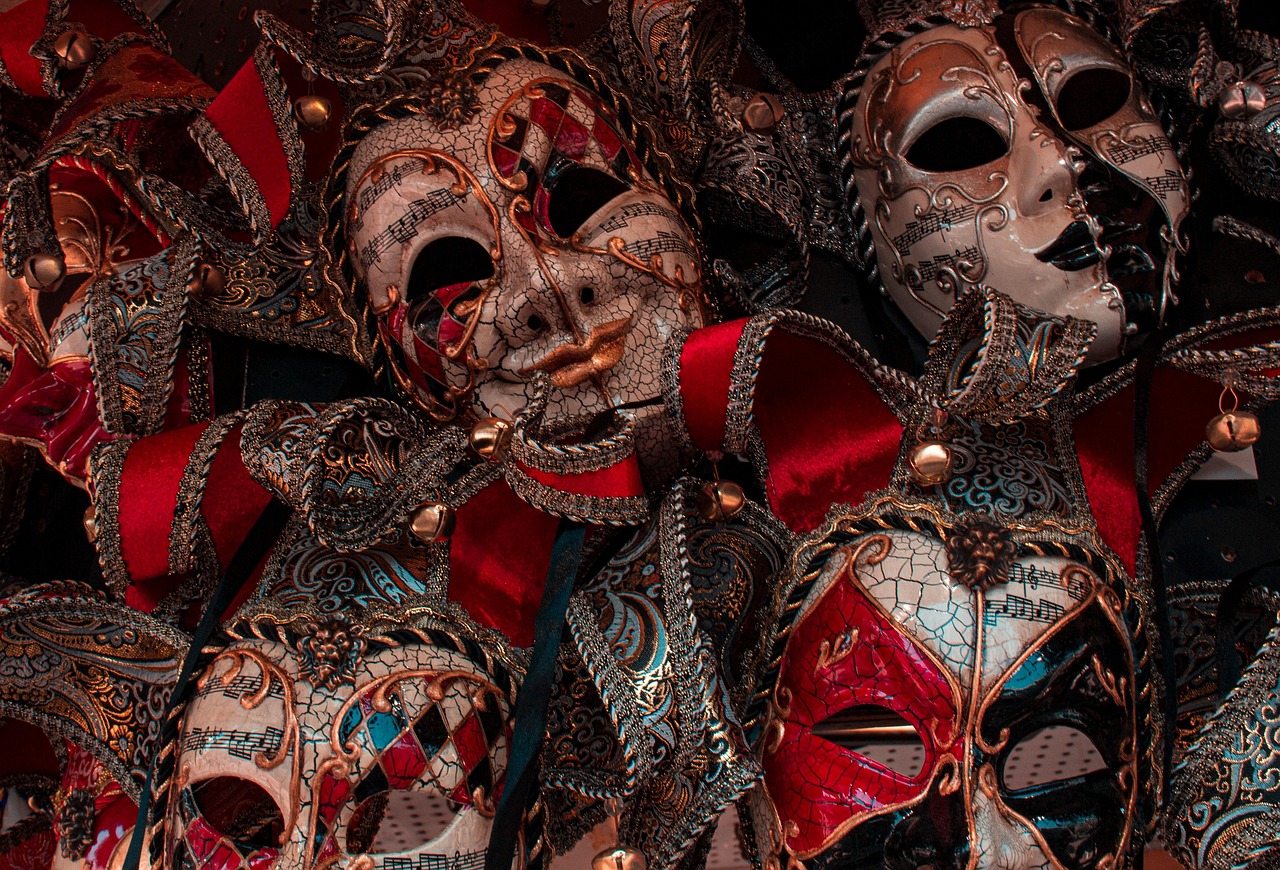
Local traditions and craftsmanship in Udine’s museum collections
To experience the Museum of Popular Arts and Traditions is to uncover the region through human-scale details: tools, textiles, domestic objects, and crafts that once lived in kitchens and workshops rather than behind velvet ropes. The museum feels intimate, not academic, and it’s ideal for curious travellers who like to move through history at their own speed—alert, attentive, and quietly moved by everyday life. It’s an easy add-on after the piazzas because it deepens what you’ve already seen outside.
Udine sits within the Friuli-Venezia Giulia region, and its identity carries a borderland richness. You’ll sense echoes that are distinctly Austrian, with the pull of Austria and Slovenia never far away in geography or story—more a meeting of worlds than a single label. That’s why the style can feel Northern Italian, yet not quite Lombard, and always proudly local.
Museum highlights that bring Friuli closer through daily life
Give yourself a simple focus: choose a theme—woodwork, clothing, or household life—and follow it through. This small act of attention makes craftsmanship feel personal, and it’s a welcome counterbalance to grand architecture. You’ll also start to notice how design choices—materials, tools, patterns—reflect landscape and seasons.
A writer friend once shared a moment here that stayed with her: a local guide pointed out a ritual object and then, with a gentle laugh, told a story about a grandparent’s habits and seasonal traditions. That’s Udine at its best—knowledge offered with warmth, and trust built quickly through genuine conversation.
Oratorio della Purità and Santa Maria Annunziata: a fresco pause
Pair your museum visit with a small “craft and faith” pause at the oratorio della purità, and consider nearby references to Santa Maria Annunziata. Even if you’re not religious, these spaces offer a calm that supports the rest of your day. Look for a single fresco detail that catches your eye—light on pigment, a gesture in a painted hand—and let that be your takeaway rather than trying to decode everything.
For the most seamless experience, go earlier in the day or during a quieter mid-afternoon window, then design a coffee break afterwards. Udine rewards this rhythm: museum, pause, wander—crafted, not rushed.
After art and ritual, appetite arrives naturally. In Udine, food isn’t a side quest—it’s one of the most elegant ways to connect with locals and feel the region’s character in real time.
Udine food and wine: Friulian dishes, osterie, and Friuli DOC for adventurous appetites
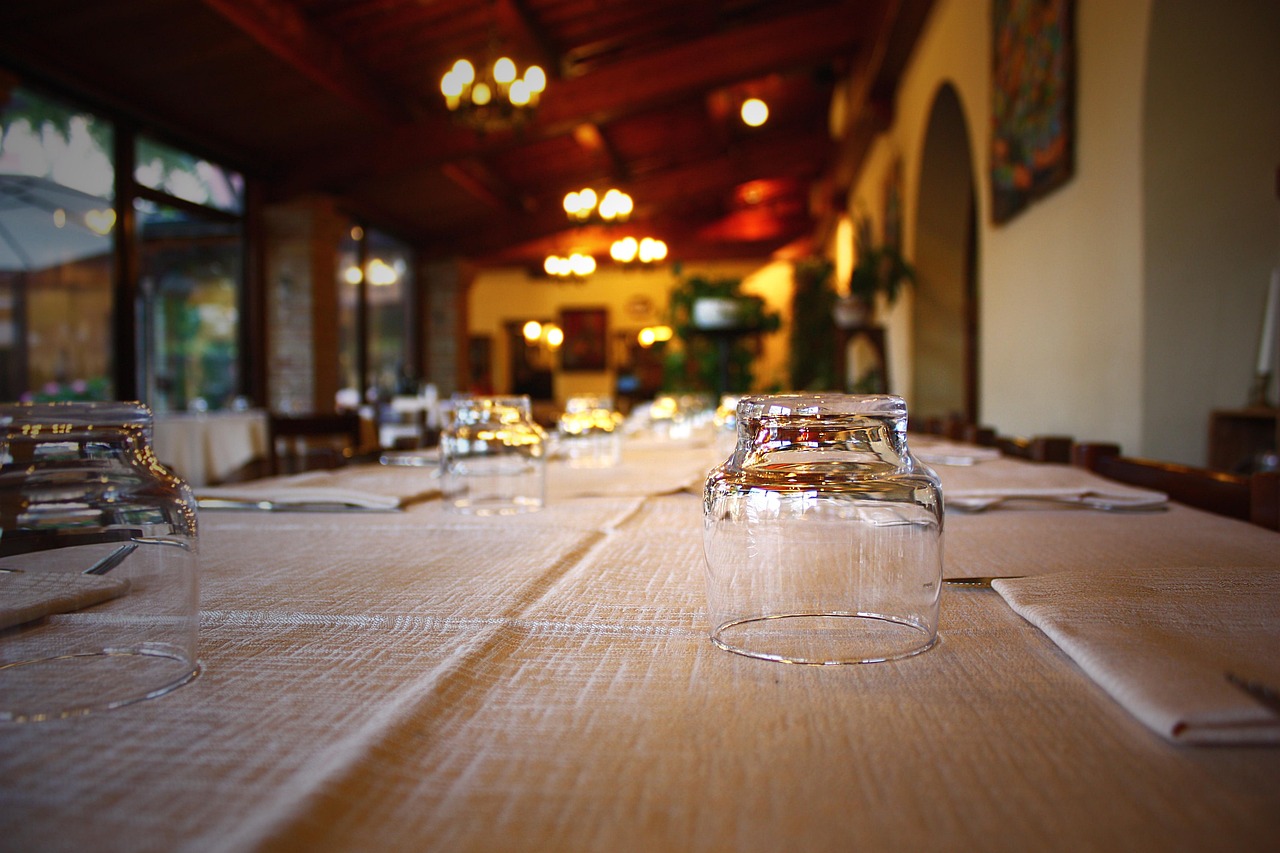
A cosy dining room for local plates and regional pours
The most rewarding approach is a tasting path that feels both adventurous and reassuring. Start with an osteria or a family-owned enoteca, ask what they’d recommend today, and let local confidence guide you. This is where you discover the city through flavour—one small plate at a time—paired with a glass of Friulano or another local wine that tastes of the surrounding hills.
What to eat in Udine: frico, cjarsons, and San Daniele prosciutto
Begin with traditional Friulian dishes that locals actually order. Frico is essential—crisped and rich with montasio cheese—and you’ll often see it served as frico and polenta, which is pure comfort after a day of walking. Try cjarsons too: filled pasta with a personality all its own, sometimes with notes that feel buttery and smoked, and always memorable if you’re willing to explore.
Then there’s the benchmark: prosciutto di San Daniele, from the hills near Udine. Order it simply, and you’ll understand why locals speak about it with pride—melt-in-your-mouth texture, clean sweetness, and a finish that lingers. You may have tasted prosciutto in Parma, but this is its own story; ask for “di san Daniele” and notice how the staff light up when you show interest. If you see it listed as San Daniele ham, it’s the same pleasure—just another way of saying “don’t miss this”.
Osteria culture, trattoria rituals, and Friuli DOC (especially in October)
One foodie told us their favourite Udine memory wasn’t a monument—it was a family-run trattoria where the owner insisted they try the house frico “the way my mother made it”. The meal was rustic in the best sense, unhurried and personal, with conversation between courses that felt like being welcomed into someone’s living room. That’s also your cue on etiquette: take your time, don’t rush the bill, and let the meal become part of the travel design.
If you’re in Udine in October, Friuli DOC is a standout. The festival creates a friendly atmosphere where visitors connect with makers—crafts, small bites, local pours—and it’s remarkably easy to feel part of things rather than outside looking in. For a classic stop, ask about Osteria al Vecchio Stallo; even if you end up elsewhere, locals will often point you to something equally good. (And if someone simply says “al vecchio stallo”, you’ll know what they mean.)
Budget and language notes (supportive, not strict):
- Enoteca tastings and aperitivo plates are typically good value; order one round, then decide what to add.
- Learn a few basics—“Buonasera”, “Per favore”, “Grazie”—it’s a small gesture of care that’s often returned.
- In an osteria, asking “Cosa mi consiglia?” invites local insight and usually leads to something special.
By now, you’ve moved through Udine with a rhythm that feels designed: viewpoints, square life, quiet culture, and food that connects you to real people. The most meaningful part, though, is what lingers once the suitcases are zipped.
F.A.Qs:
What is Udine, Italy, known for?
Udine is known for its elegant centre, the castle hill with sweeping views, and the beautiful Piazza Libertà, with Venetian-style architecture and landmark loggias such as the Loggia del Lionello. It’s also celebrated for Friulian culture, warm local hospitality, and a food scene that highlights San Daniele prosciutto, frico, and excellent regional wine.
Is Udine worth visiting?
Yes—Udine is worth visiting if you want a calmer, more local-feeling city with strong culture, great dining, and easy walking. It suits travellers who enjoy relaxed evenings, museums, and a short castle climb, without the crowds of bigger destinations. Many visitors find the welcome from Friulian locals especially memorable.
How far is it from Venice to Udine?
Venice to Udine is an easy train journey, typically around 1.5 to 2 hours depending on the service. Once you arrive, the city is compact and straightforward to explore on foot, making it a convenient day trip or an even better overnight stay if you want a more relaxed pace.
What food is Udine famous for?
Udine is famous for specialities such as frico (often with polenta), cjarsons, and Prosciutto di San Daniele. The city also has a strong osteria and enoteca culture, where you can try local wines like Friulano alongside small bites. In October, the Friuli DOC festival is a highlight for food and craft lovers.
After Udine, Italy: reflection, Friuli memories, and why the city stays with you
In the days after Udine, it’s often the softest details that return first. The sound of footsteps on stone when the shops are just opening; a warm greeting that made you feel less like a visitor and more like someone passing through a familiar place. The city’s quiet confidence lingers—never loud, never demanding—like a steady hand at the small of your back as you turn into another lane and find another small story waiting.
One image tends to carry the meaning. Perhaps it’s the hilltop view as the last warmth of the day fades and the lamps come on—an inward moment that feels private even in public. Or perhaps it’s the harmony of the main square at dusk, where architecture and street life move together, and you realise you’ve stopped measuring time in hours and started measuring it in feeling.
Back at home, you might catch yourself remembering the long meals and the gentle pauses between courses, the way locals seemed to understand that travel is also about care. It’s the kind of place that subtly changes how you think about living in Italy: not as a fantasy, but as a series of small, beautifully human rituals—coffee, conversation, and the courage to slow down without losing your sense of adventure.
And when you think of Friuli again, it won’t be as a box to tick, but as a region that left room for you—room to explore, to discover, and to trust your own pace. Udine becomes a historical heart you can return to, quietly, whenever you want your travels to feel grounded and real.