Post Contents
- Things to Do in Florence, Italy: a curated itinerary highlighting top attractions and luxury experiences.
- Renaissance art museums with expert-led access: top activities for art lovers in Florence, Italy.
- Duomo moments: the cathedral, del Duomo tickets, and a climb that earns the view
- Palazzo Vecchio and Piazza della Signoria: top attractions for history, power, and Renaissance drama
- Ponte Vecchio and Arno River viewpoints: jewellery, light, and the city’s quiet pulse
- Across the Arno in Oltrarno: artisan workshops, Palazzo Pitti, and Boboli Garden are calm
- Visit Florence’s sacred sites: Santa Croce, Novella basilica, and San Lorenzo in one trip.
- Gourmet Florence: Mercato Centrale, a food tour, a cooking class, and beautiful places to eat
- Day trip design: private driver logistics and the best day trips from Florence without losing your city time
- F.A.Qs: Things to do in Florence, Italy
- What lingers after your visit to Florence: the things to do in Florence that stay with you
Things to Do in Florence, Italy: a curated itinerary highlighting top attractions and luxury experiences.
A Florence itinerary designed around the best things to do and see
The phrase things to do in Florence, Italy can sound like a simple search query, yet in practice, it’s a design exercise: create a rhythm that feels personal and unforced. Florence is compact, but the emotional weight of its Renaissance beauty can be surprisingly intense; your best days here have breathing space between each attraction. Imagine museum mornings when your attention is sharp, then long afternoons that drift into golden light along the Arno—this is the core of a memorable Florence bucket list.
Start with an orientation that supports calm. Florence’s Amerigo Vespucci Airport is close, and a pre-booked private transfer turns arrival into a seamless glide rather than a scramble. If you’re coming by high-speed rail, Santa Maria Novella is the Florence train station at the centre of the action; a chauffeur meets you at the platform, handles luggage with care, and keeps your first impressions warm and unhurried for your first trip to Florence.
Where to stay in Florence: neighbourhoods for style, quiet, and an easy itinerary
Where you stay in Florence shapes your entire itinerary and your overall time in the city. In the historic centre, you’re within easy reach of the Duomo complex and the key squares, ideal if you want to step outside and immediately feel the city’s pulse. Around Piazza della Repubblica, you’ll find polished addresses that make it effortless to move between a museum, aperitivo spots, and elegant shopping without feeling rushed.
For a quieter perspective, consider staying across the Arno in Oltrarno—still walkable, yet softer in the evenings, with local ateliers and a more residential hush. To reduce backtracking, think in neighbourhood clusters rather than a list of things: the historic centre pairs naturally (Duomo, Piazza della Signoria, Uffizi Gallery, Ponte Vecchio), while Oltrarno supports a slower day (artisan workshops, Palazzo Pitti, Boboli Garden, Bardini). This is how sightseeing in Florence stays poetic instead of performative, even for a first-time tourist.
Timed-entry strategy for a 2–4 day itinerary in Florence
The most supportive itinerary is usually 2–4 days, depending on how deeply you want to go into art and museums. For a shorter stay, prioritise reserved entry for the Uffizi Gallery and one early Duomo climb; these are the main things that can otherwise dominate your day with queues. For longer stays, add a museum afternoon with recovery time and one crafted day trip beyond the city to balance culture with countryside.
- Design mornings for depth: one major museum or the Duomo, then a quiet espresso to reset.
- Keep afternoons flexible: a quick visit to a church or garden, plus boutique browsing and people-watching.
- Plan golden hour: a slow walk and a viewpoint in Florence rather than another ticketed stop.
- Book with confidence: use the official site when possible, or ask your hotel concierge for support.
If you’d like inspiration for crafted journeys beyond this guide, you can explore our Trip gallery and imagine how a visit to Florence can fit into a wider Italian story and a longer itinerary.




Renaissance art museums with expert-led access: top activities for art lovers in Florence, Italy.
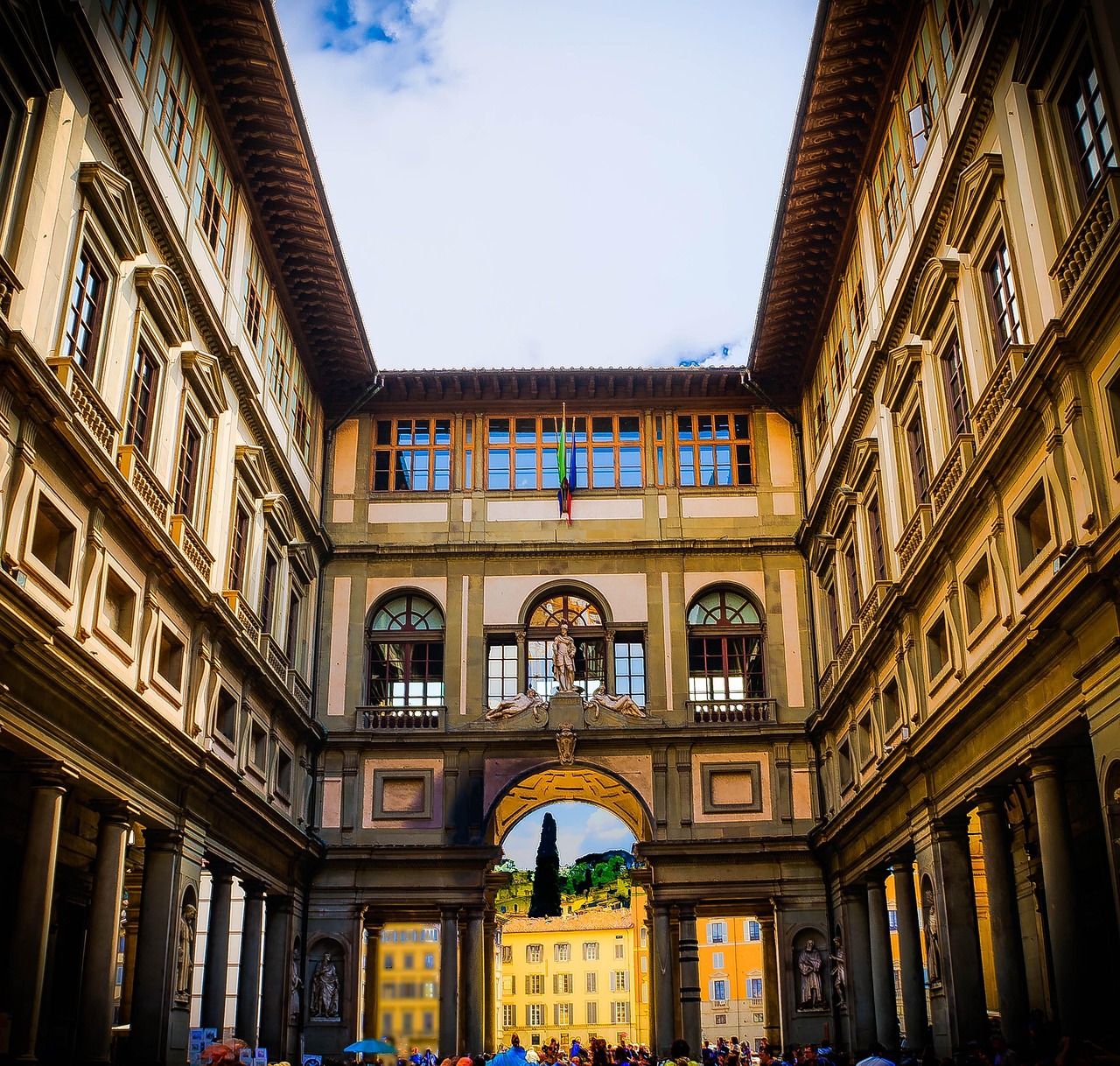
Renaissance art museums with expert-led access
When people search for the best things to do in Florence, Italy, museum Uffizi Gallery, Accademia, and private guide, what they’re often asking is how to feel the art without feeling overwhelmed. Florence is an art museum in itself, but the great galleries are where Renaissance art becomes intimate—if you arrive with a plan, a calm pace, and an expert who can translate what you’re seeing into insight. This is one of the top things for art lovers who want meaning, not just a checklist.
The Uffizi Gallery is the cornerstone attraction, and the place to slow down. With a private guide, you can explore Botticelli’s The Birth of Venus with context about patrons, symbolism, and technique—then step aside to let the image settle. The goal isn’t to “see everything”, but to uncover a handful of masterpieces you’ll remember years later, like a personal art gallery in your mind.
Uffizi Gallery private tour: a museum experience with breathing space
A couple once told us their private guided tour began with a gentle agreement: no rushing, no crowd-chasing. Their guide designed a graceful route through the Uffizi Gallery, lingering in quieter corners and pacing the narrative so it felt like a conversation rather than a lecture. Away from the densest flow of tourist traffic, Renaissance paintings stopped being “famous names” and became human stories—devotion, politics, vanity, tenderness—held in colour and gold.
For art lovers, it’s worth choosing a guide who is an art historian and who can read your interest level in real time. You’ll gain confidence in what you’re looking at, without information overload, and you’ll enjoy the museum more because you’re not fighting the crowds.
Accademia planning and museum flow for Michelangelo’s David
The Accademia is essential for David, but it’s also where smart timing transforms your experience. Early entry helps you avoid peak surges, and a short, curated museum route is often more satisfying than trying to absorb every room. Let your guide frame Michelangelo as both a technical triumph and a political symbol, then give yourself a moment to simply stand there—quietly, together—before moving on.
- Booking notes: confirm your timed entry on the official site or through a trusted concierge service.
- Etiquette: arrive 10–15 minutes early and keep bags to a minimum for security checks.
- Recovery time: design a pause afterwards—espresso, gelato, or a short walk to reset before the next museum.
If you visit on the first Sunday of the month, some state museum sites may offer free admission, but that can bring larger crowds. High-end travellers often prefer paid entry with a calmer, more crafted atmosphere so the itinerary stays elegant.
Duomo moments: the cathedral, del Duomo tickets, and a climb that earns the view
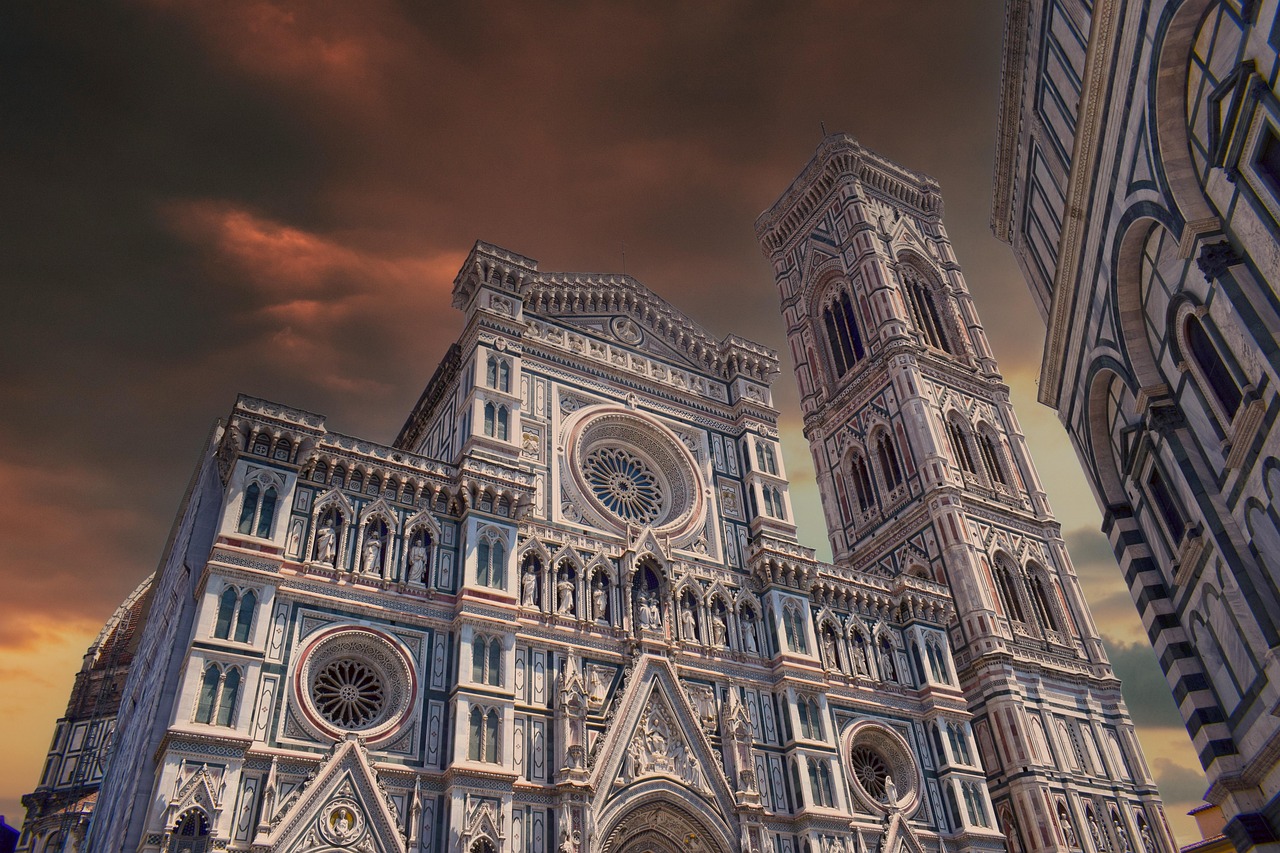
Duomo moments in the heart of Florence
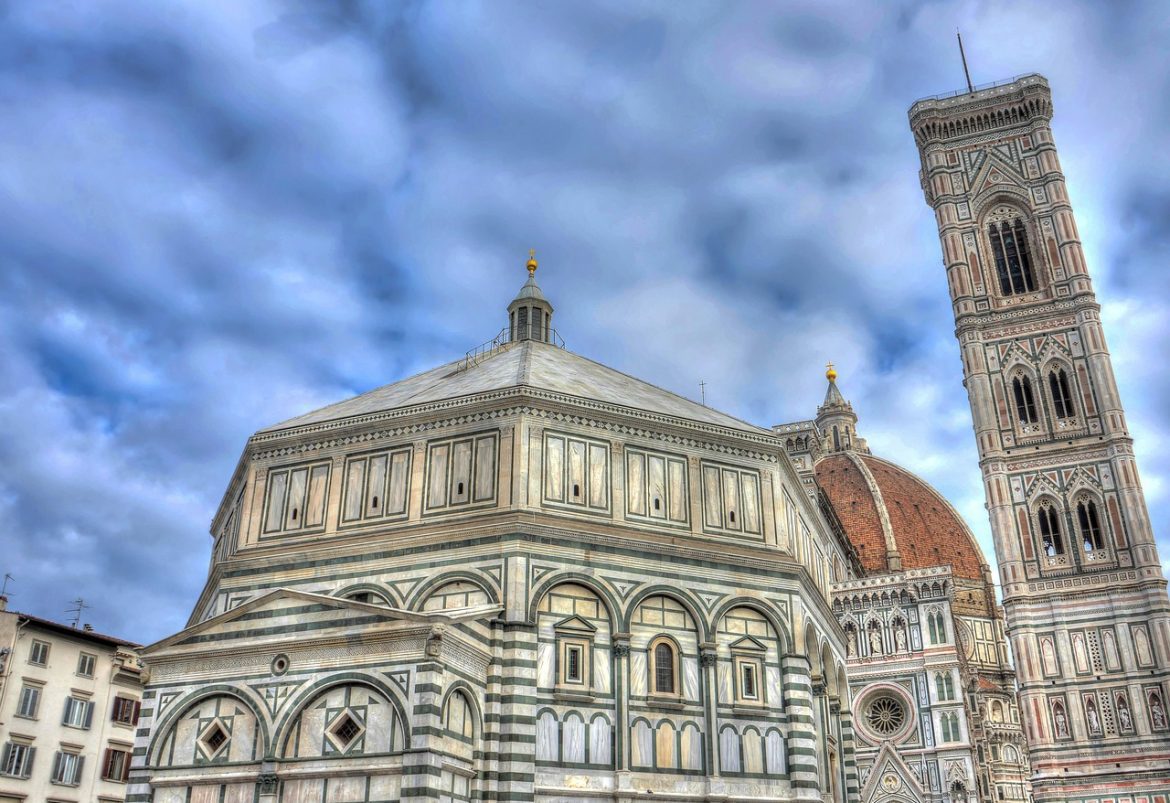
Searching Florence Duomo del Duomo bell tower Santa Reparata visit usually means you want clarity—because the Duomo is not a single stop, but a complex of experiences. As the city’s emotional centre, the Florence Duomo belongs in every itinerary, especially if you love architecture and want great views of Florence that feel earned rather than staged. Many travellers also consider it one of the top sights because it anchors nearly every route through the historic centre.
At the heart of it is Santa Maria del Fiore, with Brunelleschi’s dome as Florence’s most recognisable silhouette. The first time you stand beneath it, the scale feels almost impossible; the second time, you start to notice details—the way light gathers, the way footsteps soften, the quiet care of the space despite the crowds and the constant motion around the Duomo.
How the Duomo complex works: what’s included and how to book ahead
The Duomo complex typically includes the cathedral interior, the climb to the dome, Giotto’s bell tower, a visit to the Museo del Duomo, and the ancient remains of Santa Reparata below. Ticketing can be bundled or separate, depending on the current system, so check the official site before you arrive, book ahead where you can, and choose a timed entry that matches your energy level. A private, escort-style guide can help you move through each element with trust and seamless timing.
The cathedral museum is often overlooked, yet it’s one of the most rewarding museum stops in the city—especially if you want to understand how the dome was imagined and built. Treat it as a quiet, curated chapter in your itinerary, not an afterthought squeezed between Duomo queues.
Dome and bell tower climb tips: comfort, pacing, and the skyline reveal
For the dome climb, wear supportive shoes and choose an entry time that works for your body and schedule. Early morning tends to be cooler and calmer; late afternoon can offer warmer light for the view from the top, though it may be busier. If you’re also considering the bell tower, decide whether you want both climbs in one day; many travellers prefer one climb, then a slower afternoon, so the Duomo experience feels crafted rather than chaotic.
- Before you climb: a moment of hush in the stairwell, then the city opens—terracotta, river, hills.
- At the top: take your time; this is the kind of stillness you carry home, long after you leave the Duomo.
- Afterwards: design a calm stop—an aperitivo nearby or a gentle walk to reset before your next museum or attraction.
This is one of the top things to see in Florence, but it becomes truly personal when you allow the skyline reveal to land—one slow breath at a time.
Palazzo Vecchio and Piazza della Signoria: top attractions for history, power, and Renaissance drama
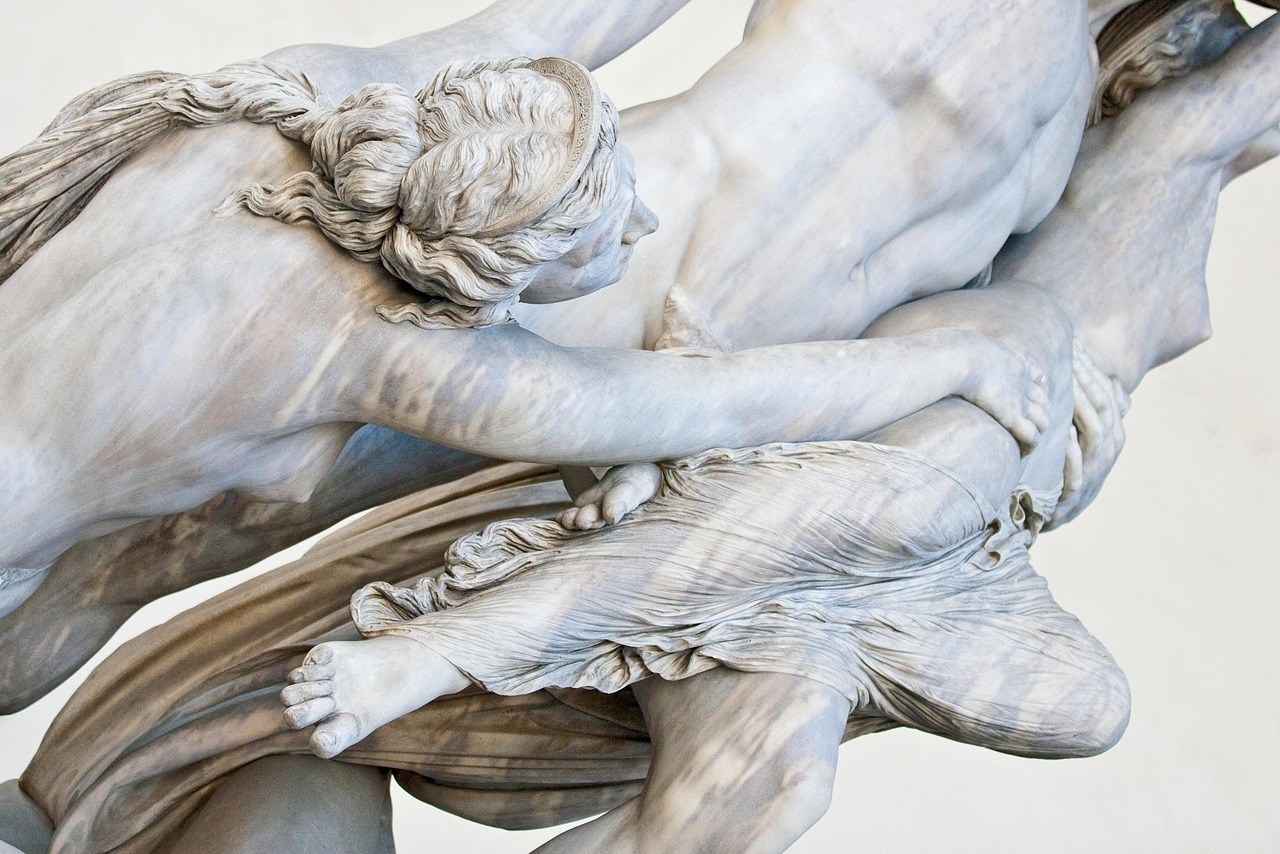
Palazzo Vecchio and Piazza della Signoria as top attractions
If your notes read top attractions Florence Italy Palazzo Vecchio Piazza della Signoria itinerary, this is your anchor. Piazza della Signoria is Florence’s open-air stage—statues, civic power, and the feeling that the Renaissance is still in conversation with modern life. It’s one of the most satisfying attractions in Florence because it asks nothing of you except presence; you can arrive for a quick visit or stay an hour and still feel you’ve met the city.
Step into Palazzo Vecchio and the story sharpens. It’s part museum, part living symbol, and it rewards a curated pace. Rather than attempting every corner, choose key rooms and let them unfold as a sequence—like walking through a beautifully designed set where each space has a purpose, and each detail changes what you see in Florence.
Inside Palazzo Vecchio: a museo-style route for highlights without fatigue
Think museo strategy: one or two highlight rooms, then a pause. The Salone dei Cinquecento is often the headline, but even the corridors and ceilings can be quietly breathtaking if you’re not rushing. If you’re travelling together, agree on a gentle rhythm—one person reads a label, the other looks up; then swap. It’s a small act of togetherness that keeps the museum experience grounded.
Medici family influence and the Vasari Corridor for deeper context
The Medici family shaped Florence through patronage and politics, and knowing that changes how you interpret the city’s Renaissance layer. Art and architecture become signals: who funded what, who wanted to be remembered, who controlled the narrative. Nearby, the Vasari Corridor adds an intriguing layer for return visitors—the elevated passage that once connected power with privacy, threading history through the city’s fabric.
- Photographic cue: early morning light in the piazza feels calmer and more cinematic.
- Etiquette: a warm buon giorno or buona sera goes a long way, especially in civic spaces.
- Style note: elegant understatement helps you feel confident in Florence’s refined settings.
Ponte Vecchio and Arno River viewpoints: jewellery, light, and the city’s quiet pulse
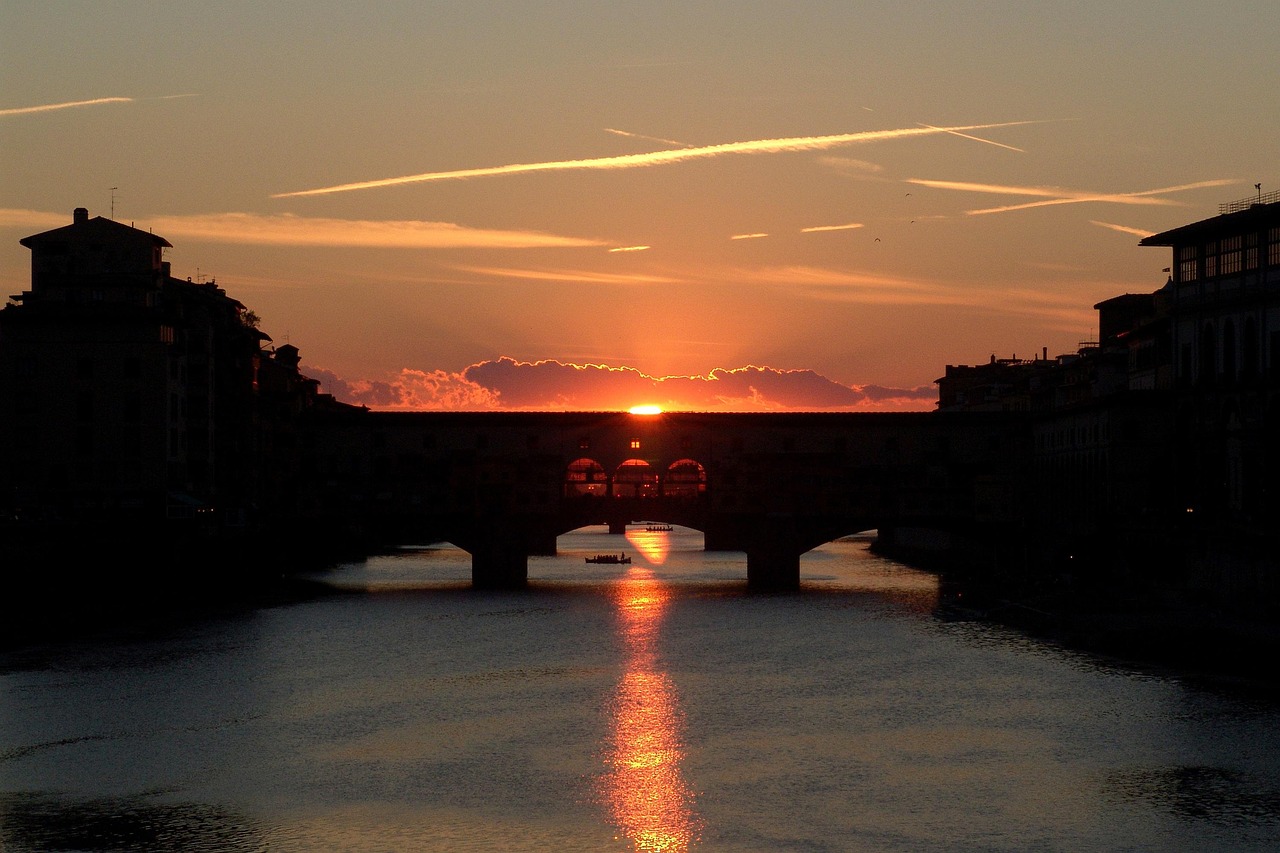
Ponte Vecchio and the Arno in a more local light
Type Ponte Vecchio, Arno River, Florence, Italy, luxury jewellery, oldest bridge into your search bar, and you’ll see the familiar images—yet the real pleasure is timing. Ponte Vecchio, often called the oldest bridge in Florence, feels most beautiful when you experience it beyond the midday crush. Early morning brings a softer hush; late evening offers reflections and a sense that the city is exhaling along the Arno River.
Browsing the jewellery windows is part of the ritual. If you’re considering a significant piece, ask your hotel to arrange a private appointment; it turns window-shopping into a personal consultation, with care, discussion of provenance, and a pace that respects your taste. Even if you don’t buy, it’s a refined way to discover Florentine craftsmanship and understand why this bridge is such a lasting attraction.
Ponte Vecchio beyond peak crowds: how to enjoy it like a local
Walk slowly and look outward as much as inward. The Arno has a way of making Florence feel spacious; a brief pause mid-bridge, watching the water move beneath you, can be more memorable than any rushed photo. This is where the city’s atmosphere becomes the experience, and the bridge becomes more than a tourist stop.
From the Arno to Piazzale Michelangelo: an easy sunset route
From the centre, you can design a gentle sunset flow: cross the bridge, let Oltrarno’s streets draw you uphill, and keep your attention on how the light changes on stone. Later in this guide, we’ll return to Piazzale Michelangelo as an emotional crescendo, but for now, simply note the direction—Florence always rewards a slow approach.
- Safety, softly: pickpockets can operate in crowded areas; carry minimal valuables and use hotel safes.
- In crowds: keep your phone away when not in use and stay present to your surroundings.
Across the Arno in Oltrarno: artisan workshops, Palazzo Pitti, and Boboli Garden are calm
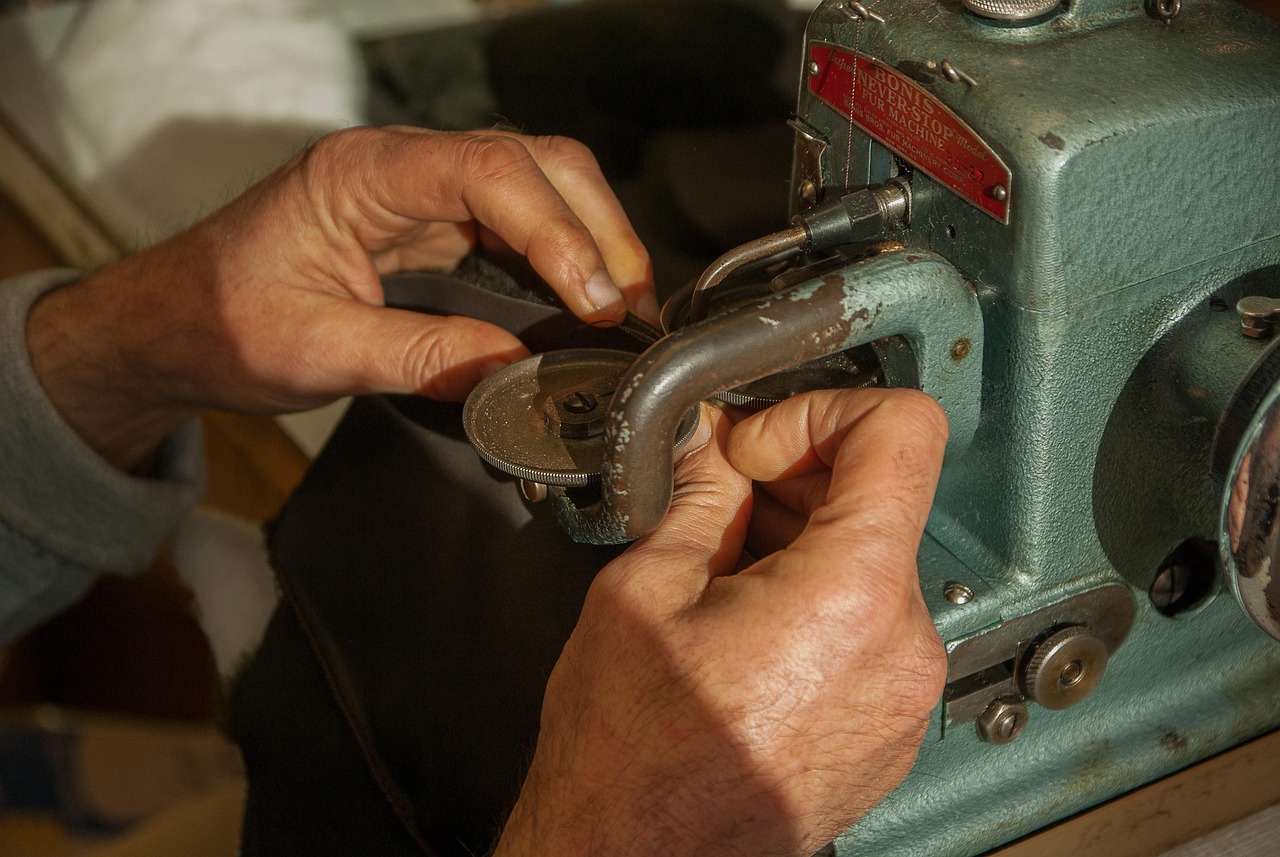
Across the Arno in Oltrarno and Palazzo Pitti gardens
The search for things to do in Florence, Italy, Oltrarno artisan workshops, Palazzo Pitti, Boboli Garden, Bardini, usually signals a desire for the local side of luxury—less glossy, more genuine. Across the Arno, Oltrarno feels like a crafted counterpoint to the centre: smaller streets, older studios, and makers whose work carries the city’s spirit into something you can hold. It’s also a smart contrast to a morning museum plan, because the pace is slower and more tactile.
An exclusive private tour of artisan workshops here can be transformative. Instead of rushing between boutiques, you’re introduced properly—often by name—and you learn why a leather finish matters, how a clasp is engineered, or what makes a stone setting endure. It’s insight with warmth, and it brings Florence’s creative identity into focus in a distinctly Florentine way.
Oltrarno goldsmith studio: commission a meaningful, made-in-Florence piece
An art enthusiast once described a hands-on session with a master goldsmith in Oltrarno as the moment Florence became theirs. Under expert guidance, they sketched a simple design, learned the logic of tools, and shaped details into a custom piece. It wasn’t about perfection; it was about trust, patience, and the quiet pride of wearing a memory that can’t be replicated by a shop window.
Palazzo Pitti museum choices, then garden pairings: Boboli Garden and Bardini
For Palazzo Pitti, design your visit around your real interests. The palace is substantial and museum fatigue is real—so choose one or two collections rather than trying to do it all, especially if your itinerary already includes the Uffizi Gallery and the Accademia. Afterwards, Boboli Garden offers grand geometry and long perspectives, while Bardini provides quieter paths and gentle viewpoints where the city feels close, not crowded.
- Slow afternoon plan: Palazzo Pitti (targeted museum time), then Boboli Garden, then a short pause in Bardini.
- Transitions: walking is easy, but a discreet car transfer can be a comfort on warm days.
This is one of the top things for travellers who want a softer angle on the city, and it’s also where Pitti Palace becomes more than a name—it becomes a lived experience.
Visit Florence’s sacred sites: Santa Croce, Novella basilica, and San Lorenzo in one trip.
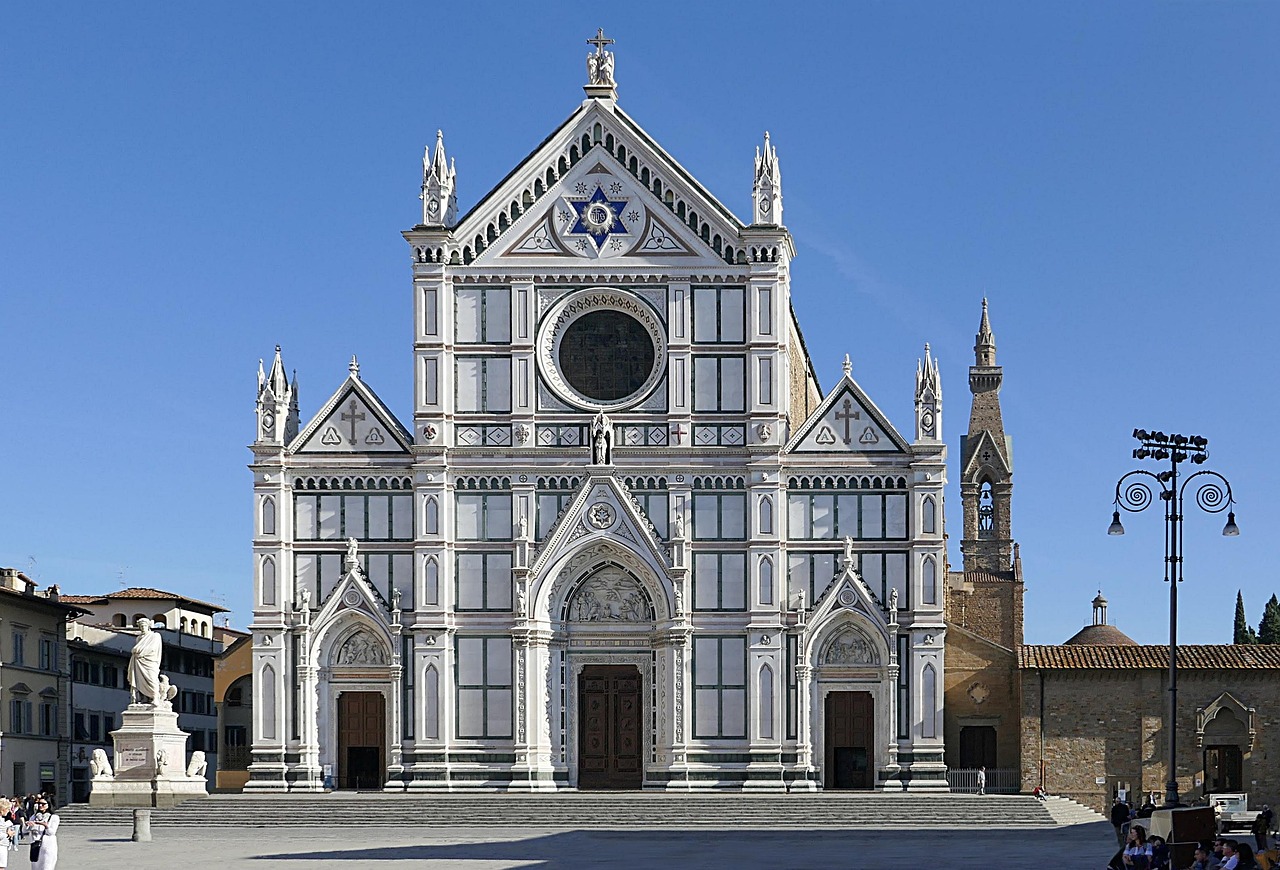
Sacred Florence in Santa Croce, Novella, and San Lorenzo
When you note that you won’t visit Florence, Italy, Santa Croce Basilica, Santa Maria Novella, San Lorenzo, and the Medici Chapels, you’re building a more soulful itinerary. These are not “extra” stops; they are the spaces where Florence quietens, where you trade spectacle for reflection, and where you feel the city’s care for beauty expressed through devotion and craft. They also balance the energy of the Duomo and the big museum days.
Santa Croce can be profoundly moving. The scale is generous, but the atmosphere invites gentle behaviour: speak softly, dress respectfully, and allow the art and memorials to meet you where you are. It’s a different kind of museum experience—less about display, more about presence.
Di Santa Croce and di Santa Maria: quiet art, cool air, and restorative pauses
At the Santa Croce, you may find yourself lingering longer than expected, simply because it’s one of the calmest attractions in Florence. Then, at the Basilica of Santa Maria Novella, the quiet feels even more deliberate—cool air, measured geometry, and artworks that reward a slow gaze. This basilica of beauty is a restorative counterbalance to the busiest museum routes.
San Lorenzo and Medici Chapels: history, sculpture, focused museo visit
San Lorenzo is where the sacred and the everyday meet. Around San Lorenzo, you’ll sense local life—markets, neighbourhood rhythms—alongside the Medici narrative. The Basilica di San Lorenzo connects directly to Florentine power, and the Medici Chapels act like a concentrated museum of ambition and artistry. Consider visiting the chapels after a slower morning, when you can absorb the intensity without feeling hurried.
- Language cue: buon giorno in the morning, buona sera later; it sets a respectful tone.
- Style cue: shoulders covered and elegant simplicity help you feel comfortable in sacred spaces.
Gourmet Florence: Mercato Centrale, a food tour, a cooking class, and beautiful places to eat
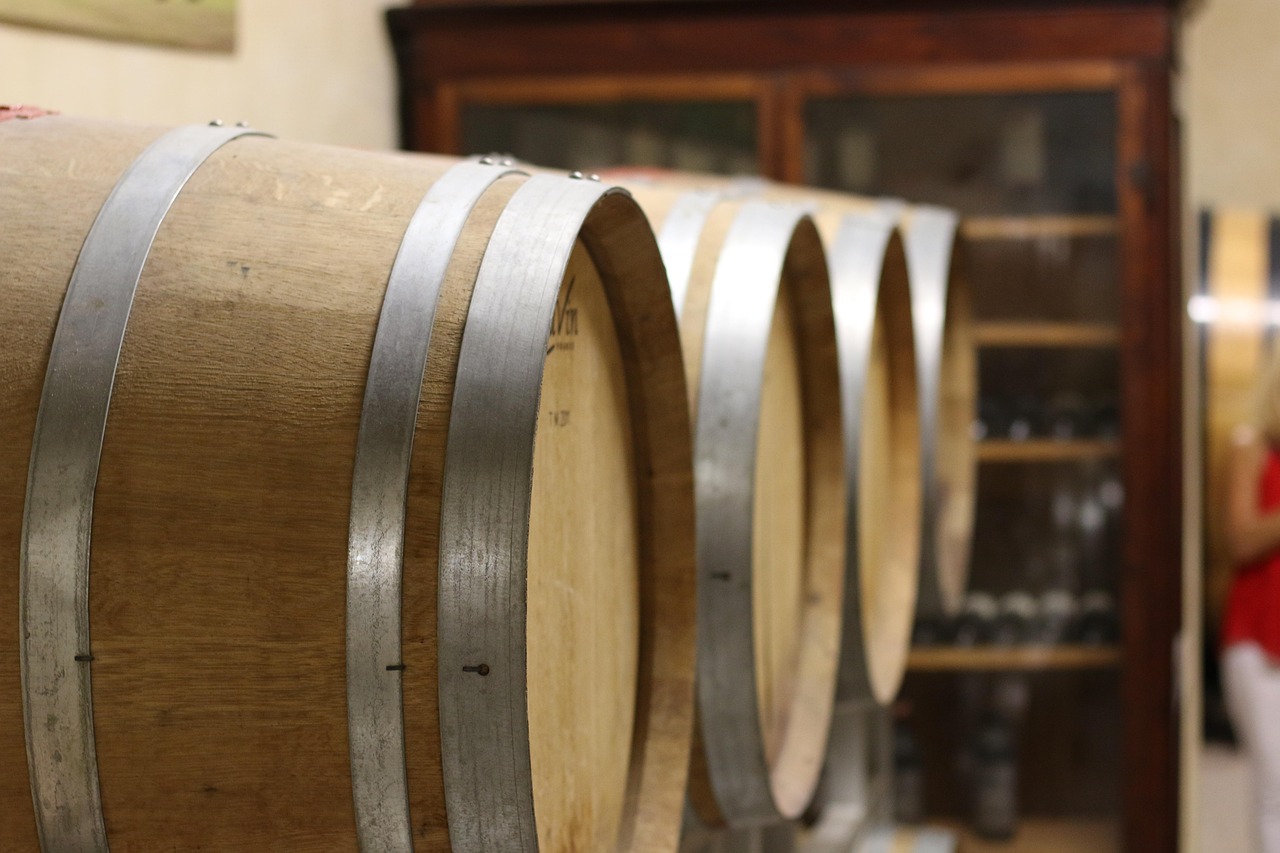
Gourmet Florence: Mercato Centrale to Michelin moments
If you’re searching for places to eat in Florence, Italy, Mercato Centrale food tour, cooking class, enoteca, Michelin, you’re already thinking like a discerning traveller: flavour with context. Florence’s food scene isn’t only about iconic dishes; it’s about ingredients, producers, and the slow confidence of Tuscan hospitality. Done well, this becomes one of the best things to do in Florence because it connects you to the region’s values—seasonality, simplicity, and care.
Begin at Mercato Centrale, but treat it as a food market for curated tasting, not a rushed list. A high-end food tour can introduce you to the “why” behind flavours: the olive oil that tastes of grass and pepper, the cheese that changes with altitude, the bread traditions that reflect history rather than trend. It’s also a smart way to schedule an easier afternoon between museum visits.
Mercato Centrale tasting plan: producers, pacing, and a true food market feel
Ask your guide to design small tastes with breathing space between them. You’re not trying to sample everything; you’re uncovering a handful of local producers whose work feels crafted. If you’re travelling together, share bites and impressions—these small moments often become the stories you retell long after you’ve left Florence.
Cooking class in Florence: market-to-table, then enoteca and Michelin evenings
A private cooking class can be wonderfully personal, especially in a beautiful kitchen where the pace is market-to-table. You’ll learn techniques you can actually repeat at home, then sit down to a meal that feels joyful rather than staged. Later, design a signature evening with a Michelin-starred restaurant or an elegant enoteca, where pairings are thoughtful, and the room’s rhythm supports conversation.
- Luxury dining tip: request a quieter table and let the sommelier guide you towards rare vintage wines.
- Slow food cue: allow courses to arrive gently; this is the tradition, and it’s part of the pleasure.
A foodie once described an intimate dinner in a historic palazzo as the night Florence became unforgettable. The host moved with calm assurance, the pairings were quietly brilliant, and each course felt like a small act of trust—proof that Florence can nurture you as much as it can impress you.
Day trip design: private driver logistics and the best day trips from Florence without losing your city time
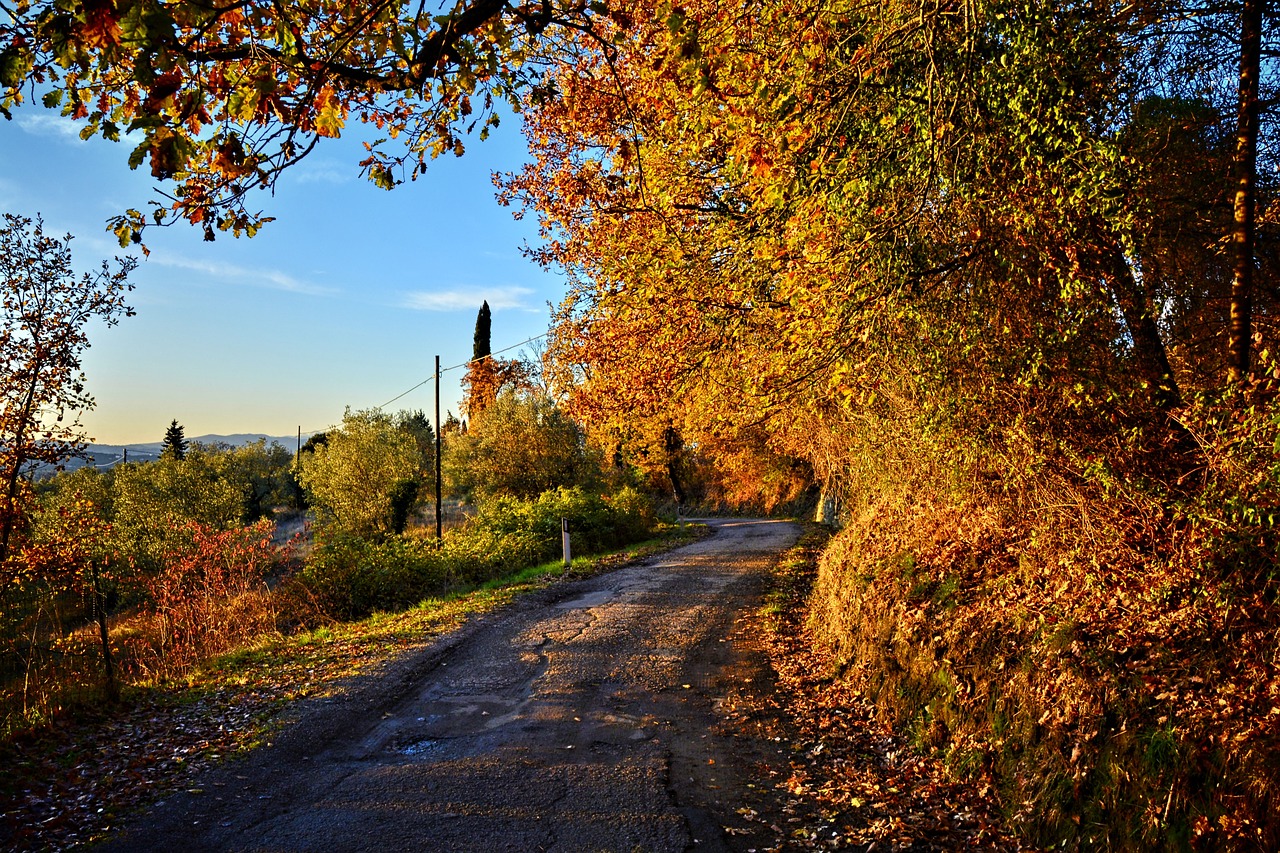
Day trip design and seamless luxury logistics
The phrase best day trips from Florence, Italy, day trip itinerary, private driver is really about balance. A day trip can add breath and contrast—vineyards, hill towns, wider skies—but it can also fragment your time in Florence if you try to do too much. For shorter stays, choose one standout day trip at most, and keep the rest of your itinerary anchored in the city’s top attractions and a couple of key museum experiences.
For high-end travellers, the most seamless approach is a private driver with a crafted route. You’re not locked into a bus schedule, and you can design stops around light, appetite, and personal interests—more discovery, less logistics. In other words, a trip to Florence can include the countryside without turning your stay into constant packing and unpacking.
Chianti or Siena + San Gimignano: a day trip itinerary with wine, culture, and calm
For a sensual, flavour-led day, choose Chianti: a private driver takes you to wineries where tastings are unhurried and often paired with lunch. If you prefer culture and medieval atmosphere, design a route to Siena and San Gimignano, arriving early enough to enjoy quieter streets before the midday tourist wave. Either way, keep the day trip feeling supportive rather than busy so you return to the city energised.
Seasonal planning, bookings, and small details that keep travel smooth
The most comfortable times to visit Florence are spring (April–June) and early autumn (September–October), when the light is kind, and the pace feels more breathable. Book key entries on the official site where possible, and use concierge support for dining and drivers. If art is central to your itinerary, consider hiring a private guide specialising in art history and local culture; it’s the easiest way to gain insight with confidence and keep museum days enjoyable.
- Wellbeing: choose clear pick-up points and keep water with you on warm days.
- Security: Stay mindful in busy areas; carry only essential valuables and keep documents secure.
This is how luxury travel in Florence feels seamless: the city remains the star, while the logistics quietly fade into the background—and you can still fit in the Duomo, Ponte Vecchio, and a museum or two without stress.
F.A.Qs: Things to do in Florence, Italy
What not to miss in Florence on a short itinerary?
Don’t miss the Uffizi Gallery with a guide for Renaissance context, a Duomo climb for a view from the top, and an unhurried walk over Ponte Vecchio at dawn or after dark. For a more personal itinerary, add an Oltrarno artisan visit and a slow evening in an enoteca. These experiences balance the city’s major attractions with quieter moments that make a first visit to Florence feel truly crafted.
What are the top five things to do in Florence, Italy?
Top picks are the Uffizi Gallery, the Accademia to see Michelangelo’s David, the Duomo complex (including the dome and the cathedral museum), Piazza della Signoria with Palazzo Vecchio, and a golden-hour walk that includes Ponte Vecchio and a viewpoint such as Piazzale Michelangelo. Book timed tickets where possible so the day feels seamless and you can explore with calm confidence.
Is 2 days in Florence enough for the main sights?
Two days are enough for a beautifully designed overview if you plan well. Focus on one major museum each morning (Uffizi Gallery and Accademia), reserve Duomo timed entry, and keep afternoons for Piazza della Signoria, Ponte Vecchio, and a slower Oltrarno moment. With concierge support and pre-booked entries, you can experience Florence’s best places without feeling rushed.
Is $5000 enough for a trip to Italy with time in Florence?
$5000 can be enough for a trip to Italy, but it depends on timing, trip length, and your luxury preferences. In Florence, costs rise quickly, especially for premium hotels, private guides, drivers, and Michelin dining. If you travel in shoulder seasons, choose a shorter stay, and prioritise a few high-impact upgrades—like a private museum guide and reserved Duomo access—you can create a high-end experience while staying in control of spend.
What lingers after your visit to Florence: the things to do in Florence that stay with you
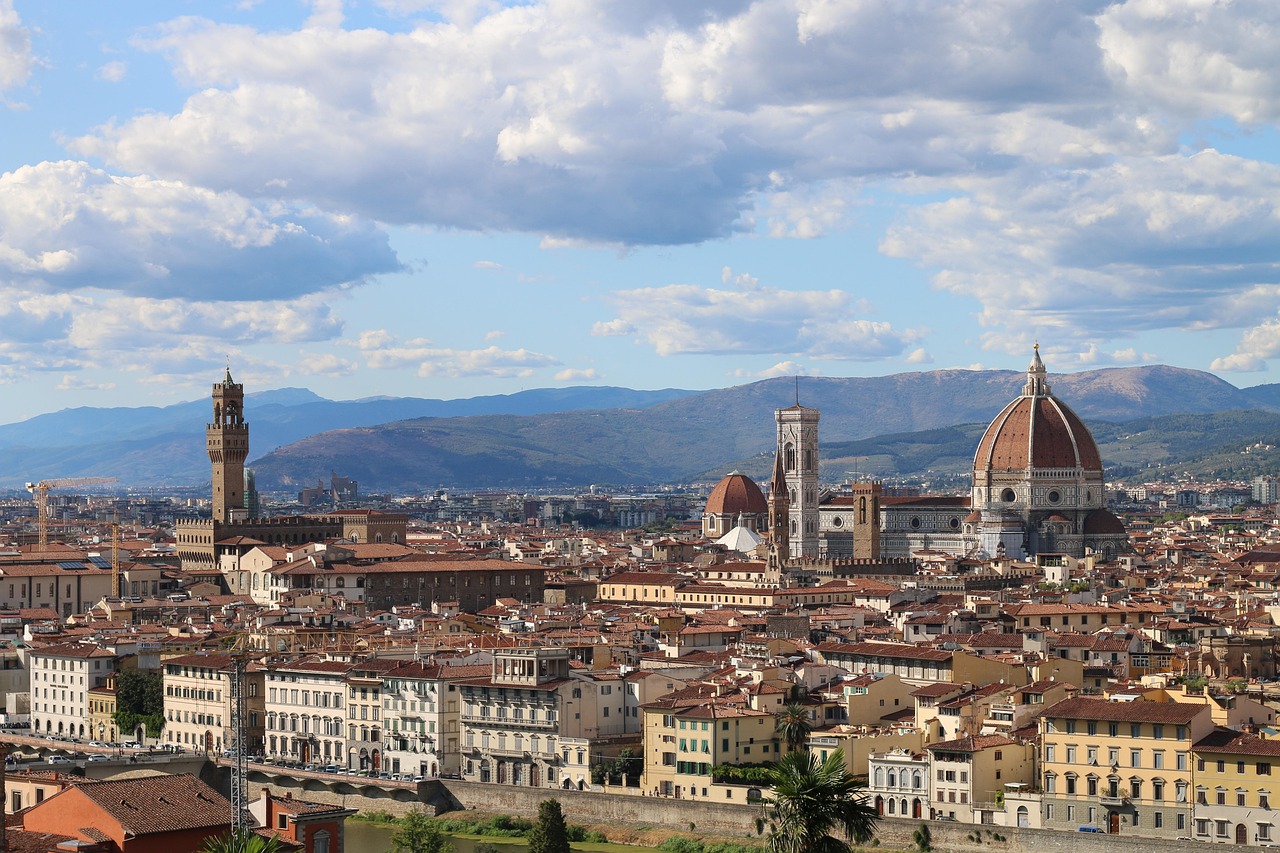
When people ask about things to do in Florence, I often think of one scene rather than a schedule. It’s the moment at Piazzale Michelangelo when the sun begins to fall, and the city turns softly golden, as if Florence is being lit from within. The Duomo’s silhouette steadies the skyline, and for a few minutes everything feels possible—unhurried, warm, and quietly immense, with nearby San Miniato watching over the rooftops.
What stays, later, is not only the grandeur of a museum or the accomplishment of a climb. It’s the way Renaissance beauty teaches your eyes to notice more in ordinary life: the curve of a doorway, the discipline of craft, the patience behind a shared meal. It’s the memory of a maker in Oltrarno, hands steady at the workbench, turning raw material into something lasting.
And it’s the gentle togetherness of travel done well: the trust you place in an expert guide, the care of a host who pours wine as if time itself has slowed, the quiet confidence that comes from being supported rather than hurried. Think Florence, and you may remember not just the Duomo or a museum label, but the feeling of being fully present. Back in Florence, in memory, you don’t feel like a tourist collecting sights; you feel like someone who learned how to arrive with curiosity, and how to leave with a softer gaze.
If you return to Florence one day, you may find the city is not asking you to see more—only to see differently.