Post Contents
- Villa Adriana in Tivoli: Why This UNESCO World Heritage Site Feels Endless
- Get to Tivoli Seamlessly for a Day Trip from Rome
- Explore Villa Adriana’s highlights: palaces, baths, gardens.
- Maritime Theatre and the Canopus Rome and Egypt in One Walk
- Architectural Insight: How Hadrian’s Villa Influenced Later Designers
- Villas of Tivoli: Villa d’Este and Villa Gregoriana for More Adventure
- F.A.Qs: Villa Adriana, Italy essentials for travellers
- What Stays With You After Villa Adriana
Villa Adriana in Tivoli: Why This UNESCO World Heritage Site Feels Endless
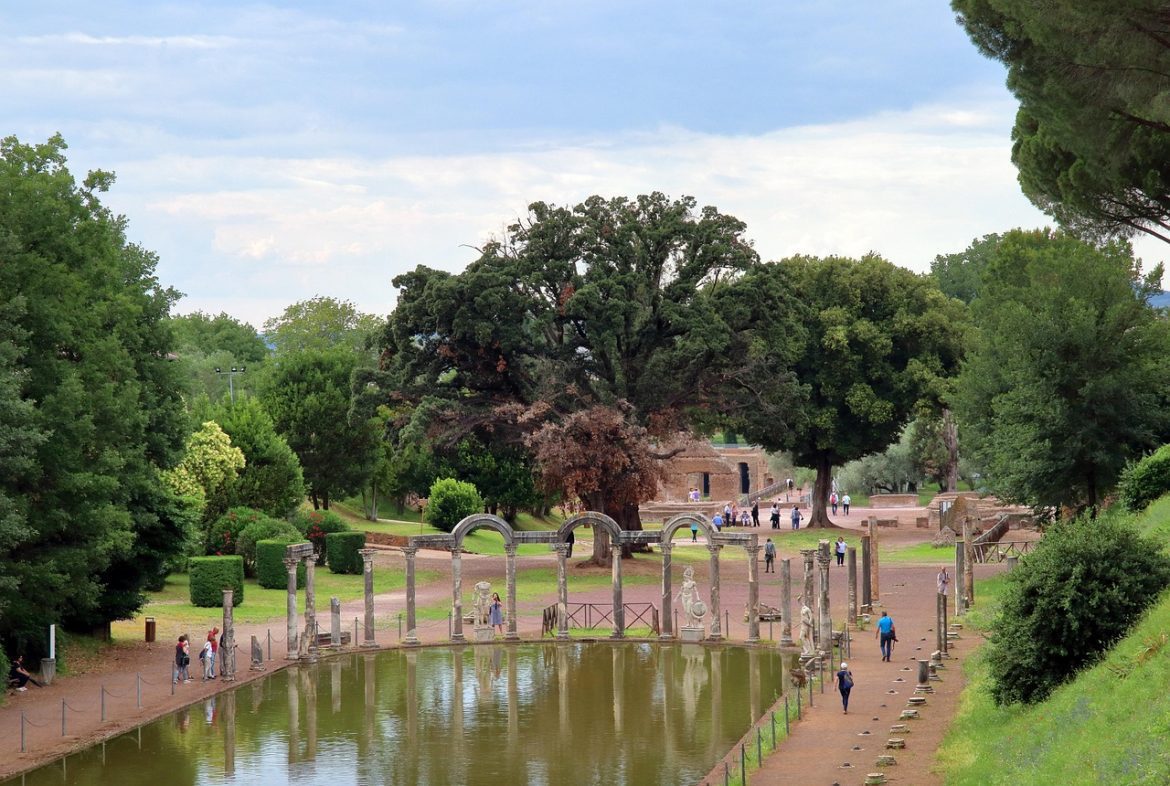
Villa Adriana in Tivoli: Why This UNESCO World Heritage Site Feels Endless, a wide view across the ruins
Villa Adriana in Tivoli, Italy, a UNESCO World Heritage site, is the kind of place that resets your sense of distance. Located in Tivoli in the Lazio region, on the outskirts of Rome, this exceptional complex isn’t a single Roman villa so much as a miniature city—an area of 120 hectares where paths, terraces, and courtyards keep unfolding.
To place it in time, anchor your imagination to the construction of Villa Adriana under Emperor Hadrian, with 138 AD often used as a neat marker for his final years and legacy in the Roman Empire. Hadrian was a man of restless curiosity; you can feel that appetite for ideas in every change of level and every surprising doorway.
Why Villa Adriana is a UNESCO site and a world heritage site
Villa Adriana is one of the defining sites in Italy for Roman ambition because it’s a masterpiece that uniquely brings together influences from the ancient Mediterranean world—engineered comfort, theatrical perspective, and a collector’s eye for beauty. It sits on the UNESCO World Heritage list as a world heritage site not just for its splendour, but for how boldly it experiments with space, light, and movement while protecting cultural heritage and activities that still matter today.
For adventure seekers, the best mindset is simple: choose your own route, create pauses on purpose, and allow the scale to work on you. Discover Villa Adriana slowly—some of the most personal moments arrive when you stop trying to “complete” it.
A gentle note of trust and care: the whole site is an active archaeological site, so staying on marked paths and respecting roped areas helps protect fragile surfaces and ongoing research. You’ll still have more than enough room to explore.




Get to Tivoli Seamlessly for a Day Trip from Rome
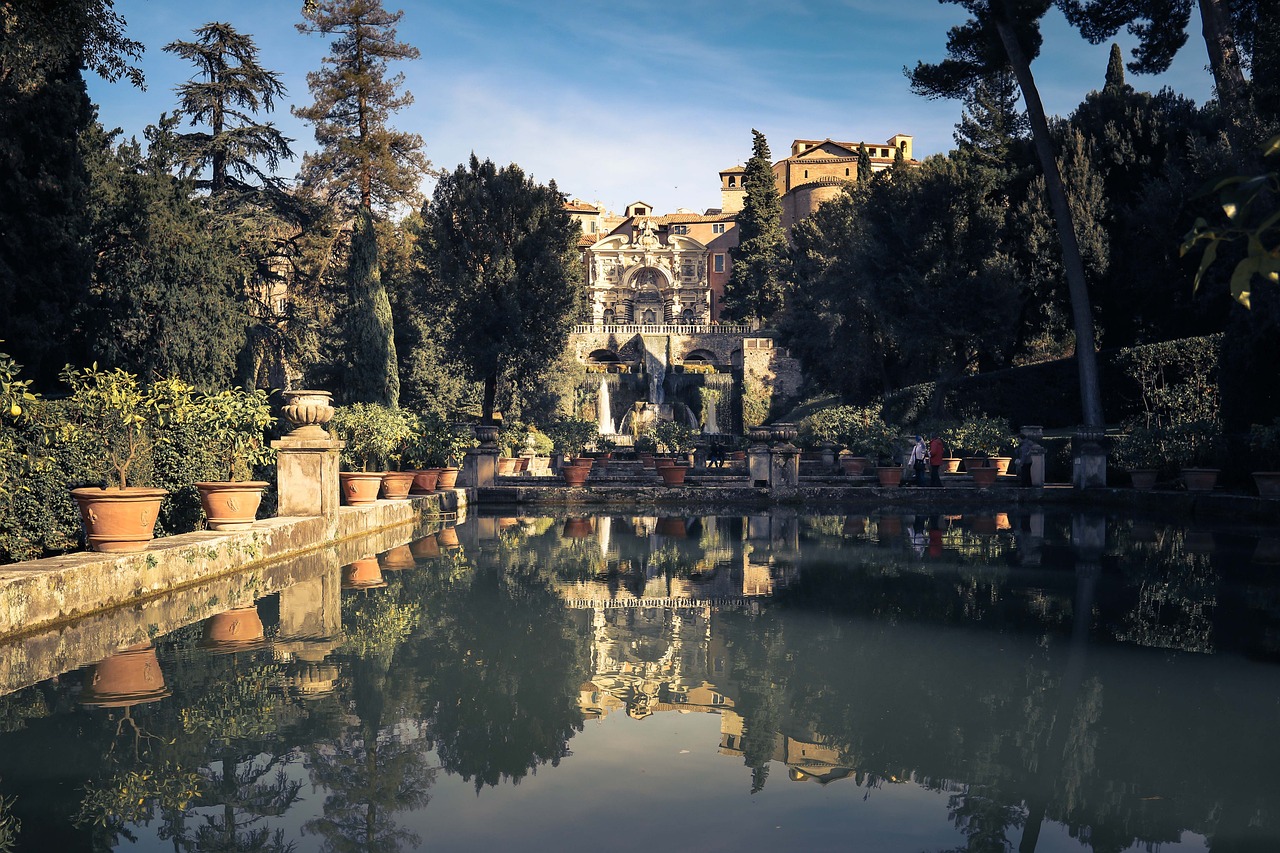
Get to Tivoli Seamlessly for a Day Trip from Rome, arriving near the gardens of Villa d’Este
If you’re planning a Rome to Tivoli day trip, Villa Adriana, Italy, transport is refreshingly straightforward—and that’s part of the luxury here. You can take a train from Rome (often from Tiburtina) towards Tivoli, or use buses from Rome Tiburtina: bus 4L and COTRAL are common links, and they’re handy when you want to keep the day flexible.
Once you get to Tivoli, onward travel to Villa Adriana is short: a quick taxi is the most seamless option, or a local bus, depending on your timing. The aim is to arrive feeling steady, not rushed, so you step into the ruins with confidence.
Best start times for a Villa Adriana day trip
Spring and autumn are your sweet spot—mild light, comfortable walking temperatures, and smaller crowds. Aim to arrive early, especially if you want space to uncover quieter corners and take photographs without people in every frame.
For adventure seekers who like a little structure, try this route plan: morning at Villa Adriana, then an afternoon in Tivoli’s historic centre for a slower, café-paced contrast. If you still have energy, add a viewpoint walk for elevation and fresh air before heading back near Rome.
- Support checklist: offline map, refillable water bottle, sun protection, and a light layer for breezy shade.
- Group plan: pick one or two landmarks to regroup—ruins can feel labyrinthine in the best way.
- One phrase to remember: get to Tivoli early, then let the day breathe.
Explore Villa Adriana’s highlights: palaces, baths, gardens.
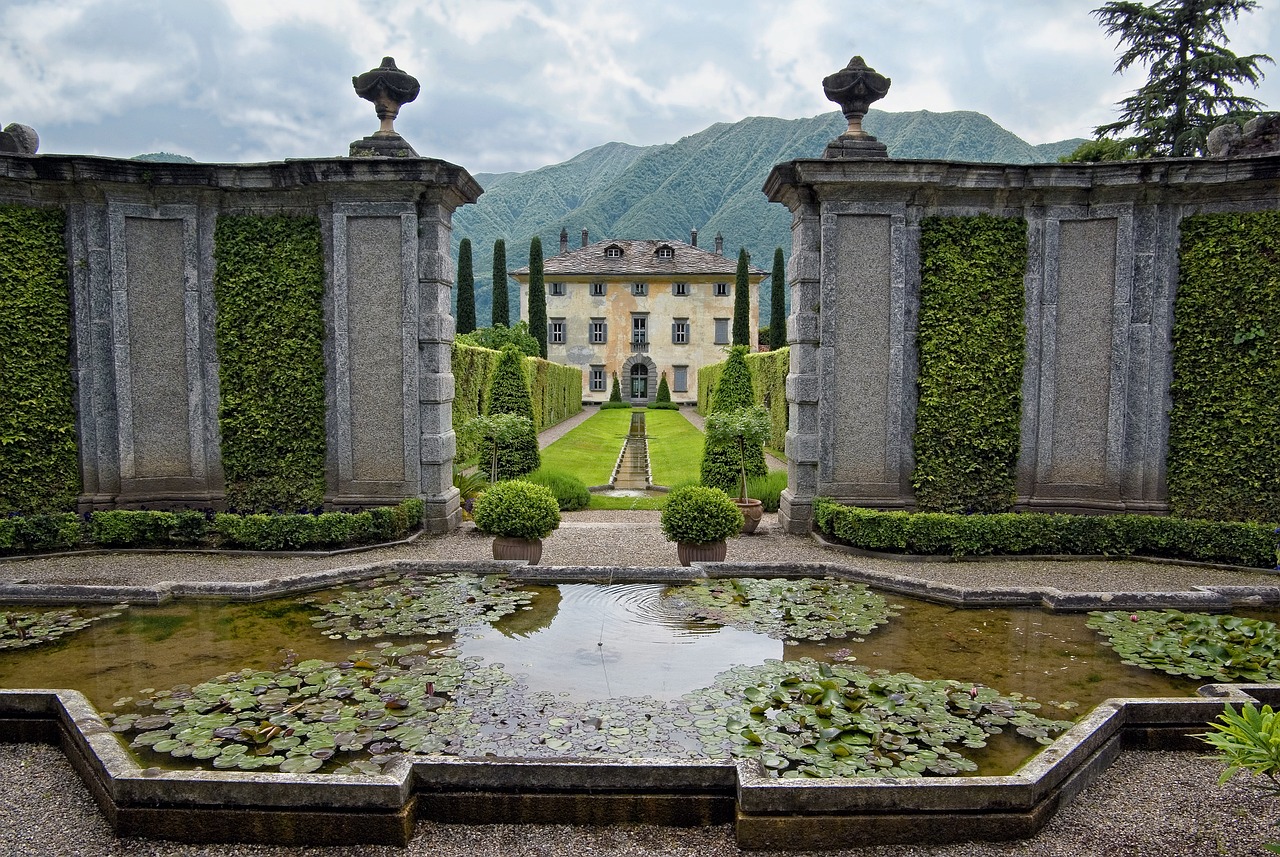
Explore Villa Adriana Highlights, Palaces, Baths and Gardens, walking through imperial ruins
To see the Villa Adriana in Tivoli, imperial palace, baths, and gardens, start by treating the complex of buildings like a neighbourhood. Villa Adriana reads as an imperial campus: palace zones, service corridors, open courtyards, and long axes that pull you forward—less “single house”, more living city for a Roman emperor.
What stands out, even in ruin, is the mix of comfort and command. Thermal areas were not an afterthought; bath spaces and changing rooms were designed to soothe bodies after hunting, meetings, and travel. Look for the logic of Roman architecture—arches, vaults, and passages that feel engineered for flow as much as for prestige.
See at Villa Adriana the well-preserved details worth slowing down for
Some of the most well-preserved details are small: brick patterns that still look freshly laid, the curve of a vault that frames a slice of sky, and a threshold that changes your sense of scale in one step. If you enjoy design, this is where the villa stops being “ancient” and becomes immediate.
The extensive gardens were also architecture—crafted sightlines, planted shade, and edges that invite you to wander away from the main track for a quieter, cooler perspective. Imagine the gardens as rooms without ceilings.
One traveller once told me the first hour at Villa Adriana felt like stepping back in time to the peak of imperial power—then the second hour felt stranger and more intimate, as if the site had begun speaking in whispers rather than declarations. That shift is part of the magic: you explore, then the place starts exploring you back.
Maritime Theatre and the Canopus Rome and Egypt in One Walk
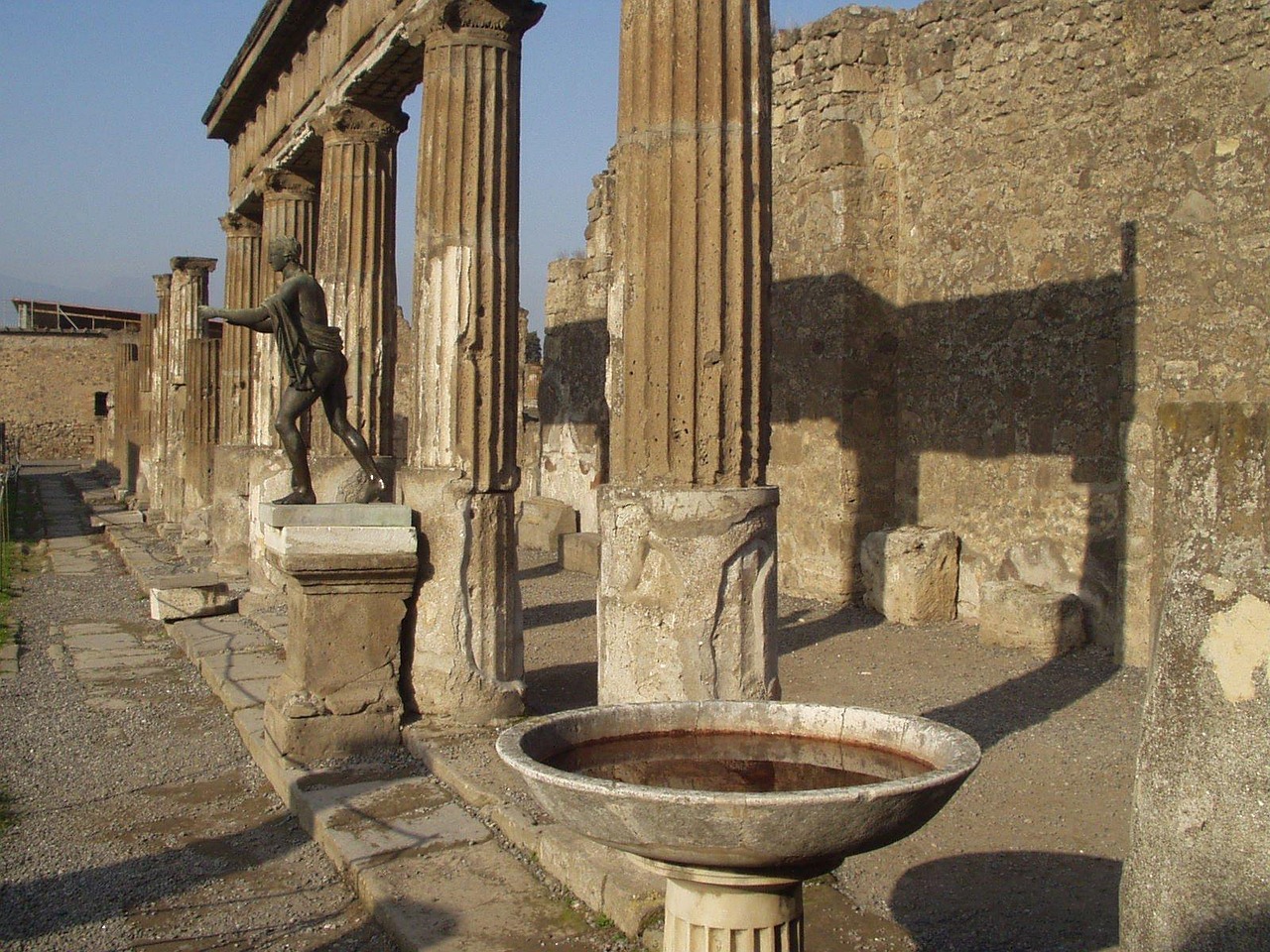
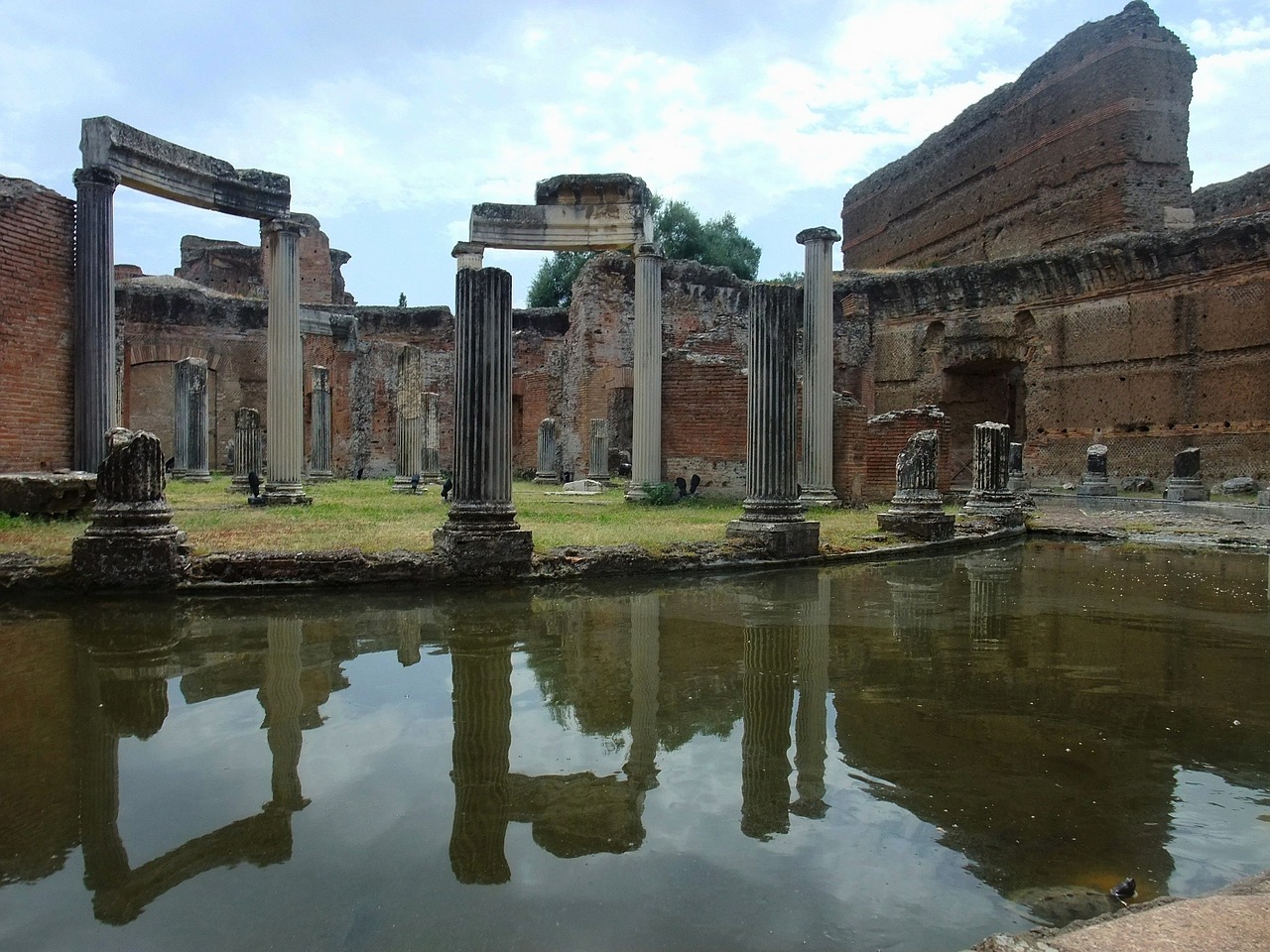
Maritime Theatre and the Canopus, Rome and Egypt in One Walk, columns and reflective water at Villa Adriana
Maritime Theatre, Canopus, Villa Adriana, Tivoli, Egypt, inspired design is the pairing that hooks most adventure-minded visitors. Begin with the Maritime Theatre: it has the atmosphere of a secret set, a deliberately contained world where privacy and performance are woven together. The circular plan feels like a thought experiment—proof that Hadrian’s villa could be playful as well as monumental.
Then move towards the Canopus, where Rome and Egypt seem to meet across water. The long reflecting pool is often described through Egyptian references; without over-claiming symbolism, it’s enough to say the space nods towards Egyptian architectural styles and an imperial fascination with the wider world. Even in fragments, it feels theatrical—water, perspective, and stone working together.
Spot the details near the Maritime Theatre and Canopus
- Look for recurring architectural elements that tie separate spaces into a single narrative.
- Notice a single statue fragment and how it changes the mood of an entire terrace.
- Keep an eye out for Antinous references and Caryatid motifs—small clues to taste and influence.
One evening tour story stays with me: a traveller described wandering the twilight-lit ruins as the light faded, the Canopus turning dark and glassy, and suddenly feeling a profound connection to history. The monuments weren’t “old” in that moment; they were present, like a stage waiting for voices to return.
A gentle safety note, especially at dusk: the ground is uneven, and low light can hide steps. Sturdy shoes and a torch or phone light are usually enough—take a calm pace, and you’ll be comfortable.
Architectural Insight: How Hadrian’s Villa Influenced Later Designers
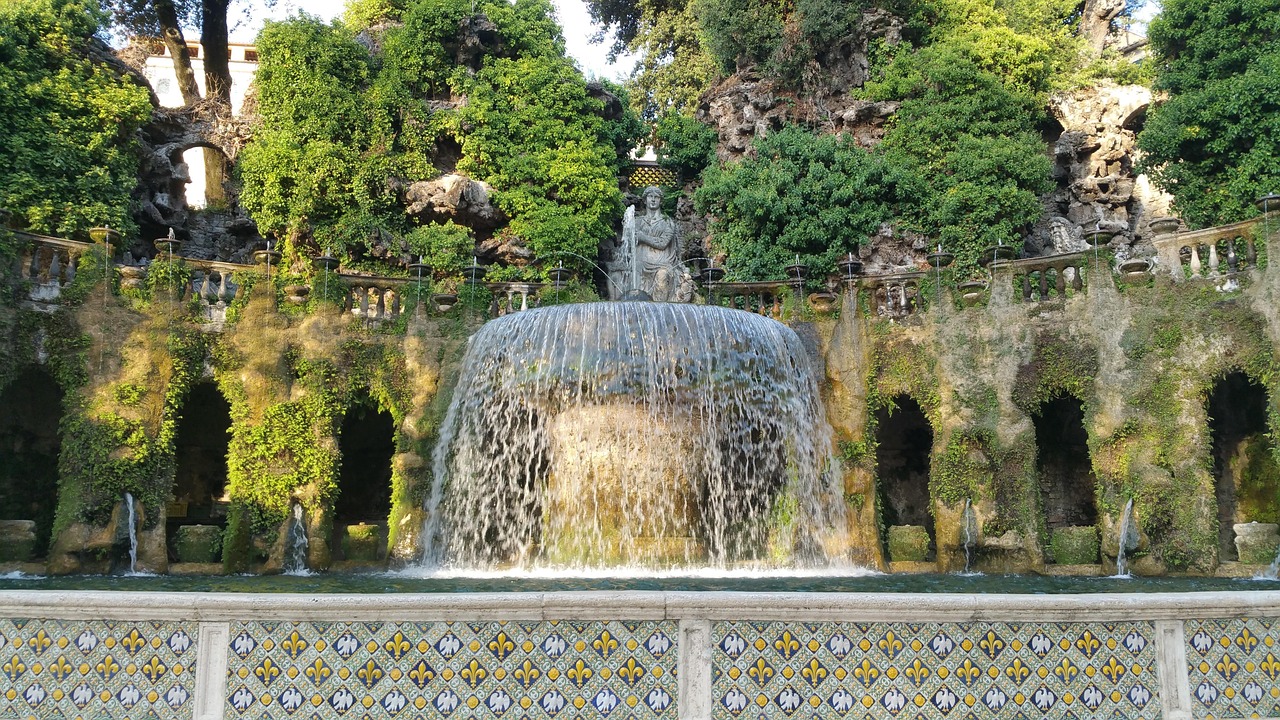
Architectural Insight: How Hadrian’s Villa Influenced Later Designers, textures and arches in Tivoli
Architectural styles at Hadrian’s Villa (Villa Adriana), Italy, can sound technical, but on the ground, they feel intuitive. Villa Adriana is a masterpiece of Roman architectural styles, blending influences, proportions, and elements of classical architecture with those of ancient Greece. It’s not one idea repeated; it’s many ideas tested, refined, and set side by side.
That’s why architects and designers have returned here for centuries. The villa profoundly influenced later work by offering a catalogue of spatial tricks—compressed corridors that open into bright courts, varied courtyards that change the rhythm of walking, and moments that echo a Greek theatre in how they frame an audience and a view.
From Emperor Hadrian to the Renaissance and Baroque periods
When you think about the architects of the Renaissance, it helps to imagine them studying ruins not as rubble but as a manual. Ideas traced from Hadrian’s villa into Renaissance plans and later interpretations in the Baroque period helped revive classical buildings with fresh confidence. This is art and culture in motion: ancient experiments becoming new standards.
Villa Adriana also played a crucial role in the rediscovery of classical forms through 19th and 20th-century excavations and scholarship. Today, stewardship sits within the wider story of heritage and activities and tourism, often framed through bodies such as the ministry of cultural heritage—important context, but you don’t need bureaucracy to feel why protection matters.
Here’s the most human guidance I can offer: pause, breathe, and trust your instincts. If a corner feels compelling, follow it. Your best insight may come from a doorway you didn’t plan to enter.
Villas of Tivoli: Villa d’Este and Villa Gregoriana for More Adventure
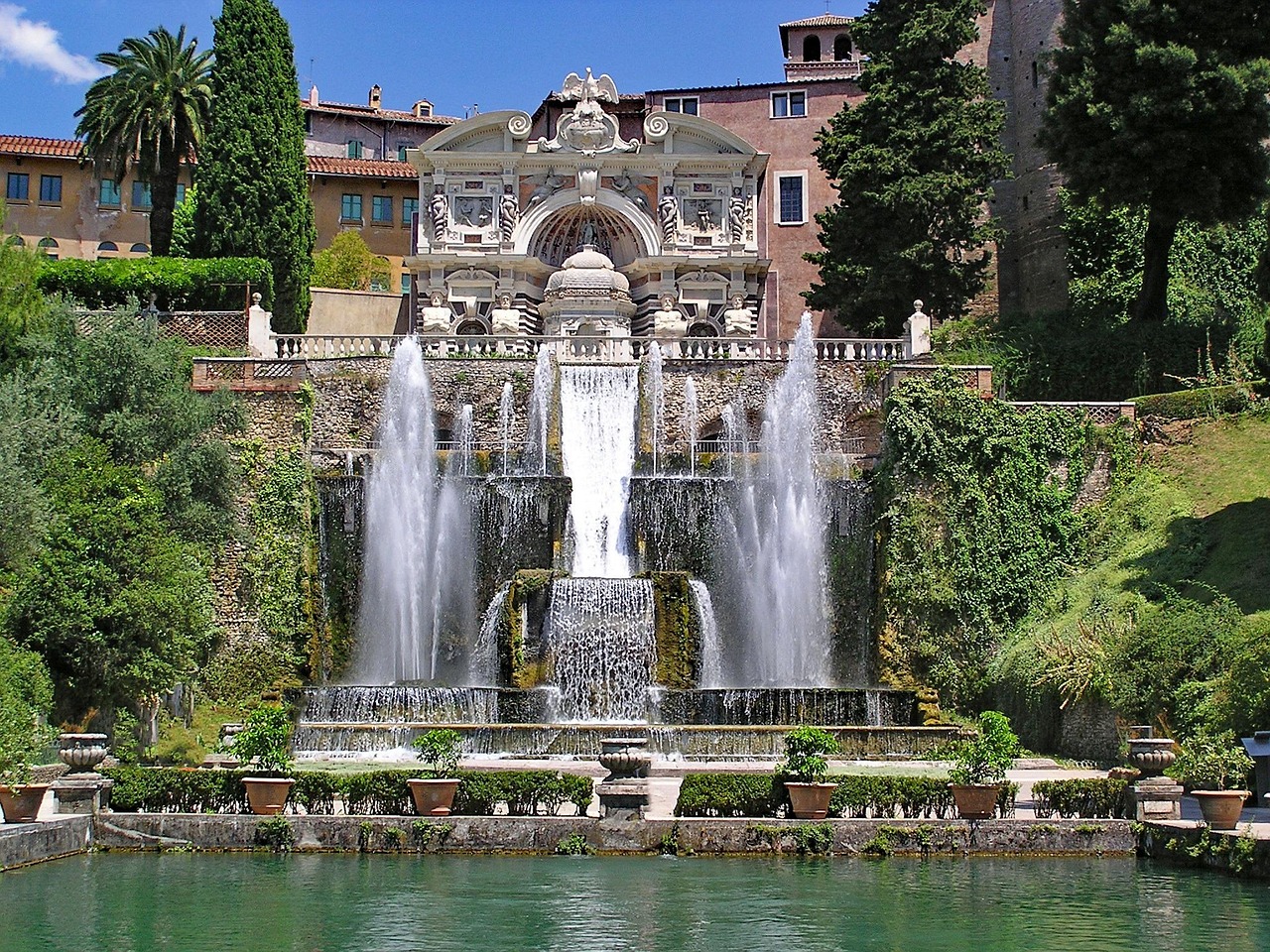
Villas of Tivoli, Villa d’Este, and Villa Gregoriana for More Adventure, fountains and terraces in Tivoli
Villas of Tivoli, Villa d’Este, and Villa Gregoriana day trips from Rome can turn a single cultural visit into a full, adventure-leaning escape. After Villa Adriana, head into Tivoli for Villa d’Este—also written as Villa d’Este—where 16th-century garden design becomes theatre: terraces, shade, and a fountain soundtrack that makes time feel elastic.
The story is layered, too. Villa d’Este is closely associated with Cardinal Ippolito II d’Este, whose ambition shaped a place that still feels curated for delight—crafted, yes, but never cold. If you want to see in Tivoli inspiration that contrasts ancient power with Renaissance artistry, this is it.
Villa d’Este and Villa Gregoriana in one plan
For a nature-forward counterpoint, add Villa Gregoriana. Its gorge paths and viewpoints feel like a different kind of monument—one made of rock, water, and misty light. If you enjoy the thrill of discovery, it’s the ideal follow-on after the ordered geometry of palace ruins.
- Realistic one-day itinerary: morning at Villa Adriana, late lunch in Tivoli’s centre, then Villa d’Este for gardens and fountains.
- Two-day option: keep day one for Villa Adriana; day two for Villa d’Este and Villa Gregoriana with longer walks.
- Practical entry notes: fees are modest, EU under-25 discounts are common, and free admission is available on the first Sunday of each month.
Local tip, softly offered: weekends are livelier, weekdays calmer. If you need help, a simple “Mi scusi” goes a long way, and a patient smile matches the local rhythm. And if you’d like to browse curated routes and high-comfort options, keep our Trip gallery tucked away for later.
F.A.Qs: Villa Adriana, Italy essentials for travellers
Is Villa Adriana the same as Hadrian’s Villa?
Yes. Villa Adriana is the Italian name commonly used for Hadrian’s villa, the vast imperial retreat built for Emperor Hadrian near Tivoli. You’ll often see both names on signs and tickets, referring to the same archaeological complex.
Is Villa Adriana worth visiting?
For most travellers, especially adventure seekers who enjoy exploring on foot, Villa Adriana is absolutely worth it. The scale, engineering, and atmosphere are exceptional, and highlights like the Maritime Theatre and the Canopus make it feel far more varied than a typical ruin.
Where is Villa Adriana located?
Villa Adriana is located in Tivoli, in the Lazio region, near Rome. The villa, located just outside Tivoli’s centre, is easy to reach by car, taxi, or local bus after arriving from Rome.
Who owns Hadrian’s villa?
Hadrian’s villa is a protected public heritage site in Italy, managed through state cultural authorities. In practice, it’s cared for as part of the national archaeological and cultural system, with conservation rules that support ongoing study and preservation.
What Stays With You After Villa Adriana
Villa Adriana, Tivoli, personal reflection, Italy tends to arrive after you’ve left, when the noise of travel drops away. You might remember a quiet corridor and the wind in pines, or a line of water that seemed to hold the sky. In a place this vast, there’s space for private meaning—an ideal city fading into the present, yet somehow still intact in feeling.
It helps to imagine the human scale behind empire: routines and conversations, sandals on stone, the ordinary in the middle of grandeur. Emperor Hadrian’s world was built to impress, but also to be lived in—bath rituals, shaded pauses, the soft choreography of daily life.
Hold this gently: curiosity is enough. Whether you explored every path or only a few, the connection you felt is real, and it deserves trust. Villa Adriana is one of those places that meets you exactly where you are—tired, exhilarated, thoughtful, or quietly moved.
Later, you may find one small detail returning without warning: a curve of brick, a shaded step, a scent of warm stone. Let it surface when it chooses, and stay curious about why it does.