Post Contents
- How to Design Your Italy Travel Guide and Itinerary for High-End Ease
- Rome with Confidence for a Trip to Italy in Rome Days in Rome with Colosseum and Vatican City Luxury Tours
- Venice Italy Travel Itinerary with Private Gondola and Piazza San Marco
- Florence, Italy Travel Guide to Tuscany with VIP Uffizi Gallery and Duomo
- Two Week Italy Itinerary from Milan to Amalfi Coast Travel Tips and Best Way to Travel
- F.A.Qs: Luxury planning for Italy
- After Italy: What Stays With You in Italy Travel Reflections Personal Journey
How to Design Your Italy Travel Guide and Itinerary for High-End Ease

How to Design Your Italy Travel Guide and Itinerary for High-End Ease
This Italy travel guide and Italy travel planning guide are designed to feel like an ultimate Italy travel guide—less about ticking boxes, more about protecting your time, privacy, and pleasure. For a high-end traveller, the most valuable upgrade is rarely a bigger suite; it’s an itinerary that breathes. Imagine stepping into Italian cities with confidence, knowing the details are quietly handled and that your days are shaped around what you love.
Start by choosing the thread that will hold your journey together: art-led Florence, fashion and dining in Milan, a coastline-led finale on the Amalfi Coast, or a slower nature rhythm that includes Lake Como and vineyards. When you design around your style—rather than trying to do every part of Italy at once—Italy as we know it becomes personal, not performative.
Guide to Italy pacing that feels personal
If you’re coming to Italy for the first time, try a day in Italy itinerary that feels curated: one main anchor each day (a museum, a private boat, a signature meal), with space around it for wandering. A common mistake in planning a trip is underestimating how long it takes to simply enjoy a piazza, linger over espresso, or stop for a view that steals your attention.
In Italy, the sweet spot is often fewer cities with deeper experiences. A one-week plan in Italy can focus on two bases—such as Rome and Florence—with one beautifully planned day trip. A two-week route can add Venice, Milan, and a crafted coastal finish.
- One week: two bases, two full days in each, plus one day trip by private car.
- Two weeks: four to five bases with restorative pauses (lake, countryside, coast).
- High-end rule: one “unstructured” afternoon every three days to keep it joyful.
Best time to visit Italy and how the rhythm changes
The best time to visit Italy is spring (April to June) and autumn (September to October), when the light is kind, and crowds are gentler. Italy offers different textures between central Italy and southern Italy: in spring, Rome and Florence feel crisp and walkable; in early autumn, coastal towns regain their elegance after the summer rush. As a light 2024 reference point, shoulder seasons continued to trend busier than pre-peak patterns, so booking earlier has become a form of care.
For high-end stays, book luxury accommodation, VIP museum entries, and private experiences several months ahead—especially in Venice and Florence. That lead time protects choice and trust: your preferred room category, your preferred guide, and the quiet timing that makes famous places feel intimate.
Finally, consider the wider context of the trip to Europe. On arrival day, build in softness: a calm transfer, a shower, an early supper, and sleep. Italy’s tempo can feel more unhurried than the rest of Europe—meals stretch, evenings begin later, and the best moments often arrive when you stop trying to optimise them.
If you’d like inspiration for what a crafted route can look like, explore our Trip gallery for design-led journeys.




Rome with Confidence for a Trip to Italy in Rome Days in Rome with Colosseum and Vatican City Luxury Tours
Rome with Confidence for a Trip to Italy in Rome Days in Rome with Colosseum and Vatican City Luxury Tours
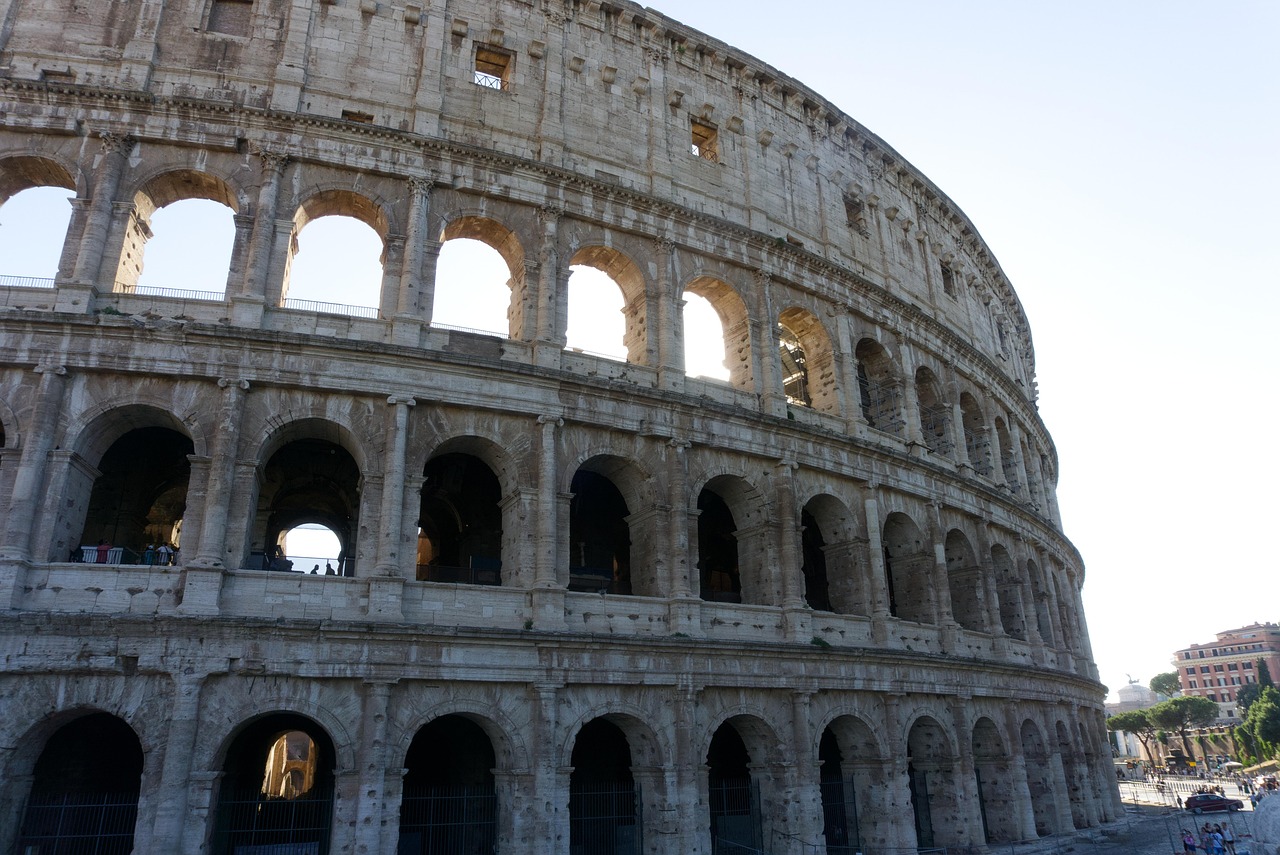
For many guests, a trip to Italy begins with Rome, and it’s where a calm plan matters most. When you set up days in Rome with Colosseum, Vatican City and luxury tours, the city becomes surprisingly gentle: timed entries, a trusted expert, and a route that avoids the crush. You’re not just seeing history—you’re uncovering it with context and space to look.
Colosseum stories and a refined Roman rhythm
A luxury guided tour of the Colosseum and Roman Forum can read the stones like a living narrative, with time to pause rather than shuffle. Consider starting early, when the light is soft and the air is cooler, and then walking onto the Forum before mid-morning groups arrive. With an expert beside you, even small details—an inscription, a shadowed arch—become insight rather than information.
Keep the rest of the day elegantly simple. Begin with a slow piazza stroll, let yourself stop at the Trevi Fountain, then take a relaxed lunch. Between appointments, pizza al taglio is the perfect Roman interlude: quick, local, and genuinely satisfying without derailing your afternoon.
Vatican City after-hours wonder, with care
One solo traveller shared the quiet thrill of a guided after-hours visit to the Vatican Museums, ending in the Sistine Chapel. Away from the daytime surge, they felt connected to centuries of art—less like a crowd scene, more like a private conversation with time. It’s an experience that changes the emotional temperature of Vatican City, which is, famously, the smallest country in the world.
To keep the day calm, schedule Vatican City for either first entry or a private evening slot, and avoid pairing it with another “big” museum. Dress with casual elegance and bring a light layer: a basilica visit requires covered shoulders and knees, and security can be strict. When lines shift or access changes, concierge support offers quiet reassurance—rebooking cars, adjusting lunch, and keeping the mood steady.
Rome rewards travellers who create room for the unplanned: a church door left open, a courtyard you didn’t expect, a golden hour walk when the marble begins to glow.
Venice Italy Travel Itinerary with Private Gondola and Piazza San Marco
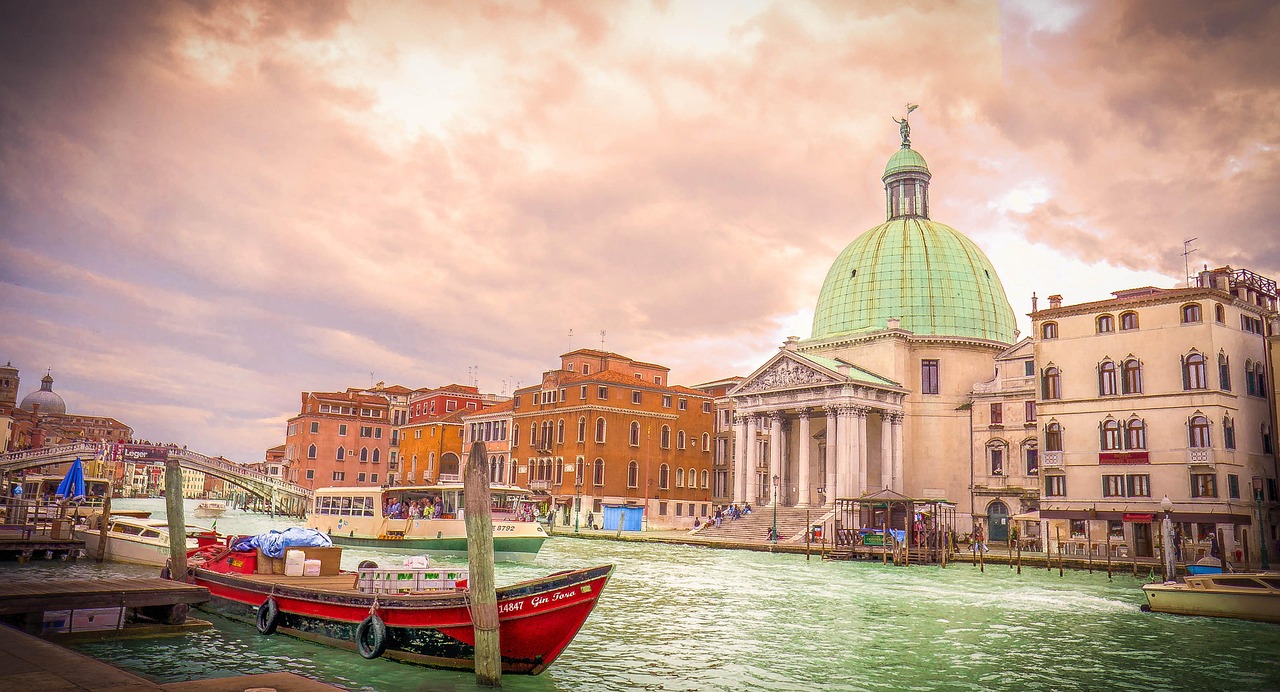
Venice in a New Light with a private gondola and Piazza San Marco
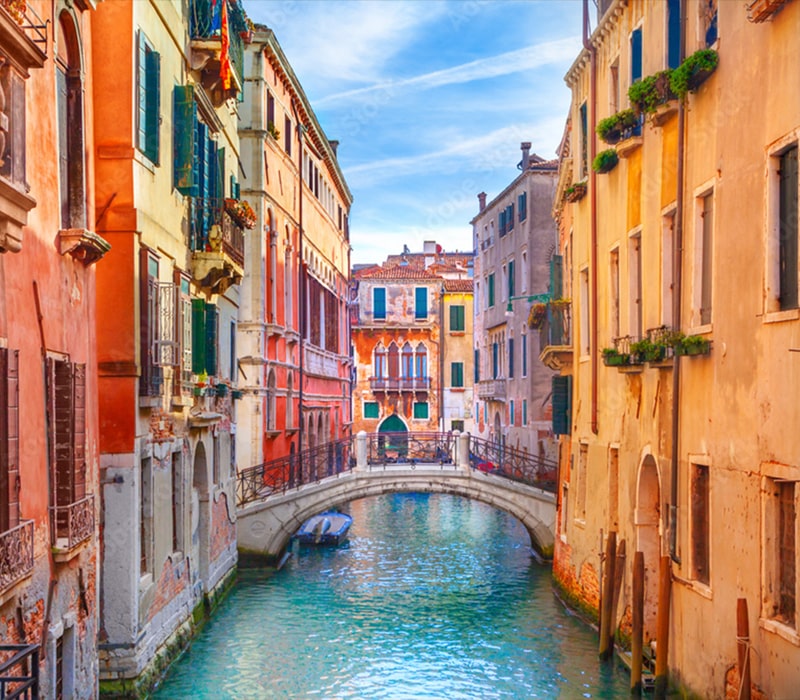
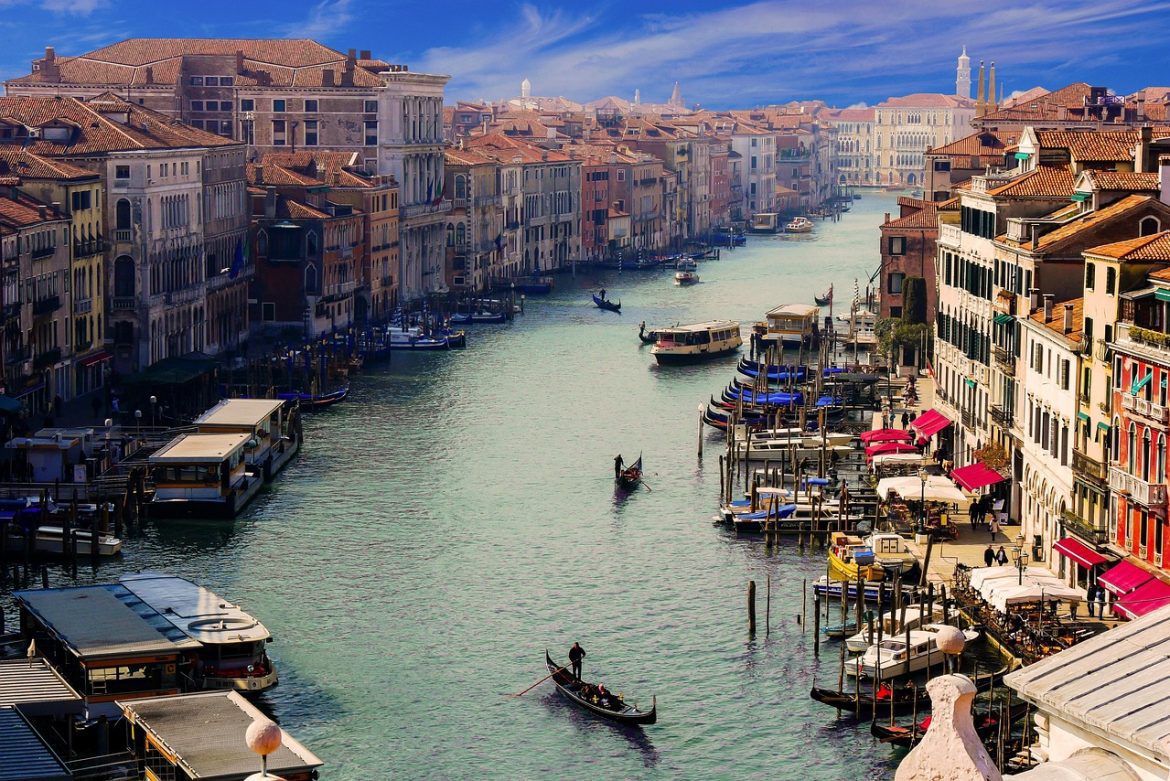
Venice rewards a different kind of attention: slower, softer, and quietly observant. For a Venice, Italy travel itinerary with a private gondola and Piazza San Marco, the most luxurious choice often comes down to timing—arriving before the day-trippers and letting the city’s hush lead you. With an expert host, you discover side canals, small courtyards, and local corners that feel like a secret shared in confidence.
A couple celebrating their anniversary told us how a sunset gondola ride transformed their trip into an unforgettable romantic experience. The simple act of slowing down—hearing water lap against stone, watching lanterns appear—made Venice feel less like a postcard and more like something intimate and real. If you’re travelling together, this is one of those crafted moments that becomes part of your shared story.
Ask your host to include quieter waterways and a brief pause where bridges frame the light. It’s also an easy place to add a small luxury: a pre-booked table afterwards, so your evening feels seamless rather than improvised.
San Marco in Venice before the crowds
Plan your signature moments around San Marco: visit Piazza San Marco early, when the stones are still cool, and the city feels freshly awake. This is what San Marco in Venice is meant to feel like—elegant, reflective, and spacious enough to notice the basilica mosaics catching the morning sun. Linger for music and light later in the evening too, when the square becomes theatrical in the gentlest way.
For navigation, it helps to move with intention. Use the vaporetto for longer hops, but walk when you can—Venice is best revealed on foot. If you’re arriving with cases, avoid dragging your luggage across bridges by arranging a porter or a private water taxi; it’s a small gesture that protects your first impression.
And yes—make time for gelato. The best pause is the one that requires no justification.
Florence, Italy Travel Guide to Tuscany with VIP Uffizi Gallery and Duomo
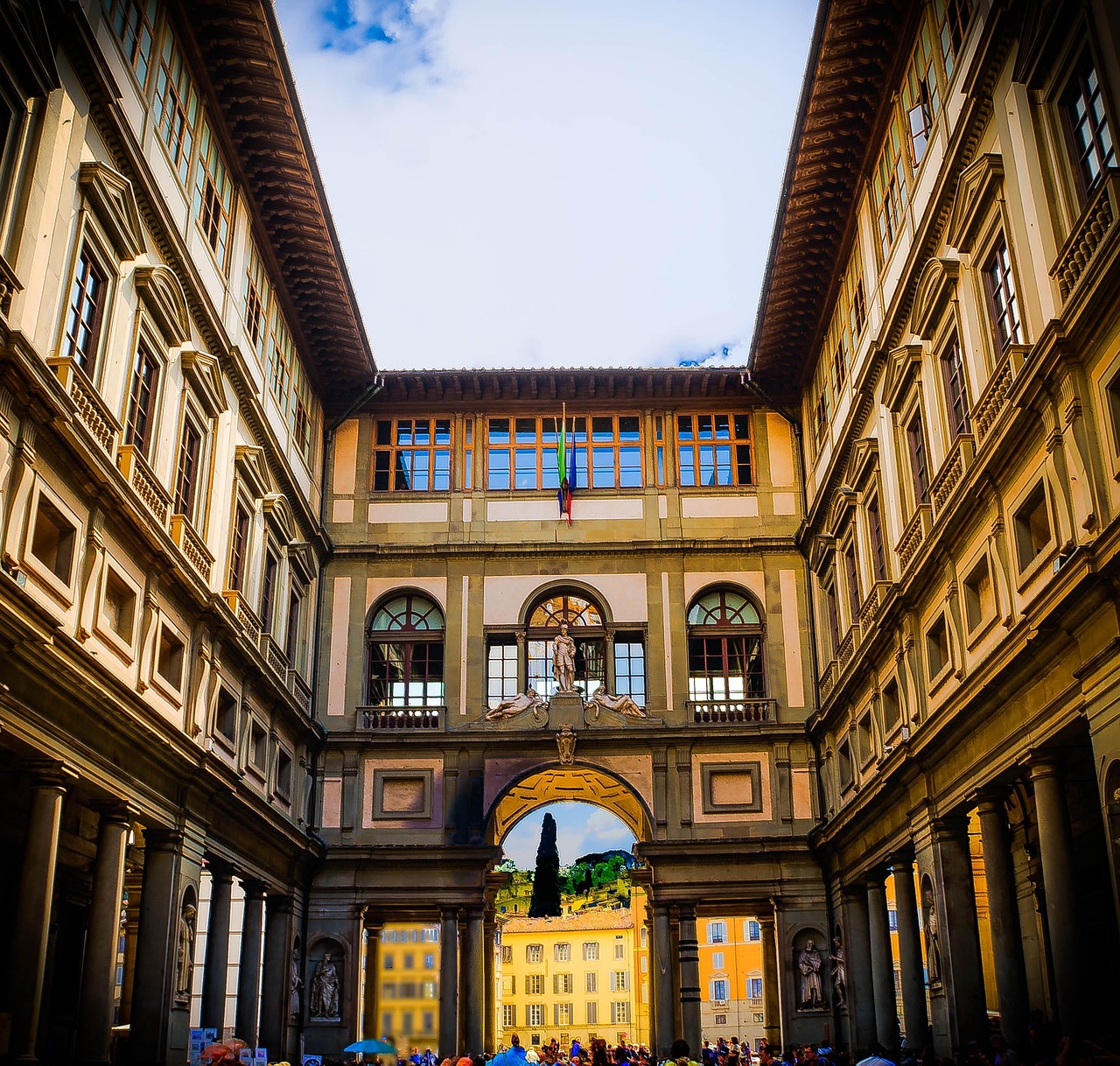
Florence and Tuscany VIP art at the Uffizi Gallery with Duomo views
This chapter is for those who want Florence to feel like a private salon rather than a queue. With a Florence Italy travel guide to Tuscany, Uffizi Gallery and Duomo moments, VIP passes give you breathing room around Renaissance masterpieces—and the emotional space to actually feel what you’re seeing. Florence is at its best when your plan is lightly held and beautifully timed.
VIP art and a crowd-avoiding Florence strategy
For the Uffizi Gallery, choose the earliest entry or a quieter late slot, then let your guide shape a route that balances famous rooms with calmer corners. The aim is not to see everything; it’s to see what matters and leave with clarity. A simple strategy that still feels spontaneous is to anchor your morning with art, then keep the afternoon open for wandering and shopping.
Design a Florence walking flow: begin near the Duomo for an exterior appreciation when the light is clean, cross to Ponte Vecchio for the river view, then drift into artisan quarters where the city feels lived-in rather than performed. Florence is compact, but it’s rich, so pace becomes a form of luxury.
Local craft and the Florence you take home
An art enthusiast once described the joy of meeting a local artisan in Florence, visiting exclusive workshops tucked behind unassuming doors. With that personal insight, shopping became a connection: understanding tools, materials, and the patience behind beauty. It’s also one of the most reassuring ways to buy well—crafted work you can trust, and a story you’ll remember each time you wear or display the piece.
Then, let Tuscany soften the edges of city life. A vineyard lunch, rolling views, and a slower conversation with the land can make your Florence stay feel more dimensional. Consider it a crafted day trip: you explore, then return to Florence in time for aperitivo and an unhurried evening.
- Private driver day: Tuscany for lunch and views, then back before dinner.
- Classic add-on: a Pisa day trip by pre-booked car, returning before sunset.
- Elegant pacing: one main booking per day, then free time for Florence discoveries.
It’s no surprise that some visitors leave Florence quietly, thinking about what it might mean to live in Italy—less as a plan, more as a possibility.
Two Week Italy Itinerary from Milan to Amalfi Coast Travel Tips and Best Way to Travel
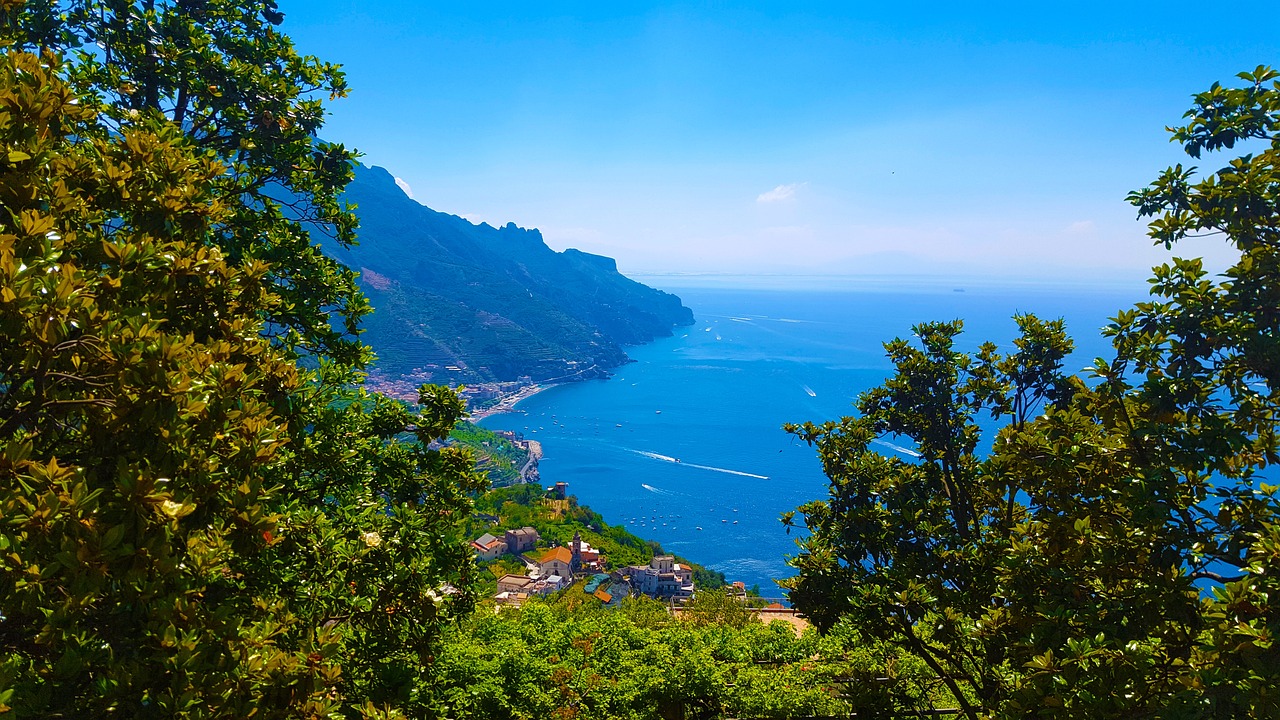
Milan to the Amalfi Coast with a seamless two-week Italy itinerary
If you want modern polish followed by salt-air romance, build a two-week Italy itinerary that starts in Milan and ends on the Amalfi Coast. This Italy travel itinerary is about seamless transitions: refined hotels, reservations that respect your pace, and comfortable transfers that let you stay present. When travelling to Italy at this level, convenience isn’t indulgence—it’s how you protect the experience.
Milan style, Michelin-starred dining, then Lake Como
Begin in Milan for contemporary Italy: design districts, galleries, and Michelin-starred dining paired with fine wines. Dress with casual elegance for reservations and exhibitions; Italians tend to value effort, especially in the evening, without expecting formality. After the city’s energy, Lake Como is a restorative exhale—private boat time, lakeside terraces, and a slower rhythm that invites you to simply look.
From here, transition south in comfort. A private driver can keep continuity and privacy, especially when you’re managing luggage, timings, and hotel check-ins across multiple stops.
Amalfi Coast drama, Positano, and expert-led history
On the Amalfi Coast, the landscape becomes theatre: cliffside villages, bright shutters, and that sudden flash of sea as the road turns. Plan a private yacht cruise along the Mediterranean coastline, with time to swim off the boat and enjoy the beach from the water—an intimate perspective large tours can’t offer. Include Positano as a picture-perfect stop, but keep your schedule flexible so you can linger where the light feels best.
A family once reminisced about exploring the Amalfi Coast by private boat, describing an intimate connection to nature and culture that never felt rushed. It’s the kind of day where togetherness feels effortless, because the logistics are handled and the joy has space to arrive.
For history, add Naples and Pompeii with expert-led context. The key is timing: visit Pompeii in the morning or late afternoon to avoid the hottest part of the day, then return to Naples for an easy dinner and a calmer evening.
Travel in Italy for luxury travelers: practicalities.
For the best way to travel, combine speed with comfort: take the train on fast corridors, and use drivers when you want flexibility and door-to-door ease. Knowing the way to travel between cities keeps your energy for what matters.
- Trains: For major routes, take the train for a smoother journey; arrive early at the train station and keep an eye on platform changes.
- Regional services: Regional trains are simpler and more local, but can be less predictable; if you use one, validate your ticket when required.
- Cash: Carry local currency for small purchases; amounts vary by region and are still useful in smaller towns.
- Insurance: Choose travel insurance that covers health and cancellations; many high-end travellers prefer concierge-level support for added security.
If you want to extend your journey throughout Italy, your advisor can tailor optional add-ons: Cinque Terre for coastal walks, Verona for romance and opera, Sicily for layered history and island flavour, the Dolomites for mountain air, or Puglia for sunlit farmhouses and slow-living charm. The art is to navigate Italy with restraint—choosing what deepens the story, not what crowds the page.
F.A.Qs: Luxury planning for Italy
Is $10,000 enough for a trip to Italy?
It can be, depending on the season, pace, and how many private experiences you include. For a high-end style, $10,000 may cover a shorter stay or fewer destinations with one or two VIP highlights, especially if flights are separate. If you prioritise private drivers, top hotels in Rome, Venice, or Florence, and exclusive access, you may want a higher budget or a more selective plan.
What I wish I knew before going to Italy?
That comfort comes from pacing and pre-booking, not from doing more. Secure key museum entries and special dinners months ahead, then leave space for slow mornings and unplanned discoveries. Also, dress codes at religious sites are real, and small logistics—like arranging porters in Venice—can transform how calm your first day feels.
What is the golden rule in Italy?
Respect the rhythm: meals take time, conversations matter, and rushing is rarely rewarded. Dress neatly for churches and good restaurants, greet people politely, and allow extra time for transfers. When you meet the country at its own pace, the warmth you receive back often feels remarkably genuine.
Is $5000 enough for a trip to Italy?
Yes, for a well-planned trip, but it’s usually a simpler style—fewer private services, careful hotel choices, and more standard tickets rather than VIP access. If you focus on one or two cities and travel during the shoulder season, $ 5,000 can go further. For a luxury-forward experience in Venice, Florence, or the Amalfi Coast, consider either increasing the budget or shortening the itinerary.
After Italy: What Stays With You in Italy Travel Reflections Personal Journey
Italy travel reflections and a personal journey rarely come back as a checklist. They return as sensations: stone underfoot, church bells caught on the wind, and a late espresso taken at the edge of a quiet piazza when the day finally loosens its grip. Italy might linger most in the small kindnesses—an extra minute at the table, a waiter remembering how you take your coffee, the soft reassurance of being looked after without fuss.
What stays, too, is the confidence that comes from trusted support. When a guide meets you with warmth, when a driver appears exactly where promised, when a plan has enough flexibility to let life happen, even the busiest Italian cities can feel kind. In those moments, you’re not “doing” Italy; you’re simply in it—present, unhurried, and quietly changed.
Sometimes, long after you visit Italy, you find yourself imagining a return: not because you missed something, but because you want to feel it again in a different season, with a different pace, perhaps a different version of yourself. And if the thought crosses your mind—what it would be like to live in Italy one day—you can let it sit there gently, like a beautiful idea that doesn’t need immediate answers.
There will always be another evening light on water, another corner where laughter echoes, another dusk where a square turns gold, and the world feels, briefly, perfectly balanced. The invitation is timeless: to wonder what else you might notice next time.