Post Contents
- Italy’s best places to visit: a confident luxury travel guide for a first trip to Italy
- Rome, Italy—personal history with highlights like Colosseum, Trastevere, and private guides.
- Venice on the water: Grand Canal romance, quiet corners, and places to visit in Italy in style
- Florence for art lovers: Uffizi Gallery, rooftop views, and the Duomo with a private tour
- Tuscany’s hill towns and wine estates: exclusive tastings, villa time, and farm-to-table care
- Milan and the Italian lakes: Lake Como, Lake Garda, and a Northern Italy escape
- Amalfi Coast and Naples: coastline drama, beach time, and bold flavour
- Cinque Terre by the sea: colourful houses, coastal walks, and village-hopping made easy
- F.A.Qs: Italy’s best places to visit
- After Italy: what stays with you from beautiful Italy and the places you chose
Italy’s best places to visit: a confident luxury travel guide for a first trip to Italy
How to plan a confident first trip to Italy: luxury pacing, iconic cities, and restorative countryside
When you search for Italy’s best places to visit, you’re usually asking a deeper question: which places to visit in Italy will feel effortless, elevated, and worth the time? Italy is one of the most beautiful destinations for first-timers because it blends art, food, and coastline with transport that supports a smooth, hotel-to-hotel rhythm. This travel guide focuses on balance—anchor cities, a slower rural pause, and one or two “pinch me” experiences that become a favourite travel memory.
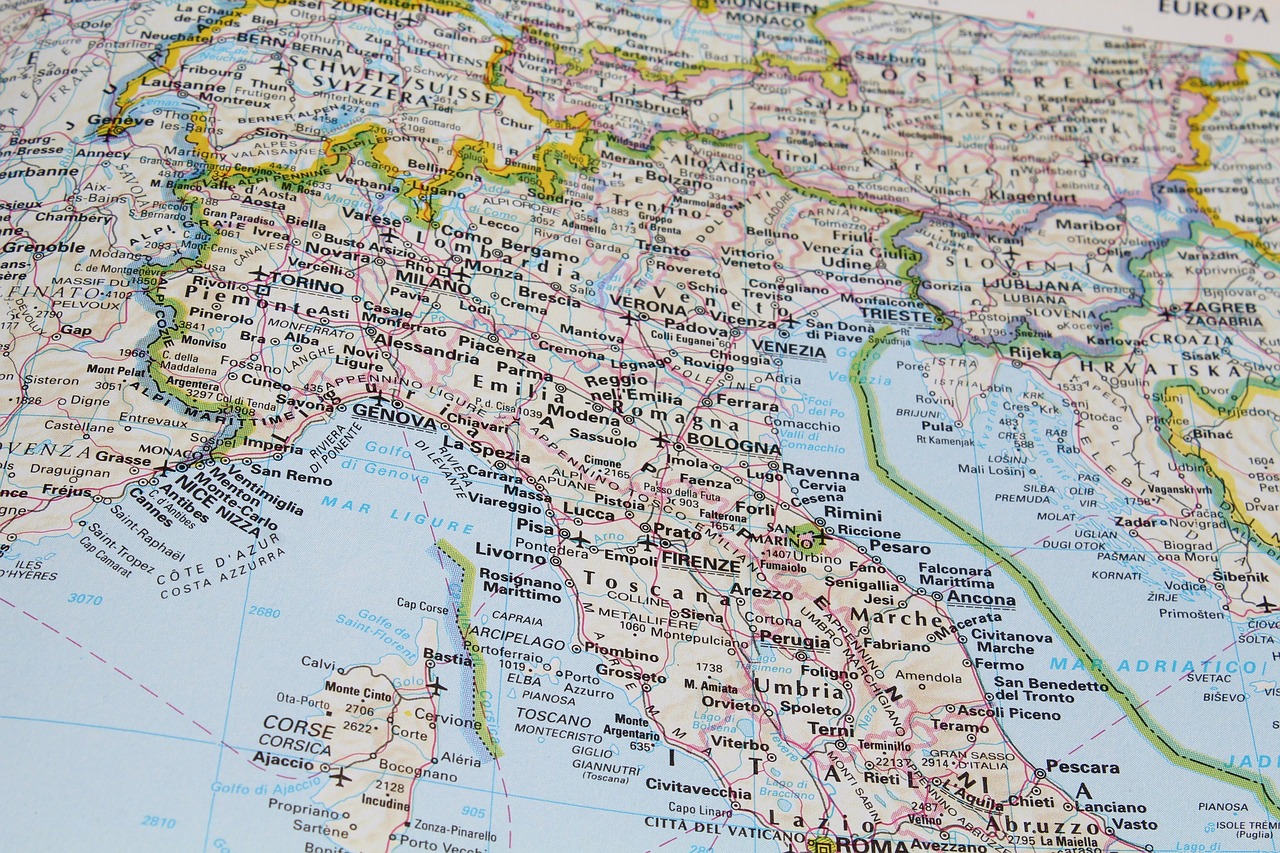
For a calm framework, think in three simple bands. Begin in northern Italy for style and lakes, move through central Italy for Renaissance beauty and wine country, and then decide whether southern Italy will be your coastal finale. This is how an Italy itinerary feels curated rather than crammed, and why Italy is one of the beautiful cities networks in Europe for travellers who want to go to Italy and feel supported from day one.
If you have extra time and want to visit something different, add Sicily as a beautiful island extension—an elegant day trip to Mount Etna can be a powerful contrast to the mainland’s art cities and lake towns. It’s a memorable add-on for travellers who want variety without reinventing their entire route.
Best time to visit Italy: best times and times to visit for calm, beautiful days
The best time to visit Italy’s major cities is spring and autumn. The best times are usually April to June or September to October, when the light is soft, the evenings are long, and the atmosphere feels more local. In the summer months, you can still create an exceptional visit to Italy, but plan around summer crowds and heat with early-entry tickets, shaded lunches, and a hotel with strong air conditioning and concierge service.
If you’re sensitive to busy streets, schedule city sightseeing for mornings and save afternoons for a museum, a long lunch, or a restorative spa hour. It’s a gentle way to enjoy the top places without feeling like you’re competing for them.
Getting around Italy smoothly: trains, private drivers, and travel tips you can trust
For newcomers, the easiest way to stitch together Rome, Florence, Venice and Milan is to take the train. It’s fast, avoids inner-city traffic, and makes arrivals surprisingly calm—especially when you travel with reserved seats in first class. Travel tips: book peak routes early, choose hotels near the main stations where practical, and keep transfers simple so your days start relaxed.
A private car comes into its own on countryside days in Tuscany, or when you want to reach the Amalfi Coast feeling fresh rather than wrung out. Within cities, a city transport pass can be worth it in the evenings when you’d like to glide to dinner without thinking.
A high-end booking rhythm that unlocks the best places without stress
Here’s the reassuring truth: many of Italy’s best experiences are available, but they need to be held together in the right order. Start with your hotel and key timed entries, then layer on private guides, transfers, and dining so the whole plan feels seamless.
- Private guides and museum access first, especially for Rome and Florence.
- Your “anchor meals” next, including one of the best restaurants you’ve been dreaming about.
- Then add a countryside pause, such as a villa stay with a chef-led dinner and plenty of space.
To explore what a fully crafted journey can look like, browse our Trip gallery and picture the pace that suits you.
Mini etiquette that makes visiting places feel natural
Italy rewards small gestures. Dress modestly for churches, cover your shoulders where requested, and offer a warm Buongiorno when you enter a shop. These tiny moments build trust quickly, and they make visiting places feel less like ticking off sights and more like stepping into a living, beautiful country with its own rhythm.
With that foundation, let’s move through the Italian places travellers return to again and again—classic cities, lakes, vineyards, and coastal escapes.




Rome, Italy—personal history with highlights like Colosseum, Trastevere, and private guides.
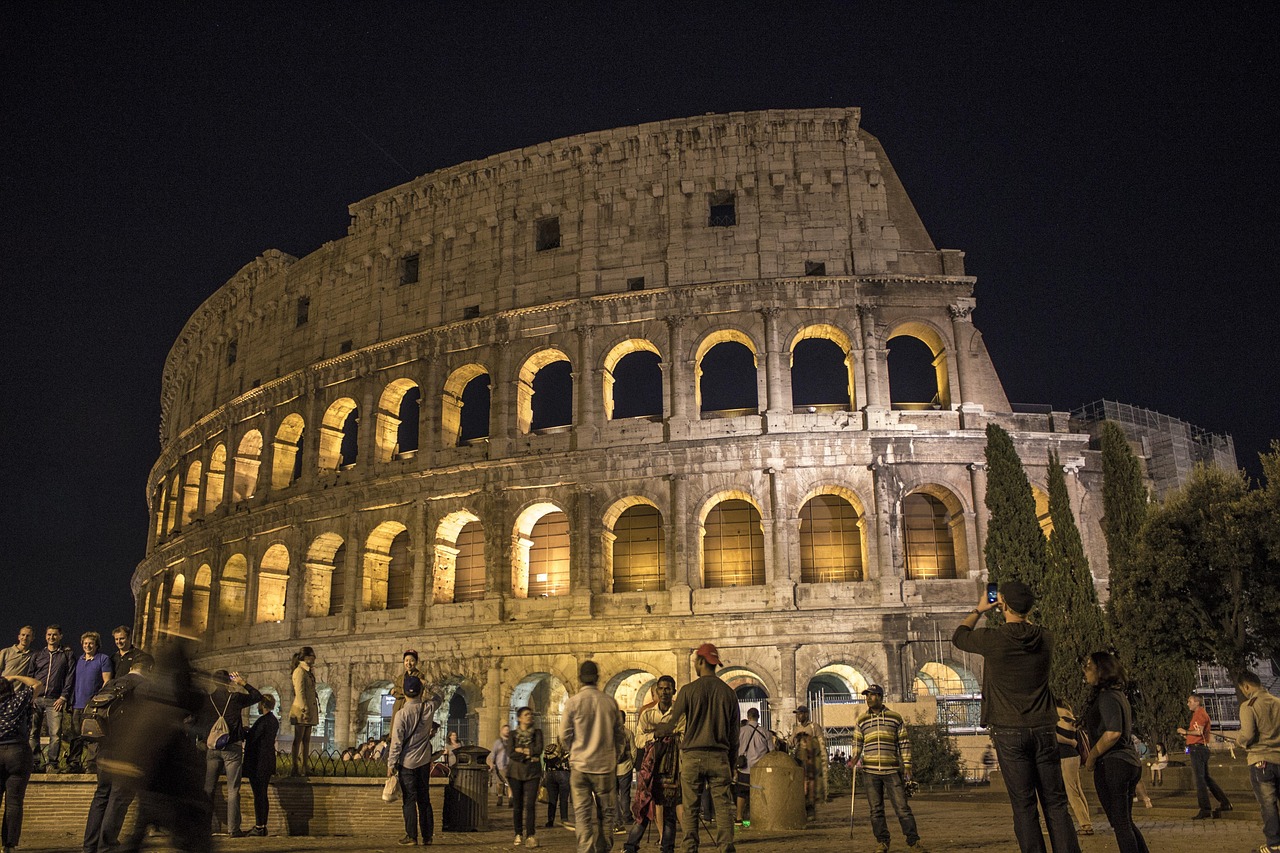
Rome, a city in Italy, where history feels personal with the Colosseum and the Vatican, highlights
If you’re noting places to visit in Rome, Italy, the Colosseum, Trastevere, and a private guide in your planning, you’re already thinking like a seasoned traveller. Rome is a city in Italy that feels monumental, yet surprisingly intimate when you explore with an expert who can translate stone into story. When you visit Rome with the right pacing, the city stays energising rather than overwhelming.
Colosseum and Forum: ancient Rome as living theatre
Start with a crafted morning at the Colosseum and Roman Forum, ideally with timed entry and a private guide who knows how to avoid bottlenecks. In warmer months, early starts matter; you’ll feel the difference by 10 am. With the right storyteller, this becomes one of those places I’ve ever visited that still feels vivid in your imagination days later.
Give yourself permission to do less, but do it well. A slow espresso afterwards in a sunlit piazza is not “wasted time” in Rome; it’s part of the Roman rhythm.
Vatican Museums: calm routes, masterworks, and the Sistine Chapel
For art and faith, the Vatican Museums are best approached with a private guide and a clear route in mind. You’ll move through masterpieces without feeling herded, and when you finally step into the Sistine Chapel, the hush lands differently. Remember modest dress and quiet behaviour; it’s a small sign of care that keeps the experience graceful for everyone.
Even if you’re not religious, a well-planned visit offers a lesson in scale, devotion, and human ambition. It’s reason enough to visit Rome with a guide who can connect the art to the city outside the museum walls.
Trastevere after-hours: candlelit lanes and an osteria you’ll remember
Later, uncover Trastevere when the light softens, and the day-trippers drift away. You’ll find cobbled lanes, a lively piazza, and the kind of candlelit osteria that feels romantic rather than performative. Choose one excellent place, linger, and let the evening stretch.
For a gentle dose of variety, consider a food-focused afternoon for markets and a slow lunch, or an optional day trip if you’ve already seen the classics. Gelato is absolutely part of the plan, but in Rome, the real luxury is not queuing—ask your hotel for their quiet favourite and go at off-peak times.
Seamless logistics note: a private transfer from FCO removes friction on arrival, and choosing a hotel neighbourhood that matches your pace makes evenings effortless. Rome is grand, but it can also be surprisingly soft when you design it with support.
Venice on the water: Grand Canal romance, quiet corners, and places to visit in Italy in style
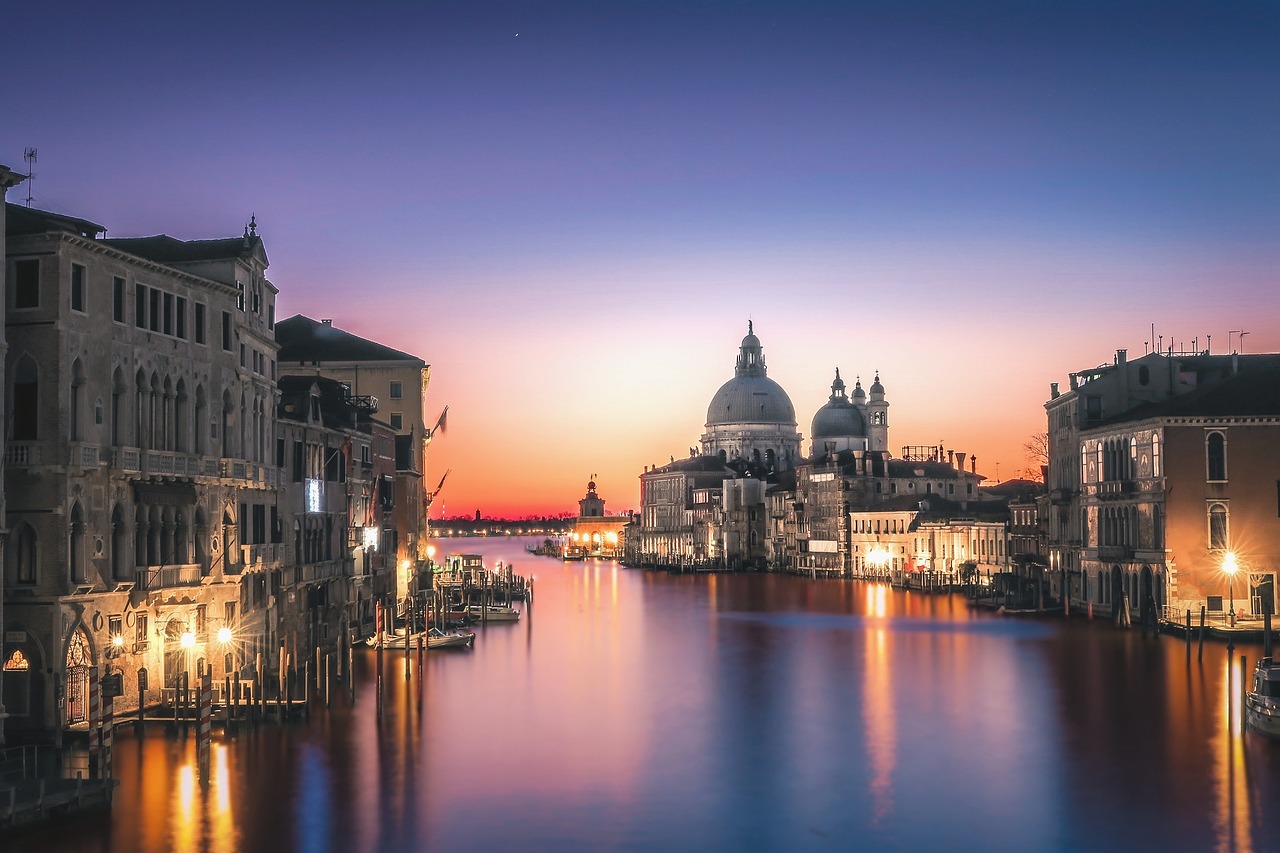
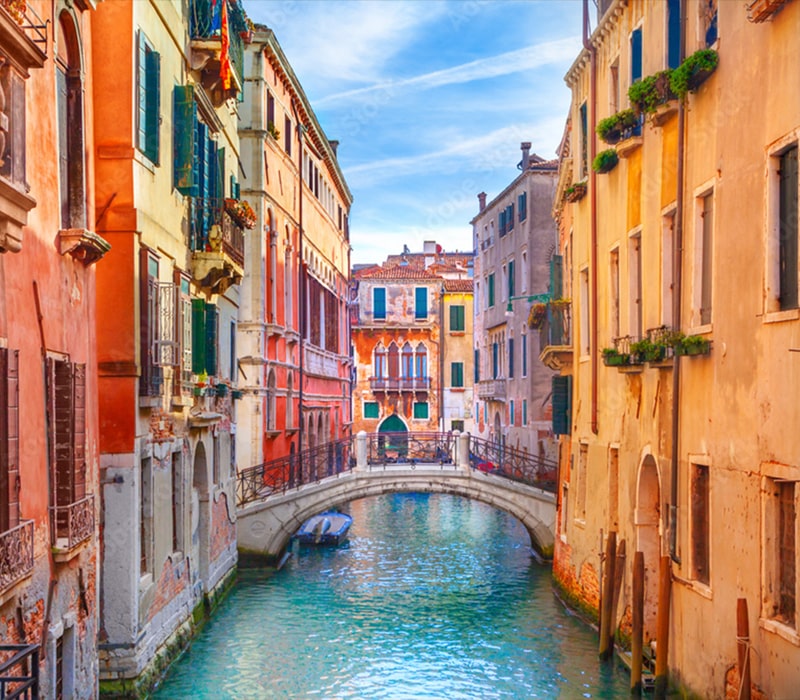
Venice is a crafted romance on the Grand Canal with a private gondola and St Mark’s Square
For many travellers, Venice, places to visit in Italy, a private gondola, St Mark’s Square, and luxury dining are on the dream list. Venice can feel busy at first, but it becomes one of the best places when you slow down and use the city’s natural rhythm—early mornings, gentle afternoons, and long evenings. The city is compact, walkable, and full of small moments that reward patience.
Go to Venice by train and arrive feeling looked after
Arrive by train at Santa Lucia and let your hotel arrange a water taxi, especially if you have luggage. That first glide is your reset button: you’re no longer navigating, you’re arriving. Once you’ve checked in, keep your first walk short and unplanned—Venice is best met slowly.
A simple way to visit Venice with confidence is to treat each neighbourhood like a small village, rather than trying to cross the entire city in one day. You’ll explore more deeply, and you’ll feel less like you’re fighting the crowds.
Private gondola at golden hour: quiet canals and the Grand Canal
A private gondola ride is more than a postcard moment; it’s a crafted pause. Ask for a route that slips into quieter canals before returning towards the Grand Canal, and consider adding a photographer for a few discreet, beautifully lit images. It’s a personal keepsake that feels elegant rather than staged.
If you’re travelling together, this is one of those rare experiences that changes the pace of conversation. The city hushes, and you hear yourselves again.
St Mark’s Square: early hours, refined dining, and calm reservations
For St Mark’s Square, go early—ideally before the tour groups arrive—so the piazza feels airy and cinematic. Later, return for luxury dining overlooking the square, where the evening feels dressed up without being stiff.
- Book outdoor tables well in advance during peak seasons and confirm weather plans.
- Aim for a slightly later seating so the day crowds thin out.
- Ask your concierge for a table that prioritises view and comfort over footfall.
This is Venice at its most reassuring: polished, atmospheric, and quietly celebratory.
A solo traveller morning: sunrise lanes and local insight
One solo traveller told us their most magical moment came from waking before dawn to watch sunrise over the water, then strolling through nearly empty lanes while shutters lifted and cafés set out chairs. Venice felt like a secret again—an intimate city rather than a spectacle. If you want that same insight, choose one morning to rise early, even if you’re not usually a morning person.
Where to stay: canal-view hotels offer theatre, while tucked-away courtyards offer deeper sleep away from the bustle. Either can be luxurious; the best choice is the one that supports your rhythm and gives you care when you come back “home” each afternoon.
Florence for art lovers: Uffizi Gallery, rooftop views, and the Duomo with a private tour
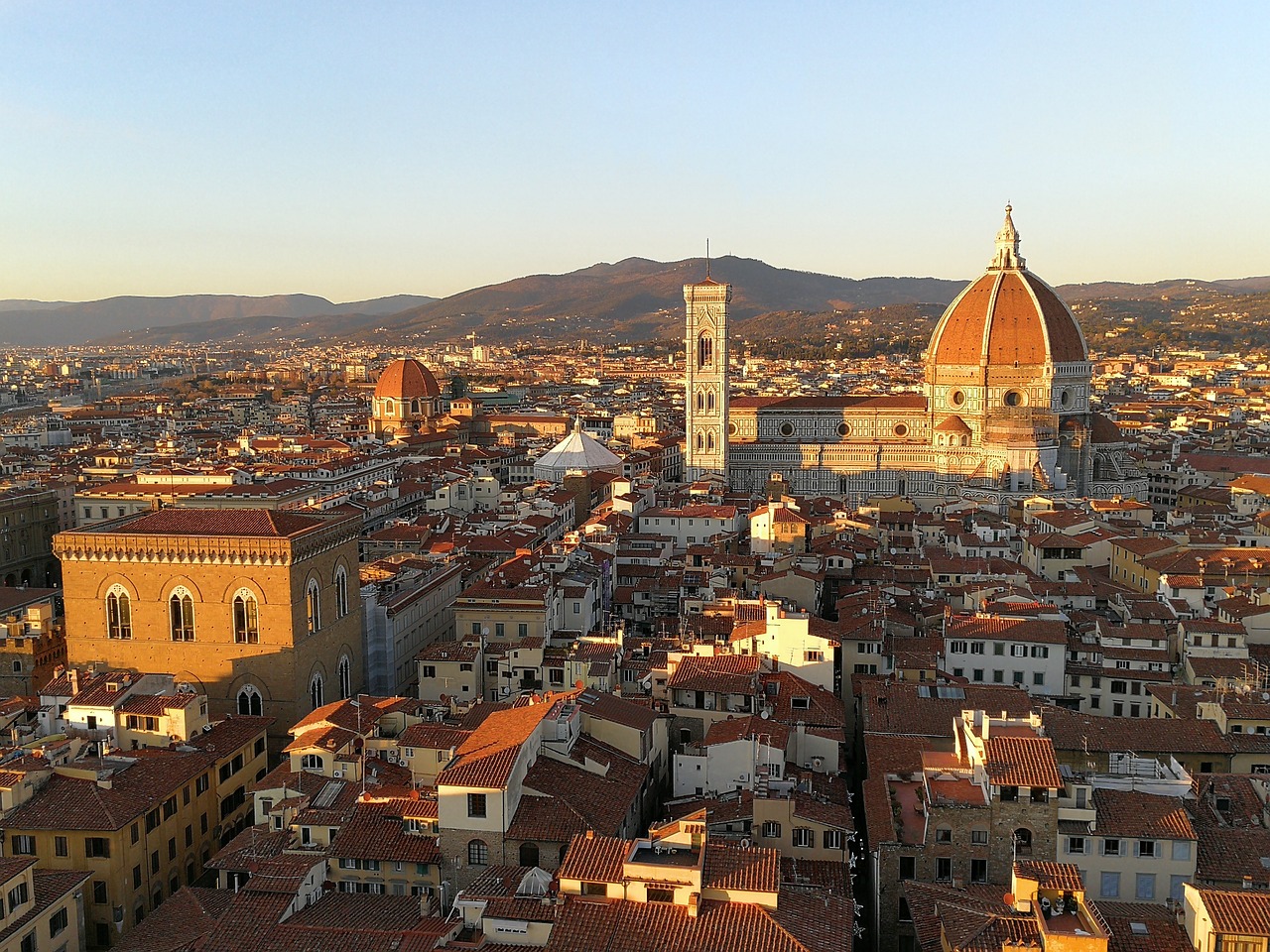
Florence for art, rooftops and the Duomo with a private Uffizi tour
When you plan Florence places to visit in Italy, Uffizi Gallery, Duomo, and a private tour, you’re choosing one of the most concentrated art cities in Europe. Florence is one of the best places for travellers who want beauty with meaning, and who appreciate an expert hand guiding the details. It’s also wonderfully walkable, which makes days feel natural and unforced.
Uffizi Gallery: a museum visit that teaches you how to look
An art enthusiast once shared that a private tour of the Uffizi Gallery, guided by a local expert, transformed their appreciation for Renaissance masterpieces. Instead of “seeing everything”, they learned to look at composition, patronage, and the human ambitions behind the paint. That’s the difference between a museum visit and a memory that stays vivid.
Book timed entry and start early, when the rooms are calmer. Afterwards, step outside and let the light reset you before your next stop.
Duomo views and a rooftop anniversary story in Florence
Florence delivers romance without trying too hard. A couple celebrating a wedding anniversary told us their favourite travel moment was a sunset rooftop dinner overlooking the Duomo; the city turned honey-gold, bells rang in the distance, and they felt completely together. If you want to create something similar, reserve your table well ahead and ask for the quietest corner with the widest view.
It doesn’t need to be a “special occasion” to count. Florence has a way of making ordinary evenings feel ceremonial.
Craft a full day in Florence: ateliers, viewpoints, and the Arno
Design your day in three arcs: morning museum time, afternoon artisan ateliers, then twilight viewpoints across the Arno. Florence’s workshops—leather, paper, jewellery—reward slow curiosity and a gentle conversation with the maker. This is where shopping can feel like culture rather than consumption.
Practical pacing keeps things seamless. Choose a walkable hotel zone, pre-book key entries, and build in gelato stops that don’t become a queueing exercise so the city stays light on your feet.
If you’d like a soft add-on, the leaning tower of Pisa can be an easy day trip with a driver, returning in time for aperitivo in Florence. It’s a simple way to add variety without overpacking your schedule.
Tuscany’s hill towns and wine estates: exclusive tastings, villa time, and farm-to-table care
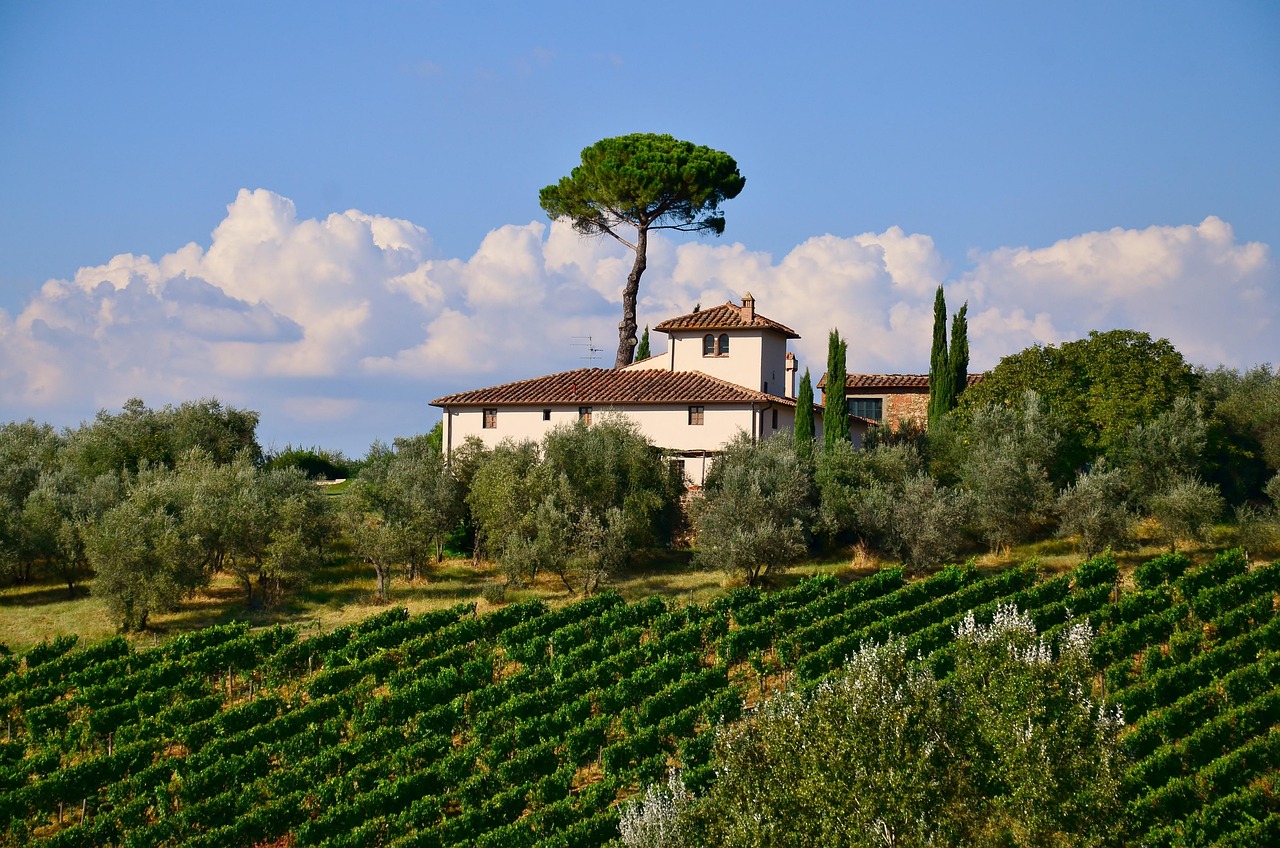
Tuscany hill towns, wine estates and farm-to-table care with exclusive tastings
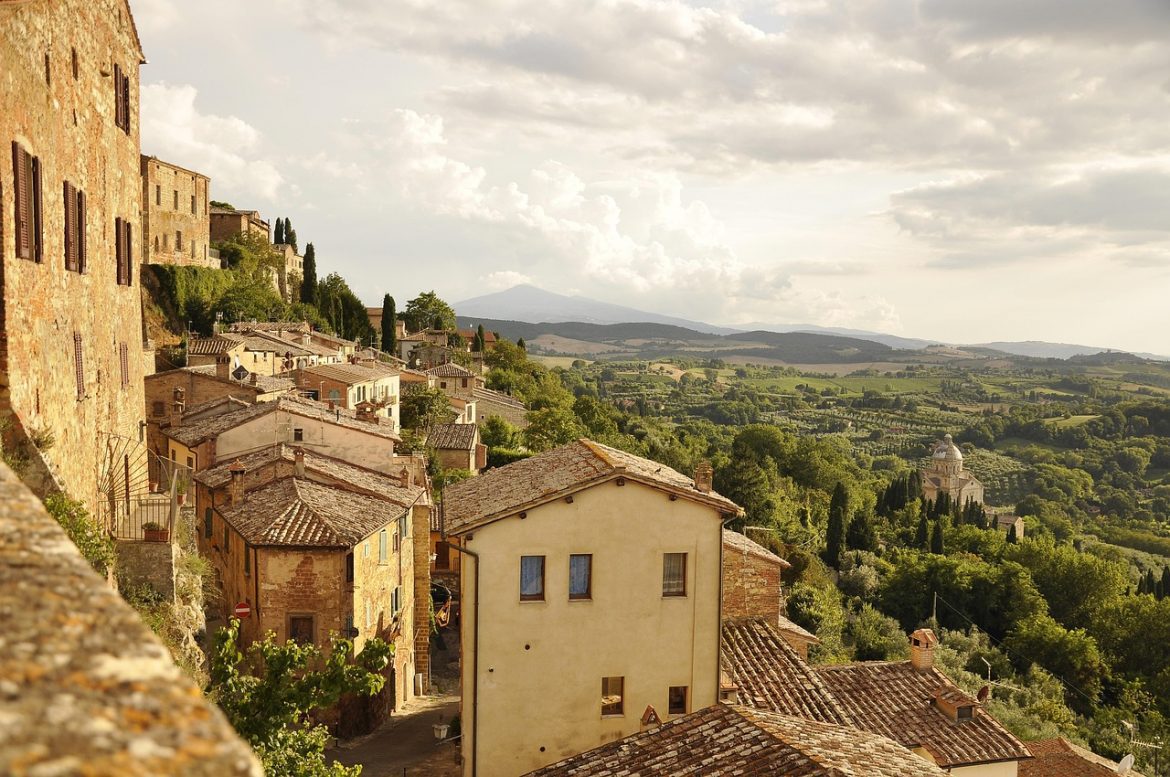
If your notes read Tuscany, best places to visit in Italy, exclusive wine tasting, Antinori Castello di Ama, you’re ready for the exhale. Tuscany is the counterpoint to the cities in the world you’ve been navigating—quieter roads, wider skies, and time that seems to expand. It’s also where a trip to Italy can feel most personal, because privacy and space are naturally built into the landscape.
Exclusive tastings at Antinori and Castello di Ama
For wine lovers, Tuscany’s renowned estates offer experiences that go far beyond a standard pour. At Antinori and Castello di Ama, you can request a crafted visit: a cellar tour, a guided tasting calibrated to your preferences, and pairings that highlight local ingredients. With the right host, it becomes a lesson in place—soil, sun, and tradition—delivered with genuine care.
If you’re travelling in peak season, reserve in advance and be clear about what you want: more insight, fewer groups, and time to linger. Tuscany rewards specificity.
A villa stay designed for together time
A two-night villa pause can change the feel of your entire trip to Italy. Imagine a late breakfast, a spa treatment, poolside views, and a chef-led farm-to-table meal that feels both elevated and deeply local. This is where luxury becomes restoration, not just indulgence.
- Choose a villa with concierge support for drivers, tastings, and dining.
- Build in one “no plans” afternoon so the countryside can do its work.
- Schedule a single standout dinner, then keep the next evening simple.
It’s also a wonderful moment to celebrate together, especially after busy city days.
Hill towns like San Gimignano: timing that protects the magic
Add one storybook stop: San Gimignano for medieval towers and a sunlit piazza that feels suspended in time. Arrive early or later in the afternoon to avoid mid-day congestion, and you’ll experience the town at its most photogenic and least hurried. Tuscany’s hill towns are not about checking boxes; they’re about letting a place settle into you.
Transport choice: a private car is perfect if you like independence, while a driver-guide adds context and removes every trace of stress on narrow lanes. Either way, the goal is comfort and seamless returns to Florence.
Milan and the Italian lakes: Lake Como, Lake Garda, and a Northern Italy escape
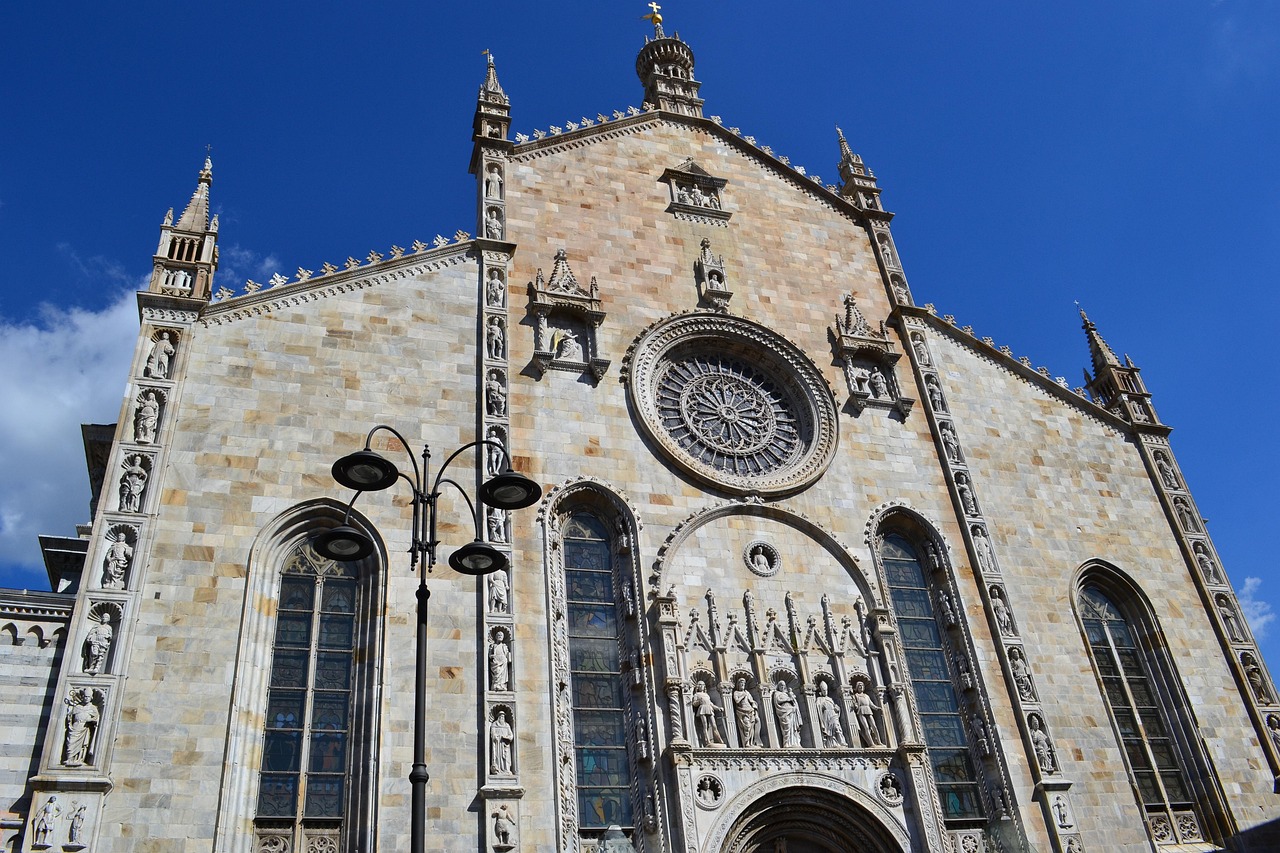
Milan and the Italian lakes, with Lake Como and Lake Garda, in a luxury travel rhythm
For travellers mapping Milan places to visit in Italy, Lake Como, Lake Garda, Italian lakes, and luxury hotels, the north offers a refined opening act. Milan is confident and contemporary, while the Italian lakes soften everything with water, gardens, and unhurried lunches. Together, they make an elegant start (or finish) that feels distinctly high-end and away from the hustle.
Visit Milan for design, Duomo rooftops, and neighbourhood café culture
To visit Milan well, begin at the Duomo rooftops in the morning when the city is crisp, and the light is clean. Then wander neighbourhoods that blend fashion with local life, where a great espresso and a slow browse feel as meaningful as a major landmark. Milan is a smart choice for travellers who want contemporary culture before heading into slower landscapes.
A city transport pass helps if you’re crossing town for appointments, but many of Milan’s best pockets are enjoyed on foot between cafés and galleries.
Lake Como: quiet glamour, gardens, and historic villa views
Lake Como is an elegant escape when you want scenery without strain. A private boat lets you drift past historic villa gardens, pause for photographs, and arrive at a lakeside lunch feeling serenely removed from the world. For where to stay, look for quiet glamour: excellent service, lake views, and enough space to feel restored.
For many travellers, Lake Como is one of those beautiful places where doing less is the point. A single afternoon can feel like a full holiday.
Lake Garda, plus the Dolomites, for an incredibly beautiful contrast
Lake Garda offers a softer mood—promenades, charming towns, and a sense that time is generous. It fits a first itinerary without overpacking days, especially if you pair it with Milan for style and accessibility. If you want a sharper contrast, consider a short stay in the Dolomites, where the scenery is incredibly beautiful, and the air feels like a reset.
On reservations and shopping, trust the concierge culture here. Milan tailors, ateliers, and dining rooms operate by appointment; with planning, you’ll secure exactly what you want and avoid last-minute compromises.
Amalfi Coast and Naples: coastline drama, beach time, and bold flavour
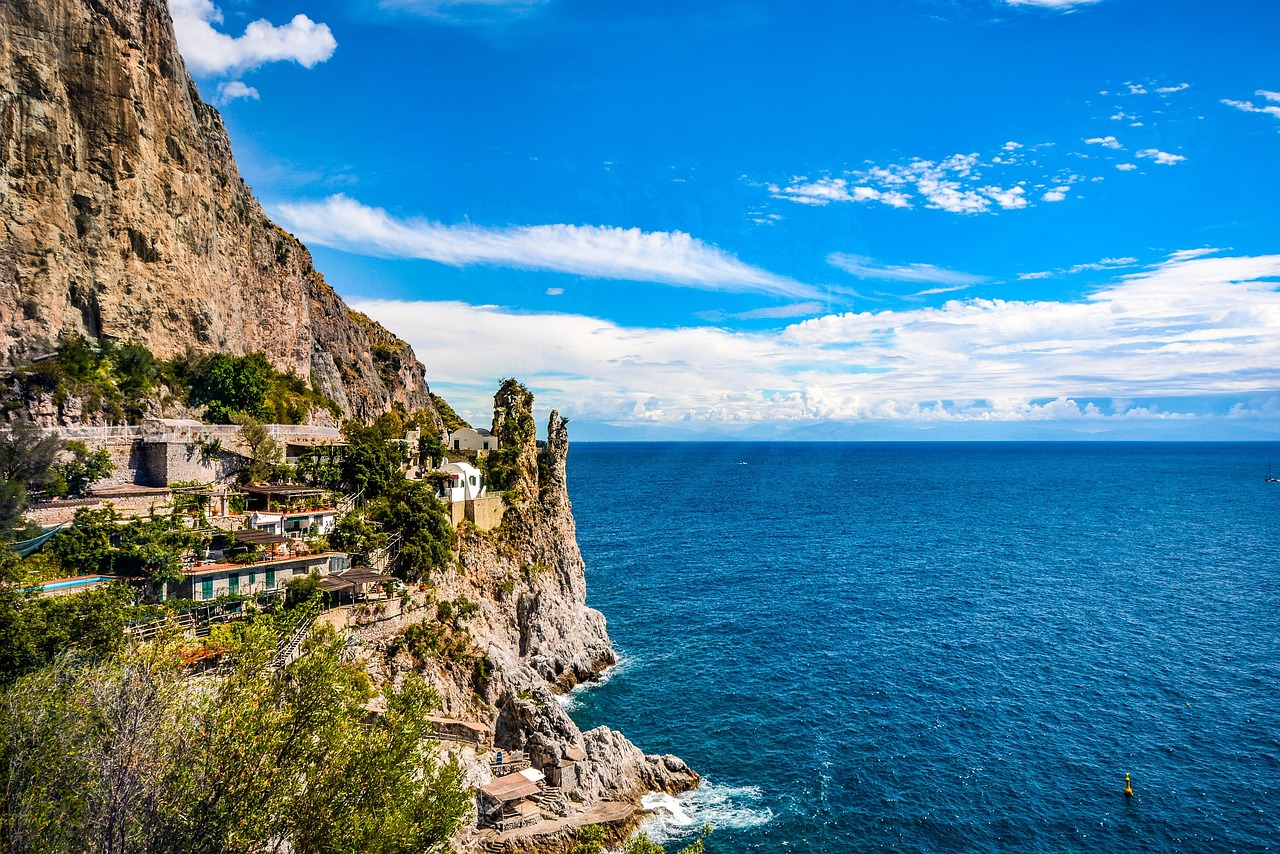
Amalfi Coast and Naples with Positano, Pompeii and Mount Vesuvius for a crafted coastal escape
If you’re looking at the Amalfi Coast, Naples, places to visit in Italy, Positano, Pompeii, you’re entering Italy’s bold south. The Amalfi Coast is visually dramatic, but it can be surprisingly seamless with the right support: private drivers, well-timed boat outings, and hotels chosen for calm nights. Paired with Naples, it becomes a journey of energy, flavour, and coastline beauty.
Amalfi Coast essentials: Positano viewpoints and beautiful beaches with space
Start with positano viewpoints early, before the lanes fill. Then design one intentional beach afternoon—comfortable lounger, shaded umbrella, a long lunch you don’t rush—so you actually feel the coast rather than just photograph it. With smart timing, you’ll find pockets of beautiful beaches even in peak season.
- Use private drivers for cliff roads so you can relax and enjoy the views.
- Choose one or two towns, not five, to keep the day spacious.
- Ask your hotel to time reservations around traffic pinch points.
With that pacing, the Amalfi Coast becomes one of the most rewarding places to visit in Italy for travellers who want romance with comfort.
Naples with confidence: authenticity, street life, and excellent food
Naples is vivid and unapologetically local. It rewards curiosity, but it helps to arrive with a plan: a driver for key transfers, a trusted guide for your first walk, and dining recommendations that prioritise quality over hype. Done well, Naples becomes a place in Italy that feels real, not polished for visitors.
Eat boldly, but choose thoughtfully. The best meals often come from simple kitchens where the ingredients speak for themselves.
Pompeii and Mount Vesuvius: a crafted history day with comfortable transfers
A day at Pompeii with a private guide turns ruins into a lived-in city, full of human detail and sudden emotion. Pair it with a well-timed visit to Mount Vesuvius for perspective, and you’ll return to your hotel feeling enriched rather than exhausted. Comfortable transfers matter here; they’re the difference between a long day and a punishing one.
In the evening, return to the coastline for a private boat, hidden coves, and sunset aperitivo. It’s about creating romance without crowds, especially in peak season.
Where to stay: boutique hotels and villa options that prioritise service and quiet are worth every penny. On the Amalfi Coast, sleep is part of luxury.
Cinque Terre by the sea: colourful houses, coastal walks, and village-hopping made easy
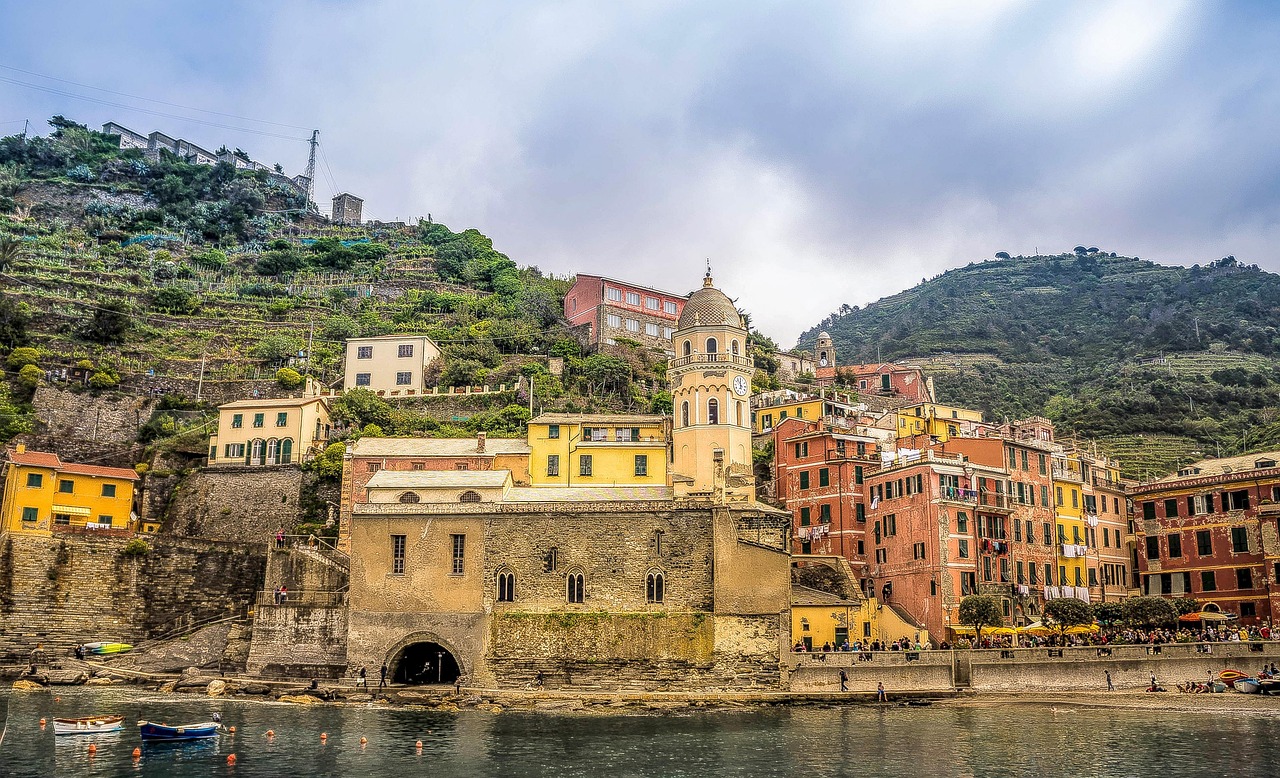
Cinque Terre colourful houses and village walks by the sea across Vernazza, Manarola and more
When travellers save Cinque Terre places to visit in Italy, Vernazza and Manarola, they’re usually craving sea air and colour. The Cinque Terre is a national park and a UNESCO World Heritage Site, with coastal paths, viewpoints, and small villages that feel delicate under summer pressure. The luxury here is not five-star gloss; it’s curated timing, comfort, and knowing exactly when to step away from the busiest lanes.
Village-by-village route: Vernazza, Manarola, and Corniglia
For a classic sequence, begin in Vernazza for its postcard harbour, then continue to Manarola when the afternoon light begins to soften over the colourful houses. Add Corniglia for hilltop quiet and a different perspective, then finish in Monterosso al Mare for a longer pause by the water. If you’d like a simpler day, choose two villages and go deeper rather than rushing through all five.
This is one of those places to visit in Italy that can become stressful if you chase everything. Instead, design it like a slow tasting menu.
Transport simplicity: take the train, avoid tourist crowds, and make time for a swim
The easiest way to move is the local train between villages, which keeps the day seamless and avoids fatigue from steep climbs. Start early to avoid tourist crowds, then build space for swimming, gelato, and stillness. At the right time, the Cinque Terre feels like an intimate coastal escape rather than a busy attraction.
- Choose one slow lunch and commit to it, instead of hopping from one to the next.
- Carry water, sun protection, and footwear that supports uneven paths.
- Plan your photography for early morning or golden hour for the calmest viewpoints.
Who this suits most: travellers who want to visit Italy for the sea, but prefer curated days over a hectic checklist. If you’re seeking the best beaches with ease and service, the Amalfi Coast may feel more naturally high-end—but the Cinque Terre has a special, storybook charm.
F.A.Qs: Italy’s best places to visit
What is the most beautiful part of Italy?
Beauty in Italy is wonderfully personal. Many travellers find the Amalfi Coast and Lake Como among the most beautiful for water and light, while Tuscany feels like a painted landscape of hill towns and vineyards. For art and atmosphere, Florence and Venice can feel unmatched. The most beautiful part is often the one that matches your pace, whether that’s a quiet sunrise walk or a lingering long lunch with a view.
Is $5000 enough for a trip to Italy?
$5000 can be enough for a well-planned trip, depending on length, season, and style. For high-end travellers, it may cover flights and a shorter stay, or a mid-range hotel with a few upgraded experiences, such as a private guide. Costs rise quickly in Rome, Venice, and the Amalfi Coast during peak months. To stay comfortable, travel in shoulder season and prioritise a few meaningful splurges over constant upgrades.
What are the top 3 destinations in Italy?
For a first-time classic, the top three often include Rome, Florence, and Venice. Rome delivers ancient history and iconic sights; Florence offers Renaissance art and an intimate, walkable centre; and Venice is unlike anywhere else for atmosphere and canal life. If you want coastline, many travellers swap Venice or Florence for the Amalfi Coast. The “top three” works best when it reflects what you want to feel on the journey.
Where should you go in Italy for the first time?
For a first trip to Italy, start with Rome, Florence, and Venice connected by train, then add Tuscany for a slower countryside pause. This route is seamless, richly varied, and ideal for building confidence. If you have extra days, consider Milan and Lake Como for style and lakeside calm, or the Amalfi Coast for beach time and dramatic scenery. The best first itinerary is the one that leaves you rested, not rushed.
After Italy: what stays with you from beautiful Italy and the places you chose
Long after you visit Italy, beautiful Italy becomes less about landmarks and more about texture. You remember the coolness of stone streets under morning shade, the hush of a piazza before the day begins, and the way light lands on water and turns ordinary minutes into something quietly sacred. Beautiful Italy lingers in details, as if the country teaches you to see more carefully.
What stays with you, too, is the confidence you built by travelling with care. You designed days with space, trusted local expertise, and let crafted experiences unfold without forcing them. In those small exchanges—an unhurried greeting, a smile from a shopkeeper, the soft competence of a guide—you felt support, and then realised you didn’t need to hold everything so tightly.
Perhaps that’s the real gift of what Italy has to offer: not just famous views, but a gentler relationship with time. A last look from a balcony, a final espresso taken slowly, and the sense you may one day go back to Italy—and that you might even want to go back sooner than you expected. For many travellers, Italy is one place that keeps calling, quietly, when you least expect it.