Post Contents
- Sites to see in China: a luxury first-route itinerary for first-time travellers
- Imperial highlights: Forbidden City in Beijing, Tiananmen Square, a temple visit & the Summer Palace
- Great Wall at sunrise: private Badaling access, watchtowers, and beyond
- Zhangjiajie National Forest Park: natural wonders, VIP access, and a helicopter perspective
- Shanghai style and crafted add-ons: Terracotta Army, Dunhuang’s Mogao, Chengdu & Sichuan
- F.A.Qs: China luxury travel practicalities for first-time visitors
- After China: what quietly stays with you—luxury travel reflections and a personal journey
Sites to see in China: a luxury first-route itinerary for first-time travellers
Luxury first-route itinerary: sites to see in China
For first-time high-end travellers, a well-paced itinerary for places to visit in China works best when it flows gently from heritage to modern design, then into restorative nature. This approach prioritises calm logistics and meaningful access, so you’re not just collecting stops—you’re experiencing the best places to visit with time to notice craftsmanship, service, and atmosphere.
Begin with the imperial icons of the capital, continue to Shanghai for polished contemporary style (with a crafted pause in eastern China), then transition into a dramatic chapter of landscape such as Zhangjiajie. Add tailored extensions like Chengdu or Dunhuang when time allows, rather than trying to do every headline highlight in one rush—especially if you’re prioritising comfort across multiple major cities and varied regions.
Best time to visit: smart seasons and ways to avoid peak season pressure
The best time to visit is usually spring (April–May) or autumn (September–October), when the air feels crisp, the light is flattering, and walking-heavy days are genuinely comfortable. These shoulder months also soften the intensity of peak season, particularly when you schedule the most popular sights for the first thing in the morning or secure premium entry windows when available.
A specialist planner can also build a rhythm that suits you: early starts for quiet light, then longer lunches, galleries, or spa time when crowds swell. It’s a simple design choice, but it transforms the trip—less endurance, more ease, and a sense of trust in every transition between these Chinese cities.
A seamless toolkit for luxury travel in China: tickets, pacing, and comfort
To keep the experience seamless, plan the practical details with the same care as the headline moments. In China, a little preparation is what gives you freedom on the day—confidence to explore without friction, and space for local discovery that feels natural rather than staged.
- Book tickets and private guides well ahead, especially for limited-entry museums and premium viewpoints.
- Use luxury transfers: private cars for short hops, and efficient, fast rail when it reduces hassle and time.
- Carry some cash for small purchases, but expect mobile payments in many places; your guide can help you navigate what’s accepted.
- Pack comfortable shoes, dress modestly for a temple, and stay hydrated on long walking days.
If you’d like visual inspiration while you imagine your own route, browse our Trip gallery and begin to design what “luxury” means for you—quiet, access, artistry, or all three.


Imperial highlights: Forbidden City in Beijing, Tiananmen Square, a temple visit & the Summer Palace
Imperial splendour and serene gardens: palace courtyards, squares, and lakeside retreats
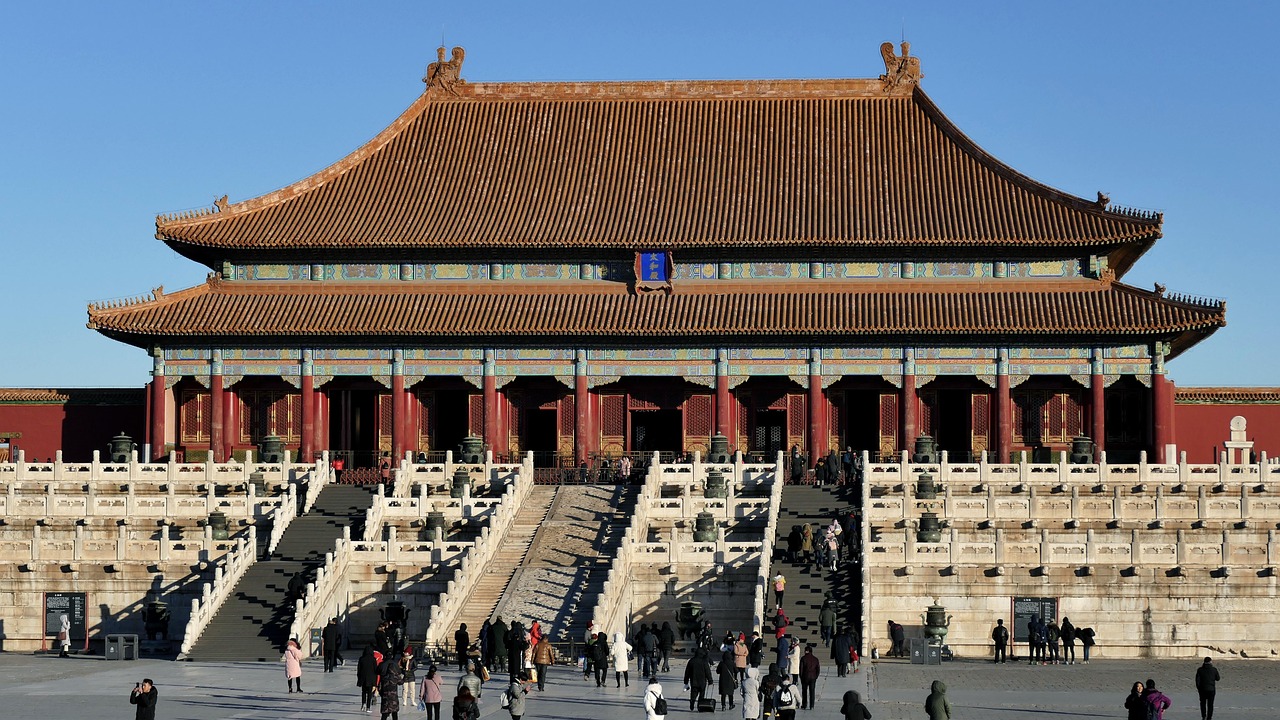
In the capital, you can feel the reach of each dynasty in the city plan, monumental gates, and the quiet geometry of courtyards. For luxury travellers, the goal isn’t to race through famous historical sites; it’s to create space for insight, detail, and stillness inside some of the world’s most consequential ancient buildings.
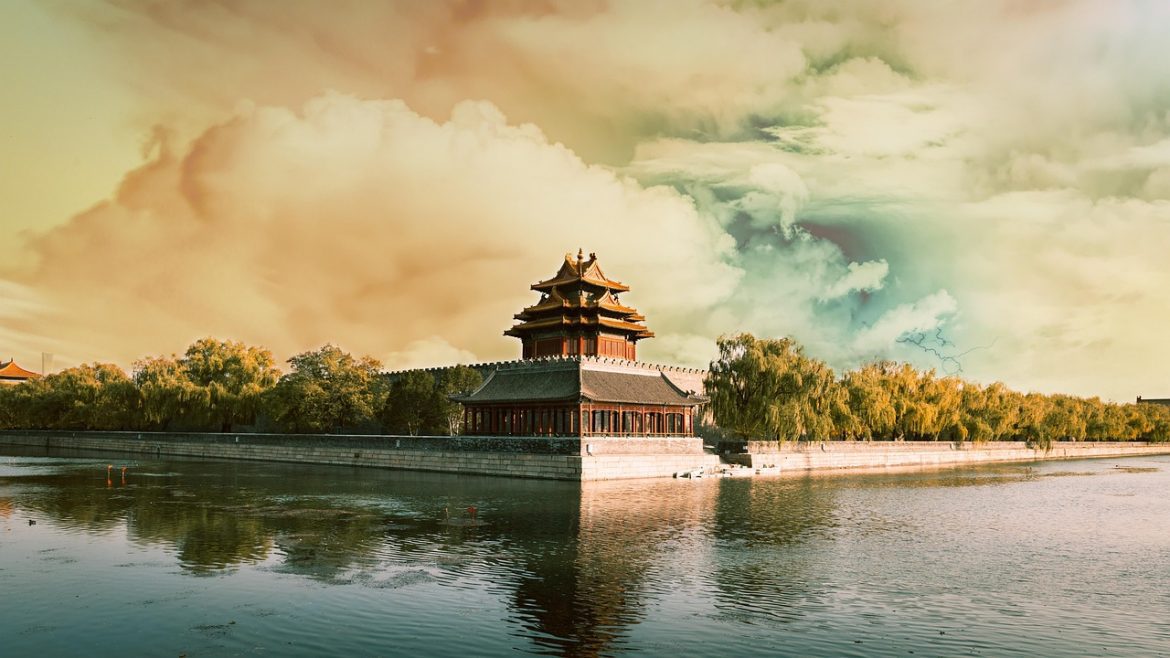
The anchor is the Forbidden City, where private guiding turns a vast complex into a story you can genuinely follow. Look for the ornate roofline creatures, the disciplined symmetry that signals authority, and the way proportion and colour were used to project power across a shifting dynasty narrative.
Forbidden City after-hours: quiet courtyards and a personal tea ceremony
An after-hours approach can feel like stepping behind the velvet rope of time. One traveller told me their most personal moment came not from a marquee hall, but from an intimate tea ceremony arranged within the palace precincts—quiet cups, gentle explanation, and a sense of being welcomed into imperial culture rather than observing it from a distance. In that hush, the idea of dynasty becomes human: tastes, etiquette, and small gestures of care.
Soft evening light is also a gift if you love photography. Without the constant flow of large groups, you can slow your pace, let scenes settle, and capture courtyards that feel lived-in rather than hurried.
Tiananmen Square orientation, a temple pause, and the lakeside calm of the Summer Palace
Pair the palace with Tiananmen Square for orientation and historical context. The key is timing: arrive early, allow for security checks, and let your guide set the pace so you don’t feel rushed. With calm planning, even a monumental space can be experienced gently.
To balance grandeur, weave in a temple visit where the atmosphere shifts from ceremony to contemplation. Dress modestly, keep voices low, and let your guide translate symbolism without lecturing—what matters is the feeling of reverence in the air.
Finish with the Summer Palace, a graceful counterpoint of lake and hillside. The long corridor’s painted scenes, each pavilion framed by trees, and reflective water offer a soft thread into Qing dynasty aesthetics. If you can, take a quiet stroll by the pond edges as the day cools; it’s the kind of calm detail that lingers.
Great Wall at sunrise: private Badaling access, watchtowers, and beyond
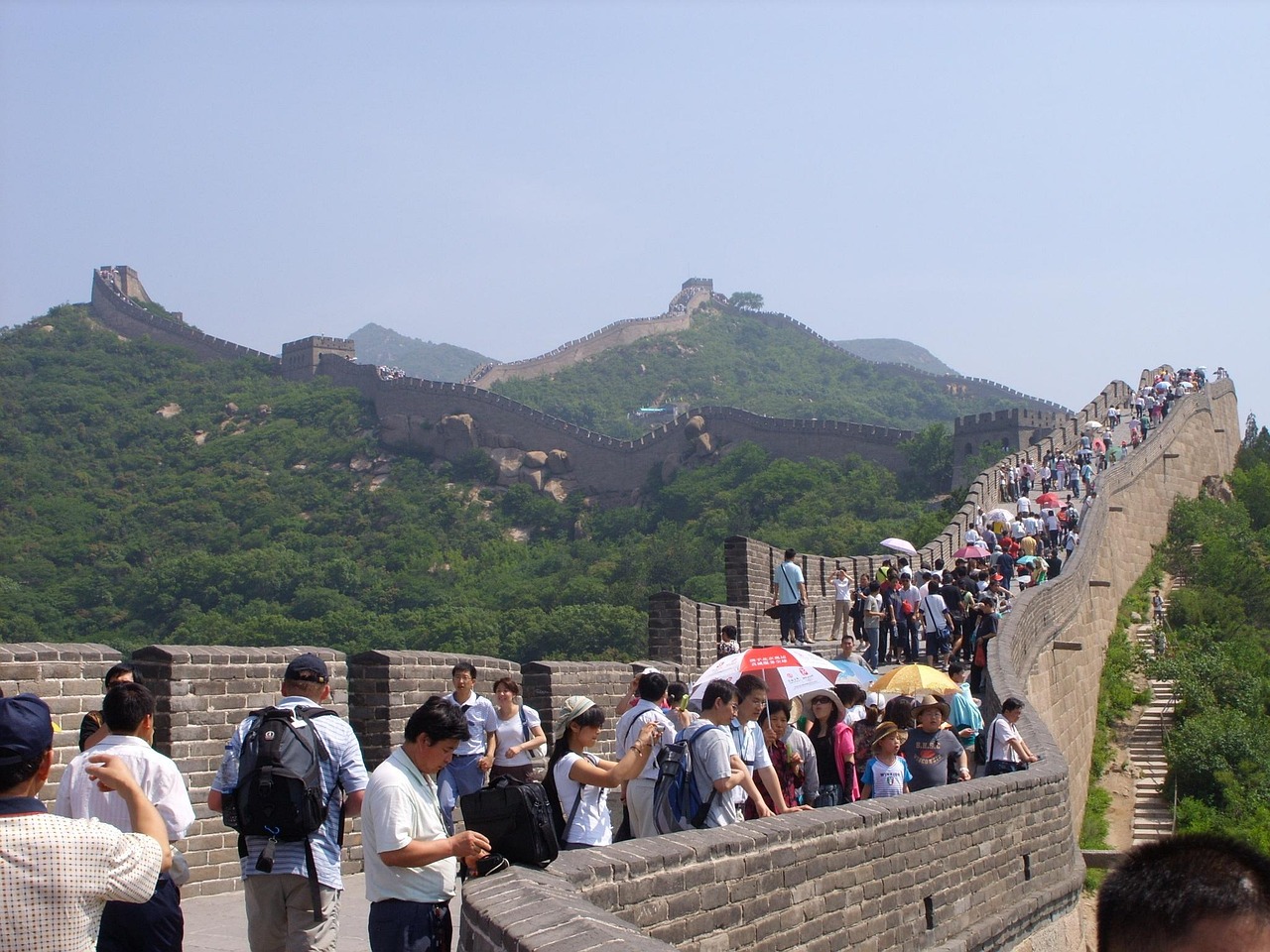
Sunrise on ancient stone: a private, early Great Wall experience
The defining “uncover the horizon” moment for many is a privately timed sunrise visit—designed not just because it’s iconic, but because it can be profoundly personal when planned well. The Great Wall isn’t a single sight; it’s a living line across ridges, and a private plan lets you choose a section that matches how you want to feel: adventurous, contemplative, or quietly majestic.
One high-end traveller described their dawn arrival as “almost unbelievable” in its stillness. They reached the stone steps in the dark, felt the air sharpen as the sky paled, and then watched the sunrise spill across the watchtowers—nearly alone. In that moment, the Wall became less a landmark and more an encounter with scale and endurance.
Badaling early access: calm timing and a smooth arrival plan
Badaling is the best-known section, and it can absolutely work for luxury travellers—if you design it around early access, private car drop-offs, and an expert-led route that avoids the densest bottlenecks. The aim is to keep it serene, even when the day grows busy elsewhere.
Your driver can wait close by, so you’re never wondering where to go next. That small detail adds real comfort after a long walk, especially if the weather changes quickly.
What to wear, how to pace, and a photographer’s view of the landscape
Think in layers and wear shoes you’d happily walk in for hours. Bring water and small snacks, and pause often—partly for rest, but also to let the landscape open up before you rather than rushing past it.
- Dress for the wind on higher ridges and consider gloves in cooler months.
- Move slowly on steep steps; some sections are uneven and slippery after rain.
- For photos, wait for side light and step away from the main flow to create depth with the Wall’s curves and one prominent tower.
It’s also worth noting that this is a UNESCO World Heritage Site, a designation that underscores why respectful pacing matters. Let your guide help you choose angles and quieter pockets so your memories feel earned, not crowded.
Zhangjiajie National Forest Park: natural wonders, VIP access, and a helicopter perspective
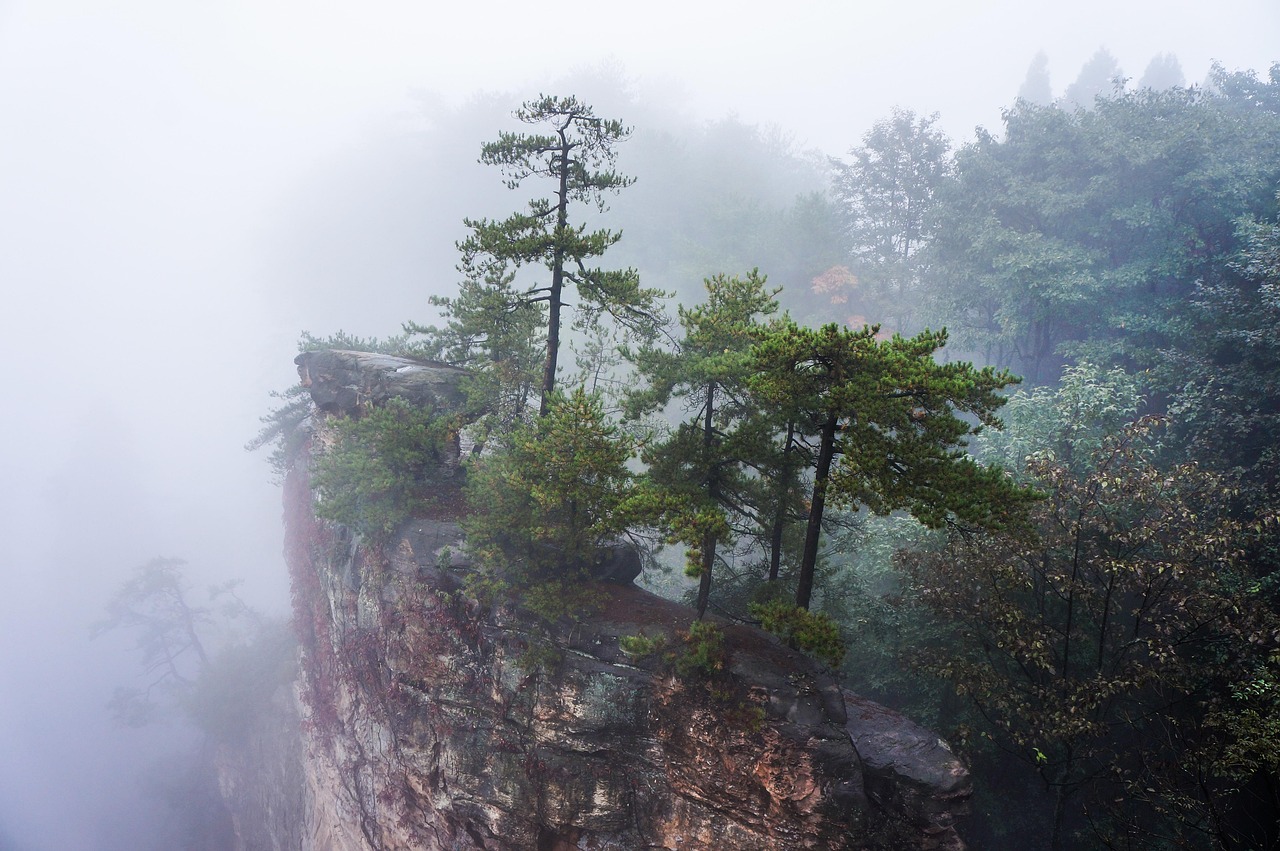
Aerial views over pillar peaks: VIP planning for a seamless park day
If you’re drawn to natural wonders, a VIP day in Zhangjiajie feels like stepping into a painter’s imagination. The region is all vertical drama: soaring pillars, deep greens, and a veil of mist that reshapes the scene every few minutes. It rewards slow looking—yet smart logistics make it feel effortless rather than simply scenic.
The signature experience here is a luxury helicopter flight paired with priority access to key viewpoints. One traveller told me the most unforgettable detail wasn’t only the aerial photos, but the surprise of a mid-air gourmet local tasting—small, carefully prepared bites that made the flight feel curated. From above, the landscape reads like a living map of ridges, valleys, and stone spires.
VIP viewpoints and park strategy: using the shuttle bus system well
On the ground, a guide helps you navigate the park’s internal transport so you keep your energy for the views. The shuttle bus network is efficient, but queues can build up; priority timing and early starts reduce waiting and keep your day feeling calm.
Plan your route like a story arc: begin with a wide panorama, move into closer platforms, then finish with a gentler walk when crowds grow. This is how you explore without feeling funnelled.
Comfort and safety in mountainous terrain: weather, mobility, and pace
This is mountainous terrain, and conditions can change quickly. Pack a light, waterproof layer, sunglasses to protect against glare on exposed platforms, and snacks if you’re sensitive to long gaps between meals. If you have motion sensitivity, mention it—your expert team can adjust flight timing and choose smoother routes based on wind and visibility.
Finally, explore responsibly. Stay on paths, respect platform rules, and let local guides lead you to quieter corners where the place can speak in its own voice.
Shanghai style and crafted add-ons: Terracotta Army, Dunhuang’s Mogao, Chengdu & Sichuan
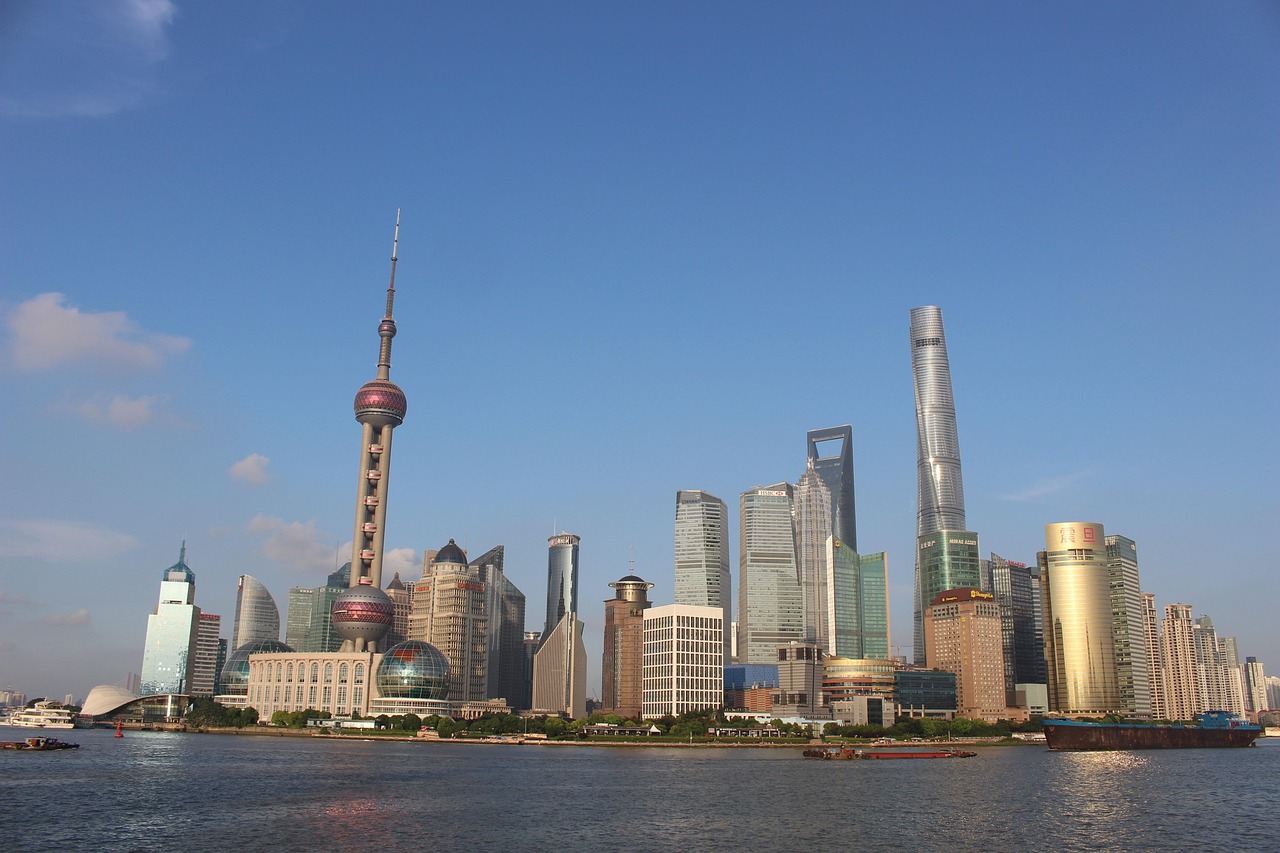
Modern glamour and deep history: city style, desert art, and cultural extensions
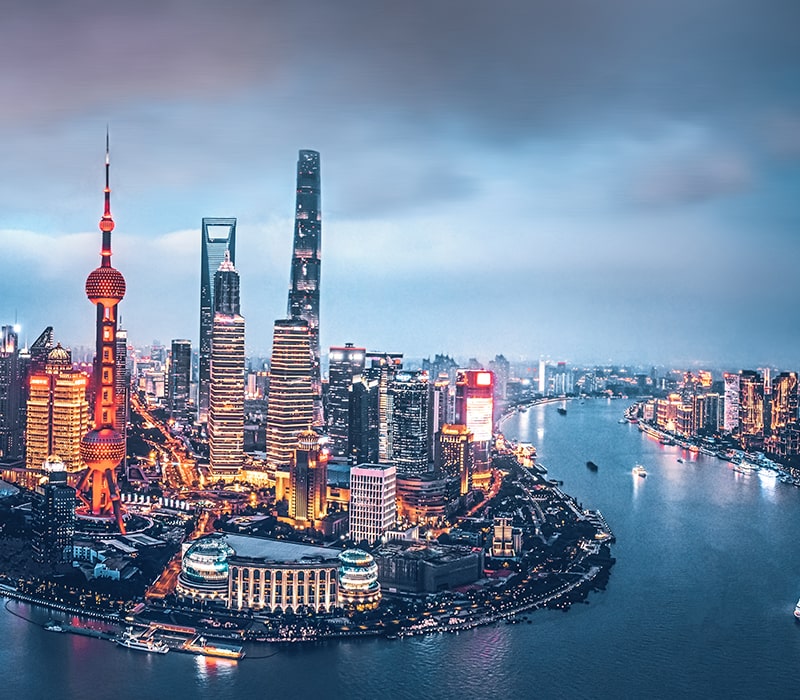
A crafted pairing gives your journey a satisfying contrast: shimmering modernity, then deep time. Shanghai is a polished counterpoint to the capital—more fluid, more design-forward, and surprisingly walkable in the right neighbourhoods. Come for skyline views from a signature skyscraper, stay for the details: artful cocktails, tailored shopping, and a sense of urban life that feels effortless.
To add a breath of classical elegance in eastern China, take a high-speed day trip to Hangzhou. West Lake’s soft light and lakeside paths feel like an ink painting you can step into—an ideal reset between bigger sightseeing days in Shanghai and beyond.
Terracotta Army and the mausoleum of Emperor Qin Shi Huang: an archaeological masterpiece
In Xi’an, the focus is on the archaeological wonder of the mausoleum of Emperor Qin Shi Huang. The terracotta army’s ranks are famously immense, but what lingers are the close details: a carved chariot fitting, a unique face, the sense of life-sized presence in the stillness of the halls. With a private guide, you’ll move beyond the headline and see how the site reflects belief, governance, and the psychology of power across successive dynasty eras.
If you enjoy context, ask your guide to connect this legacy to later cultural flourishing, including the nearby Tang dynasty imprint. It’s a richer way to understand how ideals changed—and how art kept pace with ambition.
Dunhuang and Mogao: collections of Buddhist art along the ancient Silk Road
For a once-in-a-generation cultural pilgrimage, design time for Dunhuang on the edge of the Gobi Desert, along the ancient Silk Road. The Mogao complex houses 492 caves adorned with frescoes and sculpture—remarkable collections of Buddhist art that record devotion, trade, and imagination across centuries. When access is possible, hearing a monk or scholar-led perspective can bring quiet depth, turning a visit into an encounter with meaning rather than a museum run.
Within Mogao, the story of the Library Cave and its discoveries adds another layer, as does learning how fragile pigments and plaster are protected today. You’ll see serene buddhas painted in shifting styles, and you’ll also witness preservation as a living act of care.
For warmth and joy, add Chengdu in Sichuan. Meeting the giant panda is as soothing as you’d hope, and a side trip to Leshan offers a calm riverside encounter with a monumental Buddha sculpture. If you love cuisine, this is a place to design a dining plan that respects tradition while suiting high-end palates—balanced heat, seasonal produce, and quietly confident service.
To round out options without overfilling your calendar: consider Yunnan for rice terraces near Kunming; choose one province such as Shandong for a Confucian temple experience and ancient art; add Guangzhou for refined Cantonese dining and contemporary galleries; or retreat into a karst gorge and river valley shaped by rock formations over millions of years. For long distances, select domestic flights only where they truly save time; otherwise, rail and private transfers often feel more seamless.
If you’re considering western scenery, an extension to Jiuzhaigou Valley can be magical for colour and calm—best enjoyed slowly, with expert guidance to find quieter viewpoints.
F.A.Qs: China luxury travel practicalities for first-time visitors
What is the 9-6-6 rule in China?
The 9-6-6 rule refers to a work culture in some industries: 9 am to 9 pm, six days a week. As a traveller, it’s not something you’ll “see” as a rule, but it can explain why service teams may work long hours. In luxury planning, we design a pace that feels humane—early starts only when they genuinely improve your experience, with rest built in.
What should I not miss in China?
For many high-end travellers, don’t miss a quiet moment on the Great Wall at dawn, a curated visit to the Forbidden City, and time in a powerful landscape such as Zhangjiajie. Beyond the icons, the real magic is in crafted access: a private guide who shares insight, a well-timed entry that avoids crowds, and a local meal that becomes a memory rather than a quick stop.
What is the 3-hour rule in China travel planning?
The “three-hour rule” is often used in itinerary design: if a journey segment is 3 hours or less, rail or driving can be more comfortable than flying once transfers and airport time are factored in. In China, a high-speed train is frequently the most seamless choice for those mid-range distances—especially between major cities—because it reduces waiting and keeps you closer to the heart of the experience.
Is $1000 USD a lot for travellers in China?
$1000 USD can go a long way for local meals, shopping, and standard hotels in many parts of China, but it’s not “a lot” for luxury travel once you add private guides, premium rooms, VIP tickets, and private transport. The value is strongest when funds are spent on access and comfort: the right timing, the right driver, and the right support so your days feel calm and beautifully designed.
After China: what quietly stays with you—luxury travel reflections and a personal journey
Long after you’ve unpacked, a personal journey often returns in small, precise images rather than grand summaries. You might remember dawn light on cold stone, the hush of a courtyard where footsteps softened, or the lift in your chest as a vast landscape opened below you. These are the moments that slip past the camera and settle somewhere deeper.
China has a way of changing your sense of time. A single carved beam can carry the patience of a millennium; a painted corridor can hold the quiet ambition of a dynasty. When you travel with expert support, that scale feels less daunting—because confidence and care are always underneath the adventure, holding you steady while curiosity stays bright.
What remains, in the end, is a calm respect for craft and continuity: the dignity of places shaped over centuries, and the way they invite you to slow down and notice. And perhaps, one day, you’ll find yourself wondering what other layers are still waiting—not to be ticked off, but to be discovered in their own time.