Post Contents
- Luxury itinerary for a tourist destination in China: iconic cities in China in one refined journey
- Beijing signature experiences: Great Wall at Mutianyu, Forbidden City & early access
- Xi’an private heritage day: archaeologist-led visit in one of China’s ancient capitals
- Three Gorges private cruise from Chongqing: slow luxury on the river
- Southern China landscapes: Guilin, Yangshuo, Longji terraces & Huangshan
- Travel in China planning: best time to visit, visas, and smooth connections
- FAQs: essential tips for visiting China in comfort
- After the journey: what stays with you from the China travel
Luxury itinerary for a tourist destination in China: iconic cities in China in one refined journey
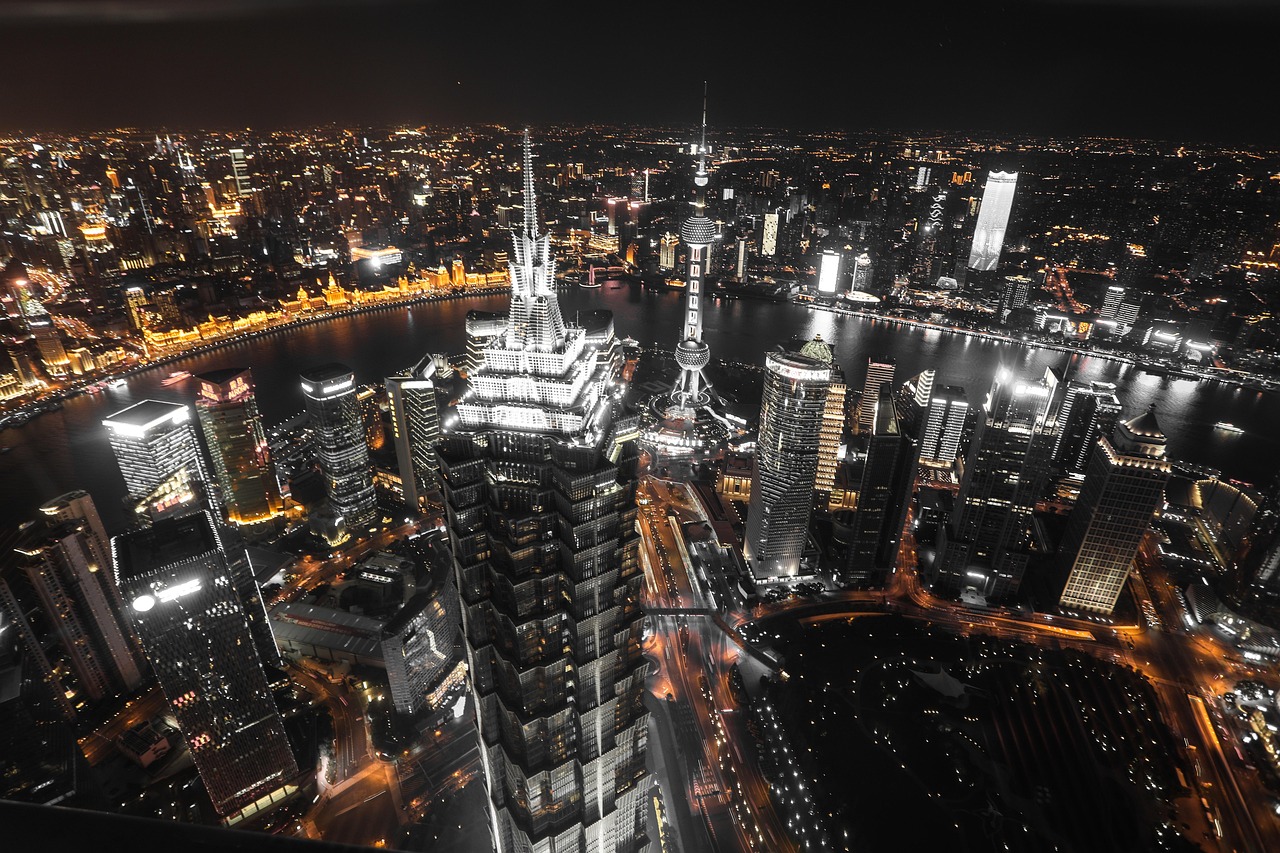
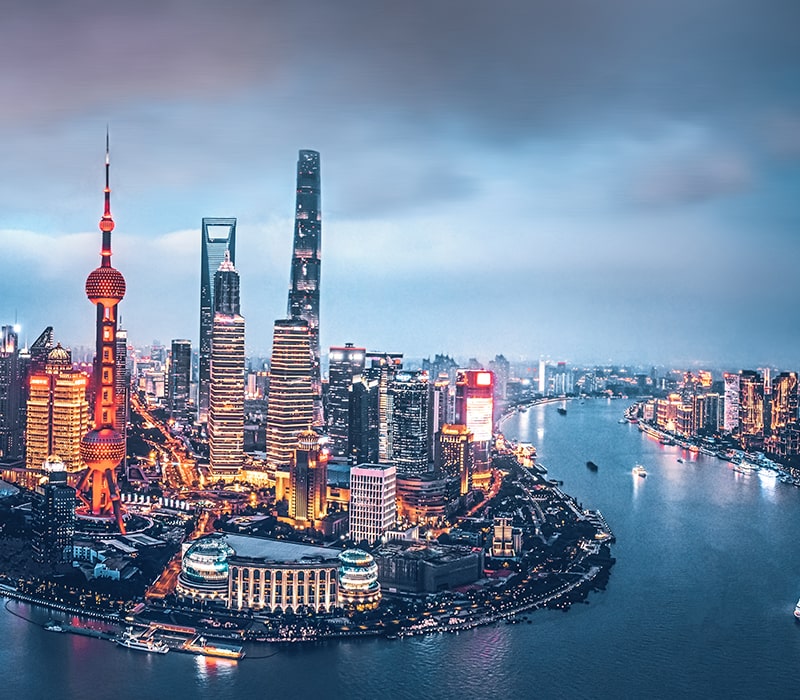
A luxury route through China’s iconic cities, designed for comfort and meaningful access
A luxury itinerary can still feel intimate when it’s designed with timing, trust and breathing space. We begin in Beijing, the capital of China, then continue via Xian, Chengdu, and Shanghai—a route that holds meaning as well as comfort. If you’re choosing a tourist destination in China for your next journey, this arc offers a balance of heritage, contemporary design and restorative pauses.
The secret is to treat this as a best-tourist-circuit in structure, while keeping it off-the-beaten-path in feel. Private access and local artistry change everything: the same landmark becomes quieter, more human, and more yours. There are many beautiful places in China, and with the right pacing, you won’t feel pressured to race through them.
Optional extensions: Suzhou canal walks, Hangzhou West Lake & the Pearl River Delta
If you have time to extend, we often add Suzhou for its water-town atmosphere and a gentle canal walk that feels like stepping into a painted scroll. From there, Hangzhou offers lakefront viewpoints and temple gardens with a softer, slower mood—this is a beautiful city when experienced at the right hour. For a modern finish, the Pearl River Delta connects Guangzhou and Shenzhen in Guangdong province, where galleries, architecture and dining add contemporary sparkle within the same province network.
Seamless pacing across China with high-speed rail and private drivers
Distances in China are vast, yet the journey can feel seamless when transport is choreographed. High-speed trains work beautifully between major hubs, letting you arrive centred and ready to explore rather than depleted. For day touring, a private driver offers door-to-door ease, lounge-style comfort, and the freedom to pause when the light is perfect or a street scene catches your eye.
Throughout, we bring a design lens: we create journeys crafted around your preferences, with expert partners who provide support and reassurance. If you’d like a visual sense of what this can look like, our Trip gallery is a lovely place to begin imagining what we can uncover together.


Beijing signature experiences: Great Wall at Mutianyu, Forbidden City & early access
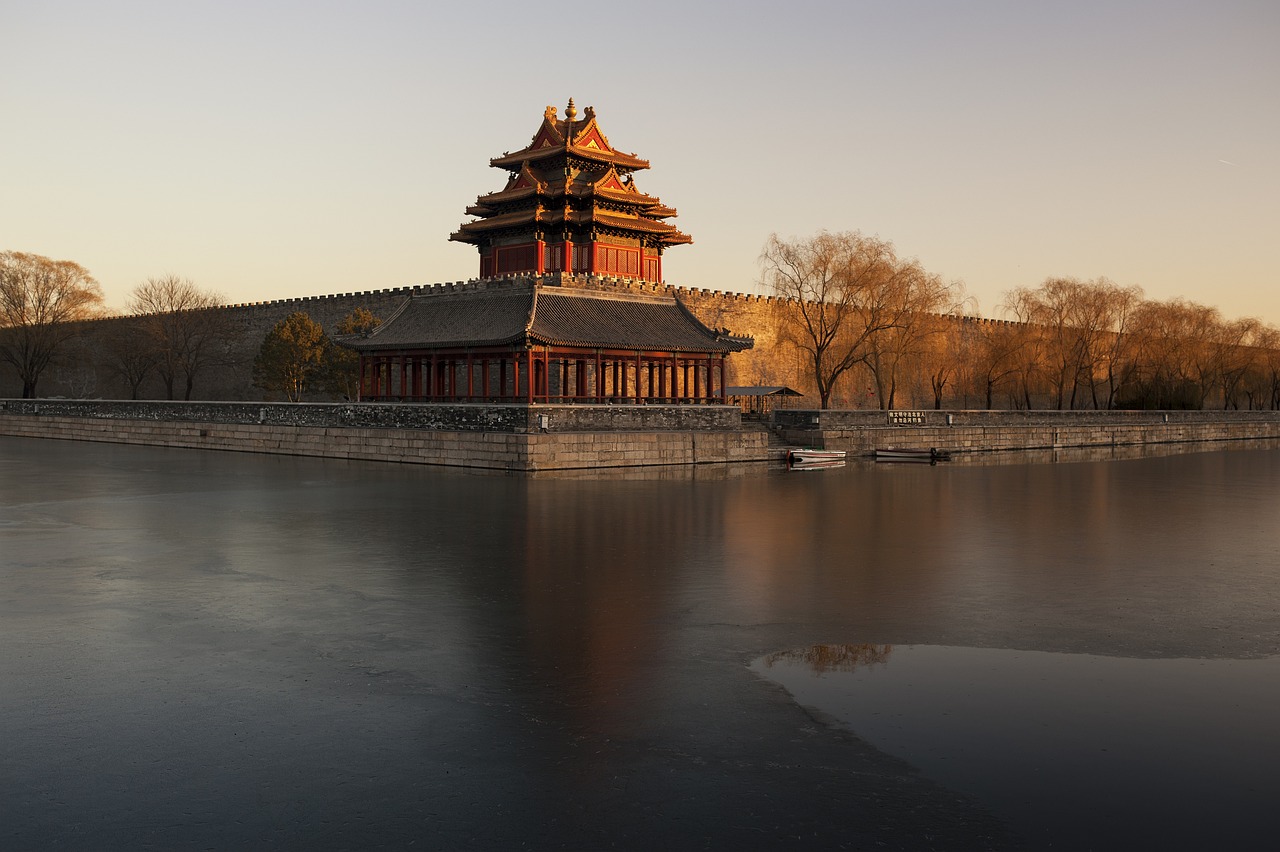
Early-access experiences and expert guiding in Beijing, the capital of China
For many travellers, the great icons of Beijing are the emotional centre of the journey—and with the right planning, they can feel surprisingly private. Here, the goal isn’t to outpace other people, but to arrive when these spaces feel calm and open. Done well, Beijing rewards early starts, gentle pacing, and an expert who can reveal what’s hidden in plain sight.
Mutianyu Great Wall at dawn: a wonder of the world in quiet light
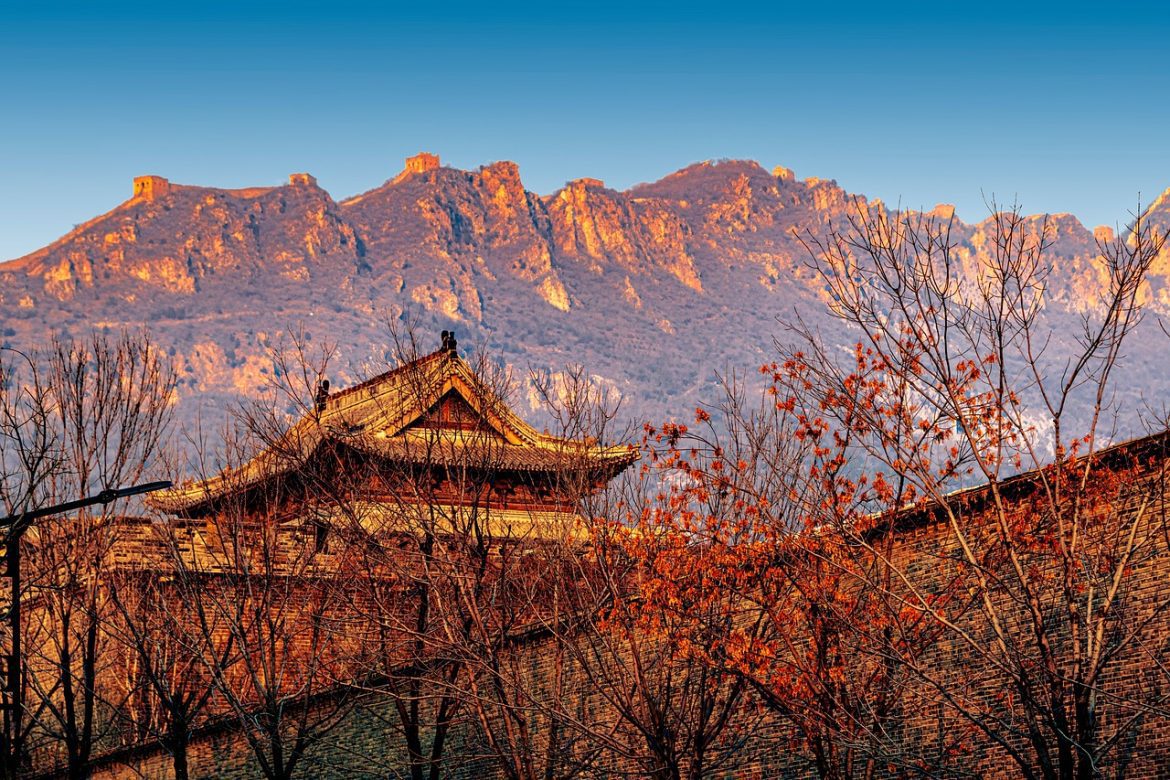
One traveller told us their private dawn walk on the Mutianyu section felt like moving through a dream: mist pooling in valleys, mountain silhouettes unfolding with the first light, and long stretches of stone almost empty. With a guide who understands timing, you can pause in quiet corners and let this wonder of the world land in your body, not just your camera roll. It’s a rare kind of calm, and it changes how you remember Beijing.
The Great Wall is a UNESCO World Heritage site and widely photographed, yet the lived experience depends on access and pacing. We plan start times with care, arrange comfortable transfers, and keep the focus on wonder rather than endurance so the morning still feels majestic. A light layer and good walking shoes matter more than you might expect on cool spring mornings.
Forbidden City & Summer Palace: early access and a moment of reflection
For the Forbidden City, early morning entry is the difference between simply arriving and truly seeing. An art collector once described drifting through quieter halls and feeling the weight of centuries settle into the silence—an atmosphere that becomes clearer when you’re not being swept along. A private historian can bring the Ming and Qing context to the symmetry, colour and ceremony, helping you follow the human stories behind the architecture without turning the day into a lecture.
Later, the summer palace offers a softer counterpoint: lakeside promenades, refined gardens, and a sense of reflection between headline sights. It’s also a gentle reminder to dress modestly in ancient temples and ceremonial spaces, and to respect photo restrictions when they appear. We consider it a quiet essential park in China for travellers who value beauty with breathing room.
Expert callout: a private historian can help you read architectural detail—dragon motifs, courtyard hierarchy, and the spatial choreography of power—so the day feels personal rather than performative.
Xi’an private heritage day: archaeologist-led visit in one of China’s ancient capitals
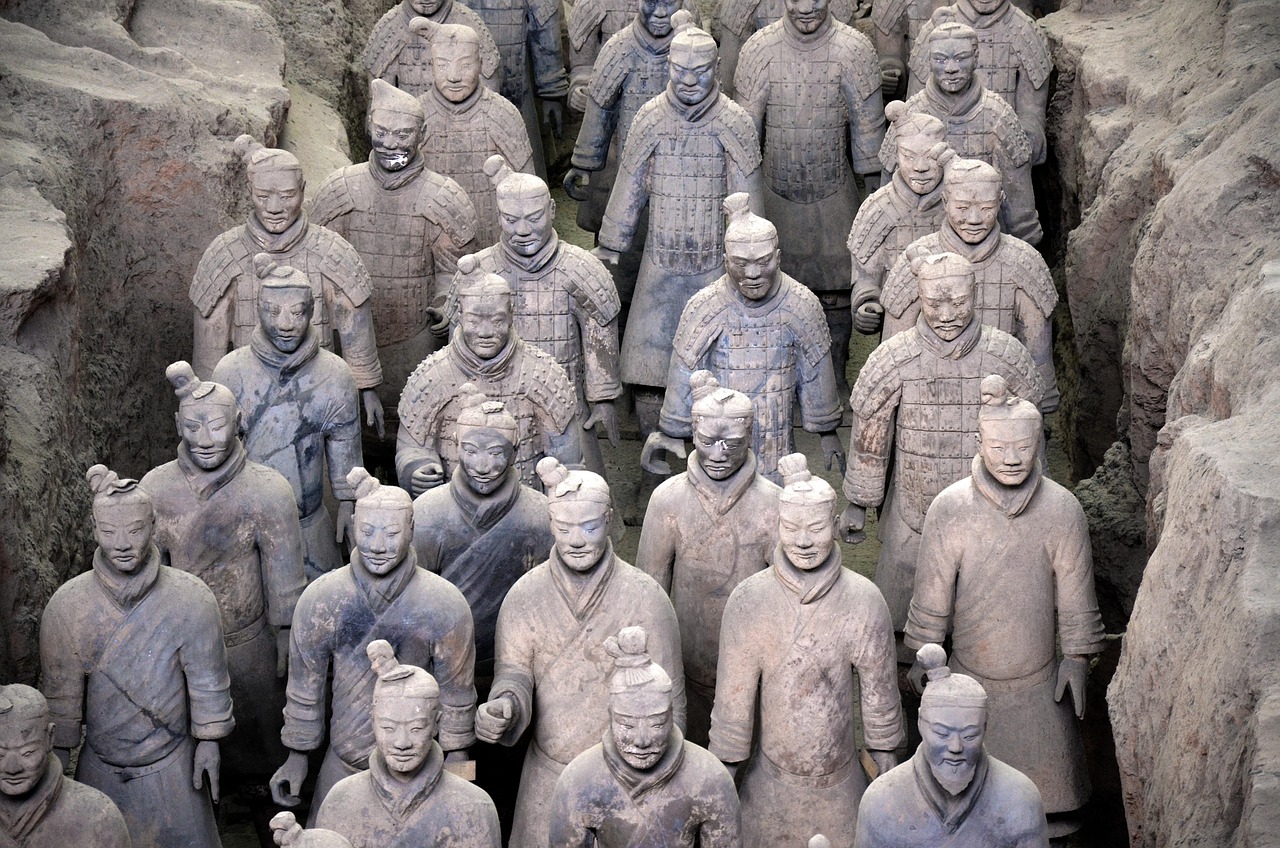
Xi’an, one of China’s ancient capitals, is explored with expert cultural insight
A private day in Xi’an (also written as Xian) is one of the most compelling ways to connect with the sweep of Chinese history. Here, the past feels unusually close—less like a museum label and more like a living echo in the streets and city walls. As one of China’s ancient capitals, the city lends itself to days of depth and evenings of quiet elegance.
The emperor’s clay army: private viewing flow and expert interpretation
The terracotta army deserves a planned viewing flow rather than a quick pass. With an archaeologist at your side, you’ll learn how the terracotta warriors were crafted, which details signal rank, and why the site still raises new questions today. A calm, well-paced route also helps you find quieter angles around the main pits, so the experience feels considered rather than rushed.
This story leads naturally to Qin Shi Huang, the Qin era, and the early shaping of Chinese civilisation. Seeing it with an expert allows you to hold complexity without feeling overwhelmed, and to understand why this chapter still shapes how modern China talks about power and legacy.
Tang dynasty culture, galleries and famous silk appointments
Beyond the excavations, Xi’an is the best-preserved ancient city experience, balancing museum-level insight with graceful nights out. We love adding a curated performance that nods to the Tang Dynasty—music, poetry and influences from old Chinese culture that still colour the city today. It’s a beautiful way to broaden the narrative beyond emperors and armies.
For a premium shopping interlude, we arrange famous silk appointments: provenance explained, modern cuts, and private consultations that respect your time. This creates a natural thread forward to Shanghai later in the journey—heritage meeting contemporary design, with craftsmanship you can feel.
Three Gorges private cruise from Chongqing: slow luxury on the river

A private Three Gorges cruise designed for calm days and curated shore visits
A private cruise through the Three Gorges is the kind of interlude that makes the whole route feel balanced. You embark from Chongqing with a smooth transfer and the soft exhale that comes with someone else handling every detail. Once onboard, the pace changes immediately—cruising the Yangtze becomes less about checking boxes and more about letting the water carry you into quieter attention.
Onboard life with gourmet dining and caring service
Guests often remember the small luxuries most: a perfectly timed tea, fresh linens, and gourmet meals served on deck as the river opens into wide horizons. One elegant group described watching rare landscapes and ancient villages drift by, feeling the day slow down in the best possible way. It’s a gentle kind of care—never intrusive, always present.
Three Gorges deck timing and personal guiding
To experience the Three Gorges at their best, we time deck viewing so you’re in the right place when the light changes. A private guide can add insight without turning the day into a lecture, helping you notice details that transform the scenery into a story. Shore visits are curated and unhurried, so you can explore with curiosity and still return to the ship with energy left for the evening.
Practical note for route design: this cruise pairs well with rail or short flights before and after, keeping the overall rhythm seamless. We’ll suggest the cleanest handovers to avoid long waits, and choose cabins and embarkation times that support rest as much as discovery.
Southern China landscapes: Guilin, Yangshuo, Longji terraces & Huangshan
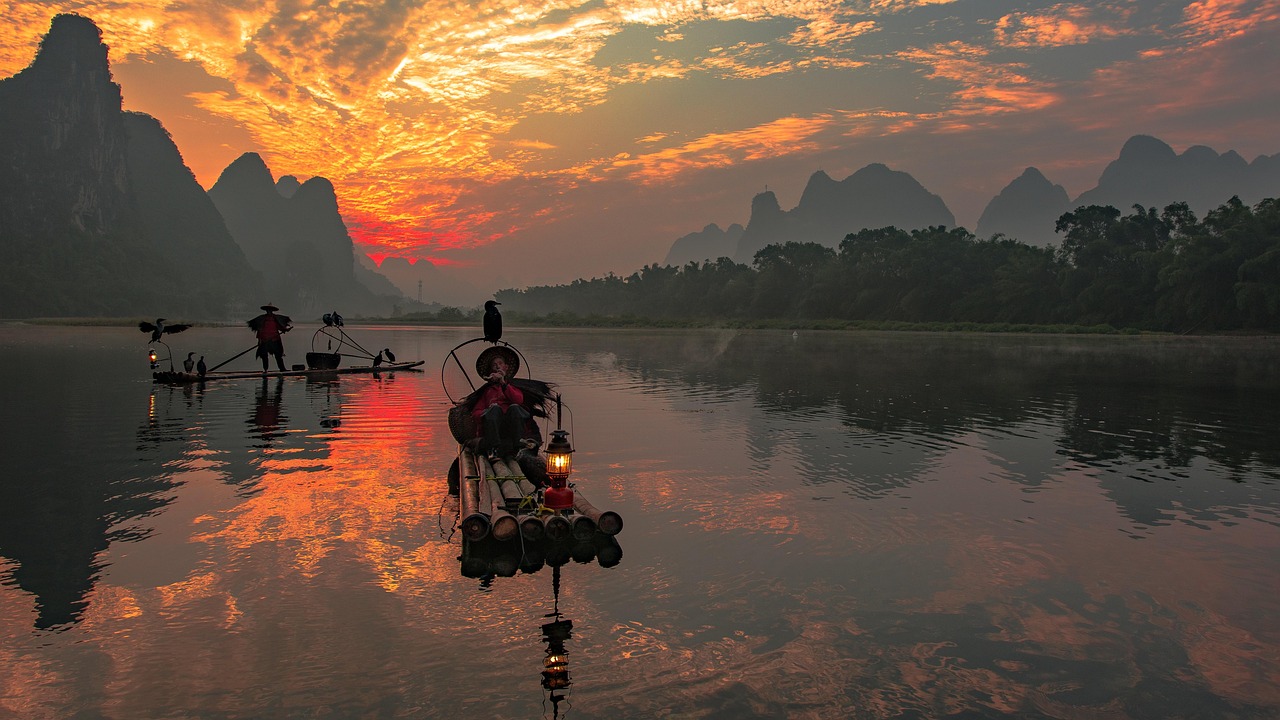
River landscapes and mountain regions in Southern China beyond the big-city pace
For travellers craving space and wonder, a nature-focused route in southern China can be designed with the same ease as a route through the major cities. This is where rivers, peaks and village life become the headline, and where privacy and timing matter as much as hotel choice. It’s also where natural scenery can feel genuinely restorative—especially when you build in slower mornings and fewer transfers.
Guilin and Yangshuo with quiet viewpoints in Guangxi
In Guilin and Yangshuo, the karst landscapes of Guangxi are at their best when you avoid the busiest lookouts. We arrange private boat time and quieter viewpoints that trade queues for silence, letting you feel the texture of rural China without it being staged. The result is not a hurried loop, but a gentle unfolding of light on water and limestone.
From there, Longji brings the rice terraces—a single terrace of light at dawn if the weather is kind. We’ll choose a mountain for panoramic views and a guide who understands the conditions, so you can be present rather than anxious about logistics.
Huangshan, Zhangjiajie National Forest and high-altitude colour
Huangshan is often called Yellow Mountain, and it earns that name for its dramatic silhouettes and sea-of-cloud mornings. For comfort, we can use a cable car to minimise strain, and pair the walk with a restorative hot springs stay afterwards near Huangshan Mountain. Sunrise on Mount Huangshan can feel like one of the most beautiful moments of the entire route—quiet, elemental, and surprisingly emotional.
Further afield, Zhangjiajie National Forest is a true national park, with towering pillars and a cinematic scale. Its sandstone formations are extraordinary, and avoiding peak-hour pinch points is everything—pre-arranged entry and thoughtful pacing keep the day refined. For a vivid contrast, we add Zhangye and the Danxia landscapes, a high-altitude palette of reds and golds that feels like an artist’s experiment. If you’d like an elegant desert interlude, Crescent Lake makes a surprising, serene companion to mountain days.
Travel in China planning: best time to visit, visas, and smooth connections
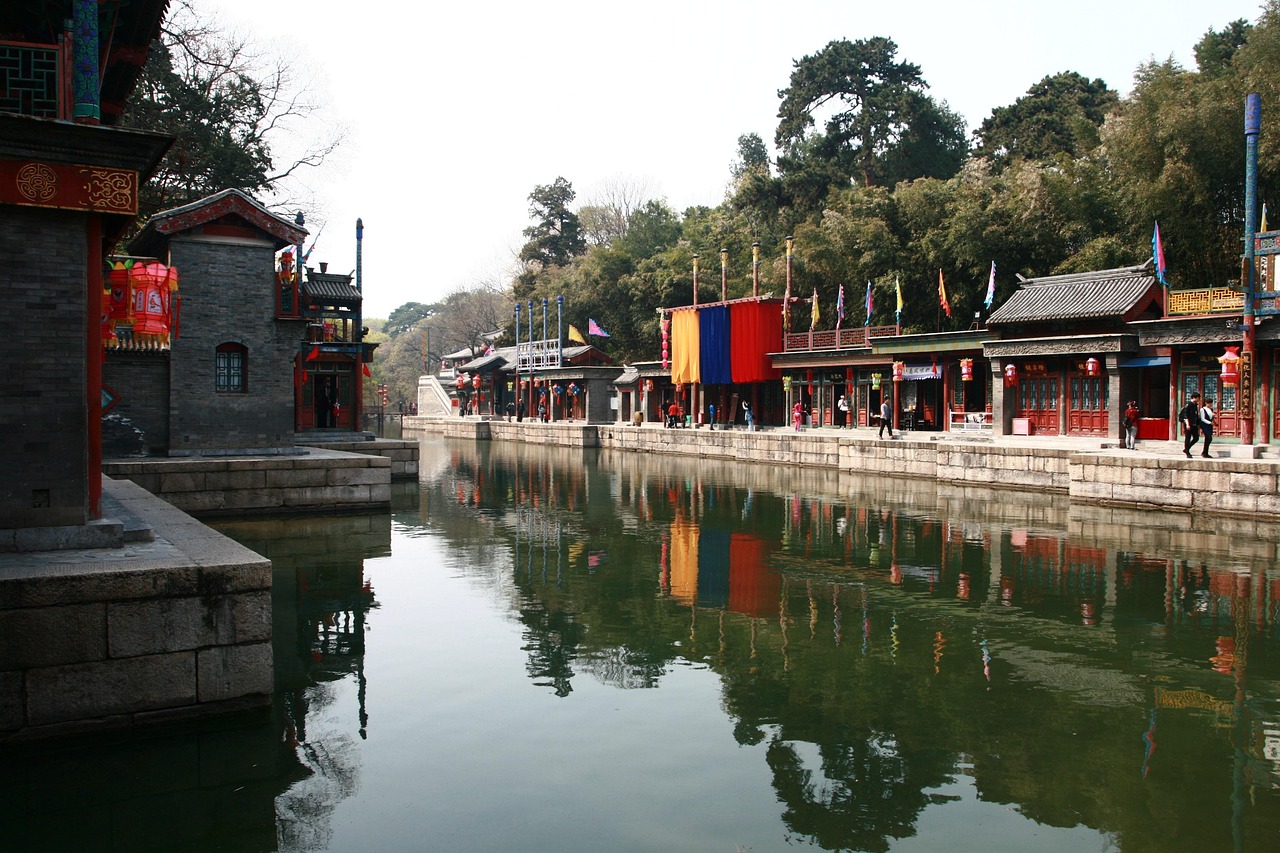
Practical planning for refined travel in China, from visas to city connections
Travel in China at a luxury level comes down to a few high-impact decisions that protect your time and comfort. For high-end travellers, the goal is not just to see more, but to feel better while you explore. When planning to travel, we design a rhythm that supports your energy: early access when it matters, slower afternoons when it counts, and clean handovers between cities.
Best time to visit and why spring and autumn matter
The best time to visit is typically spring and autumn (April–May and September–October). The weather is milder, views are often clearer, and the overall pace feels more civilised, especially in Beijing and Shanghai. For luxury travel, this reduces friction: fewer crowd chokepoints, better lighting for photography, and less time spent in heat-management mode.
Visas, etiquette, money and moving between cities
Depending on your passport, you may need a visa; it’s wise to speak to a consulate well in advance. A concierge team can support documentation discreetly and confirm any advance tickets needed for early access days. For transport, we’ll recommend what suits each leg: fast rail where it’s most efficient, private drivers for flexible touring, and the occasional fly to Shanghai moment when it saves significant time.
Carry some cash, as boutique vendors may not accept cards, even in stylish districts. Learn a couple of simple Mandarin greetings to build warmth in local interactions, and always respect photo restrictions. Modest dress is appreciated at temples, and it helps you move through sacred spaces with quiet confidence.
- Reservations: book high-end dining and private touring early, especially in peak months.
- Comfort: Request lounge access and luxury transfers for smoother arrival and departure days.
- Curiosity: keep a short “see in China” list so you feel guided, not overwhelmed.
Other seasons can be magical too. If you love winter design and theatre, the Harbin Ice and Snow Festival is an unforgettable alternative, with sculptural streetscapes that feel like a living gallery.
FAQs: essential tips for visiting China in comfort
Where is the most visited place in China?
Beijing remains the most consistent draw for many travellers, thanks to the Forbidden City and the nearby Great Wall. Both are internationally recognised and can feel remarkably different with early access, expert guiding and careful timing. If you want the most visited places without the most intense crowds, plan weekday mornings, pre-book tickets, and consider private entry arrangements where available.
Is $1000 USD a lot in China?
$1000 USD can go a long way for day-to-day expenses, but it depends on your travel style and the cities you’re visiting. In Beijing and Shanghai, premium dining, shopping, and private touring can quickly use up that budget. For high-end travel, the higher costs are usually hotels, curated experiences and transport, so it’s best viewed as spending money rather than a full trip budget.
What is a famous tourist spot in China?
The Great Wall of China is the most famous tourist landmark, widely considered a once-in-a-lifetime sight. Sections like Mutianyu are popular because they’re scenic and well organised, and a dawn visit can feel surprisingly peaceful. Pairing the Wall with an expert guide adds historical insight and helps you experience it as something personal, not just iconic.
Where in China is the best for tourists?
For first-time visitors, a classic route through Beijing, Xi’an, Chengdu and Shanghai offers a balanced mix of history, culture and modern life. Add a Three Gorges cruise for restorative pacing, or head into Guilin and Huangshan for nature. The “best” choice depends on whether you want imperial heritage, food culture, design-led cities, or landscapes—and a well-crafted plan can combine them seamlessly.
After the journey: what stays with you from the China travel
What lingers after China is rarely the loudest moment. It’s the hush of dawn on the Wall, when mist softens the mountains and your footsteps feel like a secret; it’s the weight of imperial courtyards, where silence can feel as meaningful as splendour. Somewhere between those grand spaces, you may remember something smaller: a gate closing gently, the scent of stone after rain, or the way your guide lowered their voice as if the past could still hear.
Later, you might find yourself returning to the softness of tea shared with local masters in Chengdu, in Sichuan province, where Sichuan’s food culture and teahouse rituals can feel both sensory and grounding. If you have the time, a day trip to Leshan adds scale and perspective, while still keeping the mood unhurried. A cultural enthusiast once told us that a single intimate tasting stayed with them for years, because the stories made every note feel like a message passed hand to hand.
And then there is the quiet confidence that comes with a well-designed journey. When you feel supported, you look up more, you notice more, and you carry home a calmer kind of insight—one that doesn’t demand to be explained to anyone else. If China is one of the most generous countries you’ll ever explore, it’s also one of the most beautiful, offering new layers each time you return in a different season of life.
Afterwards, the world can feel slightly wider, and your imagination slightly braver. Not because you rushed to see everything, but because you gave certain moments enough space to change you. And when you’re ready, curiosity will do what it always does—quietly pointing towards what you might like to uncover next.