Post Contents
- Dunhuang China travel guide: why visit Dunhuang on the Silk Road crossroad
- Mogao Caves in Dunhuang: UNESCO World Heritage Site for Buddhist art and Silk Road history
- Singing Sand Dunes (Mingsha) and Crescent Lake: dune and oasis adventure near Dunhuang, China
- Yangguan and Yumenguan (Yumen Pass): Silk Road ruins and Great Wall frontier day trip
- Dunhuang Airport and train connections: railway routes, transfers, and arrival tips
- F.A.Qs: Dunhuang China travel guide essentials for Mogao Caves, Silk Road routes, and dunes
- Dunhuang reflections: a Silk Road after-feeling that lingers
Dunhuang China travel guide: why visit Dunhuang on the Silk Road crossroad
Dunhuang Travel Guide Basics and Why Visit Dunhuang with Desert Horizons in Dunhuang, China
When people search for a Dunhuang travel guide and why to visit Dunhuang, China, they’re often hoping for a simple answer. The truth is more beautiful: Dunhuang is a living crossroads of the Silk Road, where exchanges along it shaped sacred caves, a remarkable manuscript legacy, and the everyday warmth of local markets. Set in Gansu province, this desert-edge city feels remote yet welcoming—refined enough for travellers who value comfort alongside discovery.
Think of Dunhuang as a designer journey in three acts: first, the hush of cave temples; second, the sweep of sand dunes rolling toward the Gobi Desert; third, the frontier relic sites that make ancient China feel close enough to touch. If you’re planning a trip to China and want a place that rewards curiosity, it’s the sort of tourist destination that stays with you long after you leave.
2–4 day Dunhuang travel guide itinerary: Mogao Caves, dunes, and Silk Road passes
For first-timers, it helps to design your days around rhythm rather than rush—especially with desert sun. If you can spare an hour in town, the Dunhuang Museum is a calm, context-rich stop before you head out to bigger sites. Here’s a simple, high-impact framework that keeps the experience unhurried and still adventurous:
- Day 1: Mogao Caves and an evening stroll through Shazhou and the night market.
- Day 2: Mingsha (Singing Sand Dunes), a first dune walk, and an oasis pause at Crescent Lake.
- Day 3: A day trip along the Silk Road to Yangguan and Yumen / Yumen Pass.
- Day 4 (optional): Yardang landscapes or a longer route onward through northwest China.
This pacing gives you space to explore deeply, then return to town for a seamless reset—shower, supper, and calm sleep before your next early start.
Why you’ll want to visit Dunhuang: murals, markets, and desert sunrise
Travellers often describe their first minutes inside Dunhuang’s cave sanctuaries as unexpectedly emotional. One guest told me the most powerful detail wasn’t a grand statue, but a single painted gaze in a mural—gentle, human, and strangely present. That quiet awe is part of this destination’s magic: it asks for your attention, not your speed.
Later, the feeling shifts. In the Shazhou night market, locals have a way of offering hospitality without pressure—“try this”, “taste that”—and it’s easy to build trust with a smile and polite bargaining. In between, there’s the desert itself: at sunrise, the calm can feel like a kind of care, the sort that steadies you before an adventurous day.
Planning note, softly reassuring: the desert rewards early starts. We’ll talk through timing, comfort, and support throughout this guide so you can create a journey that fits your energy—whether you’re travelling together as friends or solo with confidence.


Mogao Caves in Dunhuang: UNESCO World Heritage Site for Buddhist art and Silk Road history
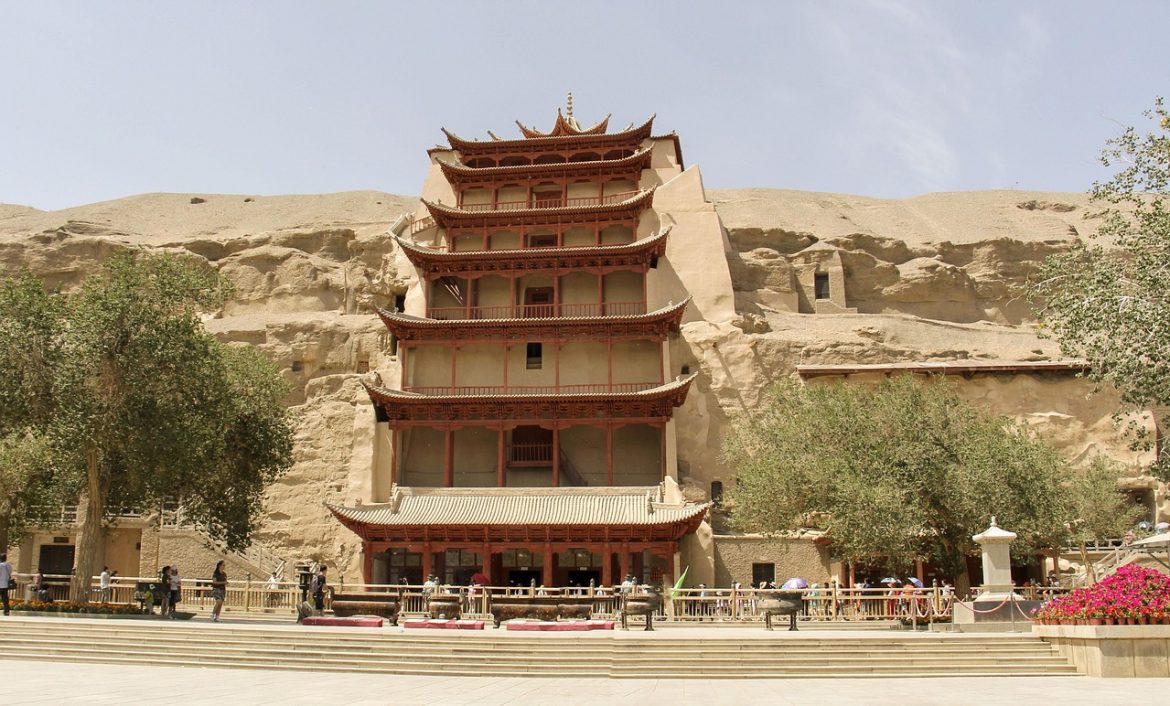
Mogao Caves UNESCO Buddhist Art With Expert Insight in Dunhuang
If you’re looking for a clear Mogao Caves planning guide, start with why they matter: the Mogao Caves are a UNESCO World Heritage Site and a defining heritage site in northwestern China, often described as a treasure house of Buddhism. Across centuries—through the Wei, Han, Tang, Western Xia, and Yuan dynasties—artists, patrons, and Buddhist monks left behind an astonishing record of belief, beauty, and the history and culture of the Silk Road.
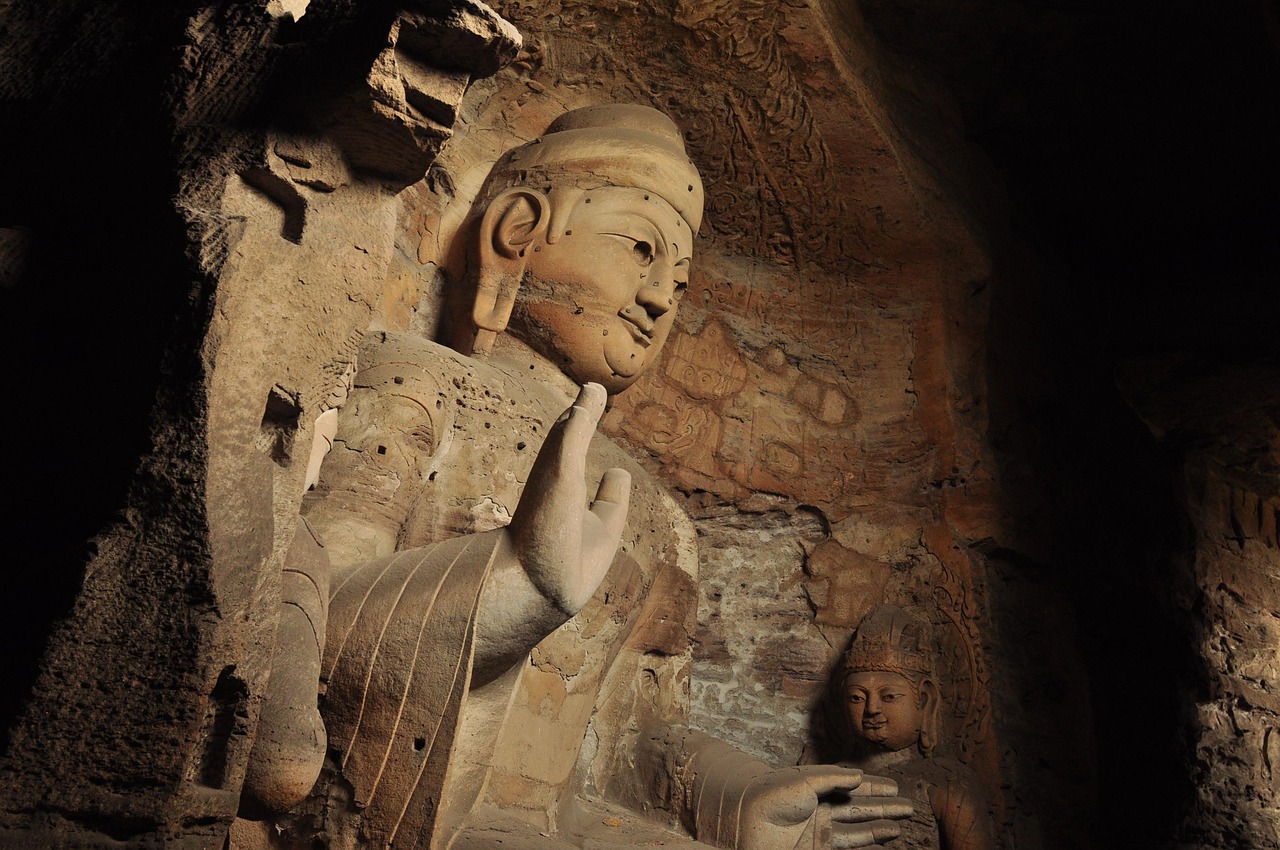
These aren’t just “caves” in the casual sense. They are carefully planned cave temples—chapels cut into the cliffside earth—filled with sculptures of thousands of buddhas, painted ceilings, and scenes that quietly reveal the scale of Buddhist art and the long-distance connections it fosters. It’s Buddhist art in the world at a level of intimacy that’s hard to imagine until you’re there.
Mogao Caves tickets, timing, and etiquette for a protected heritage site
To protect this site, entry is limited daily, and you’ll need to book ahead—especially in peak season from April to October. A guided visit adds expert insight: the context of iconography, which dynasties shaped, which chambers, and how to read donor portraits without missing nuance.
Inside, small behaviours make a big difference. Keep voices low, never touch murals or sculptures, and follow photography rules (which may vary by area). If you travel with children or a larger group, agree on a gentle pace beforehand—slow travel works here, and it builds the kind of trust the place deserves.
Inside the Western Thousand Buddha Caves: murals, manuscript finds, and cultural exchanges along the silk
Rather than trying to “see everything”, let the evolution of Buddhist art come to you through details. Look for colour shifts in pigments, subtle differences in halo shapes, and clothing folds that hint at Central Asian influence. Some chambers show everyday donor scenes—families, officials, merchants—proof that the Silk Road was lived, personal, and full of quiet negotiation.
You may also notice traces of diverse communities, including Tibetan influences and stories linked to periods when Tibetans held power in this region of China. Dunhuang sat close to routes leading toward Xinjiang and further west, and its art preserves the feeling of a world connected by caravans, ideas, and patience.
A personal prompt, if you’re open to it: when you step into the Western Thousand Buddha Caves, pause. Let your eyes adjust. Give yourself one full minute with no agenda. Many travellers later say that a single minute—breathing in a cool, earthen stillness beside a painted mural and a story of manuscript discovery—became their most enduring memory of Dunhuang.
Singing Sand Dunes (Mingsha) and Crescent Lake: dune and oasis adventure near Dunhuang, China
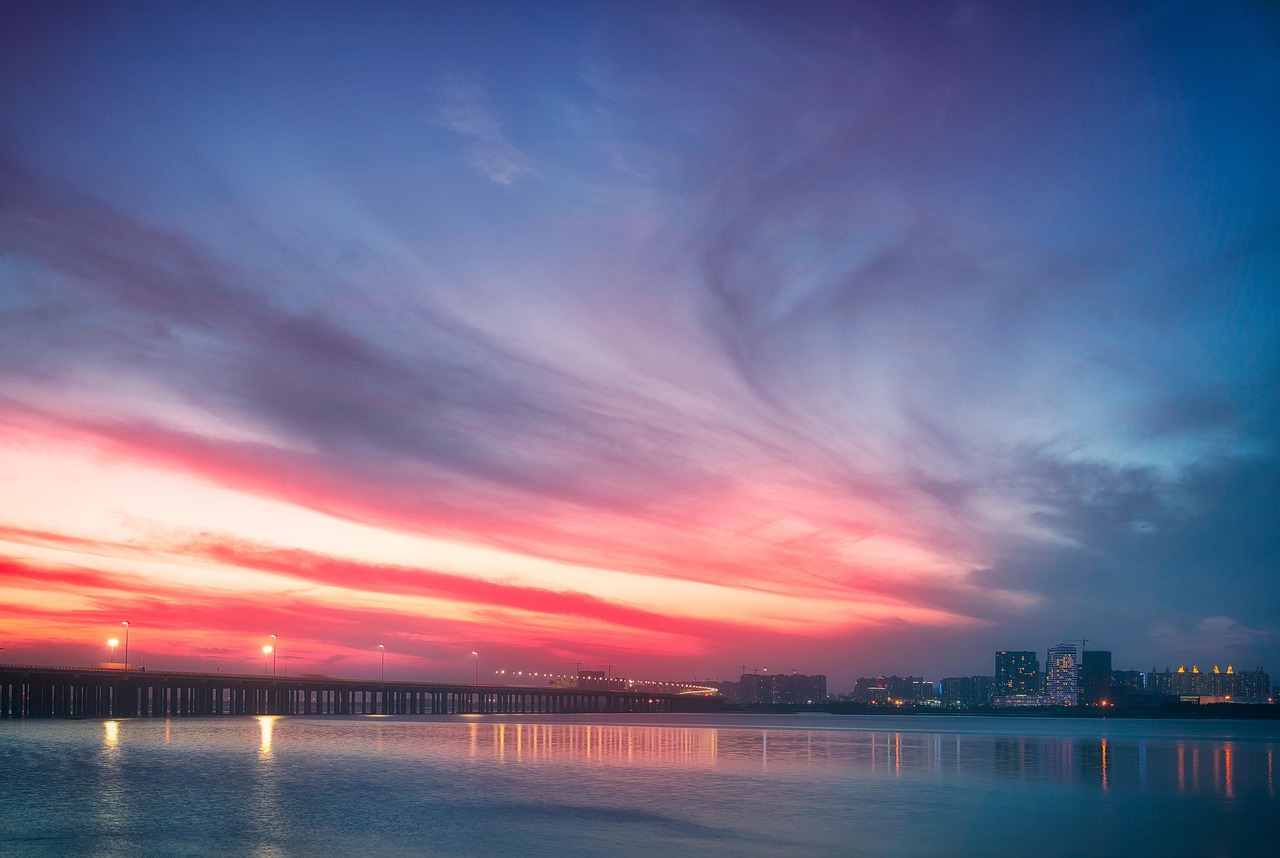
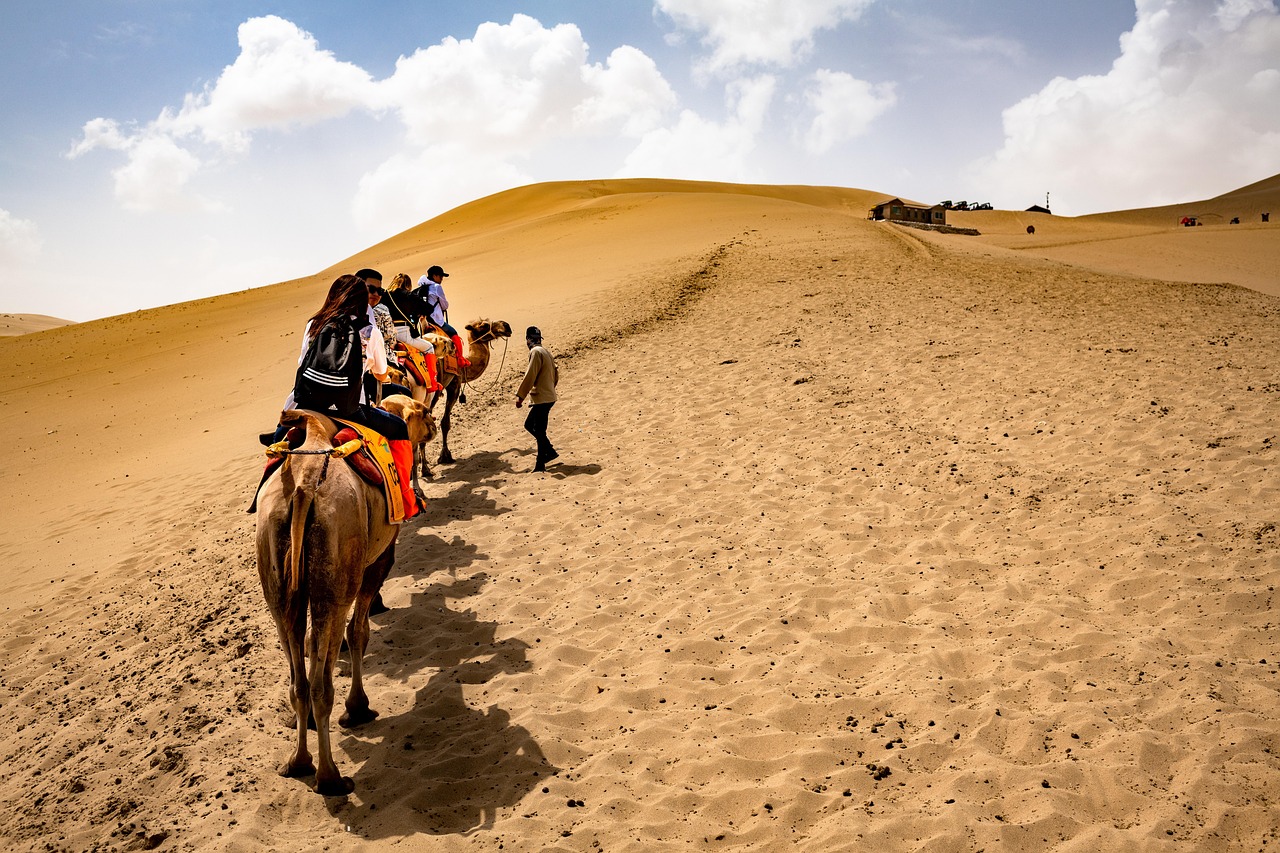
Singing Sand Dunes, Camel Rides and Crescent Lake Oasis near Dunhuang
For many adventure seekers, the phrase “Singing Sand Dunes and Crescent Lake” marks the moment the journey stops being purely cultural and becomes a desert story. Just outside Dunhuang, the Singing Sand Dunes (Mingsha) rise in soft ridges, shaped by wind erosion into lines that look almost designed. Underfoot, the sand can “sing” in certain conditions—one of the area’s most memorable natural wonders.
The landscape is deceptively simple: sky, dune, shadow. Yet it changes constantly, especially at sunset and sunrise, when the colour shifts from pale gold to copper and then to a kind of pink-grey calm.
Camel rides on the sand dunes: viewpoints, safety, and sunset and sunrise
There are several ways to explore these sand dunes, and the best choice depends on how you like to move. Some guests want a bold push—longer walks and higher viewpoints—while others prefer a crafted experience with more comfort and less heat exposure. Local operators can help you choose routes together, and a good guide will prioritise safety, spacing, and water.
- Camel trek at sunset and sunrise for the most photogenic light.
- Short dune hikes for perspective without overcommitting in the heat.
- Higher viewpoints when conditions are stable, with rest breaks built in.
One adventurer told me their sunrise camel ride felt “like watching a painting being made in real time”. As the caravan moved, the dunes changed tone with each step—quiet, rhythmic, and strangely reassuring.
Crescent Lake oasis break: cooling down after Mingsha dune walks
Then comes the contrast: Crescent Lake, a clean curve of water held in the sand like a promise. This oasis is where you slow down—shoes off for a moment, bottle refilled, shoulders released. After a hot walk, it’s the ideal place to rest and rehydrate, especially if you’re travelling with friends who like a mix of thrill and ease.
A group I once hosted still laughs about the moment they reached the water after a hike: dusty, triumphant, and almost disbelieving that greenery could exist so comfortably amid sand. They spent an unhurried hour there—snacks, shade, quiet conversation—before returning to town feeling both accomplished and cared for.
Desert note: sun exposure is real. Hats, sunscreen, lip balm, and steady hydration will keep the adventure enjoyable rather than draining.
Yangguan and Yumenguan (Yumen Pass): Silk Road ruins and Great Wall frontier day trip
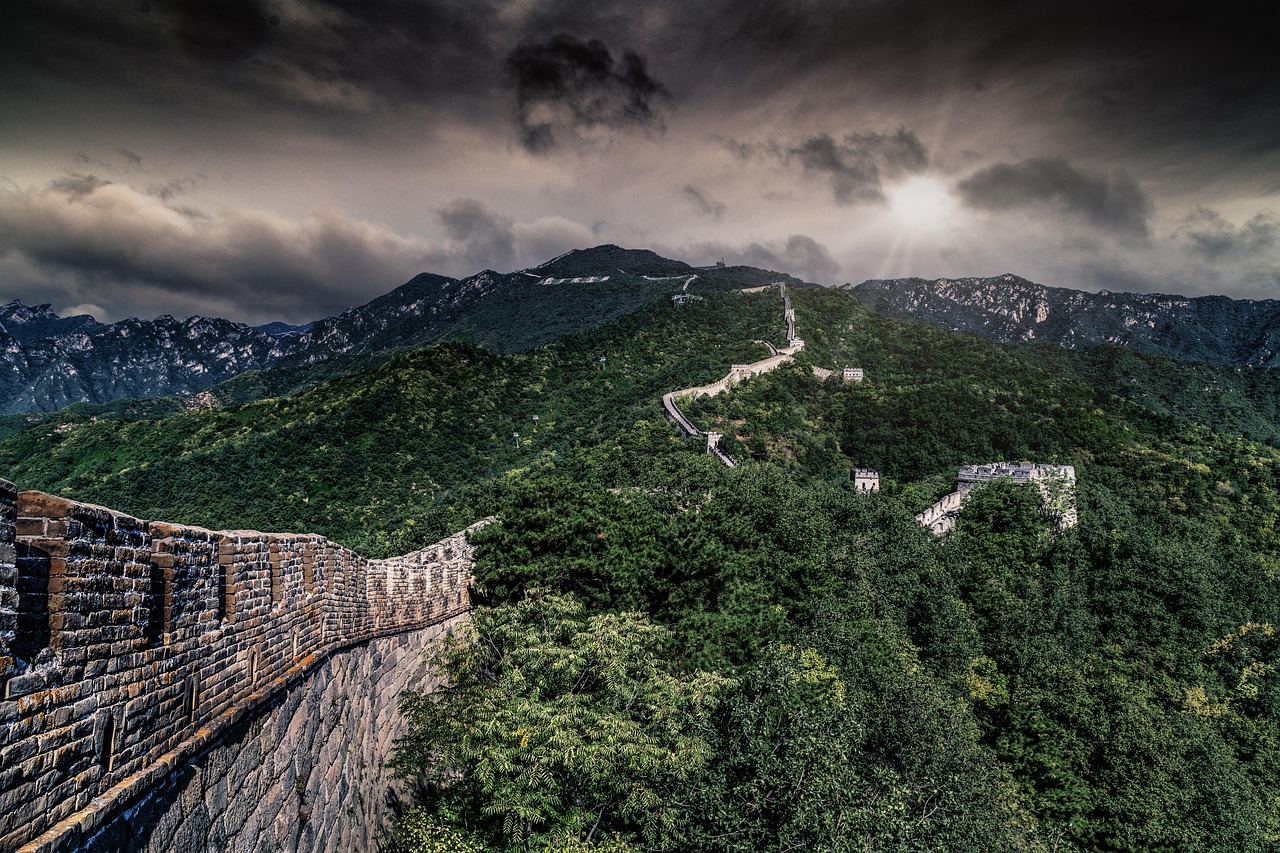
Along the Ancient Silk Road to Yangguan and Yumen Pass from Dunhuang
For travellers interested in Yangguan and Yumenguan, the reward is atmosphere. A day beyond the city of Dunhuang takes you along the ancient Silk Road to the frontier gateways of Yangguan, Yangguan Pass, and Yumen Pass (also known as Yumenguan). Standing in this open desert, it becomes easier to imagine why Dunhuang mattered: it was a strategic hinge between worlds, with two branches of the Silk trade routes threading outward—branches of the Silk Road that carried goods, languages, and beliefs.
This is not “ruins tourism” in the glossy sense. It’s quieter—earth tones, empty wind, and the human traces that remain when empires move on.
Along the Silk Road: Han dynasty gateways, fortress outposts, and Great Wall defenses
Historically, these passes were part of border control and protection during the Han era, tied to Emperor Wu’s broader ambitions. You’ll see fortress remnants, watchtowers, and defensive lines that connect to the Great Wall story in this region—less a single wall than a system of outposts and barriers shaped by terrain.
The Han dynasty presence is felt in the landscape’s logic: wide sightlines, elevated positions, and the sense that the desert itself was a kind of gatekeeper. It’s also a reminder that ancient China was never isolated; it was always negotiating distance, trade, and security.
Best timing + Yardang geopark: wind erosion, natural wonders, and routes to Xinjiang
If you can, go at dawn. A solo traveller once described arriving early as “walking into a hush before the world wakes up”. With fewer crowds, you can uncover details—shadows on tamped earth, faint track lines—and let the imagination do its work.
If time and energy allow, add the Yardang area: sculpted landforms often visited as part of a geopark landscape. Depending on your wider route across Gansu province, you might also connect onwards via Jiayuguan (where the Great Wall narrative is more prominent), or plan a longer arc towards Urumqi and the wider Xinjiang autonomous region.
Dunhuang Airport and train connections: railway routes, transfers, and arrival tips

Get to Dunhuang and create a Seamless Base in Town with train and flight connections
If your practical question is about reaching Dunhuang, you’ll be pleased: despite its desert setting, it’s straightforward with a little planning. You can fly into Dunhuang Airport or travel by railway from hubs such as Lanzhou, with onward connections that can link you across Gansu province and beyond. Some itineraries loop from Beijing via major rail corridors, then turn west for a more cinematic approach into the desert.
Arrivals are functional rather than glossy, so the key is to pre-design your transfer and check-in so you settle in calmly—especially if you’re landing late or travelling with luggage for a higher-end stay.
Get to Dunhuang: airport, railway station, and bus station options
Most travellers either arrive by flight or train, then continue by private transfer or taxi. At Dunhuang railway station, expect an orderly arrival and a short, practical transfer into town. The Dunhuang bus station can be useful for budget routes, but for comfort and time efficiency, private transport is the more seamless choice—particularly for early starts to the desert.
As you plan, note that desert nights can be cooler even from April to October. Bring a light layer for evening markets and dawn departures.
Where to stay and how to enjoy the night market after your day trips
Choose accommodation that supports your rhythm: easy access for early departures to Mogao Caves and Mingsha, and a gentle return after long day trips. Many high-end travellers prefer a quieter base with reliable heating/cooling, then take short evening outings for atmosphere—and a glimpse of an ancient town feel without sacrificing sleep.
The food scene is part of the pleasure. In the night market area of Shazhou, sellers are often welcoming and invite you to try local snacks and handmade crafts. A good rule is polite bargaining with boundaries: be warm, be fair, and walk away kindly if it doesn’t feel right. That balance keeps the interaction respectful and your budget intact.
If you have a little extra time in the region, routes sometimes pass through Guazhou or onwards to Zhangye. Travellers pairing Dunhuang with Zhangye Danxia often do so for the Rainbow Mountains effect—an entirely different palette after Dunhuang’s desert gold.
To help you create a crafted, confidence-building flow, here’s a simple three-day plan you can adapt:
- Day 1: Mogao Caves (pre-booked), then an easy evening in the old town.
- Day 2: Singing Sand Dunes, camel time, and Crescent Lake rest.
- Day 3: Yangguan and Yumen Pass day trip, back in time for a calm dinner.
If you’d like to explore broader routes and high-comfort logistics across China, you can browse our Trip gallery for inspiration.
F.A.Qs: Dunhuang China travel guide essentials for Mogao Caves, Silk Road routes, and dunes
F.A.Qs Dunhuang China travel guide essentials with desert views
Why is Dunhuang famous on the Silk Road?
Dunhuang is famous for the Mogao Caves, an UNESCO-listed site known for extraordinary murals, sculpture, and Silk Road-era manuscript treasures. It’s also celebrated for desert landscapes like the Singing Sand Dunes and the striking Crescent Lake oasis, which together create a rare mix of cultural depth and adventure.
Is Dunhuang worth visiting for culture and dunes?
Yes—Dunhuang is worth visiting if you want a journey that blends Buddhist art, Silk Road history, and desert experiences. With thoughtful pacing, it suits both adventurous travellers and those who prefer comfort, offering early-morning dune rides, quiet cave visits, and welcoming evenings at Shazhou’s night market.
Can foreigners easily visit Dunhuang, China?
Foreigners can visit Dunhuang, China, and it’s a well-established destination for international travellers. The main planning points are booking Mogao Caves tickets in advance due to daily limits and carrying your passport for transport and hotel check-ins. Hiring local guides can also help with language, logistics, and deeper cultural insight.
What ethnic group shaped Dunhuang historically?
Dunhuang has long been a meeting point rather than a city of single identity. Over centuries along the Silk Road, it saw movement and settlement involving Han communities and many ethnic minorities, as well as influences from neighbouring regions. This layered past is reflected in local culture and in the diverse artistic styles preserved in the Mogao Caves.
Dunhuang reflections: a Silk Road after-feeling that lingers
When people search for reflections after a Silk Road journey, they’re often trying to name an after-feeling—something that doesn’t fit neatly into photographs. For me, Dunhuang lingers as a quiet colour: mineral reds and soft browns in a mural, then pale light rinsing across sand before the day warms. The desert has a way of reordering what you thought you knew, not through spectacle, but through space.
I remember the sense of care I felt in the hush of the caves—how the air itself seemed to ask for gentleness. And I remember how confidence grows when you trust the right kind of support: expert guidance that opens doors, paired with enough freedom to make your own meaning. Dunhuang offers that balance naturally, as if it has been welcoming travellers for a thousand years and still knows how to do it well.
One image returns most often: a camel’s footsteps pressed into cool morning sand, each print crisp for a moment before the wind smooths it away. Or the simple impossibility of water at Crescent Lake, held in place as if the desert has decided—briefly—to be kind. The Silk Road can feel grand in books, but here it becomes personal, and oddly tender—another reminder of cultural exchanges along the Silk that once moved through the desert.
Even now, I don’t think of Dunhuang as a checklist. I think of it as a place you can return to in the mind—when you want to remember that wonder doesn’t always arrive loudly, and that the most enduring journeys often begin with a single quiet step.