Post Contents
- China travel guide essentials for first time in China and using Alipay, WeChat, visa travel tips
- Beijing to uncover history and culture in comfort with forbidden city
- Great Wall experiences beyond the crowds at Jinshanling and Mutianyu near Beijing attraction best time to visit
- Shanghai design-led glamour from the Bund to the skyline
- Guilin and Yangshuo for picturesque Li River mornings with li river cruise and places to visit in China
- Final Thought
China travel guide essentials for first time in China and using Alipay, WeChat, visa travel tips
China travel guide essentials for first time in China with timing, payments and a calm itinerary
If it’s your first time in China, a clear China travel guide itinerary should feel like a reassurance, not a rushed travel guide to China, part practical travel tips, with using Alipay and WeChat made simple and visa questions answered early. For many high-end guests, the best time to visit China is spring (April–May) or autumn (September–October), when light layers are suitable for days outdoors and evenings linger. Try to avoid the intensity of Chinese New Year if you dislike closures and crowded trains, and be especially mindful of the holiday in early October, when Golden Week can amplify crowds.
Think of your journey as a gentle arc between major cities and restorative landscapes. Beijing grounds you in history and culture, Shanghai brings modern China to life, and Xi’an adds the poetry of the Silk Road and the Terracotta Army. Then you can breathe in nature—Guilin’s waterways, and even national parks such as Zhangjiajie National Forest Park—before returning to the city with fresh eyes.
Time to visit China and an unhurried luxury itinerary
To create a trip that feels spacious, build around three hubs and two slow interludes. One elegant way to travel is: Beijing (4 nights), Xi’an (2 nights), Shanghai (3 nights), then Guilin and Yangshuo (3 nights), with an optional extension to Chengdu in Sichuan for refined cuisine and calm panda encounters. If you’re tempted by the roof of the world or remote routes towards Central Asia, treat those as a separate design—China rewards focus.
In this China travel guide, the goal is not to “do everything” but to uncover what you most want to feel. Some guests swap Guilin for Zhangjiajie for drama; others add the Mogao Caves near Dunhuang for art and silence, especially if the Silk Road story calls to them. Your itinerary becomes a canvas you can design together with an expert team.
Visa basics, getting online in China and seamless travel
Start with the essentials: check current visa requirements early, and choose travel insurance that covers medical care, cancellations, and any high-value items you’re carrying. For distances, the high-speed train network is often the most comfortable choice—quiet, punctual, and easy when tickets are handled in advance—while private transfers and lounge-style airport support make arrivals feel calm.
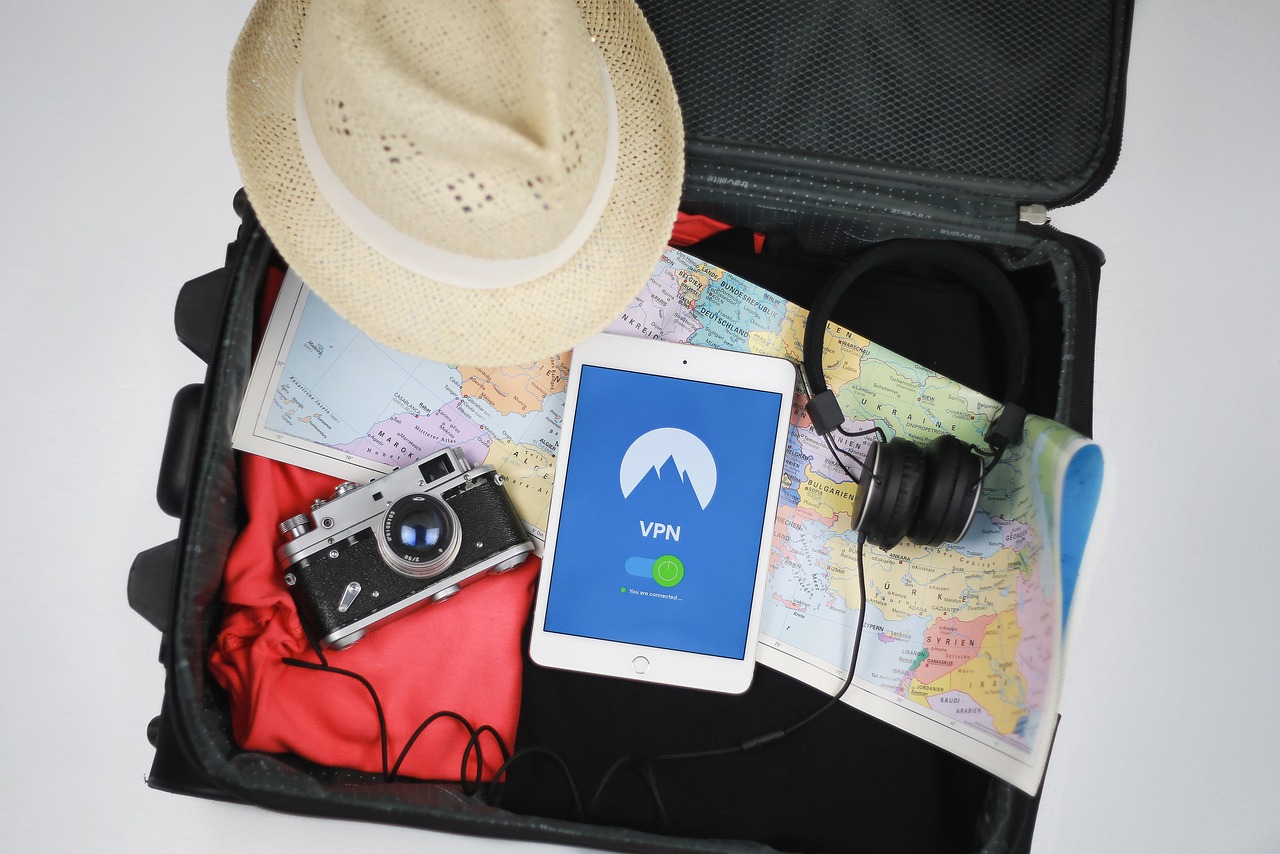
To get online in China, many travellers use an eSIM or a roaming plan; if you rely on certain Western apps, consider VPN requirements at a high level before departure and keep expectations flexible. Payments are wonderfully modern in cities: set up using Alipay (and link a suitable card where possible), keep WeChat available, and still carry a little cash for small local vendors and tips. As a small confidence boost, learning a few greetings and recognising a handful of Chinese characters on signs can turn logistics into warm local interaction.
- Plan your visit around shoulder seasons, with buffers for weather and jet lag.
- Book private guides and drivers early for privacy, pacing, and support.
- Carry a reusable bottle, and be ready for variable air quality in megacities.
When you’re booking with confidence, a trusted China travel agency can curate China tours with vetted partners, thoughtful pacing, and discreet service. For specific tickets and transport, Trip.com can be useful for comparisons and occasional best deals, while you keep a single point of contact for on-the-ground care. For inspiration, you can browse our Trip gallery and imagine what a truly personal journey could look like.


Beijing to uncover history and culture in comfort with forbidden city
Beijing to uncover history and culture in comfort with the Forbidden City and quiet courtyards
Beijing is where many travellers begin their China visits, and it remains a must-see for history and culture when approached with an expert-led, unhurried rhythm. The ideal day here is built as “less queue, more meaning”: Beijing icons, private timing, and a return to your hotel for a pause before the next reveal. When visitors speak about their favourite moments, they often describe not the scale, but the stillness found between the grand gates.
Forbidden City in Beijing with private historian-led insight
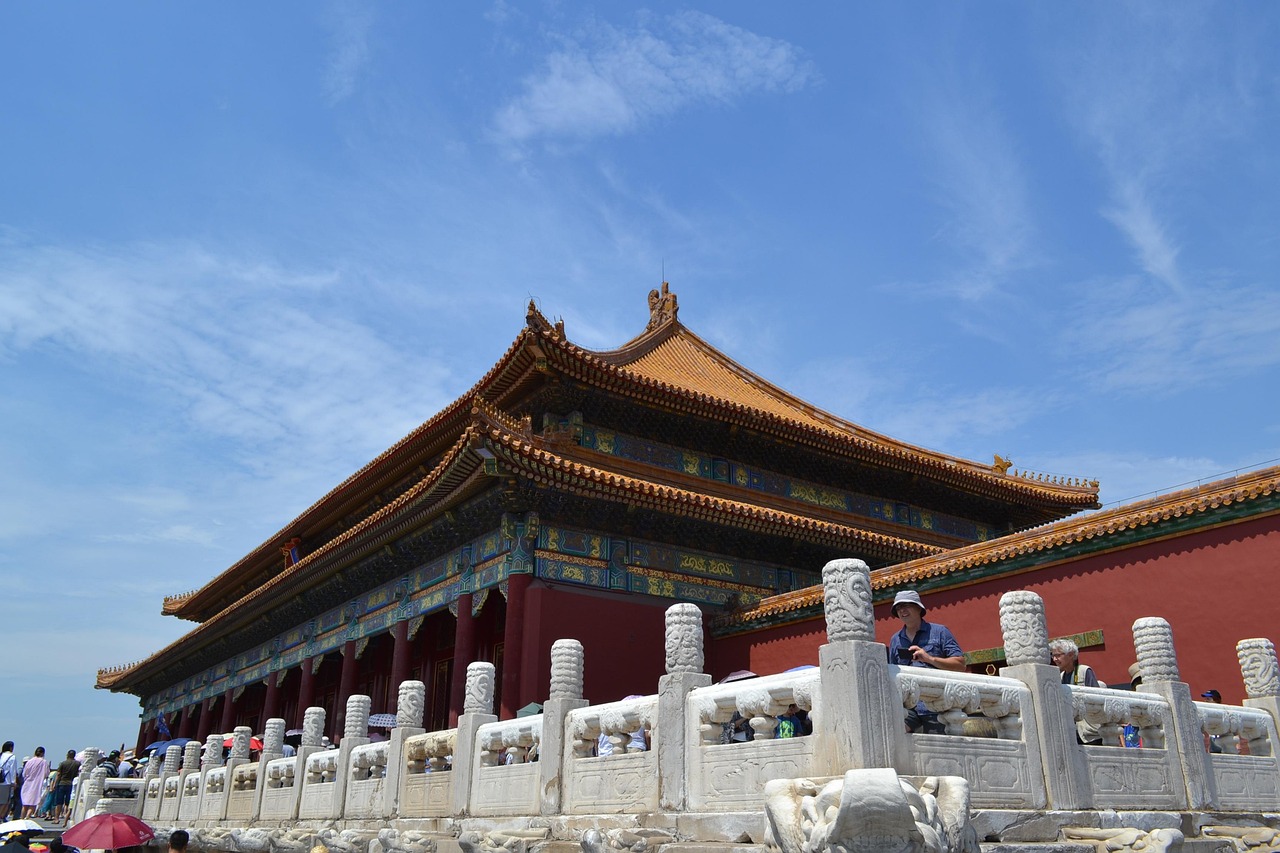
The Forbidden City in Beijing is a UNESCO World Heritage site and a masterpiece of planning, symbolism, and craftsmanship. Rather than treating it like a single “attraction” to tick off, consider private tours led by historians who can shape the route to your interests—ritual spaces, imperial life, architecture, or hidden courtyards that many people pass without noticing. A high-end approach also means pacing: a calm entrance strategy, time for tea or a quiet bench, and a gentle exit before the midday surge.
Guests who stayed in a luxury boutique hotel in Beijing often describe the trust they felt in a concierge who “held the day” for them—timing, traffic, water, and comfort handled with care. Between sightseeing blocks, a spa hour and a curated lunch can reset your energy, so the afternoon doesn’t blur into a march.
Tiananmen, Tiananmen Square and the Temple of Heaven
Nearby, Tiananmen and Tiananmen Square carry a powerful presence, best visited with context and a respectful tone. The Temple of Heaven, by contrast, invites a softer mood—cypress trees, circular altars, and local life in the surrounding park. Dress modestly and respectfully at sacred and historic sites, and allow a little extra time for security and entry procedures so you never feel hurried.
If you’ve been before, a beautifully refined addition is the Summer Palace, timed for softer light and fewer crowds. With a private car, the day stays seamless—no scrambling, no second-guessing, just space to explore and uncover the details that make Beijing unforgettable.
Great Wall experiences beyond the crowds at Jinshanling and Mutianyu near Beijing attraction best time to visit
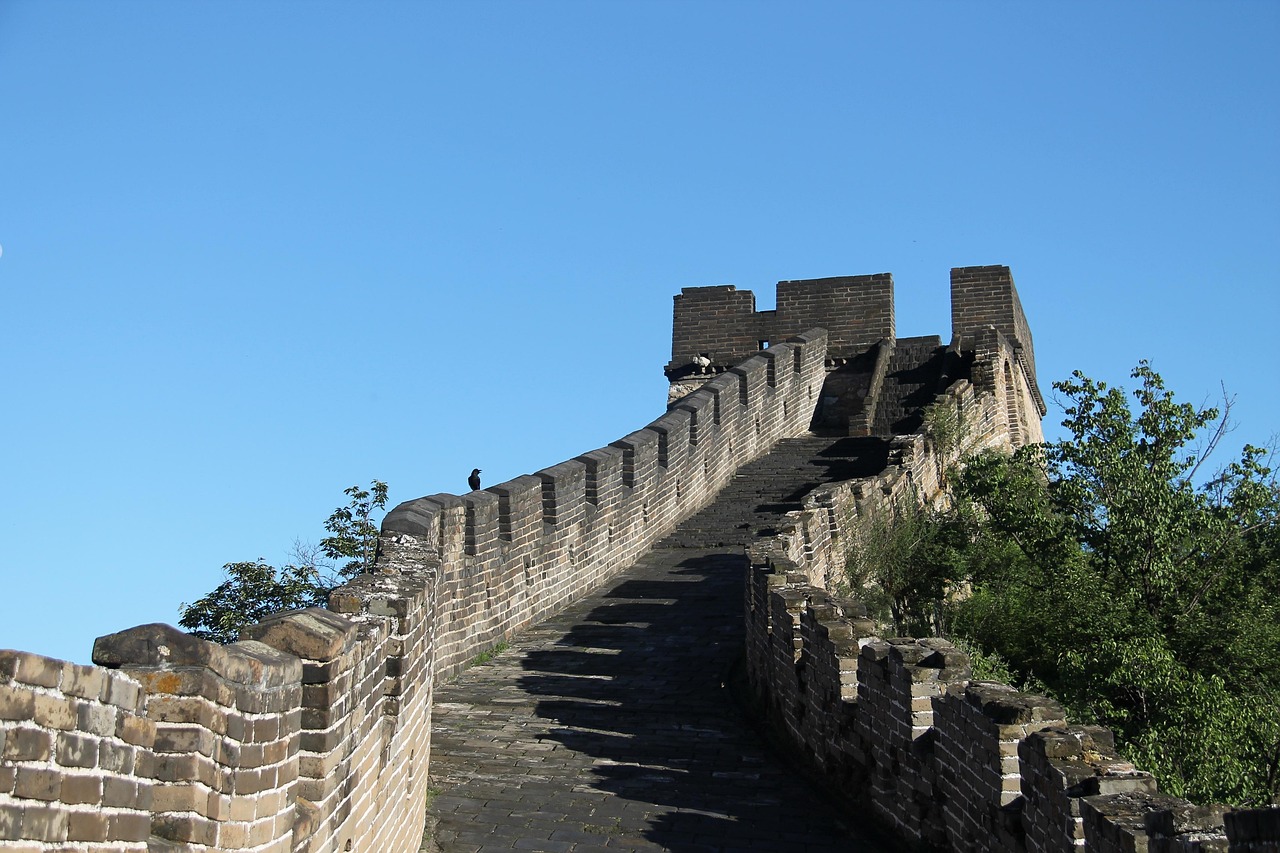
Great Wall experiences beyond the crowds with serene ridgelines at Jinshanling
Few places recalibrate your sense of scale like the Great Wall of China, yet the most memorable days are often the quietest—especially at Jinshanling, where the Wall feels like a living landscape rather than a crowded set piece. When you choose your section with care, you can match your fitness and photography goals to the style of story you want to uncover. This is one place where guided tours can feel genuinely luxurious: safety, local insight, and timing handled so you can simply be present.
Sunrise at Mutianyu and how to replicate the calm
One high-end traveller still recalls a sunrise hike at Mutianyu: arriving early with a private driver, stepping onto the stone path while the hills were pale with morning, and hearing only birdsong before the bustle arrived. To recreate that tranquillity, aim for first entry, keep breakfast light, and ask your guide to position you for the earliest, widest viewpoints. The Great Wall becomes less of a spectacle and more of a personal encounter.
Things to know for comfort, safety and confident photos
Comfort is the foundation of a beautiful Wall day. Wear supportive footwear, bring layers for wind, and carry water even when temperatures are mild; your guide should pace you and flag the steeper watchtower stairs. For photography, pause on ridgelines just beyond the first clusters of visitors, and let the crowd waves pass before moving again.
- Things to know: avoid midday on weekends, and choose shoulder-season weekdays where possible.
- Pack sunscreen, a hat, and a small snack—options on-site can be limited.
- Move slowly; the Wall is worth visiting for the atmosphere as much as the view.
As you return to Beijing, you may notice how the day lingers in your body: steadier breathing, quieter thoughts, and a renewed sense of perspective. That’s the gift of exploring slowly—less rushing, more presence.
Shanghai design-led glamour from the Bund to the skyline
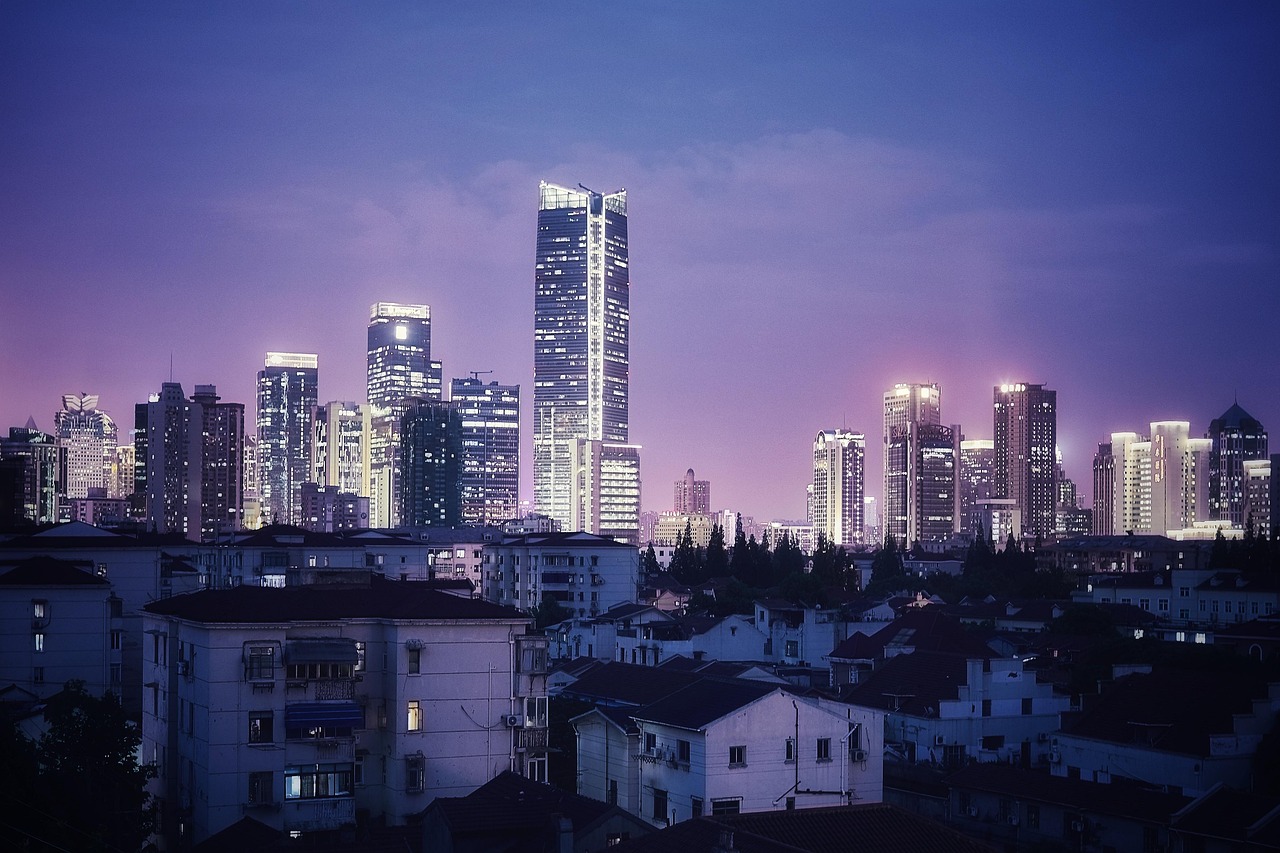
Shanghai design-led glamour from the Bund to the futuristic skyline
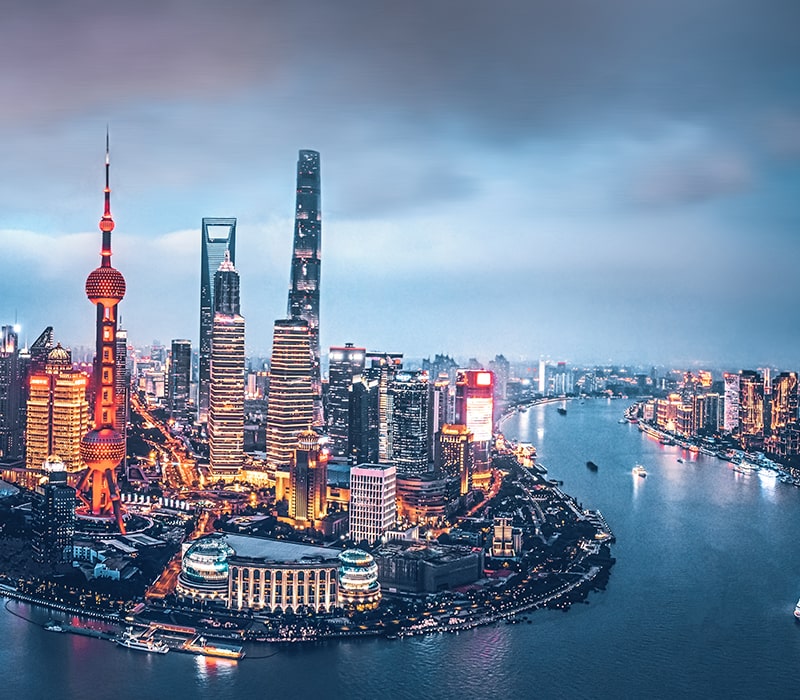
Shanghai is modern China in motion: Art Deco lines, colonial-era façades along the Bund, and a futuristic skyscraper silhouette that seems to redraw itself each evening. If Beijing feels like a conversation with history, Shanghai feels like a city designing its next chapter in real time. Done well, your days here can be both vivid and surprisingly restful—crafted routes, considered meals, and a hotel that becomes a private sanctuary above the street energy.
Top things to do in Shanghai with a high-end lens
Begin with a private architecture walk that threads together the Bund’s heritage buildings and the contemporary viewpoints across the river. Add time for designer boutiques and galleries, then anchor the day with one elevated local tasting menu—thoughtful, seasonal, and quietly theatrical. These are the top things that make Shanghai feel personal rather than performative.
Oriental Pearl Tower dinner and managing air quality
A couple once described their most memorable Shanghai evening as dining atop the Oriental Pearl Tower, watching the city glitter below as boats stitched light across the water. For the most seamless experience, book a crafted time slot that avoids peak queues, request a table aligned with sunset, and let your hotel or trusted operator handle transfers. If you’re sensitive to air quality, plan indoor experiences for hazier afternoons; premium hotels in Shanghai often support comfort with excellent filtration, spa facilities, and quiet lounges when you want to step away from the bustle.
Shanghai also works beautifully as a hub: you can travel around by high-speed train for a refined contrast in pace, then return to the city for an elegant final night. With the right support, even a fast-moving metropolis can feel spacious.
Guilin and Yangshuo for picturesque Li River mornings with li river cruise and places to visit in China
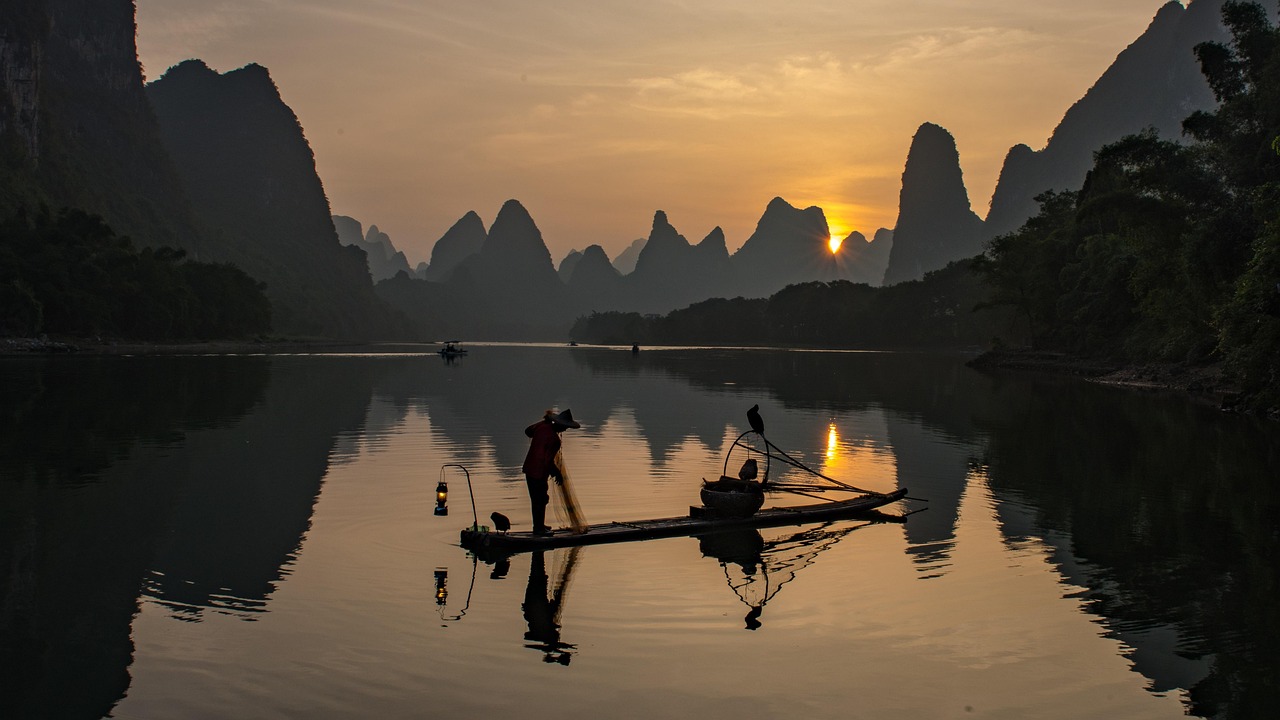
Guilin and Yangshuo for picturesque Li River mornings among karst mountains
Guilin and Yangshuo are a top pairing for travellers craving space, softness and scenery—karst mountains rising like ink-brushstrokes, riverside villages, and a rhythm that encourages you to genuinely discover. For many, a Li River cruise is the moment China changes tempo: less city sparkle, more water, mist and birdsong. If you’re seeking places to visit in China that feel restorative, this southern interlude is quietly extraordinary.
Li River cruise at dawn with mist and local life
One traveller still talks about cruising the Li River at dawn, when the water held a silver hush and mist lifted slowly from the peaks as local fishermen drifted past. To capture that feeling, choose earlier departures or private boat timing where available, and prioritise soft light over a packed schedule. Your guide can help you explore without intrusion—offering insight into rural life while keeping the encounter respectful and gentle.
Refined pointers for cabins, embarkation and a boutique extension
For a more premium experience, ask about cabin choice and boarding points that reduce transfer friction and improve your views. A little planning makes the day feel seamless: reserved seats, minimal waiting, and a calm arrival at the other end. Beyond the river, a boutique hideaway stay in Yangshuo can add wellness, slow cycling lanes through fields, and evenings that feel designed for connection and care.
- Pack a light jacket for river breezes and a dry bag for phones and cameras.
- Choose one or two curated stops rather than chasing every lookout.
- Pair Guilin with Beijing or Shanghai for a beautifully balanced route.
In the wider map of best places to visit, this region pairs elegantly with Shanghai’s energy or Beijing’s depth—giving your journey contrast without complication.
Final Thought
Long after you return home, Chinese culture often lingers in small, quiet ways: the cadence of greetings at a hotel door, the gentle ceremony of tea, the glow of evening streets where lantern light softens concrete. You may find yourself remembering not the grand scale, but the human textures—how a smile changed the mood of a queue, or how a few careful words bridged distance. Even the shapes of Chinese characters can reappear in your mind like a pattern you didn’t know you were learning.
There is also something you uncover about your own pace when experiences are crafted with care. When days are designed around comfort, privacy and a little breathing room, you notice more: the sound of wind across stone, the warmth of a bowl placed gently in front of you, the feeling of being looked after without being hurried. It becomes less about collecting and more about seeing.
And then, without trying to recap, a few moments return as anchors: a wall at sunrise, a river at dawn, a skyline at night. Beijing, Shanghai, and the spaces between them begin to feel like chapters of a single story you can carry rather than complete. Perhaps that is the most reassuring truth of travel—vast places can still be held with quiet confidence, and there is always room for curiosity when the next trip calls, softly, from the edge of your imagination.