Post Contents
- Discover the history of Lama Temple and Yonghe Lamasery, exploring their origins and stories shaping the Yonghegong Lama Temple in Beijing.
- Arriving at Yonghe Lama Temple station in Beijing, seeking harmony and peace.
- Things to see at the Lama Temple include the main halls, especially Wanfuge Hall and the Heavenly Kings.
- Ceremony, incense, and meeting lamas at Yonghegong Lama Temple for Buddhist incense meditation.
- Create a seamless plan for visiting Yonghegong Lama Temple in Beijing, with an entry fee of 25 CNY, accessible via subway lines 2 and 5, exit C.
- Design a Beijing adventure day including Yonghegong, Lama Temple, Forbidden City, Temple of Heaven, Summer Palace, and Great Wall.
- F.A.Q. about the Lama Temple in Beijing, China
- Reflection on what remains with you after visiting Yonghegong Lama Temple in Beijing, China.
Discover the history of Lama Temple and Yonghe Lamasery, exploring their origins and stories shaping the Yonghegong Lama Temple in Beijing.
Lama Temple origins and the Yonghe Lamasery story in Beijing, China
If you’re researching the history of Yonghegong Lama Temple in Beijing, China, begin with a detail that changes how you see the whole site: this temple started life as a Qing court dwelling rather than a purpose-built sanctuary. It was built in 1694, and its earliest identity was closer to an imperial palace complex than a public place of worship.
From palace to spiritual centre in Beijing
In 1694, during the Qing dynasty, the complex was created within the orbit of the royal family. Later it became closely tied to the residence of emperor yongzheng—a personal link that still seems to echo in the measured layout and ceremonial courtyards. When the throne passed in 1722 (often referred to as the ‘Throne in 1722’), the site’s status shifted, and the story of this temple became entwined with state power as much as with devotion.
By 1744, major expansion and reworking had shaped the complex into the lamasery form many travellers recognise today, with Emperor Qianlong as a key patron. Over time, it became the national centre for Tibetan Buddhist administration in the capital, strengthening ties with Mongolia and Tibet and providing Beijing with a living spiritual bridge between the regions. It’s sometimes described as the largest Buddhist temple in the city, and it remains a prominent lamasery for visitors seeking cultural depth on their journey.
Approaching Tibetan Buddhism with confidence and care
Many high-end travellers tell us they want to engage without awkwardness. The simplest expert guidance is to arrive with curiosity, move with care, and let the space lead. This is Tibetan Buddhism practised openly in a busy capital, and respectful attention—rather than perfect knowledge—is what earns trust.
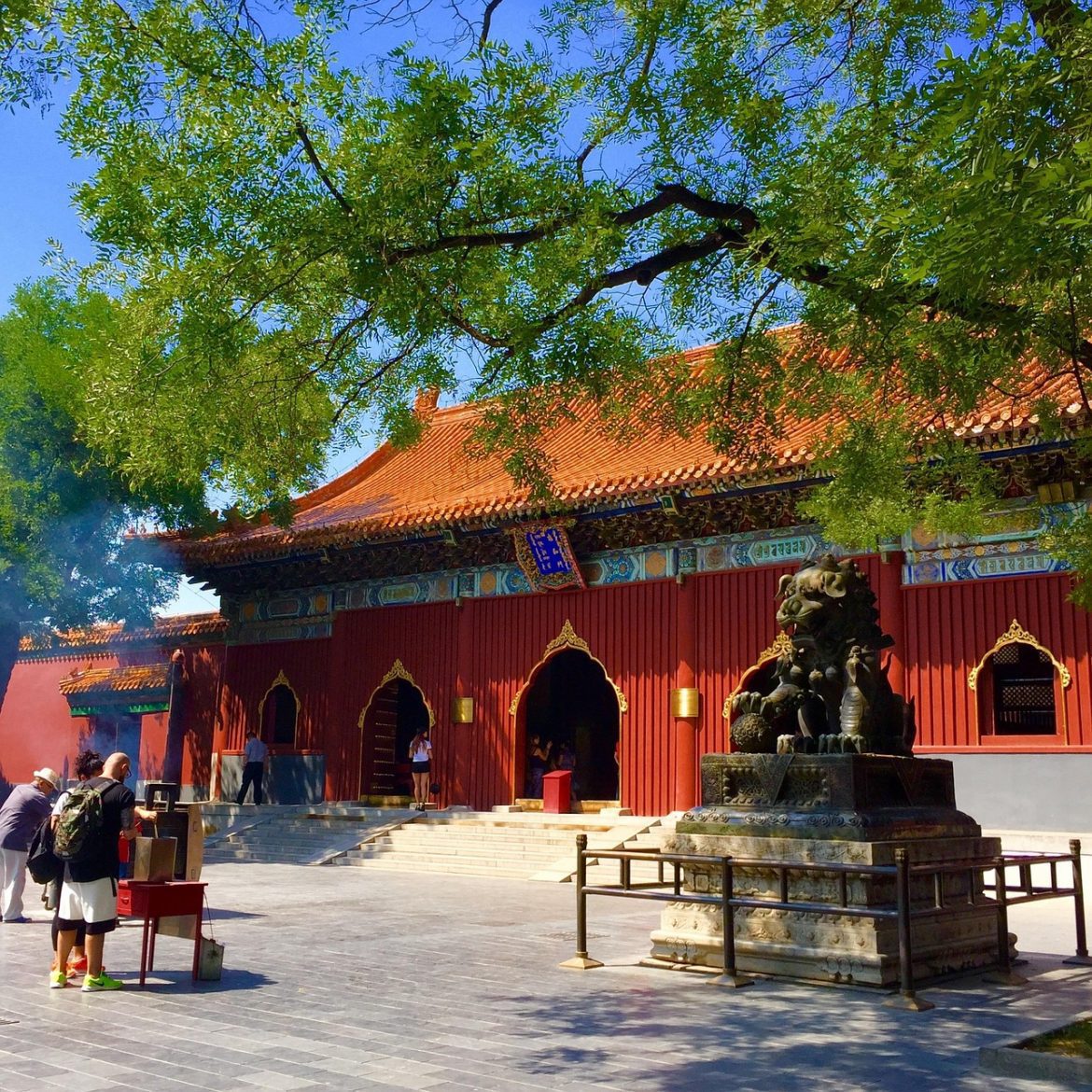
As you explore, notice how the architecture blends traditions: Han decorative structure, Tibetan iconography, and precise imperial symmetry. Even before you reach the main sanctuaries, you can feel how this temple in Beijing holds both politics and prayer in one crafted, steady rhythm.


Arriving at Yonghe Lama Temple station in Beijing, seeking harmony and peace.
Arriving in Beijing to find harmony and peace at Yonghe, stepping from city streets towards the temple gates
For anyone searching arriving at Yonghe temple in Beijing, Yonghegong Lama Temple station, the first few minutes are as important as the halls themselves. Imagine leaving Beijing traffic behind and stepping through the gate into harmony and peace, as if the air has been softened on purpose. This is the kind of adventure that rewards attention rather than speed.
A first breath moment inside the temple
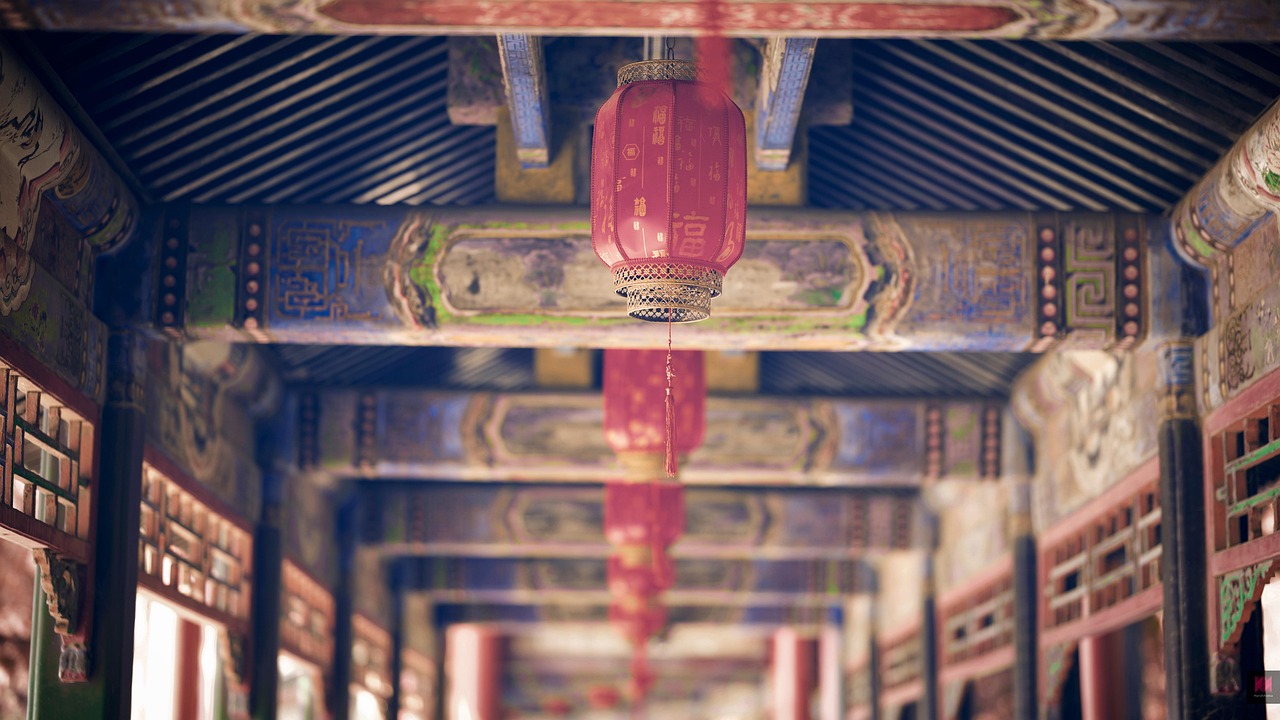
Travellers often describe a “first-breath” shift—city noise still present, yet oddly distant—while the courtyard settles the mind. You’ll see red walls, glazed tile roofs, and beams painted in layered colours that feel almost theatrical. Somewhere nearby, prayer wheels begin their quiet rhythm, and the experience becomes personal in a way that’s hard to manufacture anywhere else.
One visitor told us they felt a profound calm the moment they entered, pausing not for a photograph, but for a silent minute of reflection as the light changed across the stone. That small pause is the start of getting more from this temple than a checklist ever could.
Small etiquette cues that help you explore together
Yonghegong is welcoming, and a few gentle choices help you blend in with confidence. Keep voices low, step aside for worshippers, and move as though you’re sharing the space with someone else’s day—not just your own itinerary.
- Walk on the edges of the path if locals are queuing to pray, so the flow stays seamless.
- Hold phones and bags close to your body; hands-free feels more respectful and practical.
- If you’re travelling together, agree on a slow pace at the start—then you can design a quicker rhythm later.
From here, the temple draws you forward hall by hall, each threshold inviting a deeper kind of looking.
Things to see at the Lama Temple include the main halls, especially Wanfuge Hall and the Heavenly Kings.
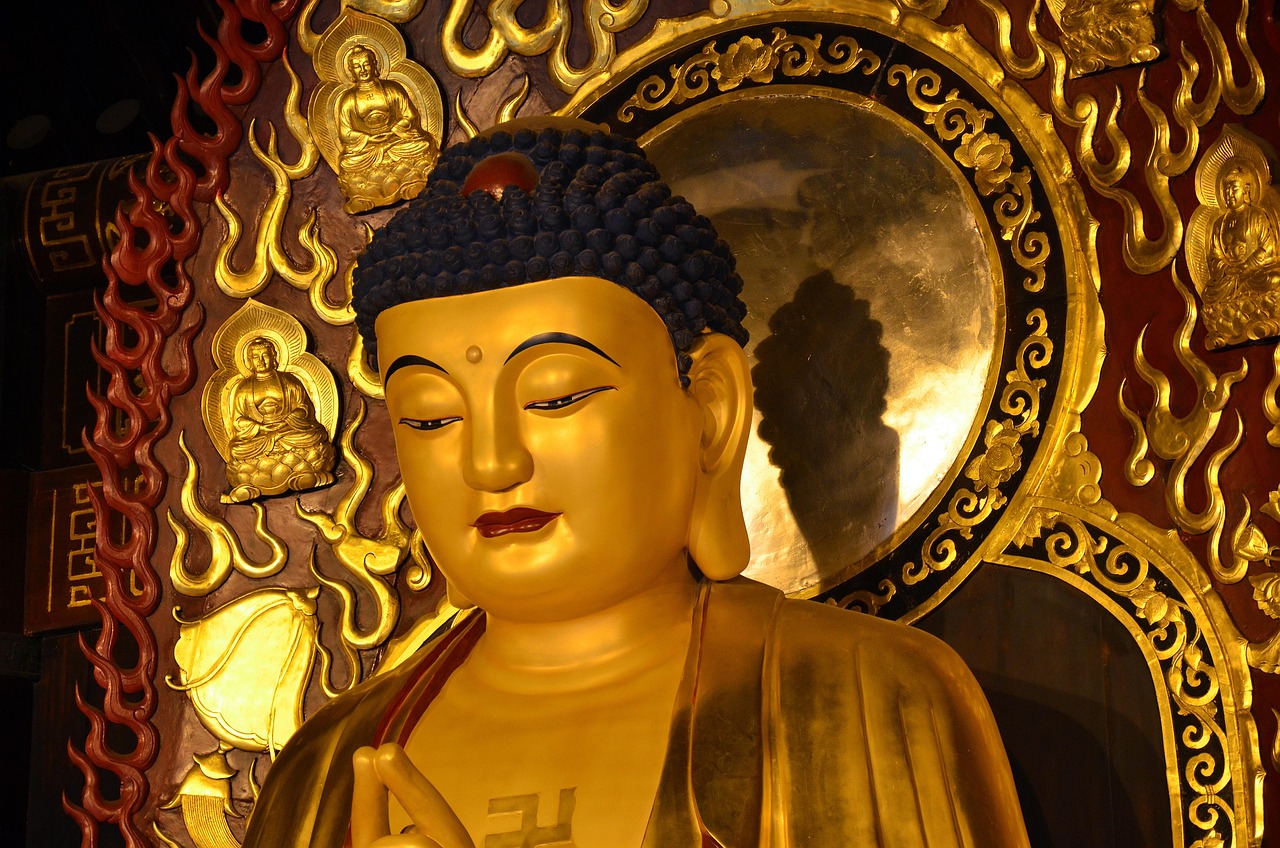
Things to see at the Lama Temple main halls, from the Hall of the Heavenly Kings to Wanfuge
If your search is for things to see in Lama Temple, Beijing, main halls, Wanfuge Hall of the Heavenly Kings, the most rewarding approach is to move front-to-back and let the scale build. This temple unfolds through five main halls, and the progression is designed—quite literally—to take you from public space into sanctuary with increasing quiet.
From the Hall of the Heavenly Kings into a deeper sanctuary
Your first major interior moment is the Hall of the Heavenly Kings, where the atmosphere shifts and the details become more intimate. Look closely for vivid murals, precise ornament patterns, and tiny statuettes tucked into layered displays. Each figure feels like a small lesson in attention, not just decoration.
As you continue, you’ll sense the main palace structures aligning in a straight ceremonial axis. Watch how light lands on painted beams and carved brackets—there’s a choreography to the shadows that changes as clouds move across Beijing’s sky.
Falundian and the wheel of the law moment
Next comes the Hall of the Wheel, also known as Falundian. Here, the idea of the wheel of the law (or dharma) becomes tangible: prayer wheels, low chanting, and ritual soundscapes create a feeling that is both grounded and elevated. If you’re lucky, you may hear instruments that seem to mark time differently, asking you to slow down and simply observe.
Within the sequence of main halls, you’ll encounter revered images associated with Sakyamuni and other sacred figures, and you may see references to Bhaisajya-Guru alongside other buddhas. Even if you don’t know each name, you can still read the mood: a space built for devotion, not performance.
Then you reach Wanfuge, the Pavilion of Ten Thousand. At the centre of the hall stands the statue of maitreya—a towering buddha statue that is engraved in memory the moment you see it. The statue is a 26-metre Maitreya, carved from sandalwood (famed as white sandalwood), and often introduced as a Tibetan Buddhist temple outside Tibet—an astonishing example of sacred art outside of Tibet.
Use a few visual anchors to stay present: the bronze incense burners, painted pavilion layers, and the subtle gleam of three bronze elements that catch the light as you step from threshold to threshold. This is “things to see” as felt experience, not just sightseeing.
Ceremony, incense, and meeting lamas at Yonghegong Lama Temple for Buddhist incense meditation.
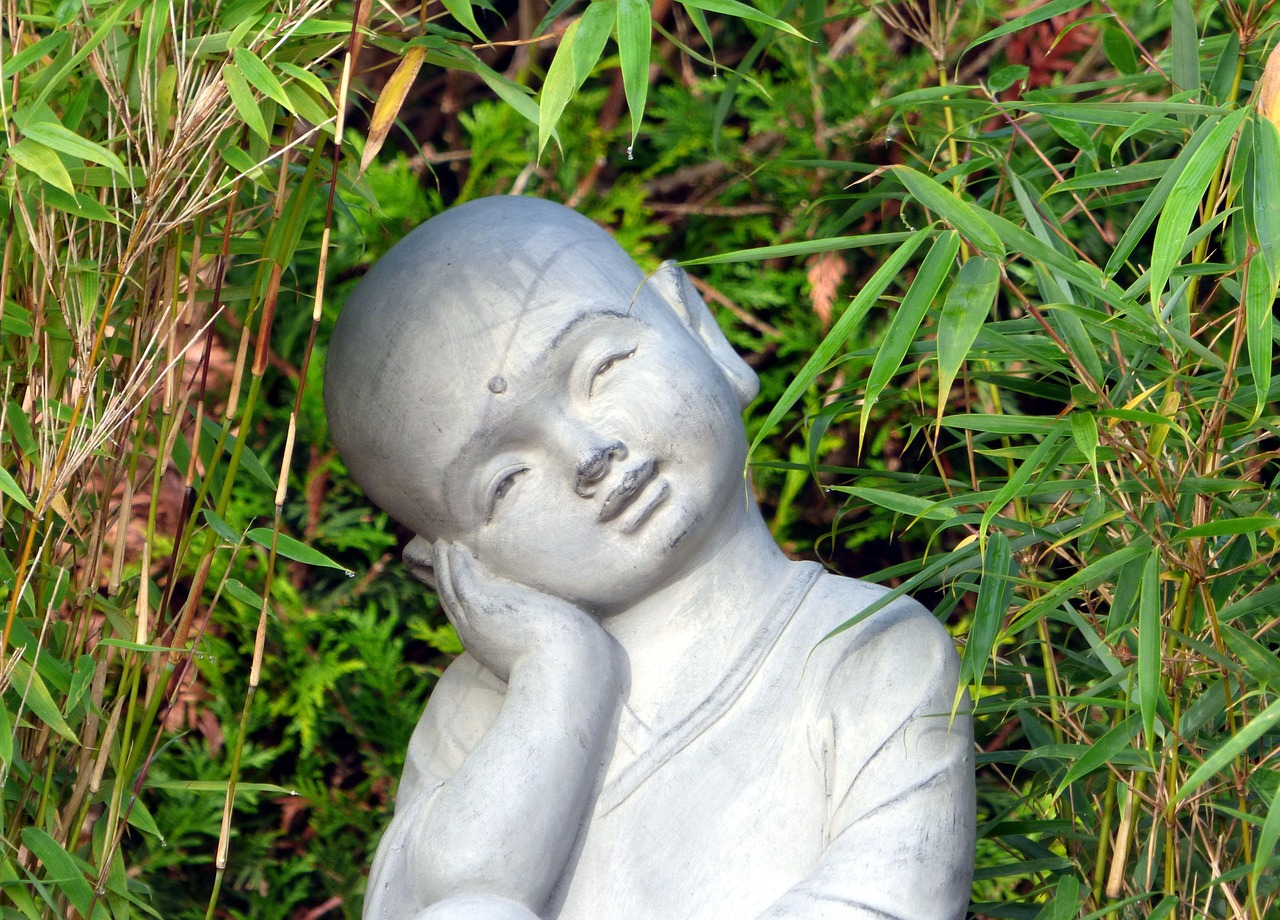
Ceremony, incense and meeting lamas in the temple at Yonghegong in Beijing
For travellers looking up Buddhist ceremony, incense, and meditation at Yonghegong Lama Temple, Beijing, the reassuring truth is that you don’t need to “know the rules” to be respectful. You simply need to give space, watch first, and follow the local rhythm. This temple is active, and that living quality is what makes it so moving.
How to witness ceremonies with trust and quiet confidence
If a ceremony is underway, stand to the side rather than in the centre, and allow devotees to pass without interruption. A gentle bow is enough; if you’re unsure, pause and mirror what locals do. There are moments when stillness feels like the most supportive thing you can offer.
- If you choose to take part, accept incense calmly and avoid waving it for effect; treat it as a simple gesture of respect.
- Stay mindful of quiet zones, especially near chanting or meditation, and avoid loud talk.
- Step back after your moment at the shrine so others can approach without feeling pressured.
One visitor recounted lighting incense for good luck and feeling a deep connection to centuries-old traditions—less like “doing an activity” and more like joining a human line that stretches back through time. That kind of insight often arrives quietly, then stays with you.
Meeting a lama and glimpsing monastic life
In and around the quieter quarters, you may see a monk walking with an unhurried focus, or notice entrances that lead towards monastic rooms. While the monastery areas aren’t a performance space, they offer a glimpse of continuity—how practice is carried day to day. An adventurer once shared how Tibetan monks answered their questions with kindness, offering a simple perspective that made the art and ritual feel less distant.
Photography is often allowed in open areas, but avoid flash near religious artefacts and watch for signage. If you’re seeking a respectful portrait moment, focus on architecture and detail rather than people at prayer; it’s a small choice that preserves trust.
Create a seamless plan for visiting Yonghegong Lama Temple in Beijing, with an entry fee of 25 CNY, accessible via subway lines 2 and 5, exit C.
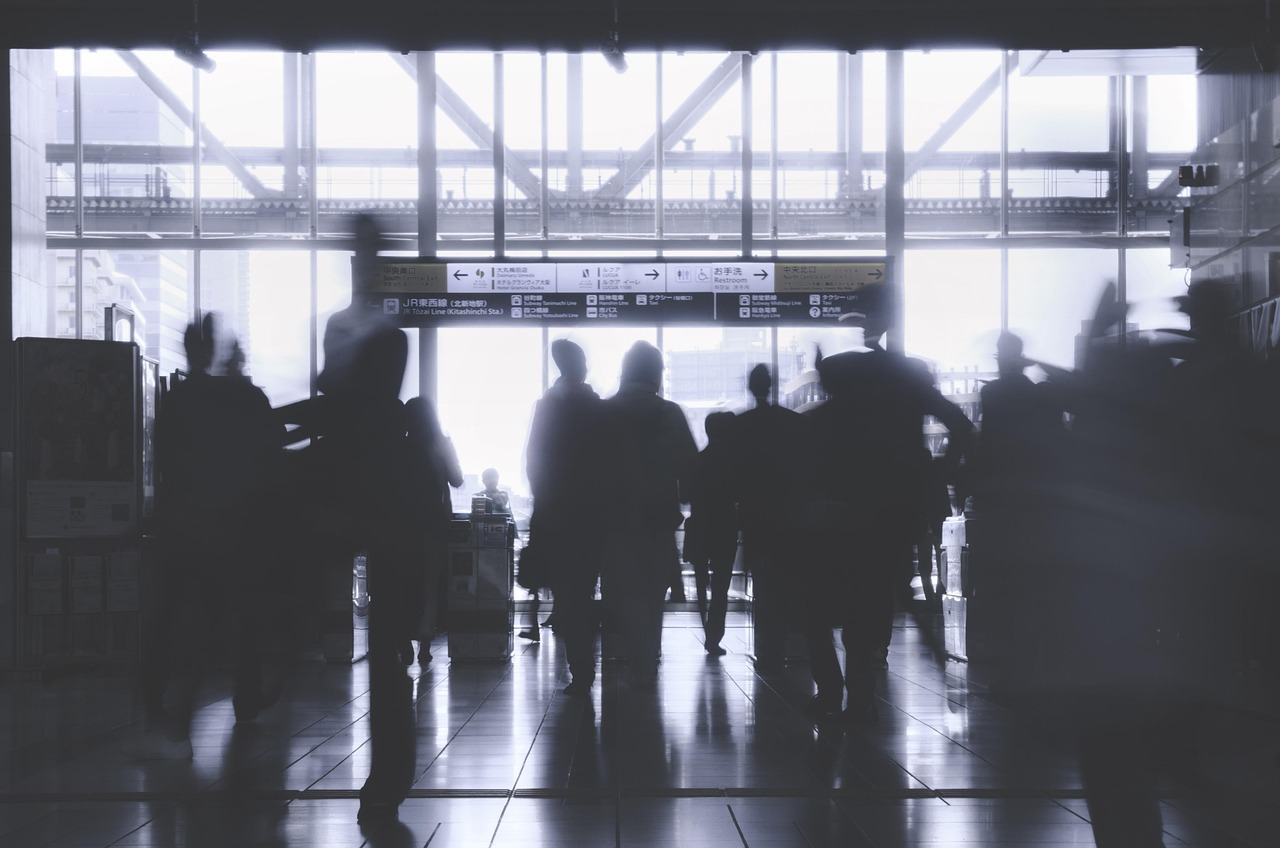
Create a seamless plan for this temple in Beijing with entry fee, subway access and accessibility tips
If you’ve been searching for the Yonghegong Lama Temple entry fee, 25 CNY, subway line 2, line 5, exit C accessibility, here’s the crafted planning layer that makes the visit feel effortless. This is a high-reward stop with low friction: affordable entry, straightforward transport, and a layout that supports both first-timers and seasoned cultural travellers.
Practical essentials for a calm, confident visit
The entry fee is typically around 25 CNY, with discounts often available for students and seniors. Bring a small amount of cash for donations or to buy incense, and keep it separate so you’re not rummaging through your wallet in a crowd. The best time to visit is weekday mornings, when you’ll have more breathing room near key shrines and the courtyard gardens feel genuinely serene.
- Wear modest clothing; shoulders and knees covered is a safe, respectful default.
- Photography is generally fine, but avoid flash and never block a prayer line.
- Carry water, especially in warmer months, and plan a quiet pause after Wanfuge to let the experience land.
Transport, access and guided support
For transport, take the subway: take subway line 2 or line 5 to Yonghegong Lama Temple Station, then follow the signs from exit C for a short walk. The route is well-signposted, and it’s one of the easiest cultural landmarks to reach without a car.
Accessibility is strong for a historic site: wheelchair access with smoother surfaces throughout key areas, though some thresholds may require a little patience. If you want deeper context without feeling rushed, guided tours in multiple languages can add expert clarity—especially around iconography, hall functions, and the blend of imperial and Tibetan influences.
Above all, remember this: respectful curiosity is welcome here. A calm presence is your best ticket into the temple’s deeper atmosphere, and it keeps the visit seamless for everyone.
Design a Beijing adventure day including Yonghegong, Lama Temple, Forbidden City, Temple of Heaven, Summer Palace, and Great Wall.
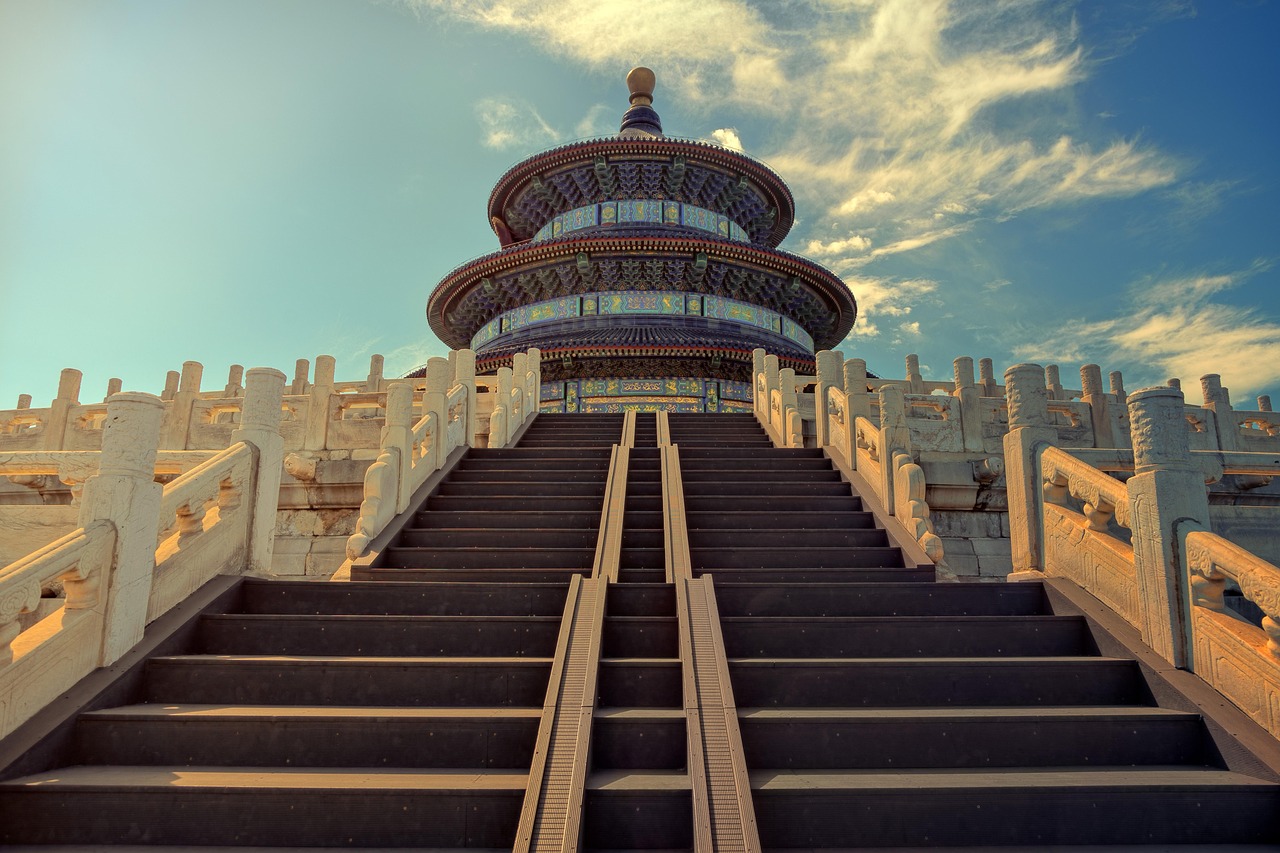
Design an adventure day around Yonghegong in Beijing with iconic highlights beyond the Lama Temple
For readers planning a Beijing itinerary, the smartest approach is to pair morning stillness with one bold afternoon statement: Lama Temple, Forbidden City, Temple of Heaven, Summer Palace, and Great Wall. Start at the Lama Temple when your attention is fresh, then choose a single “big Beijing” highlight so your day feels expansive, not exhausting. It’s an adventure strategy that balances cultural depth with adrenaline.
Choose one iconic pairing after Yonghegong
After a calm morning, Beijing’s grand scale lands differently—you notice details rather than just size. Pick the experience that matches your energy and the season, then commit to it with unhurried confidence.
- The Forbidden City, for its imperial scale and that unmistakable sense of history held in stone and space.
- Temple of Heaven for ritual geometry and an easy, contemplative walk through open parkland.
- Summer Palace for lakeside wandering and a softer, scenic kind of exploration.
- Great Wall for an iconic hike—especially satisfying if you want your Beijing story to include real exertion and wide horizons.
Pacing, comfort and travelling together
If you’re travelling with friends or a partner, build a rhythm that lets different styles coexist. Agree to meet points after quiet solo moments, then rejoin for shared photos and reflections; it keeps the day feeling together without forcing an identical pace. For safety and comfort, keep valuables close in crowded areas, carry water, and schedule breaks so the experience stays personal rather than rushed.
If you’d like to explore China beyond the capital with the same balance of comfort and curiosity, our Trip gallery is a thoughtful place to start designing your next trip.
F.A.Q. about the Lama Temple in Beijing, China
F.A.Qs: Lama Temple, Beijing, China, for planning a respectful Yonghegong visit
Is the Lama Temple in Beijing worth visiting?
Yes—especially if you want a cultural experience that feels genuinely spiritual as well as visually stunning. Many travellers feel an immediate sense of calm inside the temple, and the 26-metre Maitreya statue alone is unforgettable. Go on a weekday morning for the most peaceful atmosphere, and take your time in the main halls.
What is the Lama Temple in Beijing?
Lama Temple, also known as Yonghegong, is a major Tibetan Buddhist temple complex in Beijing. It began as an imperial residence and later became an active lamasery, connecting spiritual life in the capital with traditions linked to Tibet and Mongolia. Today, it’s a welcoming place to observe rituals, art, and daily devotion with respectful curiosity.
How old is the Lama Temple in Beijing?
The complex dates back to 1694, when it was first built during the Qing dynasty. It later gained greater significance around 1722 and was expanded in major phases, including work completed in 1744 under imperial patronage. Visiting with that timeline in mind helps you feel the layers of palace history and religious life in one place.
Is the Lama Temple in Beijing free?
No, there is usually an entry fee, and it’s typically around 25 CNY. Discounts are often available for students and seniors, and it’s wise to carry a little cash for entry, small donations, or incense. The cost is modest for the depth of art, architecture, and atmosphere you’ll experience inside.
Reflection on what remains with you after visiting Yonghegong Lama Temple in Beijing, China.
For anyone who searches for the Yonghegong Lama Temple in Beijing, China, reflection after they’ve been there is usually because the experience lingers in a way that feels unexpectedly intimate. The memory isn’t only visual; it’s the hush after prayer, the soft percussion of footsteps, and the steady gaze of a Buddha that seemed to ask nothing from you except presence. Even in Beijing, where life moves quickly, this temple makes space for gentleness.
The quiet details you carry into the rest of China
Days later, travellers often remember the light shifting across a pavilion beam, or the moment they stepped aside to let a local devotee pass. They remember the calm near the Maitreya figure—not as spectacle, but as stillness. It’s as if the temple quietly teaches you to create a little inner room wherever you go next.
Trust, kindness and a timeless kind of attention
What stays, too, is the human touch: locals praying beside visitors, small gestures of courtesy, and the kindness of lamas answering questions without judgement. In that shared atmosphere, you realise that respectful travel is less about getting it perfect and more about showing care. And when the world feels loud again, you may find yourself returning—just for a moment—to that breath of incense and the sense of being held by history, with curiosity still gently awake.