Post Contents
- Longhua Temple in Shanghai, China history oldest temple in Shanghai with an oriental past
- How to visit Longhua Temple in Shanghai via Metro Line 11 at Longhua Station for a smooth trip.
- Longhua Temple’s Mahavira Hall in Shanghai features Buddha statues aligned on the central axis.
- Longhua Pagoda, seven-story octagonal gardens, Longhua Temple, Shanghai, China, at sunrise
- Longhua Temple Fair celebrates the Chinese New Year with a lunar festival chanting ceremony in Shanghai, China.
- F.A.Qs: Longhua Temple Shanghai travel questions
- Longhua Temple in Shanghai, China, is a spiritual oasis with a pagoda that evokes memories.
Longhua Temple in Shanghai, China history oldest temple in Shanghai with an oriental past
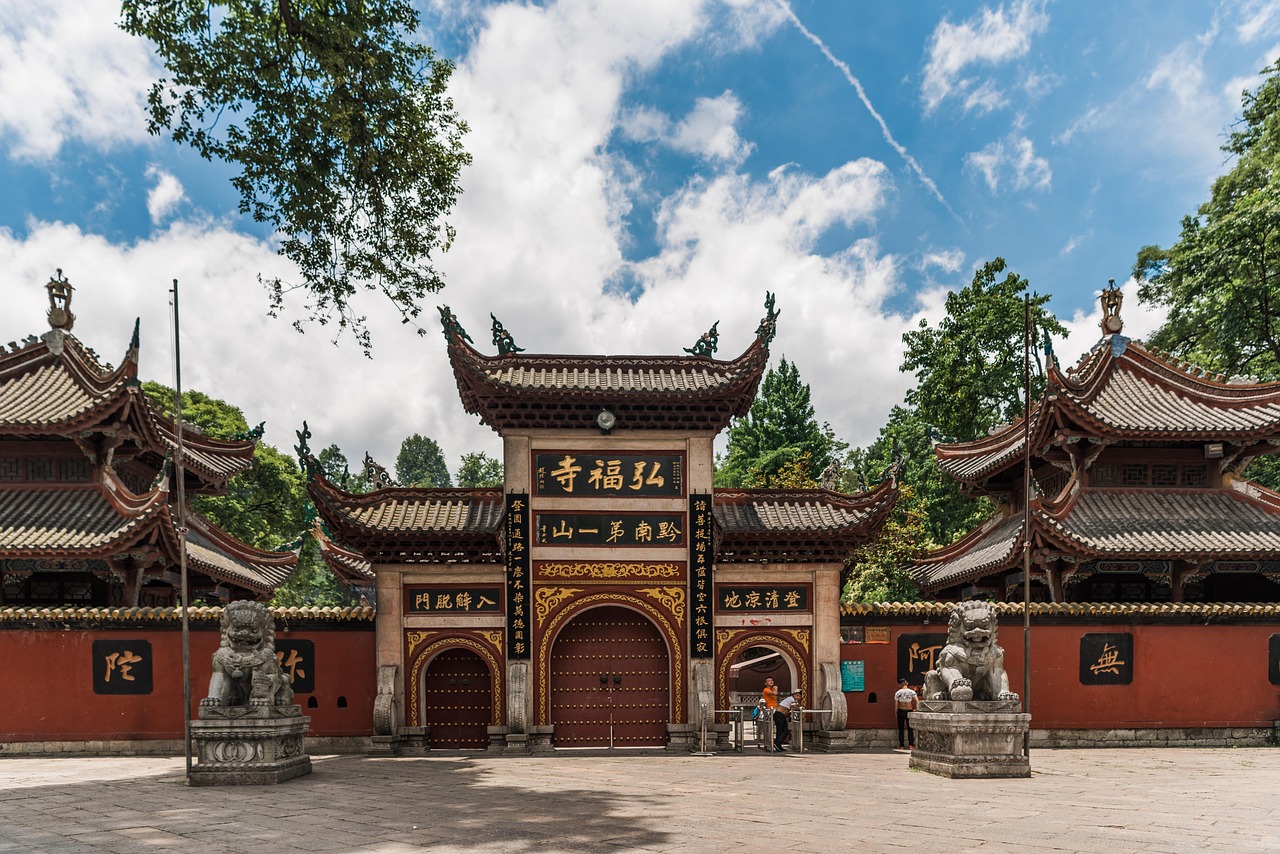
Longhua Temple, the oldest temple in Shanghai, has an oriental past
Longhua Temple in Shanghai China history oldest temple in Shanghai is the phrase you’ll find in guidebooks, but it doesn’t capture that first, personal shift. I’ve watched travellers arrive slightly windblown from a day of exploring Shanghai, then step through the gate and instinctively lower their voices. The temple is one of those rare city sanctuaries where your shoulders drop before you even decide to relax.
Set in Xuhui District, the Shanghai Longhua Temple complex feels like an ancient Chinese pause button, pressed gently against modern Shanghai’s bright tempo. The light changes the mood: in the morning, the surfaces read crisp and contemplative; in late afternoon, everything turns warmer, as if the timber and stone are remembering old stories.
First built in 242 AD, and built during the Three Kingdoms
Longhua Temple has a long history that begins with a simple, awe-inspiring fact: it was first built in 242 AD during the Three Kingdoms period. Many locals will tell you it was built during the three kingdoms, and that origin still shapes the way the site is respected today—less as a museum, more as a living place of devotion.
Like much of China’s sacred architecture, it carries layers. It was renewed across Tang-influenced areas, then held and reshaped through the Song dynasty, and later saw significant work in the Ming dynasty before receiving further attention in the Qing dynasty. You don’t need to memorise dates to feel it; you simply sense continuity—quietly resilient, elegantly maintained.
It sits near Longhua Road and the old street atmosphere
On the map, you’ll find it near Longhua Road, not far from the Huangpu. If you’re coming from the Bund, imagine swapping riverfront grandeur for neighbourhood texture in under an hour, then landing somewhere that feels unexpectedly rooted. Outside the temple, the nearby lanes can carry a subtle old street character—snack stalls, local life, and that Jiangnan sense of water-town gentleness, even in a huge city.
Longhua Temple is the oldest and the largest; it’s the largest temple in Shanghai by scale and presence. For many visitors, the temple is the oldest they encounter here, and the largest temple experience that still feels intimate once you slow down.


How to visit Longhua Temple in Shanghai via Metro Line 11 at Longhua Station for a smooth trip.
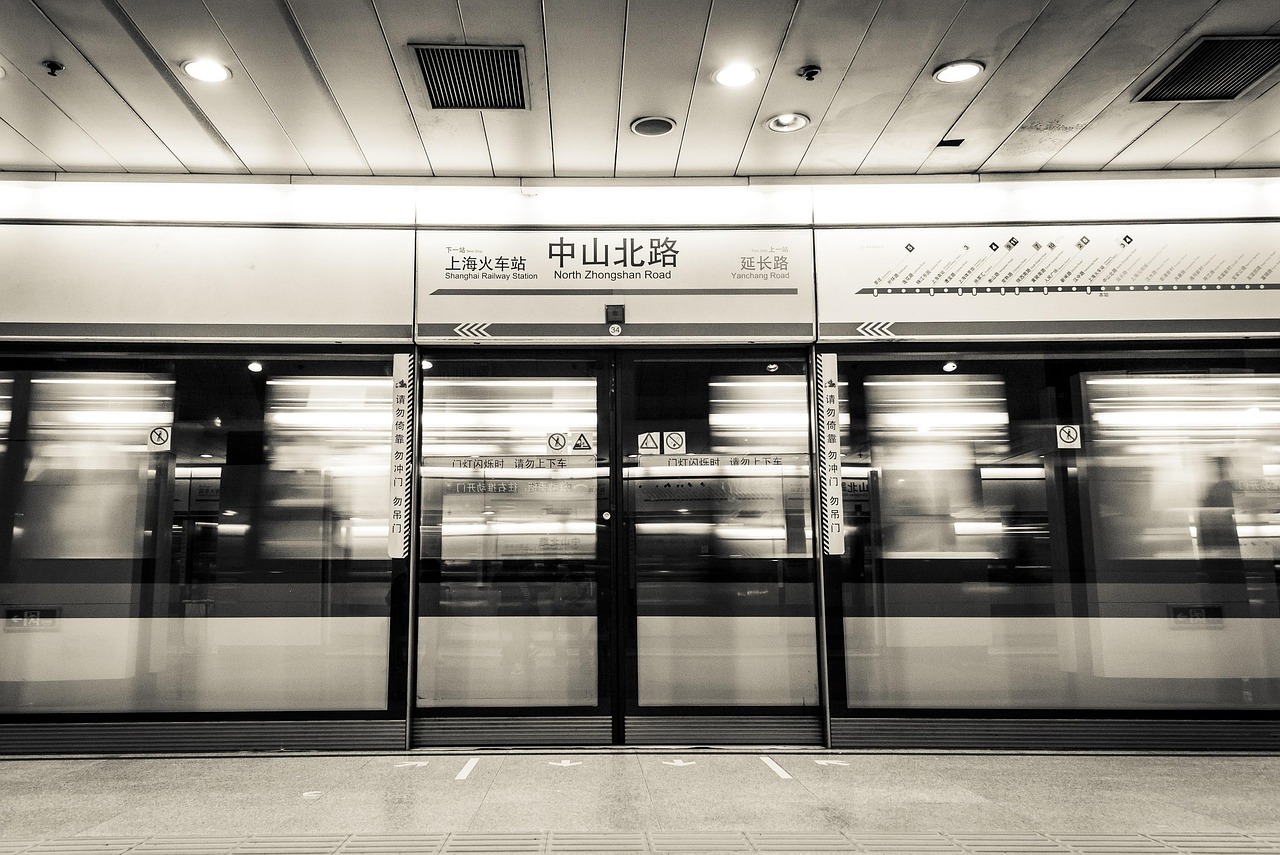
Temple in Shanghai logistics via metro to Longhua Temple Station
Visiting Longhua Temple in Shanghai, China, on metro line 11, Longhua Station, is refreshingly straightforward, even if this is your first visit to Shanghai. The most seamless route is via the metro: take metro line 11 (line 11) to Longhua Temple Station, which is well-marked and traveller-friendly. If you’re connecting across town, line 12 also links in, making the approach feel designed rather than improvised.
For clear wayfinding, aim for exit 2. From there, it’s a short, easy walk along Longhua Road, with plentiful signage in English and Chinese to keep you oriented without needing to hover over your phone.
At the metro station, you may spot a QR code on local information boards for maps or updates; if you prefer analogue, the directional signs are usually enough. I find this is where adventure seekers can relax: you’re still in the city, but the logistics feel supportive rather than stressful.
Tickets, costs in RMB and timing to avoid crowds
Entry is modest—often around 10–20 RMB (yuan), with optional add-ons for special exhibitions or a guided tour if you’d like deeper expert insight. If you want softer light and a more personal experience, arrive early, before group tours settle into the courtyards.
- Comfort: wear comfortable shoes; the temple grounds are best explored slowly.
- Wellbeing: stay hydrated, especially in summer heat.
- Flex: if plans shift, bus 41 can be a useful backup route.
If you’d like to design a wider cultural day in China, you can browse our Trip gallery for crafted ideas that balance calm landmarks with city energy.
Longhua Temple’s Mahavira Hall in Shanghai features Buddha statues aligned on the central axis.
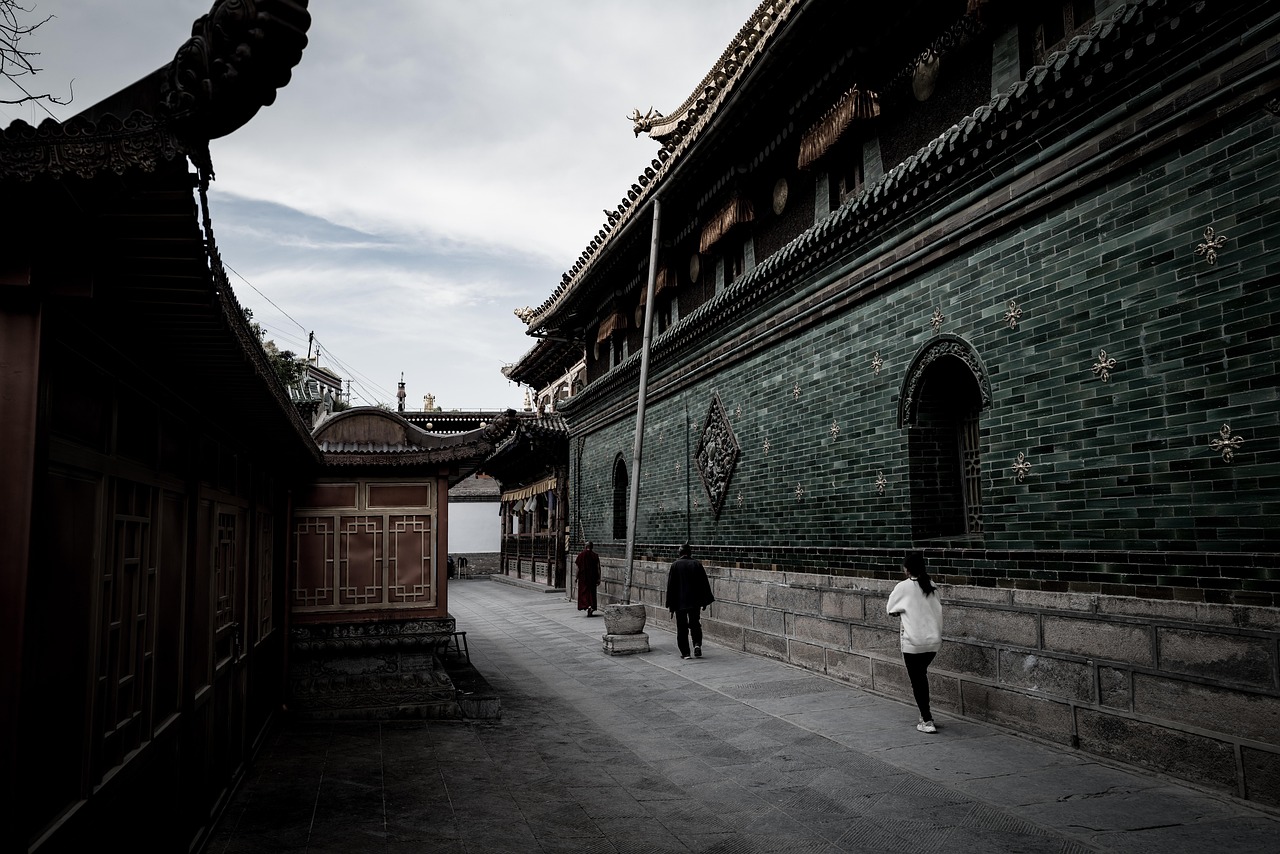
Explore Longhua Temple’s halls, statues, and the central axis
Longhua Temple’s main hall, Buddha statues, Bodhisattva Mahavira Hall, Shanghai, China, sounds like a checklist, yet the real pleasure is moving slowly and letting details reveal themselves. The site is laid out on a central axis, and as you walk, symmetry becomes a kind of quiet guidance—thresholds, steps, and pauses that encourage you to look inward as well as around.
Take your time in the courtyard, noticing the roofline eave shadows and the fine carving in timber and stone. This is where Longhua Temple rewards a high-end traveller’s eye: texture, craftsmanship, and restraint—luxury expressed as patience.
Maitreya Hall, main hall, and Mahavira Hall, with the Shanghai Longhua Temple context
Start with Maitreya Hall, then continue towards the main hall and the Mahavira Hall. Each hall carries a slightly different emotional temperature—welcoming, then solemn, then luminous—without needing you to “understand” anything to feel it. When you see Longhua Temple, allow yourself to stand to the side for a moment, as a pilgrim might, and watch how locals move with trust and familiarity.
Further on, the Three Sages Hall offers another shift in atmosphere, and it can be an unexpectedly moving place to simply breathe. If you’re photographing, do so with care: it’s usually fine, but avoid flash near artefacts.
Bell tower, drum tower, and incense etiquette with confidence
Listen for the bell tower’s bell and notice how it changes the rhythm of the space. Nearby, the drum tower adds depth to the soundscape, creating a ceremonial pulse that feels both ancient and present.
If you choose to offer incense, follow what locals do: move calmly, keep gestures simple, and don’t worry about perfection. A small, respectful attempt is often met with gentle acceptance, and it can turn sightseeing into insight.
Longhua Pagoda, seven-story octagonal gardens, Longhua Temple, Shanghai, China, at sunrise
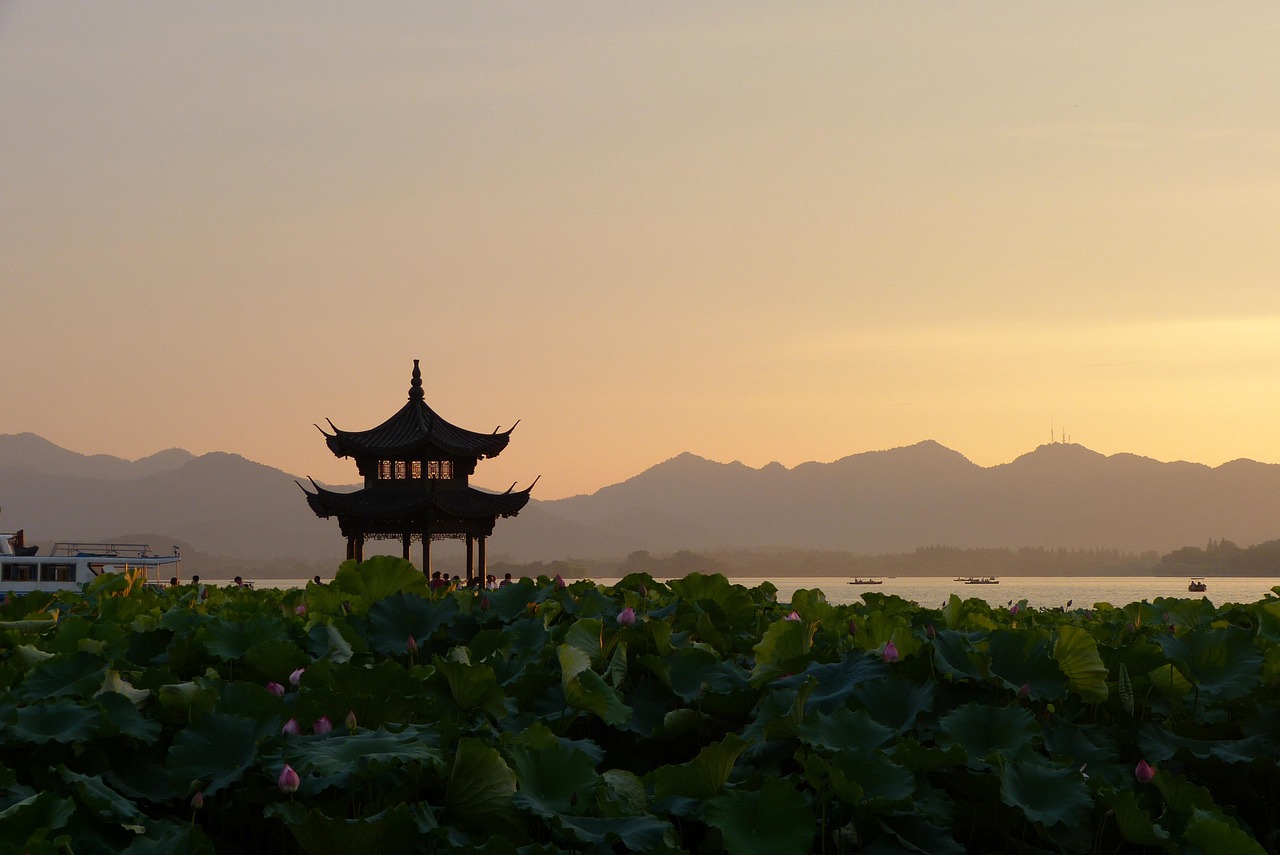
Longhua Pagoda sunrise walks and peach blossoms in the gardens
Longhua Pagoda, the seven-storey octagonal gardens, and Longhua Temple in Shanghai, China, are the chapter many travellers remember most vividly. The Longhua Pagoda rises in a seven-storey silhouette, octagonal and poised, and it holds your attention the way a lighthouse does—quietly, without asking for it. Even with Shanghai’s skyline just beyond, this profile feels like cultural heritage made visible.
One solo traveller told me their most memorable moment was a sunrise loop around the pagoda gardens: the city still half-asleep, their footsteps soft, and a surprising sense of “adventure together with reflection” even while travelling alone. That’s the magic here—Longhua Temple offers both movement and stillness, without making you choose.
Spring and autumn comfort, late spring bloom, and peach blossoms
For comfort, spring and autumn are ideal, when the air feels clean, and walking is easy. In late spring, you may catch a gentle bloom, and locals will sometimes say “Longhua park is in full” to describe how the season colours the gardens. If you’re lucky, peach blossoms add a tender, fleeting brightness that photographs beautifully in soft light.
Photography angles, pacing, and the rebuild tradition
For the best angles, step back to include the pagoda’s full geometry, then move closer to frame details against sky and trees. Try to pause where you’re not blocking anyone’s path—particularly those arriving for quiet prayer.
There’s also a comforting historical thread: across centuries, elements have needed repair and rebuilding, yet the spirit remains consistent. It’s a reminder that continuity is sometimes crafted through careful renewal, not untouched preservation.
Longhua Temple Fair celebrates the Chinese New Year with a lunar festival chanting ceremony in Shanghai, China.
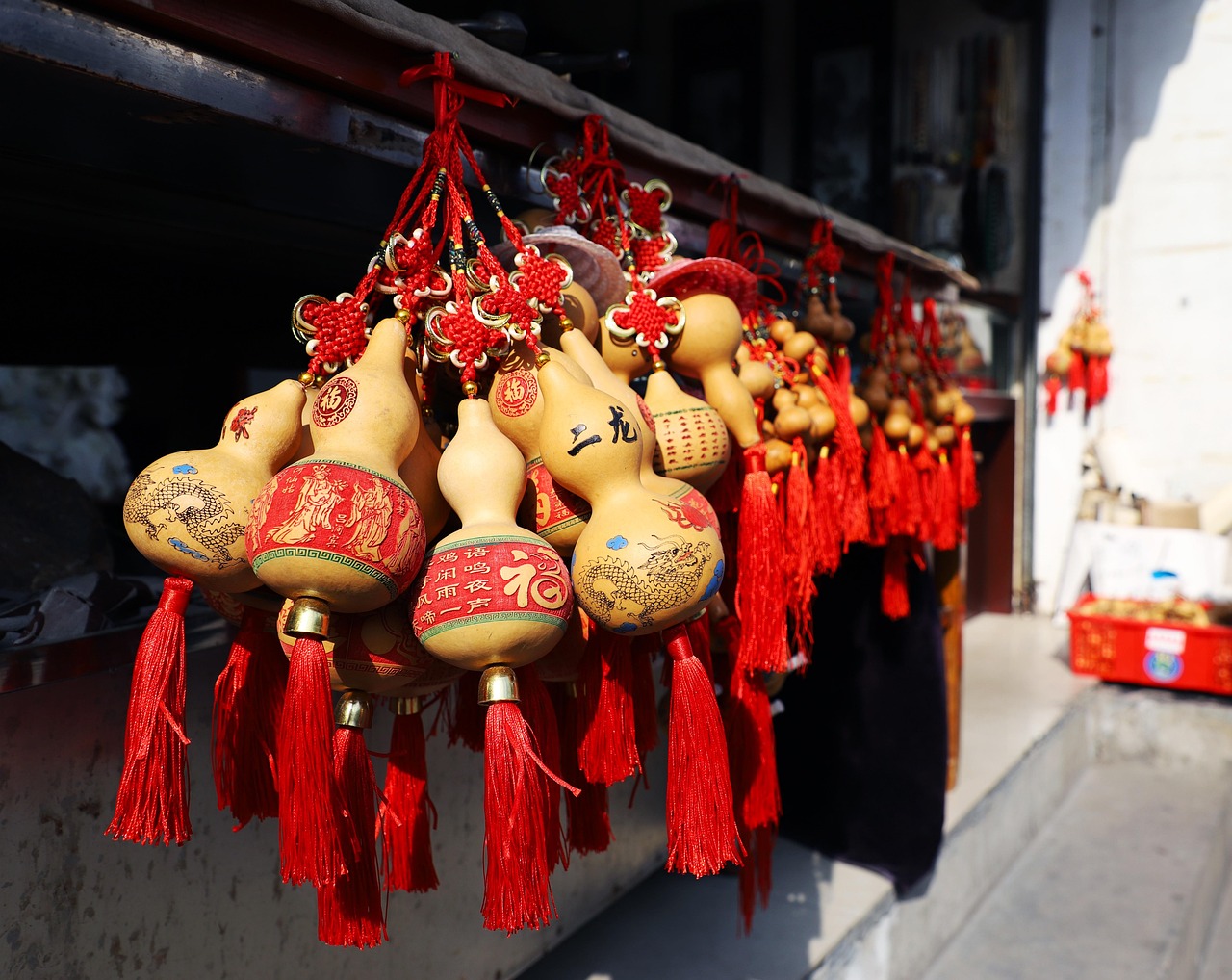
Buddhist ceremonies and the Longhua Temple Fair in the lunar season
Longhua Temple Fair Chinese New Year lunar festival chanting ceremony Shanghai, China, can sound intense, but it can be approached gently and respectfully. If you can, imagine arriving for an evening chanting ceremony: you stand slightly to one side, dress modestly, and follow the room’s pace rather than your own. Many visitors share how this is where Longhua Temple becomes not just beautiful, but deeply human.
A traveller once described the chanting as “profound tranquillity”, the kind that makes your thoughts slow down without force. You don’t need to be Buddhist to feel supported by the ritual—just present, quiet, and willing to learn.
Understanding the lunar calendar and the temple fair timing
Festivals here follow a lunar rhythm. Around Chinese New Year, the energy lifts: more visitors, more offerings, more colour. You’ll also hear references to the third lunar month in traditional fair timing, which can vary year to year—so it’s worth checking local listings if this is a key wish for your trip.
Temple fair tastes, performances, and respectful behaviour
During the temple fair, the atmosphere becomes joyful rather than hushed. Adventurers have told me they loved the traditional performances, the easy interactions with locals, and the street snacks that deliver instant, delicious insight into Shanghai’s festive life. It’s culture you can taste, hear, and feel—vivid, but still anchored by the temple’s calm centre.
- Behaviour: keep voices low in the halls and avoid interrupting ceremonies.
- Photography: Be mindful; step back if anyone looks uncomfortable.
- If unsure: simply watch a local for a moment, then mirror their pace with confidence.
Before you leave, try a short meditation—just one quiet breath near a doorway—so the visit becomes something you carry, not just something you tick off.
F.A.Qs: Longhua Temple Shanghai travel questions
Is Longhua Temple worth visiting?
Yes—Longhua Temple is worth visiting if you want a calm cultural landmark in Shanghai. It combines serene halls, historic architecture, and the Longhua Pagoda gardens, offering a reflective counterpoint to the city’s pace without demanding a full day.
What is the history of the Longhua Temple?
Longhua Temple was first built in 242 AD during the Three Kingdoms period, then renovated in later eras, including under Tang, Song, Ming, and Qing rule. Its layered past is part of why it still feels like a living sacred site.
Why is Lingyin Temple famous?
Lingyin Temple is famous for its dramatic setting in Hangzhou, its long-standing Buddhist heritage, and its rich artistic traditions, including carvings and statues. It’s often considered one of China’s most important temples, though it’s in a different city from Longhua Temple.
How do I go to Longhua Temple?
The easiest way is by metro: take Line 11 to Longhua Temple Station, and follow the signs to exit 2 for a short walk to the entrance. Line 12 also connects in the area, and taxis are widely available if you prefer door-to-door comfort.
Longhua Temple in Shanghai, China, is a spiritual oasis with a pagoda that evokes memories.
Longhua Temple, Shanghai, China, a reflection of a spiritual oasis, a pagoda memory is difficult to describe without reducing it to words. Yet what tends to stay is not the scale, or even the history, but a single small moment: the hush as you step over a threshold, or the way morning light rests on the pagoda’s outline as if it belongs there.
Long after you return to the city’s movement, you may notice that steadiness has travelled with you. The temple is one quiet reference point you can call up on demand—like a private room inside your mind—whether you’re walking beside the Huangpu at dusk or navigating a busy hotel lobby.
And perhaps that is the most personal gift: the discovery that adventure doesn’t always mean noise or speed. Sometimes it means trusting silence, letting local life brush past you tenderly, and realising you can move through the world with more care—together, or on your own—than you thought possible.
When you think of China again, let it be with curiosity rather than urgency, and allow the memory to unfold at its own pace.