Post Contents
- Ming Tombs, China – imperial tombs of the Ming dynasty in a serene valley landscape
- Touring the Ming Tombs from Beijing, China: bus or taxi, tickets, timing, and tour routes
- Sacred Way at the Ming Tombs – sunrise walk among guardians and stonework
- Changling Tomb at Tianshou Mountain – Ming dynasty mausoleum architecture and ritual spaces
- Dingling Tomb in Beijing – Wanli emperor, Emperor Zhu Yijun, and the descent below ground
- F.A.Qs: Ming Tombs, China
- What Stayed With Me After the Ming Tombs
Ming Tombs, China – imperial tombs of the Ming dynasty in a serene valley landscape
A ceremonial valley landscape of the Ming-era burial grounds
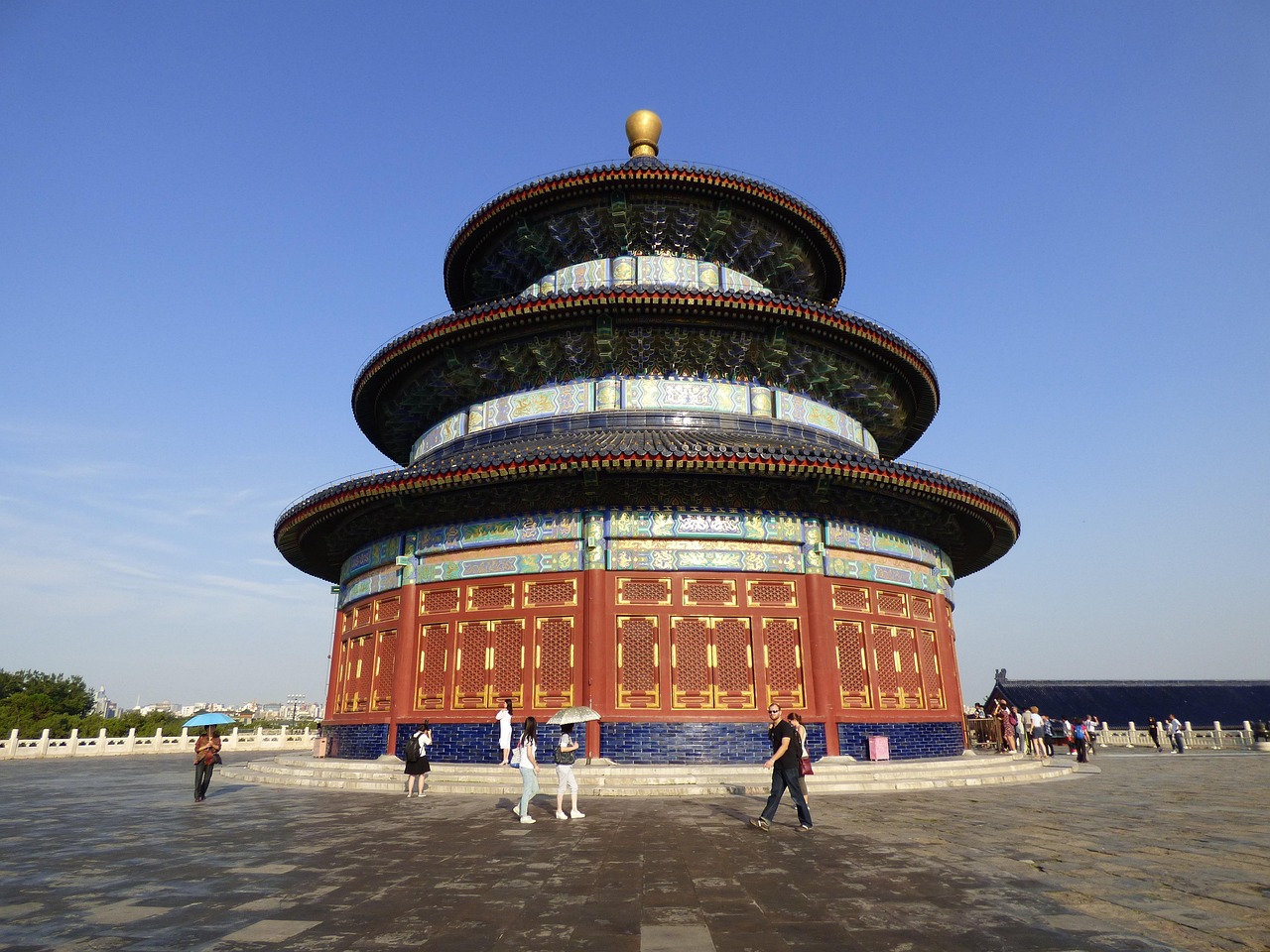
The phrase “Ming Tombs, China” can sound like a single stop on a map, but the reality is gentler and grander: a protected tomb landscape set amid scenic valleys north of Beijing. The Ming Tombs scenic area is a carefully planned ceremonial geography, where approach roads, water, slopes, and gates were designed to honour the dead and steady the living—an experience that can feel almost meditative after the city.
To put it in context without losing the mood of the day: the Ming dynasty began in 1368 and ruled China through extraordinary artistic achievements until the dynasty’s fall in 1644. Later, the Qing dynasty left its mark on how the capital expanded around these valleys, yet the atmosphere here remains remarkably contained—quiet, spacious, and restorative.
There are 13 tombs within the necropolis—often referred to as the 13 tombs or the 13 ming—built for 13 emperors, as well as their empresses and family members, forming one of China’s most significant groups of imperial tombs. You’ll hear names such as Changling, Dingling and Zhaoling, alongside Yongling, Xianling, Siling, Qingling, Maoling, Tailing, Deling and Yuling; not every tomb is equally accessible on-site, and a few are best understood with a guide rather than attempted as a rushed march across multiple tomb complexes. For historical context, these Ming dynasty tombs are associated with rulers remembered as Emperor Renzong, Emperor Xianzong, Emperor Xiaozong, Emperor Shizong (the 12th emperor, linked to Yongling), Emperor Guangzong, Emperor Xizong, and Emperor Sizong, among the broader line of the Ming emperors.
High-end travel doesn’t mean distance from culture; it means trust in the place and in your own pace. Keep voices low, avoid touching stonework or artefacts, and let the details come to you—weathering on a gate threshold, a line of trees, the way a single open court holds sound. These are heritage sites recognised for their world heritage value: UNESCO World Heritage properties on the World Heritage List, which help fund preservation and ask visitors to travel with care.
Think of the experience as an invitation to uncover a longer timeline, guided by local insight and steady expert stewardship. The best visits feel both personal and shared: your footsteps, a guide’s stories, and conservators quietly protecting human creative genius in stone—especially when you slow down for even a kilometer of unhurried walking.


Touring the Ming Tombs from Beijing, China: bus or taxi, tickets, timing, and tour routes
Practical planning: routes, tickets, and timing for a smooth day trip
If you’re planning a day trip to the Tombs of the Ming, start with the simple geography: from Beijing to Changping and the tomb valleys is roughly 50 kilometres. You can take a public bus for budget flexibility, a taxi for door-to-door ease, or a private driver for a seamless day with support for timing, photo stops, and comfort.
Season matters. Spring and autumn are the sweet spots—clear light, comfortable temperatures, and a sense of space that lets you imagine the ceremony that once filled these roads. If you want a quieter, more intimate tomb visit, avoid peak Chinese national holidays when crowds can blur the stillness.
Tickets vary by site, and combined tickets can make sense if you’ll be moving between multiple tomb areas. A commonly quoted reference is that entry at Dingling is around 20 CNY, but do check current pricing at the entrance, as fees can change by season and museum access.
From Sacred Way sunrise to the Great Wall: two calm-but-energising day itineraries
Two itineraries work beautifully for Adventure Seekers who still want calm, not chaos. First: a “Sacred Way sunrise” plan, designed for early light and fewer people. Second: a “tombs plus Great Wall” day that pairs the valleys with Badaling—an energising contrast of tomb silence and rampart scale that stays with you long after you’ve left.
- Sacred Way sunrise: arrive early, walk the Sacred Way first, then visit Changling and a quieter stop such as the Zhaoling tomb area.
- Tombs + Great Wall: start with the Sacred Way and one major site in the morning, then continue to the Great Wall in the afternoon (leave extra time for traffic).
Micro-planning for a seamless day in the tomb valleys
Design your timing with a bit of buffer, and you’ll feel confident all day. Wear comfortable shoes for extensive walking, bring water, and keep a light layer for shaded halls and gateways. If you’re travelling in a group, agree on a meeting point before entering each museum hall so everyone can explore at their own rhythm without stress.
If you’d like to browse curated itineraries that match comfort with cultural depth, you can start with our Trip gallery and build from there.
Sacred Way at the Ming Tombs – sunrise walk among guardians and stonework
Sunrise on the approach avenue of guardians
I still remember a traveller telling me that walking the Sacred Way at the Ming Tombs felt like stepping back in time. Along the sacred way, the air was cool and almost sweet, and the spirit way atmosphere—part procession route, part quiet threshold—made the centuries feel close.
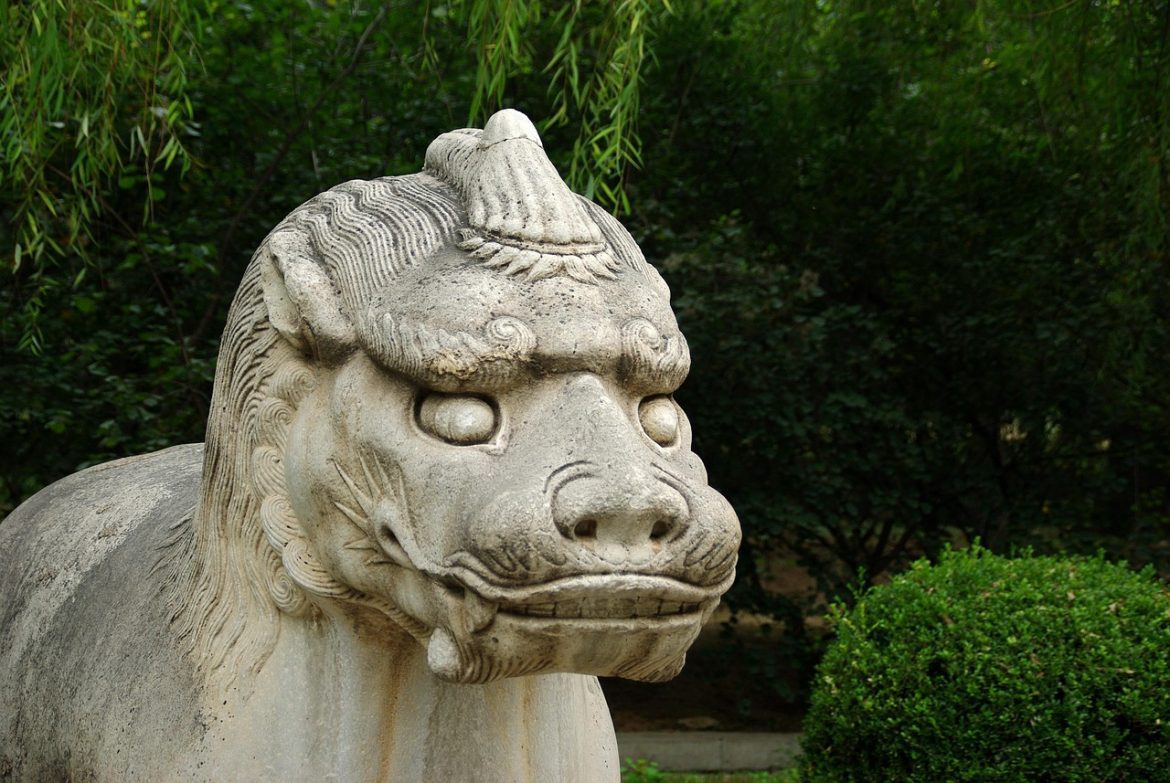
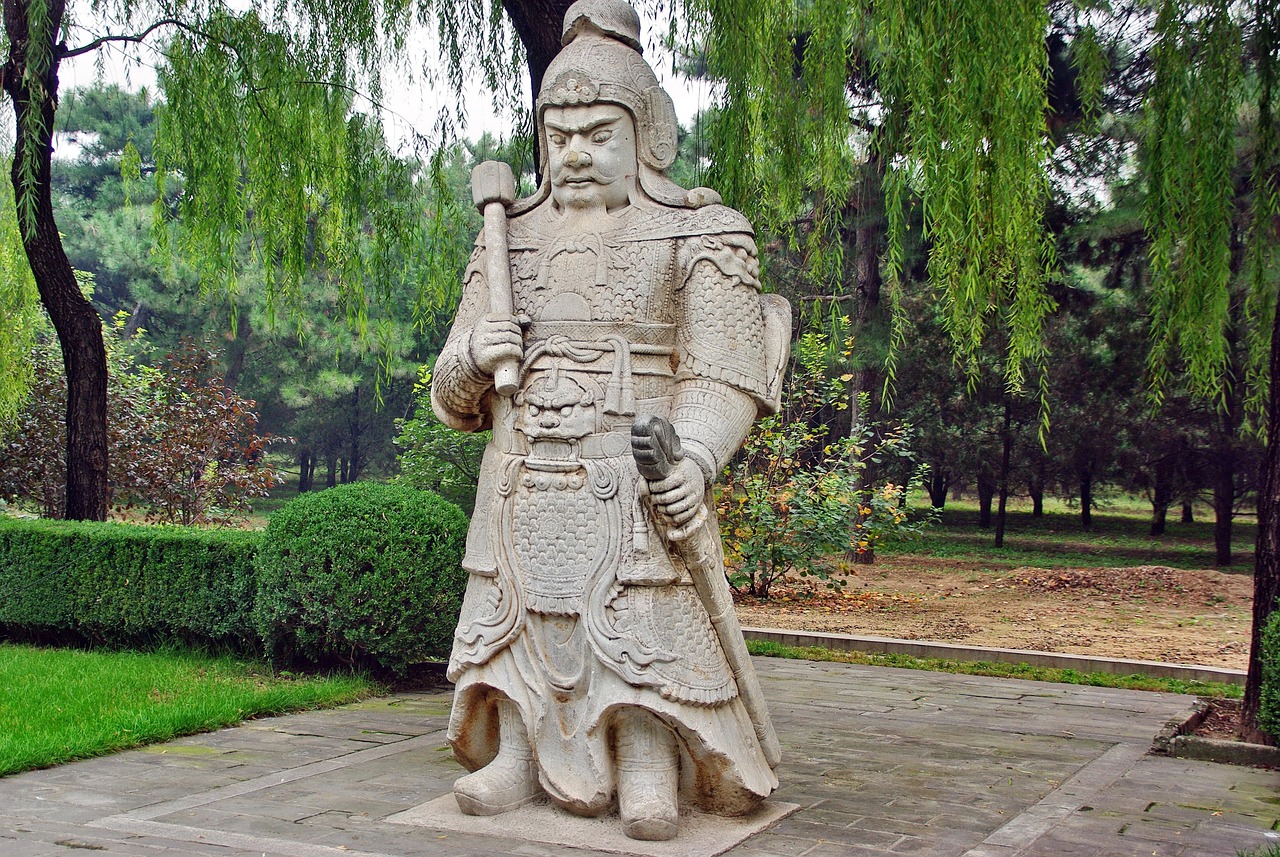
This is the ceremonial avenue that frames everything to come, and it deserves time. You’ll pass stone statues of animals and officials, plus the occasional carved statue detail that reveals subtle choices of posture and expression; the weathering is part of the story, not a flaw.
Along the Sacred Way: notice birdsong, small carvings, and the best preserved stillness
For Adventure Seekers, the thrill here is not speed but attention. Move slowly, listen for local birds, and let the morning light pick out edges and carvings. The hush can feel best preserved at daybreak, when even distant footsteps sound respectful.
- Pause at each guardian pair and notice symmetry versus small imperfections.
- Watch how the road gently guides your eye towards the tomb landscape ahead.
- Take photos, but let yourself stand still for a minute first—your memory will be sharper.
How to explore the Ming Tombs with care around statues
Please stay on the paths and resist the urge to climb for the “perfect shot”. Don’t touch carved surfaces—oils from hands can damage stone over time—and keep group noise low so the atmosphere stays intact for everyone. If you’re travelling with an expert guide or audio tour, ask why this approach matters: it’s not decoration, it’s the emotional threshold before any gate, hall, or burial chamber.
Changling Tomb at Tianshou Mountain – Ming dynasty mausoleum architecture and ritual spaces
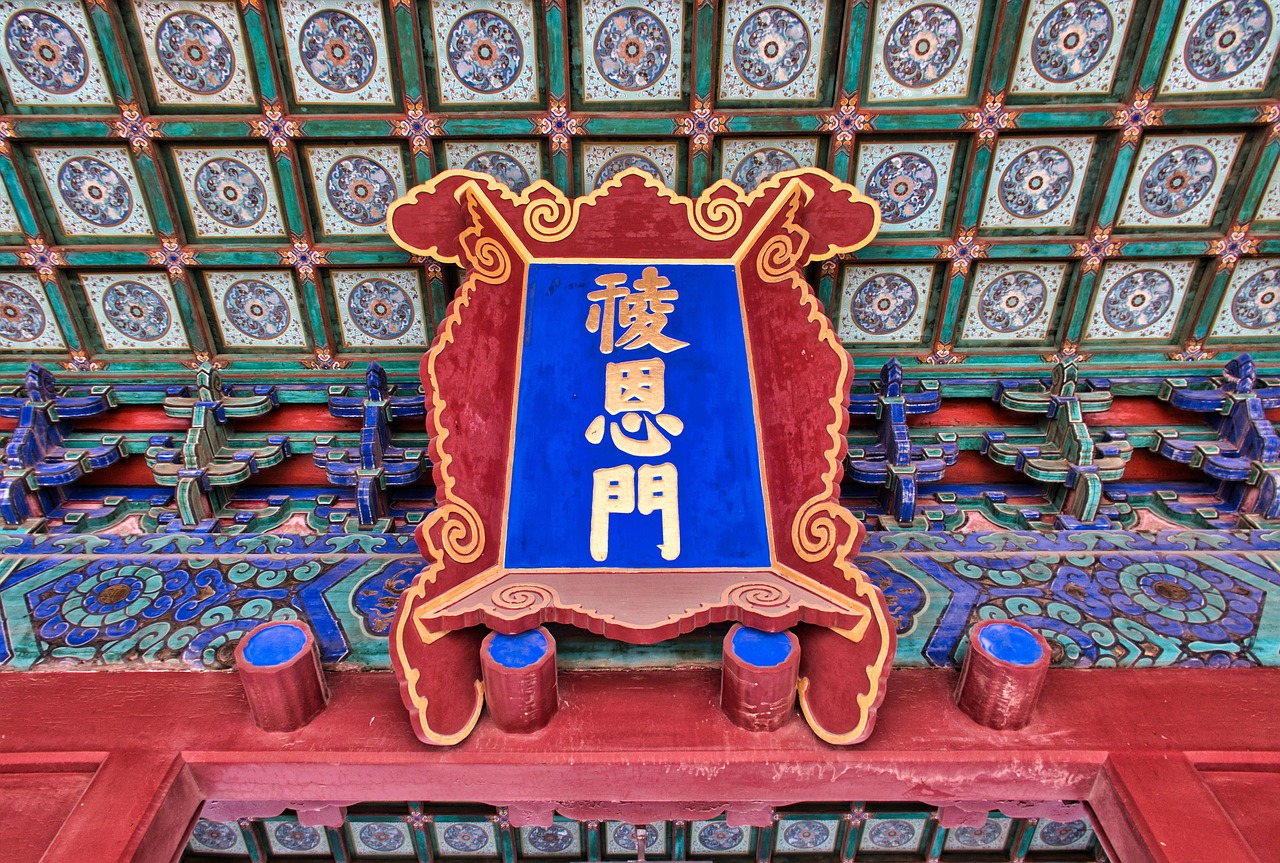
Changling: the ceremonial heart of the burial landscape
For travellers drawn to architecture, Changling is often the heart-stealer. It’s a grand mausoleum complex with a powerful sequence of gates and ceremonial spaces, culminating in a sense of scale that feels both imperial and strangely human.
The historical anchor is clear: Emperor Zhu Di, known as Yongle, the third emperor of the dynasty, commissioned this site, and it was built in 1409. When you stand in the main halls, you can feel how early-Ming confidence shaped the artistry and the ambition—formal, weighty, yet carefully proportioned for ritual movement.
Changling and Tianshou Mountain: reading the ceremonial sequence and hall layout
To “read” the design, watch how each threshold changes your pace. The open courts expand and narrow with intention, while the mountain forms a deliberate backdrop—nature used as a crafted stage set, not merely scenery. It’s a wonderful place to create a few quiet minutes, simply noticing how stone, timber, and sky meet.
It’s also a gentle place to ask about the people behind the title. Empress Xu is often mentioned in relation to Zhu Di’s court, and guides sometimes point out that funerary language honours not only a ruler but also the household that sustained him. One local guide even traced inscriptions that, in his telling, carried the titles of three empresses across the wider necropolis—a reminder that history is both record and interpretation.
Zhaoling tomb and quieter companions for space and reflection
If you have time and want something calmer after Changling, consider a short loop that nods to Zhaoling and the Zhaoling tomb area. Zhaoling can feel more spacious and contemplative—ideal when you want to explore without a constant stream of visitors.
And yes, there are legends. A local storyteller once spoke of secret passages and hidden treasures, the sort of rumour that makes you smile while staying grounded in archaeological reality. The truth is more interesting anyway: how people designed these tomb complexes to suggest eternity, and how time inevitably leaves its own signature.
Dingling Tomb in Beijing – Wanli emperor, Emperor Zhu Yijun, and the descent below ground
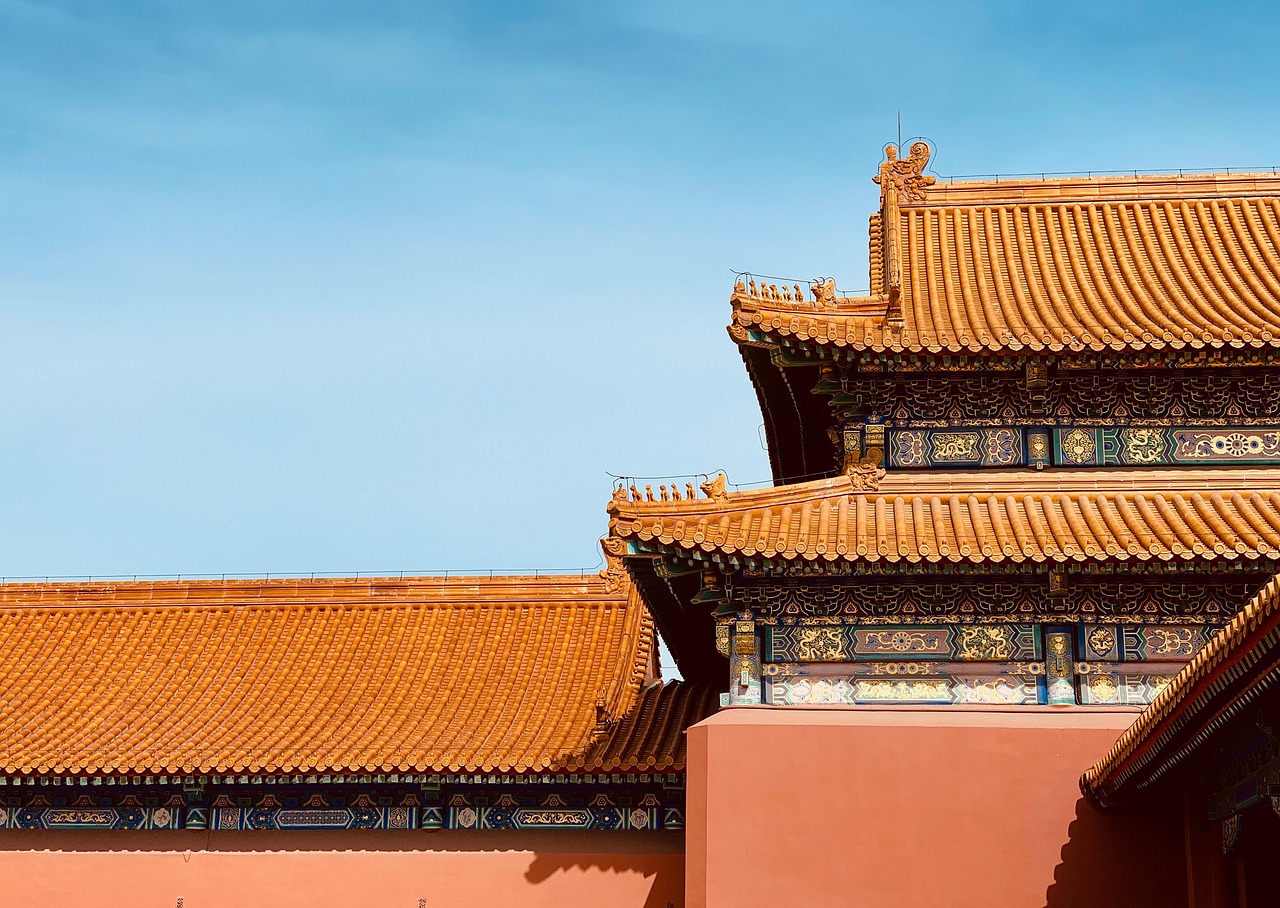
Descending underground: chambers, murals, and museum displays
The shift in mood is immediate at Dingling. After open-air walkways, you descend into the underground palace, and suddenly the tomb experience feels intimate, enclosed, and powerful—less landscape, more chambered time capsule.
Another visitor once described their fascination with the preserved rooms and the surreal feeling of exploring sealed burial spaces. If you feel nervous about enclosed areas, you’re not alone; go slowly, breathe steadily, and remember this section is designed for modern visitors with clear pathways and staff presence. This tomb is open to the public, but it remains a solemn environment, and your calm respect becomes part of the shared atmosphere.
How the excavation unfolded and what it taught conservators
Dingling is linked to the Wanli court and the burial of Emperor Zhu Yijun, with two empresses interred alongside him. Archaeologists chose to excavate this tomb to uncover knowledge about Ming burial practice and traditional Chinese court material culture, yet the excavation process also taught difficult lessons—once you expose a sealed world to air and light, preservation becomes far more complex.
That’s why the museum interpretation matters. You’re not just looking at objects; you’re seeing the cost of learning and the ongoing work of conservation, which requires patience, funding, and trust.
Murals, artefacts, and the coffin as a symbol of belief
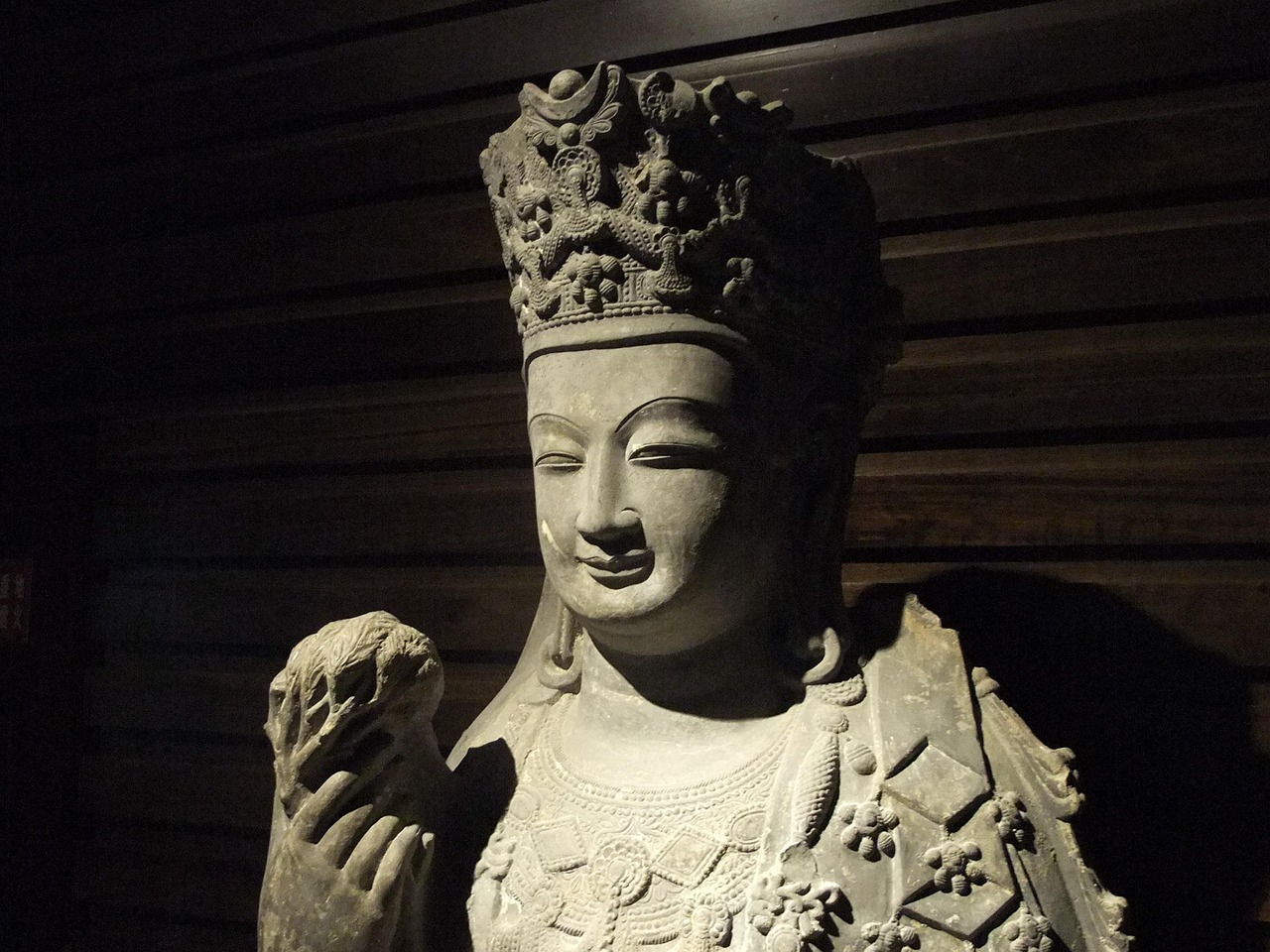
Inside, visitors notice stone chambers, carved details, and texts that inscribe status and ritual, alongside artefacts that speak of power and fragility in the same breath. Even a coffin becomes symbolic: not simply a container, but a statement about belief, hierarchy, and continuity in ancient Chinese thought.
- Move carefully on steps and polished surfaces—these spaces can be slick.
- Respect barriers and keep your hands to yourself, especially near displayed materials.
- Give others room; the chambers feel more spacious when people flow gently.
When you emerge back into daylight, the valleys feel wider than before—almost as if the landscape is giving you space to process what you’ve uncovered.
F.A.Qs: Ming Tombs, China
Are the Ming Tombs worth it for a first-time visitor?
Yes—especially if you enjoy cultural places with breathing space. If you plan to visit the Ming tombs, you can combine the approach avenue, major sites like Changling and Dingling, and enough quiet time to feel the landscape rather than rush it.
What are the Ming Tombs, and where are they located?
The Ming Tombs are a group of imperial tombs north of Beijing where thirteen emperors and their families were buried, including an empress and other relatives. The area includes ceremonial avenues, gates, open courts, and several tomb sites you can enter, all set within a protected valley spanning several dozen square kilometres.
Why are there 9999 rooms in the Forbidden City?
Tradition links the number to symbolism: nine is associated with imperial power, and 10,000 was seen as a heavenly number. So 9,999 represents an emperor’s ambition and status while acknowledging that heaven outranks earthly rule—more mythic meaning than a simple architectural count.
What ethnicity were the Mings?
The Ming ruling house was Han Chinese. While China’s history includes many feudal dynasties of different ethnic origins, the Ming leaders were Han, even as the realm remained multi-ethnic and culturally diverse.
What Stayed With Me After the Ming Tombs
What lingers after the Ming Tombs is not a checklist, but a change in scale. Time becomes less like a line and more like a layered valley: wind moving through trees, stone warmed by sunlight, and the soft echo of footsteps that once belonged to courtiers, workers, and pilgrims.
I often think about the contrast—imperial ambition set against ordinary weathering. A tomb can be built to defy forgetting, yet it is the small things that make it feel real: a worn threshold, a quiet court, a sparrow’s call overhead. You leave with a personal sense of how much care it takes to protect cultural heritage, and how restraint can be its own form of respect.
There’s also a gentle togetherness in the memory. Travellers move through with curiosity, local guides offer insight with warmth, and conservators work patiently in the background; even when you don’t see them, you can feel their support in the way the site is kept, interpreted, and safeguarded.
And perhaps that is the most reassuring thought: Beijing’s valleys still hold stories that don’t demand anything from you, only that you return—someday—with imagination, quiet confidence, and the willingness to listen.