Post Contents
- Discover the China upside down temple: Xuankong Si overview and the cliffside wonder
- Xuankong Si near Datong, Shanxi Province: Mount Heng setting and local context
- How the Hanging Temple was built into the cliff: wooden supports and ancient engineering
- Exploring the walkways and stairs at Xuankong Si: safety tips for calm visitors
- Xuankong Si and three traditions: Buddhism, Taoism, Confucianism, and temple harmony
- Visitor guide for Xuankong Si (Hanging Temple): tickets, transport from Datong, best time
- FAQs: Xuankong Si, Hanging Temple, and China temple travel planning
- A final reflection on Xuankong Si: the cliffside experience that stays central
Discover the China upside down temple: Xuankong Si overview and the cliffside wonder
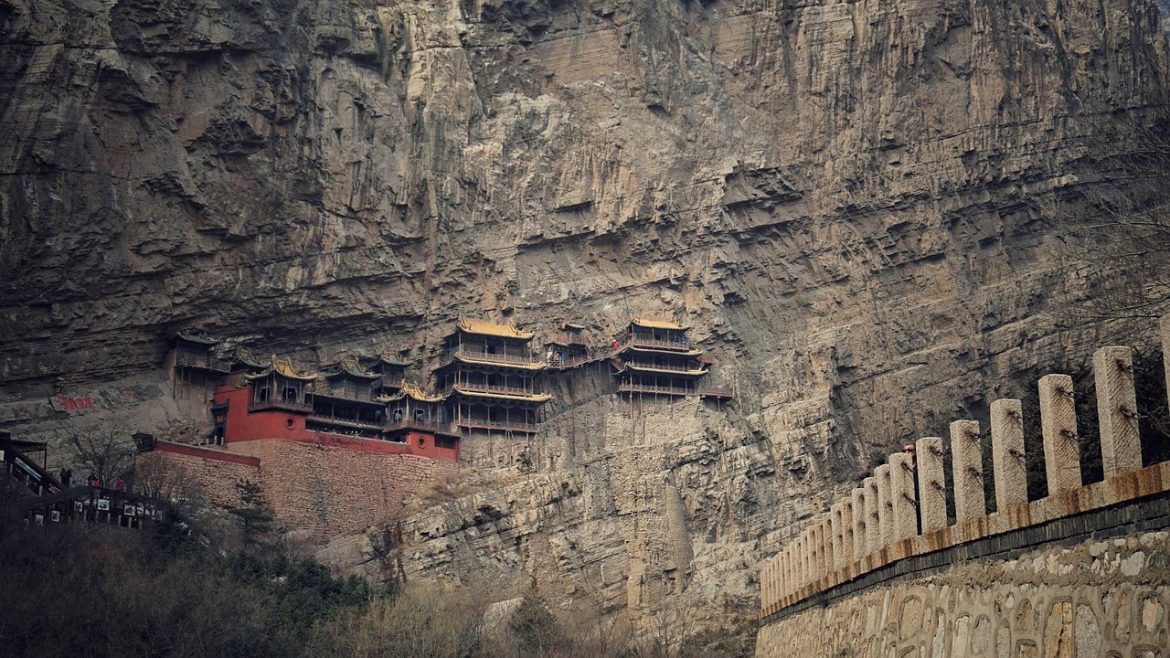
Xuankong Si (Hanging Monastery) perched above the valley—an unforgettable first impression
The first time you see the China upside-down temple at Xuankong Si in real life, it’s hard to trust your eyes. A monastery complex seems to cling to the rock face, with pavilions layered like careful brushstrokes against stone, and that first glance often feels quietly great. Even seasoned travellers pause here—half in awe, half in that quick flutter of nerves that says the view is real, and the drop is too.
Part of the magic is the naming. You’ll hear “Hanging Temple” and “Xuankong Si” used interchangeably, and either works when asking drivers or ticket staff. If you want to be especially clear, say “Xuankong Si” (roughly shoo-an-kong suh) and add “near Mount Heng” so locals know exactly which site you mean.
From awe to confidence in the narrow corridors
Many visitors describe a gentle emotional arc: the first look feels unreal, then the body notices the height, then—surprisingly quickly—confidence arrives. The wooden walkways have a steady rhythm, and the flow of people helps you move one calm step at a time. With each pause and breath, the structure starts to feel supportive rather than intimidating.
Adrenaline meets crafted art in every detail
What makes this place more than a thrill is the craftsmanship: carved beams, painted brackets, and small devotional spaces that invite stillness. The art is not only decorative; it guides your eye along lines that make the whole complex feel intentional and refined. It’s daring and delicate at once—built for wonder, not just for photographs.


Xuankong Si near Datong, Shanxi Province: Mount Heng setting and local context
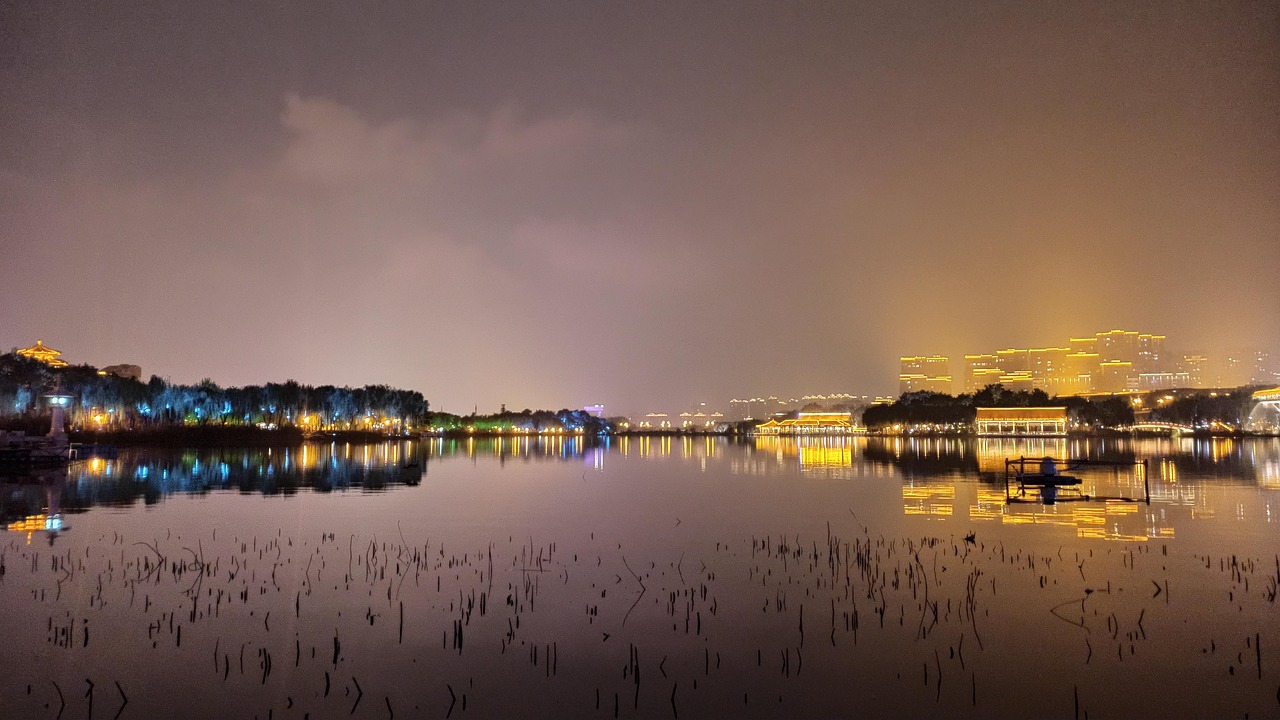
Shanxi Province and Mount Heng: the landscape that makes the site feel even more dramatic
To place Xuankong Si on your map, look to China’s north, where Shanxi’s mountains and plateaus create big skies and bold contours. Most travellers choose Datong as a comfortable base, then continue to Mount Heng (Hengshan) for the visit—easy to arrange, yet still feeling like you’re uncovering something quietly extraordinary. It’s an outing that balances comfort with genuine discovery.
The landscape is part of the experience. The cliff isn’t just a dramatic backdrop; it shapes your sense of scale, making the monastery feel like a human-sized miracle set against raw geology. If you like to imagine the past, this is an ideal place to picture builders working with timber and rock, solving practical problems as they create a space for devotion.
Evening light, dramatic shadows, cinematic views
Many visitors talk about the late-day sun: the way it casts long shadows across the stone and warms the wooden surfaces, almost honeyed. For photographers, it can feel like the scene was designed for film—deep contrast, fine lines, and an unmistakable sense of height. If you can time your entry well, the mood becomes more contemplative as the light softens.
Quiet county life and small villages pause along the way
Outside the main site, the pace softens. You may pass a small village on the route—simple meals, modest shops, local faces, and an unhurried rhythm that makes the day feel grounded. That calm contrast can be a real support if you want your visit to feel spacious rather than rushed.
A reassuring planning frame helps here: design your timing around visibility, weather, and your own energy. Clear skies matter; so does giving yourself enough space to move slowly and take in the living atmosphere of the mountain.
How the Hanging Temple was built into the cliff: wooden supports and ancient engineering
Ancient design up close: rock anchors, timber joints, and a structure that still feels secure
When people ask how this landmark was built into the cliff, the simplest answer is also the most impressive: it’s anchored into the rock and stabilised by a network of timber elements that work together like an elegant framework. Rather than relying on a few dramatic posts, the structure uses multiple points of contact—anchoring above and behind, with wooden supports distributing weight along the façade. You can sense that the design is deliberate, not improvised.
That distribution helps explain why the site has endured for so long. The build shows earthquake-resilient thinking: flexibility in the wood, careful joinery, and a system that avoids concentrating stress in a single fragile spot. Even if you’re not an engineer, you can feel the intelligence in the way everything seems to “sit” against the rock, balanced and calm.
The central story of stability, rhythm, and trust
Pay attention to what feels central: the thicker beams, the bracket clusters, the way walkways connect pavilions without abrupt shifts. These are not just aesthetic choices; they are structural decisions made with expert care. For travellers who like insight with their beauty, this is where you slow down and let the building teach you how it wants to be understood.
Craftsmanship that turns structure into art
Engineering is also an art. Painted surfaces soften hard geometry, carved details create intimacy, and weathered wood shows time without losing dignity. You’re not only seeing how it was built—you’re seeing how the structure was made meaningful through human hands and patient skill.
- What to notice as you explore: joinery where beams meet, layered brackets under eaves, and how the walkways align with the rock face.
- Look twice: many “decorations” are functional supports made beautiful through craft.
- Listen for quiet: a steady hush often settles inside, even when the site is busy.
Exploring the walkways and stairs at Xuankong Si: safety tips for calm visitors
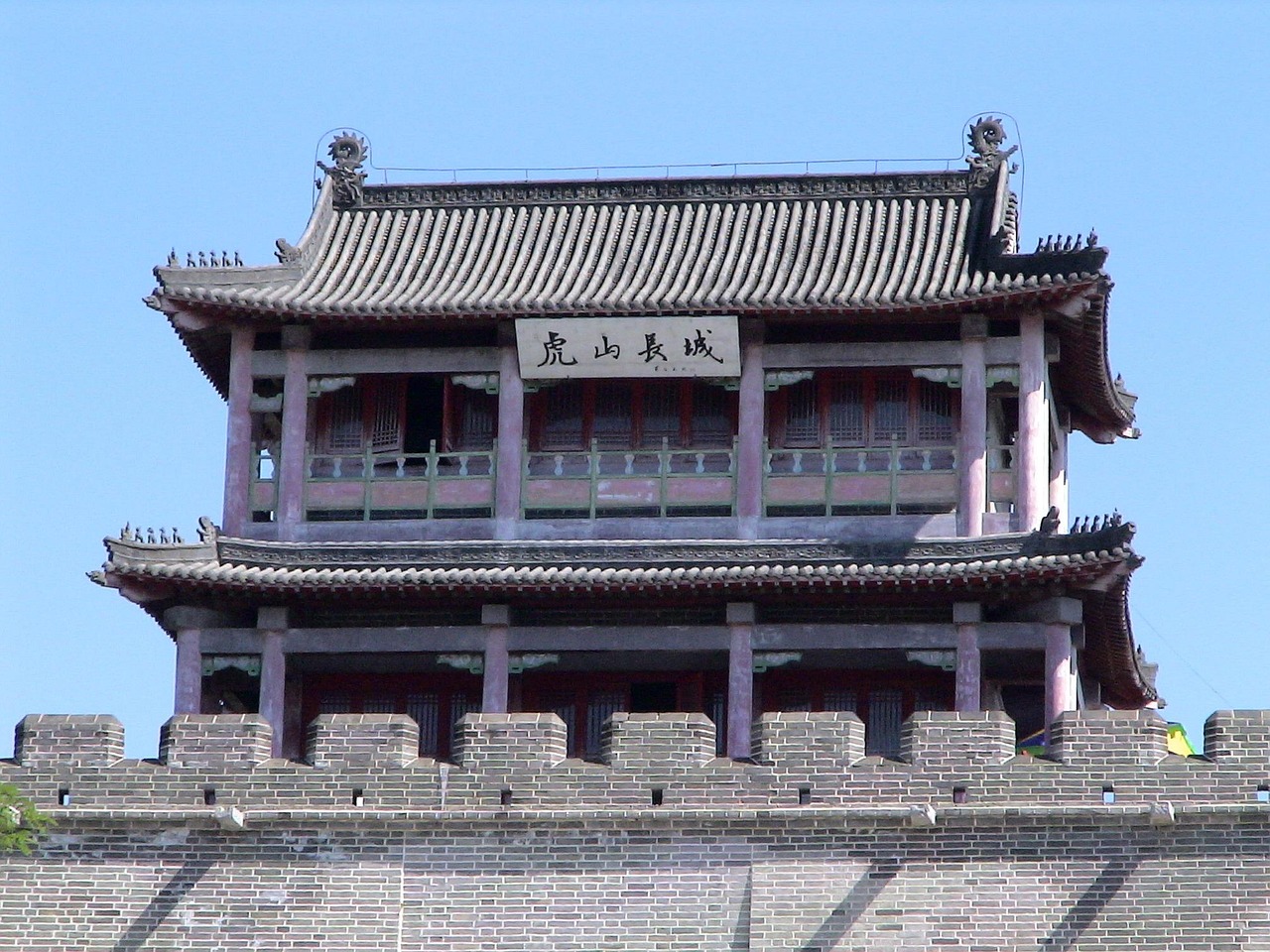
Explore the walkways with ease: small steps, steady pacing, and respectful awareness
To explore Xuankong Si with confidence, expect a natural flow: narrow wooden corridors, short steep stairways, and small spaces where people pause for photos. The key is to move steadily, keep momentum, and allow room for others—this is one of those places where you do best by moving together. A calm pace also helps you notice the artistry in the railings, beams, and small alcoves.
The walkways can feel exposed, especially at first. Handrails are there for a reason; use them without embarrassment, and keep your hands free. Sturdy shoes matter too, because steps can be uneven and polished over time.
Gentle strategies for vertigo and nervous moments
If you feel that sudden wave of height-awareness, pause where the corridor widens or beside a doorway. Place one hand on the rail, keep your gaze on a fixed point ahead, and take slow breaths until your body settles. Confidence often returns quickly when you let the rhythm of the walkway guide you.
A small, personal moment of calm inside the halls
One traveller told me they expected pure adrenaline, but found something quieter: a moment when the crowd noise fell away, and the monastery felt almost serene. Standing in a doorway, they looked out at the valley and realised the precarious setting could still hold peace. It’s a rare contrast—thrill on the outside, stillness within.
Inside the halls, let care lead. Keep voices low, watch your footing, and leave space for worship—small choices that protect the living atmosphere for everyone.
Xuankong Si and three traditions: Buddhism, Taoism, Confucianism, and temple harmony
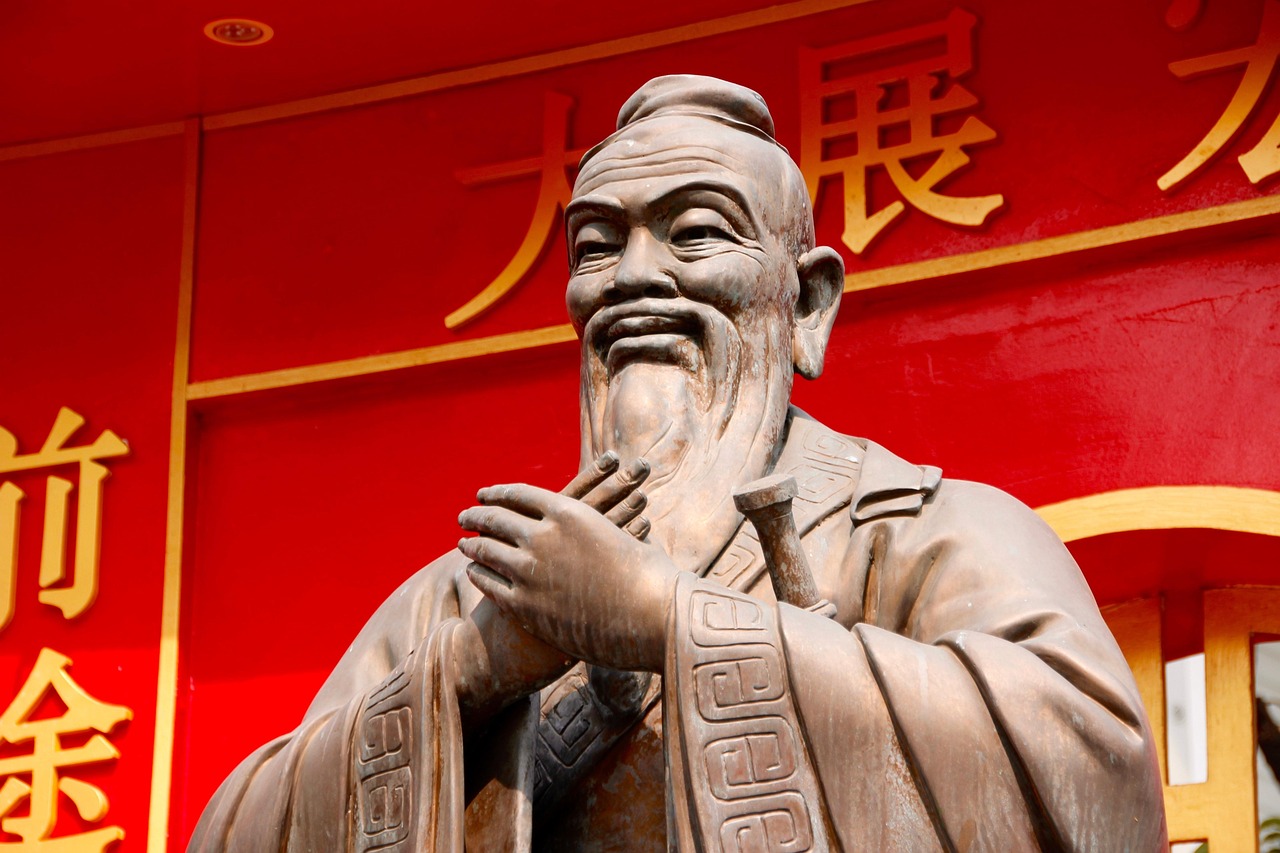
Three traditions, one sanctuary: a rare example of shared religious space</caption]
This section isn’t just a list of beliefs—it’s the heart of why Xuankong Si feels so unusual. Few places in Chinese cultural history embody these three traditions side by side so naturally, not as a debate, but as a lived coexistence. For travellers who love context, it’s a chance to see harmony practised through layout, iconography, and everyday etiquette.
A simple way to “read” the halls is to notice symbols and placement. Certain figures, ritual objects, and inscriptions hint at which tradition a space leans toward, yet the overall flow remains integrated—like a thoughtful conversation rather than separate rooms competing for attention. The result feels quietly great in its simplicity.
How to look with local sensitivity and real insight
Stand back before stepping in. Observe whether people are bowing, offering incense, or pausing in quiet reflection, and follow the calm pace around you. This is a living belief, and the most elegant way to engage is with humility, attention, and a light footprint.
A conversation with a monk that reframed the visit
One visitor shared a fond, personal story: an unexpected conversation with a local monk who explained the site’s layered history and why different teachings can share one sanctuary. The monk’s tone was gentle and practical—less about grand doctrine and more about how communities learn to live together. That kind of human detail often becomes the moment people remember most.
And somehow, even at the edge of rock and sky, the mood can feel calm. The thrill remains, but it’s held by quiet order—faith, craft, and time working in balance.
Visitor guide for Xuankong Si (Hanging Temple): tickets, transport from Datong, best time
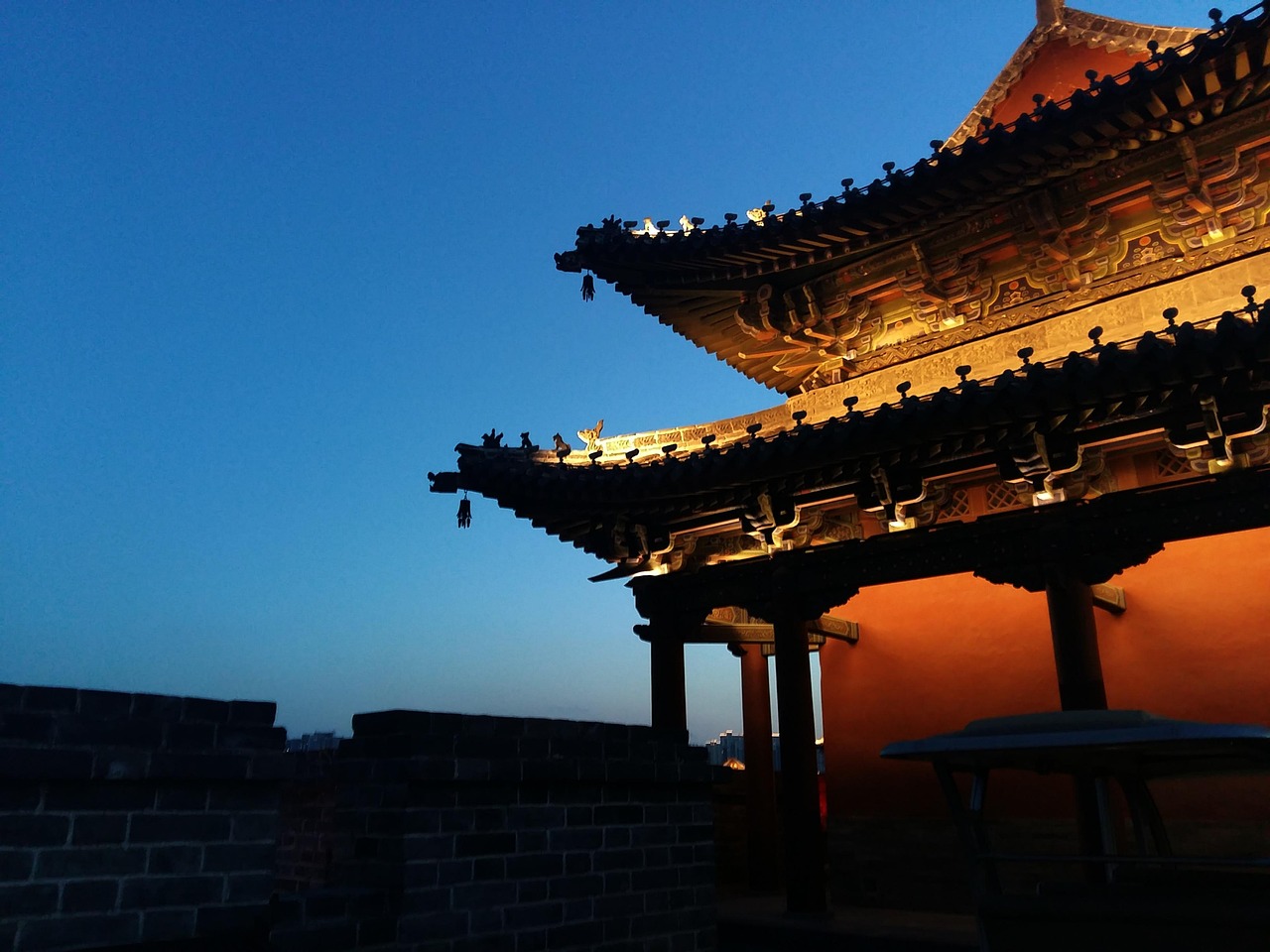
Plan a seamless day: timing, transport, costs, and respectful visitor habits
A practical visitor guide should feel like reassurance, not a checklist. Start with seasons: spring and autumn are typically best for clear skies and comfortable temperatures. If you can, arrive early—morning light is clean, crowds are lighter, and the experience feels more reflective.
Getting there via Datong and Mount Heng
Most routes run through Datong, then onward to the Mount Heng area, where options include local buses, private drivers, and guided tours. First-timers often find that an expert-led tour creates a more seamless day, especially if you want support with timing, tickets, and pacing. If you’re browsing trip ideas before you commit to dates, the China trip gallery can help you imagine a wider, well-designed journey in the province and beyond.
Costs, essentials, and etiquette you can trust
Entrance fees are often around 40–60 CNY, but it’s wise to check current pricing locally. Payment is commonly cashless across many regions, yet having a backup option can help in smaller areas. Amenities near the site may be limited, so a little preparation can create comfort and keep your focus on the view.
- Pack smart: water, light snacks, and sturdy shoes for steep, uneven steps.
- Photography: allowed, but drones are prohibited for safety near the rock face and walkways.
- Respect: keep noise low, follow posted rules, and trust staff guidance—especially on narrow corridors.
If you’re travelling in a high-end style, consider building in time for a quiet meal before or after. Something simple and local can be the best reset after the height, the details, and the sensory intensity.
FAQs: Xuankong Si, Hanging Temple, and China temple travel planning
FAQs for planning your visit: practical answers and wider context
Is there going to be an LDS temple in mainland China?
At present, The Church of Jesus Christ of Latter-day Saints has discussed future plans in the region, but mainland China does not have an operating LDS temple open to the general public. Policies and announcements can change, so the most reliable approach is to check official Church updates before making any travel plans around a potential site.
Does Shaolin still exist?
Yes. Shaolin still exists in Henan Province and remains one of the most famous monasteries, closely associated with Chan Buddhism and martial arts culture. It functions as an active religious site and a major visitor attraction, so it’s worth carefully planning your timing if you prefer a quieter, more reflective visit.
Who built Xuankong Si in China?
Xuankong Si is traditionally associated with construction beginning in the Northern Wei period, with later renovations across multiple dynasties. Rather than a single named “architect” in modern terms, it reflects generations of builders and patrons who developed the structure and its halls over time.
What happens in a Taoist temple?
In a Taoist temple, you may see offerings, incense rituals, chanting, and quiet personal prayer. Some visitors come to seek blessings for health, harmony, or good fortune, while practitioners maintain daily devotional routines. As a guest, the best approach is respectful observation: move quietly, keep your voice low, and follow local cues.
A final reflection on Xuankong Si: the cliffside experience that stays central
In the end, what returns to you—often days later—is not just the photograph, but the feeling of evening light resting on stone. The Xuankong Si experience is strangely tender: timber, rock, and sky held in a balance that looks impossible until you stand beside it and feel how calmly it endures. It’s the kind of memory that slows you down, even after you’ve left.
There’s a particular kind of trust you carry away. Trust in ancient craft; trust in the quiet intelligence of how people chose to build; and trust in your own ability to meet height with a steadier breath. The lesson feels central, as if it slots into you like a well-made joint—proof that courage doesn’t have to be loud to be real.
And then there’s the softer afterglow: a hush in the corridors, a glance exchanged with another traveller, the sense of a living sanctuary where different teachings share one home. You leave Shanxi with something more lasting than adrenaline—an intimate relationship with silence, time, and the spaces where beauty asks you to move slowly.
Long after the road turns away from the mountain, it’s easy to find yourself imagining other cliff-side stories, other places where history still breathes—waiting patiently, without urgency, for your curiosity to arrive.