Post Contents
- Shanghai Tower and Vertical Urbanism in Shanghai, China: An Overview
- Plan your visit to Shanghai Tower: tickets, metro, and timing.
- Explore the Observation Deck Panoramas of Shanghai’s Skyline at Shanghai Tower, China
- Transparent Skywalk on the 118th Floor Thrill with Trust at Shanghai Tower, China
- Gensler Sustainability and the Double-Layered Façade Inside the Building at Shanghai Tower, China
- F.A.Qs: Shanghai Tower China
- What Stayed With Me After Shanghai Tower
Shanghai Tower and Vertical Urbanism in Shanghai, China: An Overview
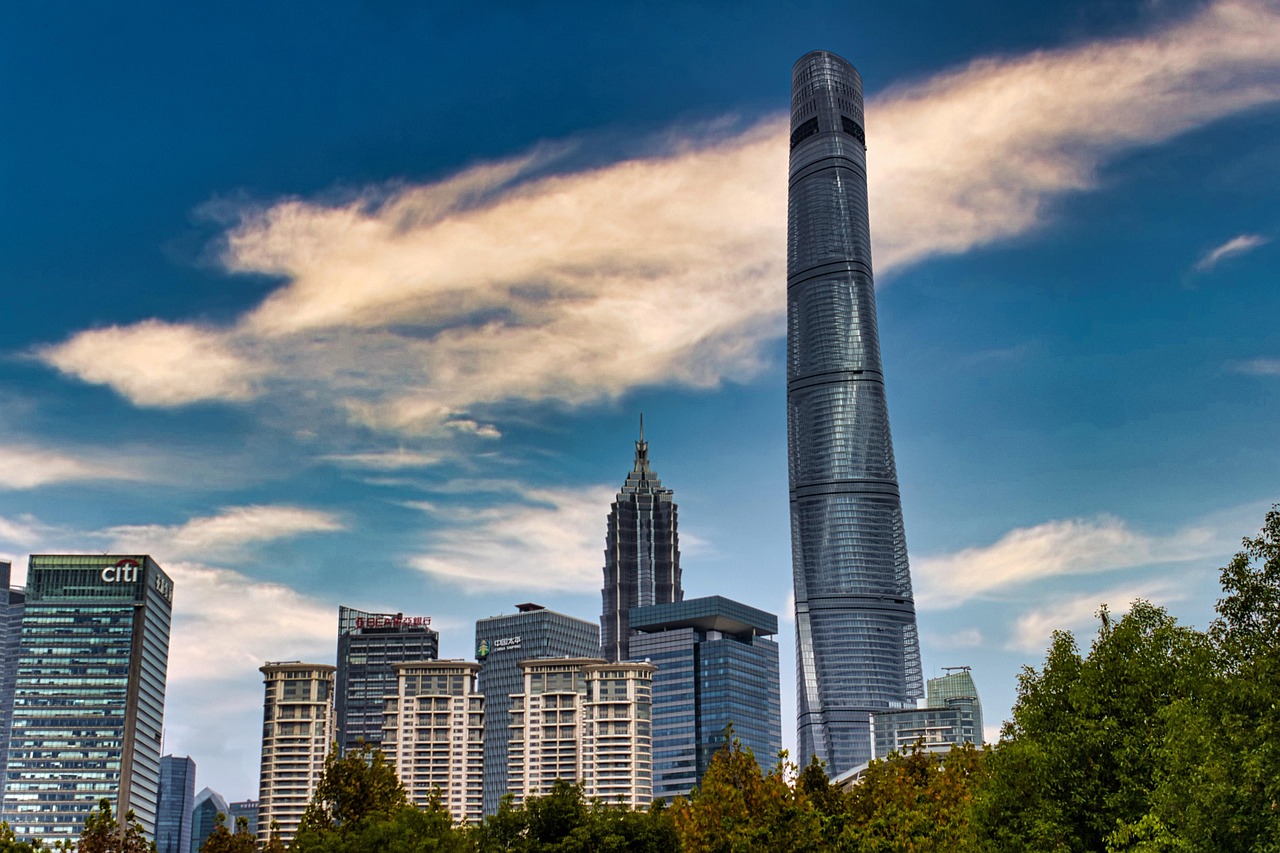
Shanghai Tower and Vertical Urbanism in Shanghai, China: A Tower Overview above Lujiazui
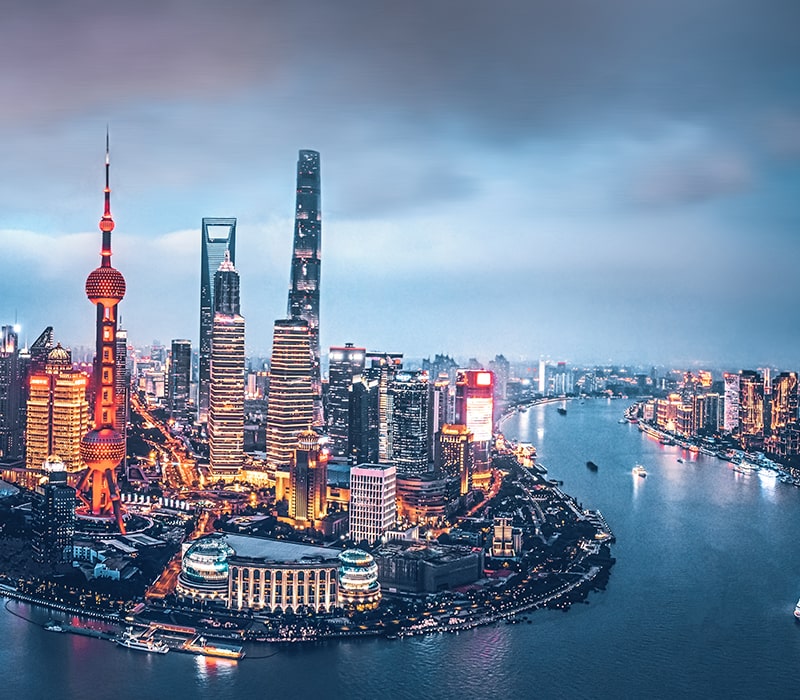
Think of this stop as your Shanghai Tower, China, vertical urbanism overview—a grounded way to understand why the skyline feels so cinematic here. Set in the Lujiazui finance and trade zone, the tower anchors a financial district where glass and water reflect every hour of light, and where the Huangpu River curves like a guiding line through the city.
As a landmark building, Shanghai Tower doesn’t just add height; it reshapes how people move through space in a dense neighbourhood. In a city famous for reinvention, this tall building reads like an invitation to imagine what comes next, while still keeping you close to the pulse of Shanghai’s streets below.
Vertical urbanism in human terms
“Vertical urbanism” sounds academic, but the feeling is simple: a mixed-use stack of experiences. Instead of spreading life across blocks, the tower layers it—public space to pause, office space to work, a shop or two to browse, and a restaurant where the view becomes part of the design.
That layered approach is why some travellers describe Shanghai Tower as a vertical living experiment: a vertical city that gathers work, leisure, and calm within one piece of architectural choreography. For cultural enthusiasts, it’s a living insight into how urban environments adapt when land is precious, and ambition is not.
Who designed the skyscraper and why it matters
The architectural vision came through a partnership led by Gensler, with engineering rigour supported by teams such as Thornton Tomasetti. You don’t need to speak “structural” to appreciate what they created, but it helps to know this: the building’s confident rise depends on careful decisions you can feel as steadiness, not spectacle.
For context, Shanghai Tower opened in 2015 and is often described as China’s tallest building and among the world’s tallest. By CTBUH measures, it has long stood as the tallest building in China and as a symbol of rapid urban development that still feels surprisingly gentle once you’re inside.


Plan your visit to Shanghai Tower: tickets, metro, and timing.
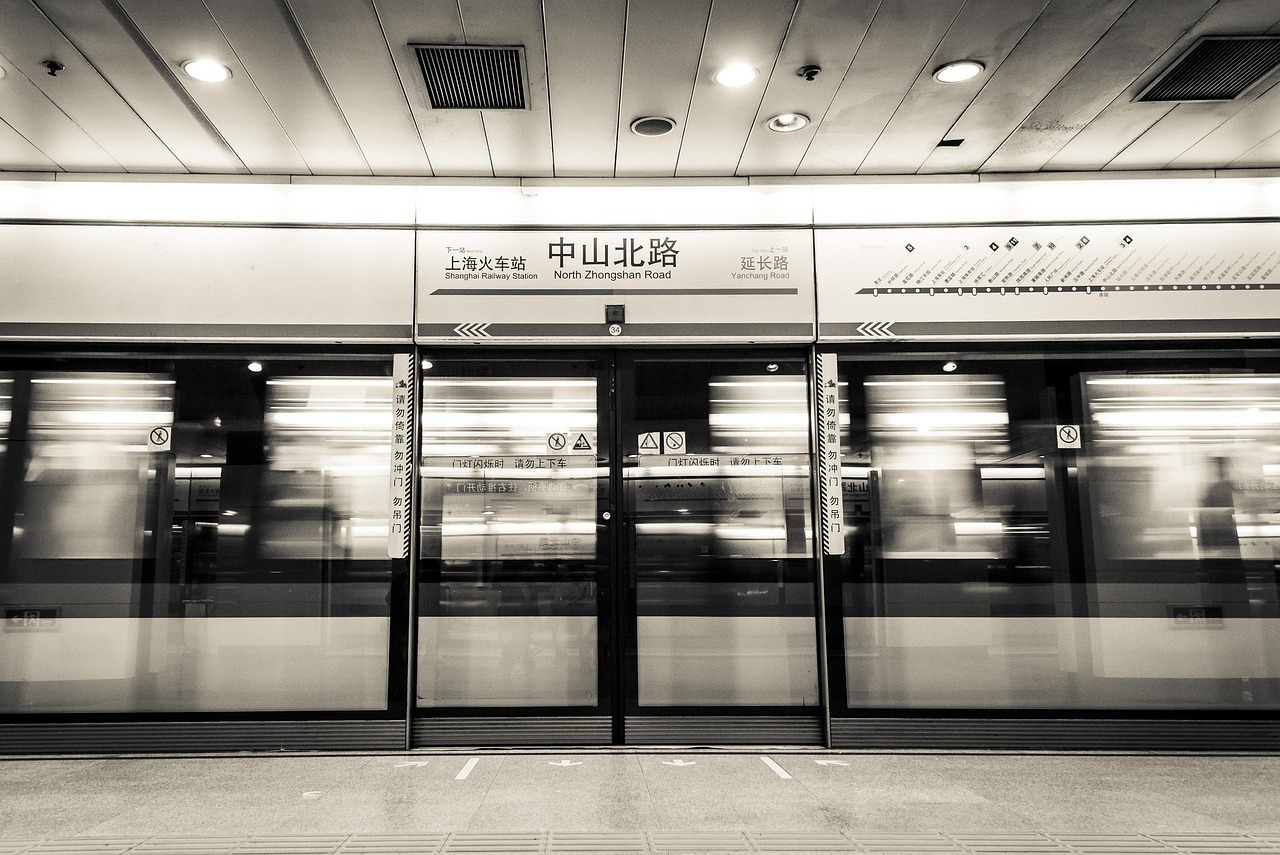
Plan Your Visit to the Tower Tickets, Metro, and Timing in Shanghai Tower, China
This Shanghai Tower China tickets Lujiazui Station Metro Line 2 Line 14 chapter is your calm, practical map—so you can explore with confidence and keep the day feeling crafted rather than rushed. The district is glossy and busy, yet the routes are straightforward when you know what to look for.
How to get there by Metro and on foot
Take Shanghai Metro Line 2 or Line 14 to Lujiazui Station, then follow wayfinding through the finance zone. Expect a short walk past plazas and tower-lined streets; it’s a modern urban park-like atmosphere in places, especially when the light is soft and commuters thin out.
If you’re coming from another attraction, give yourself breathing room—Lujiazui is built for scale, and even small distances can feel longer between mega-buildings.
Tickets, timing, and reassurance for heights
For the observation areas, ticket prices are typically around 180 RMB, and booking online can uncover discounts while reducing queue time. For adventure seekers who still want space to breathe, weekdays or early mornings are your best bet—less crowding, quieter corners, and a more personal experience of the tower’s hush.
Accessibility is thoughtful: wheelchair-friendly routes, attentive staff, and clear safety procedures that help you feel supported. If heights make you uneasy, take it step by step—pause, look out, and let your body adjust before moving deeper into the experience.
- Comfort checklist: wear comfortable shoes, and bring a light jacket (it can feel cooler at altitude).
- Keep it seamless: carry water and plan snacks around your pace, not the crowd’s.
- Local norms: respect quiet zones and be mindful of sightlines when you stop to take photos.
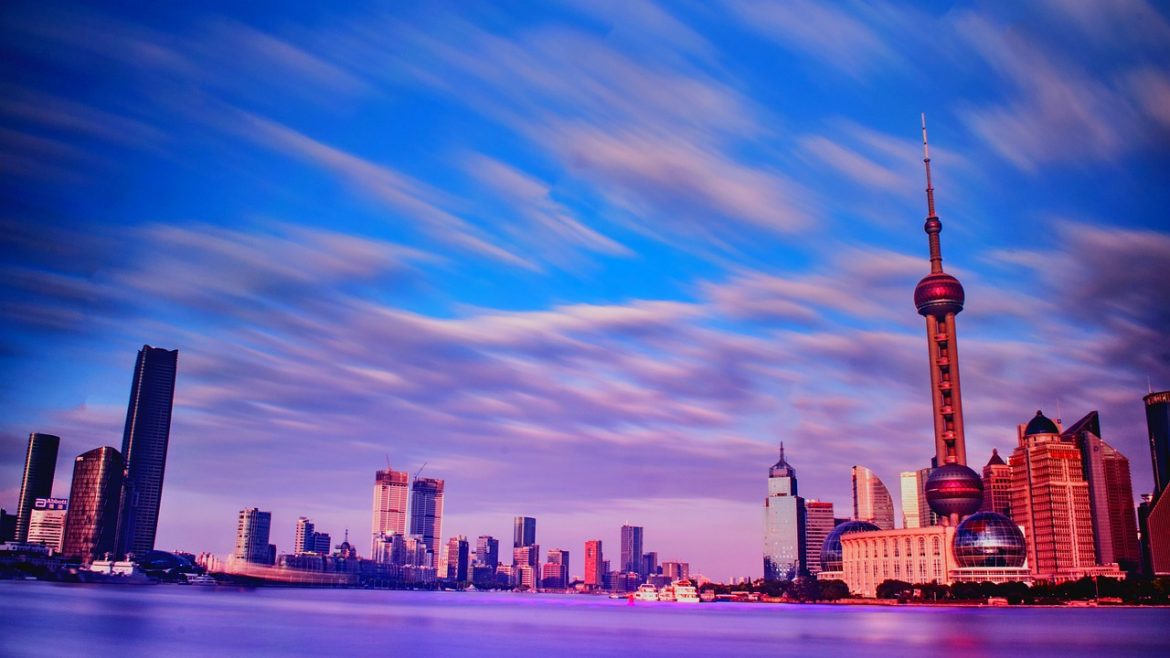
To create a full day, you can pair this visit with nearby icons like the Oriental Pearl Tower, Jin Mao Tower, and the Shanghai World Financial Centre, all within the same bold, walkable skyline story.
Explore the Observation Deck Panoramas of Shanghai’s Skyline at Shanghai Tower, China
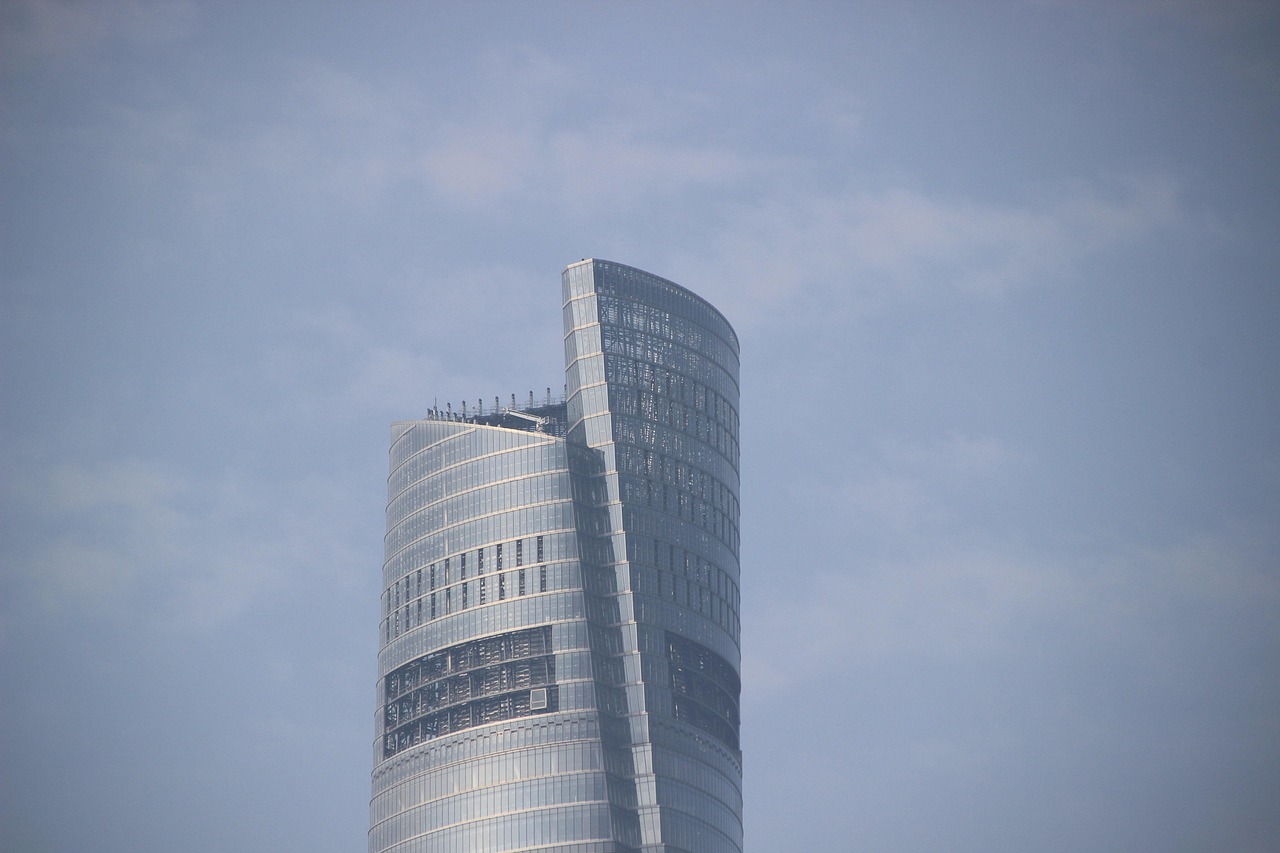
Explore the Observation Deck Panoramas of Shanghai’s Skyline at Shanghai Tower, China
Here’s your Shanghai Tower observation deck, China skyline, Huangpu River views moment—the point where anticipation becomes a wide, steady calm. Enter the tall building’s atrium, follow the flow, then step into the elevator as it lifts you into a different relationship with the city.
At the top, the observation level opens like a quiet theatre: Shanghai’s grid becomes a pattern, the Huangpu River becomes a ribbon, and the whole city feels both huge and strangely knowable. The tower is one of those places where even seasoned travellers go silent for a beat—because the view does the speaking.
Sunset stories and a view you can feel
One adventurer told me the sunset here painted the skyline in golden hues, turning glass towers into lanterns and making the moment unforgettable. It’s an inspiring reminder that high-end travel doesn’t always mean more noise—sometimes it means more clarity, and a little more space to simply be.
If you want that cinematic light, aim for late afternoon and stay through the changeover into evening. The city’s shift from warm skies to neon edges is a masterclass in the pace and creativity of modern China.
A quick view-finding guide to Shanghai’s icons
- Oriental Pearl Tower: playful, symbolic spheres—Shanghai’s broadcast-age confidence.
- Jin Mao Tower: a respectful nod to tradition, echoing formality in a modern high-rise.
- Shanghai World Financial: sharp lines and global ambition in the heart of the trade zone.
For the most dramatic perspective, stand where the river bend and the dense finance grid meet—your eye can trace movement like a map: boats below, roads like circuits, and buildings in the world of commerce rising in clean, vertical lines.
Photography is welcome, but keep it considerate: avoid flash near exhibits, maintain quiet zones, and don’t block other visitors’ view for long. That small care helps everyone keep the experience personal.
Transparent Skywalk on the 118th Floor Thrill with Trust at Shanghai Tower, China
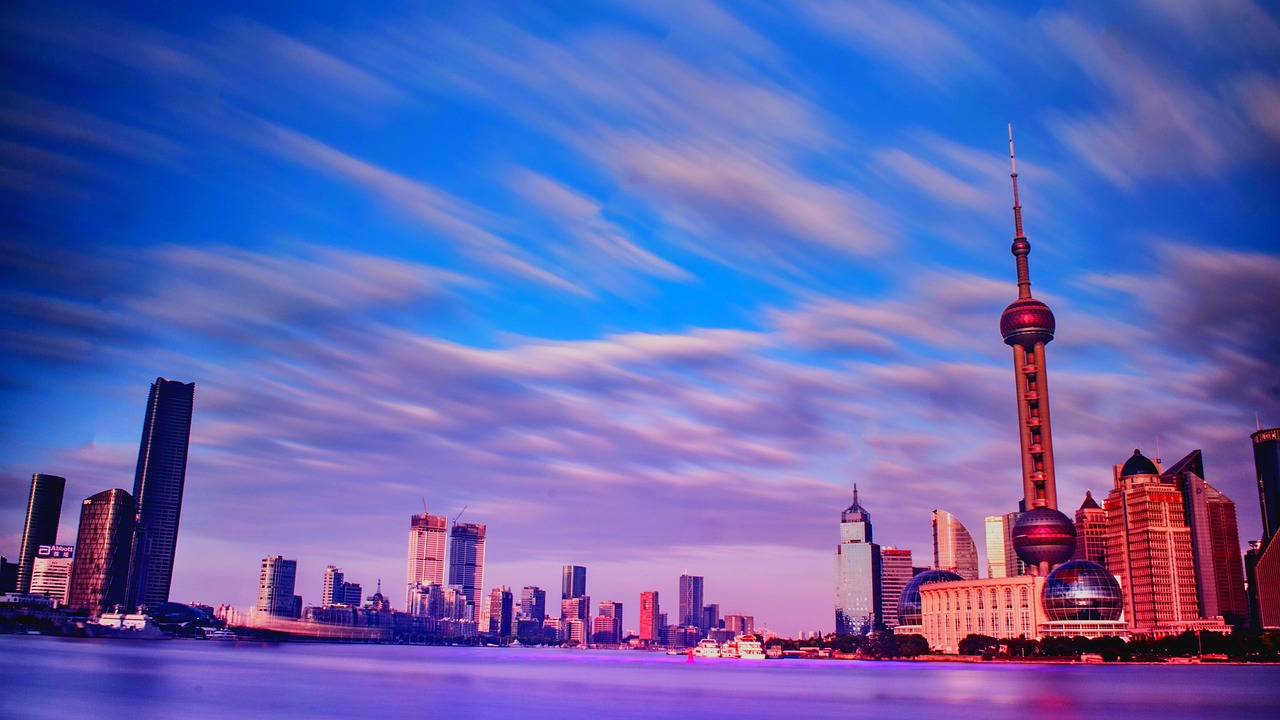
Transparent Skywalk on the 118th Floor Thrill with Trust at Shanghai Tower, China
This is the heart-rush chapter: the Shanghai Tower 118th-floor transparent skywalk, China safety tips, written for travellers who crave thrills but also value trust. Stepping onto the transparent section, you feel the city stretch beneath your feet—precise lines, tiny cars, and the river’s slow movement far below.
It’s exhilarating, yes, but it’s also oddly centring when you give yourself permission to take it slowly. Many travellers recall that first step as a tiny act of courage, made easier by how calmly the experience is managed.
Safety, crowd flow, and calm support
Staff guide the flow so the space doesn’t feel chaotic, and the materials are treated with the seriousness you’d expect in a world-class building. Maintenance routines and clear boundaries are part of the experience—even if you don’t see every detail, you can feel the professionalism in how people are supported.
If you’re nervous, start at the edge of the skywalk and watch others first. Then move when you’re ready, at your own pace, with quiet confidence rather than bravado.
How the tower’s twist helps it rise
Part of what makes the moment feel steady is the tower’s twist—an elegant form that helps manage wind load in a super-tall environment. It’s a reminder that beauty and performance can be one and the same, especially in the best contemporary skyscraper design.
If vertigo hits, use this simple sequence: breathe, focus on the horizon, then take two small steps forward and stop. You’re not “failing” the thrill; you’re learning how your body navigates space at height.
Afterwards, I love a small micro-ritual: take a quiet coffee in the high-altitude lounge, let your heartbeat settle, and notice the softness inside the tower before you rejoin the streets below.
Gensler Sustainability and the Double-Layered Façade Inside the Building at Shanghai Tower, China
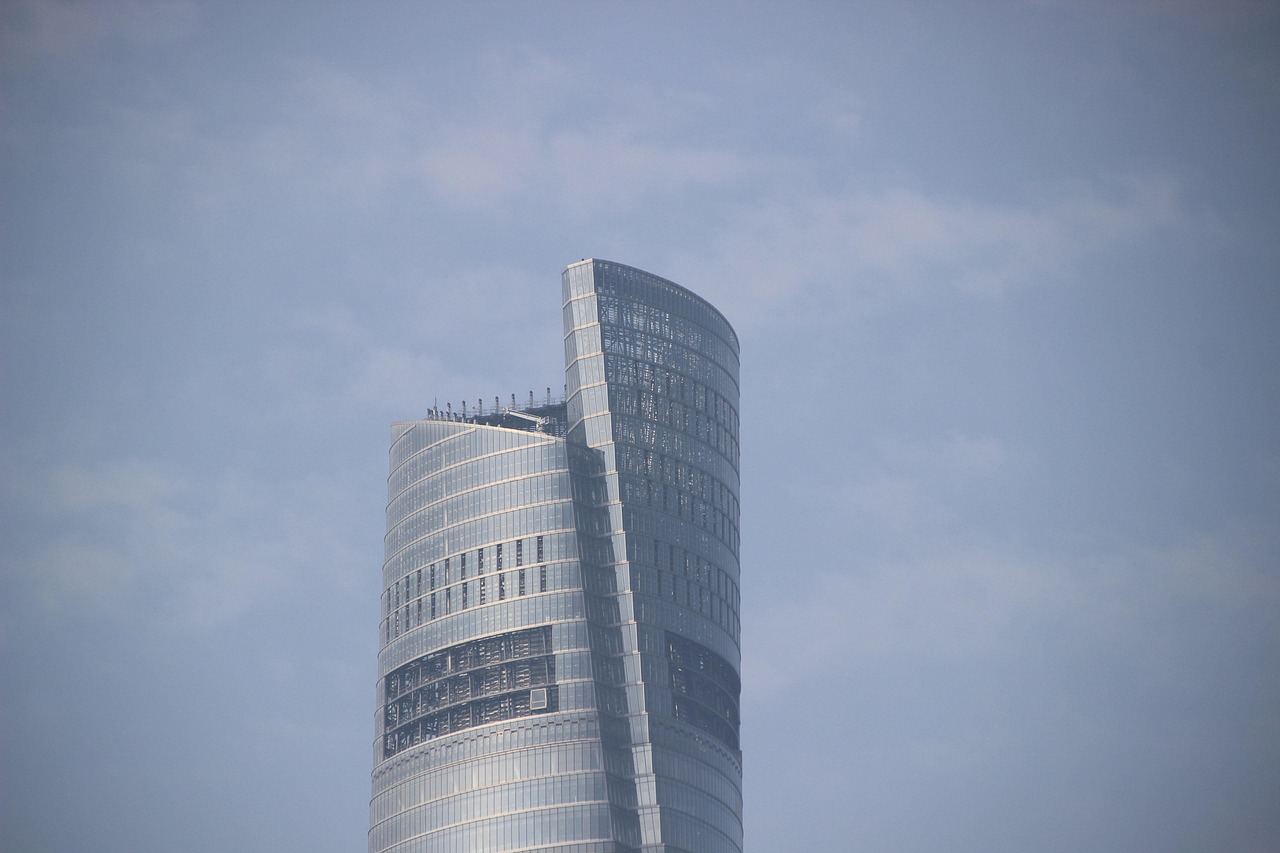
Gensler Sustainability and the Double-Layered Façade Inside the Building at Shanghai Tower, China
This section follows the thread of Gensler Shanghai Tower’s sustainability double-layered glass facade, China engineering exhibits, without turning your adventure into a lecture. Think of it as a museum stop you can choose to linger in—an expert-led glimpse into why the building feels comfortable even at extreme height.
Double-layered glass façade as a second skin
The double-layered glass façade works like a second skin, buffering temperature and improving comfort. In simple terms, it’s a curtain wall strategy that helps the tower use energy more wisely, supporting sustainability without compromising your experience.
Design credits often highlight Gensler’s role, and specialist partners such as Cosentini also contributed to making the façade feel as refined up close as it looks from across the river.
Interactive exhibits and the structural system story
Inside, interactive exhibits help you uncover the engineering logic: a concrete core, mega column lines, and a structural system designed to handle scale—632 metres of intent, and later you’ll hear it said as 632 metres in global conversations. You may also spot notes on wind tunnel testing by RWDI, alongside peer-review processes that signal rigour rather than marketing.
There are also nods to technologies that support renewable energy sources, including wind turbines, as well as other strategies aimed at lowering the carbon footprint. It’s part of the wider conversation around sustainably advanced tall buildings and what “sustainable” can look like when a city is building upwards.
- Look for: exhibit explanations of the concrete core and how loads transfer down into deep pile foundations.
- Notice: how the interior spaces stay serene, even when the city outside is busy.
- Ask a guide: how the building blends modernity with cultural tradition in Shanghai’s identity.
And yes—this building also hosts a luxury hotel, adding a softer, more intimate layer to its vertical programme. It’s a striking contrast: the rush of urban development outside, and quiet, curated calm within.
F.A.Qs: Shanghai Tower China
Why is the Shanghai Tower famous?
Shanghai Tower is famous for its record-breaking height, its dramatic spiral form, and its observation experiences high above the city. It’s also known for its modern engineering, double-layered façade, and for representing Shanghai’s rapid growth while remaining calm and carefully managed for visitors.
Is the Shanghai Tower the tallest in the world?
No. Shanghai Tower is among the world’s tallest buildings and China’s tallest, but it is not the tallest globally. Depending on the ranking system you follow (such as CTBUH), it has commonly been listed as the second-tallest building worldwide, behind Burj Khalifa.
Is it possible to go up the Shanghai Tower?
Yes. Visitors can reach the observation areas of Shanghai Tower via high-speed elevators. Tickets typically cost around 180 RMB, and booking online can reduce wait times. The experience is well-staffed, with clear safety procedures and accessible routes for wheelchair users.
Which is better, the Shanghai Tower or the Pearl Tower?
It depends on what you want. Shanghai Tower offers a higher, more modern observation experience and a thrilling skywalk feel, while the Oriental Pearl Tower is iconic and playful, with a classic place in Shanghai’s skyline. Many travellers enjoy both in one day for a richer, more local perspective.
What Stayed With Me After Shanghai Tower
Long after the visit, what stayed with me wasn’t just the height or the statistics about tall buildings in the world. It was the feeling of standing in a place that quietly re-scales your sense of time—where the city becomes both immense and oddly tender, as if you’re seeing Shanghai’s story from a kinder distance.
Above the bustle, there’s a hush that’s hard to describe until you’ve felt it yourself. The streets below continue in their bright urgency, yet up here there’s space—real space—to breathe, to notice small details, to let your thoughts settle without needing to perform awe.
Travel can be like that when it’s done with care. You don’t just collect views; you create a new relationship with design, with cities, and with your own courage—one that you can carry home into ordinary days, when you need a steadier horizon.
And somewhere ahead—another skyline, another quiet lift, another moment where you look out and realise you trust yourself to meet what’s next.
If you’re planning a wider journey through China, you can browse our Trip gallery to imagine what your next crafted skyline day could look like.