Post Contents
- Top places to see in Italy – designing a high-end itinerary with the best places to visit (10 destinations)
- Rome – ancient grandeur, living piazzas, the Colosseum & Trevi Fountain
- Florence – birthplace of the renaissance, Duomo views & Santa Maria del Fiore
- Tuscany – wine estates, tuscan hill towns, and Chianti-led indulgence
- Venice – private gondola rides, quiet canals, and hidden-island escapes
- Milan style – Duomo, design, then Lake Como & Lake Garda in northern Italy
- Cinque Terre villages – a relaxed Italy itinerary with Vernazza, Corniglia & Monterosso al Mare + a Pisa day trip
- Naples energy – Pompeii, Vesuvius views, and the Amalfi Coast by private boat to Capri
- After Italy: what stays with you when exploring Italy
- F.A.Qs: Top places to see in Italy
Top places to see in Italy – designing a high-end itinerary with the best places to visit (10 destinations)
For high-end travellers, designing top places to see in italy into a cohesive plan is less about ticking boxes and more about creating a calm, curated rhythm—premium stays, unhurried mornings, and meaningful time in each destination. Think of this as a refined travel guide to the places to visit in Italy, shaped by pacing, seasonal light, and the kind of top recommendations that make a trip feel effortless. If this is your first time to visit Italy—or you’re returning for a deeper chapter—build an Italy itinerary that connects iconic cities with restorative countryside and coast, from the north to the south of Italy without rushing.
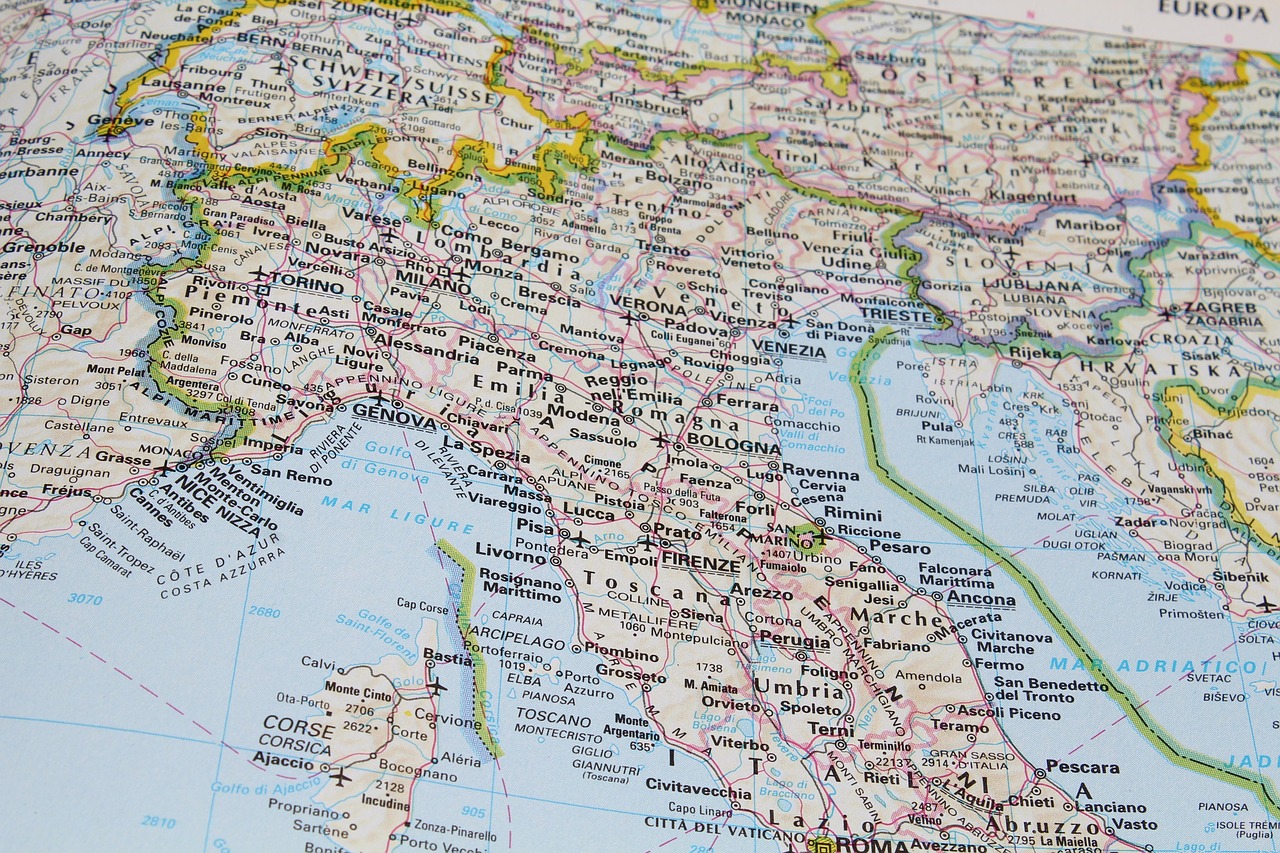
A high-end Italy itinerary built around seamless logistics, slow mornings, and time to linger
Best time to travel in Italy: plan around weather, crowds, and festivals
For luxury travel, late spring and early autumn bring that ideal blend of pleasant weather and fewer crowds—particularly important in Rome, Florence, and Venice. If you’re sensitive to congestion, plan around peak festival weeks and long weekends, when hotel rates rise and timed entries become scarce. With thoughtful pacing, you’ll find Italy’s atmosphere feels more intimate—aperitivi on a quieter terrace, or a museum visit that stays inspiring instead of becoming an endurance test.
Getting around Italy: trains, private transfers, and reservations for tourist attractions
For a trip through Italy, high-speed rail is your quiet superpower: smooth, fast, and elegantly simple between major cities. Private transfers shine in the countryside, along the Amalfi Coast, and for hill towns where logistics can otherwise steal the day—especially on a once-in-a-lifetime trip to Italy. Reserve timed-entry early for major sights and consider an experienced concierge for support, contingency planning, and the small upgrades that keep your days relaxed.
- Rail + private driver: train for city-to-city, then a driver for Tuscany, the lakes, and the coast.
- Book ahead: key museum tickets, dome climbs, and special experiences (like a private boat or gondola) to protect your time.
- Refined alternatives: add the large island of Sardinia in the Mediterranean Sea for white sand and Costa Smeralda glamour, or Sicily for the Valley of the Temples and an easy beach mood near San Vito Lo Capo.
If you’d like to imagine what this looks like when it’s fully designed together, you can browse our Trip gallery for inspiration across different travel styles and timelines.




Rome – ancient grandeur, living piazzas, the Colosseum & Trevi Fountain
To visit Rome is to step into a city in Italy where daily life and epic history share the same streets—espresso at a piazza, then ancient stone a few minutes away. Rome rewards travellers who design their days with space: an early start for major sites, a long lunch, and an evening stroll when the air cools and the city softens. With calm reservations and the right local support, you can explore with confidence and feel the story beneath your feet.
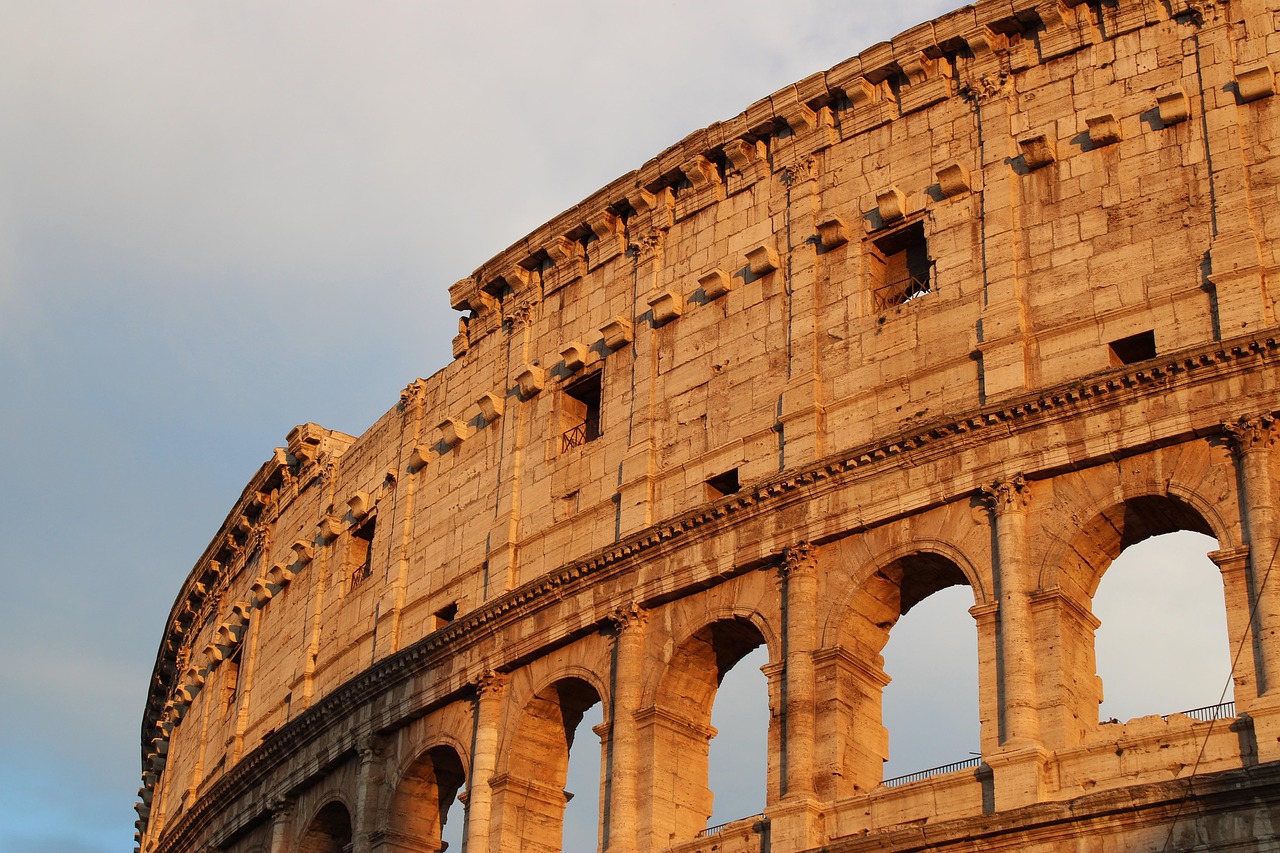
Golden hour at the Colosseum: a classic Roman scene that feels even better with smart timing
Colosseum highlights: quiet layers of history with expert context
The Colosseum is a testament to ancient Roman engineering, and it lands differently when you have local insight rather than a rushed audio track. A private guide can connect the structure to gladiatorial history, daily life, and the political theatre of the era—while also choosing calmer entry routes. If Rome is on your bucket list, this is one of the best places to visit with the right support, because it turns spectacle into understanding.
Vatican City: a guided tour of the Vatican and a slower piazza-to-piazza rhythm
Plan a guided tour of the Vatican with an early slot so the Sistine Chapel can be a quiet, unhurried moment rather than a squeeze of shoulders and noise. Later, design a walking route that moves naturally from piazza to piazza—lingering for espresso, pausing for fountains, and ending with a calm aperitivo when the crowds thin and the city glows. In churches and refined venues, dress elegantly and begin interactions with a warm “Buongiorno”; it’s a small gesture that opens doors.
For peace of mind, be mindful of pickpockets in crowded areas: keep hands free, carry only essentials, and use hotel safes for valuables. Rome is one of those beautiful cities where ease comes from thoughtful habits.
Florence – birthplace of the renaissance, Duomo views & Santa Maria del Fiore
Florence reads like a masterpiece in motion—stone, light, and proportion working together in a way that feels both grand and intimate. For travellers mapping things to do in Florence, give the city at least two nights so galleries balance with open-air strolling, boutiques, and long dinners that feel personal rather than scheduled. It’s an essential stop in central Italy when you want art, craft, and atmosphere with a sophisticated pace.
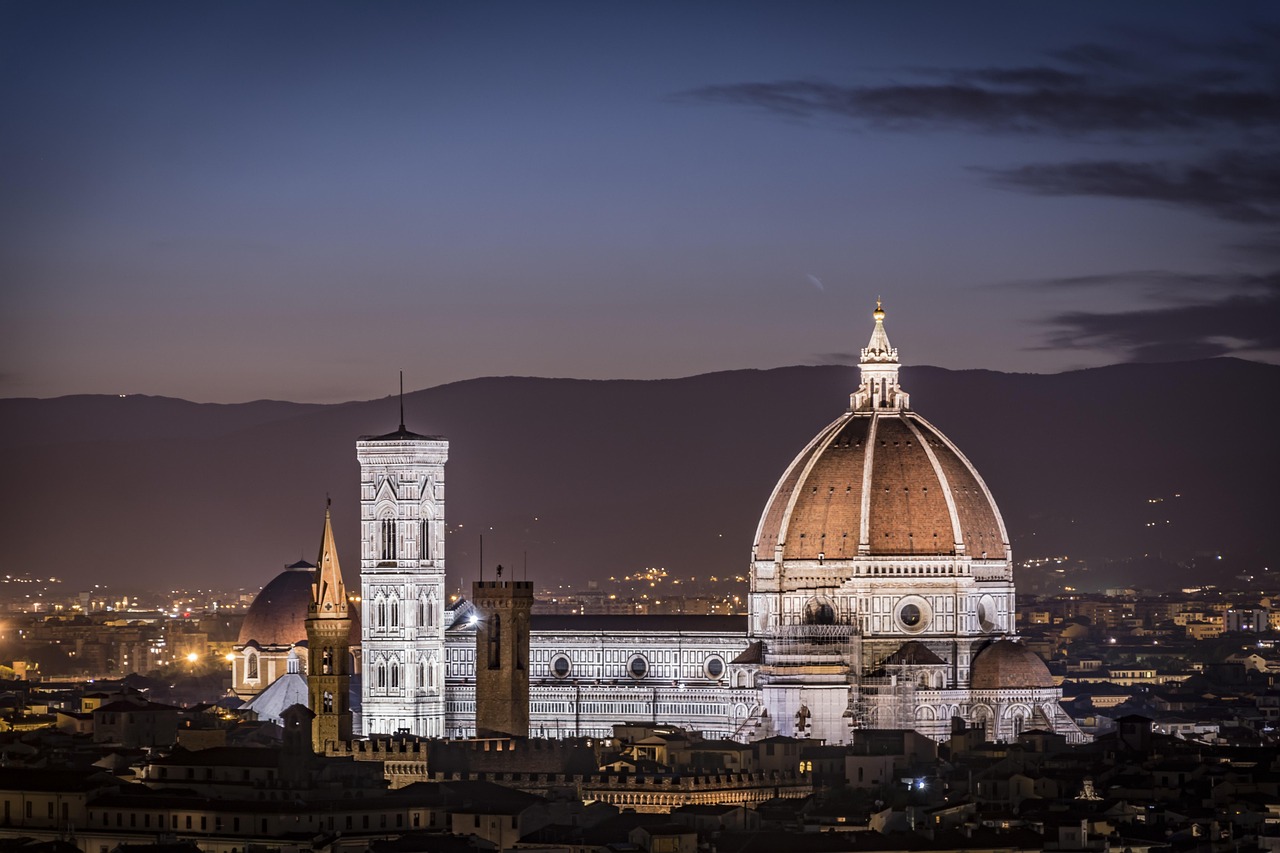
Florence’s skyline at dusk: terracotta rooftops, soft light, and cathedral silhouettes
Florence art with insider access: a private tour at the Uffizi
A couple once told me their private tour of the Uffizi changed how they see painting forever: fewer crowds, an expert who translated symbolism into story, and the freedom to pause without pressure. In Florence, this kind of access doesn’t just save time—it deepens your relationship with a museum and the city itself. If you want art days that feel elevated, request early entry or a private approach where possible, and let the galleries unfold with care.
Duomo viewpoints and a Michelangelo moment
Pre-book a dome time for the Duomo so you can climb without stress and take in those breath-catching cityscapes over terracotta roofs. Inside the cathedral, you feel the ambition of a city that shaped the modern imagination—and from above, Florence looks quietly eternal. Add a Michelangelo moment, whether that’s David or a viewpoint at dusk, and include a boutique artisan workshop to uncover the living craft behind the headlines.
- Two-day rhythm: one major museum each day, then neighbourhood wandering and a calm aperitivo.
- Dining: reserve a refined osteria and keep gelato as a simple ritual between galleries and evening promenades.
- Comfort: choose accommodation that lets you walk everywhere—Florence is best felt on foot.
Tuscany – wine estates, tuscan hill towns, and Chianti-led indulgence
Tuscany is the antidote to city intensity: rolling landscapes, cypress lines, and estates where hospitality is an art. This tuscan chapter is where you slow down on purpose, letting lunch stretch, tasting notes deepen, and conversation feel effortless. With a driver and a thoughtful route, you can explore without compromise—celebratory yet safe, indulgent yet grounded.
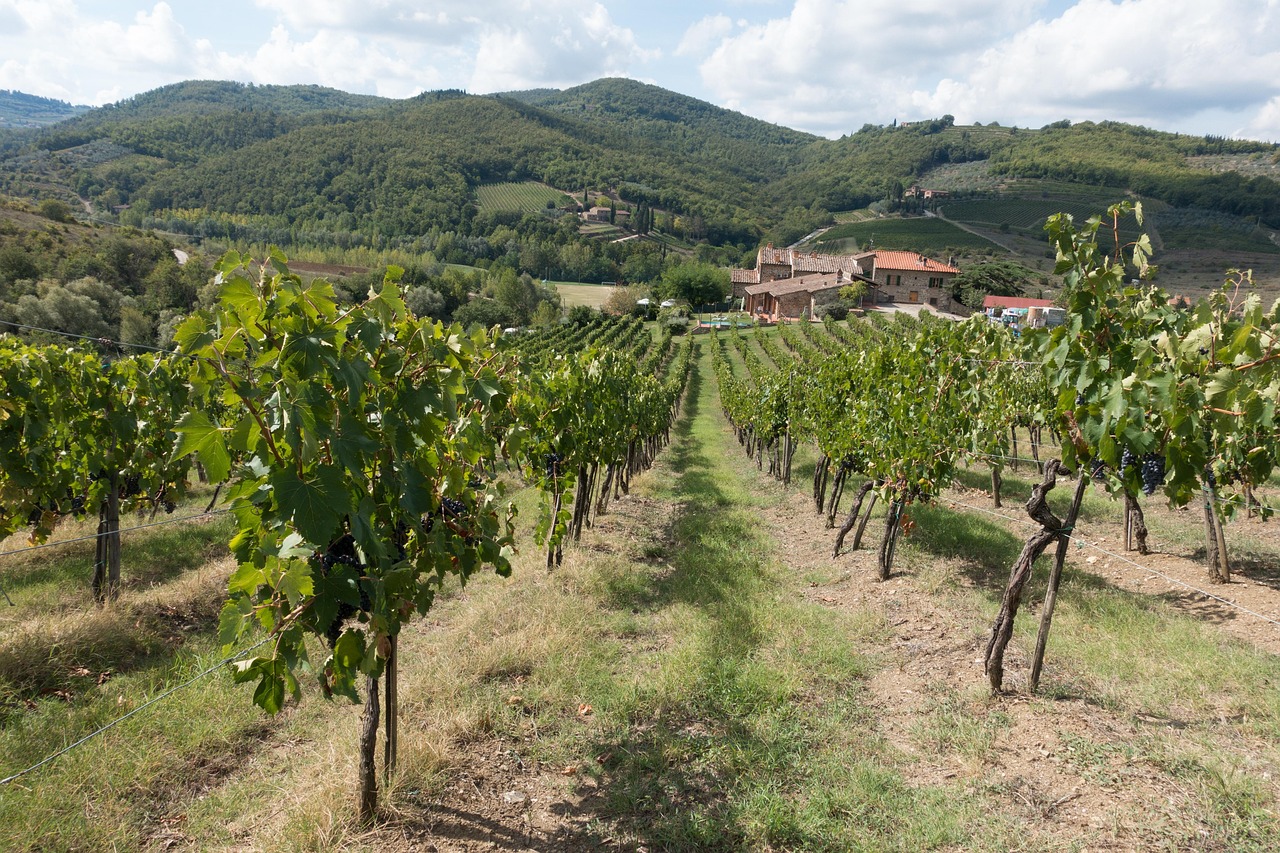
A countryside pause in Tuscany: vineyards, long lunches, and golden-hour drives
Private tastings: a seamless Chianti-to-Brunello arc
Plan a private wine-tasting day that feels unhurried: cellar access, a measured number of pours, and a table set for a slow lunch. A well-designed route can include Chianti and Brunello in one arc, with a driver ensuring the mood stays seamless from first sip to golden hour. The best estates offer local insight—how the soil changes the style, why oak matters, and how a family’s history shaped the wine in your glass.
Hill towns, stays, and weather-proof elegance
Weave in a hill-town interlude—San Gimignano is ideal for a main square stroll, boutique shopping, and a quieter lane a local guide can uncover beyond the crowds. For stays, consider a countryside villa or a heritage estate: restorative between Florence and the coast, and especially rewarding if you’re travelling together as a family or couple. Build in flexibility for weather—an indoor tasting, a long lunch, and a vineyard walk when the light returns—so the day remains absolutely worth a visit.
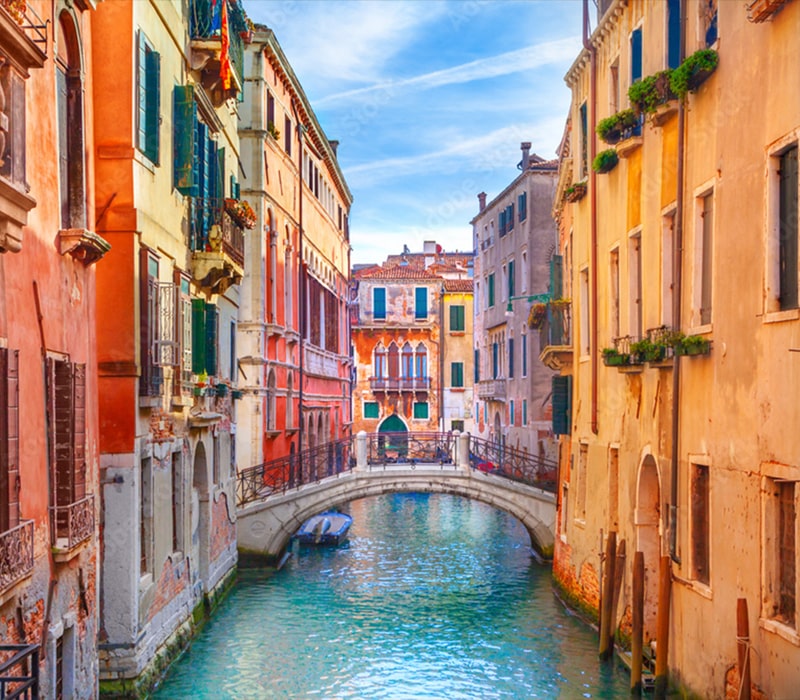
Venice is a reminder that a destination can be both famous and deeply tender—if you approach it with intention. To visit Venice well, choose a boutique, water-facing stay, then explore early or late when the streets soften and the city feels like it’s exhaling. Venice is one of the most beautiful places to slow down, because its charm lives in details: a courtyard turning quiet, footsteps on stone, and light moving across a canal wall.
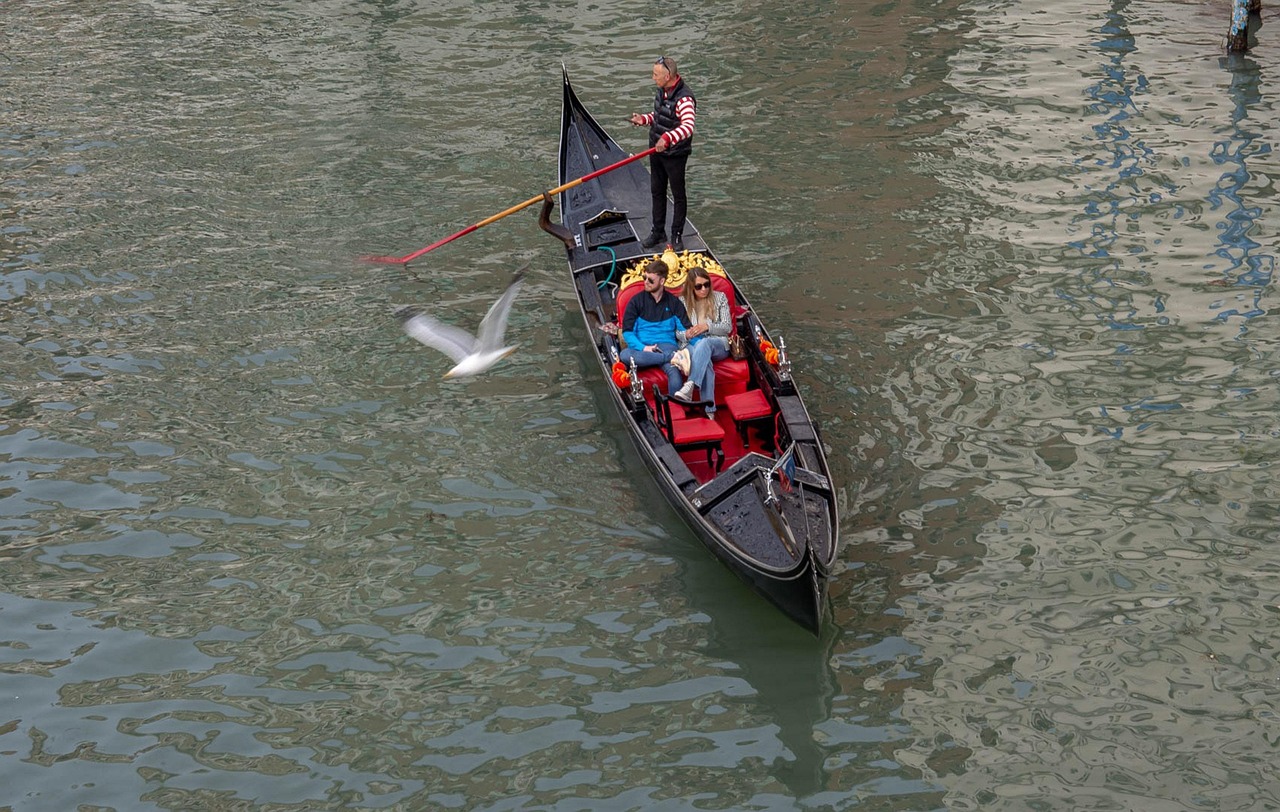
Lantern light and still water: a classic evening in Venice when the lanes finally quieten
Private gondola moments: a quieter route with one Grand Canal reveal
A traveller once recounted a magical evening gondola ride: soft serenades, the glow of lantern light reflecting over the water, and an intimacy that made the city feel like it belonged to them for an hour. Choose a private route that slips through smaller waterways before offering a single view of the Grand Canal, and you’ll understand why Venice sits on so many bucket list dreams. This is not about speed; it’s about letting the city reveal itself.
Murano & Burano beyond the postcard: artisan craft and village calm
For places to explore beyond the centre, take a gentle excursion to Murano for glass craftsmanship and to Burano for colour and a calmer, village-like rhythm. Between stops, give yourself one quiet backstreet moment—step away from the main flow and uncover Venice’s human scale. Reserve a waterside table for dinner, then take a slow walk afterwards; Venice at night can feel like one of the most beautiful experiences you’ll have in Europe.
In crowded vaporetto areas, keep valuables secure, carry minimal jewellery, and keep your hands free for photos. That small layer of care helps you relax into the romance.
Milan style – Duomo, design, then Lake Como & Lake Garda in northern Italy
Milan is a modern city with serious style—fashion, galleries, and architecture that deserves more than a quick look. Pair it with a lakes chapter and you get a perfectly balanced rhythm: design-led energy, then water-and-mountain calm that restores you. This is a signature pairing for northern Italy, especially when you want variety without constant packing and unpacking.
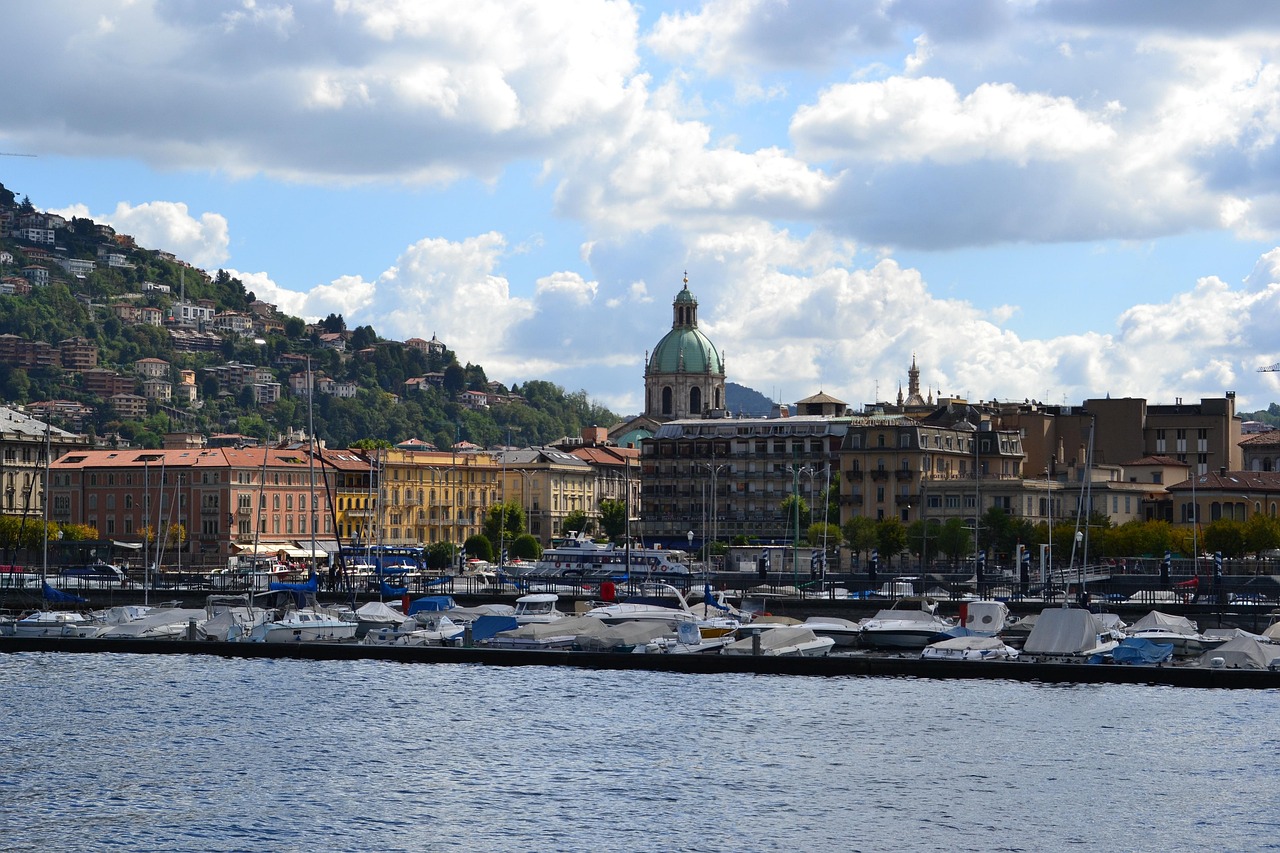
Lakeside villas and mountain air: an easy reset after a few stylish days in Milan
Milan design, fashion, and the Duomo rooftop
Start in Milan with the Duomo rooftop—an architectural pause that reframes the city’s scale and ambition. For shopping, a curated plan makes all the difference: appointments, ateliers, and thoughtful pacing so you’re not rushing from one label to the next. Milan is a tourist destination, yes, but it’s also a working creative capital—one of the cities in the world where taste feels like a language spoken fluently.
Lake Como slow luxury and Lake Garda as a refined add-on
Lake Como brings slow luxury: private boat moments, villa gardens, and lakeside dining where the view is as polished as the service. Lake Garda is a refined add-on if you’re continuing towards the alps or want a gentler waterfront scene that still feels unmistakably Italian. For transport, rail into Milan is ideal, then a private transfer to the lakes creates a seamless shift from city sparkle to quiet nature.
- Best for: design lovers, shoppers, and travellers who want water-and-mountain calm without going remote.
- Make it feel premium: book a private boat and reserve a lake-view table for a long lunch.
Cinque Terre villages – a relaxed Italy itinerary with Vernazza, Corniglia & Monterosso al Mare + a Pisa day trip
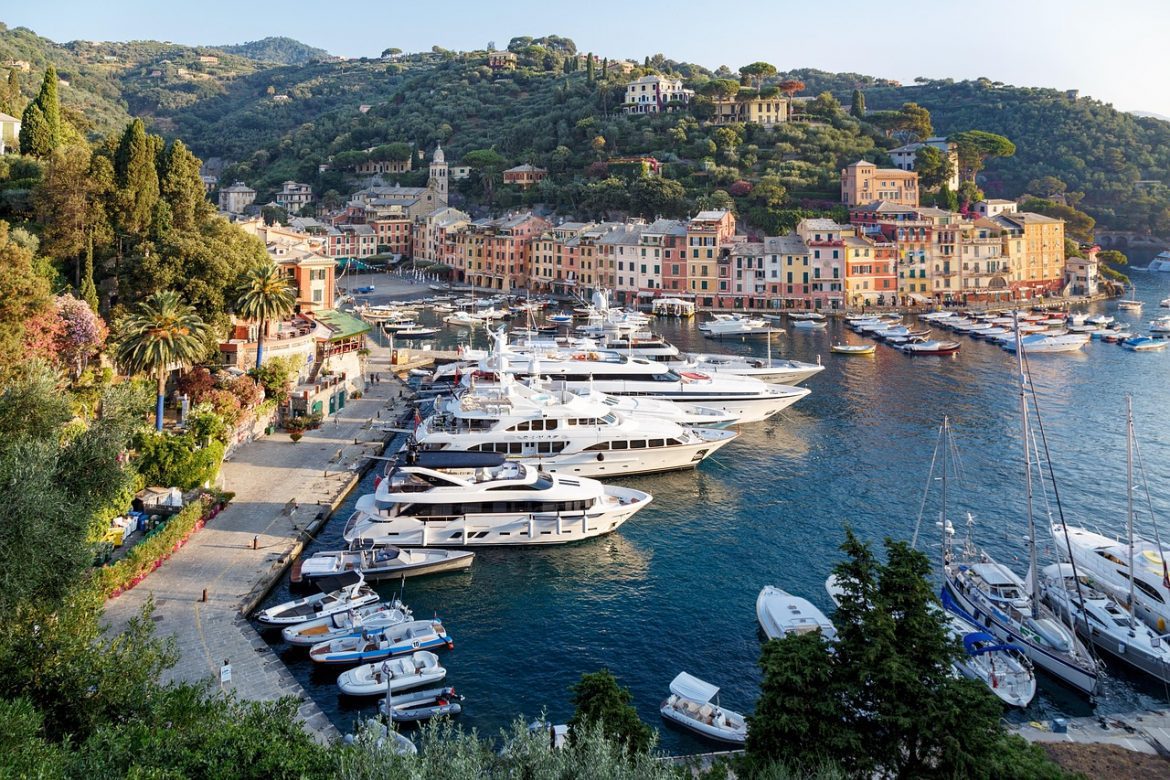
Cinque Terre works best when you resist frantic hopping. This national park is a string of cliffside scenes where the luxury is time: a slow lunch, a swim, and golden-hour viewpoints rather than a race. Stay one or two nights so Cinque Terre feels like a coastal chapter, not a crowded interruption, and you can enjoy the coast at the pace it deserves.
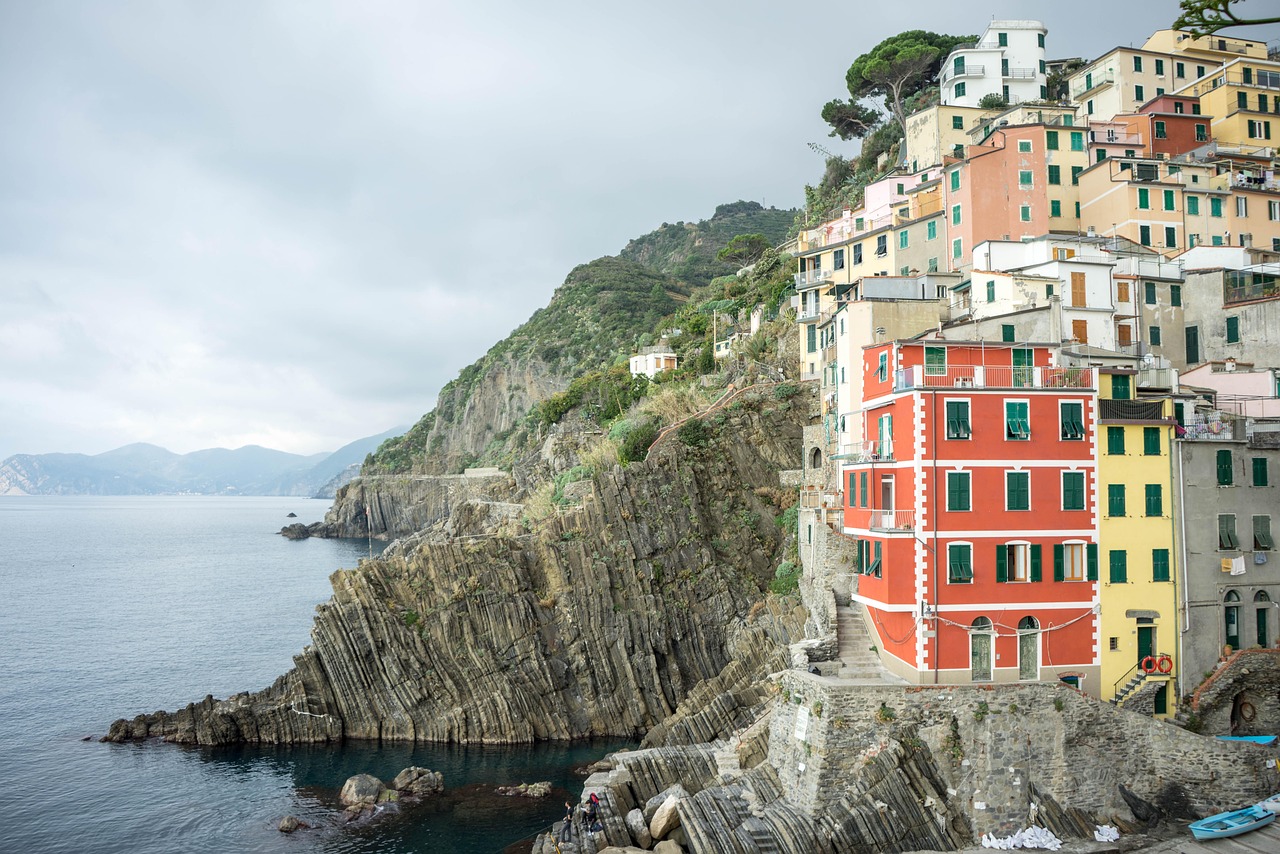
Colourful cliffside villages, sea views, and slow lunches: the classic Cinque Terre mood
Village-by-village highlights and an easy beach hour
Each village has its own personality: Vernazza for postcard harbour views and a sunset aperitivo, and Corniglia for a quieter perch above the sea. For the easiest sand-and-sea moment, head to Monterosso and plan one signature beach hour to keep your day balanced. When Cinque Terre is approached gently, it becomes one of the best places to visit on mainland Italy for pure atmosphere.
Trains, trails, and the leaning tower of Pisa
Use local trains between villages for comfort, and treat hiking as optional rather than compulsory—trail timings can change, and heat can make “short” walks feel long. For less mobile travellers, a private guide can design accessible viewpoints and restful stops without losing the magic. If you’d like a classic excursion, add the leaning tower of Pisa from Florence or the coast, and pre-book entry to avoid queues.
For photography, travel light, aim for golden hour, and design a slow lunch into the centre of the day. Cinque Terre is a UNESCO World Heritage Site, and it rewards those who let it breathe.
Naples energy – Pompeii, Vesuvius views, and the Amalfi Coast by private boat to Capri
Naples is vivid, confident, and unforgettable—a gateway to southern Italy where bold food meets dramatic landscapes and history feels close enough to touch. With a trusted driver and hotel support, Naples becomes far more comfortable, so you can explore with confidence. From here, you can experience Pompeii and the Amalfi Coast in a way that feels crafted, not chaotic.
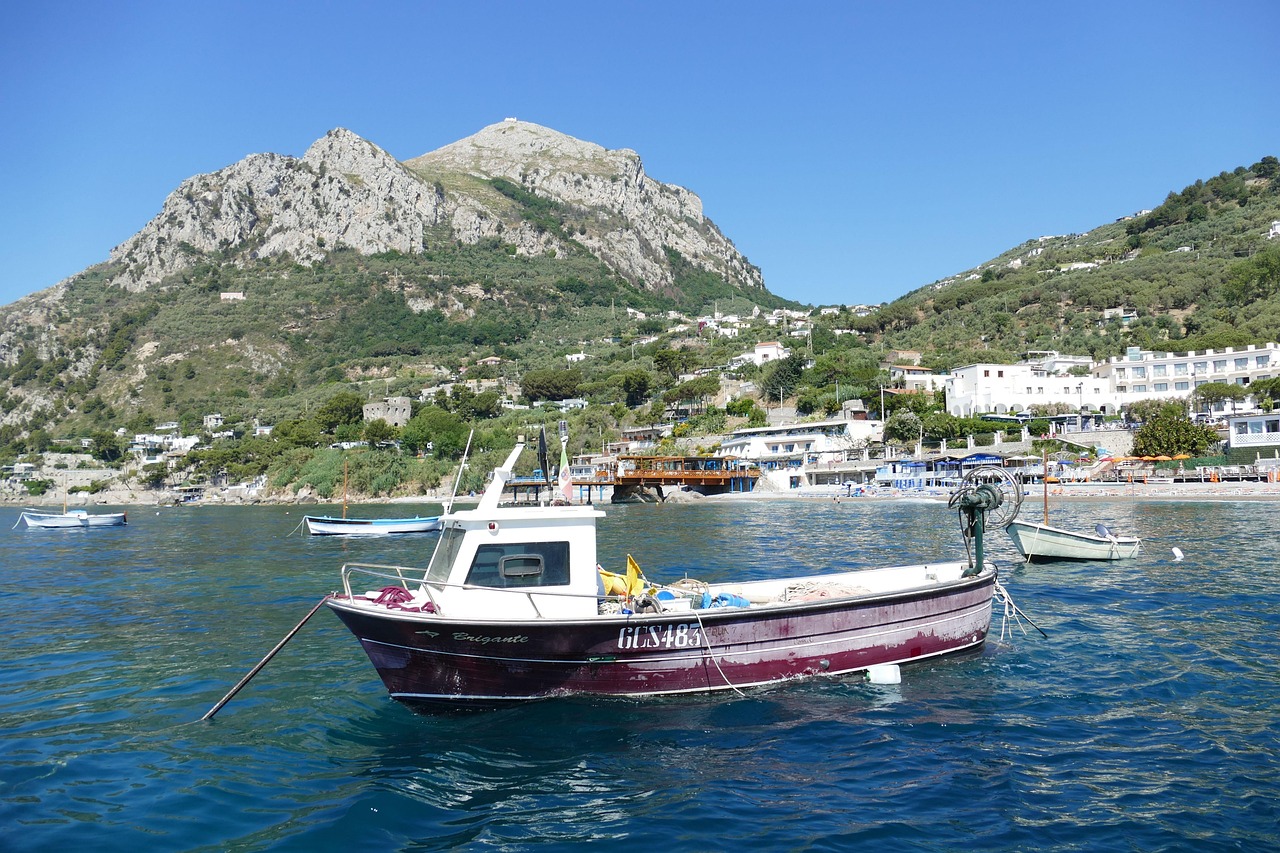
Cliff-lined coastlines and clear water: a boat day is the most effortless way to experience the Amalfi Coast
Pompeii time capsule with expert context
Pompeii is a powerful time capsule—streets, homes, and traces of daily life preserved by volcanic ash. An archaeologist-led visit brings real insight: not just what you’re seeing, but why it matters, and how people lived before the eruption reshaped everything. It’s easy to add a brief Vesuvius viewpoint for context, but avoid overpacking the day; the emotional weight of Pompeii deserves time.
Amalfi Coast and Capri by private boat
The Amalfi Coast is at its best from the water. Charter a private boat for exclusive access and a personalised route—drifting past Positano, pausing in a hidden cove for a swim, and stopping near Sorrento when you want lunch with a view. A well-timed boat day gives you space for sun, a true beach moment, and the easy joy of moving with the coastline instead of fighting traffic.
Capri makes an elegant add-on, particularly with a late-afternoon arrival when lanes are quieter and terraces feel softly lit. Order a simple limoncello, watch the light change, and let the day settle. For practical ease, pre-book restaurants and beach clubs, keep cash/cards organised, and avoid carrying passports—store valuables in the hotel safe, then travel light.
After Italy: what stays with you when exploring Italy
Exploring Italy often begins long after you’ve unpacked. It might be the remembered texture of stone underfoot, the lift of voices in a piazza, or the particular way light sits on water in Venice—small details that return without being summoned. These are the moments that outlast photographs, because they were felt rather than collected in a beautiful country that rewards attention.
What often surprises travellers is how trust and care in planning creates room for spontaneity. When the practical pieces are supported—transfers, reservations, and the quiet reassurance of knowing you won’t be stuck in a queue—you can say yes to an unplanned conversation with a local, a museum room you didn’t expect to love, or a calm pause by the sea when you realise you don’t need to rush.
And perhaps that’s Italy’s most enduring gift: the sense of moving through the world with softened pace and steadier confidence, together, as if beauty is something you can notice more clearly when you’re not fighting the day. You may return home with new insight, but also with a gentler way of paying attention.
One evening, months from now, you might find yourself imagining a canal slipping into lantern light, a vineyard turning gold, or a simple stroll that needed no destination—only time.
F.A.Qs: Top places to see in Italy
What are the top 5 things to see in Italy?
For many luxury travellers, the top five are Rome’s Colosseum, an early Vatican visit with an expert guide, Florence’s Renaissance art, Venice by private gondola, and the Amalfi Coast by boat. Add Tuscany wine estates for an easy upgrade in depth and calm, especially if you enjoy slow lunches, views, and private tastings.
What is the most beautiful part of Italy?
Beauty is personal, but the Amalfi Coast is often described as the most dramatic, with cliffs, turquoise water, and glamorous towns. Venice can feel uniquely beautiful in the early morning or late evening, while Tuscany offers a softer beauty—vineyards, hill towns, and golden light that invites you to slow down.
What is the big 3 of Italy?
The “big 3” usually refers to Rome, Florence, and Venice. Together they offer ancient grandeur, Renaissance masterpieces, and iconic waterside scenery. For high-end travel, the experience improves significantly with timed entries, private guides, and a pace that includes long meals and restful hotel time, not just sightseeing.
What’s the top 15 destination in Italy?
A strong top 15 often includes Rome, Florence, Venice, Milan, Lake Como, Lake Garda, Tuscany, Cinque Terre, Pisa, Naples, Pompeii, Capri, the Amalfi Coast, plus islands such as Sardinia and Sicily. The best list depends on your travel style—art-focused, food-led, coastal, or a blend designed around comfort and timing.