Post Contents
- Things to see in Venice Italy – a well-paced travel guide to the best things to do in Venice and the top attractions
- Piazza San Marco and Basilica di San Marco – bell tower views and golden light
- Doge’s Palace and the Bridge of Sighs – Venetian Republic power, art, and intrigue
- Grand Canal route – Rialto Bridge, vaporetto vs water taxi, palazzo facades, and ponte viewpoints
- Gondola ride at sunset – a canal experience and Venice from the water
- Murano and Burano day trip from Venice – lagoon islands for glass, colour, and space
- Dorsoduro Venice – canals, artisanal shops, and best places to slow down
- See in Venice: personal reflections from a Venice travel guide
- F.A.Qs: Things to see in Venice Italy
Things to see in Venice Italy – a well-paced travel guide to the best things to do in Venice and the top attractions
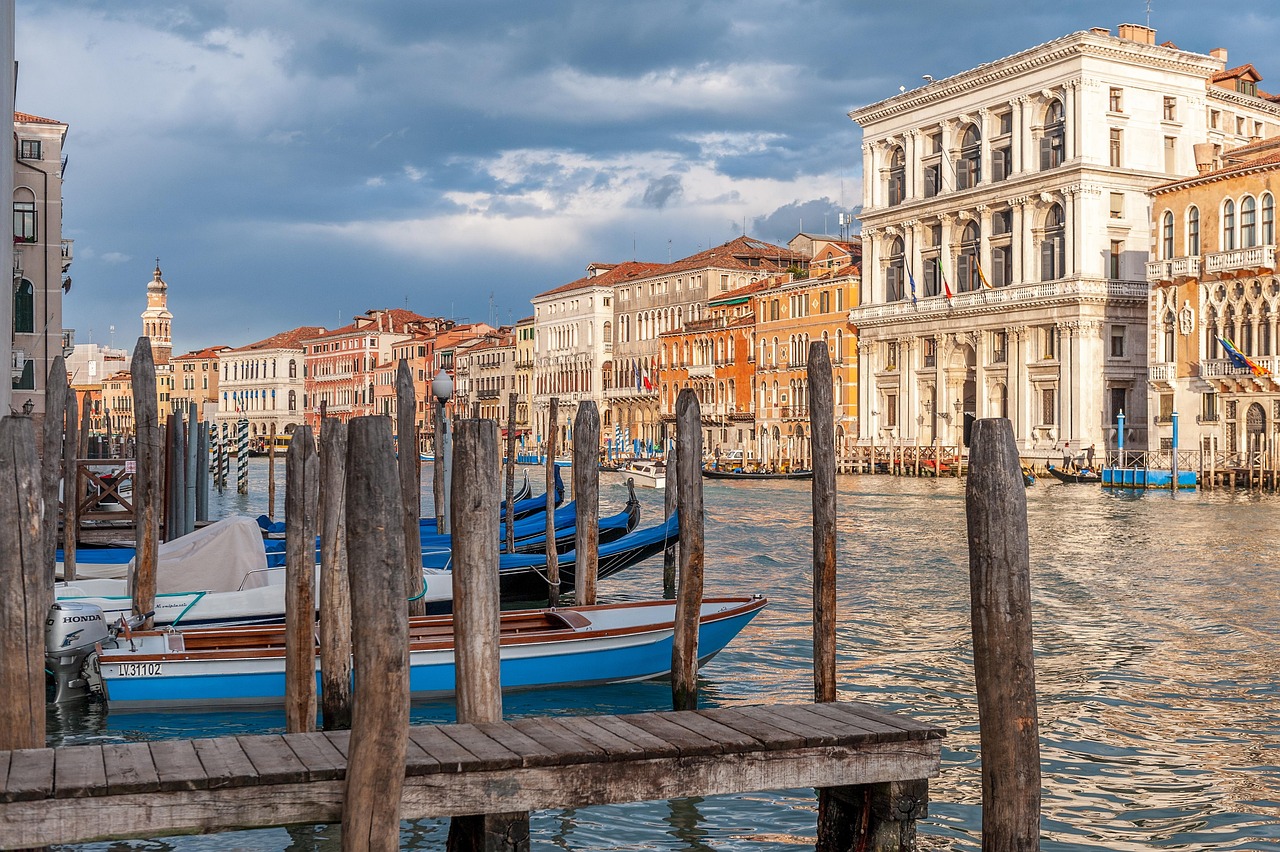
A calm first-time plan for Venice: canals, bridges, and standout sights, paced like a local
This travel guide to Venice begins with one reassuring idea: to see Venice clearly, let water lead. Each canal is a corridor, each bridge is a threshold, and every neighbourhood has its own tempo—so your Venice itinerary feels intuitive rather than rushed. If this is your first time, visit Venice with a simple goal: build your day around the water and let the details arrive naturally.
The heart of Venice is compact, but the atmosphere changes quickly from one part of Venice to the next. The open drama of Piazza San Marco can be followed—within ten minutes—by a quiet canal where laundry lines and small courtyards soften the mood. That contrast is one of the best places to begin: allow the city of Venice to hold both spectacle and stillness at once.
Best things to do, with breathing space built in for real discovery
Think of the best things as a sequence, not a scramble. Give yourself one “anchor” attraction in the morning, then leave a generous pause for drifting: a small gallery, a bookshop, a shaded campo for espresso, or a short gondola crossing that resets your perspective. This is how attractions in Venice stop feeling like a checklist and start to feel like a lived-in place.
Day trippers change the texture of Venice across the day, especially around lunchtime. Early and late are kinder: you’ll notice reflections, door knockers, and the hush of footsteps on stone—details many travellers miss because they’ve overbooked themselves.
Tips for visiting Venice: transport, timing, and one easy trip around Venice
For interesting and unique experiences beyond the centre, plan at least one “around Venice” moment—an island, a viewpoint, or simply a longer vaporetto ride that lets the city unfold in motion. If you’re shaping a week Italy itinerary, Venice pairs beautifully with Verona or the Dolomites, but it also rewards unhurried days on its own. The aim is to experience Venice with intention: one strong plan, then room for serendipity.
- Time to visit: spring and early autumn for softer crowds and fewer acqua alta disruptions.
- Arrivals: travel to Venice via Marco Polo Airport or high-speed train to Venice Santa Lucia, then choose vaporetto or water taxi depending on luggage and privacy.
- Seamless planning: prioritise timed entries for major sites, then keep open space between museums and bridges—your best “hidden gems” often appear in that in-between time.
If you’d like to explore curated Italy travel with support and expert pacing, begin with our Trip gallery and imagine the version of Venice that suits you.




Piazza San Marco and Basilica di San Marco – bell tower views and golden light
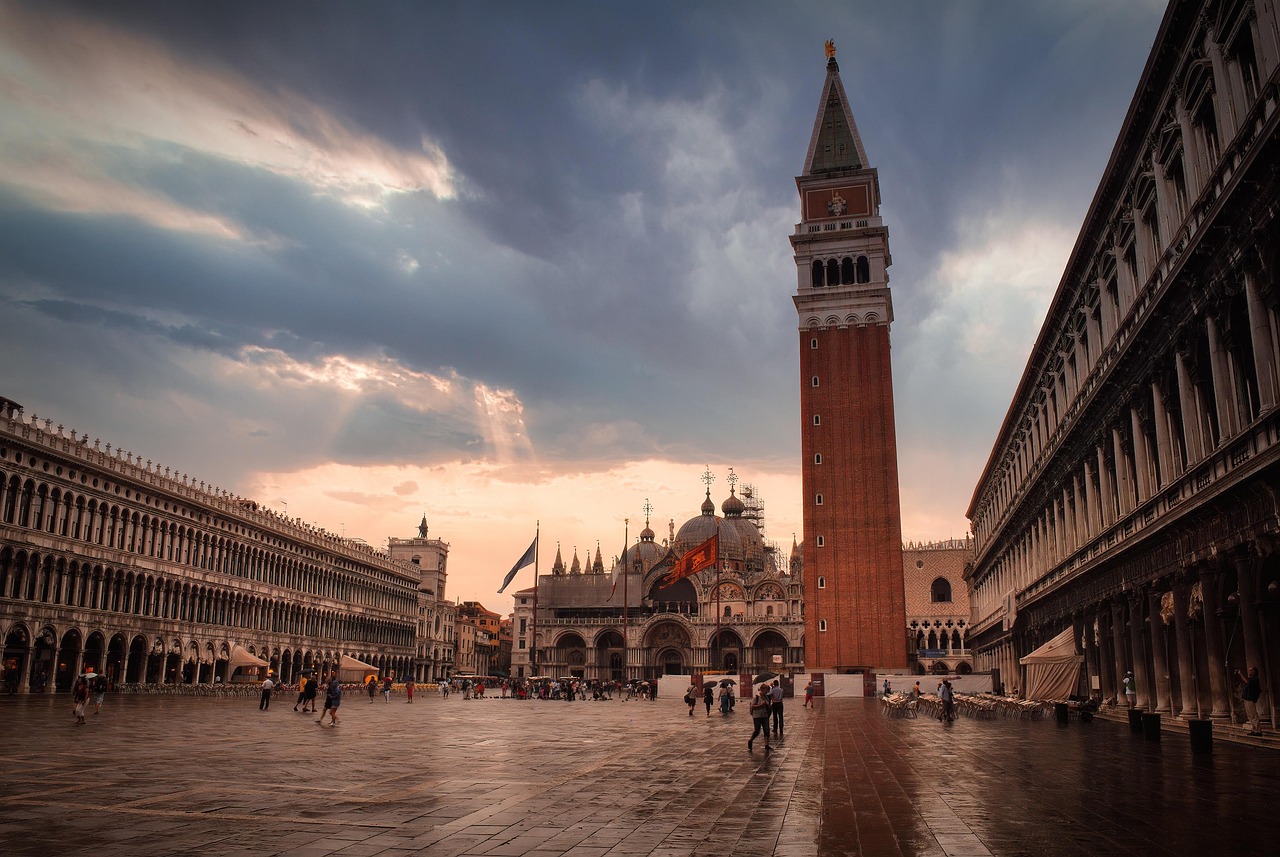
Piazza San Marco at first light, with the Basilica di San Marco glowing softly before the crowds
Make Piazza San Marco and the Basilica di San Marco your early anchor, and you’ll feel the difference immediately. Arrive early in the morning, when the paving stones are still cool and the square feels like an elegant stage before the audience arrives; in peak tourist periods, keep belongings secure and close. You’ll move with more ease, and you’ll hear the city instead of just the crowd.
Even in a destination filled with celebrated sights, this basilica lands deeply. It’s more than a symbol; it’s a shimmering record of Venice’s connections—Byzantine, Mediterranean, mercantile—layered into gold and stone in a distinctly Venetian language of craft.
Basilica di San Marco mosaics and interior details, seen with care
Step inside Mark’s Basilica and let your eyes adjust. The opulent gold décor and Byzantine mosaics hold the light in a way that feels almost alive as the day shifts, and the carved columns reveal centuries of seafaring influence and trade across the lagoon. Take your time in the quieter corners; the best details are rarely in the first glance.
To keep the experience respectful and unhurried, dress modestly (shoulders and knees covered) and speak quietly. If you’re travelling with family, set the tone gently before entering—Venice rewards travellers who move with trust and care.
Bell tower viewpoints: a clean view of the city, minus the chaos
The bell tower is your crafted “view of the city” moment. Go either right after opening or later in the afternoon, when queues can soften; from the top, you’ll trace the lagoon edge, the canal lines, and the geometry of rooftops stitched together by bridges. It’s also a useful orientation for the next part of your day, especially if you’ll be riding the vaporetto later.
- Photo guidance: look for patterns—domes, terracotta, and the green-blue ribbon of water—rather than trying to capture everything at once.
- Entry planning: some areas may be free to enter, while specific sections can require timed access; an expert-led visit can reveal symbols, hidden narratives, and craft details most people walk straight past.
Doge’s Palace and the Bridge of Sighs – Venetian Republic power, art, and intrigue
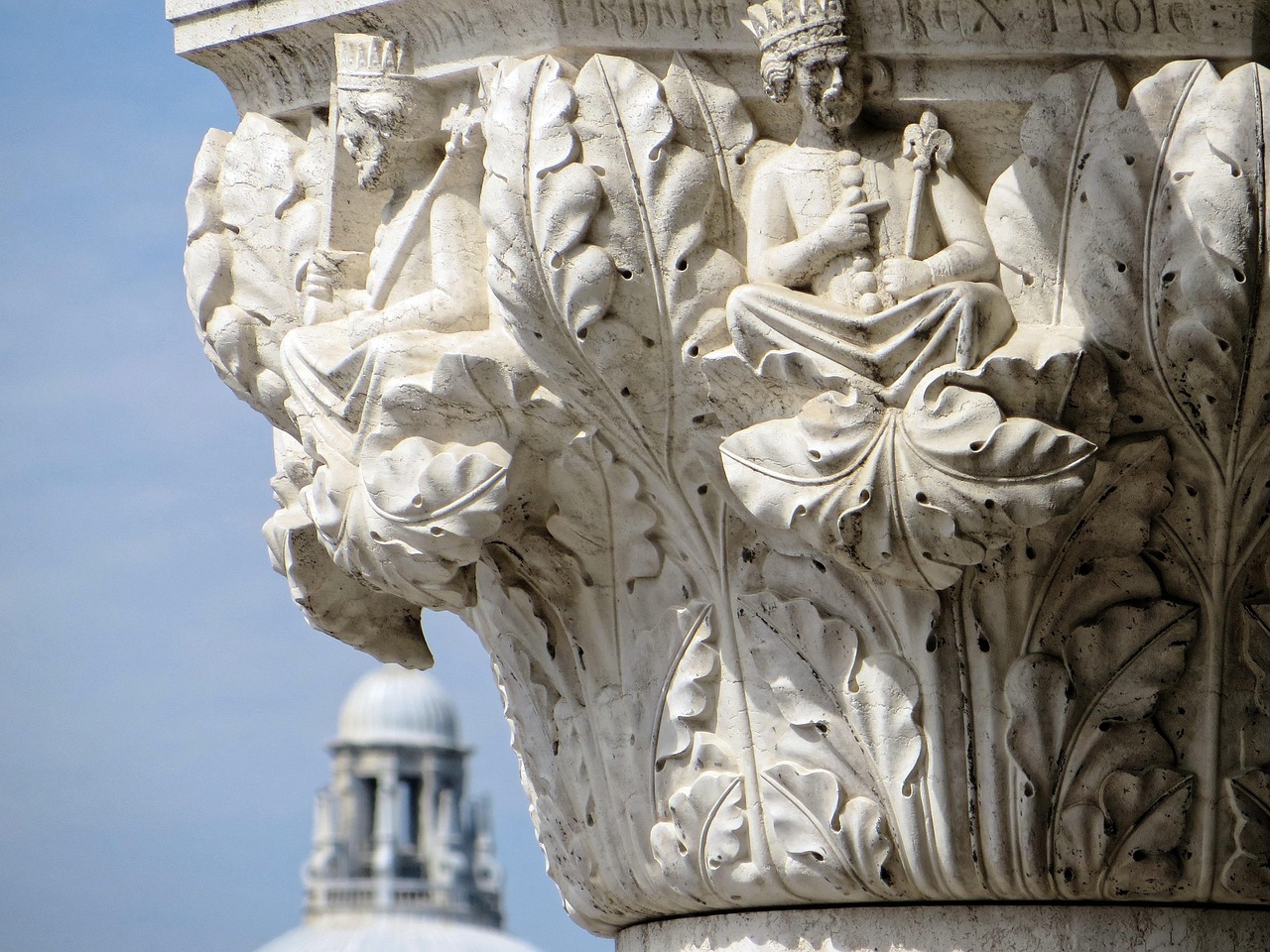
Renaissance Venice in focus: ceremonial rooms, painted ceilings, and the Bridge of Sighs
For the Doge’s Palace and the Bridge of Sighs, arrive with curiosity rather than a checklist. This attraction is where Venice’s story becomes tangible: power made ceremonial, governance made theatrical, and ambition painted across ceilings. It’s also where you sense how the Venetian Republic balanced beauty with control—an unusual mix that shaped centuries of trade, diplomacy, and identity.
Move slowly through the chambers and corridors, allowing the rooms to unfold like a sequence in a well-designed palazzo. The scale is impressive, yes, but it’s the detail—maps, allegories, and gilded emblems—that gives real insight into Venetian priorities and public image.
Palazzo Ducale halls: Venetian grandeur in Tintoretto’s shadow
An art enthusiast once described standing in the vast halls lined with Tintoretto’s masterpieces and feeling time compress. They imagined the city at its peak: envoys waiting, decisions being made, and art used as a language of confidence—an unforgettable note for anyone traveling to Italy with an eye for history. If you can, linger in the largest rooms long enough for the scale to stop feeling like spectacle and start feeling like narrative.
If you can, plan a private guide. The best guides don’t recite facts; they uncover symbolism in ceilings, decipher maps, and connect individual rooms into a coherent story so you leave with context, not just photographs.
Bridge of Sighs meaning and a quieter ponte for your photo pause
The bridge of sighs is more meaningful with context. It linked the palace to the prisons, a short walk that carried very real consequences; for a calmer viewing moment, step away from the densest flow and find an angle from a nearby ponte where you can pause without being pushed along.
- When to go: spring and early autumn are ideal; avoid peak summer heat and check forecasts for acqua alta.
- Ticket in advance: booking ticket in advance supports a seamless entrance, especially on popular days.
Grand Canal route – Rialto Bridge, vaporetto vs water taxi, palazzo facades, and ponte viewpoints
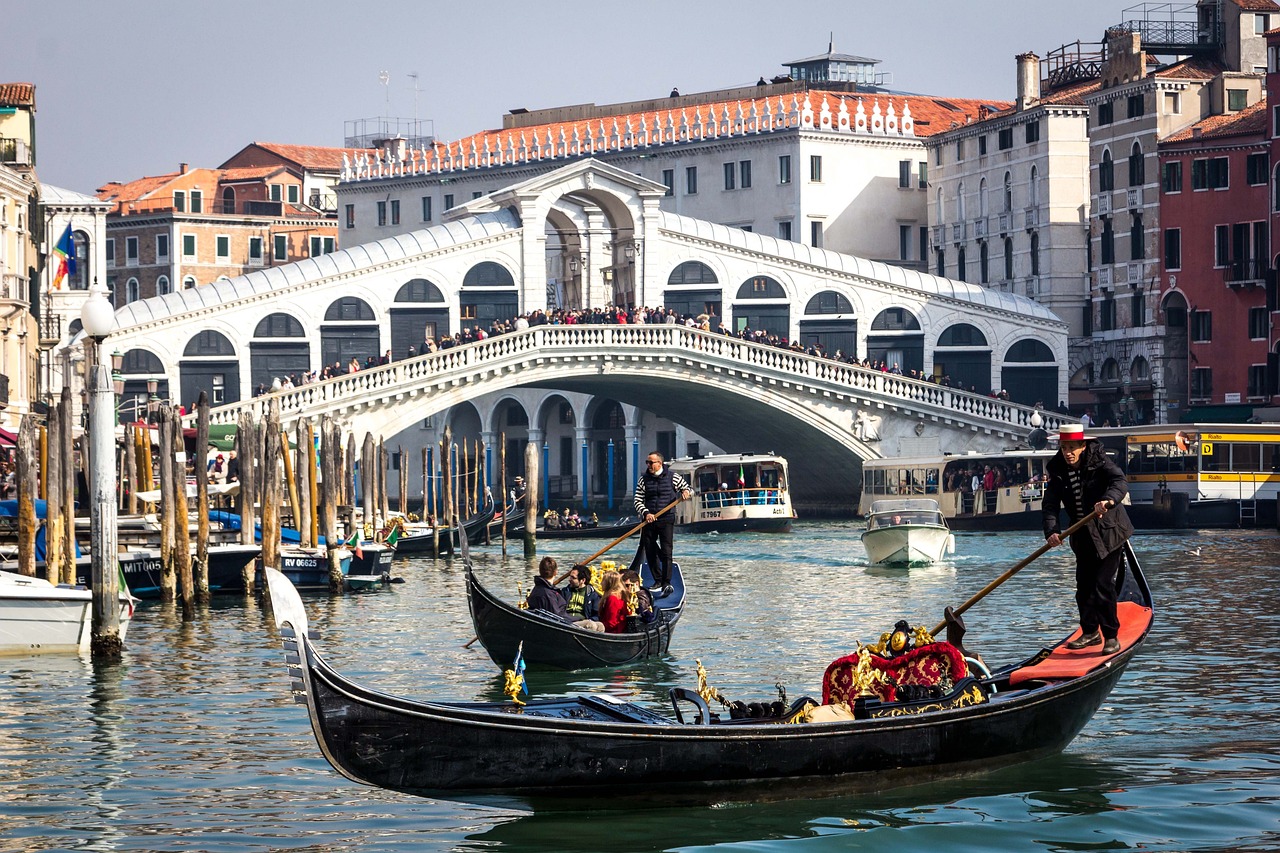
Along the Grand Canal: classic palazzo views, busy crossings, and a moving introduction to the city
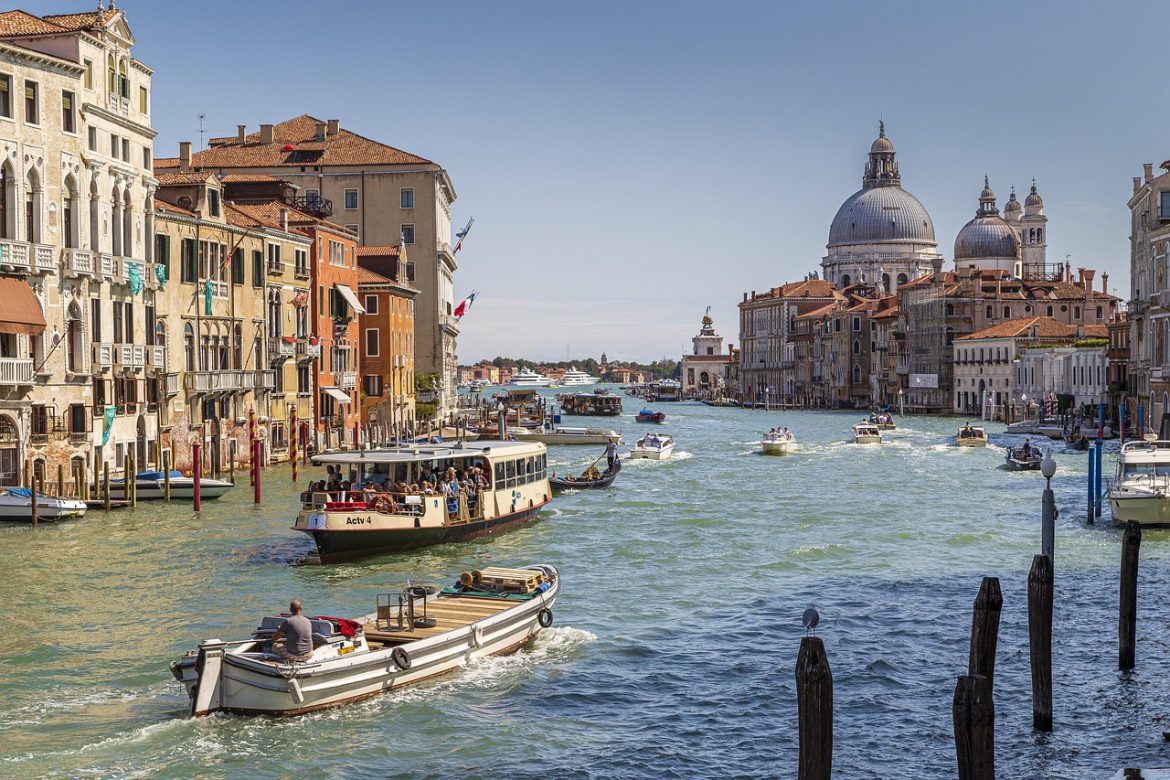
For a classic Grand Canal day, treat the waterway as Venice’s elegant main street. If the city feels overwhelming at first, the answer is often water: step onto a vaporetto, let the city come to you, and suddenly the layout becomes legible—this is along the grand canal in its best sense. It’s an easy way to build confidence and settle into the rhythm of the canal network.
Most travellers will love the vaporetto for its ease and steady cadence. A water taxi, meanwhile, is about privacy and polish: ideal with luggage, for a special arrival, or when you want the canal views without shoulder-to-shoulder crowds.
Rialto Bridge moments: markets, movement, and palazzo details
Start near Rialto Bridge, where daily life still hums—deliveries, market chatter, and the constant exchange between land and canal. The bridge is iconic, but the joy is in the surrounding palazzo fronts: arched windows, softened stone, and faded fresco traces made gentle by salt air. Watch the light shift across the facades; Venice is never one shade for long.
Then glide onward on the vaporetto, staying on deck if you can. Stand near the side for a layered view of Venice—church domes, small landings, and the occasional gondola slipping into side canals away from the main current.
A bridge in Venice viewpoint and a calm pause in San Polo
To reset, choose one quieter ponte for a pause—away from the densest photo clusters—then step into San Polo for a gentler tempo. A small campo and a coffee here can feel like a breath between bigger sights, and it supports a smoother day in Venice without constant switching. The simplest luxury in Venice is time.
- Navigation tip: validate vaporetto tickets properly and avoid peak boarding times mid-day where possible.
- On-board comfort: keep to the edges for airflow in warmer months and hold rails when the boat turns into the canal bends.
Gondola ride at sunset – a canal experience and Venice from the water
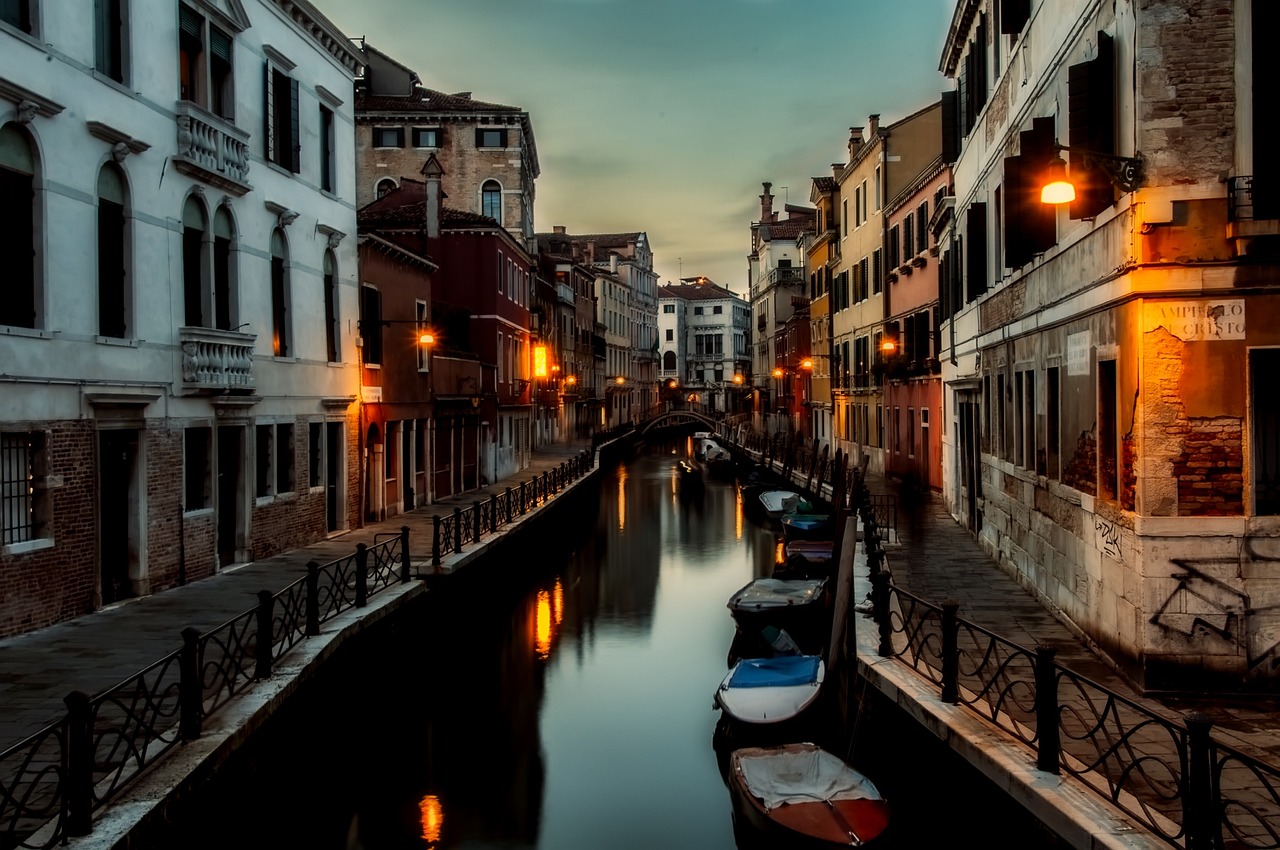
A sunset gondola through quieter canals: soft reflections, close-up stonework, and a slower pace
Choose a gondola when the city softens. At sunset, canal reflections become silkier, conversations drop to a murmur, and even familiar routes feel intimate; it’s one of the best things to do in Venice because it prioritises mood over speed. A gondola is not practical transport—it’s a small ritual that helps you notice what you’d otherwise pass by.
There’s a particular quiet that arrives when the oar dips and the boat turns into a narrower canal. The city becomes close—stone walls, tiny doors at water level, and lanterns beginning to glow.
Gondola at golden hour: the moment it becomes personal
A couple once shared how their gondola became unforgettable when their gondolier began to sing traditional Venetian songs. It wasn’t a performance for the crowd; it felt like something offered just for them, and the canal carried the sound gently forward. That’s one of the best things about Venice: the moments you can’t schedule, only make space for.
If you want that crafted calm, ask for a route that focuses on quieter canals rather than only the busiest stretches. It’s a simple request that changes the entire experience.
Practical comfort: pricing, timing, and a quieter starting point
Before you board, confirm the duration, the price, and the approximate route. For a more serene start, look for gondola stands a short walk from the most crowded areas, where the first few minutes won’t be spent in traffic; keep bags minimal so stepping on and off feels steady. If you’re travelling as a couple or family, agree on photos in advance so the ride stays relaxed.
- Afterwards: pair the ride with a short stroll for gelato or cicchetti—an easy way to keep the evening gentle.
- Busy seasons: even when it’s lively, you can protect the mood by choosing narrower canals and starting slightly earlier than the peak sunset crush.
Murano and Burano day trip from Venice – lagoon islands for glass, colour, and space
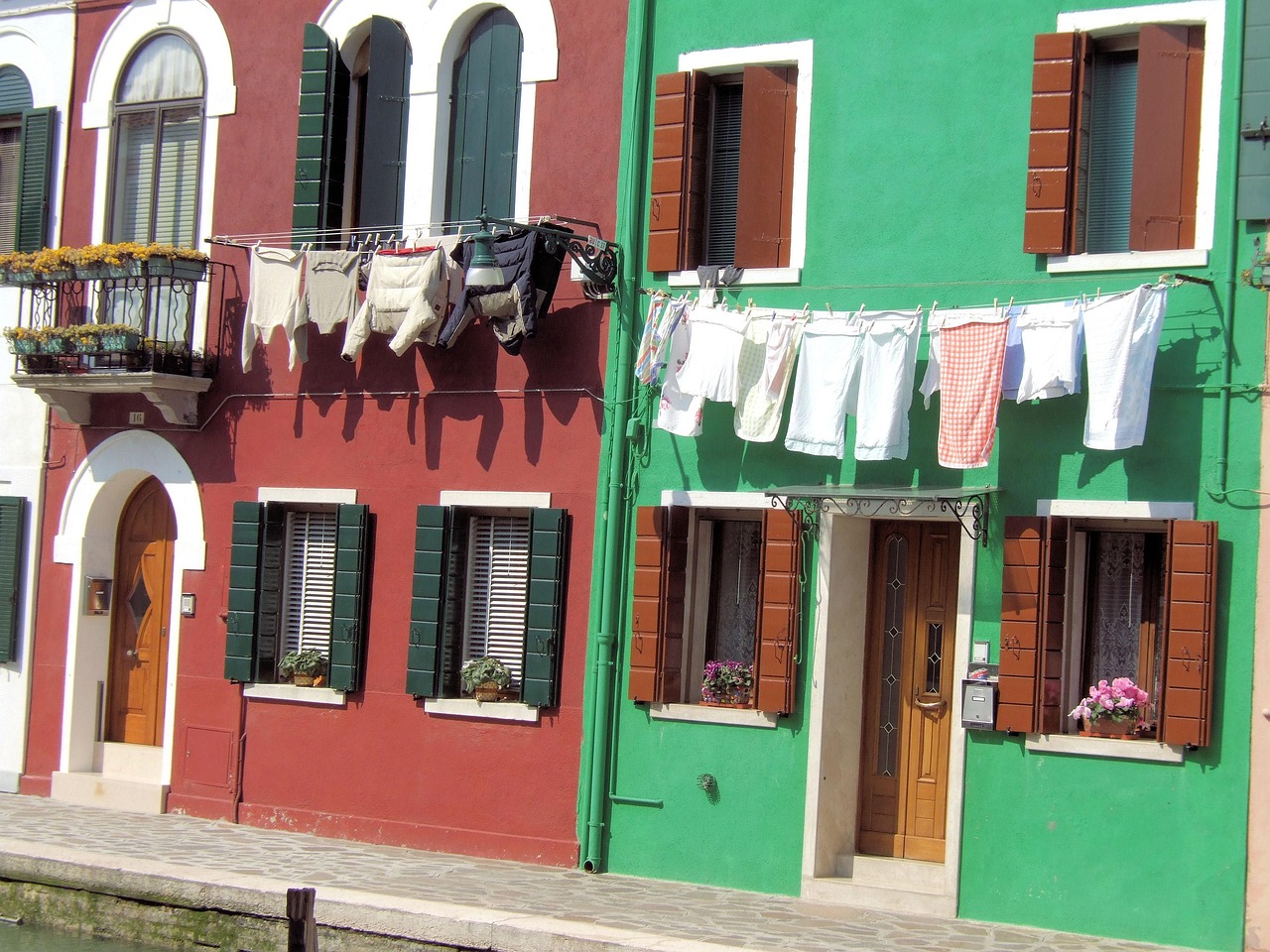
A relaxed island day across the lagoon: craft in Murano, colour in Burano, and a wider horizon
Think of these two islands as a change of texture rather than an add-on. A well-paced day gives you craft, colour, and a more spacious sense of the lagoon—perfect when you want to step away from the centre’s intensity without losing the Venetian thread. You’ll still find canals and bridges, just with more breathing room.
Leave in the morning, when boats feel calmer and the day still has shape. The vaporetto ride becomes part of the pleasure: wind, water, and a widening horizon that reminds you this city has always been shaped by movement.
Visit Murano: live glassblowing on the island of Murano
On the island of Murano, the focus is craft. Step into a workshop and you’ll likely hear it first: the hush, then murmurs of excitement as visitors watch glassblowers gather molten glass and transform it in real time; the skill is deeply Venetian and still astonishing to see. If you’re choosing a piece, ask where it was made and look for clear provenance rather than the loudest display.
Murano glass can be pricey, and it should be: the work is specialised and time-consuming. If you want truly unique things, consider smaller studios where you can speak with the artisan, learn what you’re buying, and avoid pressure sales.
Burano colour, quiet canal lanes, and San Giorgio Maggiore as a skyline option
Burano brings a different energy: colour-washed houses, quiet canals, and a pace that encourages wandering. For photographs, go slightly off the main lane; the best compositions often appear where laundry lines cross between houses and the canal mirrors the façades. If you still have energy on the return, an optional stop at San Giorgio Maggiore offers a classic skyline view of the city in clear light.
Plan a relaxed lunch and don’t over-schedule—Burano is at its best when you can linger. A slower pace here also helps you return to Venice feeling refreshed rather than over-stimulated.
- Logistics: map your vaporetto route the day before, and aim to return before the late-afternoon rush.
- Buying insight: authenticity cues include clear workshop branding, provenance information, and time to browse without insistence.
If you’re deciding whether to visit murano and burano, the simplest answer is this: the islands let you discover Venice’s artistry with more air around you.
Dorsoduro Venice – canals, artisanal shops, and best places to slow down
Dorsoduro in a nutshell: calmer canals, local galleries, and a quieter side of the city
Give yourself an afternoon in Dorsoduro that isn’t fighting the crowds. This area feels more local: quieter canals, small studios, bookshops you can browse without being hurried, and galleries that encourage you to look twice—ideal when you want the city beyond the main tourist stream. It’s one of the best places to notice everyday Venetian life without losing that unmistakable sense of beauty.
This district is especially restorative after the grandeur of the basilica and the Palace complex. It keeps your itinerary balanced: less spectacle, more texture, and more time for the small details that make Venice feel human.
The Peggy Guggenheim Collection: a modern-art counterpoint
The Peggy Guggenheim Collection is a perfect palate cleanser after Renaissance splendour. Keep your visit simple: choose a few rooms and let them land, rather than trying to “complete” the museum; it’s a gentler way to build insight and avoid fatigue. Afterwards, pause by the canal with a coffee and let your mind settle.
Venice has a lot to say when you give it space to speak.
Venice hotels and why stay in Venice changes everything
If you can, stay in Venice rather than commuting. The difference is profound: evenings become quiet, bridges empty, and the city feels like it belongs to itself again; choosing Venice hotels in Dorsoduro or nearby areas can make night-time returns calmer and more comfortable. Look for hotels in Venice with good soundproofing and a concierge who can help with vaporetto timing, especially if you’re arriving by water taxi.
- Comfort: stay hydrated and wear comfortable shoes—there are more bridges than you expect, and each one changes your stride.
- Food: for a relaxed approach to eat in Venice, choose small bacari for cicchetti and follow your appetite rather than trends; the food scene in Venice is best enjoyed slowly.
See in Venice: personal reflections from a Venice travel guide
This see in Venice reflection ends where the city begins: with light on water, and the feeling of being quietly held by the lagoon. Long after you’ve left, you may remember less about what you “did” and more about what you noticed—the way a canal bends and suddenly turns the day softer, or how footsteps fade after midnight and the city returns to itself. In a world of cities in the world competing for attention, Venice teaches you to look more closely.
There’s a particular kind of trust that grows when you travel thoughtfully. You learn to slow down without guilt, to choose one beautiful thing over five rushed ones, and to let a morning remain spacious; that’s often the real reward of a first visit to Venice. A good guide to Venice is simply a reminder that you don’t need to conquer this place—you need to notice it.
You might recall the warmth of gold against shadow, the sound of water against stone, or the small human kindness of a waiter who spots you looking tired and brings extra water without asking. These are the moments that create a personal relationship with a place—crafted not by price tags, but by care.
And perhaps that’s why people speak of back to Venice in such gentle tones. Not as an urgency, not as a promise you must keep, but as a quiet understanding that the city remains—waiting for the version of you who returns with a little more time, a little more ease, and a little more willingness to look closely.
When you imagine your next journey, let your visit to Venice leave you with a simple invitation: create small rituals—slower mornings, steadier steps, deeper noticing—and see what beauty appears when you stop hurrying past it.
F.A.Qs: Things to see in Venice Italy
What shouldn\’t I miss in Venice?
Don’t miss Piazza San Marco and the Basilica di San Marco for the mosaics, the Palazzo Ducale for Venetian history and Renaissance art, and at least one hour on the water—vaporetto along the Grand Canal or a gondola at sunset. If you have extra time, Murano’s glassmaking and Burano’s colour are wonderfully different, and Dorsoduro offers a quieter, more local feel away from the busiest canal routes.
What is the number one attraction in Venice, Italy?
For most travellers, Mark’s Basilica is the number one attraction because it’s visually extraordinary and deeply tied to Venice’s identity. The gold mosaics and layered Byzantine influence feel unlike anywhere else in Europe; to experience it well, go early, dress modestly, and consider timed access so you can move through with calm and context.
What is a must buy in Venice?
A meaningful purchase is something crafted in Venice: authentic Murano glass from a reputable workshop, fine paper goods, or a small artisan-made object you’ll actually use at home. Murano pieces can be expensive, so take your time, compare studios, and avoid pressure sales; the best souvenir is one with a story you trust, not the loudest display near a crowded bridge.
What food is a must try in Venice?
Try cicchetti (small bar bites) with a spritz or a local glass of wine, ideally in a simple bacaro where Venetians stop for a quick snack. You’ll often see seafood-led flavours and seasonal choices; keep it unhurried, order a few bites, sip slowly, and let it be part of the rhythm of the canals rather than a rushed reservation.