Post Contents
- Rome at a Glance: Best Things to Do in Rome in Style – Luxury Guide to Rome Attractions
- Landmark Circuit for Roman Ruins: Colosseum, Roman Forum & Palatine Hill – A Must-See Route
- Vatican City Masterpieces: Vatican Museum, Sistine Chapel & St Peter’s Basilica – Plan the Perfect Morning
- Baroque Rome Walk: Fountains and Squares – Pantheon, Trevi Fountain & Spanish Steps
- Trastevere Food Tour and Elegant Detours: Attractions in Rome Beyond the Tourist Trail
- F.A.Qs: Rome attractions and practical etiquette for first-timers
- After Rome: What Stayed With Me in the Eternal City (and Why I’ll Return)
Rome at a Glance: Best Things to Do in Rome in Style – Luxury Guide to Rome Attractions
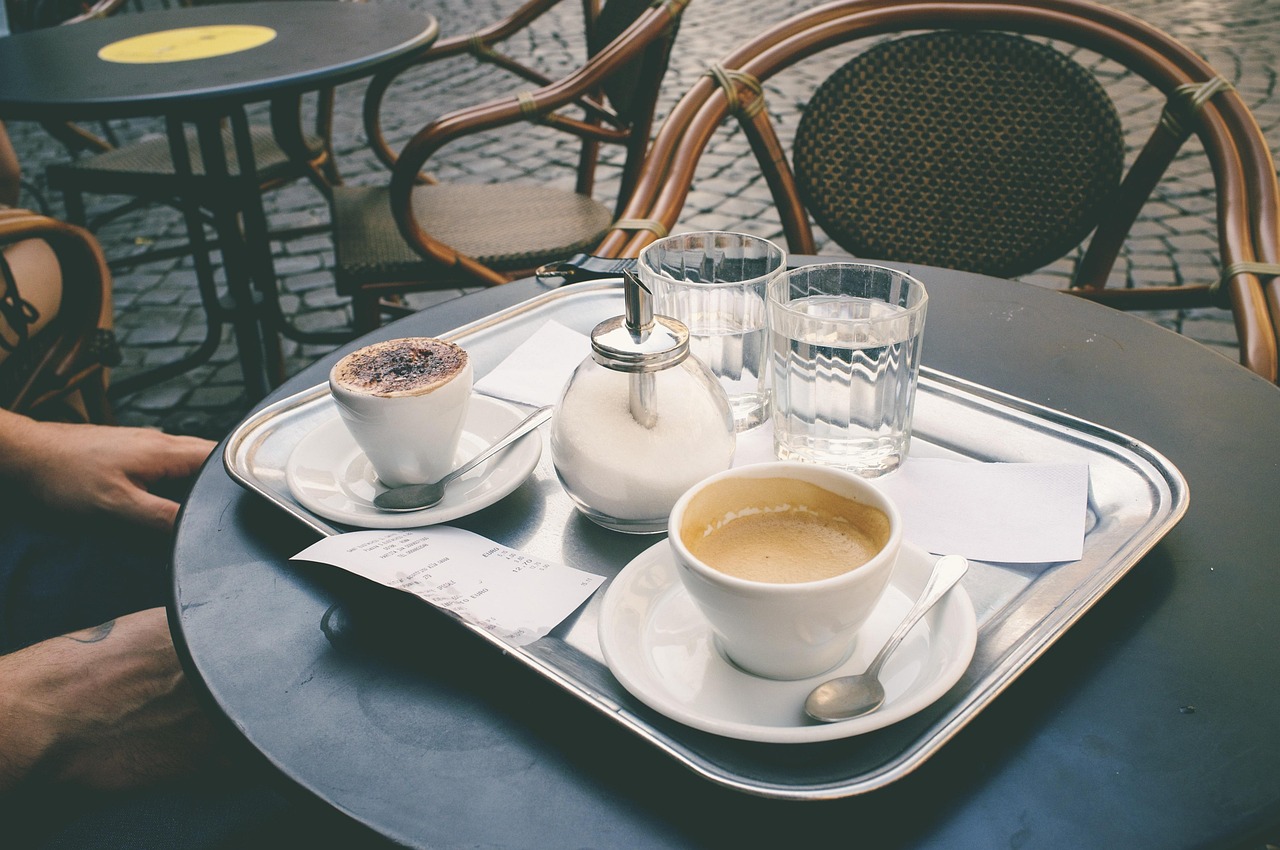
Rome at a Glance: Best Things to Do in Rome in Style, with a morning coffee pause
This luxury guide to Italy attractions, Rome, starts with one simple principle: lock in the must-see attractions early, then add a couple of graceful detours that feel like your own discovery rather than a tourist checklist. Rome scatters beauty across ordinary corners—an arch behind a gelateria, a fountain heard before it’s seen—so leaving breathing room matters as much as booking tickets. Consider this your curated list of Rome attractions, designed for calm pacing and maximum impact.
For first-timers, the centre of Rome is the Pantheon–Piazza Navona–Trevi corridor, with easy reach to the Spanish Steps and the river. Stay within that walkable web, and you can see a remarkable amount on foot, so the city feels coherent rather than sprawling. The goal isn’t to “do it all”; it’s to move between places in Rome in a way that keeps your pace unhurried and your attention sharp.
Visiting Rome with an effortless timing framework for museums, tickets, and crowds
The most reliable luxury upgrade in Rome is time: early entry to major sites, late openings for museum visits, and pre-booked slots that create space to actually enjoy what you came for. When visiting Rome in peak season, even a popular tourist route can swallow half your day in queues, so plan your day around low-friction windows.
Use this rhythm as your baseline for your visit to Rome: one big-ticket site in the morning, a long lunch or hotel reset, and a gentle loop of fountains and squares later. It’s also the best way to learn the city’s contrasts—monumental stone at midday, then softer shadow as the light drops and the streets become more forgiving.
- Morning: timed entry to one headline attraction (Colosseum or the Vatican Museum) before the streets heat up.
- Midday: linger over lunch, then a short rest—Rome rewards travellers who don’t fight the afternoon.
- Late afternoon: a walking route through iconic landmarks, with a proper pause for espresso or aperitivo.
- Evening: one reservation-only dinner and an unhurried stroll; it’s one of the most beautiful ways to feel the city of Rome settle into the night.
Luxury rules of ease for Rome attractions, walking routes, and guided context
Make private transfers count—airport arrivals, a formal dinner, or when you need to cross the city quickly. Otherwise, walking is the absolute best way to see Rome without getting stuck in traffic or navigating one-way streets. The distances between the Pantheon, Piazza di Spagna and Trevi are shorter than they look on a map, and the in-between scenes become the point.
When you want context, a guided tour can remove decision fatigue and help you avoid pinch points; for many first-timers, a tour is the best way to connect the dots quickly and comfortably. It’s also the best way to learn how art, politics, and daily life overlap, so every fragment of marble starts to read like a sentence rather than decoration. If you prefer to wander, an audio guide is a simple upgrade for museums and churches. If you’re building a longer trip to Italy, you can browse inspiration in this Trip gallery and plan Rome as the opening chapter, not the whole book.




Landmark Circuit for Roman Ruins: Colosseum, Roman Forum & Palatine Hill – A Must-See Route
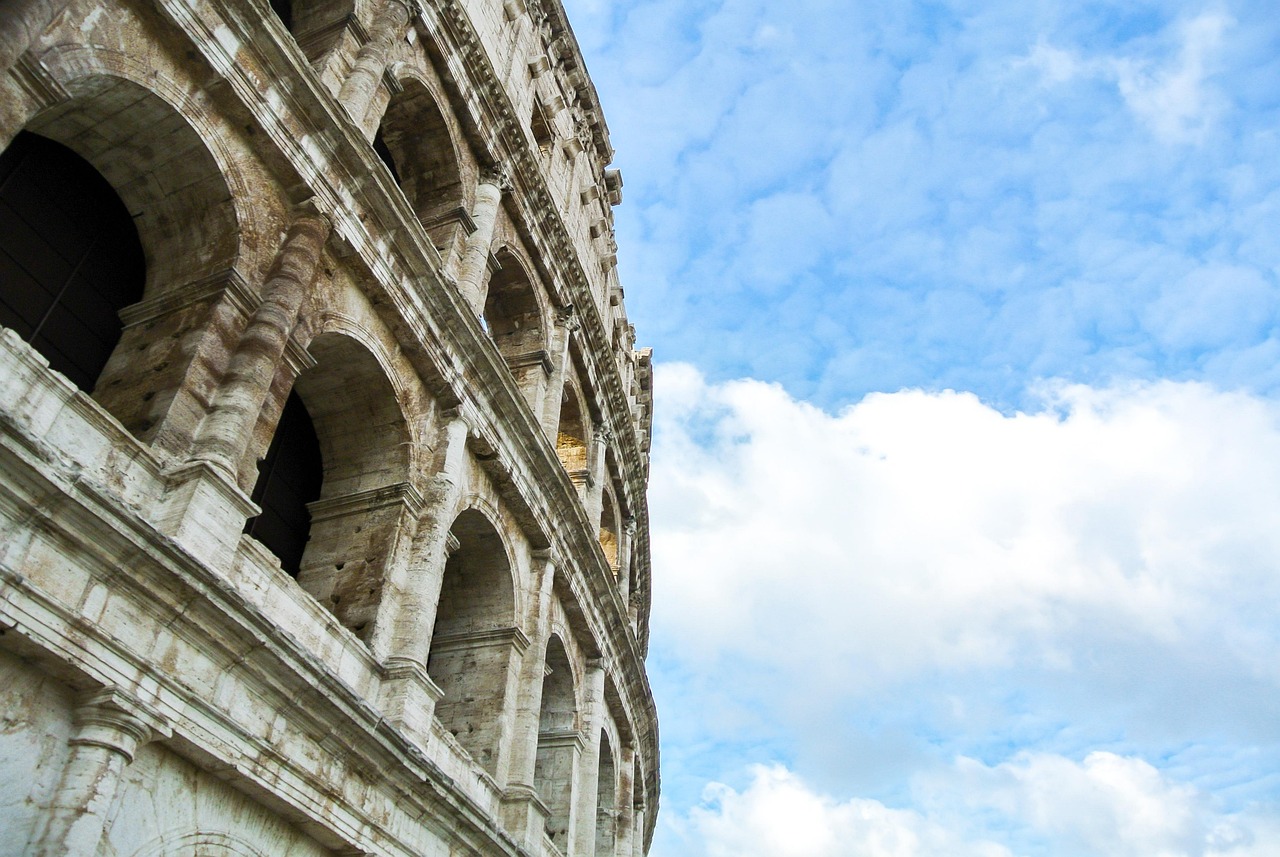
Colosseum, Roman Forum and Palatine Hill at opening light
If your attraction priorities start with ancient Rome, the classic sequence is still unbeaten: Colosseum first, then a walk from the Colosseum into the Roman Forum, finishing up on Palatine Hill for perspective. The route reads like a story—spectacle, then civic life, then the height where the city’s power once looked outward.
The Colosseum deserves an early slot, not only for photographs but for atmosphere. Arrive before the day is loud, and you can hear how vast the structure is, not just see it. There’s a reason this amphitheatre is spoken of alongside the wonders of the world: it still holds scale in a city full of scale.
Colosseum ticketing: timed entry, add-ons, and choosing what’s worth it
Timed entry is non-negotiable, and it’s worth checking which add-ons actually add depth. Arena-floor access can be meaningful if you want to stand where the spectacle began; underground access can be fascinating when it’s available with a strong guide. Some options are more tourist attractions than insights, so the question is simple: will it change what you understand?
For high-end travellers, a small-group Colosseum visit at opening time often offers the best balance of cost and calm. If you prefer depth over speed, consider a private archaeologist-led route—suddenly the stones become engineering, politics, and human ambition, not just “ruins”.
One of the most impressive details to spot across these Roman ruins
Inside the Colosseum, one of the most impressive details is how clearly you can read the building’s system: the tiering, the numbered entrances, the way crowds were directed with ancient precision. In the Roman Forum, train your eye to see layers—temples, basilicas, fragments of columns—Roman ruins built on top of earlier structures, and later layers built on top of that. Once you notice what’s built on top, the entire centre becomes a living timeline.
Finish on Palatine Hill and look back down for scale; it’s the moment the Forum stops being a jumble and becomes a city plan. Then give yourself a restorative pause: a quick espresso on the edge of Monti, or an aperitivo before you slip back into modern streets. That small reset keeps the rest of the day spacious.
Vatican City Masterpieces: Vatican Museum, Sistine Chapel & St Peter’s Basilica – Plan the Perfect Morning
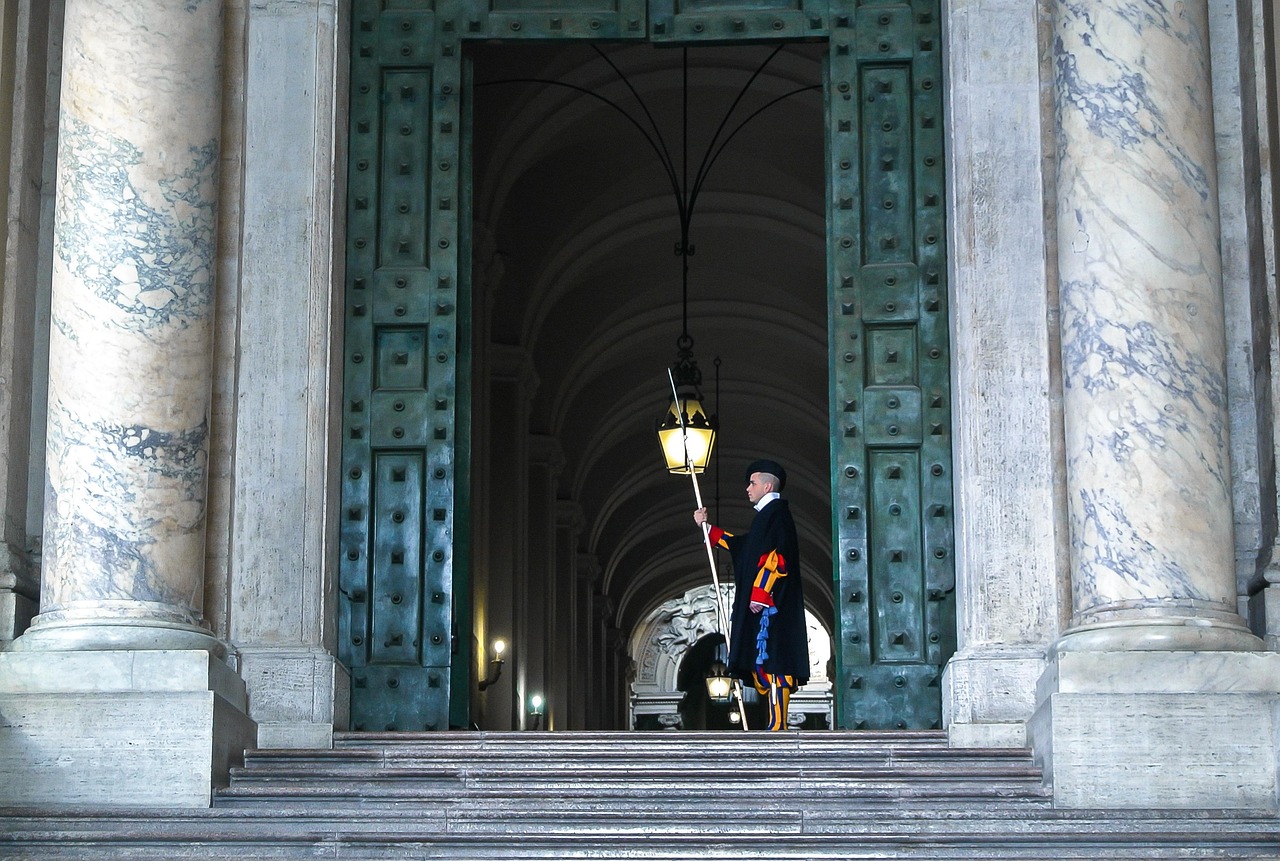
Vatican highlights: museum masterpieces, the chapel, and a terrace view
For Vatican planning, the cleanest flow is: Vatican Museum highlights, then the Sistine Chapel, finishing in Peter’s Basilica (San Pietro) and, if you’re up for it, the dome for a view of Rome. This is the morning that can make even seasoned travellers feel quietly awed—provided you treat it as a curated experience, not an endurance test.
The volume of art is the trap: too many rooms, too little attention, and you’ll leave tired rather than moved. A well-paced tour of the Vatican is less about “seeing everything” and more about letting masterpieces land, one by one, without rushing your senses.
Vatican Museum highlights: Raphael, Michelangelo, and what makes a masterpiece
In the Vatican Museum, the headline rooms are famous for a reason. Raphael’s frescoes have a precision and softness that still feels modern, and the Raphael Rooms reward slowing down—look for the balance of intellect and emotion, not just the names. Then comes Michelangelo: in the Sistine Chapel, the ceiling is not merely a bucket-list sight; it’s a compressed universe of bodies, gesture and theology that remains, quite simply, a masterpiece.
If you only remember one strategy: fewer rooms, more attention. That approach preserves energy so you arrive at the basilica ready to take it in, rather than wanting to escape.
Practicalities for high-end travellers in Vatican City: entry times, dress code, and audio guides
The quietest luxury here is the earliest entry you can secure. After-hours visits are another excellent option if you want the museum to feel less like a corridor and more like a gallery. Dress code is taken seriously—covered shoulders and knees—and it’s worth dressing elegantly but comfortably for long stone floors.
An audio guide works well if you prefer to drift and pause; a private guided tour suits you if you want context without decision fatigue. Either way, build in a moment of stillness inside Vatican City; it rewards a slower circuit, especially if you want quiet away from the doors. If you choose the climb, keep water to hand and take it steadily; the final stair sections are narrow, but the light at the top is extraordinary.
Baroque Rome Walk: Fountains and Squares – Pantheon, Trevi Fountain & Spanish Steps
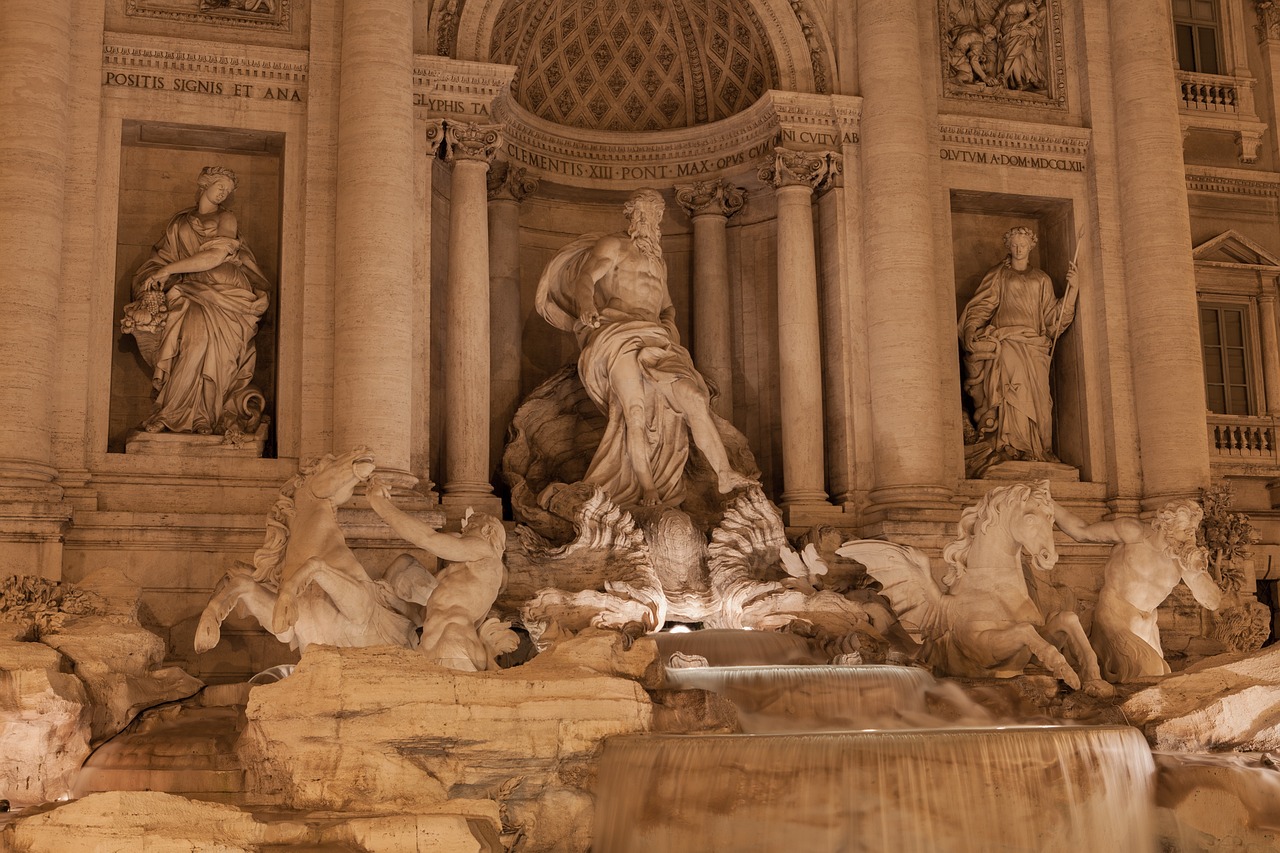
Baroque walking route: Pantheon, fountains, and golden-hour steps
For Rome attractions that feel effortlessly connected, plan a baroque walking route: Pantheon to Piazza Navona to Trevi Fountain, ending at the Spanish Steps at Piazza di Spagna for golden-hour light. It’s one of the best things you can do after a museum-heavy morning, because the city becomes your gallery and the streets provide the soundtrack.
Start at the Pantheon as early as you can. It’s calm is different from the big-ticket sites—less spectacle, more precision. Stand beneath the oculus and listen: the building makes even quiet footsteps feel ceremonial, and it’s a reminder that Rome’s greatest architecture doesn’t need explanation to be felt.
In Piazza Navona, fountains are not decoration; each fountain is a sculpture, staged in the open air. Bernini’s theatrical style is the mood-setter here, and Fontana dei Quattro Fiumi is the showpiece—movement captured in stone, with water turning the whole scene alive. In the late afternoon, the light skims the façades, making the square feel almost cinematic.
- Piazza Navona is one of the best evening stops: street life, church façades, and an easy return to your hotel.
Trevi Fountain, Spanish Steps, and Piazza Venezia for the Altar of the Fatherland
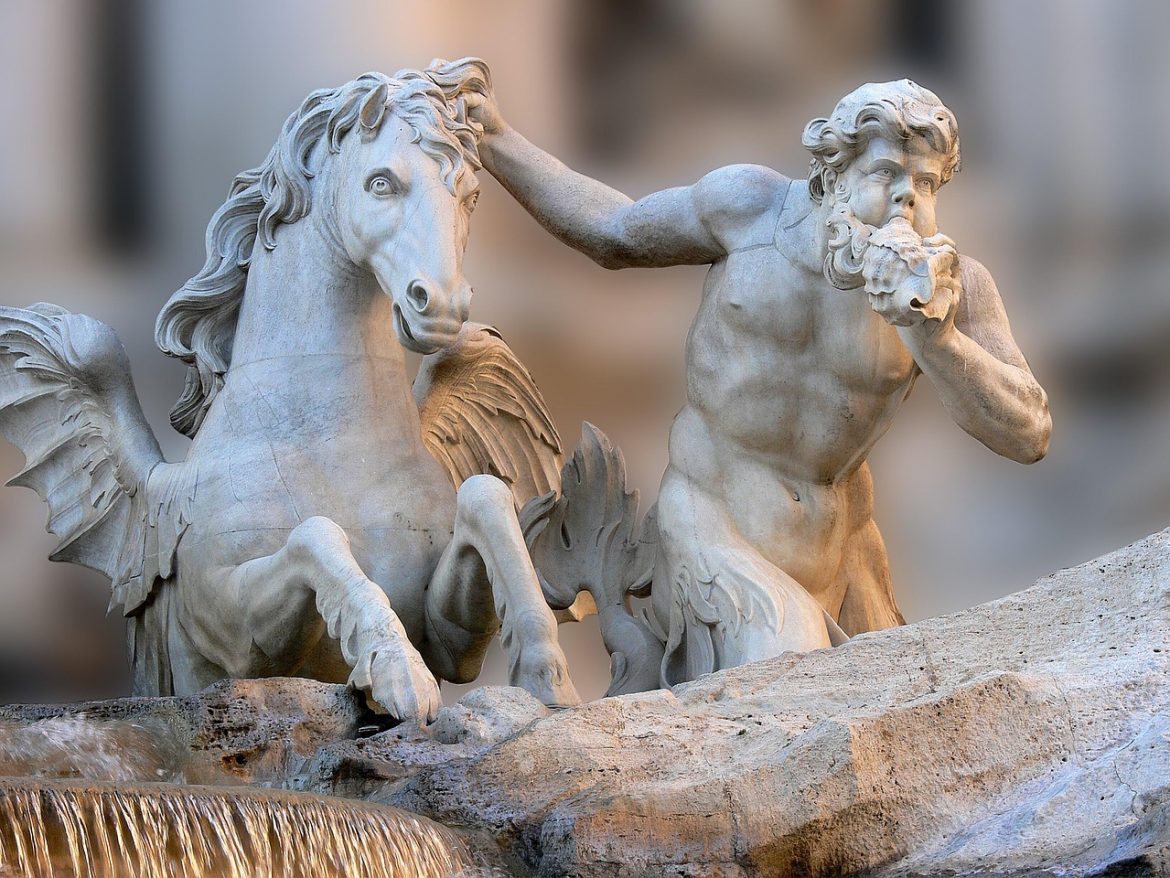
Trevi Fountain is the famous fountain everyone imagines, but timing changes everything. Go early, or go late, and you’ll have space to take your photograph without it feeling like a jostle. If you want a way to escape the crowds without skipping the moment, step away into the surrounding lanes for five minutes, then circle back—often the crowd shifts in small waves.
From there, continue to the Spanish Steps for a gentle pause, then consider a short detour to Piazza Venezia for a big-city spectacle. The altar of the fatherland holds the tomb of the unknown soldier, and the lift to the terrace gives you a quick, calmer panorama when street level feels busy. It’s a neat reminder that Rome can be both intimate and grand within the same ten-minute walk.
Trastevere Food Tour and Elegant Detours: Attractions in Rome Beyond the Tourist Trail
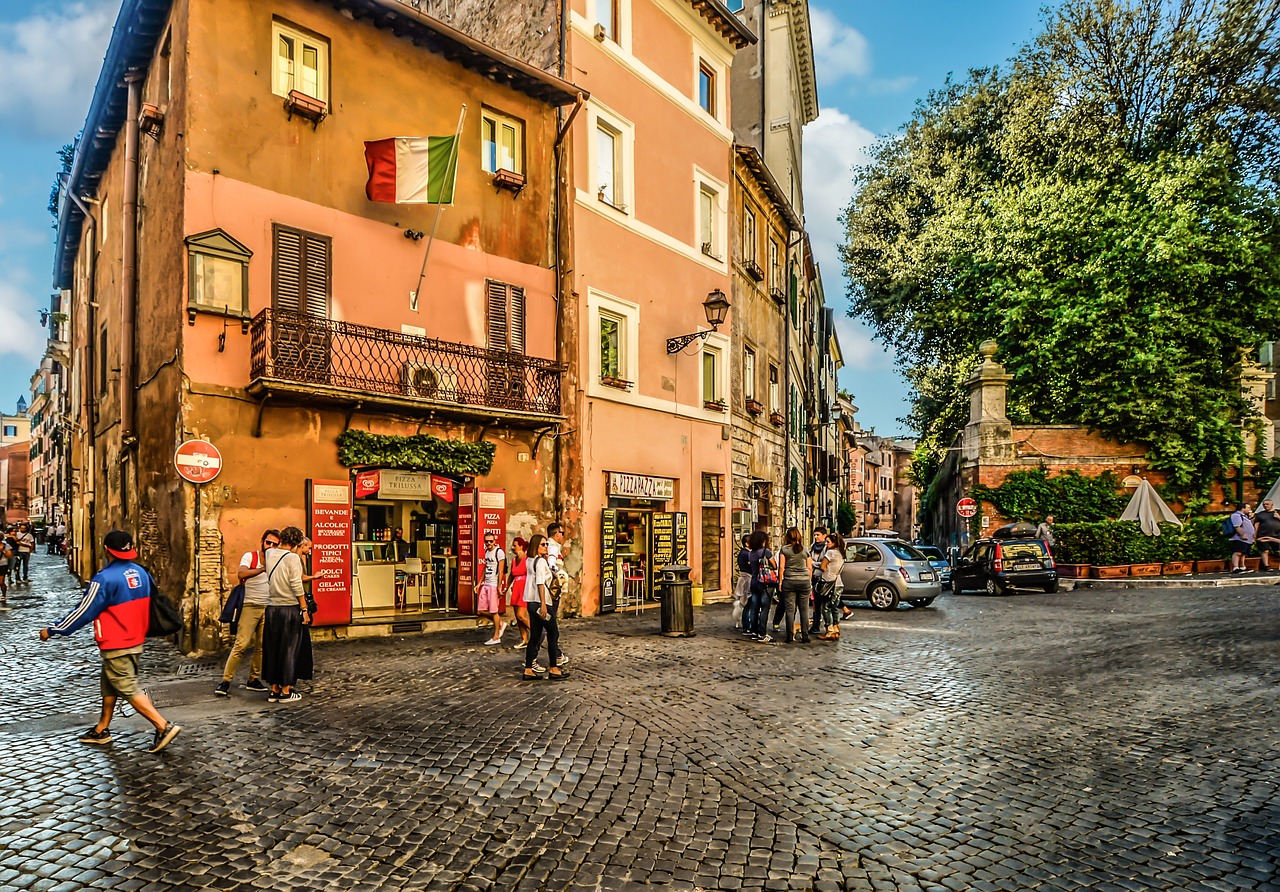
Trastevere: a food-first neighbourhood with elegant, walkable detours
A Trastevere food tour is the antidote to the busiest circuits, and one of the most satisfying attractions in Rome when you want texture rather than tick-boxes. The lanes are cobbled, the light softens earlier, and restaurants feel lived-in rather than staged for passing crowds. If you’re looking for fun things that still feel refined, this neighbourhood is where Rome quietly shows its charm.
Approach Trastevere with one intention: slow down. It’s easy to wander, but it’s even better with a few deliberate anchors—one church, one tasting, one long dinner. The result feels personal, like you’ve stepped into the city’s private life rather than its public performance, and it’s a great counterbalance to a popular tourist itinerary.
A good food tour here prioritises reservations, pacing, and quality over quantity. Private tastings work best if you want to linger over a glass and ask questions, while still keeping walking distances gentle. If you’re travelling as a couple or a small family group, ask for a tailored route that suits your preferred dining style.
- Book ahead: the most atmospheric spots fill early, especially on weekends.
- Balance indulgence: do tastings first, then sit-down dinner—your feet will thank you.
- Choose one signature dish: commit to it, and let the rest be small bites.
- Keep it walkable: Trastevere is best when you’re not hopping in and out of taxis.
Churches with atmosphere and refined detours that are worth a visit
Begin with the church of Santa Maria in Trastevere; it’s free, and the interior features beautiful mosaics that glow even on overcast days. For something unexpected, Santa Maria della Concezione offers a very different mood—quiet, strange, and memorable, the sort of place that stays with you precisely because it isn’t polished.
For refined detours that are worth a visit, add Largo di Torre Argentina for layered history and a glimpse of the city’s strata in plain view. Then consider Castel Sant’Angelo, the mausoleum for Emperor Hadrian, which offers both military solidity and an unexpectedly graceful sense of space. Combine a visit to Castel Sant’Angelo with a river walk; it’s a great way to escape the busiest routes, and the city feels broader and calmer beside the water.
If you have an extra morning, this is also a smart base for a day trip beyond the centre—Tivoli’s gardens, for example, pair beautifully with Rome’s stone. But even without leaving, Trastevere gives you that “I could stay longer” feeling that’s often the mark of a good trip to Rome.
F.A.Qs: Rome attractions and practical etiquette for first-timers
What are the top five attractions in Rome?
For a first trip, the top five are the Colosseum, the Roman Forum and Palatine Hill, the Vatican Museum, and the Sistine Chapel, plus the basilica on St Peter’s Square. Add the Pantheon and the Trevi Fountain if you have time for one more walkable highlight.
What should you not miss in Rome?
A must-see is one ancient site at opening time (ideally the Colosseum) and one evening walk from the Pantheon towards Piazza Navona, when the fountains and façades feel softer. Pair that with a well-timed Vatican morning, and you’ll get both Rome’s grandeur and its quieter beauty.
Is there a 7th wonder in Rome?
While lists vary, many travellers associate the Colosseum with the New Seven Wonders of the World. Even if you ignore the label, it remains one of the city’s most powerful experiences of scale, engineering, and atmosphere in a single visit.
What not to do in Italy as an American?
Avoid turning meals into a rush, assuming that everywhere follows the same tipping rules, or dressing too casually for churches in Rome and the Vatican. Don’t skip reservations for popular restaurants, and don’t expect taxis to be the fastest option in the centre—walking often wins, and it keeps you calmer than the average tourist in traffic.
After Rome: What Stayed With Me in the Eternal City (and Why I’ll Return)
After my last visit, I noticed that Rome doesn’t stay as a list of sites, but becomes a shift in attention. You remember the way stone turns warm at sunset, the way a fountain sounds like it’s been running for centuries, and how buildings in Rome hold shadow like another material. The eternal city is not just history—it’s time layered into daily life, so that you can step from traffic into quiet within a few metres.
I think of a small moment near the piazza where someone paused to retie a shoelace, and the whole scene felt oddly tender against the grandeur. There was no landmark in view, no performance of “being in Italy”, just ordinary life framed by ancient geometry. It’s in moments like that that the city becomes less of an attraction and more of a companion.
My favourite places aren’t always the grandest. They’re the thresholds: the cool air when you enter a church, the sudden openness of a square after a narrow lane, the taste of espresso taken standing up because sitting would have made it feel too deliberate. Even the busiest streets can feel intimate when you stop trying to conquer them; it’s a gentle way to see the beautiful city at its best.
If you find yourself planning a return to Rome, you may not even be chasing new top attractions. You might simply want to walk the same route again, at a different hour, and notice what you missed the first time—because Rome, at its best, asks you to look more slowly, and rewards you for doing so. In many ways, that’s the must-see lesson behind the best things to do in Rome.