Post Contents
- Visit Milan with Confidence: Get to Milan, Best Time to Visit, and Where to Stay in Milan
- Milan in One Day: Best Things to Do + A One Day in Milan Itinerary
- Duomo di Milano: Rooftop Light, Piazza Views, and Galleria Vittorio Emanuele II
- The Last Supper in Santa Maria delle Grazie: Leonardo da Vinci and Timed Entry
- Brera District: Pinacoteca Art, Milanese Cafes, and a Crafted Afternoon
- La Scala Nights, Navigli Canals, and Milanese Dining: An Elegant Evening Plan
- What Stayed With Us After Milan: Reflections, Details, and Milan City Memories
- F.A.Qs: Top things to do in Milan Italy
Visit Milan with Confidence: Get to Milan, Best Time to Visit, and Where to Stay in Milan
This visit Milan guide is designed to help you get to Milan smoothly, choose the best time to visit, and decide where to stay in Milan when service and atmosphere matter as much as location. Whether it’s your first trip to Milan or a return visit, a few early choices—arrival, neighbourhood, and pace—turn a short break into a more effortless visit to Milan. Milan can feel brisk at first impression, but it becomes wonderfully gentle once you’ve planned the essentials in advance.
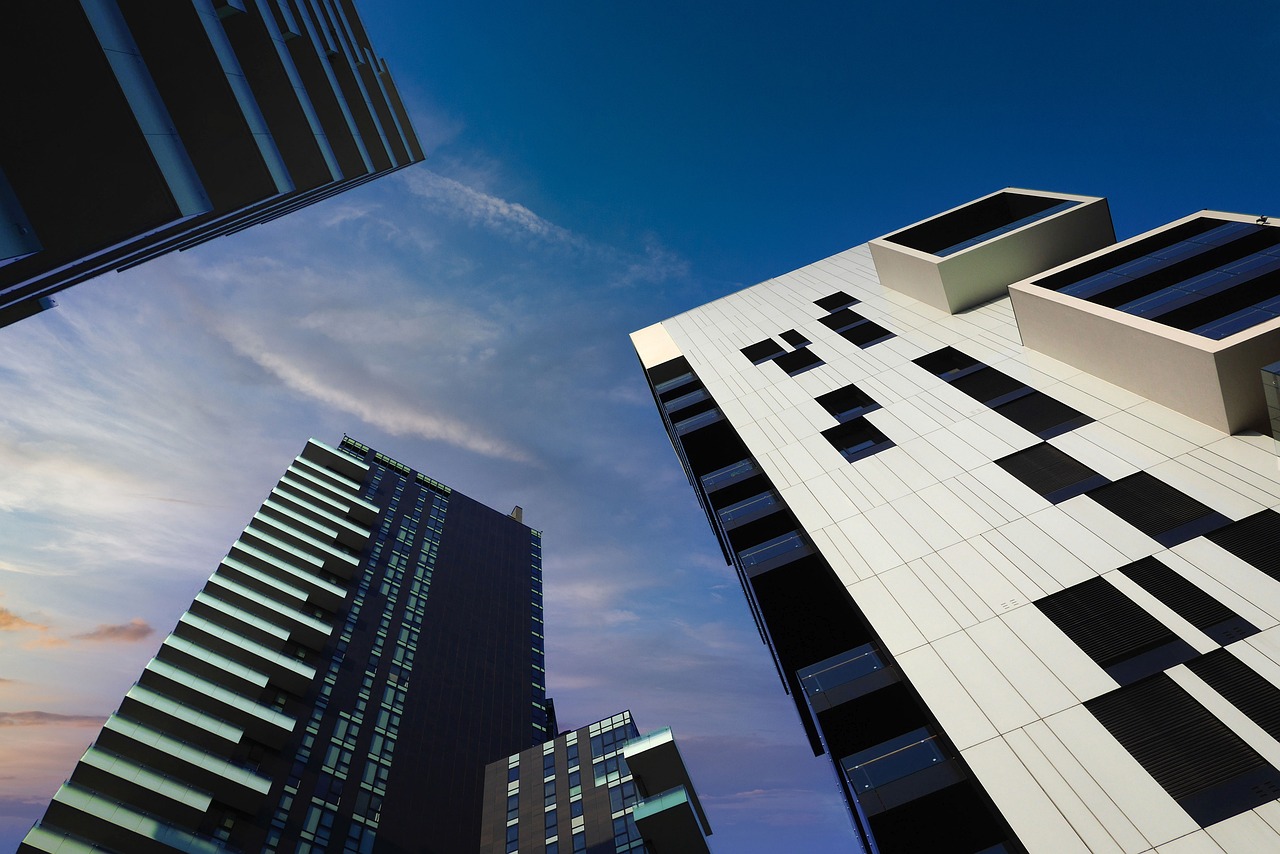
Visit Milan with Confidence Before You Go for a high-end trip in the city centre
Best time to visit Milan: rooftop light, walkable weather, and aperitivo ease
For most travellers, the sweet spots are April to June and September to October. The weather is typically pleasant for long walks through the city center, and you’re more likely to enjoy a rooftop visit at the duomo without mid-summer heat or winter fog. Evenings are made for aperitivo year-round, but in these shoulder seasons you can linger outdoors with a sense of ease.
If you’re curating photography, the light is kinder too: early mornings give you clean architectural lines, while late afternoons soften façades into a warm, honeyed palette. It’s an ideal way to explore Milan without feeling pushed along by either crowds or weather.
How to get to Milan and settle in smoothly (airports, train station, and transfers)
Most international arrivals land at Malpensa Airport (MXP), while Milan Linate Airport (LIN) is ideal for short-haul flights and often feels quicker door-to-door for addresses in central Milan. If you’re arriving by rail, Milano Centrale is the main train station hub and connects efficiently to hotels across the city centre.
High-end travellers often prefer a private transfer: it’s a crafted start that protects your energy and time, especially after a long flight. If you’d like to browse curated routes and styles of travel across the cities in Italy and other Italian cities, you can dip into our Trip gallery for inspiration that prioritises comfort and thoughtful pacing.
When choosing where to base yourself, the city centre near the Duomo is about convenience: you can walk to the most in-demand attractions in Milan, return for a wardrobe change, and still make an elegant dinner reservation. Brera offers a softer, more intimate mood—gallery streets, café terraces, and a local rhythm that makes you feel as though you belong.
Finally, getting around is straightforward. The metro is efficient for major sights; a well-placed metro station can be the difference between a day that feels seamless and one that feels fragmented. To get around Milan at night—especially after theatre—taxis or a pre-booked car help you move with quiet confidence. As in any of the busier European hubs, carry a copy of your ID, keep an eye on belongings in crowded areas, and let a little care support your freedom.




Milan in One Day: Best Things to Do + A One Day in Milan Itinerary
If you want a Milan itinerary for one day in Milan that feels like a perfect day rather than a checklist, the secret is rhythm. Build in breathing space between the big moments—coffee, art, views, and an evening that dresses up beautifully. This route is designed for travellers who want insight and comfort, while still seeing the top sights at an unhurried pace.
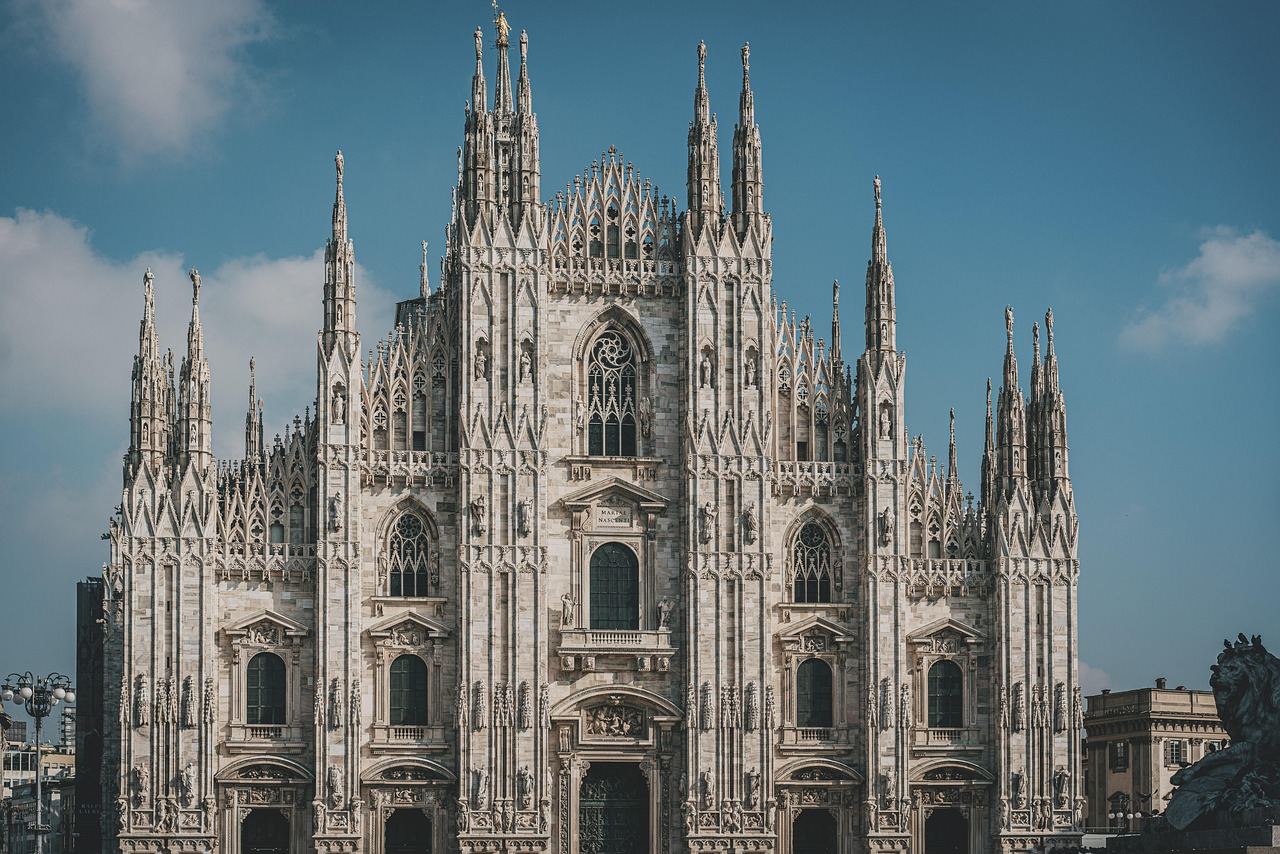
Milan in One Day The Best Things to Do with the Duomo as your anchor
A crafted day in Milan: espresso, the Duomo, Brera, and evening elegance
Begin with a sunrise espresso at a refined cafe near the Duomo—standing at the counter like locals do, then taking your time outside once the city stirs. Late morning is ideal for cathedral light and the duomo terraces, when the stone looks almost luminous. Lunch can be tailored: a reservation-led trattoria for classic Milanese flavours, or a modern dining room where service quietly anticipates what you need.
In the afternoon, allow yourself to slow down in Brera—art, small boutiques, and gentle people-watching. Then, as the city changes tone, step into an elegant evening: la scala if you’re attending a performance, or a beautifully paced dinner that feels like a celebration of craft.
Route through central Milan that reduces backtracking and maximises your time
A practical flow helps your time in Milan feel effortless. Start at the Duomo and galleria vittorio emanuele ii, then continue to Brera for a softer afternoon. From there, it’s a comfortable walk to Teatro alla Scala, and the evening can finish with a gentle contrast along the navigli canal district—one of the most atmospheric places to see in Milan after dark.
Optional, if you want a touch more green space and grandeur: drift towards Sforzesco Castle earlier in the afternoon, then continue to Arco della Pace for a wide, cinematic perspective of the city. These additions suit travellers who enjoy layering one major attraction with a quieter, open-air stroll.
To keep everything seamless, pre-book timed entries where it matters, and only consider a Milan city pass if it genuinely supports your priorities (rather than adding pressure to “use it”). A private walking tour is worth it when it adds expert context—especially for art—without pulling you away from the pleasures of simply being there. Pause for courtyards, window displays, and small design details, and you may quietly fall in love with Milan—and understand why so many visitors leave with genuine love with Milan.
Duomo di Milano: Rooftop Light, Piazza Views, and Galleria Vittorio Emanuele II
This chapter is for the headline pairing: the cathedral terraces and the immediate glide into the Galleria Vittorio Emanuele II beside Piazza del Duomo. It’s one of the city’s most beautiful places, but it’s also where many travellers lose time in queues. With a little strategy, you can visit the Duomo in a way that feels calm, personal, and genuinely elevated—and enjoy the duomo and galleria vittorio emanuele combination without rushing.
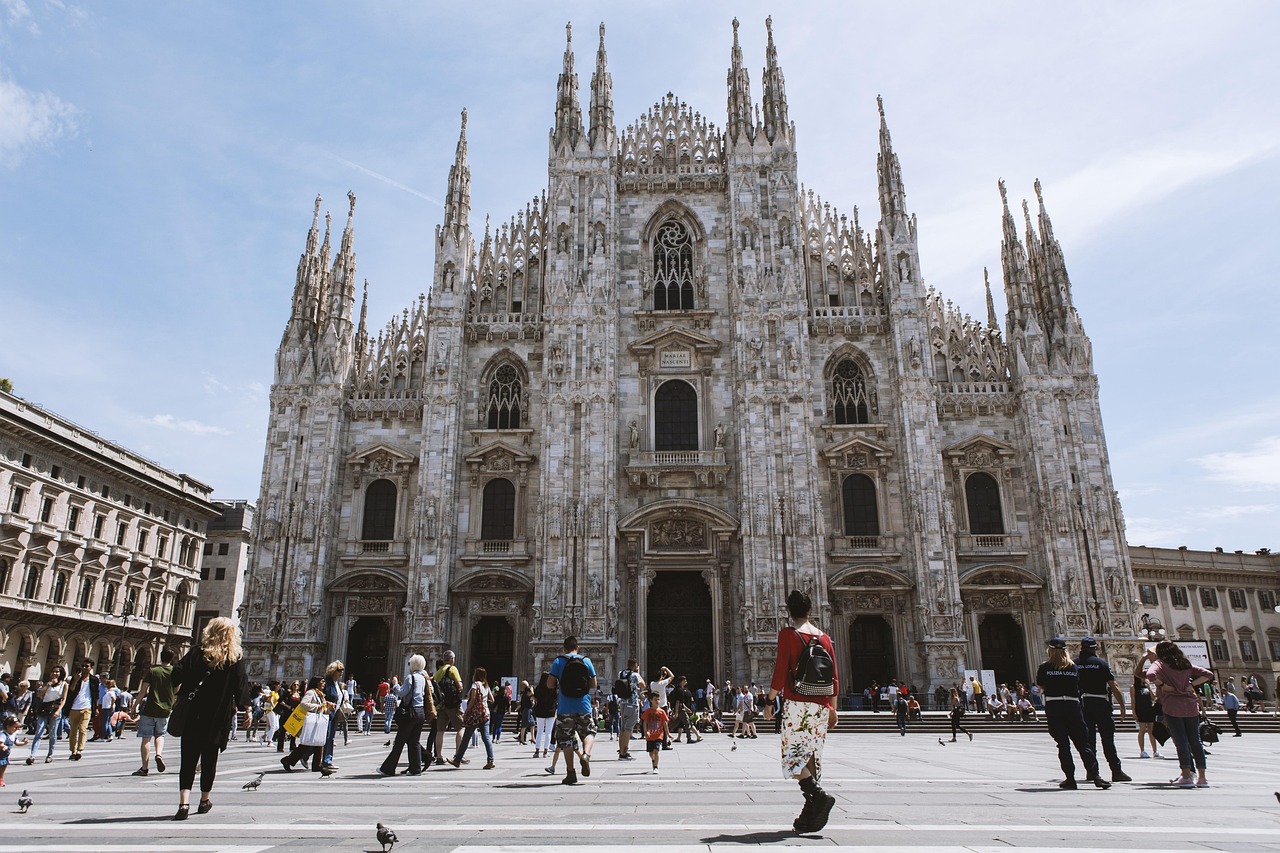
Duomo di Milano Rooftop Light and Galleria Vittorio Emanuele II in Piazza del Duomo
Duomo rooftop planning: lift vs stairs (and when to go)
The cathedral is often listed as the top attraction, and with good reason: the duomo is a feat of patience and imagination in stone. For rooftop access, choose the lift if you want to conserve energy for the rest of the day; choose the stairs if you enjoy a small sense of earning the view. Either way, aim for an early time slot and keep your entry timed to avoid the heaviest crowds.
On the terraces, the city reveals itself in layers—spires close enough to touch, rooftops stepping away, and modern towers in the distance. It’s a place to discover how Milano balances history and ambition without needing to announce it.
Galleria Vittorio and Via Montenapoleone: a shopping arcade with architectural drama
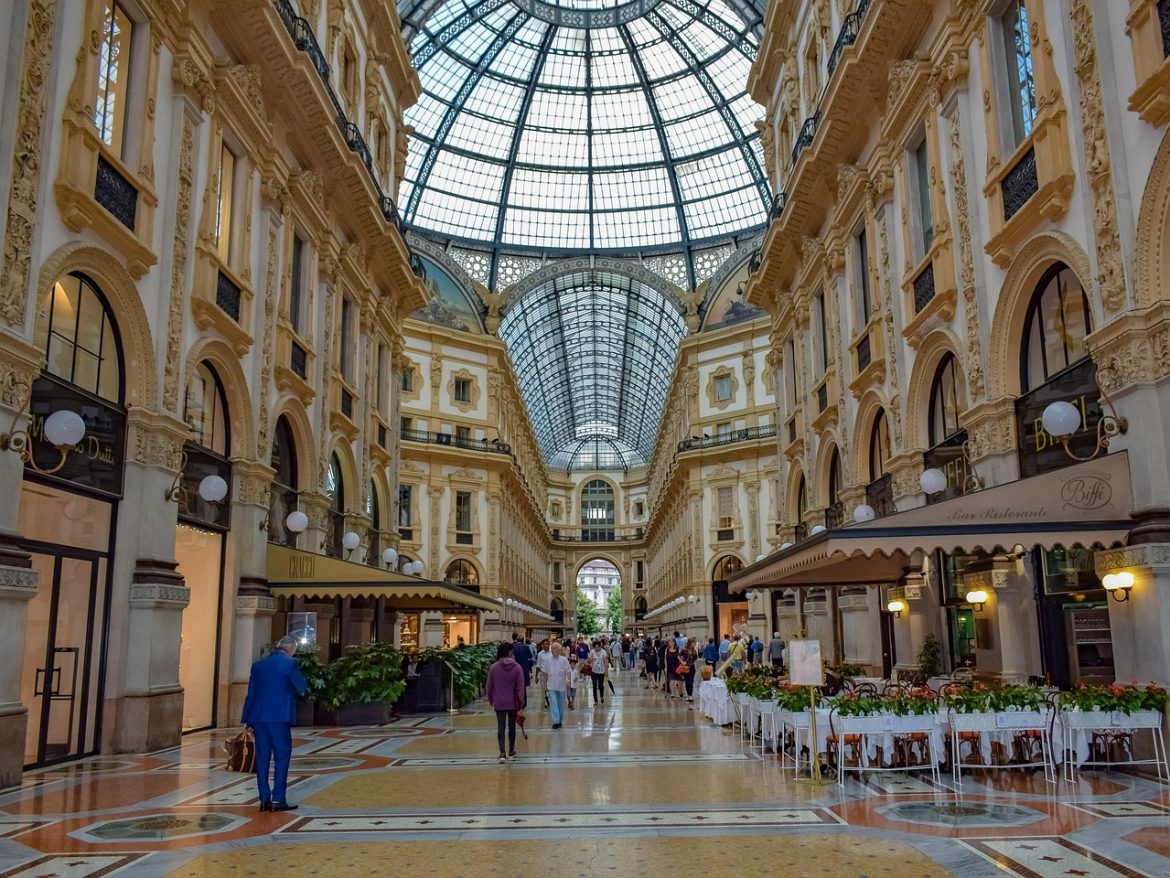
From the cathedral, step straight into the galleria vittorio—also called galleria vittorio emanuele and the full galleria vittorio emanuele ii—and treat it as more than a corridor. The glass vaults and mosaic floors are a pause in themselves: a shopping arcade where the architecture is as compelling as the storefronts. Order a coffee, look up, and allow the city to slow you down.
Then, when you’re ready for fashion with intention, continue towards Via Montenapoleone and nearby streets. This is where luxury can feel both curated and expressive, but it helps to budget realistically: prices in this pocket are unapologetically high. One traveller described an exclusive shopping experience here that felt surprisingly human—meeting a bespoke tailor who listened closely, then crafted a suit that reflected personal style rather than a trend. It was less about labels, more about trust and care, and the quiet confidence of being understood.
For a magical perspective, consider timing your return to the terraces at dusk. A traveller once recalled a sunset on the roof of the Duomo where the city’s silhouette turned gold; the spires felt like lace against the sky, and the sound of Milan softened into something intimate.
Respectful visiting makes the experience better for everyone. Dress appropriately for cathedral spaces (covered shoulders are a safe choice), keep voices low, and be mindful when taking photos. If you want uncrowded frames on the rooftop, arrive early, or wait patiently at the edges—Milan often rewards those who don’t rush.
The Last Supper in Santa Maria delle Grazie: Leonardo da Vinci and Timed Entry
Seeing the last supper at santa maria delle Grazie is one of those rare encounters where the anticipation is justified. Leonardo da Vinci’s painting is fragile, protected, and therefore tightly managed. That structure can feel strict, but it also supports a calmer, more reverent viewing—if you plan well.
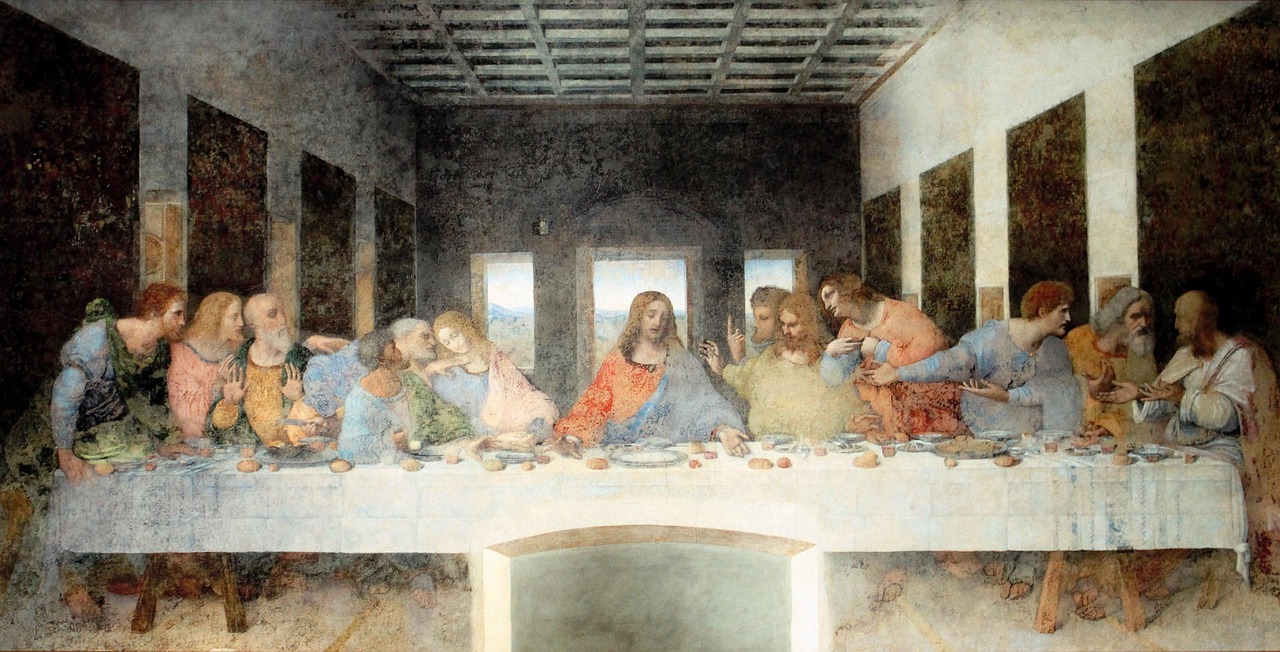
The Last Supper and Leonardo da Vinci in Santa Maria delle Grazie with timed entry planning
Tickets in advance: what the timed entry experience is really like
Availability is limited, so treat this as non-negotiable: secure tickets in advance, ideally at least a month before your trip. Entry is timed and controlled, with small groups and a strict viewing window. Expect security checks and a short transition through climate-controlled areas; it’s all part of protecting the work.
An art enthusiast once described the moment as unexpectedly emotional. The room fell quiet, and the painting’s scale and restraint felt more human than any reproduction. They emphasised the value of patience—allowing the first minute to settle, then letting details emerge as your eyes adjust.
Book smartly, add a guided tour, and pair it with a quiet masterpiece nearby
Book through official channels when possible, or use reputable operators if you need help matching limited slots to your schedule. It can also be the right moment to book a guided tour, especially if you want expert context on technique, restoration, and the story of da vinci in Milan. A good guide doesn’t rush you; they create meaning, then give you space.
For a refined pairing, walk to San Maurizio al Monastero Maggiore, a true hidden gem and absolutely worth a visit if you love frescoes and quiet atmosphere. If you’re tracing Leonardo’s presence, look out for the statue of Leonardo da Vinci later in the day; it’s a simple touchpoint that threads the city together without effort.
If you have appetite for one more unusual stop during this part of the day, San Bernardino alle Ossa offers a striking contrast—best approached with sensitivity and curiosity, rather than spectacle. Milan is full of layers like this: not all loud, but all revealing.
Brera District: Pinacoteca Art, Milanese Cafes, and a Crafted Afternoon
For a softer chapter of the day, Brera is where art, intimacy, and local rhythm come together. Brera is a district of Milan where style has substance; the small streets feel designed for wandering, and the best moments are often unplanned. It’s also one of the easiest neighbourhoods to add into a day in Milan without forcing the schedule.
Brera District Local Art Cafes and a Crafted Afternoon of galleries and terraces
Pinacoteca di Brera: what to focus on (and gallery etiquette)
The pinacoteca is a cornerstone for art lovers, and it’s most rewarding when you design your visit around a few rooms rather than trying to “complete” the collection. Keep your voice low, silence your phone, and give yourself permission to sit and look—this is a space where presence is the luxury. If you’re travelling together, it’s surprisingly intimate to share a painting you both return to twice.
Brera also works beautifully as a bridge between major sights. It’s close enough to feel connected to the city’s main axis, yet it holds a different tempo—less performance, more quiet confidence.
Cafe culture in Brera: terraces, boutiques, and a local cooking class
Choose one or two café stops and let them create a gentle rhythm between art, shopping, and strolling. A terrace table can be sought-after, so a reservation is a simple act of care—especially at weekends. Order something small, then watch the neighbourhood’s details: bicycles against stone walls, careful window displays, and the way locals greet one another.
A foodie once reminisced about a private cooking class in Brera that felt like being welcomed into someone’s world. They learned traditional Milanese risotto techniques from a local chef—how to respect the rice, how to stir with patience, and how to taste for balance rather than intensity. It wasn’t flashy; it was personal, and it created confidence they took home.
If you’d like a quiet church stop between galleries and boutiques, step into Santa Maria del Carmine church. The atmosphere is simple and grounding, a reminder that Milan’s beauty isn’t only on the main streets.
Brera’s boutiques can also connect back to the glamour of Via Montenapoleone without copying it. If your earlier browsing felt too polished, Brera offers style with warmth—less about display, more about finding something that genuinely supports your life.
For evening plans, an opera-and-aperitivo pairing is where Milan’s elegance becomes lived rather than observed: the hush of a theatre, the glow of a well-chosen table, and the after-dark energy near the water. If your schedule allows, this is one of the best things to build into a longer stay, because it shows a different personality of the city.
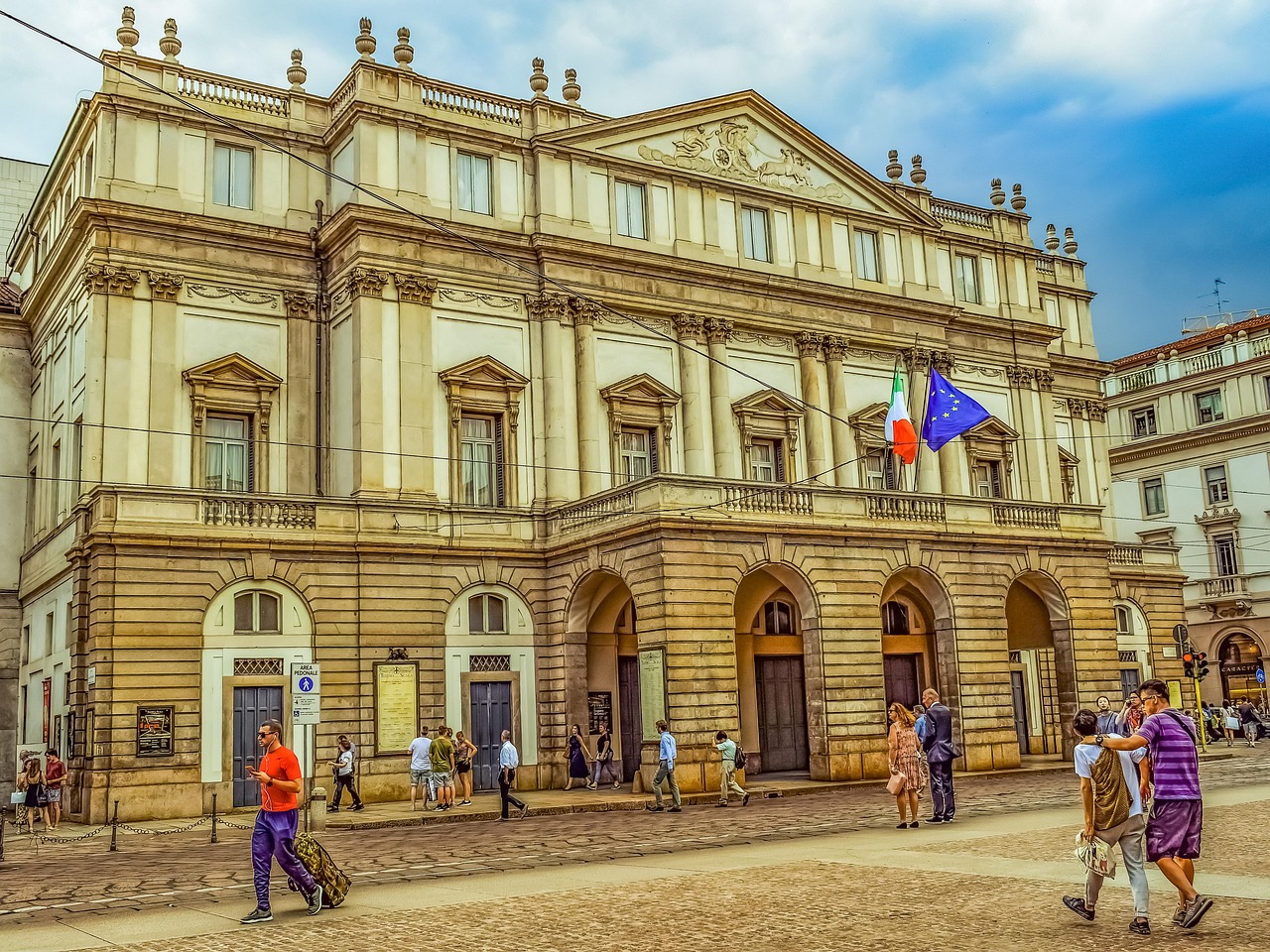
La Scala Nights Navigli Canals and Milanese Dining for an elegant Teatro alla Scala evening
Teatro alla Scala: tickets, seating, and enjoying the ritual
Visiting la scala is as much about atmosphere as performance. Secure seats in advance where possible, and choose based on the experience you want: closer for facial expression and emotion, or higher for a fuller view of the room and its famous proportions. The history matters, but so does the living present—the way the audience listens, and the way the building holds sound.
A couple once described their la scala opera night as unexpectedly intimate. The acoustics were impeccable, and there was a shared anticipation in the room that felt almost tender. They said the elegance wasn’t intimidating; it was a ritual that helped everyone arrive in the same mood, together.
For teatro alla scala evenings, dress elegantly. You don’t need to overthink it, but polished attire is a respectful nod to local custom—and it genuinely enhances how the night feels. When you look the part, you relax into the occasion.
For dinner, book ahead for celebrated rooms such as Cracco or Il Luogo di Aimo e Nadia. The most memorable Milanese menus balance tradition with innovation: familiar flavours presented with restraint, precision, and care. If you’re celebrating, mention it when booking; the best teams support the moment without turning it into theatre.
Afterwards, head towards navigli for contrast. The canals have a lively energy, and you can stroll along the canals for aperitivo without losing your sense of calm by choosing the quieter edges and keeping your pace unhurried. It’s wise to stay aware of belongings in busy stretches, and to take a taxi or private car later at night—small decisions that keep the evening seamless.
- Timing: Aim for a pre-theatre dinner or a late reservation so you’re never rushing.
- Transport: Use the metro earlier, then choose a taxi for the return if it’s late.
- Confidence: Carry a copy of ID, keep essentials close, and let your night feel effortless.
What Stayed With Us After Milan: Reflections, Details, and Milan City Memories
For many travellers, the lasting impression isn’t about a list—it’s about what quietly remains once you’ve left. Milan city life can seem precise at first, yet it opens with warmth when you meet it attentively. It changes how you notice craft: the line of a staircase, the weight of a door, the elegance of a well-made coat.
Sensation and the city’s softer glamour
What stays is often sensory: cathedral stone under warm light, and the particular hush that arrives just before a room meets a masterpiece. You remember the feeling of looking up—at spires, at frescoes, at chandeliers—and recognising how beauty can be both grand and intimate. Even the city’s pace begins to feel like an invitation, not a demand.
There’s also the soft glamour of an evening out: not performative, simply well-considered. A shared glance across a table, the quiet thrill of taking your seat, and the comfort of knowing the night has been designed with care.
Trust, local kindness, and a more personal way of travelling
In the end, it’s the human touch that reshapes the experience: a waiter who senses you’d like more time, a shop assistant who offers honest advice, a stranger who helps you find the right street without fuss. Milan rewards attention, and it gives something back when you travel with trust and curiosity. You leave with a steadier confidence—less about having “done” the city, more about having met it.
And perhaps that’s why Milan lingers. You can imagine returning in another season, when the light falls differently on the same stone, and the city offers new details you simply didn’t have eyes for yet.
F.A.Qs: Top things to do in Milan Italy
F.A.Qs: Top things to do in Milan Italy for first-time luxury travellers
What should you not miss in Milan?
Don’t miss the Duomo terraces for rooftop views, Leonardo’s Last Supper at Santa Maria delle Grazie (book well ahead), and an evening ritual—either La Scala or a refined aperitivo. Brera adds intimacy through art and cafés, while the Galleria Vittorio Emanuele II gives you architecture and atmosphere in one elegant pause.
What is Milan Italy best known for?
Milan is best known for fashion and design, but also for grand architecture and cultural prestige. The Duomo is the city’s iconic landmark, while the Last Supper connects you to Leonardo da Vinci in a rare, protected setting. Add world-class opera at Teatro alla Scala and you’ll understand Milan’s blend of craft, confidence, and modern energy.
What to do for 3 days in Milan?
Over three days, balance headline sights with slower neighbourhood time. Day one suits the Duomo, Galleria Vittorio, and Brera. Day two can focus on the Last Supper and quieter churches such as San Maurizio al Monastero Maggiore, then a polished dinner. Day three is ideal for Sforzesco Castle and a gentle canal evening in Navigli, or a day trip from Milan towards Lake Como and Como.
What are the top tourist attractions in Milan?
Top attractions include the Duomo di Milano and its rooftop, the Galleria Vittorio Emanuele II, Leonardo’s Last Supper at Santa Maria delle Grazie, and Teatro alla Scala. Brera’s Pinacoteca is a favourite for art lovers, while Navigli offers an atmospheric canal area for aperitivo. These places in Milan are best enjoyed with timed bookings and an unhurried pace.