Post Contents
- Why Todi in Umbria, Italy, feels perfect for explorers, as detailed in the Todi Umbria Italy travel guide.
- Piazza del Popolo, the Renaissance heart of Todi, features the main square in Italy.
- Duomo art and San Fortunato in Todi, Italy, with Todi Cathedral Duomo fresco.
- Monte Peglia offers hikes and day trips near Todi, Umbria, Italy.
- Festivals, tunnels, Umbrian flavors, Todi festival, Corsa all’Anello, underground tunnels, Umbrian cuisine.
- F.A.Qs: Todi in Italy
- Leaving Todi, I reflect on what stays with you in Italy and Todi, Umbria.
Why Todi in Umbria, Italy, feels perfect for explorers, as detailed in the Todi Umbria Italy travel guide.
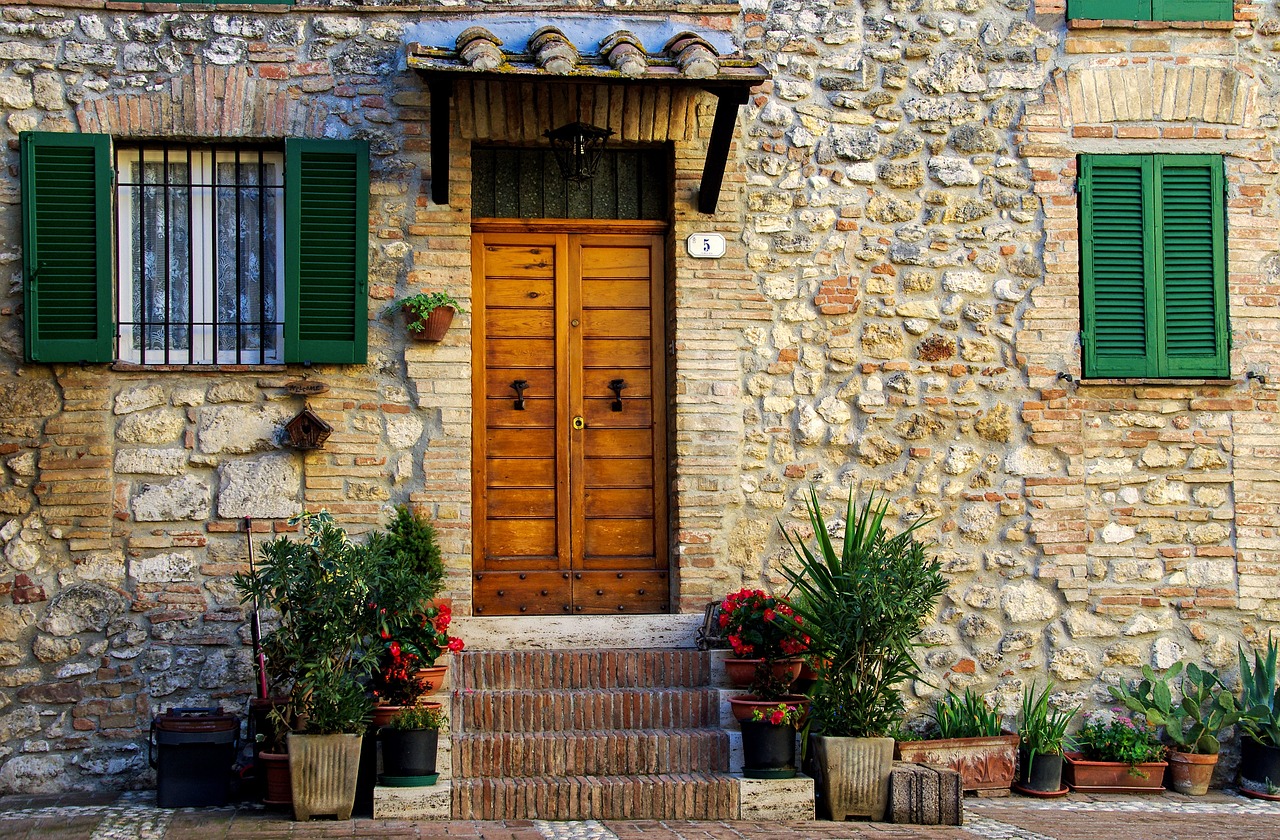
Why Todi in Umbria, Italy feels made for explorers
This Todi, Umbria, Italy travel guide begins the way most personal stories here begin: with an arrival on the hilltop and an instant, quiet overlook into the Tiber valley. The air feels cleaner, the streets feel older, and the town seems to hold you gently behind its protective walls. There’s a fairytale ease to it—yet it never feels staged, just lived-in, local, and reassuring.
As you explore Todi, you’ll feel the layers rather than simply read them. Etruscan traces lie beneath later Roman order; then the town’s pride swells in the 12th and 13th centuries, when civic power meant palazzi, a fortress presence, and the rules of a podestà whose name once mattered as much as any noble’s. Even the legends—one stone carving nodding to Hercules, a passing mention of the 14th century as the town reshaped its defences—make the past feel close enough to touch.
Arriving with confidence from Rome and Perugia
Getting to Todi, Italy, is simpler than its dramatic skyline suggests. From Rome, you can connect by train or bus towards Umbria, then take a taxi up to the centre (the hill does the guarding, not the walking). If you’re coming from Perugia, the journey is shorter and often calmer—ideal if you want to start your trip gently.
A rental car becomes valuable when you want countryside freedom: vineyards, small farms, and quiet viewpoints that don’t run on bus timetables. If you prefer a crafted plan with minimal friction, you can still base yourselves in town and arrange short transfers as needed—support that keeps your days feeling spacious.
Where to stay in Todi and how booking shapes the mood
Where you sleep sets the tempo. The heart of the city suits travellers who want early coffee, a midnight stroll, and that intimate feeling of being wrapped in stone. A villa outside town offers silence, a pool, and dawn light over olive groves—perfect for couples or friends who want to create a private rhythm together.
- Town base: choose views over steps, and check if taxis can reach the door.
- Villa stay: confirm parking, air-conditioning, and whether breakfast is included.
- Festival weeks: booking early protects choice and value.
You’ll hear locals proudly repeat an old headline: Todi was once dubbed the world’s most livable city by a widely quoted study. Whether or not you measure it, you’ll feel what people mean—an Italian pace that seems kinder, and a town’s scale that invites trust.




Piazza del Popolo, the Renaissance heart of Todi, features the main square in Italy.
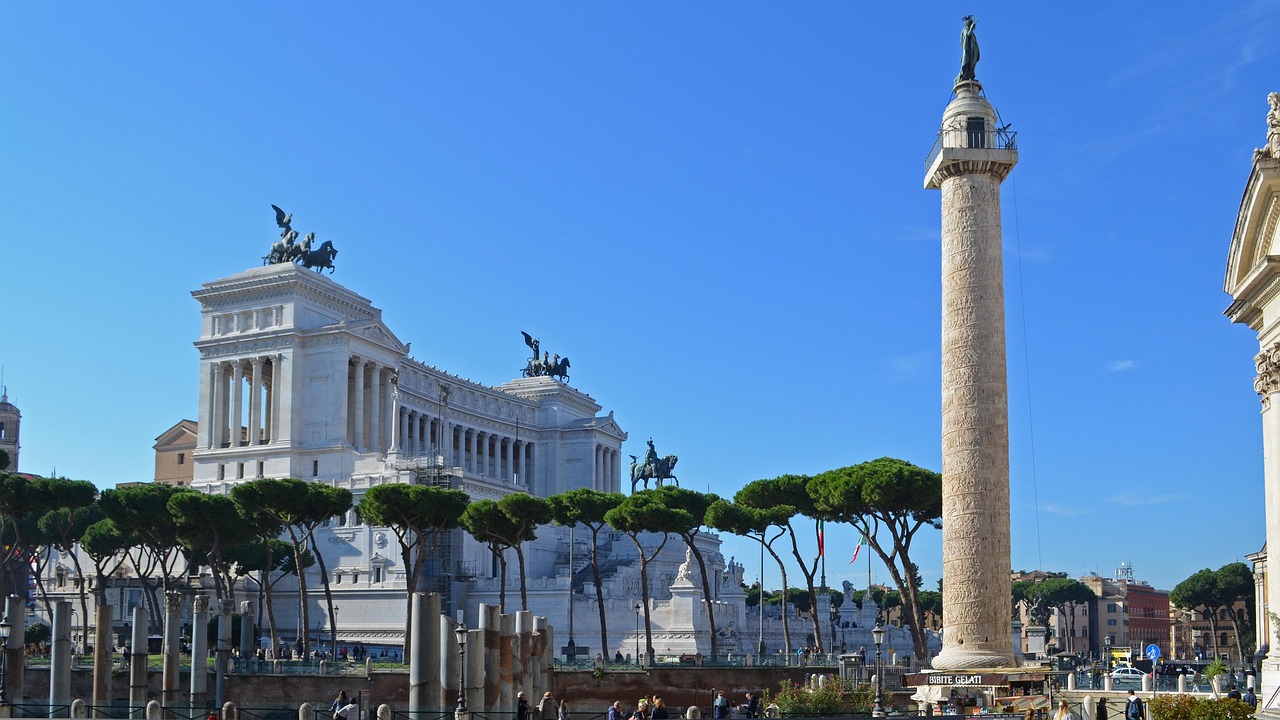
Piazza del Popolo and the Renaissance heart of Todi
Start your morning where the town gathers: Piazza del Popolo, Todi, Italy’s Renaissance main square and its most elegant social stage. This is where espresso becomes conversation, and where the day feels designed around light and stone. Sit for ten minutes, and you’ll notice how everyone moves—unhurried, attentive, quietly proud of where they live.
For cultural enthusiasts, the architecture reads like a gentle lesson in harmony. The Palazzo dei Priori anchors the scene with authority, while the Palazzo del Capitano adds a different civic weight—two faces of power across a space built for community. In the centre, the fontana details bring a softer note, a reminder that daily life has always needed water, shade, and a place to meet.
A micro-quest through medieval streets and viewpoints
If you’re an adventure seeker at heart, turn the square into the start of a small quest. Pick a staircase that climbs away from the main square, follow one inviting alley, then let yourselves get gently lost. The best moments in Todi often happen between the landmarks, along medieval streets where laundry lines and limestone doorways feel like quiet theatre.
And yes—bring your camera. The angles shift fast: a sliver of sky, a sudden arch, a glimpse of the surrounding countryside. You’ll be exploring, but never rushing.
A personal sunset from the walls
One visitor described their favourite moment as pure silence: a magical sunset from the town walls, the last light spilling across rolling hills and olive groves. No soundtrack, no crowd—just a slow fade from gold to violet. It’s the kind of personal scene that stays with you, long after you’ve left Umbria.
In that light, Todi’s becomes less a destination and more a feeling—gentle, cinematic, and quietly confident in itself.
Duomo art and San Fortunato in Todi, Italy, with Todi Cathedral Duomo fresco.
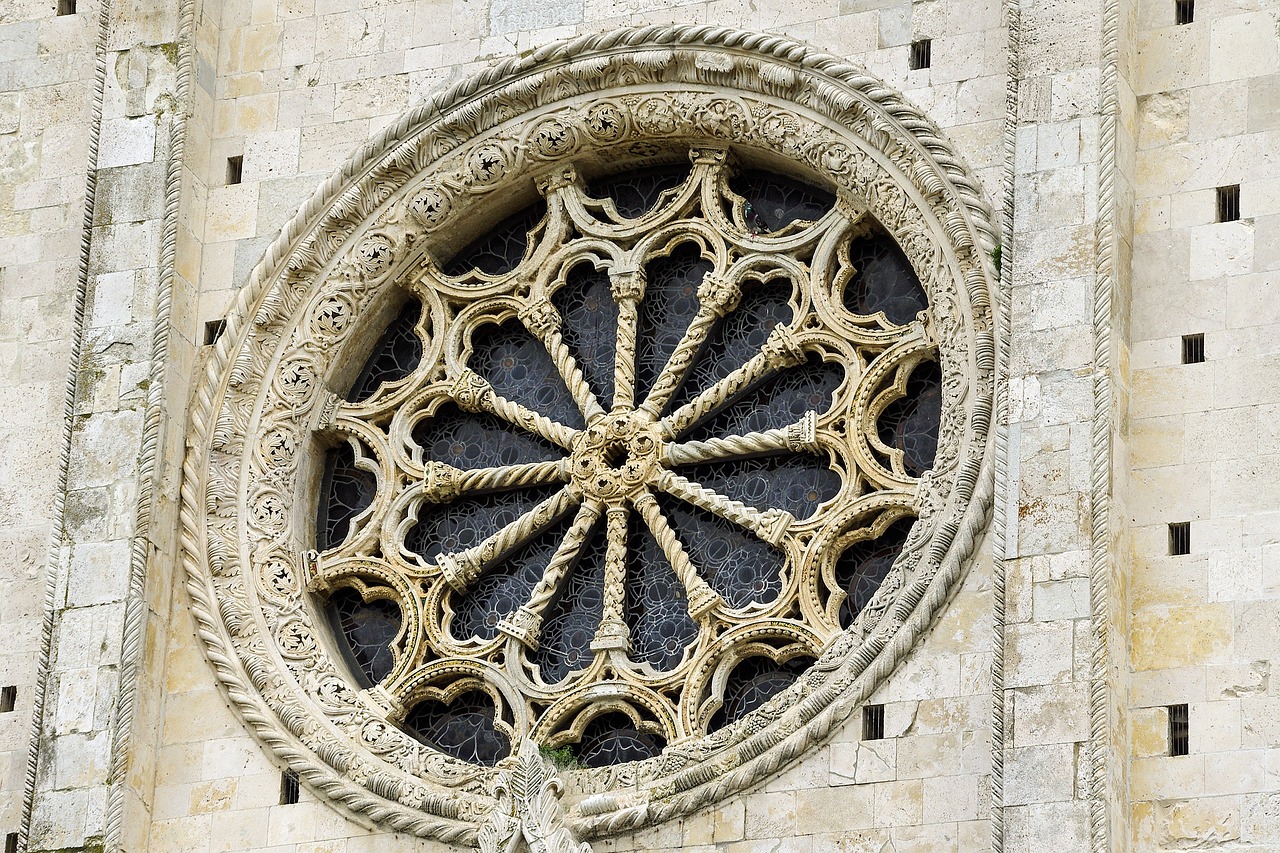
Duomo art San Fortunato and sacred calm in Todi Italy
This visit flows best as a calm circuit: begin with the Todi Cathedral (the Duomo) to catch the hush before the streets fill. When people search for “Todi Cathedral Duomo fresco San Fortunato Italy”, they’re usually hoping for art and atmosphere—and here you get both without needing to perform for it. The Romanesque presence is steady, the façade reads as dignified rather than ornate, and the rose window offers a simple, memorable pause.
Inside, a fresco detail can stop you mid-step: not because it’s loud, but because it’s human. It’s the kind of encounter that makes you feel you’re travelling with care, rather than ticking off sites.
San Fortunato and Umbrian identity in the Gothic style
Continue to San Fortunato, where Gothic-style lines lift your gaze upward. The story of Fortunatus, the patron saint, is woven into local identity through relic tradition and memory—an Umbrian way of keeping history intimate. If you enjoy poetry as much as architecture, ask about Jacopone da Todi; his presence here adds another layer of meaning, as if the town speaks in more than one voice.
Depending on what’s open, you may find small museum spaces or side chapels that reward the curious. And if your wanderings lead you past Santissima Annunziata, step in briefly—sometimes the smallest spaces offer the deepest calm.
Santa Maria della Consolazione beyond the walls
Beyond the centre, Santa Maria della Consolazione is the essential monument that completes the picture of Todi. The attribution to Bramante makes a wonderful conversation-starter for art lovers, but you don’t need a lecture to appreciate the balance and quiet authority of the design.
- Dress modestly in churches, especially on hot days.
- Greet shopkeepers with a warm “buongiorno”.
- Entry is often free or low cost, though special areas or events may be ticketed.
This is Italy at its most reassuring: you’re welcome, but you’re also trusted to behave with respect.
Monte Peglia offers hikes and day trips near Todi, Umbria, Italy.
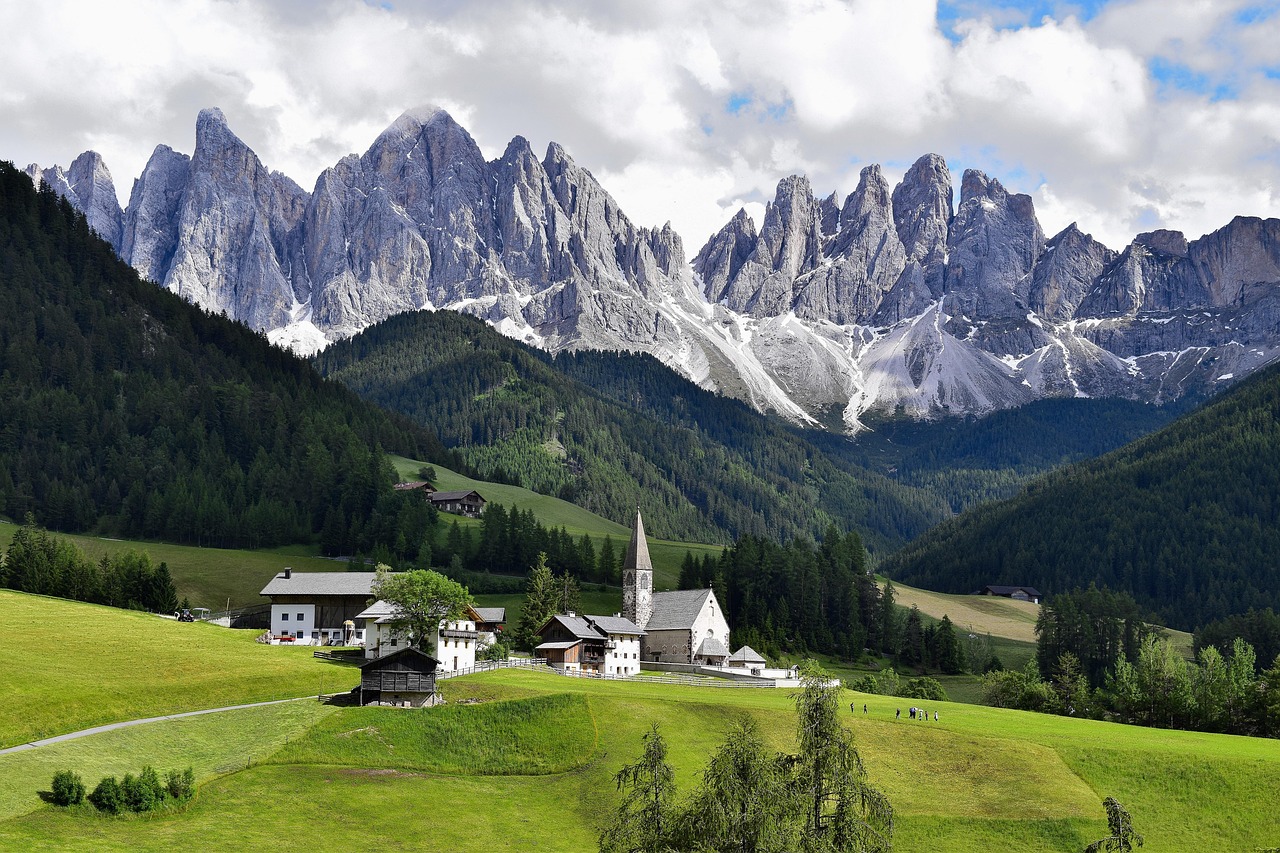
Monte Peglia hikes and day trips near Todi
If you want your culture with a breath of fresh air, Monte Peglia hiking near Todi, Umbria, Italy, makes a perfect day trip—close enough to feel easy, wild enough to feel like an adventure. Think meadow pauses, pine-scented shade, and panoramic viewpoints that open the landscape like a painted map. It’s not about conquering a peak; it’s about immersion and space.
Time your hike for cooler mornings in late spring (May–June) or early autumn (September). Those shoulder seasons keep the paths comfortable and the town pleasantly uncrowded—exactly the balance high-end travellers tend to appreciate.
Practical hiking support for a seamless day
Build confidence with small choices. Todi’s cobbles can be uneven, and the countryside trails are no place for slippery soles—so footwear matters. Bring water, a light snack, and a layer for shifting shade; you’ll feel freer, and the day will feel more seamless.
- Wear comfortable shoes for steep lanes and trail sections.
- Carry water even in cooler months, plus something salty.
- Start early, then return to town for a long lunch.
Excursion ideas near Todi and a Tuscany contrast
One clear line for planning: near Todi, choose one standout excursion and let it breathe. Orvieto offers drama on a cliff, Assisi brings spirit and quiet focus, and Trasimeno (Lake Trasimeno) gives open-air calm. If you’re craving contrast, a Tuscany day can be wonderfully different—more polished, more famous, and a touch more theatrical.
Many travellers pair Florence and Rome in one itinerary; Todi is the softer chapter between those bold pages. Even Venice can wait—Umbria rewards the traveller who’s willing to stay present.
Where you stay still shapes everything. A town-centre base keeps dinner simple and atmospheric, while a villa outside makes mornings slower and nights more private. Watch for parking, steps, and view lines when you’re booking, and consider how an expert can design the transfers so you keep your energy for what matters. If you’d like inspiration for crafted routes across Italy, browse our Trip gallery.
One more quiet note: sustainability here can be as simple as choosing local producers, walking when you can, and taking fewer, better drives.
Festivals, tunnels, Umbrian flavors, Todi festival, Corsa all’Anello, underground tunnels, Umbrian cuisine.
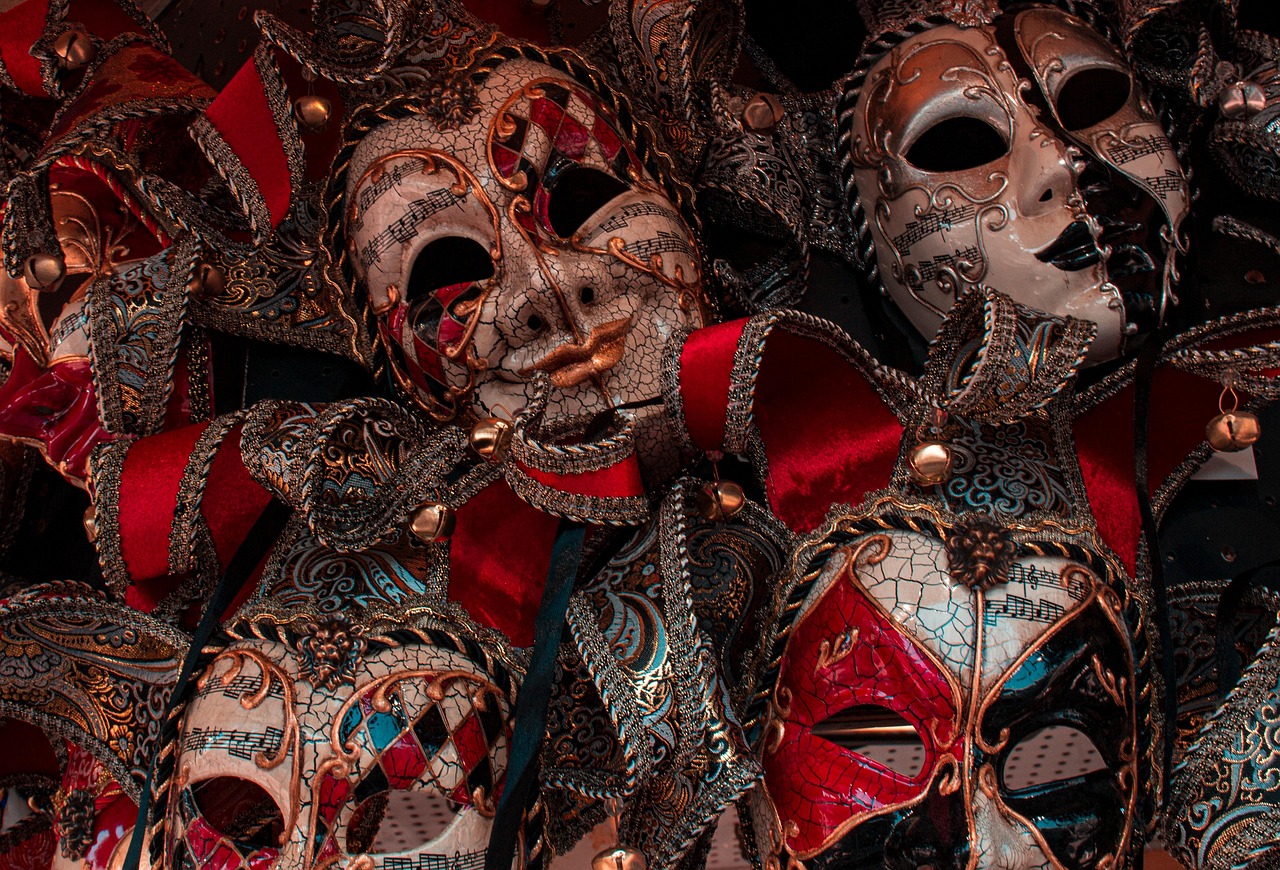
Festivals, tunnels, and Umbrian flavours to share together
To feel the town fully, plan at least one moment around the Todi festival calendar—especially if “Todi festival Corsa all’Anello underground tunnels Umbrian cuisine” is already on your wish list. When Corsa all’Anello arrives, the streets change character: costumes, drums, banners, and a sense of joyful participation. You’re not just watching; you’re invited to belong, even if only for an evening.
A group of friends once told us their favourite part wasn’t the spectacle, but the togetherness—milling with locals in traditional dress, laughing at their own awkward Italian, then being guided to the best vantage point by someone’s aunt. That warmth is real, and it’s part of why travellers trust Todi.
Uncover underground tunnels for an urban adventure
Then there’s Todi’s hidden layer: ancient underground tunnels beneath the town. Ask at local information points about guided visits and timings; tours vary by season, and places can be limited. Expect cool air, narrow passages, and a thrilling sense that the ground under your feet holds older stories.
For solo travellers, this is also where mornings shine. One guest described peaceful walks at first light, when the stones were still cool, and the only sound was a shutter opening. It’s an experience that feels like a trip back in time, without ever feeling unsafe.
Umbrian cuisine, wine, and the people behind it
Food here is comfort with character. Umbrian cuisine leans into honest ingredients—seasonal produce, olive oil, and one bowl of pasta that tastes as if someone cooked it for family, not for applause. More than one traveller has raved about the hospitality of residents, even being invited into a home for an authentic, homemade meal.
For couples, the intimate winery scene nearby can become a highlight. One pair told us they tasted Sagrantino, then ended up talking for an hour with a winemaker named Giovanni, who walked them through his vineyard rows with patient pride. You don’t just sip; you form bonds, and the landscape starts to feel personal.
Do note the practicalities: special events may require tickets, and booking accommodation early during festival weeks brings better availability and calmer choices.
F.A.Qs: Todi in Italy
What is Todi, Italy, famous for?
Todi is famous for its beautifully preserved hilltop setting in Umbria, its medieval atmosphere, and its elegant civic centre around Piazza del Popolo. Travellers also come for the Duomo and churches such as San Fortunato, as well as the town’s calm pace, local hospitality, and seasonal events that bring the town to life.
What does Todi mean in Italian?
In Italian, “Todi” is the town’s name rather than a common word with a modern everyday definition. It comes from the place’s ancient roots and long history, which predate modern Italian. Locals use it simply as the town’s proper name.
Is Todi worth a visit?
Yes—Todi is worth a visit if you enjoy an Italian town with culture, atmosphere, and a sense of discovery without heavy crowds. It suits travellers who want Renaissance architecture, quiet lanes, local food and wine, and easy access to countryside walks and day trips across Umbria.
What language is spoken in Todi?
Italian is spoken in Todi. In hotels, restaurants, and tour settings, you’ll often find some English, especially during peak seasons, but learning a few simple Italian phrases is appreciated and can make local interactions feel warmer and more personal.
Leaving Todi, I reflect on what stays with you in Italy and Todi, Umbria.
Todi, Umbria, Italy, travel reflections tend to be quieter than a checklist. What stays with you is the hush of early light in the centre, when the cafés are only just waking, and your footsteps sound like a private thought. It’s the weight of stone under your hand on a corner, and the kindness in local voices when you pause to ask for help—and receive it with care.
You might carry one lasting image more clearly than any photograph: an evening overlook across olive groves and soft hills, where time feels gentler and more spacious. In that moment, Italy doesn’t feel like a race for highlights; it feels like permission to notice.
And perhaps that is Todi’s quiet gift—trust in your own rhythm. You leave with a softer attention to small details: a greeting returned, a door left open to music, a view you didn’t need to share to keep. Somewhere in Umbria, another hilltop waits, not demanding anything—simply offering itself when you’re ready to be curious again.