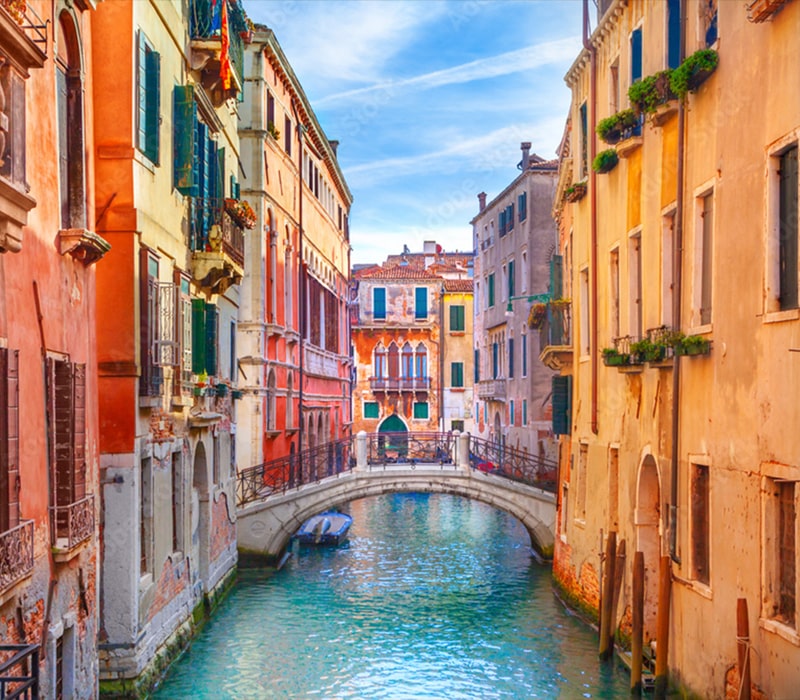
Post Contents
- Venice Travel Guide Foundations for a Seamless First Day Itinerary
- Piazza San Marco and the Basilica with Early Morning Magic for Piazza San Marco basilica di San Marco Venice attraction
- Palazzo Power and Ponte Stories from Venice’s Golden Age for Doge’s Palace Bridge of Sighs palazzo Venice
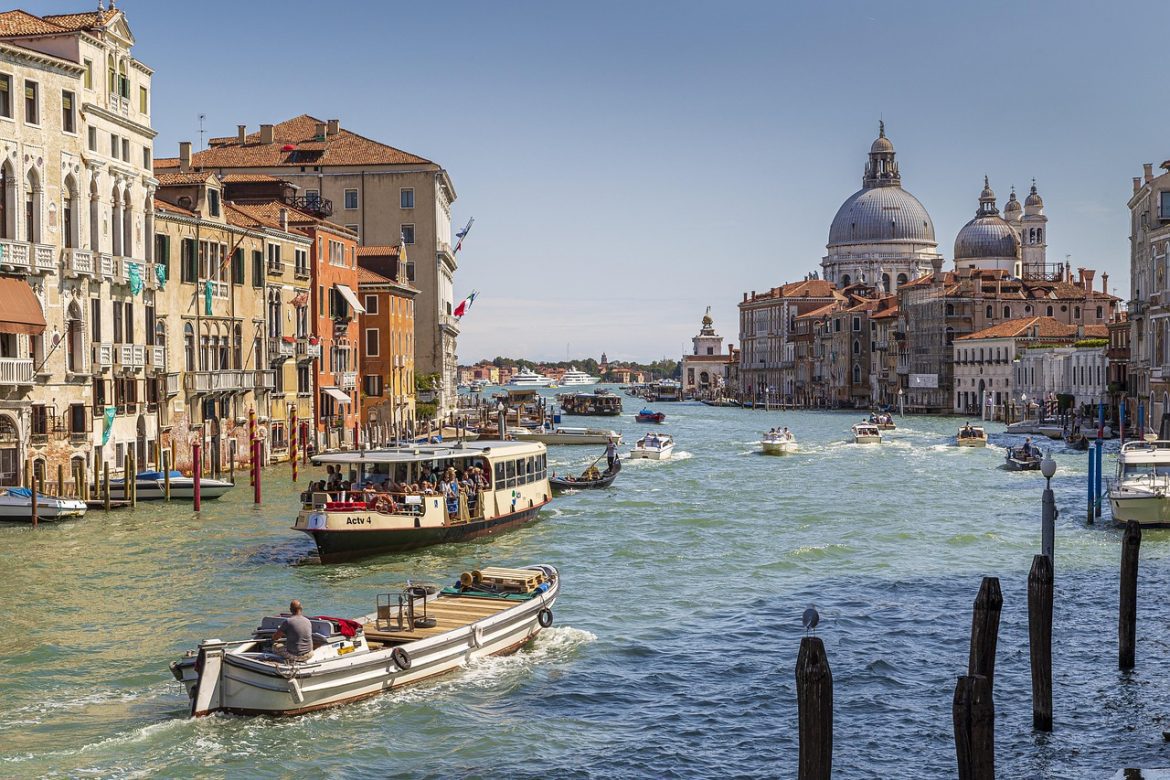
- Grand Canal Glamour and a Private Gondola Ride for Grand Canal private gondola ride Venice water taxis
- Dorsoduro Artisans Modern Art and La Fenice Evenings for Dorsoduro Venice things to do in Venice Peggy Guggenheim La Fenice
- What Stayed With Me After Venice for leave Venice love Venice seen Venice
- F.A.Qs: Must see in Venice Italy
Venice Travel Guide Foundations for a Seamless First Day Itinerary
Venice Travel Guide Foundations for a Seamless First Day Itinerary
For a confident start, think of this as a Venice travel guide things to do in Venice itinerary distilled into calm, high-end choices. The city of Venice rewards travellers who move with intention: arrive, settle, then explore by water and on foot with a light touch. With expert timing and a little booking support, even the most iconic piazza moments can feel remarkably personal.
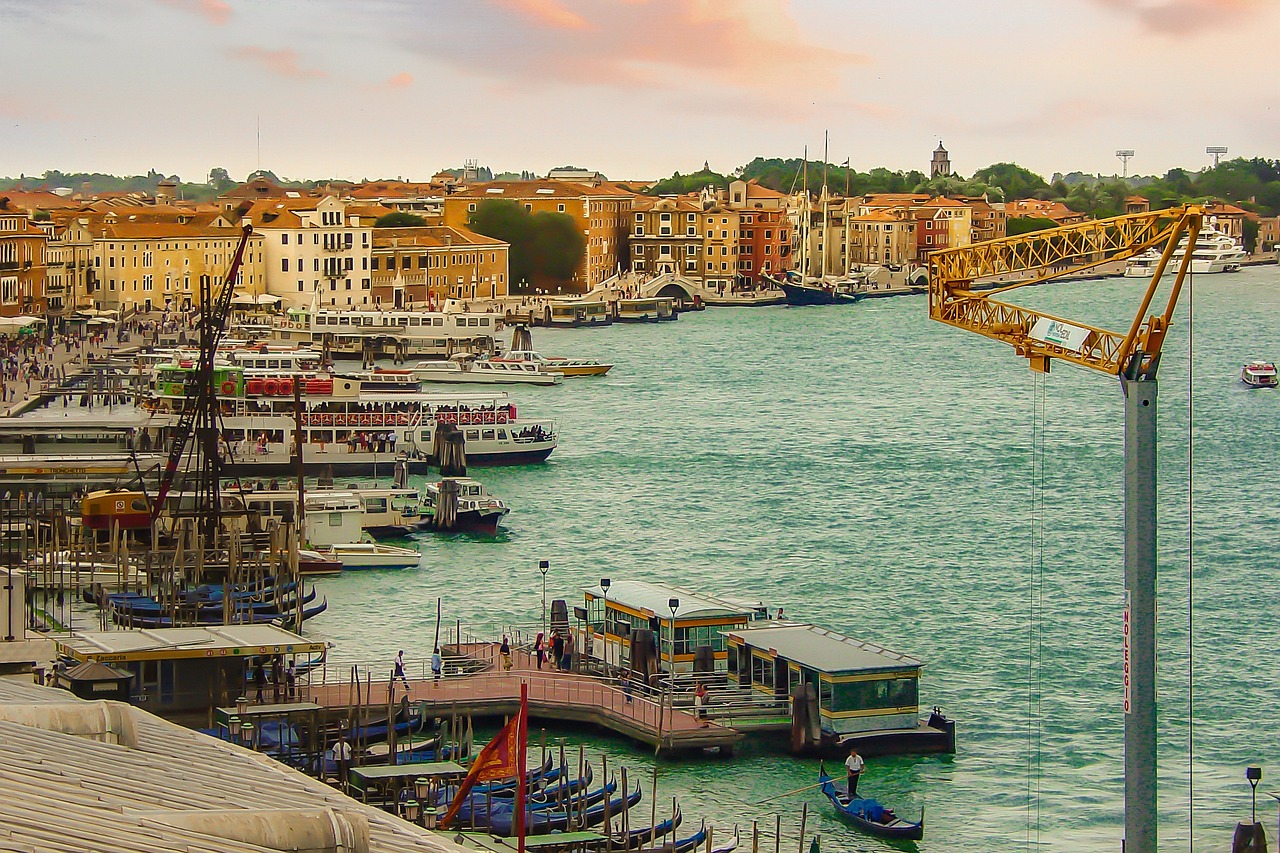
Most guests arrive via Venice Marco Polo Airport or by train into Santa Lucia. From Marco Polo, you can choose between shared transport, a vaporetto connection, or private water taxis straight to your hotel door—an immediate shift into Venetian life. From Santa Lucia, the Grand Canal is right there; a short vaporetto ride or a discreet private transfer brings you to San Marco or Dorsoduro without dragging luggage over bridges.
Visit Venice with confidence on day one
For your day in Venice, aim for one major site in the morning, one in the afternoon, and a designed pause—coffee, art, or an aperitivo—so the city can meet you properly. High-end travel here is less about doing more, and more about doing the right things at the right tempo.
If you’re building a week in Italy, consider a week Italy itinerary that keeps movement effortless: 2 nights Venice, 2 nights Florence, then 3 nights Rome (or the reverse), with private transfers where they save real energy. If you’d like inspiration for traveling to Italy in this style, browse our Trip gallery for routes designed around ease, not exhaustion.
Best timing, acqua alta, and tips for visiting Venice
The best time to visit Venice is late spring (May–June) or early autumn (September–October): the light is soft, the evenings linger, and the pressure of summer crowds eases. Do keep acqua alta in mind in the cooler months; it’s not a reason to worry, simply to plan with confidence—pack smart footwear and check forecasts if you’re travelling in shoulder-winter.
Before you go, here’s a curated 15 things checklist of must-see in Venice Italy moments that help you explore without rushing. For the most in-demand sites, secure booking times early—especially basilicas, palazzi, and evening performances.
- Start in Piazza San Marco at first light for space and atmosphere.
- Step inside Basilica di San Marco for mosaics and Byzantine art and architecture.
- Ride the Campanile (bell tower) for a view of Venice.
- Tour the Doge’s Palace rooms and corridors of power.
- Walk past the Bridge of Sighs for a human-scale history moment.
- Cross the Rialto Bridge and watch the canal traffic below.
- Book a private gondola for quieter back-canal routes.
- Use a vaporetto for a budget-friendly Grand Canal cruise.
- Reserve the Fondaco dei Tedeschi terrace for skyline photos.
- Visit the Peggy Guggenheim Collection for modern masters in a palazzo.
- Wander Dorsoduro for artisan ateliers and local cafés.
- Photograph Basilica di Santa Maria della Salute at golden hour.
- Dress up for La Fenice—an unforgettable cultural evening.
- Plan a day trip into the Venetian lagoon.
- Choose Murano and Burano for colour, craft, and calmer lanes.
Around Venice, the islands are your easiest “different pace” day: Murano for glass artistry, Burano for vivid houses and lace (it’s known for its lace), and a return by late afternoon when Venice feels gentler again. Choose earlier ferries to avoid the mid-day swell and keep the experience feeling local.




Piazza San Marco and the Basilica with Early Morning Magic for Piazza San Marco basilica di San Marco Venice attraction
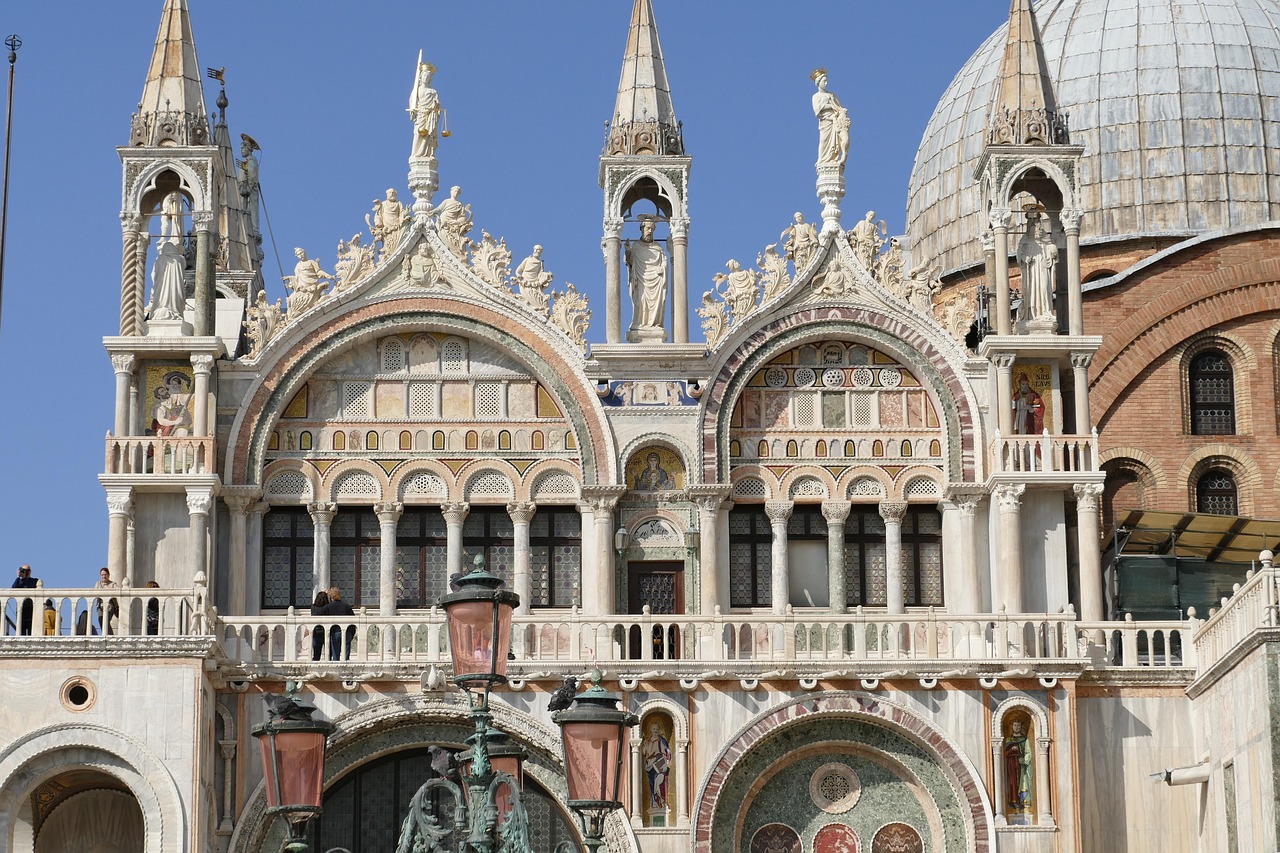
Piazza San Marco and the Basilica with Early Morning Magic
For a pure, unhurried start, build your morning around Piazza San Marco basilica di San Marco Venice attraction timing—before the city turns up the volume. I still remember being in Mark’s Square early in the morning, when the paving stones held a faint coolness and the light felt almost theatrical. It’s the sort of calm that makes you fall in love with Venice in a single breath.
Arrive for piazza san marco early—or, as one traveller put it, “Marco early in the morning”—and you’ll see the piazza in its most poetic state. The arcades awaken slowly, the first vaporetto wakes the canal, and the square becomes less a landmark and more a private stage set.
Basilica di San Marco and the di San Marco mosaics
Inside the basilica, the atmosphere changes at once: gold, shadow, and detail. The Basilica di San Marco is an essential Venice stop for its Byzantine grandeur, layered Venetian history, and astonishing mosaics that seem to glow from within. Many describe it as the final resting place of St Mark—indeed, it’s long revered as the final resting place of st Mark’s relics, a spiritual anchor that adds weight to the beauty.
With warm care for etiquette: dress modestly (shoulders and knees covered), and keep voices low. The main areas are typically free to enter, but some sections require a timed booking; the museum upstairs costs €3 to enter and is worth it for a higher perspective over the interior. For high-end travellers, pre-booking simply protects your morning calm.
Campanile, San Giorgio Maggiore, and a Caffè pause at Florian
Next, take the bell tower moment: climb to the top of the Campanile (or take the lift) for a wide, clear view of Venice—domes, rooflines, and water stitched together. For photographers who prefer a quieter frame, cross to San Giorgio Maggiore; the view back towards the piazza is refined, spacious, and often less crowded.
Before you move on, allow a designed pause at Caffè Florian—simply “Florian” to locals. It’s not about rushing a caffeine hit; it’s a crafted ritual, a small act of design that tells you this city has always taken beauty seriously.
Palazzo Power and Ponte Stories from Venice’s Golden Age for Doge’s Palace Bridge of Sighs palazzo Venice
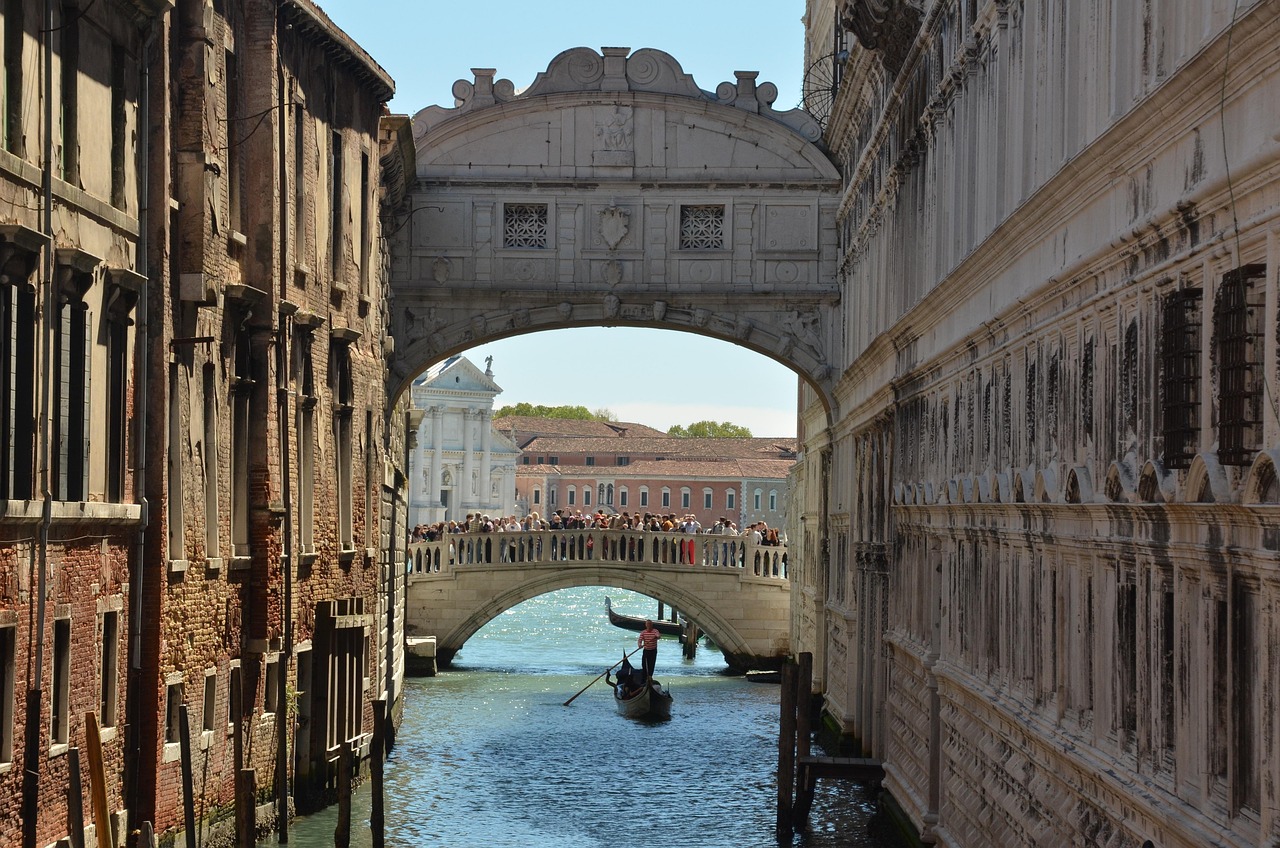
Palazzo Power and Ponte Stories from Venice’s Golden Age
To understand the city’s confidence, step into Doge’s Palace Bridge of Sighs palazzo Venice in one seamless arc. The Doge’s Palace is not just another beautiful building; it’s a palazzo that held decision-making, diplomacy, ceremony, and the quiet machinery of an empire. You don’t have to be a history specialist to feel the force of it—Venice’s story is written into ceilings, corridors, and light.
Architecturally, it’s a masterpiece of Gothic design, softened by Venetian colour and pattern. As you move through the grand rooms, you’ll uncover how power was performed here—luxury as symbolism, artistry as authority, and craft as persuasion.
Ponte dei Sospiri and the Bridge of Sighs
The emotional pivot comes at the ponte dei sospiri—the Bridge of Sighs, or Ponte dei Sospiri, linking judgement to imprisonment. It’s beautiful in photographs, yes, but its pull is human: the idea of a last glimpse across water, light, and the outside world. Even the smallest pause here can change how you feel about the city’s glamour.
Booking windows and a ponte route towards San Polo
For a smoother visit, plan your booking for early or late time slots and avoid the midday pressure when tour groups compress the corridors. Carry water, keep valuables secure (pickpockets can appear in crowded parts of the city), and bring a light layer—stone interiors can feel cool even on warm days.
Afterwards, let the language of Venice’s bridges guide you. Choose a classic ponte-to-ponte walk towards San Polo, where the rhythm feels less staged and more lived-in. It’s a gentle reminder that many key sites were rebuilt several times across Venice’s long history; the city has always been restoring, reimagining, and continuing.
- Timing: aim for before 10:00 or after 16:00 for a calmer palazzo experience.
- What to carry: a small umbrella, a reusable bottle, and a secure crossbody bag.
- Footwear: choose comfortable, stylish shoes for cobblestones and steps.
- Mindset: treat each bridge in venice as a threshold—slow down as you cross.
Grand Canal Glamour and a Private Gondola Ride for Grand Canal private gondola ride Venice water taxis
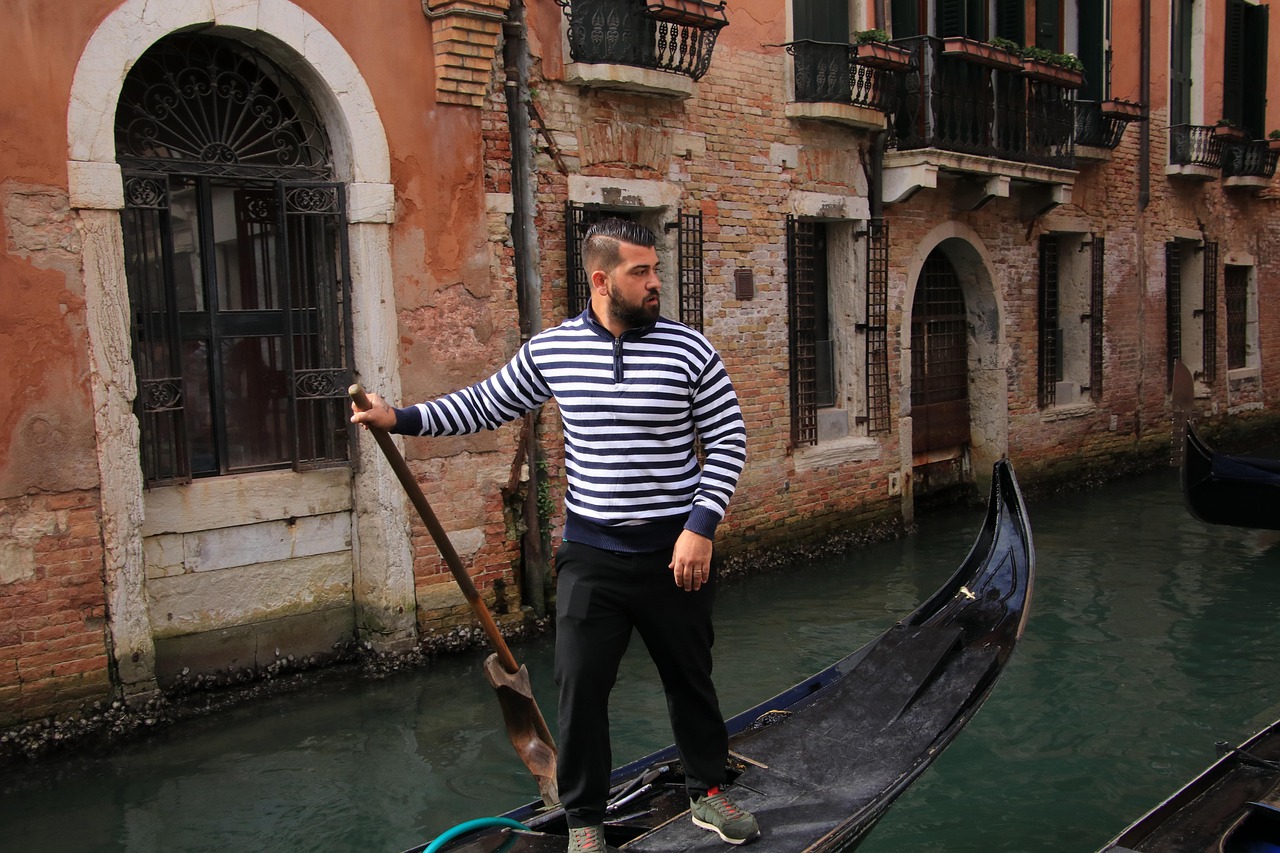
Grand Canal Glamour and a Private Gondola Ride
If you’re choosing one classic splurge, make it Grand Canal private gondola ride Venice water taxis done properly: discreet, unhurried, and routed through quieter waterways. One couple told me their private gondola experience felt like stepping into a film—soft ripples against stone, their gondolier singing, and local folklore shared as they drifted through a narrow canal where the city’s noise faded completely.
This is Venice at its most intimate: a gondola gliding where walking can’t follow, every corner offering a new reflection. The aim isn’t to “see everything”, but to feel how the city breathes.
Gondola versus private water taxis and vaporetto
It helps to understand what each boat is for. A gondola is a slow, romantic craft designed for the small canal network—perfect for atmosphere and photo angles that feel personal. Private water taxis are faster and more practical for transfers (airport to hotel, hotel to dinner), with comfort, discretion, and excellent timing when you’re dressed for an evening out.
The vaporetto, meanwhile, is the public waterbus: unglamorous but essential, and often the smartest way to create an easy cruise along the Grand Canal without overthinking it. Many travellers find a day pass is about €25 (always check the latest), and it’s a reassuring tool when your feet want a break.
Rialto Bridge, Fondaco dei Tedeschi terrace, and aperitivo along the Grand Canal
Whether by boat or on foot, anchor yourself at the Rialto Bridge, an iconic bridge that doubles as a navigation point. Watch how the canal traffic threads through: delivery boats, vaporetti, private launches, and the occasional gondola slipping into side streets of water.
For a polished viewpoint, book the Fondaco dei Tedeschi terrace in advance; it’s a refined perspective that makes the city’s geometry feel clear. Then let evening arrive with a sunset aperitivo along the grand canal—a classic Aperol spritz is perfectly at home here, but many high-end bars will craft something bespoke if you prefer.
Costs and value, gently: a private gondola ride is typically €100–€150 depending on timing and duration. In Venice, luxury is ease—paying for the right moment can protect your energy and keep the day seamless.
Dorsoduro Artisans Modern Art and La Fenice Evenings for Dorsoduro Venice things to do in Venice Peggy Guggenheim La Fenice
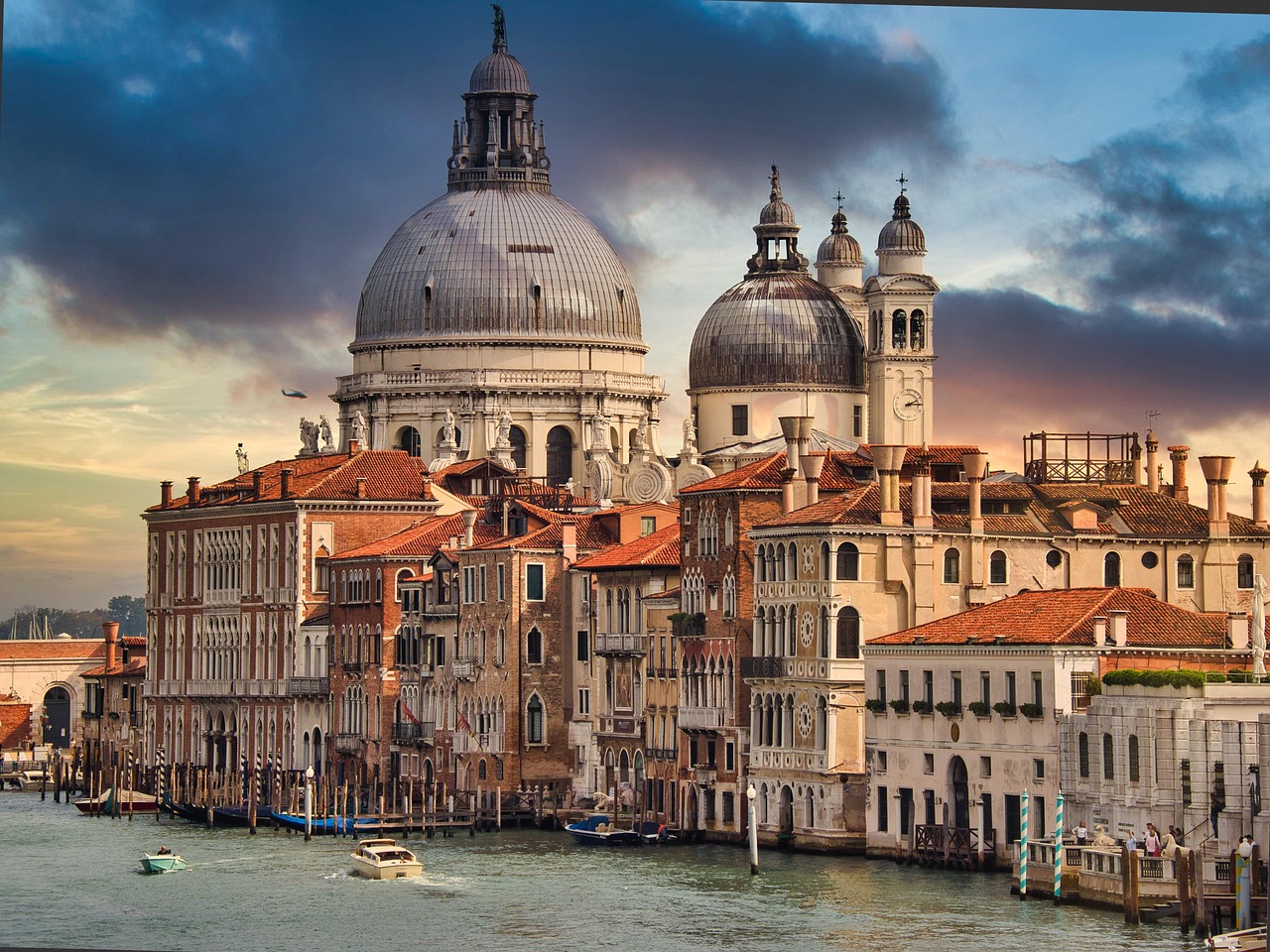
Dorsoduro Artisans Modern Art and La Fenice Evenings
When you’re ready to trade the centre’s spectacle for texture, follow Dorsoduro Venice things to do in Venice Peggy Guggenheim La Fenice as your cue. Dorsoduro is where many travellers finally exhale: quieter canal edges, artisan doors half-open, and the sense that every corner holds something worth slowing for. It’s still unmistakably Venetian, but the pace feels more local.
Stroll without a strict plan, and you’ll notice the difference immediately—less queueing, more conversation, more small moments of craft and care. This is the Venice you remember in your body, not just your camera roll.
Local workshops and a glassmaking story over prosecco
One visitor described stumbling upon a hidden artisan workshop here, tucked down a narrow lane beside a canal. The craftsman welcomed them in with a warmth that felt completely unforced, then explained Venetian glassmaking traditions while pouring a simple glass of prosecco. In a city often framed as a museum, it was a reminder that Venice is also a working place—creative, proud, and alive.
Peggy Guggenheim, basilica di santa maria, and La Fenice booking
The Peggy Guggenheim Collection offers a different kind of richness: modern art set inside a palazzo that still feels residential and intimate. An art enthusiast once told me they felt unexpectedly emotional moving from room to room—masterpieces meeting the soft Venetian light, history holding the present, and the canal outside keeping time. That blend of place and collection is the magic; it’s not just what you see, it’s how it lands.
Use basilica di santa maria della Salute as your visual anchor—its dome is a landmark you’ll keep spotting as you wander. If you want more, there are nearby galleries worth dipping into, but keep it curated; too much can dilute the joy.
Close the day with confidence at La Fenice, one of Italy’s most storied theatres. A luxury traveller once recounted attending a sold-out opera: the opulent interior, the hush before the first note, then the thrilling live performance that made the whole city feel cinematic. For premium seats, book early, consider dress-circle options, and don’t hesitate to ask your hotel concierge for support—they can often help with the best timing and a smoother arrival.
What Stayed With Me After Venice for leave Venice love Venice seen Venice
By the time you leave Venice love Venice seen Venice, what lingers isn’t the checklist—it’s the hush between moments. It’s the soft click of your shoes on stone as the city wakes, the way a canal catches the day’s last light, and the quiet confidence of water always moving just beside you. Of all the cities in the world, Venice is uniquely capable of making time feel slower, kinder, and more intentional.
There’s a particular tenderness in having seen Venice in a way that feels private rather than performative. Luxury here becomes ease: a well-timed booking, a calmer route, a gondola turning into a side canal when the main thoroughfares feel too busy. It’s the trust you place in good design—and the care you give yourself in return.
What you carry home is an inner calm and a renewed sense of beauty, as if the city has quietly rearranged your attention. And sometimes, in the days that follow, you’ll find yourself recalling a final evening view across the water in the Venetian lagoon—nothing dramatic, just light, stone, and possibility—inviting you to return in memory, and to wonder what else might be waiting there.
F.A.Qs: Must see in Venice Italy
F.A.Qs: Must see in Venice Italy
What shouldn’t you miss in Venice?
Don’t miss Piazza San Marco at an uncrowded hour, Basilica di San Marco for its mosaics, the Doge’s Palace, and time on the canal—ideally a private gondola for intimacy. Add the Rialto Bridge for an iconic view, and finish with an aperitivo along the Grand Canal. If you can, include Dorsoduro and the Peggy Guggenheim Collection for a more local, art-led perspective.
What is the number one attraction in Venice, Italy?
For most first-timers, the number one attraction is St. Mark’s Basilica in Piazza San Marco. Its Byzantine design, shimmering mosaics, and sense of sacred history make it unforgettable. Pair it with the Campanile for a view of Venice, and plan a timed booking where needed so your visit feels calm rather than crowded.
What to see in Venice for the first time?
On a first visit Venice experience, focus on a gentle core: Piazza San Marco, Basilica di San Marco, the Doge’s Palace and the Bridge of Sighs, then the Grand Canal by vaporetto or water taxi. Add a private gondola ride through a quieter canal for atmosphere, and choose either Dorsoduro (art and artisans) or a Murano and Burano day trip depending on your interests.
What not to do in Italy as an American?
Avoid turning sacred spaces into photo sets: dress modestly in churches and keep voices low. In Venice, don’t feed pigeons, don’t eat on the streets in busy areas, and don’t assume cars exist—plan around boats and walking. Keep valuables secure in crowded spots, and try not to over-schedule: in Italy, your best days often come from slowing down and letting local rhythm lead.