Post Contents
- Is Bologna Worth Visiting? Reasons Bologna Wins Hearts in Bologna Italy
- Visiting Bologna: logistics, train station, Bologna Guglielmo Marconi Airport & where to stay
- Historic Center of Bologna: things to do around Piazza Maggiore, the basilica & must-see streets
- Two Towers Bologna: Asinelli Tower climb, Garisenda Tower views & skyline history
- Quadrilatero Bologna: food tour, restaurants in Bologna, tortellini, mortadella & ragù
- University of Bologna: the oldest university, history and culture & the 1088 story
- Around Bologna: easy day trip ideas to Ravenna, Venice, and Rimini in Emilia-Romagna
- What Stayed With Me After Bologna: Bologna Italy personal reflection & travel notes
- F.A.Qs: Bologna Italy travel essentials for first-time visitors
Is Bologna Worth Visiting? Reasons Bologna Wins Hearts in Bologna Italy
Is Bologna worth visiting in Italy? A warm, honest introduction to the city.
If you’re asking whether Bologna is worth visiting, the clear answer is yes—especially if you want history you can touch, an easy pace, and just enough challenge to keep the days feeling vivid. As a place to visit that balances depth and comfort, this North Italian city lets you climb a tower at dawn, then drift into a long lunch under the porticoes without ever feeling rushed. Put simply: bologna worth visiting comes down to how naturally it blends medieval drama with modern ease.
Bologna is one of those places where culture feels lived-in rather than performed. You can admire grand palazzo façades, then slip into a tiny osteria where the conversation next door sounds like family, not a script. It’s confident and warm—less glossy than some headline tourist destinations, yet quietly luxurious in what it offers.
Reasons to Visit Bologna: high-end adventure with a relaxed rhythm
- A compact, walkable centre that rewards curiosity—perfect for spontaneous detours through the historic streets.
- Medieval height: the Two Towers deliver a memorable tower moment and set the tone for the rest of the day.
- Food and wine culture that’s bold, local, and rooted in the Emilia-Romagna way of living.
As cultural context, locals have long nicknamed Bologna the red one (for its terracotta rooftops and political history) and the fat one (for its famously generous cuisine). Those labels aren’t marketing—they’re reasons Bologna earns loyalty: a city that feels smart, social, and satisfyingly real.
The best time to visit is late spring through early autumn, roughly May to September, when piazza evenings stretch long and outdoor days feel effortless. Shoulder season can be calmer and more intimate, and with the arcades you’ll still feel held if the weather turns. Stay with me and we’ll shape a simple, flexible itinerary—must-see corners, local pauses, and enough breathing space to make it your own.




Visiting Bologna: logistics, train station, Bologna Guglielmo Marconi Airport & where to stay
Practical tips for visiting Bologna: arrivals, transfers, and choosing the right area.
For visiting Bologna logistics—train station, airport transfers, and deciding where to stay—the good news is that Bologna is built for ease. Whether you arrive by rail or air, you can be eating well in the city center within an hour, without needing a car and without sacrificing comfort. It’s one of the simplest bases in northern Italy for travellers who like their plans to feel smooth.
Arriving by train: Bologna Centrale, platforms, and smart booking tips
Bologna Centrale (the main train station) sits on key high-speed lines, making it a seamless base for moving between Milan, Florence, and Rome. When you’re booking, look for Frecciarossa or Italo services and choose earlier departures if you want a calmer start and more options for seat selection. At the station, platform boards list the train number, departure time, and binario (platform); double-check your carriage number before boarding, especially during busy weekends.
If you like your travel to feel crafted, consider first-class or business-class seats for quieter cabins and extra space—small comforts that keep your energy for exploring the historic streets and climbing the city’s towers later on.
Flying in and deciding where to stay in Bologna
If you fly into Bologna Guglielmo Marconi Airport, the simplest transfer into the central area is the Marconi Express monorail, followed by a short taxi or walk to your accommodation. It’s straightforward even after a late arrival, and it supports that reassuring sense of “I’ve got this” from the start of your trip.
Where you stay in Bologna shapes your trip. The historic core is ideal for early starts and slow evenings under the arcades; the university area brings nightlife and café energy; quieter edges suit travellers who want recovery time between adventures. If you’re comparing styles, phrase your search around best hotels in Bologna and prioritise soundproofing and concierge support—two details that quietly elevate the whole experience.
- Getting around: Bologna’s city center is compact; walking is usually faster than buses, with bikes handy for longer distances around the city.
- Cash vs card: some restaurants still prefer cash—carry euros, though card payments are increasingly accepted.
- Local manners: a warm “Buongiorno” goes a long way with shopkeepers and hosts; most Italians appreciate the effort.
- Safety: in crowded market lanes, keep your bag zipped and close to your body to deter pickpockets.
If you’d like inspiration for a broader route through Italy, our Trip gallery can help you imagine what a multi-city journey might look like—while still keeping Bologna as a grounded, restorative base.
Historic Center of Bologna: things to do around Piazza Maggiore, the basilica & must-see streets
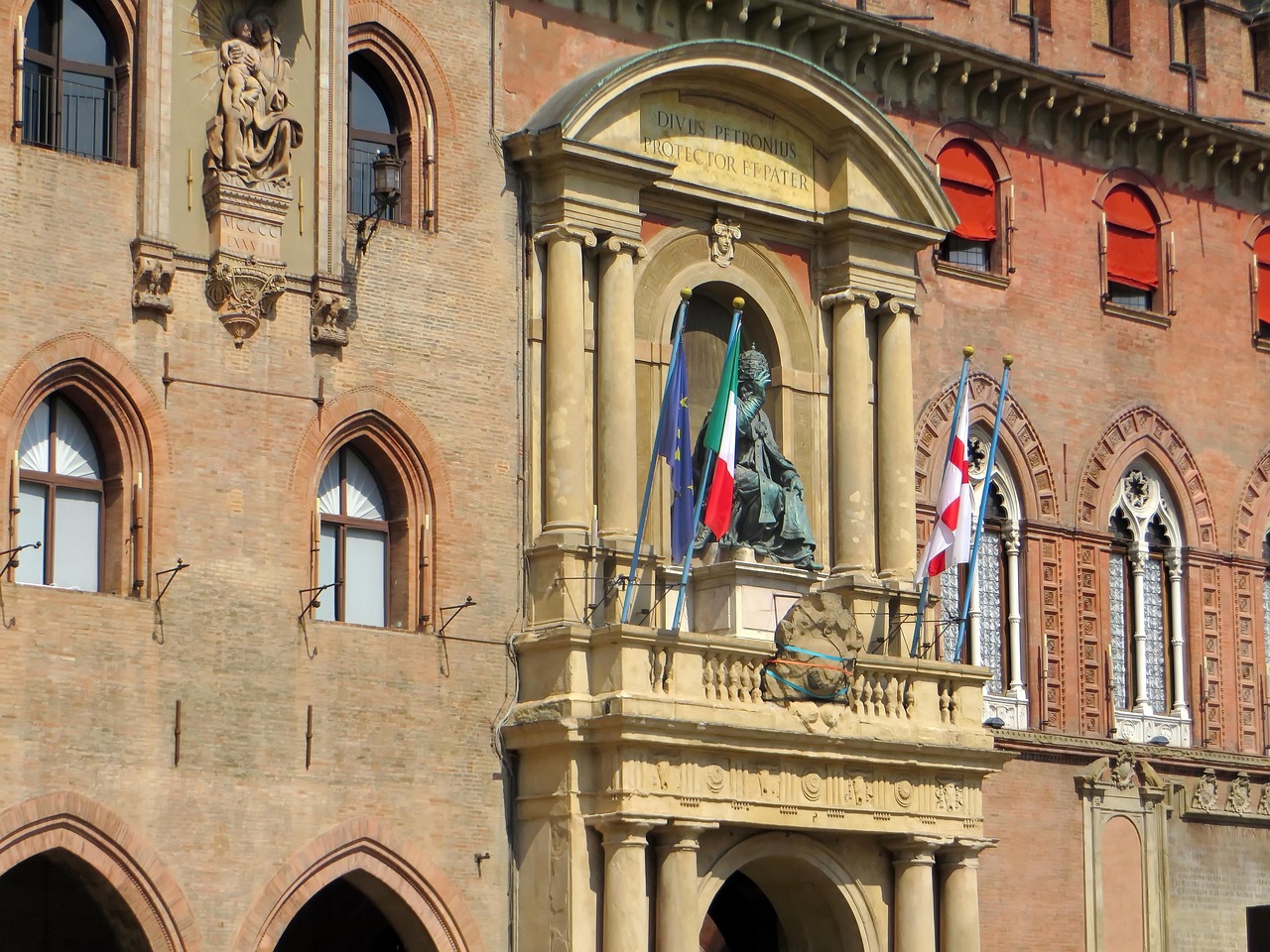
The historic center of Bologna: Piazza Maggiore, basilica stops, and easy wandering routes.
To feel Bologna quickly, start in the historic center—a compact cluster where one-foot-in-front-of-the-other becomes a miniature adventure. The historic center of Bologna is a series of unfolding scenes: arcades, warm stone, and sudden open space where the city seems to exhale. This is the easiest way to collect your bearings without forcing a rigid plan.
Begin at Piazza Maggiore, the city’s living room, then drift towards the Nettuno (the Neptune fountain), which anchors the square with mythic confidence. Look up at the palazzo fronts—Palazzo d’Accursio and neighbouring buildings make civic architecture feel personal, as though the city is quietly watching over you. If you’re short on time, this core area is the true must-see start.
Basilica moments at Basilica di San Petronio on Piazza Maggiore
Make Basilica di San Petronio your anchor on Piazza Maggiore. Outside, notice the unfinished façade—an honest reminder that cities, like people, are always in progress. Inside the basilica of San Petronio, give yourself time to register the scale, the cool air, and the soft echo of footsteps; it’s moving even if you’re not religious.
If you’re keeping an itinerary light, this is the perfect “one deep stop” before you return to sunshine, cafés, and conversation in the piazza.
Portico culture: covered walkways, Santo Stefano, and a calm mini-route
Bologna’s arcades stretch for more than 38 kilometres, a UNESCO-recognised network of covered walkways that changes how you move through a city. The portico rhythm means you can explore even in rain, staying dry while still feeling connected to street life. One traveller described walking under the arcades during a gentle shower and feeling oddly protected—like the city designed shelter as a form of care.
Try a mini-route: wander towards Santo Stefano for quieter, layered beauty, then loop back via Via dell’Indipendenza to rejoin the main flow. Pause in a small courtyard when you spot one—Bologna hides stillness in plain sight. From here, the rest of the highlights—towers, markets, galleries, and aperitivo—will feel like the natural next step rather than a checklist.
Two Towers Bologna: Asinelli Tower climb, Garisenda Tower views & skyline history
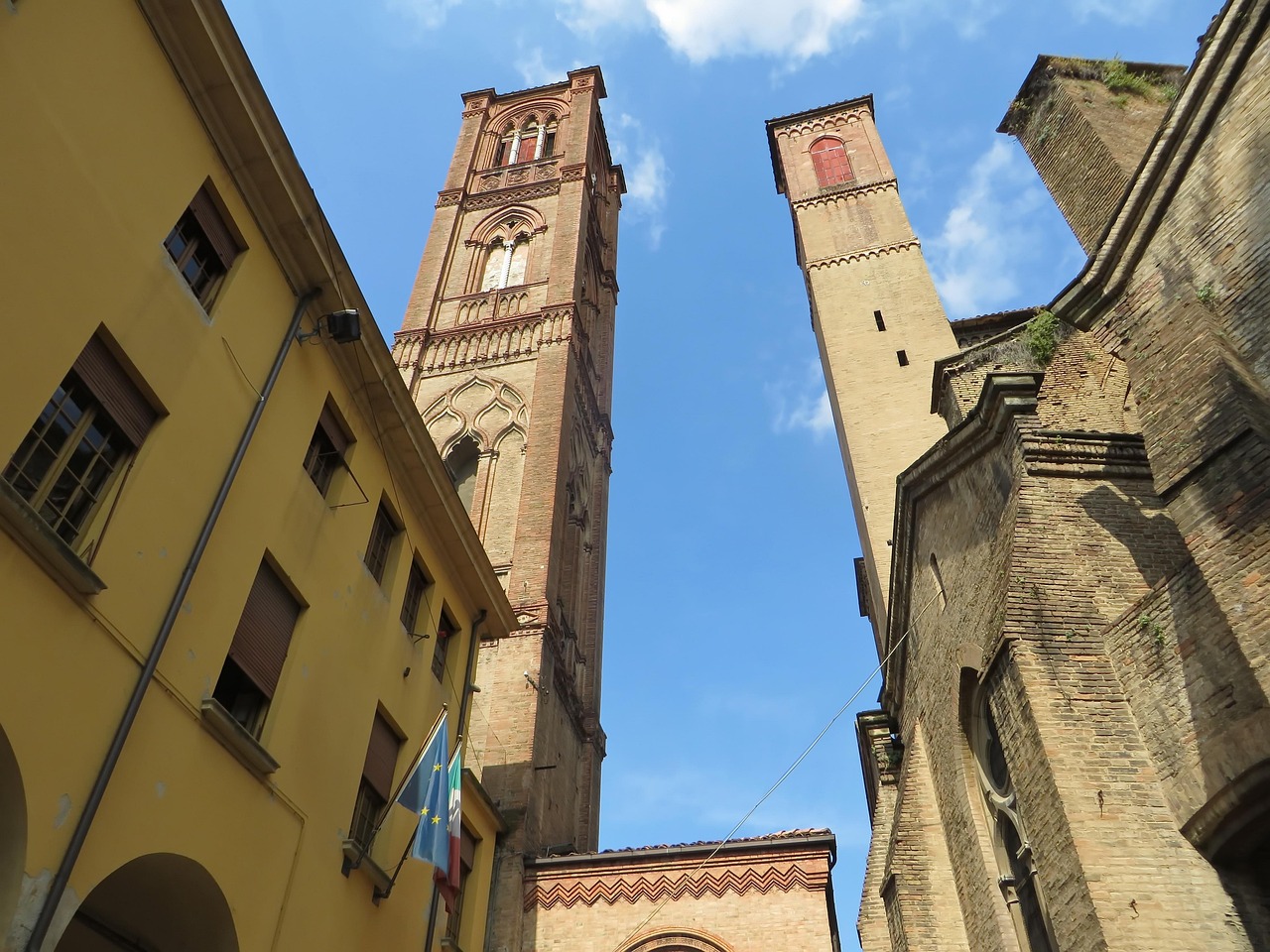
The Two Towers are Bologna’s iconic skyline challenge: Asinelli and the leaning Garisenda.
The Two Towers experience is Bologna’s most iconic vertical challenge, and it still thrills even seasoned travellers. These leaning towers—Torre degli Asinelli and the famous leaning tower beside it—define the skyline like punctuation marks from the Middle Ages. It’s a clear reminder that this city was once intensely competitive, building upward to prove power and pride.
The taller tower, the Asinelli, is the climb you’ll remember in your calves and your camera roll. The shorter, the Garisenda tower, leans dramatically and is best appreciated from the ground; Garisenda appears in poetry and local lore as a symbol of Bologna’s proud, slightly rebellious character.
How to climb Asinelli Tower comfortably (and when to book)
To climb Asinelli Tower, expect a small entry fee and timed slots; in peak months, booking ahead is a quiet form of self-care. The stairs are narrow and wooden, and the ascent is steady rather than technical, but it does ask for pacing. Treat it like a mindful workout: step, breath, repeat.
- Wear shoes with grip for the stair treads and bring a small bottle of water.
- Take breathers at the window points; they’re natural reset moments and give you mini “wins” on the way up.
- If heights feel intense, keep your gaze on the next steps—confidence builds gradually.
Sunrise at the top: the best views of the city
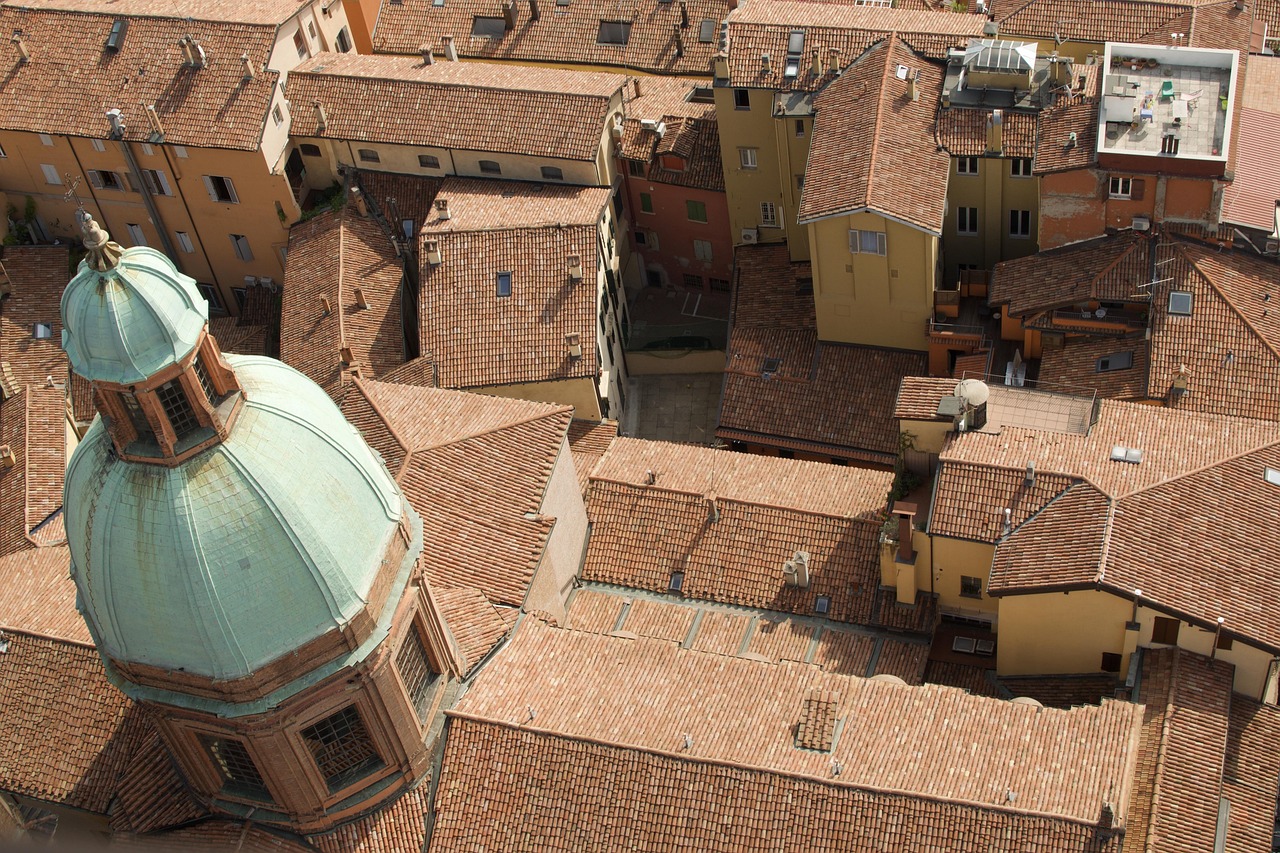
A traveller once told us about reaching the top of the Asinelli Tower at sunrise and watching the terracotta rooftops brighten, with the Apennines faint on the horizon. That moment delivers true views of the city, and it makes the early alarm feel like a gift rather than a sacrifice. If you can manage an early slot, you’ll often share the platform with only a handful of people, and the hush up there feels personal.
As you descend, notice how the tower’s drama makes street-level life feel richer. Bologna rewards contrast: height and hush above, then laughter and espresso below, as if the city wants you to experience it in layers.
Quadrilatero Bologna: food tour, restaurants in Bologna, tortellini, mortadella & ragù
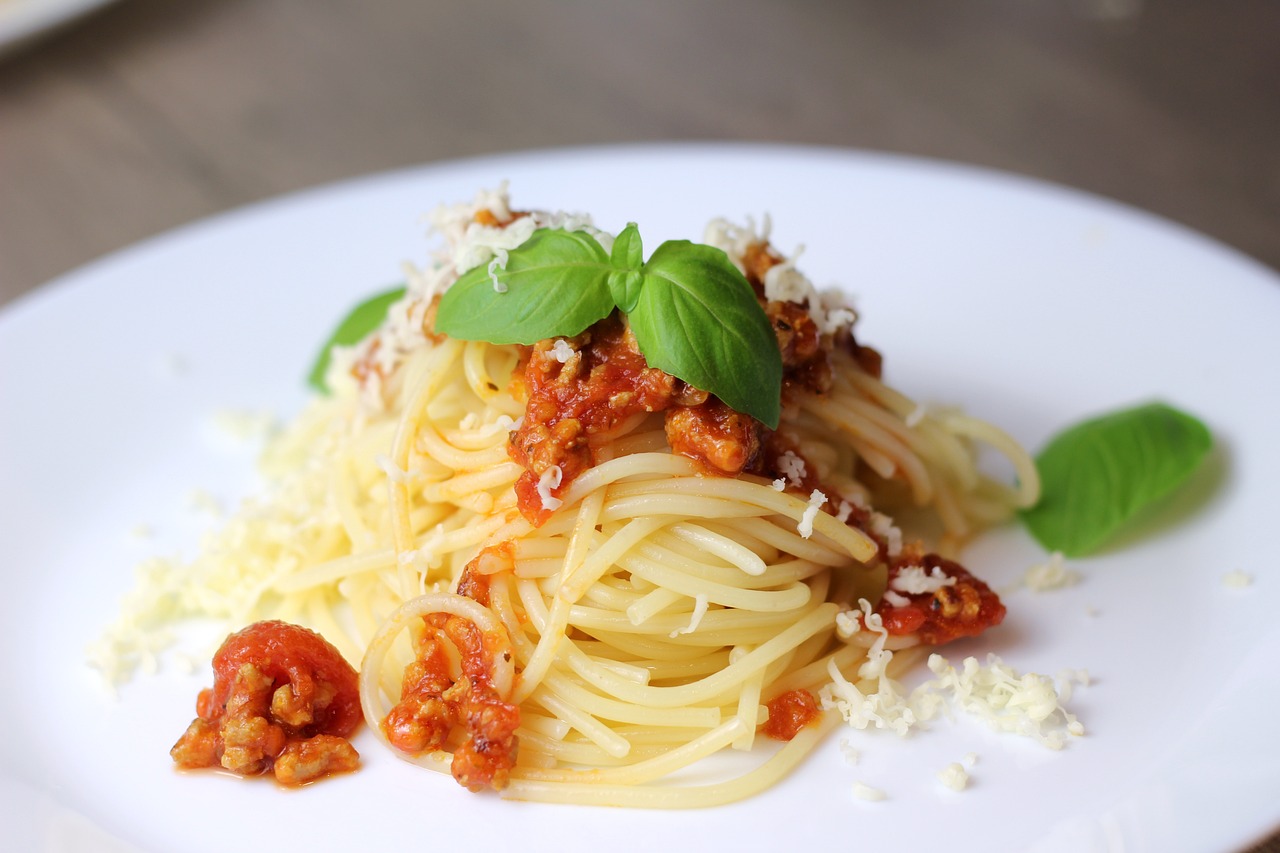
Eat your way through the Quadrilatero: delis, markets, and classic Bolognese dishes.
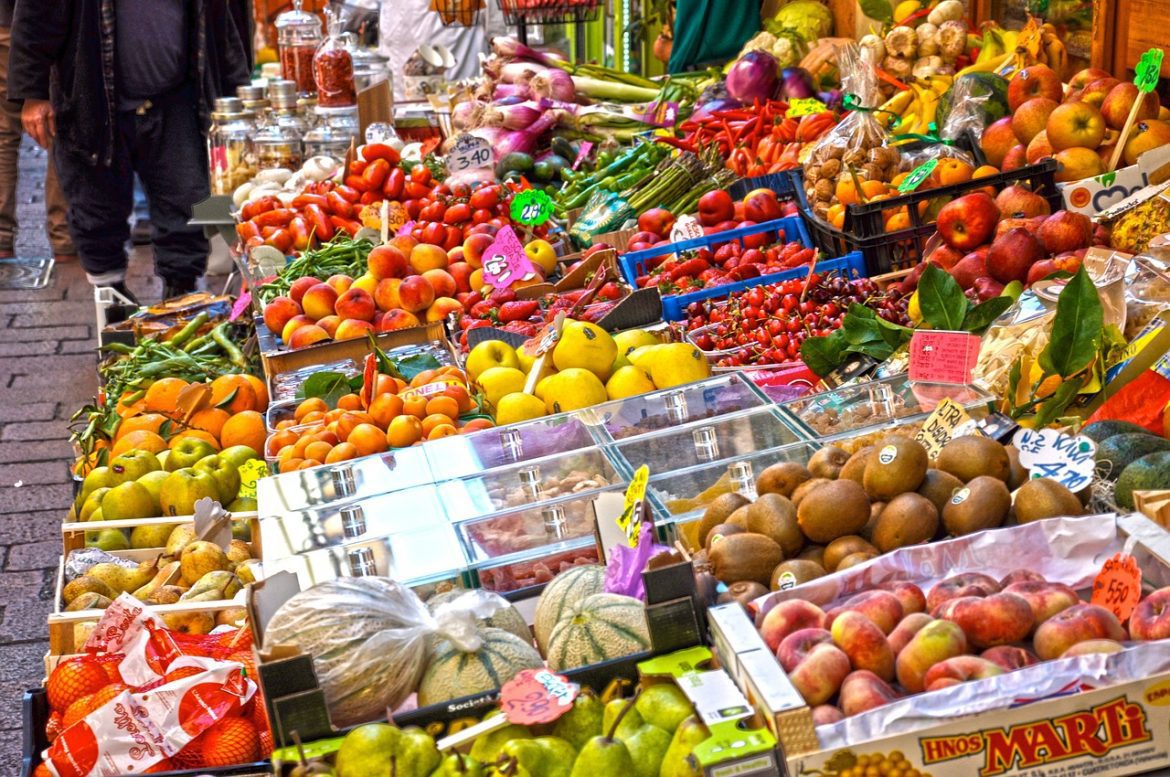
For flavour and atmosphere, the Quadrilatero loop is essential. The Quadrilatero isn’t just a market area—it’s a sensory street theatre of voices, slicing, weighing, and tasting, where choosing ingredients feels like a social ritual you’re invited into. It’s also one of the best places to compare restaurants in Bologna and see what locals actually buy between meals.
Wander slowly and let curiosity lead. Peek into family-run food shops, pause at the counters, and follow the scent of warm bread and cured meats. This is where Bologna’s everyday life feels closest, not staged.
What to order: Bolognese classics, ragù, and the real local food culture
Bologna’s incredible food is famous for a reason, but ordering well is about small, confident choices. Ask for tagliatelle al ragù (the real deal—what many visitors call bolognese sauce), and don’t be shy about trying mortadella from a dedicated deli. You’ll also see Parmigiano Reggiano, Prosciutto di Parma, and other Emilia-Romagna staples arranged with quiet pride.
If you want a shorthand that works almost anywhere: “Vorrei un piatto tipico, per favore” (I’d like a typical dish, please). Most Italians respond warmly to simple effort, and it helps you avoid anything overly touristy while staying open to the best recommendations.
Mercato delle Erbe, an osteria memory, and why a food tour works
If the Quadrilatero feels intense, add Mercato delle Erbe as a second stop—more space to browse produce, sip a glass of wine, and share small bites. It’s ideal for travellers who want to explore together without getting swept along by the crowd.
One food enthusiast described eating handmade tortellini in a family-run osteria, served with such ease and kindness that it felt like being welcomed into a community. That is Bologna’s local food culture at its best: food as connection, not performance. If you want to take that feeling home, consider taking a cooking class—a joyful way to learn fresh pasta and understand the confidence behind classic Bolognese flavours.
And if you’re wondering, yes: a Bologna food tour can be a smart splurge. The best guides steer you to a few great counters, explain what you’re tasting, and make the food-and-wine scene feel instantly legible.
University of Bologna: the oldest university, history and culture & the 1088 story
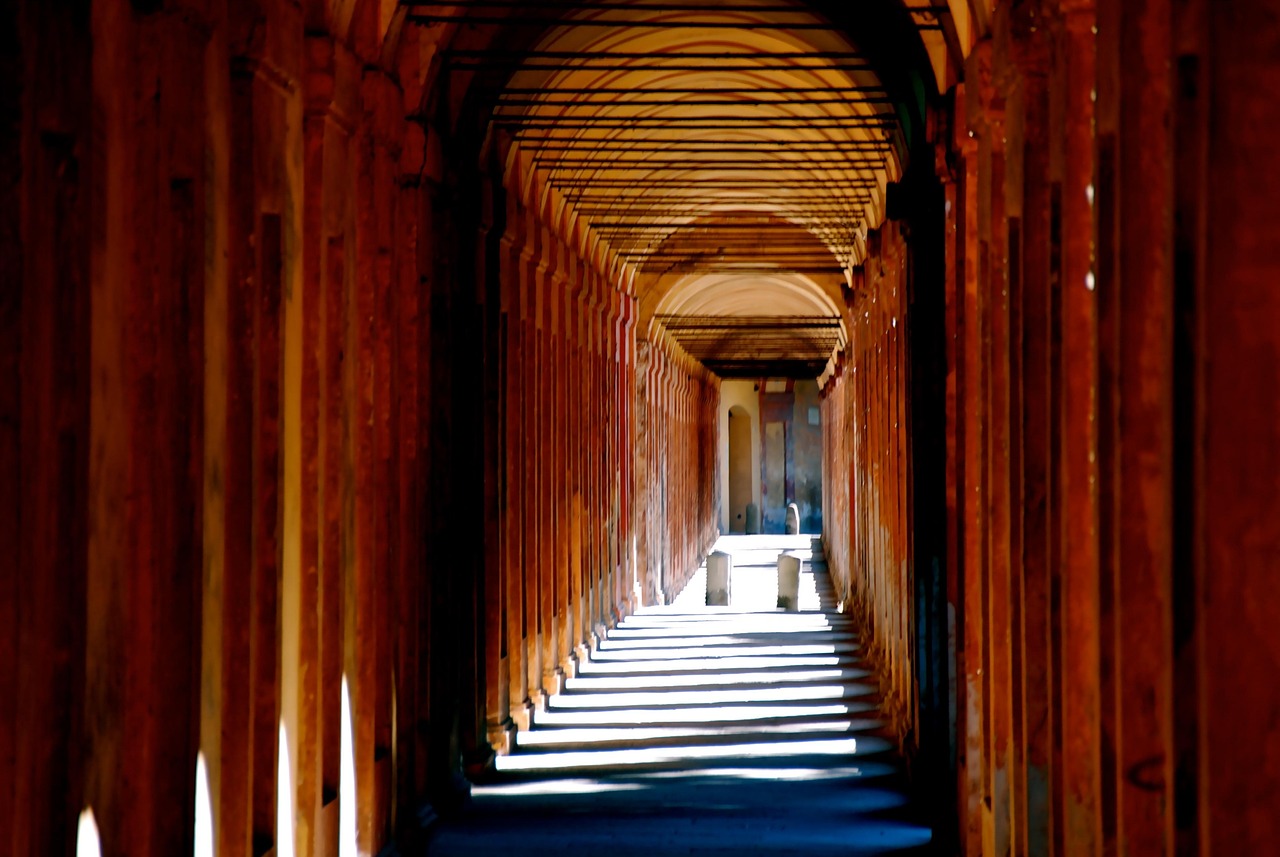
Explore the University of Bologna and the city’s long tradition of learning, art, and debate.
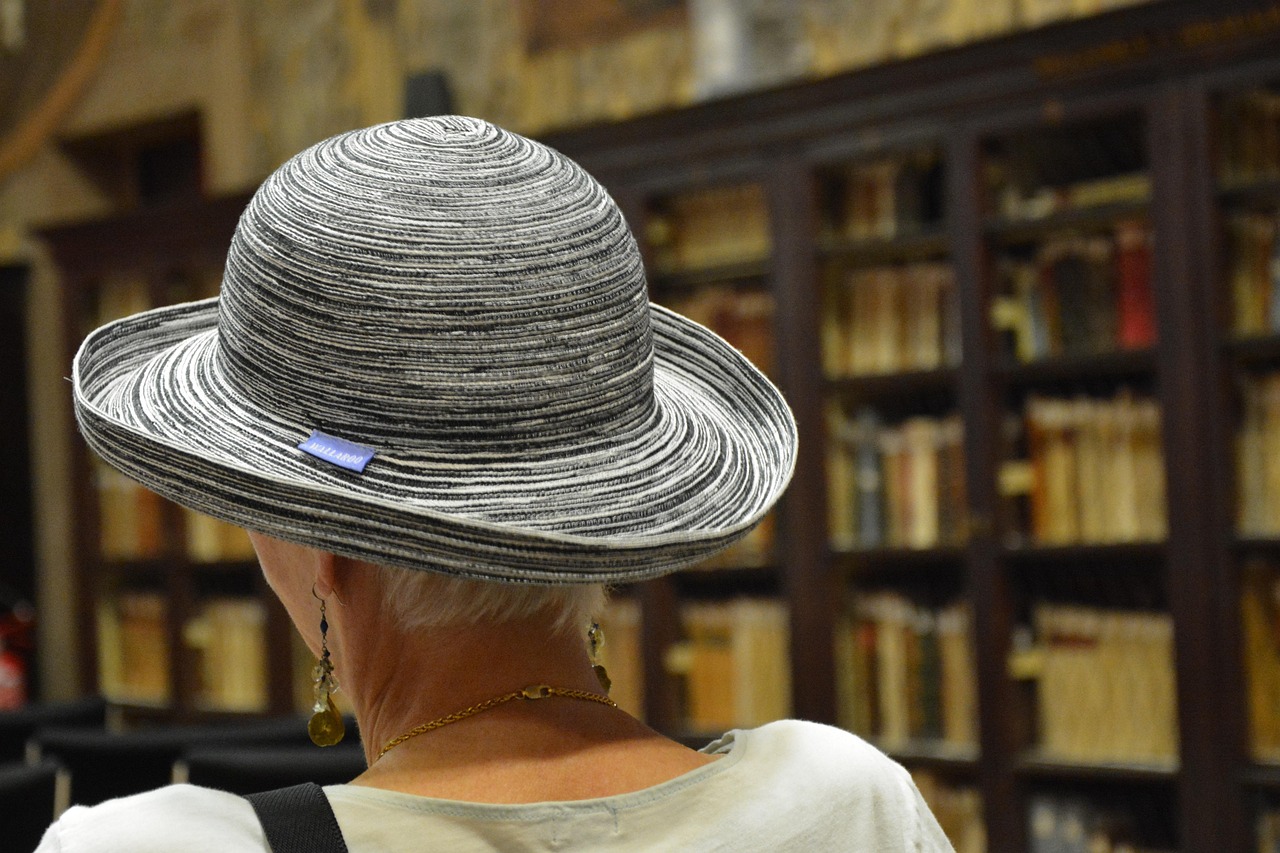
To understand the city’s mind, lean into University themes for an afternoon. Bologna is a university town shaped by learning and debate, and that legacy isn’t abstract—it’s visible in libraries, arcades, and the way cafés fill with conversation. You’ll feel it most when you slow down and listen, not when you rush between landmarks.
The University of Bologna is often cited as the oldest university in continuous operation in Europe, and many describe it as the oldest in the world in that tradition. Founded in 1088—yes, 1088—it helped define what a university could be, and you can still sense that intellectual confidence as you move through the arcaded streets.
A guided walk focused on history and culture is one of the most efficient ways to uncover details you’d otherwise miss: Renaissance fragments, quiet cloisters, and courtyards tucked behind unassuming doors. For high-end travellers, a private or small-group guide creates a seamless flow—fewer pauses, deeper context, and the freedom to ask questions that match your interests. It’s also a smart way to connect the city’s architecture to its academic story.
Think of it as a design choice: you’re not outsourcing discovery, you’re amplifying it with expert insight.
Music at Teatro Comunale and the Portico di San Luca pilgrimage
A cultural explorer once told us that a classical concert at Teatro Comunale hit harder than expected—the historic venue seemed to hold the sound, letting a single note linger in the air. If you can, pair a performance with a late dinner; it turns the evening into something quietly cinematic.
And if the weather shifts, do what locals do: walk under the portico after a gentle rain, when the stone darkens and the city smells clean. If you have time for a longer arcade walk, follow the Portico di San Luca up to the Madonna di San Luca—the Sanctuary of the Madonna di San Luca feels like a reward at the end of a meditative climb. It’s romantic without being touristy, and it reinforces the feeling that Bologna is quietly looking after you.
For timing, keep it simple: museum hours earlier in the day, then aperitivo as your bridge into the evening. That way your plan stays elegant even when the sky can’t make up its mind.
Around Bologna: easy day trip ideas to Ravenna, Venice, and Rimini in Emilia-Romagna
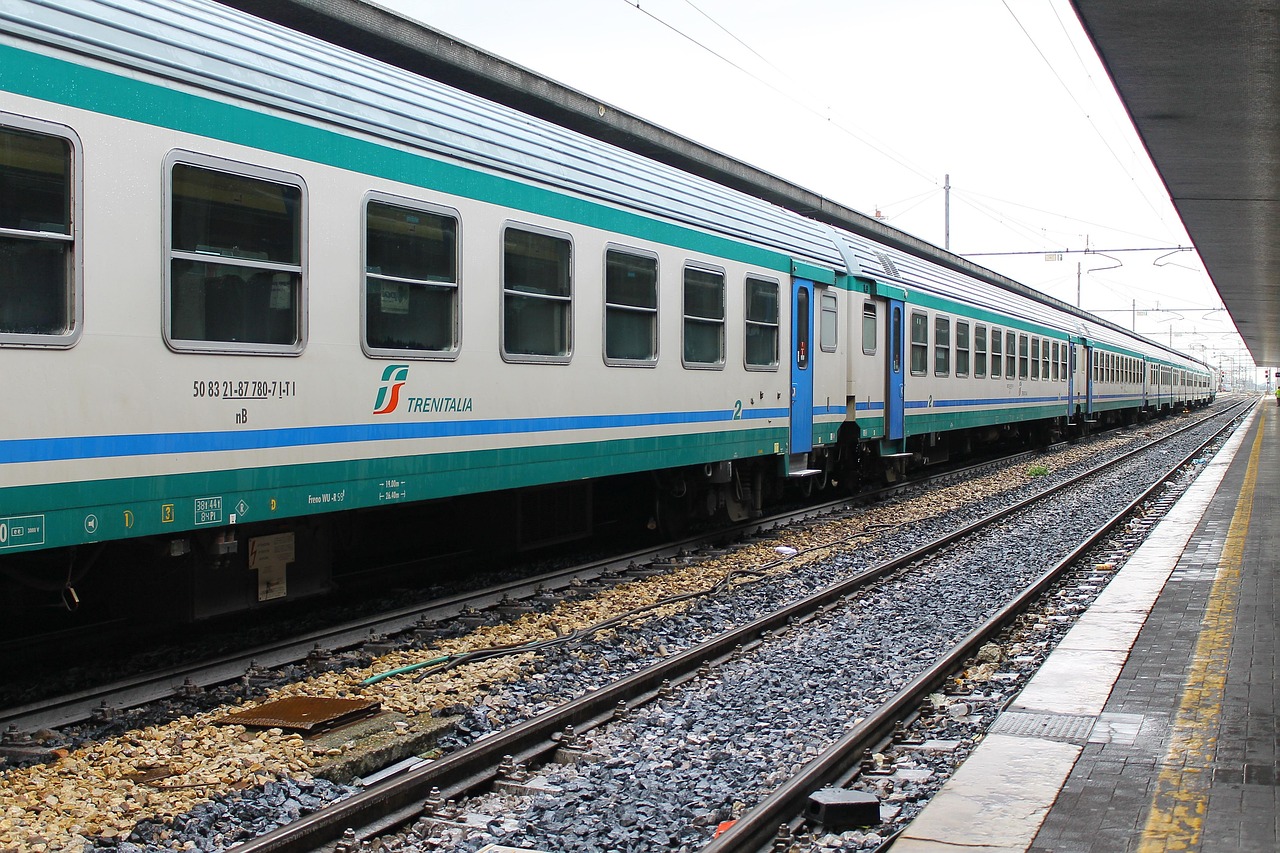
Around Bologna: quick train day trips for mosaics, canals, or sea air.
If you want to widen the lens, around Bologna day trip options are brilliantly simple thanks to fast trains. Think of this as a choose-your-own adventure: art, sea air, or iconic canals—then back to Bologna for a softer landing at night. It’s one reason this city works so well as a base in the Emilia-Romagna region.
Ravenna mosaics, Venice canals, or Rimini sea air: choose your day trip
Ravenna is the cultural reset: mosaics that shimmer with detail, a slower pace, and a sense of quiet focus that pairs beautifully with Bologna’s sociable energy. It’s a refined, contemplative day trip when you want beauty without bustle.
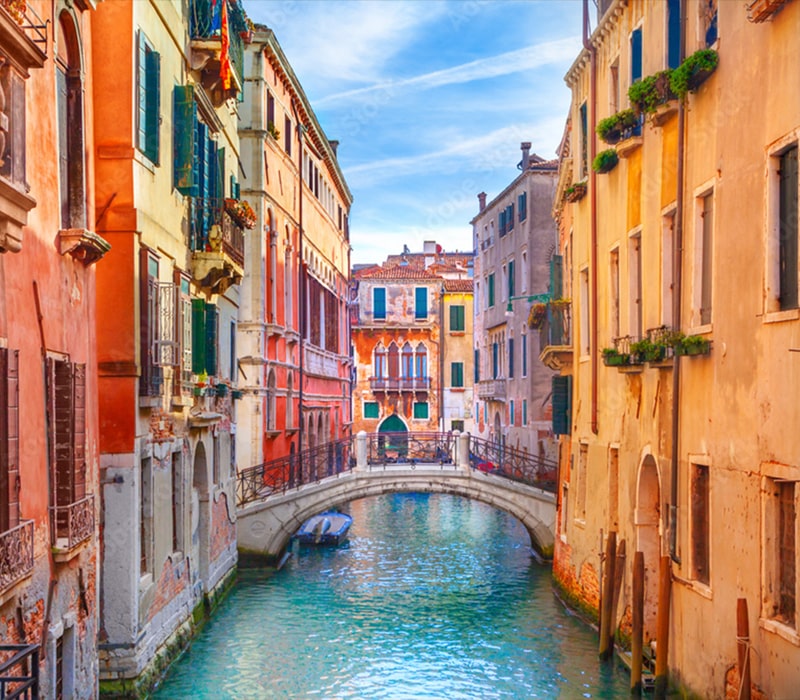
Venice is the opposite kind of thrill—more iconic, more intense. If you go, take an early train to beat the crowds, and consider pre-planning one or two anchor experiences so the day feels crafted rather than chaotic. Returning to Bologna at night can feel like coming home: you step off the train and the city’s warmth meets you again.
In summer, Rimini offers coastline energy and a change of scenery—salt air, long walks, and a lighter mood. It’s a clean contrast to the city’s stone and shadow.
- Art appetite: choose Ravenna for mosaics and calm.
- Iconic hit: choose Venice, but go early and keep the plan simple.
- Summer lift: choose Rimini for sea breezes and easy strolling.
Whatever you choose, remember this: the Emilia-Romagna region rewards slow travel. Keep one free evening in Bologna for a final piazza wander, and let the city settle into you.
What Stayed With Me After Bologna: Bologna Italy personal reflection & travel notes
When people ask what lingers after Bologna, I don’t think first of landmarks. I think of the sound my shoes made beneath the portico, that soft percussion against warm stone, and how the city seemed to offer shelter without asking anything in return. It’s a rare kind of welcome—quiet, practical, and deeply human.
I think of the way light falls in late afternoon—terracotta turning deep and calm—and the unhurried grace of a table being set for dinner. There’s a particular kind of care here, a sense that you’re allowed to take up space: to pause, to look up, to breathe. Bologna is one city that makes slowing down feel like an intelligent choice, not a compromise.
A sunrise memory returns too: the discipline of an early climb, the cool air on a tower stairwell, and then that moment at the top when the city opens out and you feel, briefly, restored. Another image follows—laughter spilling from the Quadrilatero, the easy kindness of locals, and the way a shared meal can make a stranger feel familiar. It’s the kind of “day in Bologna” that stays with you long after you’ve unpacked back home.
Bologna doesn’t demand perfection from you. It invites you to explore with gentle curiosity, to create a day that suits your own rhythm, and to trust that the best moments often arrive unplanned. And perhaps that’s why, even once you’ve left, you can still imagine returning in another season—walking the same arcades, only seeing them differently.
F.A.Qs: Bologna Italy travel essentials for first-time visitors
What is Bologna, Italy best known for today?
Bologna is best known for its medieval towers, miles of portico arcades, and a food scene rooted in Emilia-Romagna. It’s also famous for Piazza Maggiore, the Basilica di San Petronio, and its long academic legacy through the University of Bologna. Many travellers love that it feels authentic and lively without the heavy crowds found in some bigger Italian cities.
Is Bologna in Italy worth visiting for a short break?
Yes—Bologna is worth visiting if you want a walkable city with culture, excellent dining, and memorable viewpoints. You can climb the Asinelli Tower, wander under covered walkways in any weather, and enjoy markets like the Quadrilatero. It’s a reassuring destination for travellers who want depth and warmth, plus easy rail access to other Italian highlights.
What food is Bologna Italy known for (and what should you try first)?
Bologna is known for tagliatelle al ragù, tortellini, and mortadella, along with regional icons like Parmigiano Reggiano and Prosciutto di Parma. The city’s cooking is rich and comforting, often centred on fresh pasta and slow-simmered sauces, and locals take their recipes seriously—in the best way. Eating in traditional trattorias and small osterie is one of the most satisfying ways to connect with local life.
Is 3 days in Bologna enough for the historic center and a day trip?
Three days is enough to see Bologna’s essentials at a relaxed pace: the historic core, Piazza Maggiore, a tower climb, markets, and time for museums or a guided walk. It also leaves room for long meals and unplanned discoveries under the porticoes. If you want a day trip to Ravenna or Venice as well, three days still works with a little thoughtful pacing.