Post Contents
- Famous sites in Italy: 10 famous Italy landmarks, best places in Italy & popular tourist attractions
- Rome landmark experiences: the Colosseum in Rome, Roman Forum walks & ancient Roman history
- Florence landmark highlights: Uffizi Gallery access, Tuscany charm & the Duomo complex
- Venice evenings on the Grand Canal: San Marco Basilica highlights and iconic waterways
- Tuscany vineyard indulgence to Amalfi Coast coastline escapes: resorts, sea views & slow restoration
- Italy travel guide: seamless luxury logistics, tickets, and pacing for first-time visitors
- After Italy: what stays with you from the country’s most famous places
- FAQs: Famous sites in Italy
Famous sites in Italy: 10 famous Italy landmarks, best places in Italy & popular tourist attractions
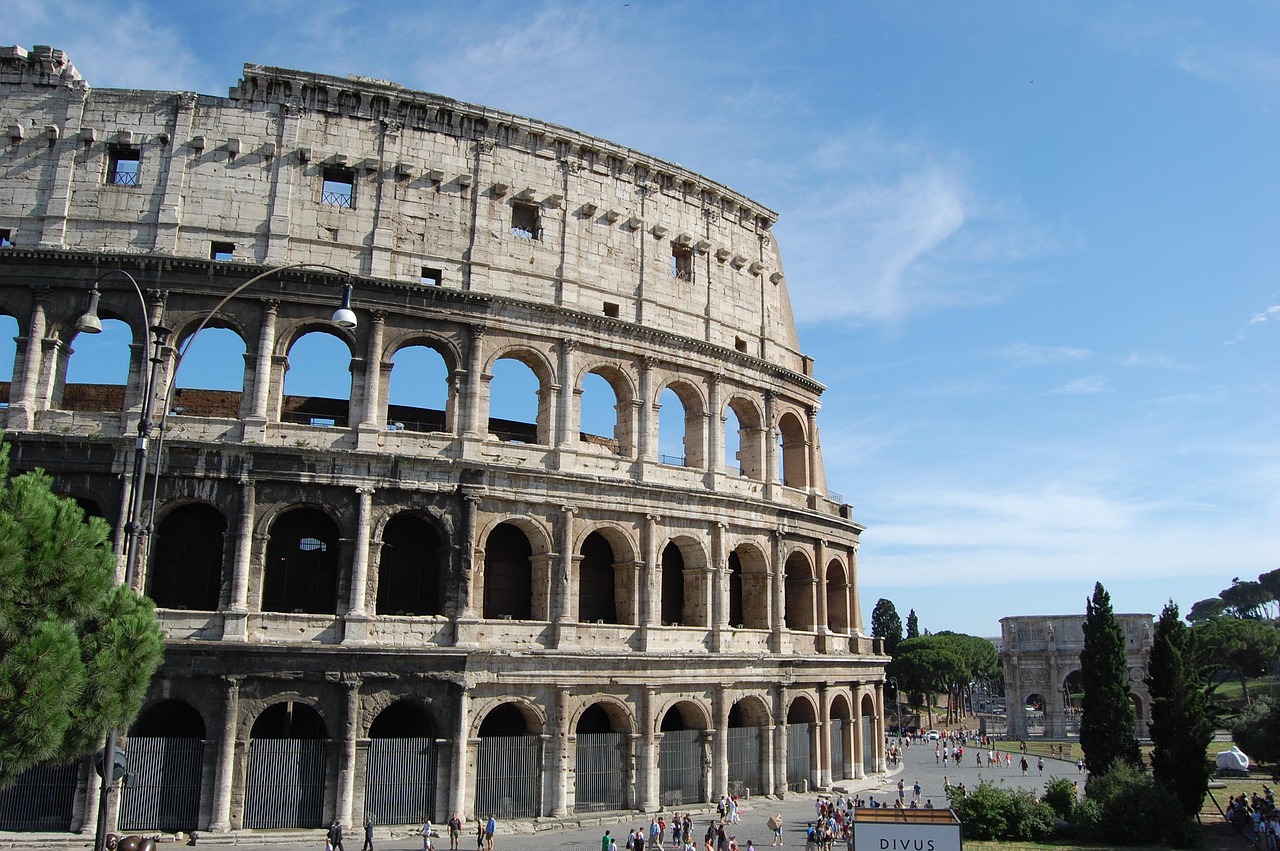
Iconic view of Rome’s Colosseum—one of the country’s signature landmarks
When people search for famous sites in Italy, they usually want more than a checklist—they want a route that flows and keeps every headline attraction feeling enjoyable. Italy rewards travellers who design a journey with breathing space: a few nights per stop, unhurried mornings, and a balance of celebrated landmarks with quieter local moments.
A simple way to picture the country is by rhythm: northern Italy for style and lakeside calm, central Italy for art and ancient layers, and southern Italy for dramatic views and generous warmth along the coastline. Italy is one of the most rewarding destinations for slow, high-end travel—thoughtful pacing builds trust in the itinerary, with less time queuing and more time living well.
10 famous places to explore in Italy – cities, islands, and coastline icons
Here’s a curated “10 famous” shortlist—each place has its own mood, so you can mix and match without feeling rushed. Many of the famous Italy landmarks are also surprisingly intimate when you plan timing well and stay a little longer.
- Rome for ancient power—home to the Colosseum and the Roman Forum, and still endlessly elegant.
- Florence for Renaissance art, ateliers, and a walkable historic core that feels made for lingering.
- Venice for shifting light on the water, night-time romance, and iconic squares.
- Milan for fashion, design, and the drama of its Duomo and cathedral traditions.
- Pisa for the Leaning Tower of Pisa and the easy energy of a half-day visit.
- Cinque Terre for cliffside paths, sea views, and villages stacked like postcards.
- Amalfi Coast for a theatrical coastline—terraced towns clinging to rock above the sea.
- Vatican City for the Vatican Museums and an unmatched concentration of art history.
- Naples for food culture and a gateway to Mount Vesuvius and nearby archaeology.
- Sicily for unique historical depth, baroque architecture, and sunlit coastal towns.
UNESCO heritage sites: how to choose world-class historic sites with confidence
For travellers who want substance as well as scenery, Italy’s UNESCO heritage sites can be a reassuring filter. Building an itinerary around a UNESCO world heritage site (or two) creates a sense of meaning and context, not just beautiful views. The Cinque Terre National Park is a standout for cultural landscape, and many historic centres you’ll pass through are also recognised as a world heritage site in their own right.
You’ll also notice how UNESCO world heritage listings often signal excellent preservation and walkability; that world heritage status can be a practical quality marker when you’re deciding where to spend your time. Luxury here is less about excess and more about care: private early-entry walks before peak hours, a driver when roads are slow, and stays that place you in the center of Rome or tucked along a quieter stretch of coast. If you’d like to see how Designer Journeys curates these experiences, browse our Trip gallery for travel inspiration.
Now, let’s begin where the ancient world feels closest to the skin—Rome.




Rome landmark experiences: the Colosseum in Rome, Roman Forum walks & ancient Roman history
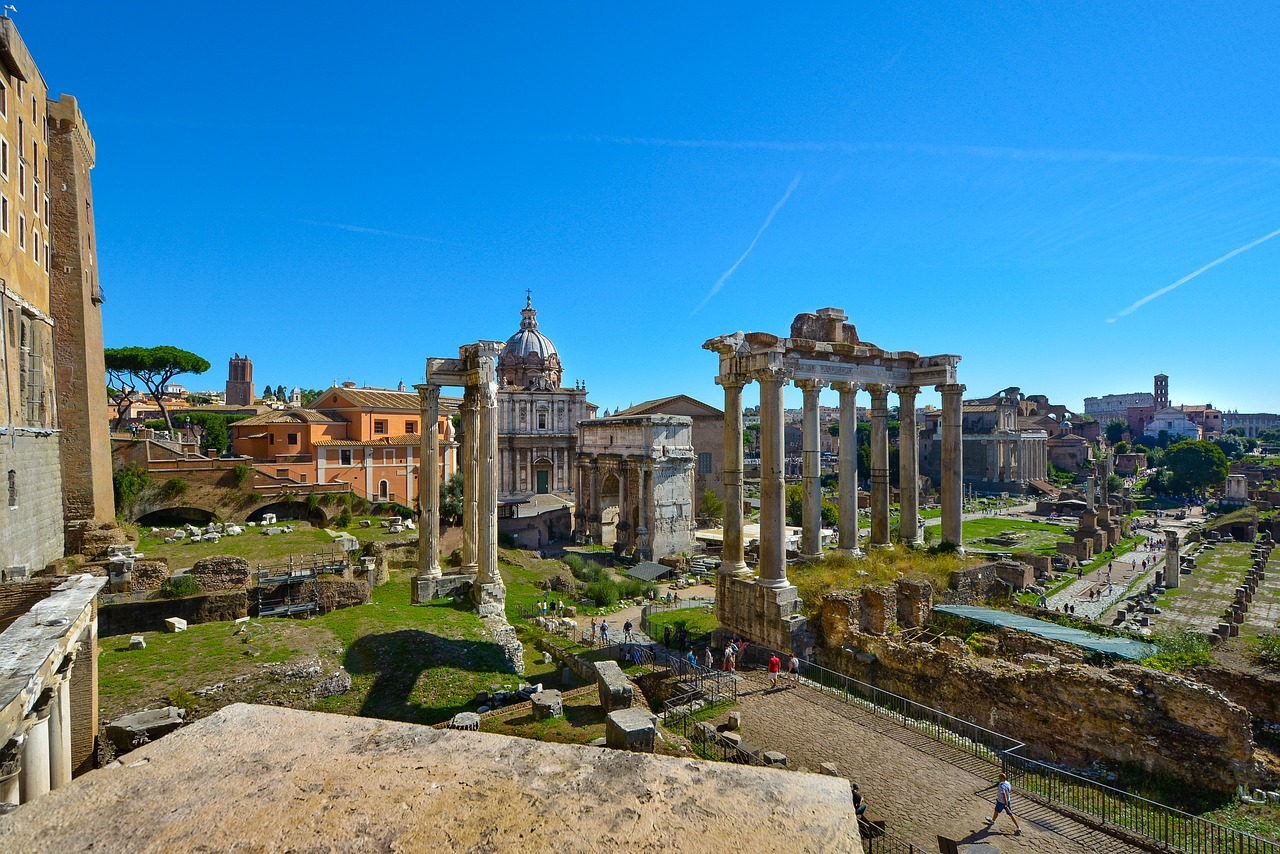
Rome at golden light—Colosseum views and Forum walks
This chapter is for anyone planning a Rome-heavy itinerary and hoping it won’t feel overwhelming on the ground. Rome, the capital of Italy, wears time lightly: scooters pass temples, and quiet courtyards sit steps from headline sights. With the right support, the city of Rome becomes surprisingly seamless—and it’s one of the most rewarding historic sites experiences in Europe.
The Colosseum: understanding an ancient Roman icon with a private guide
The colosseum is not just a photograph—it’s a study in engineering and empire, and one of the most famous monuments on earth. A simple note on the construction of the Colosseum: it was built to hold vast crowds, a statement of power in the Roman Empire and a stage for spectacle. Standing inside, you feel both the scale and the human story—absolutely worth a visit if you value history that still feels alive.
A private guide transforms this landmark from “big” to “understood”. Instead of drifting with a crowd, you can explore at your own pace, uncovering details you’d otherwise miss—where the arena floor once was, how access was managed, and why certain entrances mattered. If you can, aim for the first timed entry of the day for a calmer atmosphere.
Roman Forum and Palatine Hill: panoramic ruins at the best light
Pair your visit with the Roman Forum and Palatine Hill, where the city’s layers gather in one view. One traveller told us their favourite memory wasn’t a headline moment at all: they watched the sunset from the Palatine Hill, and the stones around them seemed to soften as the light changed. It wasn’t performative; it was personal—an ancient Roman world meeting a modern, quiet kind of awe.
For many high-end travellers, the key is not doing more—it’s doing it together, with the right pacing. A short transfer back to your hotel, a proper refresh, and then a well-chosen dinner reservation can make the day feel crafted rather than crammed.
Vatican City and the Sistine Chapel: timed entry, respectful dress, and calm pacing
In Vatican City, timed entry is everything. Secure a morning slot for the Sistine Chapel so you can absorb the ceiling’s intensity before the rooms grow loud. Continue into Peter’s Basilica with a reverent tone; it’s often described as the largest church experience many travellers will ever step into, and it’s worth slowing down. (It’s also frequently referenced as the largest church in Italy by visitors, and it certainly feels like it.)
Dress codes matter in sacred spaces—covered shoulders and knees keep the visit respectful and stress-free. For pickpocket awareness, simply keep valuables close around pinch points outside major entrances and use your hotel safes for passports and jewellery. It’s about confidence, not worry. If time allows, consider a gentle walk past Castel Sant’Angelo, the riverfront castle that adds one more layer to Rome’s story.
- Best arrival times: first entry or late afternoon for the Forum; early Vatican Museum reservations for calmer galleries.
- Pre-book: Colosseum and Vatican tickets in advance; add a guide to turn a busy visitor circuit into real insight.
- Seamless comfort: a private transfer after long walks keeps the day feeling elegant.
From Rome’s ancient heartbeat, the journey lifts into Florence—where artistry becomes a daily language.
Florence landmark highlights: Uffizi Gallery access, Tuscany charm & the Duomo complex
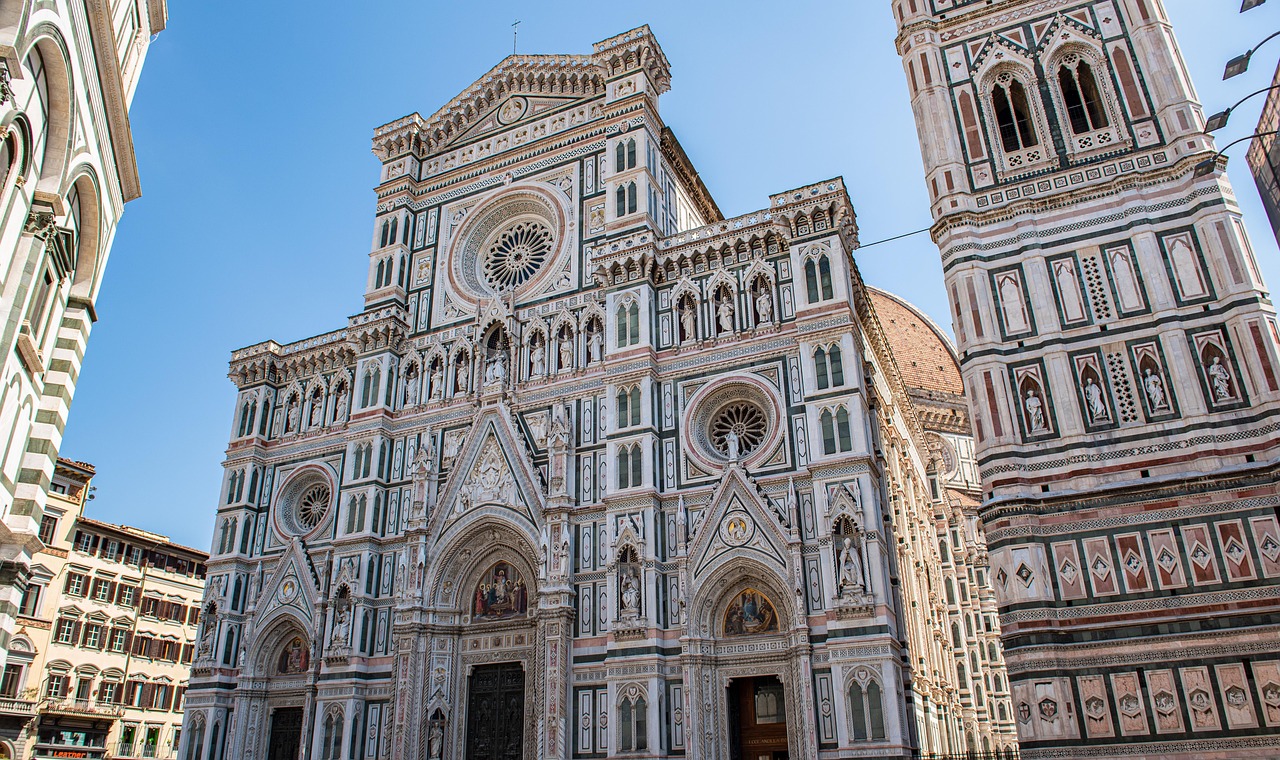
Florence at sunrise—Renaissance streets and Duomo views
For travellers who want art, craft, and an easy, walkable rhythm, Florence delivers depth without effort. It’s one of the best places for a slower pace: the historic centre is compact, the light is flattering, and the city is best explored on foot with time for coffee, workshops, and galleries. As a base in Tuscany, it also makes a refined starting point for day trips and countryside tastings.
Uffizi Gallery: morning access and famous works without fatigue
The Uffizi Gallery can be intense if you try to “do it all”. Instead, create a curated plan: a private morning visit, a short list of rooms, and enough pause to genuinely see. Florence rewards the traveller who chooses enjoyment over completion.
Ask your guide to build the story around a handful of famous works—how patrons shaped art, how techniques changed, and how the city financed beauty. This approach keeps the experience intimate, even in a world-class collection.
Cathedral of Santa Maria del Fiore: Duomo dome climbs and bell tower views
The Cathedral of Santa Maria del Fiore—Florence’s celebrated Duomo—is a complex of layered spaces: the main cathedral, the dome, and the bell tower. If you’re climbing, go early and carry water; the reward is a spectacular view from the top across terracotta roofs and distant hills.
As with Rome, modest attire is a quiet form of care. Covered shoulders and knees keep entry smooth and allow you to stay present while learning how the cathedral of Santa Maria del Fiore became a symbol of civic pride, not only religious devotion—Florence at its most human.
Step outside and let the city soften into tactile pleasures: a glance at the Ponte Vecchio spanning the Arno, a stop in artisan workshops, and a designer’s eye for provenance—leather, paper, gold, and the small studios where local skill still matters.
One evening, a traveller joined a private cooking class and found themselves laughing with the chef as they shaped pasta by hand—hands dusted with flour, stories traded gently. The warmth of learning together turned a “class” into connection. It’s a reminder that this destination is not only about monuments; it’s about the people who keep traditions alive.
Next, the journey changes element entirely—into water, reflection, and Venetian night.
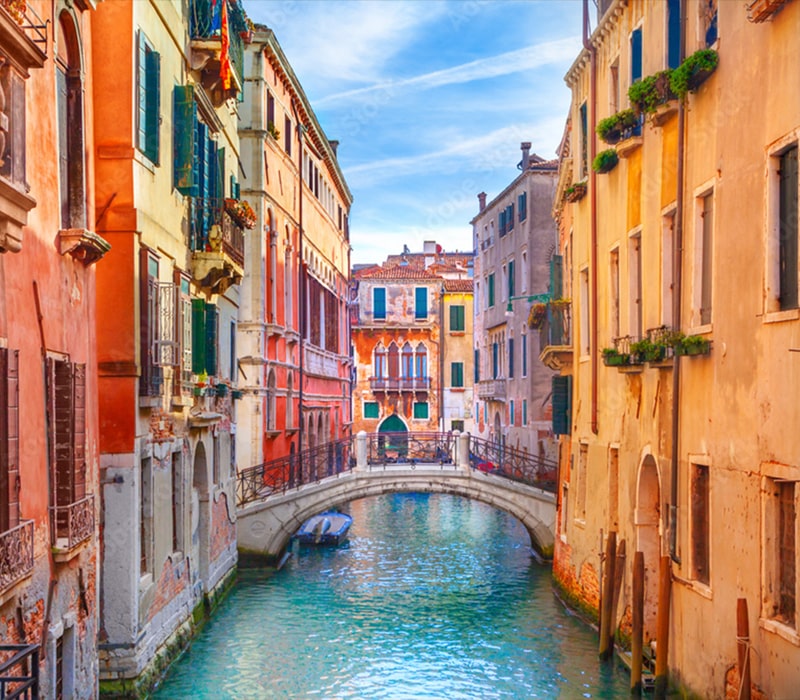
Venice evenings on the Grand Canal: San Marco Basilica highlights and iconic waterways
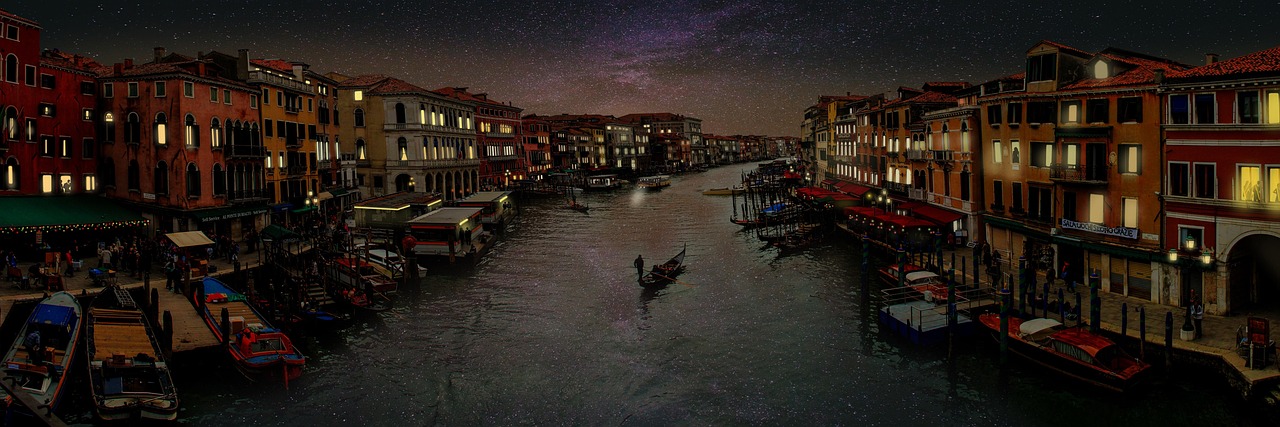
Venice after dark—reflections and quiet passageways
If your search looks like Venice San Marco Basilica Grand Canal gondola, you’re already sensing the city’s pull. Venice is a dreamlike attraction shaped by water: every turn reveals a new view, worn stone doorways, and light that shifts by the minute. Arrive with patience, and Venice gives back tenfold.
San Marco Basilica and St Mark’s Square: timing, mosaics, and Doge’s Palace
San Marco is the centrepiece—St Mark’s Square at sunrise, the basilica shimmering with mosaics, and the political theatre of Doge’s Palace. To avoid the busiest windows, go early or book timed entry with a guide who can manage the flow. In Venice, timing is the difference between feeling swept along and feeling in control.
Inside the basilica, move quietly and look up—so much of the artistry is overhead. Step back into the square and notice the small details: café tables being set, the lagoon air softening the edges of stone. These are the moments that help you discover Italy beyond the obvious.
A private evening gondola ride: Venice at its most romantic
For a high-end signature experience, plan a private gondola ride for evening rather than midday. A honeymooning couple once described drifting through quiet waterways at night, the city’s soundscape reduced to water and distant footsteps—romance that feels less like a performance and more like a shared secret.
To experience the Grand Canal in a crafted way, consider a private water-taxi arrival to your hotel. There’s something transformative about gliding past palazzi rather than hauling bags over bridges. Later, choose a quiet aperitivo viewpoint and let the city unfold without a checklist.
- Getting around: the vaporetto is efficient; private boats add comfort for arrivals, late nights, or special occasions.
- Hotel location: stay central enough for easy walking routes, but slightly removed from the loudest lanes.
- Confidence: keep valuables secure in crowded areas and use zipped inner pockets—simple, calm habits.
From the lagoon, the journey turns toward land and flavour—Tuscany first, then the coastline dream.
Tuscany vineyard indulgence to Amalfi Coast coastline escapes: resorts, sea views & slow restoration
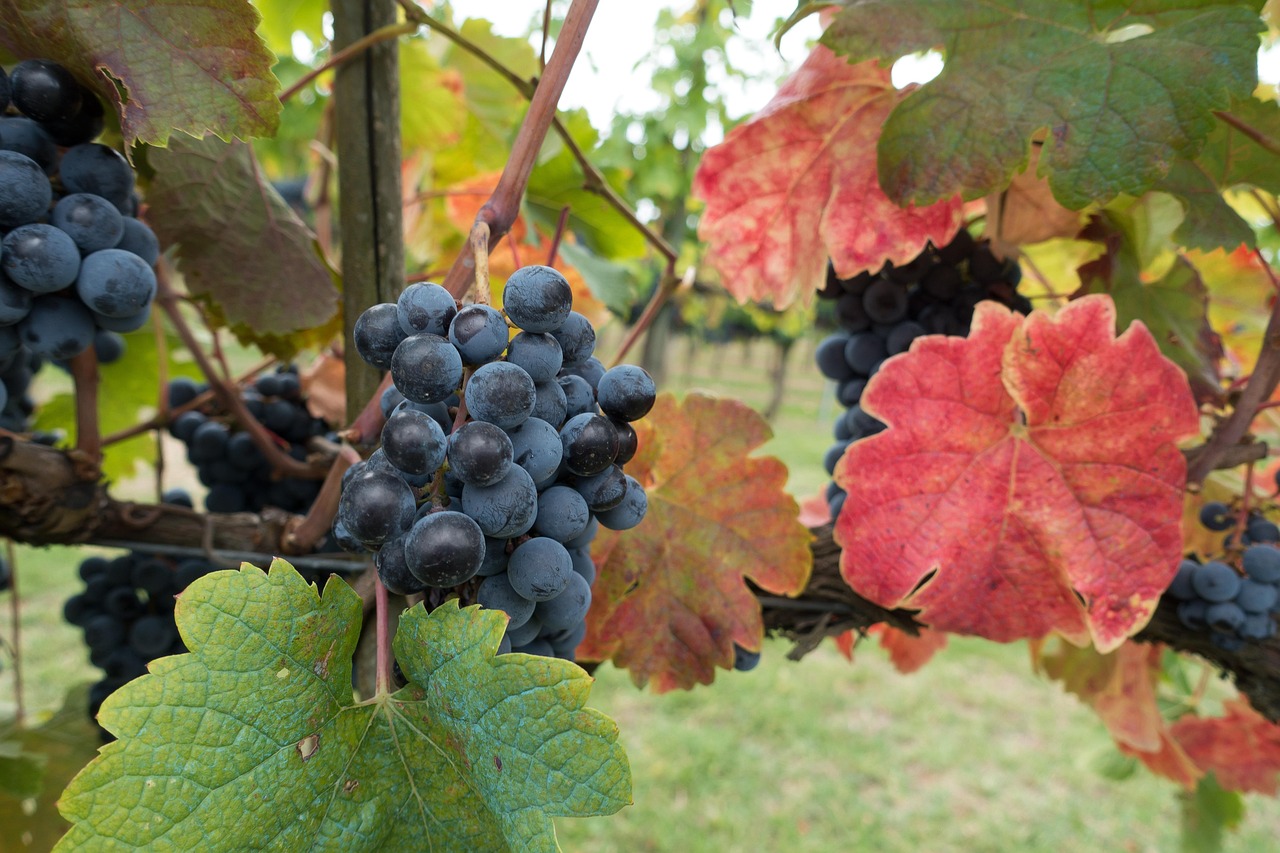
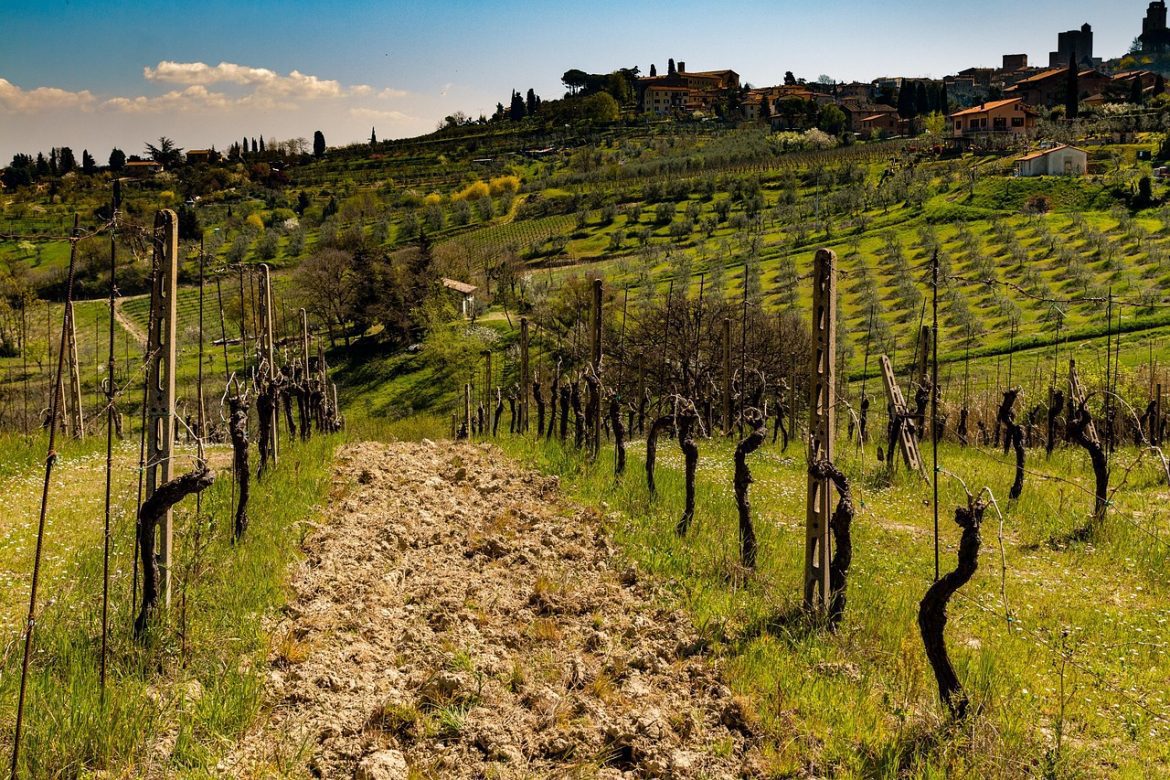
From vineyards to sea—Italy’s sensory contrasts in one journey
This is for travellers who want the experience to feel intimate, not overproduced. Tuscany is an epicurean landmark in its own right: vine rows, olive groves, and small estates where hospitality feels genuinely local. A vineyard tour and tasting is most memorable when it’s unhurried and hosted by families who share their story with quiet pride.
Brunello di Montalcino tastings: simple questions that unlock great wine
One epicurean enthusiast told us about sampling rare Brunello di Montalcino wines at a family-owned vineyard in Tuscany. It wasn’t about showing off knowledge; it was about being welcomed into someone’s life work. Smaller estates often feel more personal, and that intimacy is the real luxury.
To keep tastings enjoyable (and never performative), use a simple framework:
- Ask for insight: “What should I notice first—fruit, texture, or finish?” invites a story rather than jargon.
- Pace with care: sip slowly, drink water, and allow time for food—this protects your senses.
- Build trust: if you love a wine, ask about the family’s vineyard practices; the conversation often becomes the highlight.
Amalfi Coast coastline views, exclusive beach experiences, and restoration
Then comes the Amalfi Coast, where the coastline feels sculpted: cliffside villages, terraces of lemon trees, and sea views that stop you mid-sentence. For high-end travellers, the secret is to let the coast be restorative. Choose luxury resorts with exclusive beach experiences—private platforms, calm water access, and staff who offer support without hovering.
Naples is the practical gateway here, and it can be a thrilling contrast—loud, charismatic, and delicious. If you’re curious, add an optional day trip (clearly labelled in your plan) to mount vesuvius. A few hours among ancient ruins can add depth between beach days, and then you return to the sea with fresh appreciation.
Thread one sensory detail through your stay: a glass of limoncello at golden hour, when the water turns metallic and the villages glow. It anchors the place in taste and light—memories you can recall instantly, long after you’re home.
With the major places in Italy mapped, the next step is making everything feel effortless on the ground.
Italy travel guide: seamless luxury logistics, tickets, and pacing for first-time visitors
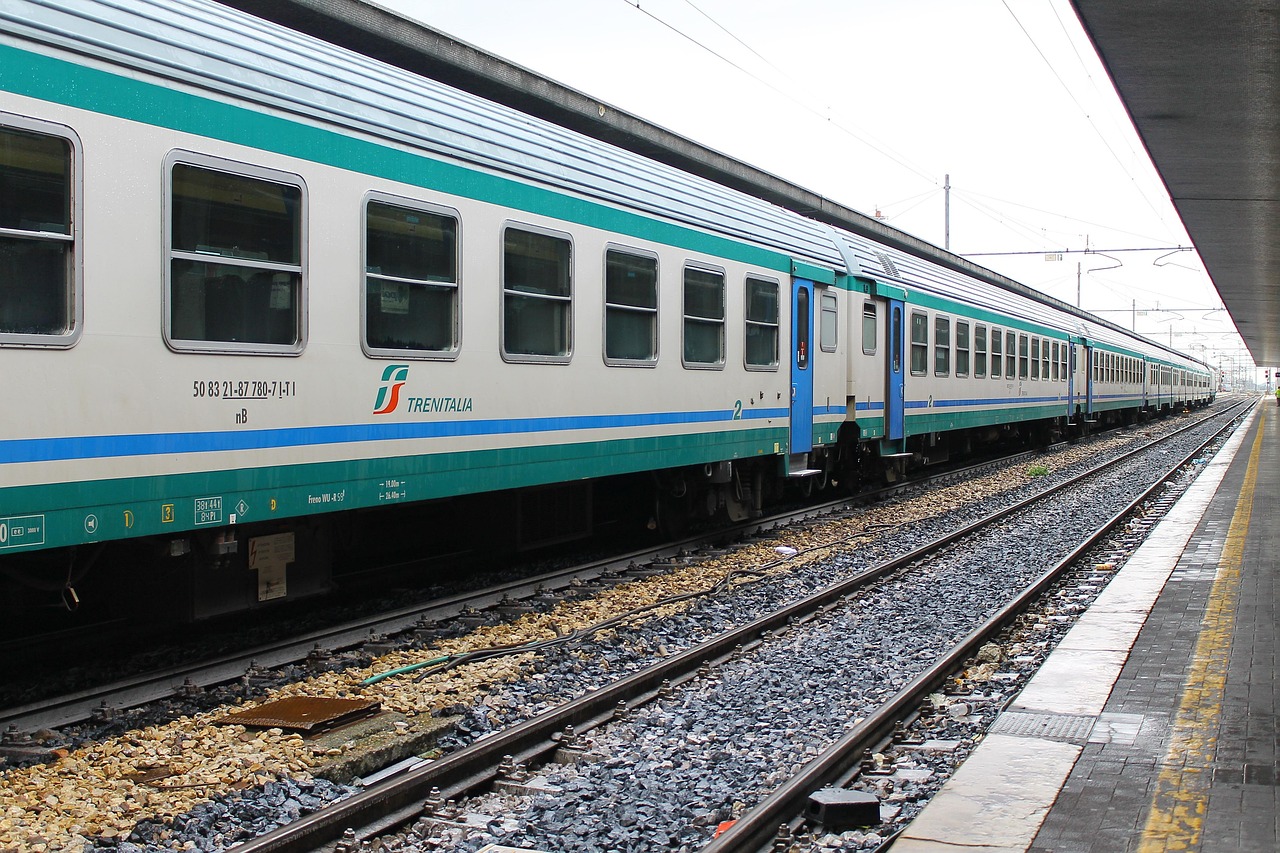
Fast trains and smart planning—how to keep the journey effortless
If you’re planning a luxury itinerary, you’re already thinking like a seasoned traveller: the magic is in the logistics. A beautifully designed journey is one where transport, tickets, and timing quietly hold you—so you can explore with confidence and stay open to surprise. This kind of planning turns crowded attractions in Italy into calm, memorable experiences.
Best time to visit Italy: shoulder seasons for mild weather and fewer crowds
For a high-end pace, plan to visit Italy in spring (April to June) or early autumn (September to October). For a first visit in Italy, these months bring milder weather, comfortable evenings for dining, and fewer pressure points at the biggest sights—especially on art-heavy days in Florence and long walks in Rome.
High-speed trains, private drivers, and smart routing between Italian cities
Between major italian cities, high-speed trains like the Frecciarossa are an elegant choice—fast, comfortable, and often city-centre to city-centre. This is especially effective for routes such as Rome to Florence, Florence to Milan, and Milan to Venice. For a classic day trip, Pisa is easy from Florence, and seeing the leaning tower in person is genuinely worth a visit when timed well.
In northern Italy, Milan makes a smart hub for design shopping and day trips while keeping connections neat. In central Italy, Florence is compact and forgiving. On the coast, private transfers protect your energy and your time—especially when roads are slow or you want door-to-door ease with luggage handled.
Here’s a practical pre-booking strategy that keeps the experience crafted yet flexible:
- Reserve early: Colosseum tickets, Vatican Museums (for the Sistine Chapel), the Uffizi, and timed basilica entries—these are the most time-sensitive.
- Keep flexible: neighbourhood wandering, shopping, and long lunches—these create the most personal memories.
- Choose private tours: they reduce friction, manage timing, and turn crowded days into guided calm.
Budgeting for luxury is about knowing where it pays back. Invest in accommodation you’ll love returning to, guides who offer genuine insight, and transfers that keep the trip seamless. A skilled concierge or travel designer also provides support when plans change—rebooking calmly, adjusting for weather, and protecting your evenings.
Finally, comfort and safety essentials, shared with care. Greet with a polite “Buongiorno” and you’ll feel doors open. Dress modestly in churches. Carry a reusable water bottle and refill in marked safe spots. In crowded areas—from Milan’s busiest streets to Venetian lanes—be mindful of pickpockets and use your hotel safes for valuables. These are small habits that create big confidence.
Now, let the practicalities fade to the background. What remains is the feeling Italy leaves with you.
After Italy: what stays with you from the country’s most famous places
Long after you’ve left, it’s rarely the ticked-off moment that returns to you first. It’s texture: worn stone warmed by afternoon sun, linen napkins at a table set with quiet pride, the way a local shopkeeper wraps a purchase as if it matters. Italy is one of the most famous destinations, yet it still meets you most powerfully in the small, human scale of things—and that’s what makes its italian landmarks feel so personal.
You might remember the hush as you stepped away from the Roman Forum, or that moment when Rome widened beneath you and time felt less linear. You might recall Florence in the early morning, when the streets belonged to residents and the day’s first coffee tasted like a promise. You might hear Venice again at night, water tapping softly against stone, and feel how easily the world can become tender when you slow down.
These are the echoes that stay: sunset over Palatine Hill, hands dusted with flour as you learned together in Florence, and moonlit water in Venice that made even conversation feel optional. They are not souvenirs; they are a subtle change in perspective—a sense of trust in your own pace, and care for what you choose to notice.
Imagine returning one day, not to chase what you missed, but to deepen a relationship with a place that always has another layer to uncover. This North African country it is not—Italy remains quietly open-ended, as if it’s waiting patiently for your next chapter.
FAQs: Famous sites in Italy
What is the #1 tourist attraction in Italy?
For many travellers, the Colosseum is the #1 tourist attraction in Italy because it captures ancient Roman history in a single, unforgettable landmark. To enjoy it in comfort, book timed entry and consider a private guide so you can explore with insight rather than rushing with the crowds.
What are the most popular sites in Italy?
The most popular sites in Italy include the Colosseum and Roman Forum in Rome, the Vatican Museums and Sistine Chapel in Vatican City, the Uffizi Gallery and Duomo in Florence, and San Marco in Venice. Beyond the cities, the Amalfi Coast, Tuscany wine country, Pisa, Cinque Terre, and Sicily are also among the best-known places to visit, especially for travellers seeking historical sites with atmosphere.
How often do people shower in Italy?
Most people in Italy shower daily, much like in other European countries, especially in warmer months or after walking-heavy days. In summer, some may freshen up more than once a day due to heat and humidity, particularly in cities such as Rome, Florence, and Naples.
Why can’t you name your kid Friday in Italy?
In Italy, certain names have historically been restricted by civil registry rules to protect children from names considered inappropriate or potentially harmful. “Friday” (Venerdì) has been cited as an example because it could be seen as unusual or likely to cause teasing, so officials may refuse it in favour of more conventional given names.