Post Contents
- Rome itinerary design for high-end travellers – a refined travel guide framework for Rome
- Colosseum icons worth uncovering – Roman Forum, Palatine Hill and a must-see attraction
- Vatican City art and faith with expert insight – Vatican Museum highlights for a luxury Rome itinerary
- Pantheon, Trevi Fountain and Rome’s grand squares – Spanish Steps to Piazza Navona stroll
- Trastevere nights, local cucina and the Tiber River glow – food tour ideas for evenings
- What stayed with me after Rome: return to Rome personal reflections
- F.A.Qs: famous place in italy rome
Rome itinerary design for high-end travellers – a refined travel guide framework for Rome
Rome itinerary design for high-end travellers with a refined, flexible day-by-day rhythm
Use this Rome itinerary approach as a flexible framework—a way to design your days around light, mood, and meaningful pauses. As Italy’s capital city and the eternal city, Rome rewards travellers who explore with intention: early mornings for clarity, long lunches for comfort, and evenings that feel effortlessly crafted. If you’re wondering about things to do in rome, choose your pace first, then match the experiences to it—icons, museums, and quiet corners included.
Rome itinerary decision tree: first-timers vs return visitors
First-time in Rome: build your itinerary around the big emotional anchors—the Colosseum, the Vatican highlights, and a square-and-fountain afternoon. Start with the top attractions, but keep your schedule lighter than you think you need; these tourist attractions land best when you have breathing room to notice the city’s texture.
Returning to Rome: keep the icons, but shift the emphasis. Add early access, private guiding, or a slower neighbourhood ritual—an unhurried espresso near Piazza del Popolo, a gallery morning, or a sunset stroll that ends when you feel satisfied rather than when a clock tells you to move on.
Best time to visit Rome and a refined daily rhythm
Spring (April to June) and autumn (September to October) are the sweet spots for visiting rome. The weather is pleasant, the energy is calmer, and the city feels more open to discovery. Aim to explore between 08:00–11:00, then ease into a gentler afternoon, and return outside for golden hour—Rome becomes softer, more cinematic, and far easier to love.
Arrivals can be seamless with a little pre-planning. From Leonardo da Vinci International Airport Fiumicino, the train is efficient for a clean, predictable journey into the centre; a taxi is comforting after a long flight, especially with luggage. Termini Station is the most practical base if you’re optimising for transit connections and day-by-day flexibility, while a boutique stay on quieter streets can feel more personal once you’ve found your rhythm.
Luxury planning is less about excess and more about trust. Pre-book skip-the-line entry where it matters most, and consider a private guide for context that transforms stone and paint into story. Typical entrance fees to budget for: the Colosseum around €18, the Vatican Museums around €17, and Borghese Gallery around €15. If you’d like inspiration for crafted itineraries beyond the city, browse our Trip gallery for Italy.
Practical support is part of travelling well. Pack comfortable shoes for cobblestones and uneven thresholds, and keep a light layer ready for sudden shade inside churches. Use a local SIM card or portable Wi‑Fi for navigation and reservations. Dress codes matter at religious sites—shoulders and knees covered—and it’s wise to stay alert around pickpockets in crowded areas. With that care in place, you can move through Rome with confidence and enjoy the city on your own terms.




Colosseum icons worth uncovering – Roman Forum, Palatine Hill and a must-see attraction
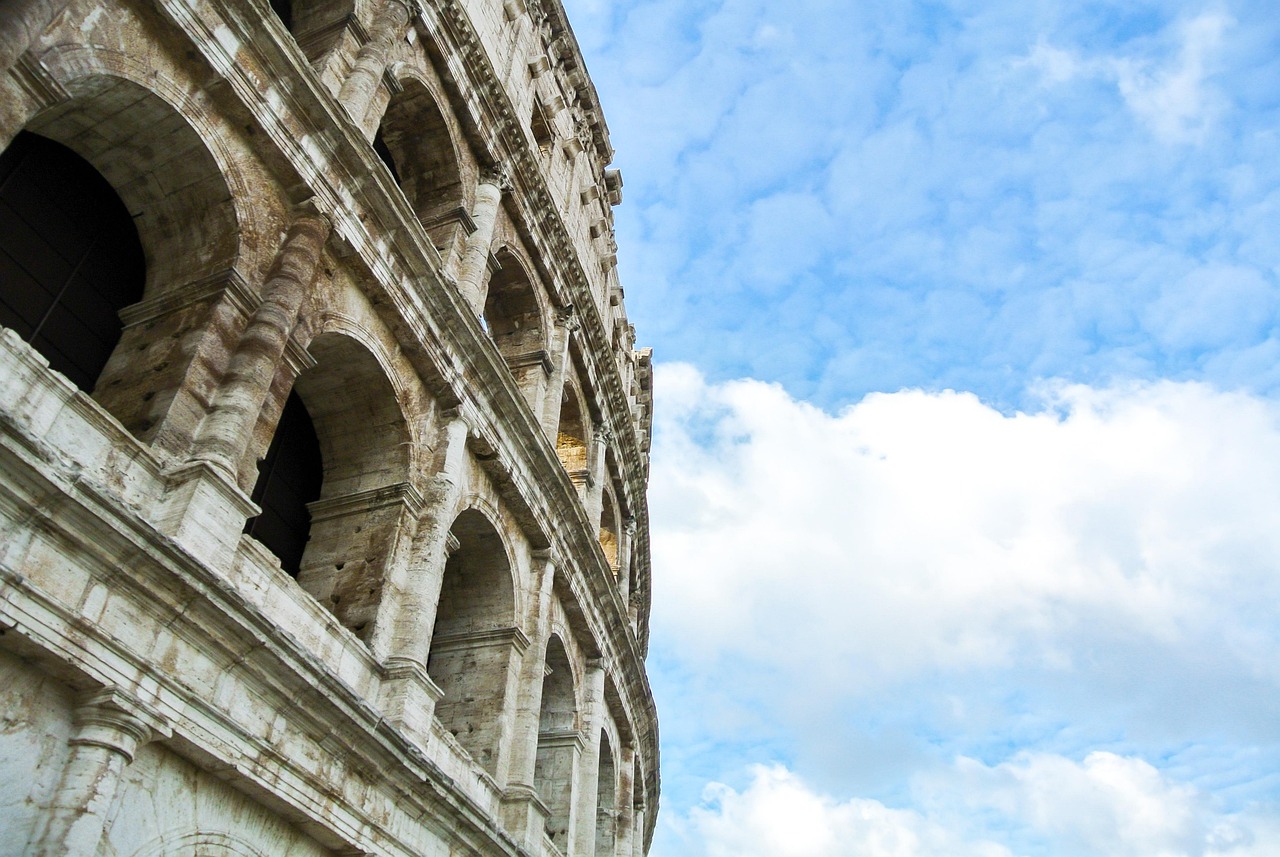
Colosseum icons worth uncovering as a must-see attraction for design-minded travellers
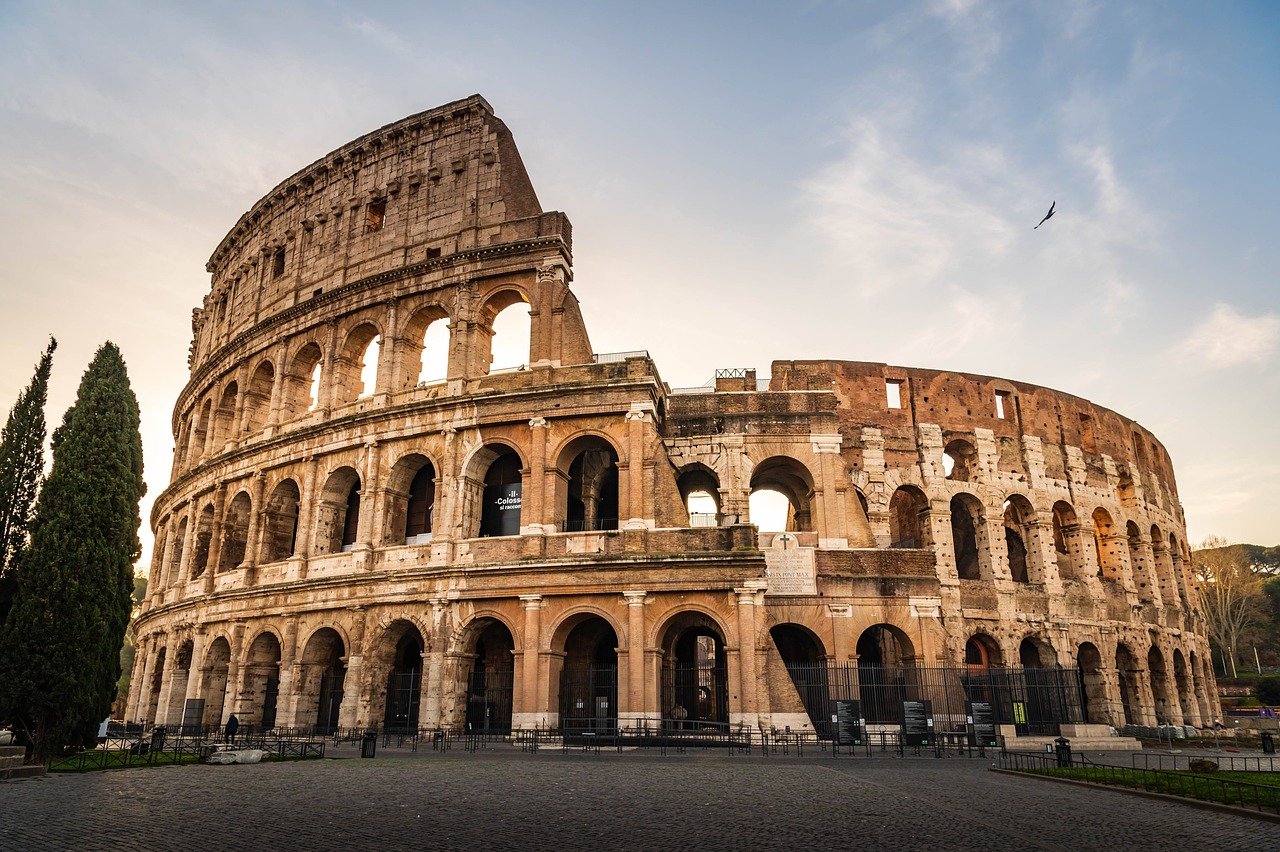
The Colosseum and Roman Forum pairing is one of those bucket list combinations that genuinely lives up to expectation—especially when you let it unfold slowly. The Colosseum is often described as one of the wonders of the world, yet what stays with many travellers is not the scale alone, but the human reality of it: anticipation, noise, fear, thrill, and the layered lives of spectators who once filled the tiers in ancient rome.
Colosseum arena floor access and the stories beneath the stone
If arena floor access is available during your dates, it’s worth considering for the shift in perspective. Standing closer to the centre helps you imagine the mechanics of spectacle—and, more quietly, the individuals who moved through the underground corridors. One traveller told us their visit created a deep connection to ancient history: they paused where gladiators once fought and felt time compress into something immediate. Their advice was simple and reassuring—don’t rush, and don’t try to “see everything”; instead, uncover one detail at a time.
Colosseum and Roman Forum route with Roman Forum and Palatine Hill context
After the amphitheatre, continue to the colosseum and roman forum circuit for a fuller sense of how the city worked. The roman forum and palatine hill walk benefits enormously from a private guide, particularly if you enjoy insight without feeling lectured. A guide can translate fragments into lived experience: where politics happened, where processions passed, and how daily life sounded in the open air. If you’re staying nearby in Monti, it’s easy to begin early and arrive before the heat and crowds gather.
For a quieter, powerful pause, add Circus Maximus. It’s less ornate than the headline ruins, yet it offers something rare in Rome—space. From here, you can imagine the scale of a day beyond the monuments, the long horizon of a crowd’s excitement, and the city’s talent for performance.
Finish this area at Piazza Venezia with the Victor Emmanuel II monument—nicknamed the wedding cake for its bright tiers. It’s a gateway into unified italy, a chapter that sits on top of far older layers, tied to Italy’s first king. If you choose to go up, the terrace levels reveal panoramic views that help orient you: domes, rooftops, and the city’s warm palette stretching outward. Consider timing this for late afternoon, then let the light guide you towards a quiet drink with a view—one elegant rooftop terrace moment can make the whole day feel complete.
Vatican City art and faith with expert insight – Vatican Museum highlights for a luxury Rome itinerary
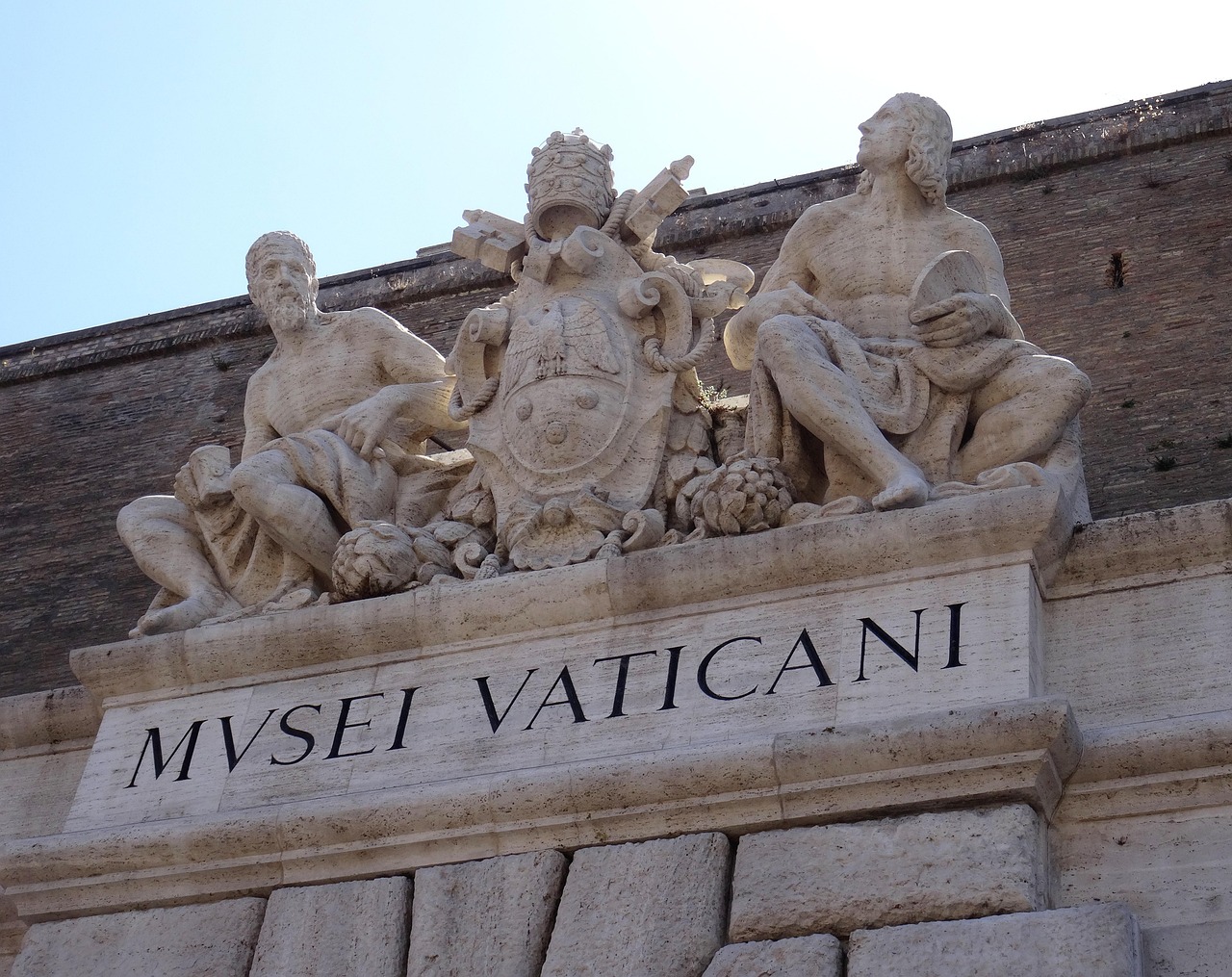
Vatican City art and faith with expert insight on a Rome itinerary
Plan your morning around Vatican City priorities, because timing shapes the experience as much as the art does. The Vatican Museum deserves a special tour mindset: arrive early, move with purpose through the busiest corridors, and then slow down where the work asks you to. For high-end travellers, this is where a curated route and seamless entry matter most—and where your itinerary benefits from calm, not crowding.
Vatican Museum early entry and a special tour approach
Where possible, choose early entry to the Vatican Museum. It’s not only about fewer people—it’s about having enough calm to notice the small things: the way marble reflects light, the sudden hush in a side gallery, the feeling of walking through centuries without needing to perform your interest. Expert guides can also help you navigate kindly and efficiently, so you keep your energy for what you came to feel.
Sistine Chapel, artist Raphael, and St Peter’s Basilica
In the Sistine Chapel, prepare yourself to look up and simply pause. A visitor once described being transformed by Michelangelo’s ceiling in person—how images they’d seen a hundred times became something entirely different when surrounded by scale, colour, and silence. Give yourself permission to stand still; it’s one of the most moving moments in Rome.
Then, make time for the Raphael Rooms. The artist raphael offers a counterpoint to Michelangelo—different temperament, different harmony—and a guide can point out details you might otherwise miss. This is where the experience becomes less of a checklist and more of a conversation between minds across time.
Link your route to Peter’s Basilica with a reassuring approach to logistics. Dress codes are simple—covered shoulders and knees—and security lines are easiest earlier in the day. Inside, consider sitting quietly for a few minutes, not to “do” anything, but to let the space settle your thoughts. In a city of constant beauty, that small act of care can feel surprisingly grounding.
If you enjoy layered history, extend to Castel Sant’Angelo, tied to Hadrian’s era and the changing needs of the city. From the ramparts you’ll find a different perspective—river, bridges, and the sense of Rome as a living organism. As you travel back towards the centre, you may even spot ancient aqueduct arches in the wider cityscape, reminders that engineering here was always part of artistry.
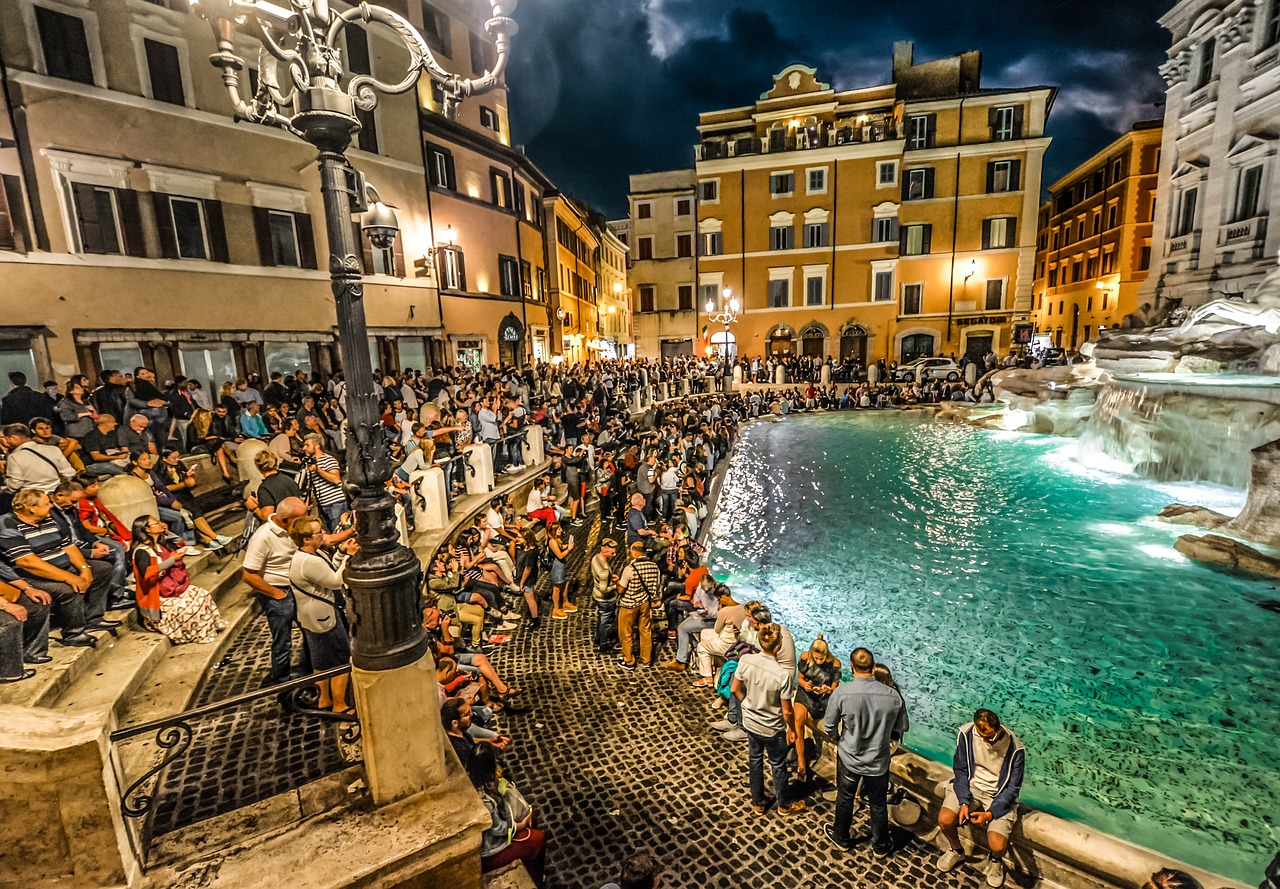
Pantheon, Trevi Fountain and Rome’s grand squares for classic walks
This day is classic Rome: walkable, beautiful, and full of small choices that create a more refined experience. Keep your pace gentle, pause for a coffee when you feel like it, and let one landmark lead to the next. It’s one of the most enjoyable things to do in rome when you want beauty without the pressure of a tightly packed schedule.
Pantheon insight and the light-breathing dome
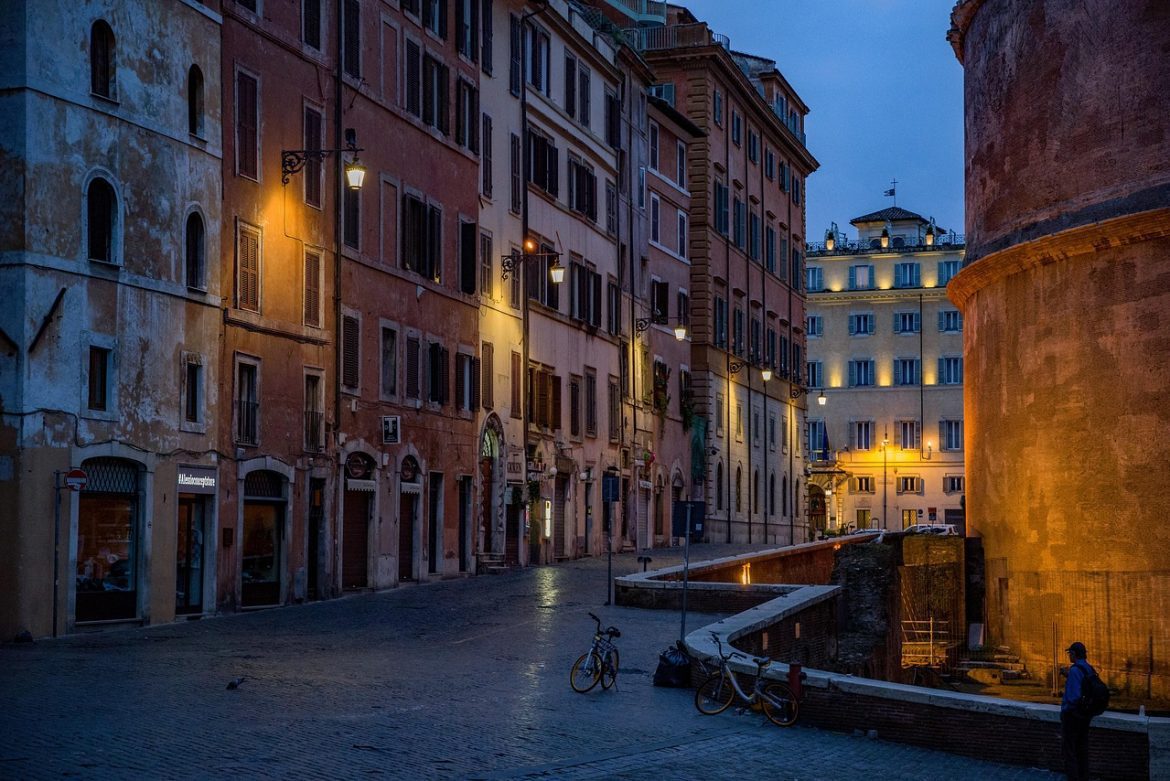
Begin at the Pantheon, a masterpiece of ancient roman engineering that still feels quietly radical. Its enormous dome is held by balance and clever design, and the oculus at the top is an open eye to the sky. In plain terms: the building “breathes” with light—sunbeams slide across the interior as the day shifts, and even rain can fall through the centre, reminding you that the structure is alive to weather and time.
Trevi Fountain rituals, throw a coin, and Piazza di Spagna elegance
Next, head to the Trevi Fountain and allow yourself the tradition. The ritual is simple: throw a coin once, over your left shoulder, and make a wish. One couple told us their coin toss became a cherished honeymoon moment—less superstition, more symbol—hope and love set gently into motion. Visit early or late for softer light and fewer shoulders pressed around you; the fountain’s sound is part of its magic.
Continue to the Spanish Steps at Piazza di Spagna—or Spagna, as locals say with affectionate shorthand. There are 135 steps up to Trinità dei Monti, and the view rewards a steady pace. Time your visit before mid-morning if you can, when the atmosphere is calmer and the light is flattering. Nearby, the Spanish Embassy lends the area a certain diplomatic polish, a subtle reminder that Rome has always been international as well as intimate.
From here, drift towards Piazza Navona, built on the footprint of a roman stadium. The elongated shape gives it a sense of movement, perfect for people-watching. Pick up gelato from an artisan shop and linger; one solo traveller told us they felt completely content doing exactly that—gelato in hand, watching city life unfold in layers of conversation, street music, and evening ambience. Look for a baroque detail without turning it into homework; the joy is in noticing, not proving you noticed.
For a refined cultural interlude, book the Borghese Gallery and gardens. A private guided visit helps you see the emotional intelligence in sculpted marble—Bernini at his most alive—and the dark brilliance of Caravaggio. Afterward, stroll the park early if you can: the gardens feel serene, sculpture-lined, and restorative. Luxury here is quiet, not excess—space, time, and the confidence to linger.
Trastevere nights, local cucina and the Tiber River glow – food tour ideas for evenings
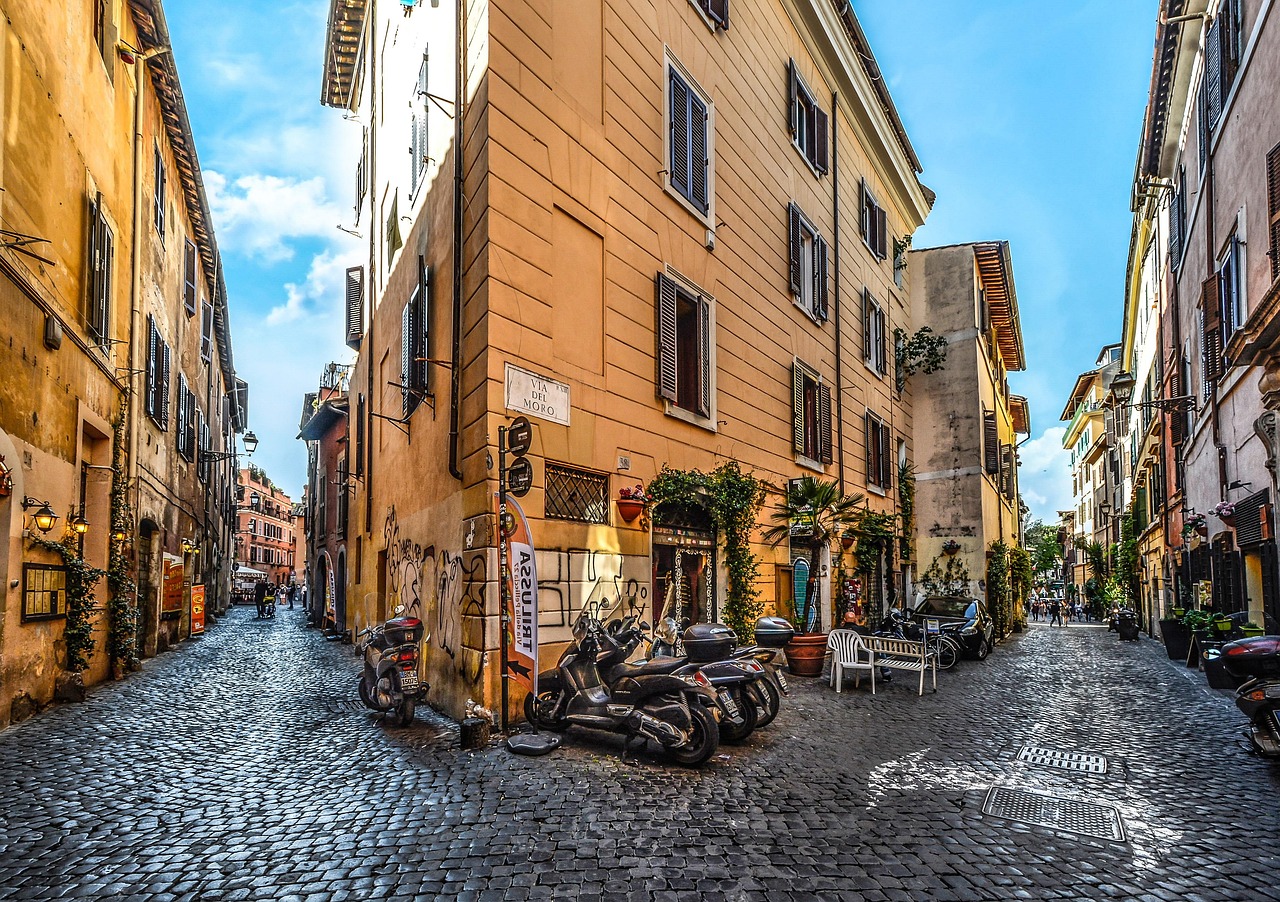
Evening lanes, local cucina and the Tiber River glow on a relaxed neighbourhood stroll
Keep your evening open for local pleasures: cobblestone lanes, small-square moments, and restaurants that feel genuinely Roman when you choose well. This neighbourhood is best explored by feel—turning down quieter side streets, listening for laughter, and letting the night reveal itself gradually. With a little guidance, it becomes one of the most rewarding parts of Rome after dark.
Explore by feel and how to sidestep tourist traps
Begin with a simple rule: if a menu is aggressively photographed and translated into too many languages, you’re probably nearing tourist traps. Instead, choose places where the room feels lived-in and the pacing is unhurried. Reservations help, particularly at weekends; your hotel concierge or a trusted local can support you with this so you don’t spend your evening negotiating at doorways.
Food tour planning for amazing Italian food and Roman cucina
A food tour can be a high-end shortcut to authentic cucina and amazing italian food—not because you can’t find it yourself, but because a good host helps you uncover the stories behind flavours. If you want an easy, curated entry point, book a tour in trastevere and ask for a pace that leaves room for conversation. Decide between small-group and private based on your style: small-group is social and relaxed, while private is more crafted and adjustable.
- Choose timing with care: start around 18:30 to catch aperitivo energy and still dine well.
- Ask about regional wines: Lazio labels are often a quiet delight beside the bigger names.
- Seek signature Roman comfort: try cacio e pepe when it’s done with restraint and confidence.
One traveller described a magical evening here: a candlelit trattoria dinner alongside locals, with the soft clink of glasses and the feeling of being gently folded into Roman life. You can create your own version—arrive a little later, order patiently, and trust the evening to unfold. If you want one simple ritual, start with a cappuccino earlier in the day elsewhere, then keep dinner for wine and water; Romans tend to separate those rhythms, and following them can make you feel instantly more at ease.
And then there are the small pleasures that become vivid memories. Stop for artisan gelato—pistachio, hazelnut, or whatever looks freshly churned—and take it with you. Even if you’ve already lingered in an elegant oval square earlier in the week, this is the spirit of Rome: simple, personal, and quietly celebratory.
End the night with a sunset walk along the Tiber River. The city’s landmarks glow, bridges reflect in soft ripples, and the pace of footsteps seems to slow naturally. Treat it as a private ritual—no agenda, just a steady walk that builds trust in the city’s rhythm, and a sense that you and Rome are learning each other, together.
What stayed with me after Rome: return to Rome personal reflections
In the days after a Rome journey begins to make sense, what I remember most is not a list of sights, but the feeling of the city underfoot. The gentle unevenness of cobblestones, the way a street can turn and suddenly offer a fragment of column or a quiet courtyard, and the sense that time here isn’t linear—it’s layered into everyday life.
There’s a particular hush that follows you out of the Sistine Chapel, a soft reverence that lingers even when you’re back in the open air. It’s not solemnity exactly; it’s the awareness that beauty can ask you to slow down, and that you can answer without needing to explain yourself. That kind of insight stays with you—an invitation to look longer, to listen better, to let places change you in small, honest ways.
I also carry home a renewed trust in pace. Rome is big, busy, and bright, yet it can be held lightly if you travel with care—choose mornings that feel calm, keep your plans crafted but flexible, and allow yourself to sit in a sunlit square without making it productive. Confidence arrives quietly: in knowing when to step inside a church for shade, when to pause for water, when to accept help, and when to wander simply because the street is beautiful.
And then there’s the soft theatre of a roman holiday remembered: lamplight on stone, a waiter’s kindness, a shared glance when a fountain catches the last of the sun. If you ever return to rome, it won’t be because you failed to “do” the city; it will be because Rome keeps a door open, and because you’ve learned that dolce vita is an attitude—warm, human, timeless. Somewhere by the river, the light will shift again, and you’ll find yourself looking on with the same quiet curiosity.
F.A.Qs: famous place in italy rome
What is the most famous spot in Rome?
The Colosseum is widely considered the most famous spot in Rome, thanks to its immense scale, history, and unforgettable presence. For many travellers, it’s the city’s most famous landmark, especially with a guided visit that adds context and calm.
What is the famous place in Rome called?
There isn’t just one, but the Colosseum is often the first answer people give when asked for the famous place in Rome. Other iconic names you’ll hear frequently include the Vatican Museums, the Pantheon, and the Trevi Fountain—each offering a different kind of wonder.
What is the Big 3 of Italy?
The “Big 3” of Italy typically refers to Rome, Florence, and Venice. Together, they offer a classic first-time route: Rome for historic layers and world-class art, Florence for Renaissance culture, and Venice for atmosphere and waterways.
What are 5 major cities in Italy?
Five major cities in Italy are Rome, Milan, Naples, Turin, and Palermo. Each has its own character: Rome for history, Milan for fashion and design, Naples for energy and food, Turin for elegance, and Palermo for layered Mediterranean culture.