Post Contents
- Colonna Palace Rome and why it feels like a hidden gem for travellers who wonder why visit palaces in Rome
- Step inside Palazzo Colonna and the Colonna Gallery for Galleria Colonna Great Hall frescoes
- The Colonna family story from Oddone Colonna Martin V in 1417 to Palazzo Colonna Rome today
- Private gardens and the softer side of Colonna Palace private gardens Rome Italy hidden oasis
- How to visit Palazzo Colonna Rome with guided tour tickets opening hours and Metro Barberini confidence
- F.A.Qs: Palazzo Colonna and Colonna Palace Rome
- What stayed with me after Palazzo Colonna
Colonna Palace Rome and why it feels like a hidden gem
If you’re weighing up Colonna Palace Rome Italy and asking yourself why visit palaces in Rome when the Colosseum is already calling, this is your gentle nudge. Here, the adventure isn’t about queues or spectacle—it’s about uncovering a place where history feels close enough to touch, and where your curiosity is met with care and support.
Known as Palazzo Colonna, it’s often described as one of the oldest and largest private palaces you can experience in the city—and one of the oldest noble residences still in use. Palazzo Colonna is one of those rare addresses that feels like a sneak peek into a world that never fully left.
Palazzo Colonna in Rome as a designer thread between icons
Set near Piazza Colonna, it sits in a part of Rome’s centre where you can easily create a designer journey between headline sights and quieter corners. You might begin with the Colosseum in the morning, then design an afternoon that shifts from public grandeur to private elegance—an experience that feels intentionally crafted rather than hurried.
What makes it a hidden gem is the emotional tempo. Visitors often describe the same moment: you enter, you look up, and time seems to slow. With an expert-led visit, trust replaces uncertainty, and you can explore with confidence—together, at your own pace.




Step inside Palazzo Colonna and the Colonna Gallery for Galleria Colonna Great Hall frescoes
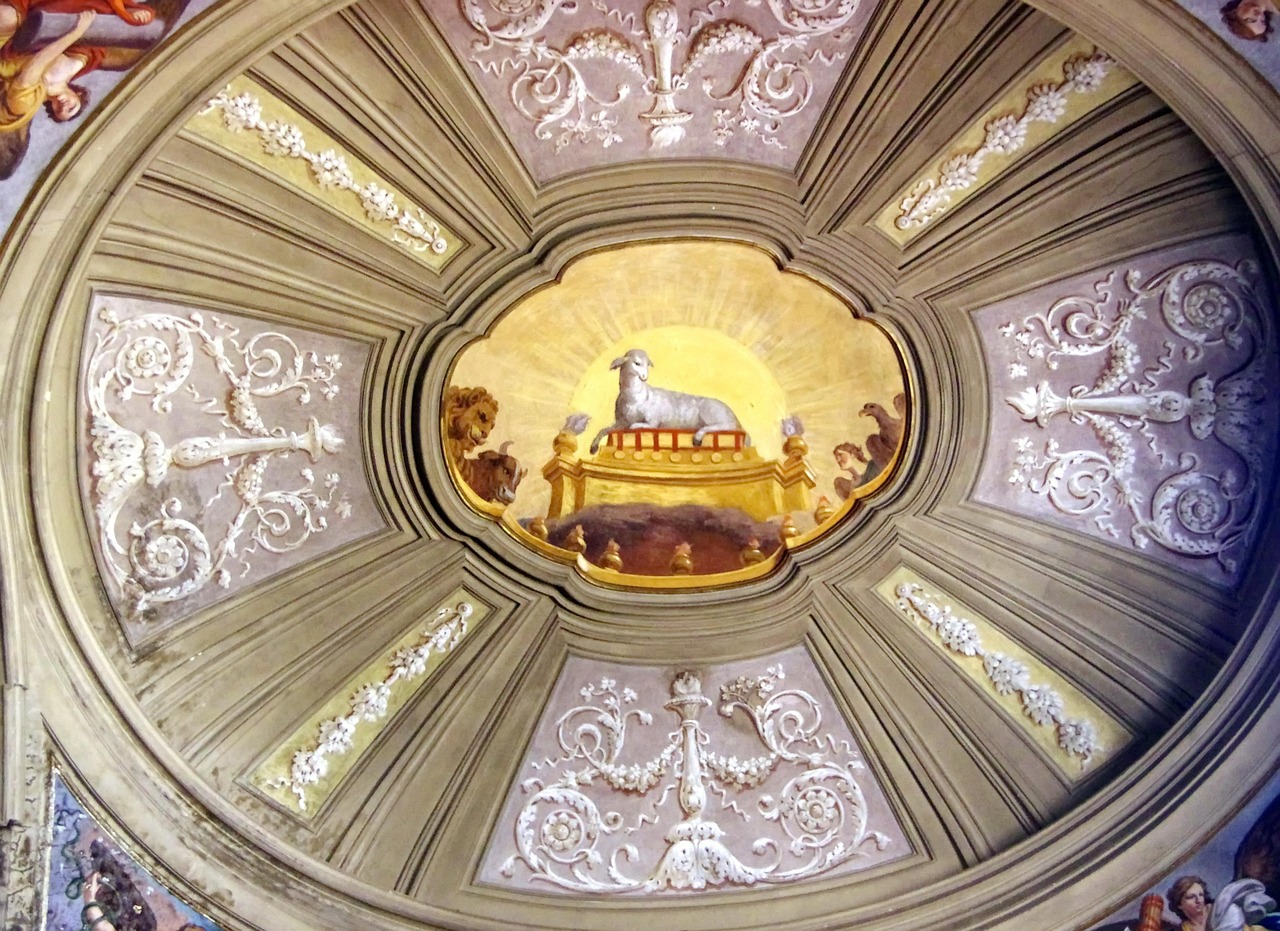
Step inside Palazzo Colonna and the Colonna Gallery
Step inside Palazzo Colonna in Rome and you’ll quickly understand why the Galleria Colonna—often called the Colonna Gallery—is considered a jewel of the Roman Baroque. When people search for “Galleria Colonna Great Hall frescoes”, they’re trying to name a feeling: wonder, scaled up to architectural size.
The Great Hall and why the palace feels like a masterpiece
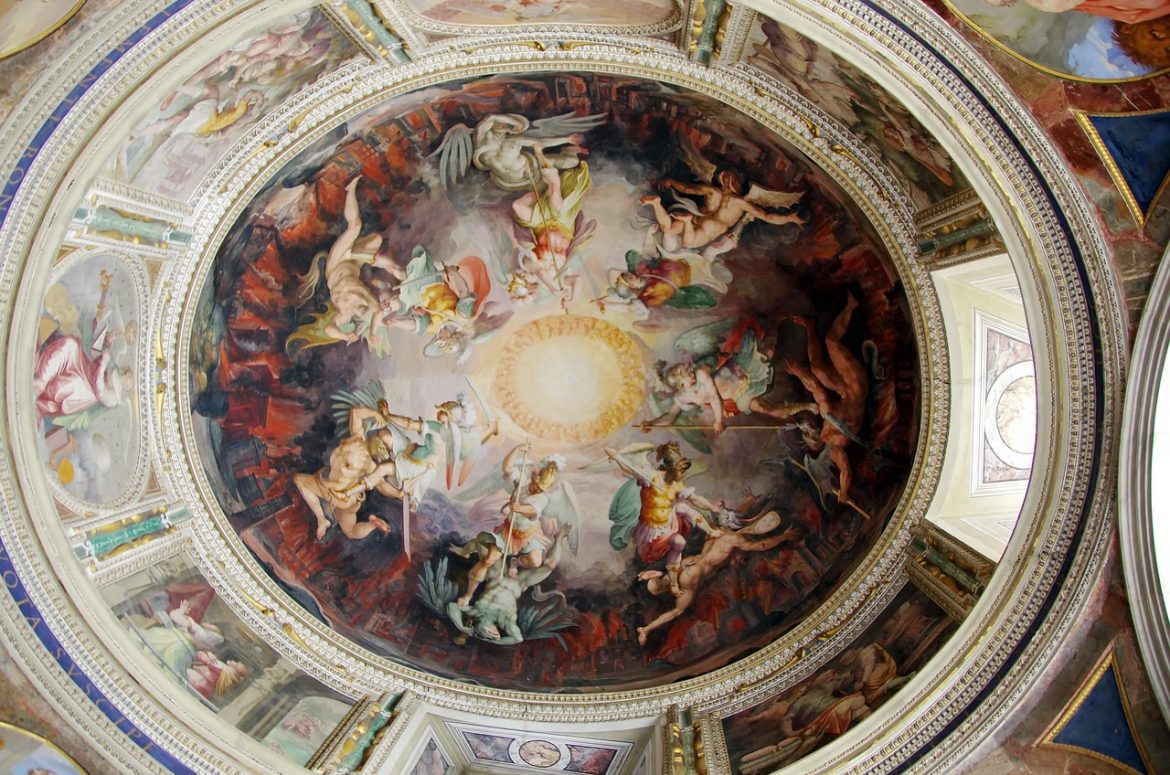
The Great Hall and the adjoining rooms are a feast of frescoed ceilings, intricate stuccoes, and period furnishings that feel appointed the palace for ceremony rather than everyday life. This is the sort of masterpiece that doesn’t need you to know every date; it simply invites you to look, then look again.
For authority and insight, it helps to know a few threads. The architect Antonio del Grande shaped key elements; you’ll also feel the gravitational pull of Gian Lorenzo Bernini in the theatrical confidence of the spaces. Later Rome emerges too—think Carlo Fontana for the city’s grand formal language, with subsequent touches linked to Vanvitelli.
One more name to hold onto is Johan Paul Schor, whose decorative sensibility is often discussed in relation to Baroque interiors. In certain flourishes, you may even hear guides mention Schor as a clue to how art and architecture were designed to perform together.
Art collections to look for in the Colonna Gallery
As a cultural enthusiast, you’ll want to give yourself permission to linger. The art collections here draw from Italian and foreign artists, and the joy is in the variety—sacred intensity, courtly refinement, and flashes of theatrical light.
- Look for works associated with Carracci and Bronzino, where technique becomes almost tactile.
- Notice the drama and softness in painters such as Guido Reni and Guercino.
- Keep an eye out for big Venetian energy via Veronese and Tintoretto.
- For mood and edge, listen for mentions of Salvator Rosa, and for luminous narrative fragments linked to Pinturicchio.
- If your guide leans into rarities, you may even hear Cosmè Tura referenced as part of the wider collecting story.
One visitor story returns again and again: a hush beneath the ceiling artistry, a quiet admiration that feels almost personal. A local guide—ideally in a smaller group—can uncover narratives without overwhelming you with facts, offering support as you explore detail by detail.
The Colonna family story from Oddone Colonna Martin V in 1417 to Palazzo Colonna Rome today
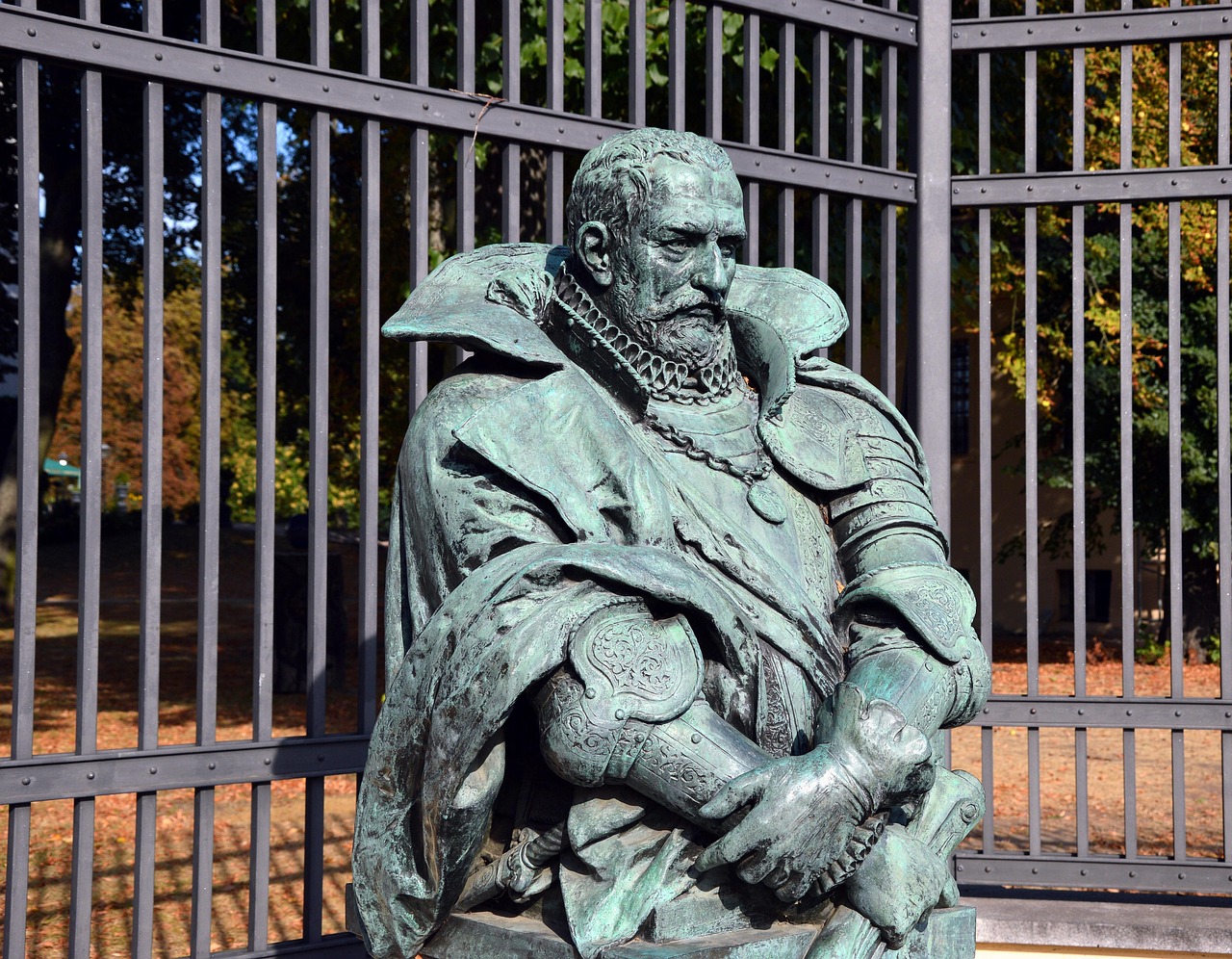
The Colonna family story from Martin V to modern Rome
The Colonna family Oddone Colonna Martin V in 1417 Palazzo Colonna Rome storyline is more than a genealogy—it’s an adventure across power, survival, and reinvention. For Adventure Seekers, it helps to imagine this palace as both fortress and stage: a place that shaped Rome’s political weather, not merely observed it.
Martin V in 1417 and the end of a schism
It began when Oddone Colonna was elected pope as Pope Martin V; this turning point, remembered as Martin V in 1417, helped close the chapter of the Western Schism. If you’ve ever wondered why Avignon is part of Rome’s story, this is it: the papal crisis that pulled authority away, then returned it, demanded repair, diplomacy, and vision.
Your guide may simply say, “pope martin v in 1417,” and the room goes quiet—because that moment helped trigger an urban and administrative rebirth. It wasn’t just political theatre; it was the administrative rebirth of the city, and with it, a renewed sense of Rome as a capital worth investing in.
From 1420, the family lived there from 1420, with the palace acting as a seat and lived-in home as well as a symbolic centre. Records and tradition place key years as 1420 to 1431, with papal influence never far away and the idea of a papal residence shaping how the household presented itself.
Eight centuries of resilience from the 14th century to the 1600s
Over eight centuries, the Colonna story runs through the 14th century foundations and the broader sweep of 1300 to 1500, before expanding into the 16th century and the grand confidence of the 1600s. Room by room—almost century by the colonna family—the residence evolved into what many call the largest private palaces in rome, and among the largest private palaces of rome you can still encounter today.
Names help anchor the scale of time. You may hear of Cardinal Girolamo (often shortened simply to Girolamo) in the internal politics of patronage. Later, Lorenzo Onofrio appears as a key figure in shaping the household’s cultural ambition—an echo of Lorenzo that still seems to linger in the gallery’s confidence.
Then there’s Marcantonio, a name that can turn history from abstract to cinematic. One local historian, Paolo, once described how Marcantonio’s reputation was sharpened by a naval battle that tied the family to wider European currents—his phrasing included the “good relationship of the family” and even the “family with the empire”, which made the geopolitics feel startlingly human.
Resilience is written into the walls. During the Sack of Rome in 1527, the palace was remembered as one of the few buildings that largely survived—often summarised as one of the buildings that was not destroyed. That survival shapes what you can explore now: not a reconstruction, but continuity.
And continuity isn’t just historical. The family’s modern presence is often linked to Princess Isabelle, a reminder that someone still resides here. It’s living heritage, and that fact alone changes how you move: with a little more respect, and a deeper sense of trust.
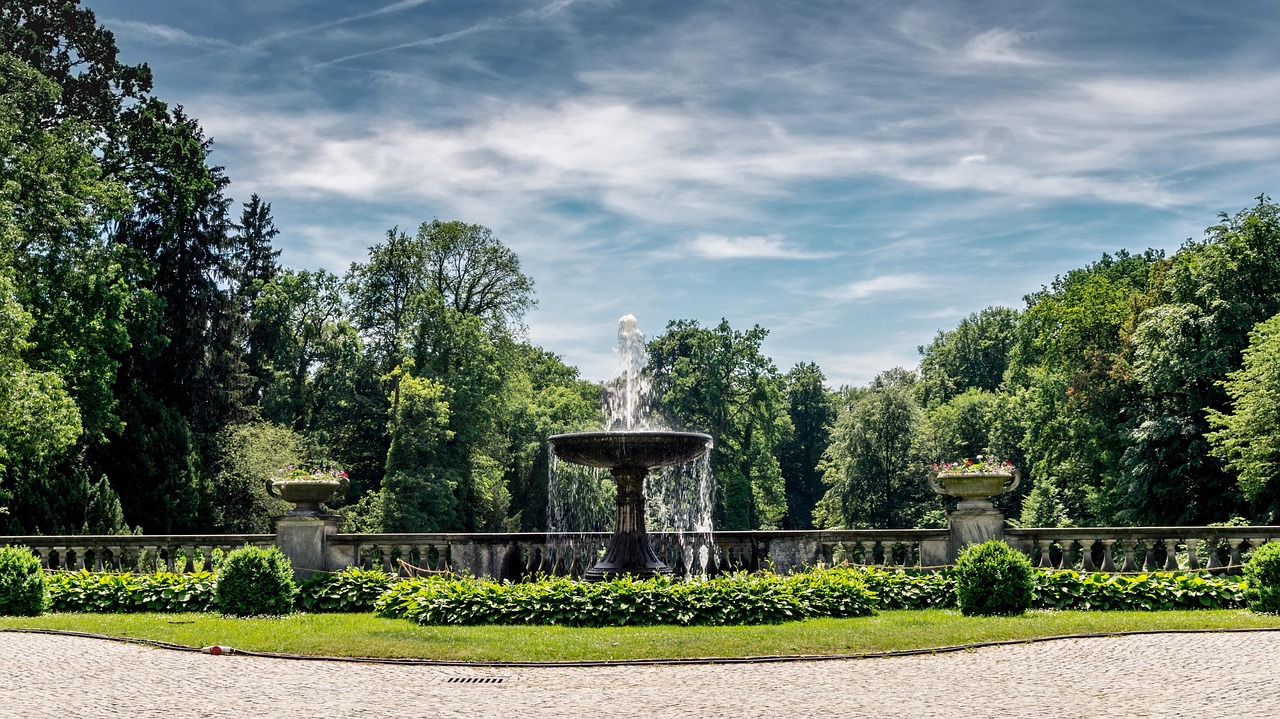
Private gardens and the softer side of Colonna Palace
The Colonna Palace private gardens Rome Italy hidden oasis experience is the exhale after the gallery’s grandeur. In a city shaped by mass tourism and summer heat, this green pocket feels like a rare privilege—shade, blooming flowers, and the soft murmur of fountains, offering space to breathe together.
Discover and uncover a calm counterpoint to the palace rooms
To discover the gardens is to uncover a quieter kind of design. The stillness isn’t empty; it’s full of sensory detail—leaf shadow on stone, water catching light, the scent of citrus or rose depending on the season. With gentle support from your guide, you can slow your pace without worrying you’re “missing something”.
Try a simple, personal ritual: pause, listen, and look back. Seen from the garden, the palace’s scale becomes less imposing and more intimate, as if the architecture is finally speaking in a lower voice.
After the 17th century splendour inside, nature becomes the balancing note that makes the day feel seamless. It’s also a quiet confidence-builder for adventurous travellers: you’ve explored intensity, and now you’re choosing calm—by design.
How to visit Palazzo Colonna Rome with guided tour tickets opening hours and Metro Barberini confidence
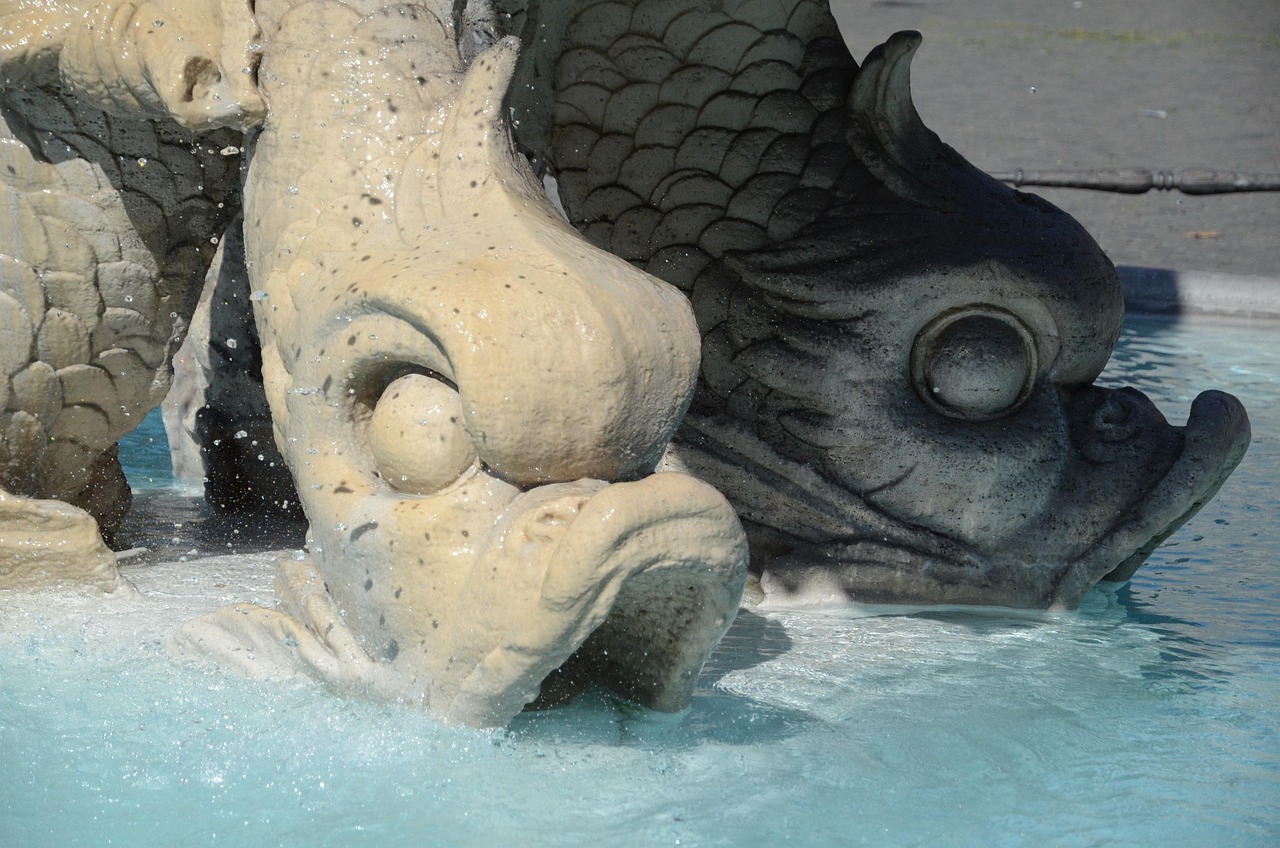
How to visit Palazzo Colonna in Rome with seamless confidence
To visit Palazzo Colonna Rome, guided tour tickets, opening hours, and an easy arrival via Metro Barberini are the details that create a truly seamless day. Entry is by guided tour only, so booking ahead on the official website is the simplest way to travel with confidence—especially if you value smaller groups and an expert who can tailor insight to your questions.
Getting there and timing your visit in Rome
For transport, take Rome’s Metro Line A to Barberini, then enjoy a short walk towards Piazza Colonna. If you’re travelling with mobility considerations, plan a slightly calmer route, allow extra time for pavements, and let your guide know what support would help—Rome is beautiful, but its surfaces can be lively.
Tickets are typically around 15–20 euros, with discounts often available for students and seniors. Aim for spring or early autumn for the best balance of light and comfort, and stay alert: the palace may close occasionally for private functions or restoration work.
Etiquette, photography, and small touches that matter
Smart casual dress is a reassuring default here; it matches the dignified atmosphere without feeling fussy. Photography rules can vary from room to room, so follow guidance and keep your phone discreet—this is one of Rome’s spaces where respect feels like part of the experience.
- Choose a smaller-group tour if you want a more personal exchange and local context.
- Bring a light layer; interiors can feel cool even on warm days.
- Leave time for the book shop if you love catalogues, postcards, or a thoughtful souvenir.
- For more high-end itinerary inspiration, browse our Trip gallery and imagine how Rome can be designed around your pace.
With the practicalities handled, your attention is free to explore what you came for: beauty, story, and that calm certainty that you’re exactly where you should be.
F.A.Qs: Palazzo Colonna and Colonna Palace Rome
Is Colonna Palace worth visiting?
Yes—especially if you enjoy palaces that feel lived-in rather than purely museum-like. Colonna Palace rewards slow looking, from the Galleria Colonna’s decorative drama to the quieter relief of the private gardens. With a guided tour, the experience feels supportive and well-paced, and you’ll leave with a clearer sense of Rome’s noble history without feeling overloaded.
Who lives in the Colonna Palace?
Palazzo Colonna remains connected to the Colonna family, and parts of the complex are still used privately. Visitors don’t enter private living areas; instead, you explore selected ceremonial rooms and galleries by guided tour. That sense of living heritage is part of what makes the visit feel special—more like being welcomed into a continuing story than walking through a static display.
What famous movies were filmed in Palazzo Colonna?
Palazzo Colonna is occasionally cited as a film location thanks to its grand interiors, but filming permissions and productions can change over time. If this matters to you, check the palace’s current communications or ask your guide what has been shot there recently. Either way, the cinematic impact is real: the Great Hall and gallery spaces feel designed for the camera.
Does the Colonna family still exist?
Yes, the Colonna family still exists, and the palace continues to reflect that long continuity. Seeing a historic residence maintained across centuries adds a layer of meaning: the art, architecture, and rituals of display weren’t created for tourists alone, but as part of an ongoing identity. It’s a rare chance in Rome to experience aristocratic heritage as something still cared for.
What stayed with me after Palazzo Colonna
My Palazzo Colonna Rome reflection cultural journey Italy isn’t a list of rooms, but a few small moments that keep returning. A particular curve of stucco, a single fresco detail, the way the air changed as we crossed a threshold—these were the quiet signs that the past can still feel tender in the eternal city.
What I trusted most was the guidance: that feeling of being looked after, of having space to be curious without being rushed. With that care in place, the palace stopped being “grand” in the abstract and became human in scale—made for footsteps, conversations, and the pause before a painting that asks you to stay.
Later, I thought of a jazz evening some visitors describe in those elegant halls—modern notes drifting through old volumes, history and present sharing the same light without needing to explain themselves. Rome does that when you let it: it opens doors softly, and it leaves you with the sense that there are still more waiting—if you’re willing to look up and listen.