Post Contents
- Choosing the Best City in Italy to Visit for Your Trip for a first trip to Italy
- Venice, Italy: A timeless city of canals and luxury experiences.
- Florence and Tuscany offer Renaissance art, including Uffizi Gallery, Duomo, and Tuscany wine. Top Italy attractions for art lovers.
- Visit Rome for ancient grandeur, modern luxury, Vatican City, Colosseum, Roman Forum, and luxury dining.
- Design a seamless Italy itinerary beyond iconic cities, including travel tips and the best time to visit.
- F.A.Qs: Best city in Italy to visit
- After Italy: Your reflections on places and people from your visit.
Choosing the Best City in Italy to Visit for Your Trip for a first trip to Italy
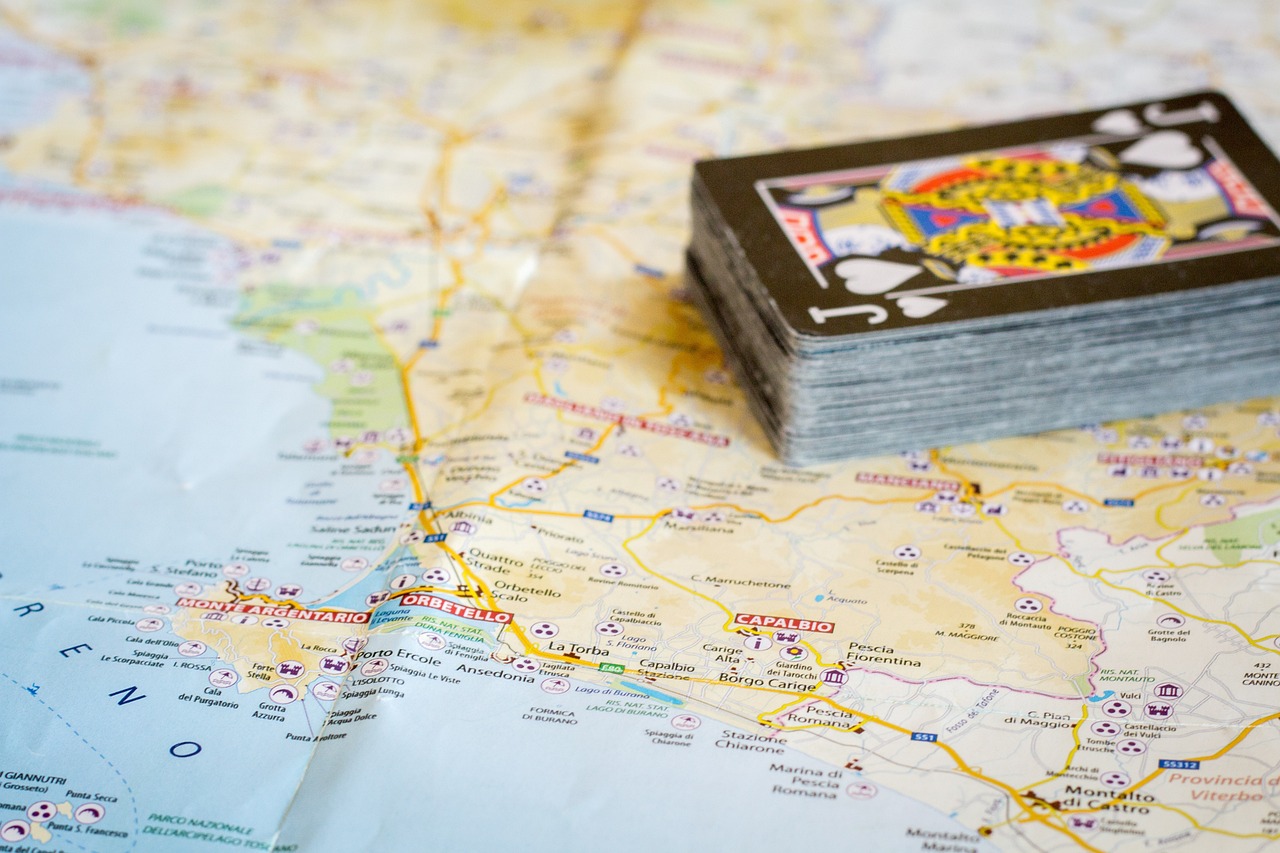
Choosing the Best City in Italy to Visit for Your Trip with a high-end route map feel
If you’ve been searching for the best city in Italy to visit for a first trip to Italy, let’s set expectations with care: there isn’t one universal winner. There is only the best fit—your pace, your preferences, and your time to explore. Italy’s magic changes depending on whether you want romance and water, art and craft, or epic history with modern sparkle.
For high-end travellers, the real difference is how smoothly each day unfolds. The right support turns “much to see” into something calm: doors opening on time, a local greeting that feels natural, and moments that are personal rather than performative. Consider this a warm travel guide to choosing a city in Italy that suits you—then designing the rest of your trip around it.
A luxury decision lens for a trip to Italy
When we’re choosing between Italian cities, we look beyond the postcard. The most satisfying journeys are crafted around the practical details that protect your time and energy—because that’s where ease (and joy) lives.
- Access and arrivals: which airport is simplest, and how quickly can you reach your hotel without friction?
- Private transfers and comfort: whether it’s a private driver, water taxi, or taking the train in first class between cities.
- Hotel scene: intimate palaces, design-led boutiques, or heritage grand dames with a strong concierge team.
- Curated experiences: private guides, after-hours museum options, and refined tastings that feel local and unrushed.
- Local insight: small choices—quiet lanes, the right piazza at the right hour—make the “best places” feel like your places.
Mini-matching guide to the best cities to visit
Imagine your trip as a mood. If you want romance and theatre, Venice is the bucket list classic—soft light, water on stone, and the hush of a city of canals once day-trippers leave. If you want one of the most beautiful, walkable cultural experiences, Florence brings art lovers and history close enough to touch, with Tuscany as an elegant day trip. And if you want scale—ancient drama paired with today’s finest fashion and dining—visit Rome for a blend of eras that feels endlessly alive.
In other words, the “best city in Italy” depends on whether you’re craving water, art, or empire. Many guests choose a trio—Venice, Florence and Rome—then add one or two destinations in Italy that reflect their personality.
Budget reality and booking with confidence
Premium travel in Italy does cost more, but the value lies in quality and care: the best guides, better pacing, and the kind of service that anticipates your needs. If you’re investing in a place in Italy for a special milestone, build your budget around the moments that matter—then book them early, with trust.
If you’d like to explore what a thoughtfully designed itinerary can look like, start with our Trip gallery and imagine the version of Italy that feels most like you.




Venice, Italy: A timeless city of canals and luxury experiences.
Venice Visit in Italy for Timeless Elegance with golden light on the canal
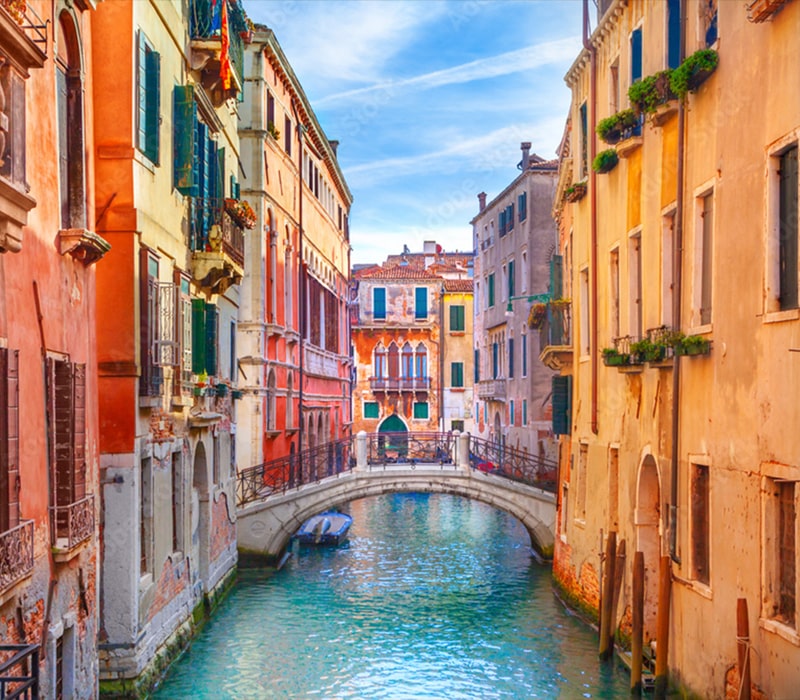
There’s a reason travellers save Venice for the top of their wish list: Venice, the city of canals, luxury experiences, Italy isn’t just a phrase—it’s a feeling. Go to Venice at golden hour and let the light guide you; the city quietens, the water softens, and every corner seems to glow. This is a visit to Italy that rewards a gentle pace and an expert hand behind the scenes.
Approached well, Venice becomes less about rushing to the must-see sights and more about uncovering a calmer rhythm—one where service is discreet, transitions are seamless, and you always feel cared for.
Go to Venice at golden hour on the Grand Canal
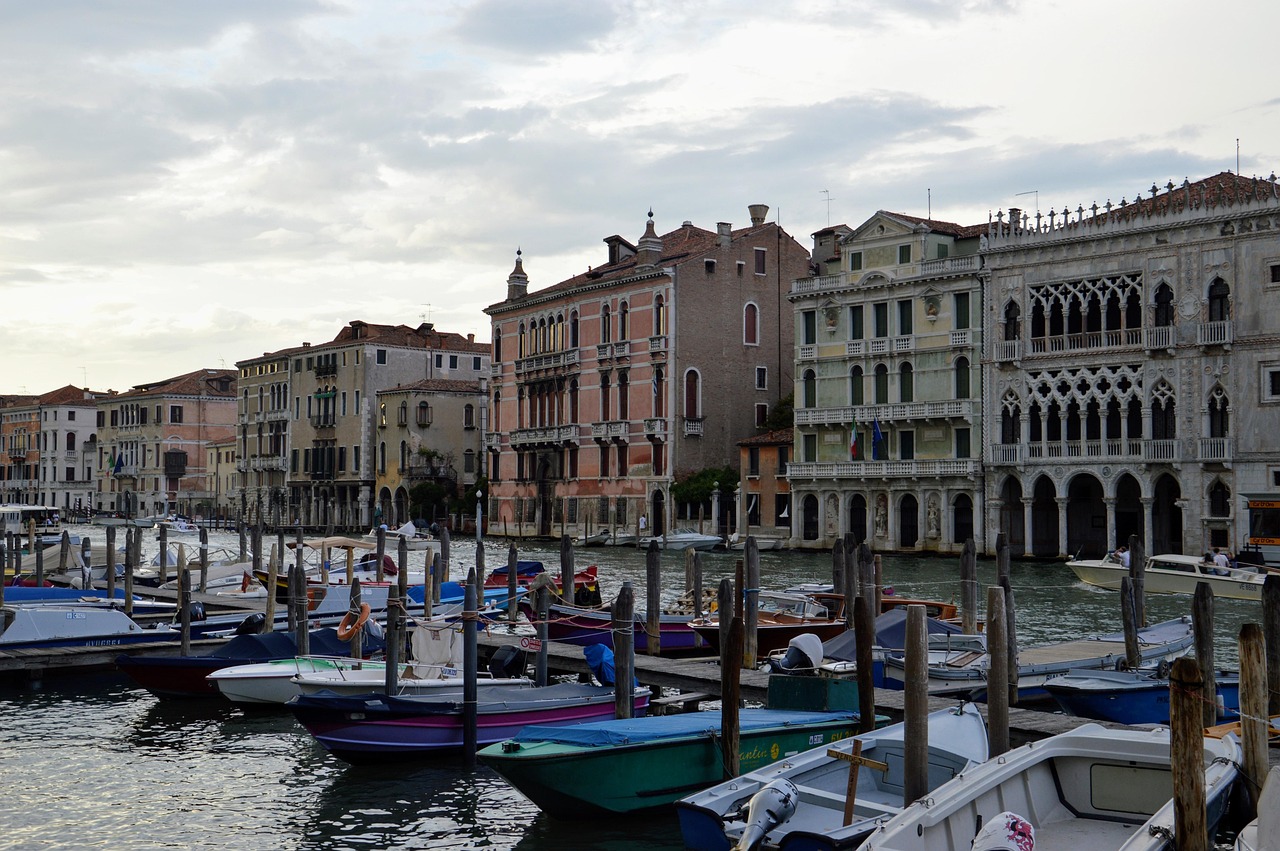
Start with the classics, but time them like a local. A private water taxi arrival is more than convenient—it’s an entrance that sets the tone. Then, as the day cools, a private gondola on the Grand Canal at sunset turns the city into your own private theatre, without the crush of summer crowds.
One couple we know still talks about their private gondola serenade in the way people speak about a proposal. The gondolier had mapped a quieter route; the singer appeared as if by magic; and there was a small, perfectly chosen pause beneath a low bridge where the sound carried. What made it unforgettable wasn’t extravagance—it was the carefully timed moments and the quiet confidence of a team that understood romance needs space.
St Mark’s Basilica, Rialto Bridge, and a curated canal stroll
With the right pacing, Venice’s icons feel intimate. Step into St. Mark’s Basilica with pre-booked entry, then take a curated walk towards the Rialto Bridge when the lanes are less crowded. Even a simple pause at a tiny piazza can become a memory when you’re not watching the clock.
A private guide adds value in the places you wouldn’t find alone: a quiet palazzo visit with stories that bring frescoes to life, or a calmer corner near the main squares when the city feels full. Reserve tickets and exclusive tours in advance, and Venice will feel like it’s opening itself to you—beautifully, and on your terms.
Florence and Tuscany offer Renaissance art, including Uffizi Gallery, Duomo, and Tuscany wine. Top Italy attractions for art lovers.
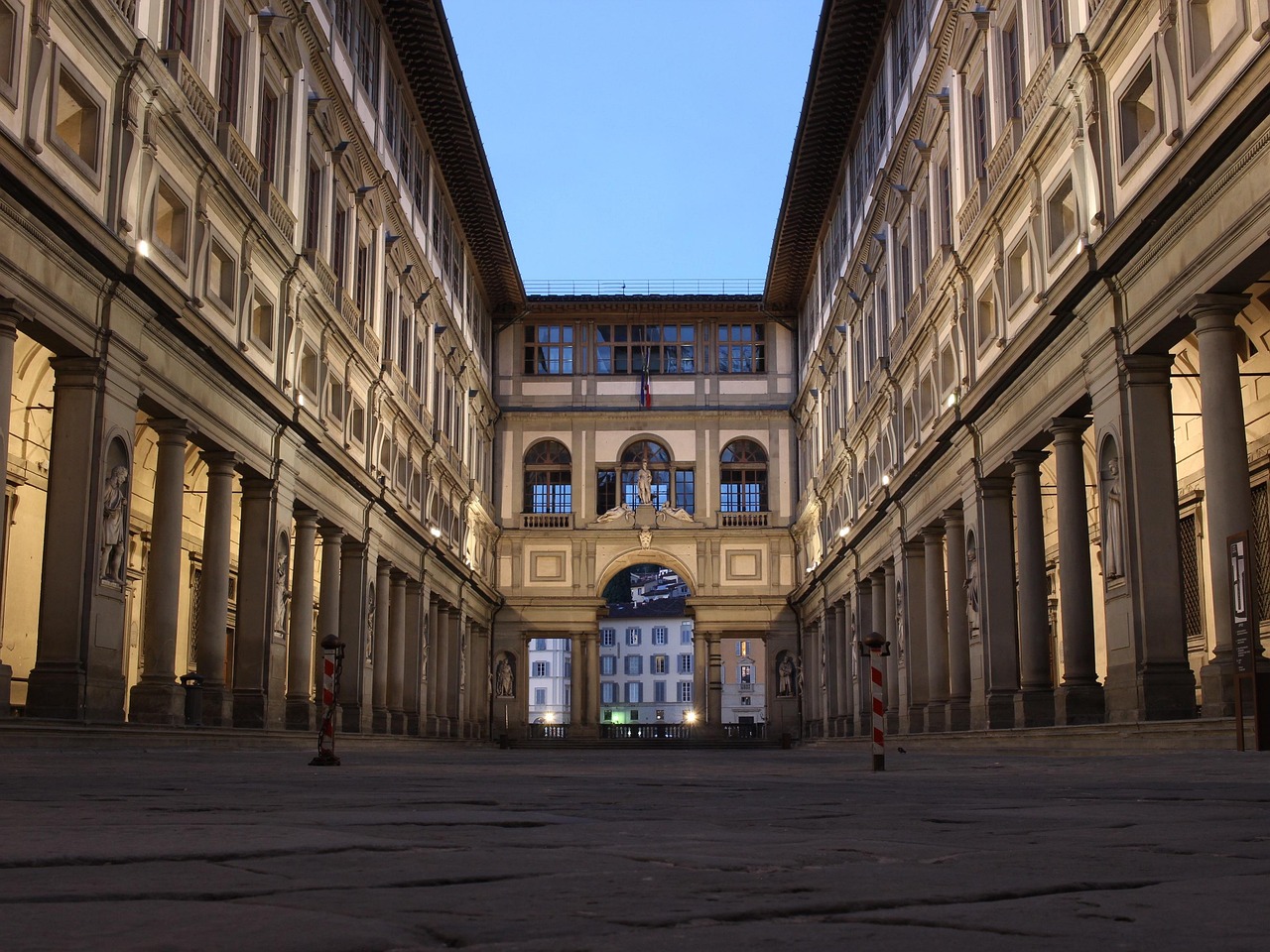
Florence and Tuscany for Renaissance Art Lovers with gallery light and quiet elegance
For travellers drawn to beauty with meaning, Florence is one of the best places to visit in Italy. The Uffizi Gallery, Duomo, and Tuscany’s wine capture the city’s pull. Florence is walkable, elegant, and deeply cultural—one of Italy’s most beautiful settings for art lovers and history, where you can step from a museum into a sunlit street in minutes. It’s also a rare kind of city in Italy where luxury feels natural: understated, precise, and warmly human.
Florence rewards those who design their days around breath and light. If Venice is water and reflection, Florence is stone and genius—made soft by café terraces and a reassuring sense of order.
Uffizi Gallery, the Duomo, and Michelangelo’s Florence
Begin with the Duomo, not as a tick-box, but as a way to understand the city’s ambition. Then visit the Uffizi gallery with timed entry so you can move slowly, without pressure. A knowledgeable guide can connect the dots—how patrons shaped the city, why symbols repeat, and how Michelangelo changed Florence’s visual language.
An art-loving traveller once described seeing Botticelli’s masterpiece as “oddly personal”, as if the room went quiet just for them. They’d studied reproductions for years, but standing before the real brushwork brought an unexpected emotion—like meeting a person you’ve only known through letters. That is Florence at its best: not loud, but profoundly affecting.
Ponte Vecchio, a picturesque sunset, and Tuscan taste
For a cinematic pause, drift towards Ponte Vecchio near dusk. The river catches the last light, the view becomes unmistakably picturesque, and Florence feels made for lingering. If you want to create an extra layer to your stay, a refined half-day trip into the hills brings the city’s culture into conversation with its countryside.
In Tuscany, choose one intimate vineyard rather than three rushed stops. A well-hosted tasting can include a small Tuscan lunch, olive oil, and a gentle return to town for gelato. For guests with time, the leaning tower of Pisa can be folded in with care—best approached early, then balanced with a long, unhurried afternoon back in Florence.
Visit Rome for ancient grandeur, modern luxury, Vatican City, Colosseum, Roman Forum, and luxury dining.
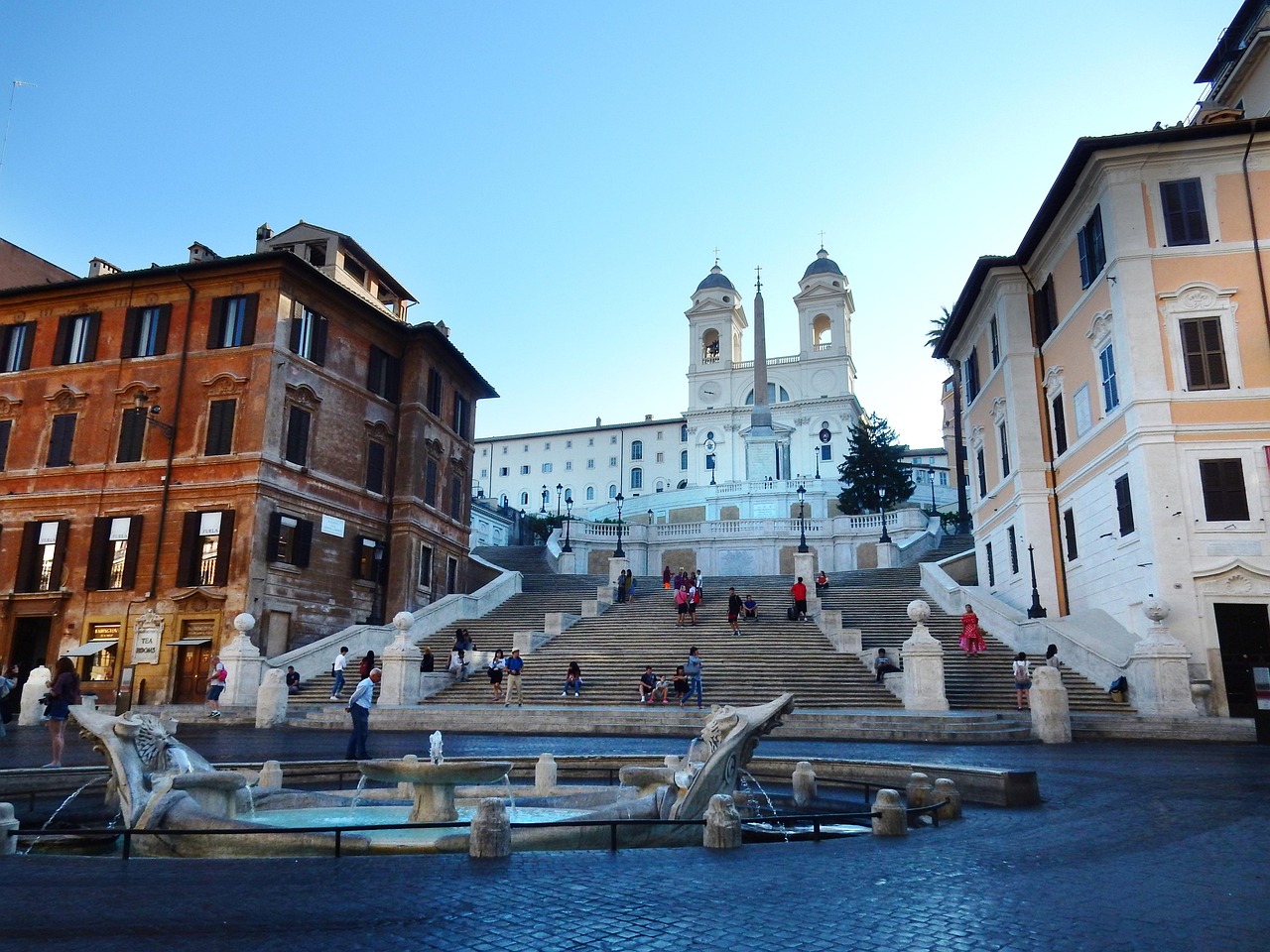
Visit Rome for Ancient Grandeur and Modern Luxury near the Spanish Steps at dusk
Rome is where time layers itself before you, and visiting Rome, Italy, Vatican City, the Colosseum, the Roman Forum, and indulging in luxury dining is exactly the contrast that makes it so compelling. One moment you’re staring into the ancient Roman empire, the next you’re stepping into a beautifully lit dining room where every detail feels intentional. It’s a city that asks for curiosity—and rewards travellers who move through it with calm, expert support.
The secret to Rome is pacing. With the right design, you can explore monumental history without feeling drained, then slip into modern Rome for shopping, aperitivi, and great food that feels genuinely local.
Vatican City and the Sistine Chapel with respectful, unhurried access
Vatican City can be extraordinary or overwhelming, depending on timing. An early start and a private guide help you move with purpose, stay respectful, and avoid the feeling of being carried along by a crowd. When you finally step into the Sistine Chapel, the quiet matters; your guide’s restraint—and your own space to look—makes the experience land.
Pair this with the Colosseum and the Roman Forum on a separate day if possible. Rome is not a city to compress; it’s a city to savour.
Via Condotti style and an underground taste of Rome
Modern luxury in Rome can be as simple as a late afternoon walk through Via Condotti, then a rooftop aperitivo near a lively piazza. Later, a Michelin-starred dinner can feel personal rather than showy when the service is tuned to you—well-paced, attentive, and quietly confident.
One discerning foodie we travelled with still laughs about a spontaneous underground food tour that changed how they understood Roman cooking. They slipped into small, family-run spots off the beaten path, tasting seasonal dishes and listening to the stories behind each recipe. The night ended perfectly, with pasta and gelato—simple, joyful, and miles beyond typical tourist spots.
Design a seamless Italy itinerary beyond iconic cities, including travel tips and the best time to visit.
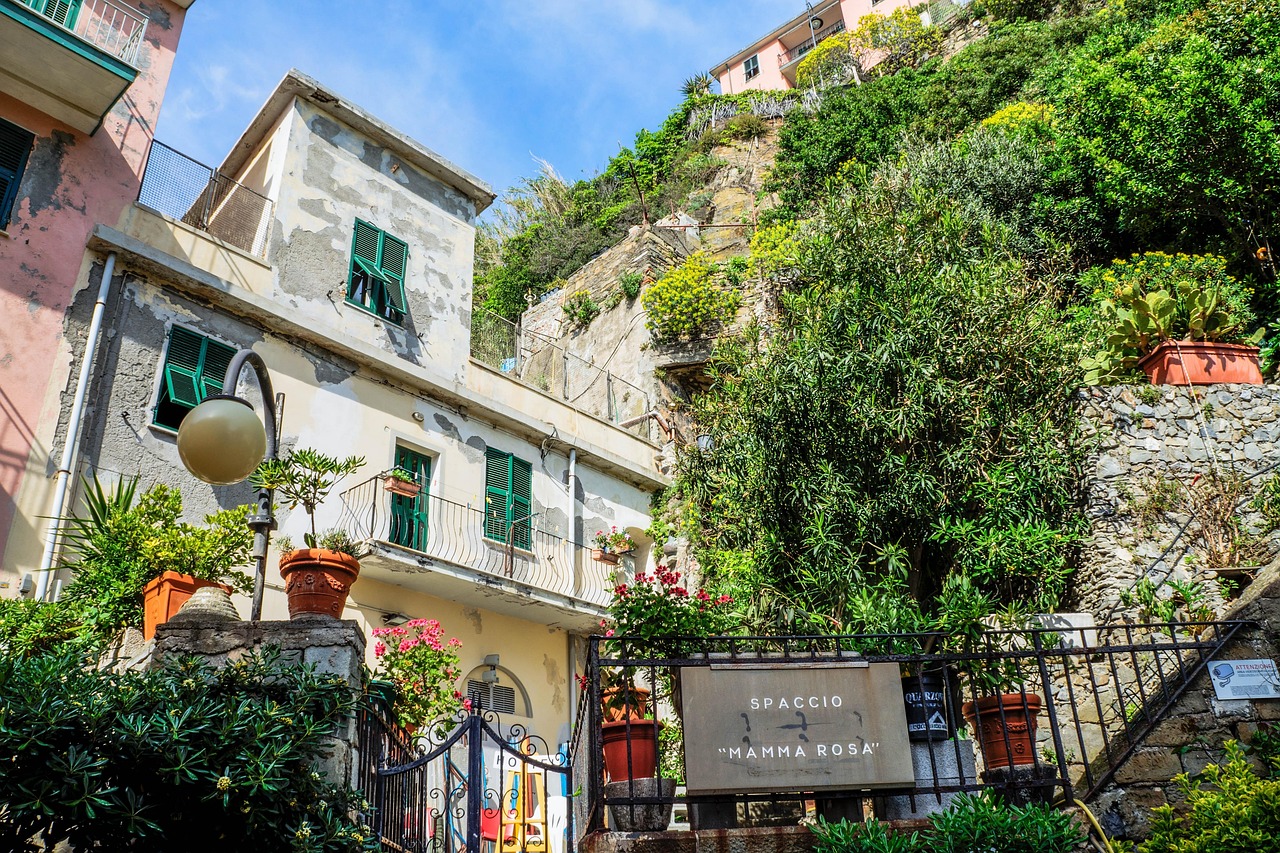
Design a Seamless Italy Itinerary Beyond the Iconic Cities with Cinque Terre cliffs and sea
When guests ask for an Italy itinerary, cities to visit in Italy, travel tips, and the best time to visit, they’re often really asking for one thing: ease. The best time to visit is spring and early autumn, when the air is mild, the light is flattering, and you’re more likely to find beautiful views without the intensity of summer crowds. It also changes what’s available—top suites and the best private guides book earlier, and the most exclusive experiences require a little forward planning.
Think of this chapter as the bridge between dream and logistics: how to design a seamless trip to Italy that feels generous, not exhausting—while also leaving space for surprise.
Arrivals, connections, and comfort between Italian cities
Start with smart gateways: Venice Marco Polo, Florence Peretola, and Rome Fiumicino are all well-connected. From there, choose what supports your style—private car transfers for door-to-door calm, or to take the train in comfort for a classic European rhythm. Many travellers love pairing Milan and Venice by rail, then continuing on to Florence and Rome with minimal fuss.
When transfers are crafted properly—bags handled, timings confirmed, a driver waiting exactly where promised—you protect your energy for what matters: museums, meals, and those spontaneous turns down a lane that lead to a perfect piazza moment.
Many other cities and add-ons that change the mood
Beyond the iconic cities, Italy offers a world of contrasts—design, coastline, mountains, and a slower countryside pace. If you want contemporary polish, visit Milan for architecture, fashion, and galleries, then slip up to Lake Como for serene water and discreet villas. It’s a different area of Italy entirely: quieter, more private, and beautifully composed.
For energy with edge, Naples is grit-and-glam in one breath—loud, charismatic, and deeply alive. From Naples, take a carefully timed trip to Pompeii to see the famous ruin, then look up at Mount Vesuvius and understand the story in the landscape itself. If your heart leans towards the sea, visit the Amalfi Coast next: the beauty of the Amalfi Coast is real, from lemon-scented terraces to the dramatic coastline around Positano and its curve of colour.
And when you want “postcard Italy”, Cinque Terre offers cliffside villages that feel like they belong to another century. Arrive early or in shoulder season for a gentler experience, then linger over seafood and local wine as the sun drops.
Other best places to visit by region, depending on your mood:
- Bologna for great food and a grounded, elegant pace.
- Verona for old town romance and evening strolls that feel timeless.
- The Dolomites in northern Italy offer drama, fresh air, and high-alpine serenity.
- Sicily for layered history and bold flavours, or Puglia for sunlit simplicity and an unhurried rhythm.
Luxury planning checklist for travel with confidence
To keep your journey seamless—and to help you feel supported at every step—use this short checklist as you design your travel bucket priorities. It’s not about doing more; it’s about doing what you choose, beautifully.
- Reserve major attraction tickets and expert-led exclusives well in advance.
- Choose private guides for tailor-made access, storytelling, and hidden sites.
- Budget for premium experiences: prices can be high, but quality and personal service are the point.
- Follow local etiquette: a warm “Buongiorno” and modest dress in churches.
- Stay alert in crowds, especially around busy transport hubs and famous squares.
With the right planning, beautiful places become easy places—where you can simply explore, together, and let Italy do what it does best.
F.A.Qs: Best city in Italy to visit
What is the nicest city in Italy to visit?
The nicest city depends on your style. For romance and atmosphere, Venice feels timeless, especially at golden hour. For elegance and culture, Florence is intimate and deeply enriching. For iconic history with modern luxury, Rome brings grand sights and exceptional dining—often the most satisfying choice when you want variety in one place.
Where should I go in Italy for the first time?
For a first trip, many travellers love combining Venice, Florence, and Rome because each city offers a distinct perspective on Italy—water and romance, Renaissance art, and ancient grandeur. If you prefer a slower pace, choose two cities and add Tuscany or the Amalfi Coast to balance iconic sights with restorative scenery and local flavour.
Is $10,000 enough for a trip to Italy?
$10,000 can be enough for a high-quality Italy trip for two if you plan carefully—especially in shoulder season. Your total depends on hotels, private guides, upgraded trains, and dining choices. Focus your budget on the experiences that matter most (key tours and standout meals), then keep the rest simple but comfortable for the best value.
What are the top 5 cities in Italy?
A classic top five includes Rome, Venice, Florence, Milan, and Naples. Rome offers ancient landmarks and vibrant neighbourhoods; Venice is unmatched for canals and atmosphere; Florence is the heart of Renaissance art; Milan brings style and design; and Naples delivers bold energy, incredible food, and easy access to Pompeii and the Amalfi Coast.
After Italy: Your reflections on places and people from your visit.
After your visit to Italy, personal reflections on places and people often begin with what surprised you: not the monuments, but the texture. The hush of water against stone in Venice. The way Florence holds its art close, as if genius is part of daily life. The warm chaos of Rome, where laughter spills across a piazza and somehow feels like an invitation rather than noise.
What stays with you is rarely a checklist. It’s the small, human moments that slip in between the planned ones: a waiter who remembers how you take your coffee, a shopkeeper who helps you find the right word in Italian, a shared glance that says, “We’re really here.” There’s a particular confidence that comes from moving through famous places with quiet support—knowing someone has thought about the timings, the thresholds, the small frictions you never had to feel.
On the last night, you might take one final walk with no agenda at all. The streets are softer, the light kinder. You realise the journey was not only beautiful, but gently crafted around you with care, and shaped by trust. And later, when you imagine returning, it may not be to repeat the same route, but to meet Italy in a different season, in a different mood, and see what it offers you then.