Post Contents
- Murano Island and Venice First Steps how to visit Murano vaporetto and water bus
- The Island of Murano and the History of Murano history of murano glassmaking venice serenissima 1291
- Inside a Murano Glass Factory and Furnace Experience murano glass factory tour glass factories furnace
- Murano Glass Museum for Artistry and Insight murano glass museum museo del vetro venice italy
- Canals, Churches and Murano’s Local Heart murano island canals church of santa maria e san donato
- Authentic Murano Glass Shopping with Trust buy authentic murano glass jewellery certificate of authenticity
- Burano and Torcello Day Trip from Venice burano and torcello day trip islands of venice
- What Murano Leaves With You murano island venice italy reflections on glassmaking
- F.A.Qs: Murano Island Venice Italy
Murano Island and Venice First Steps how to visit Murano vaporetto and water bus
Murano Island and Venice First Steps how to visit Murano vaporetto and water bus
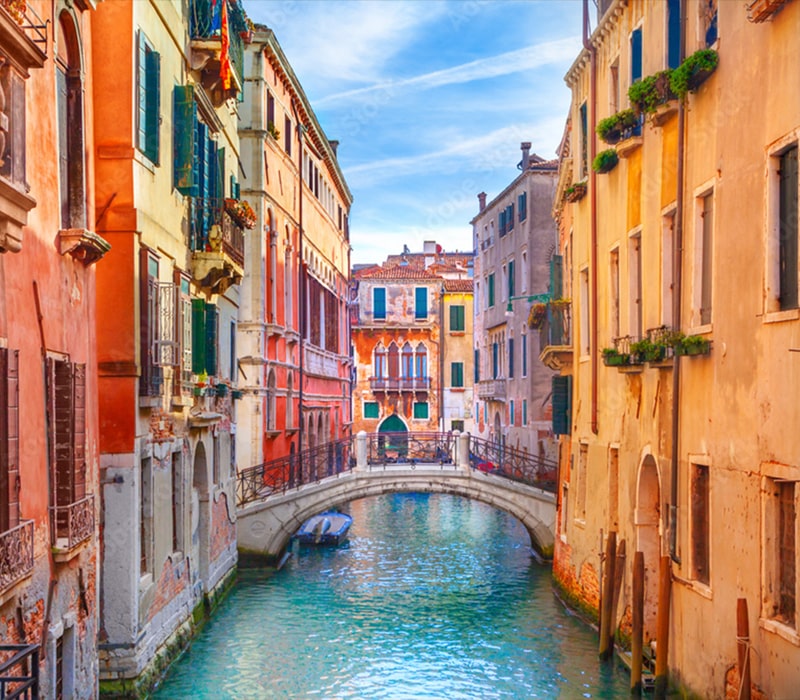
If you’re wondering murano island venice italy how to visit murano vaporetto, the simplest answer is this: step onto a vaporetto water bus and let Venice do the rest. Most travellers choose Fondamente Nove for the quickest, most straightforward crossing, while San Zaccaria can be convenient if you’re already near the waterfront by St Mark’s. Either way, the ride is short, calm, and surprisingly restorative—an easy adventure that still feels like you’re slipping into a different world.
As the water-bus leaves the grand canal behind, the city’s silhouette softens into lagoon light. You’ll feel that subtle shift: less bustle, more breathing room, and an invitation to explore with confidence. It’s only 10–15 minutes across the Venetian lagoon, but it’s long enough to imagine what’s waiting—fire, breath, and artistry shaped into glass.
Vaporetto from Fondamente Nove and San Zaccaria
From Fondamente Nove, aim for services heading towards Murano; from San Zaccaria, you may have a slightly different connection depending on the line and time of day. The journey is not complicated, yet it’s worth travelling a touch earlier in the morning so you arrive with space to design your own pace.
- Best boarding points: Fondamente Nove (efficient) or San Zaccaria (central).
- Ride time: about 10–15 minutes across the lagoon.
- On board: keep a light layer handy; breezes can feel cooler on the water.
First orientation around Fondamenta dei Vetrai
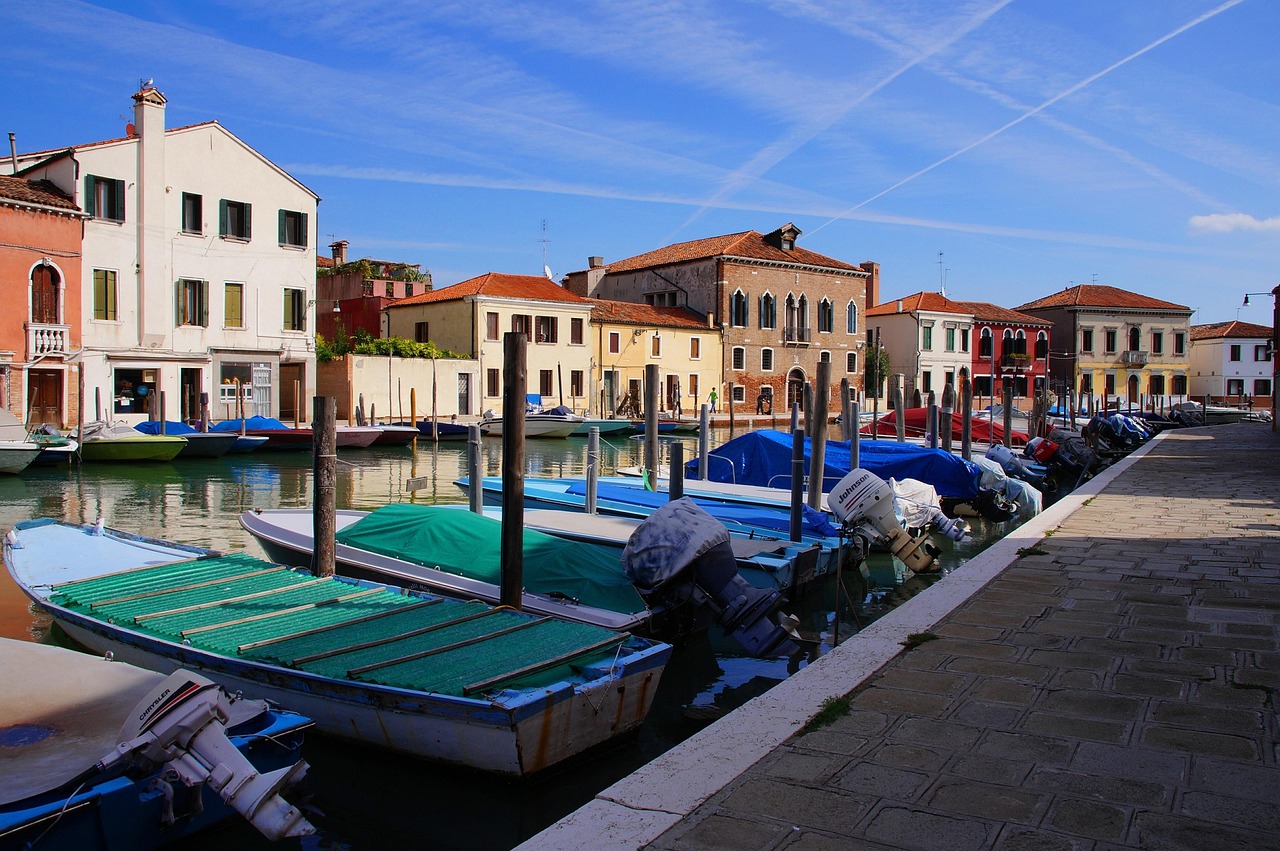
On arrival, orient yourself near Fondamenta dei Vetrai—a practical “spine” of the island where you’ll quickly sense the rhythm of studios and workshops. A simple first loop is enough to get your bearings: drift over one or two bridges, follow the canal-side walkway, then circle back towards the main shops when you’re ready. This isn’t about rushing; it’s about uncovering the island’s shape so the rest of the day feels effortless.
One of my favourite memories shared by an early riser is a dawn walk along a canal-side lane before shutters lift. The air felt freshly rinsed, and a local began talking—softly, proudly—about family glassmaking history. In that quiet moment, Murano didn’t feel like an excursion from Venice; it felt like a personal reset, designed by the morning itself.




The Island of Murano and the History of Murano history of murano glassmaking venice serenissima 1291
The Island of Murano and the History of Murano history of murano glassmaking venice serenissima 1291
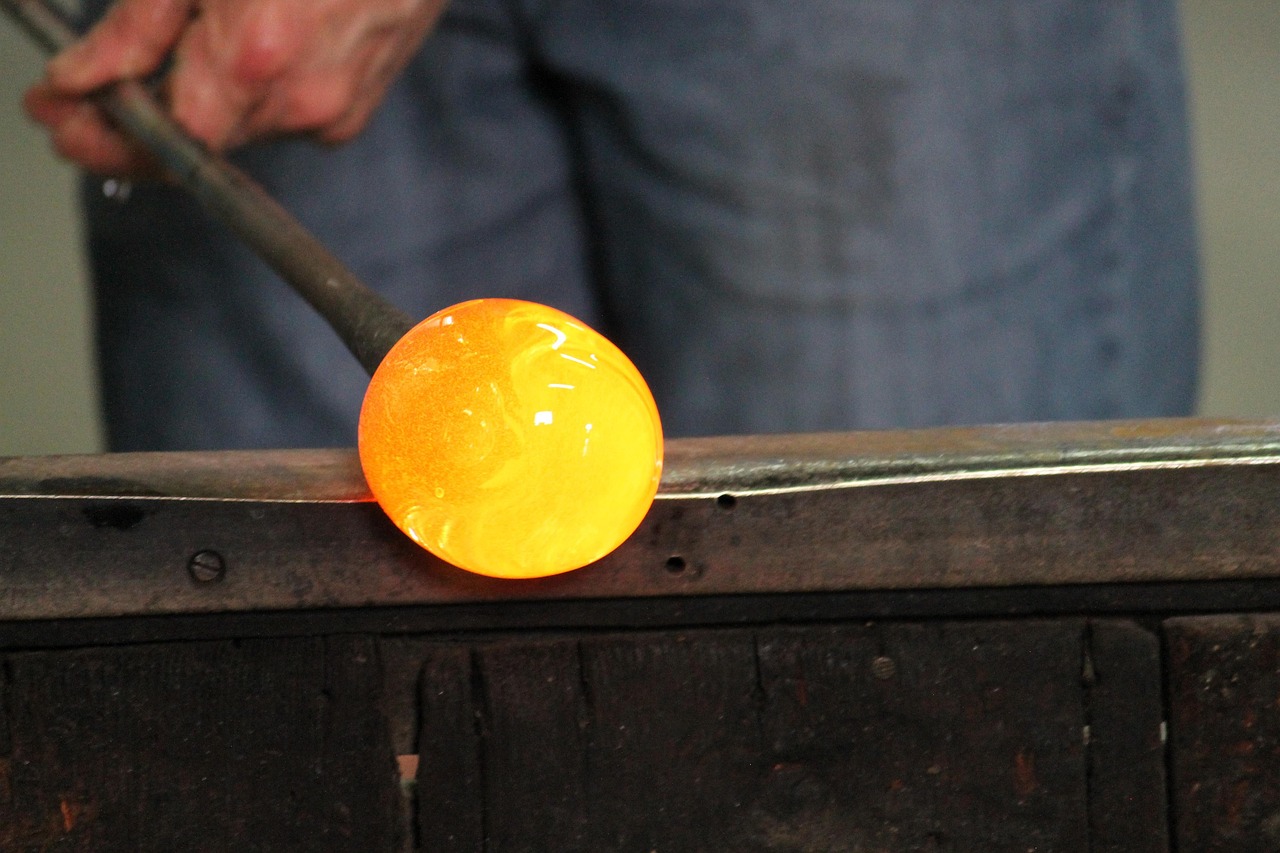
To appreciate Murano fully, it helps to know the history of murano glassmaking venice serenissima 1291—a turning point that shaped the identity of Venice as much as any palace or piazza. In 1291, the Serenissima ordered glass production to move to the island of Murano, largely to reduce fire risk in densely built Venetian buildings. The decision also concentrated skill, secrecy, and innovation in one place, creating an ecosystem where craft could evolve under protection.
Over centuries, master glassmakers refined techniques that travelled throughout Italy and far beyond. Glassmaking became both a guarded knowledge and a living art form—one that still breathes today, not behind velvet ropes, but in working studios where heat and timing matter as much as aesthetics. When you walk these streets, you’re not just looking at pretty objects; you’re stepping into a glass industry that continues to create, adapt, and endure.
Expert insight on Barovier and family workshops
As an expert note for design-minded travellers, names like Barovier are more than branding—they represent generations of workshops preserving craftsmanship, experimenting with colour, and setting standards for quality. Family studios kept methods alive through changing tastes, from Renaissance grandeur to modern minimalism. It’s a rare kind of continuity, and it’s one reason a trip to Murano feels culturally weighty without ever becoming heavy.
Maker energy for adventure seekers on the island of Murano
Adventure seekers often chase landscapes; Murano offers something different: “maker energy”. The island is a creative workplace where you can explore process, not just product—watching ideas become glasswork in real time. It’s a form of discovery that feels active, even if your only tool is attention.
Inside a Murano Glass Factory and Furnace Experience murano glass factory tour glass factories furnace
Inside a Murano Glass Factory and Furnace Experience murano glass factory tour glass factories furnace
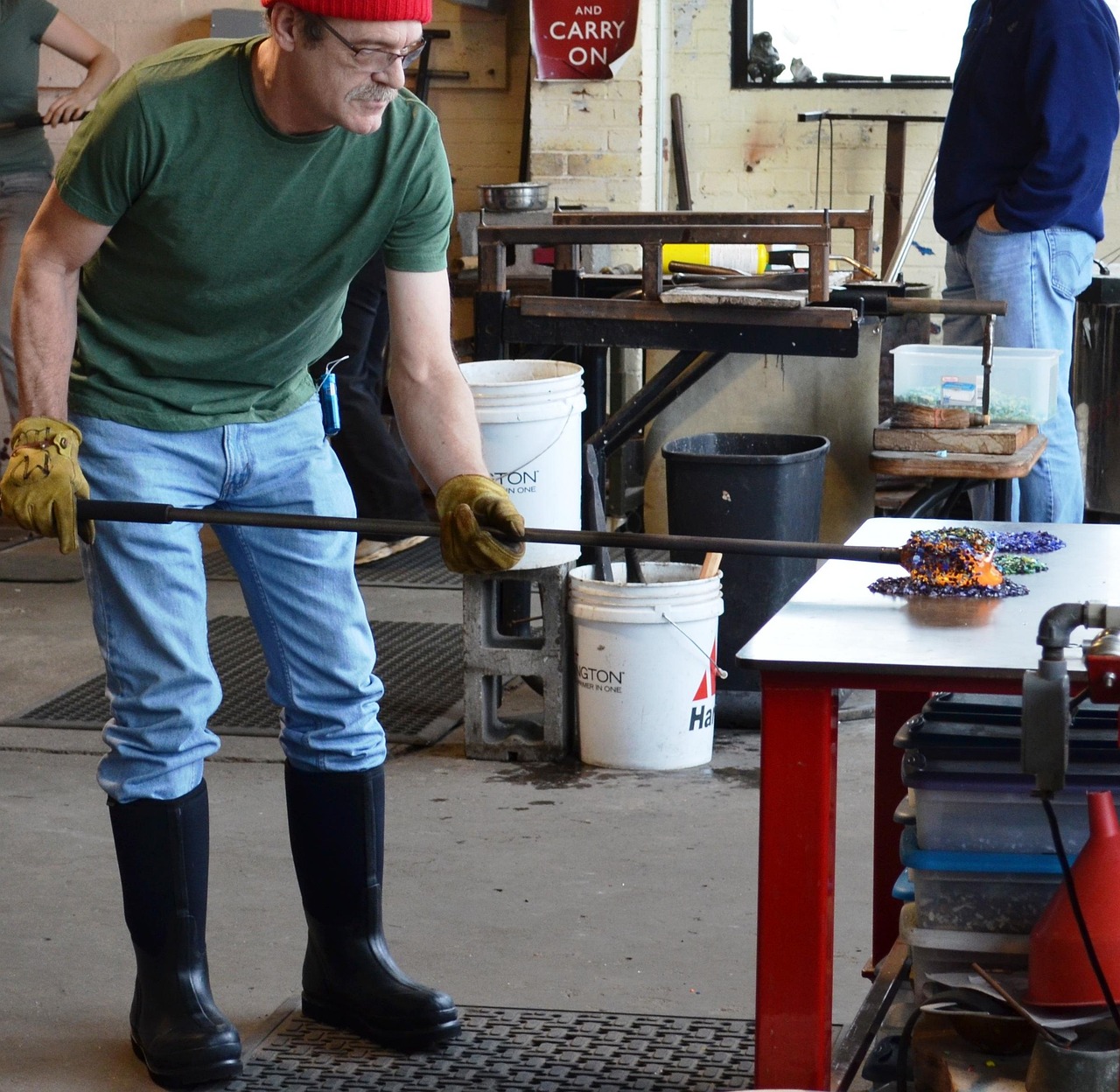
For many, the heart of the day is a murano glass factory tour glass factories furnace glass making venice experience—watching the craft at full temperature, where seconds matter. Book ahead in peak months, especially if you want a smaller group or a workshop. The best demonstrations balance theatre with truth: a working space, a clear explanation, and time to ask respectful questions.
At the furnace, the glassmaking process unfolds in a sequence that’s both ancient and thrilling: a gather of molten material, a turn on the blowpipe, a controlled breath, then shaping and cutting as the form emerges. You’ll see blown glass become something recognisable—often a simple form first, refined into elegance through patience and speed.
Workshop etiquette with care for the glassmaker
Studios vary: some allow photography, some don’t, and a few limit it near heat or delicate work. If you’re unsure, ask with warmth and trust—“Is it alright if I take a photo?” goes a long way. This care supports makers’ focus and protects intellectual design, especially where signature patterns are being crafted.
- Ask before filming or photographing; follow staff guidance immediately.
- Stand where you’re directed—heat and tools can be hazardous.
- Keep voices low; artisans are timing their movements precisely.
Create with confidence in a glass-making workshop
If you choose a beginner workshop, expect a supportive structure: demonstrations first, then hands-on time with constant supervision. You might craft a small bead, a paperweight, or a simple shape—nothing overly ambitious, but deeply personal. Staff keep things safe and encouraging, so you can create without fear, even if it’s your first time near a working studio.
A traveller once described the moment a glassblower shaped a glowing vase—orange-white, almost alive—into a finished masterpiece with a few decisive turns. That memory stayed vivid long after Venice faded into the distance, because it wasn’t just beautiful; it was human skill made visible.
Murano Glass Museum for Artistry and Insight murano glass museum museo del vetro venice italy
Murano Glass Museum for Artistry and Insight murano glass museum museo del vetro venice italy
For a calmer, more reflective window into the craft, plan time for the murano glass museum glass museum museo del vetro venice italy. Tickets are typically affordable, with discounts for students and seniors, and a visit often takes 60–90 minutes—longer if you like to linger with details. It sits within Murano’s walkable core, so you can fold it into your day without any stress.
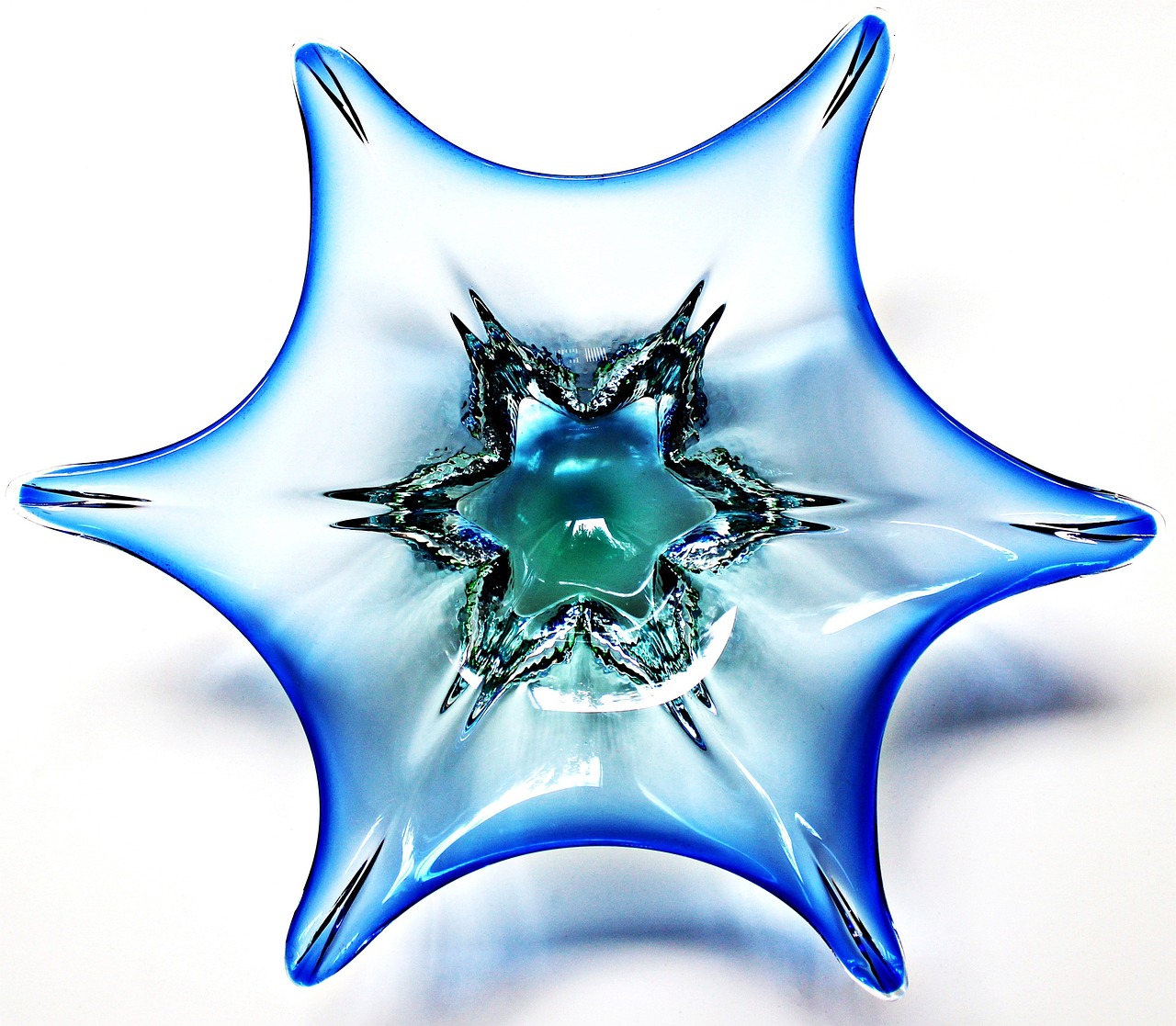
In the murano glass museum (often referred to locally as the museo), you move through rooms that chart both technical evolution and shifting design taste. You’ll notice how centuries-old techniques echo into modern forms, and how colour and clarity became signatures. The setting itself feels fitting—an elegant palazzo atmosphere with a quiet gallery flow that encourages you to slow down.
Signature displays from historic technique to modern design
Rather than feeling like a textbook, the collection reads like a design conversation across time. For lovers of Venice’s wider art story, it’s easy to connect the glass world to the city’s visual culture—think of colour and drama you might associate with Paolo Veronese, or the luminous sensitivity you may recall from Giovanni Bellini. Murano’s objects are different, but the instinct for light is shared.
How museum insight strengthens your shopping choices
This is where “looking” becomes insight. Once you’ve seen museum-quality standards, it’s easier to recognise thoughtful finishing, balanced form, and intentional colour in contemporary pieces. Later, when you browse, you’ll shop with more confidence—and that’s a luxury in itself.
Canals, Churches and Murano’s Local Heart murano island canals church of santa maria e san donato
Canals, Churches and Murano’s Local Heart murano island canals church of santa maria e san donato
To balance studios with stillness, give yourself a gentle route for murano island canals church of santa maria e san donato san pietro martire. Step away from the busiest storefronts, and you’ll find peaceful canals and small neighbourhood corners that feel more local. It’s a simple pleasure: a bridge, a turn, and suddenly the island sounds different—more water, fewer footsteps.
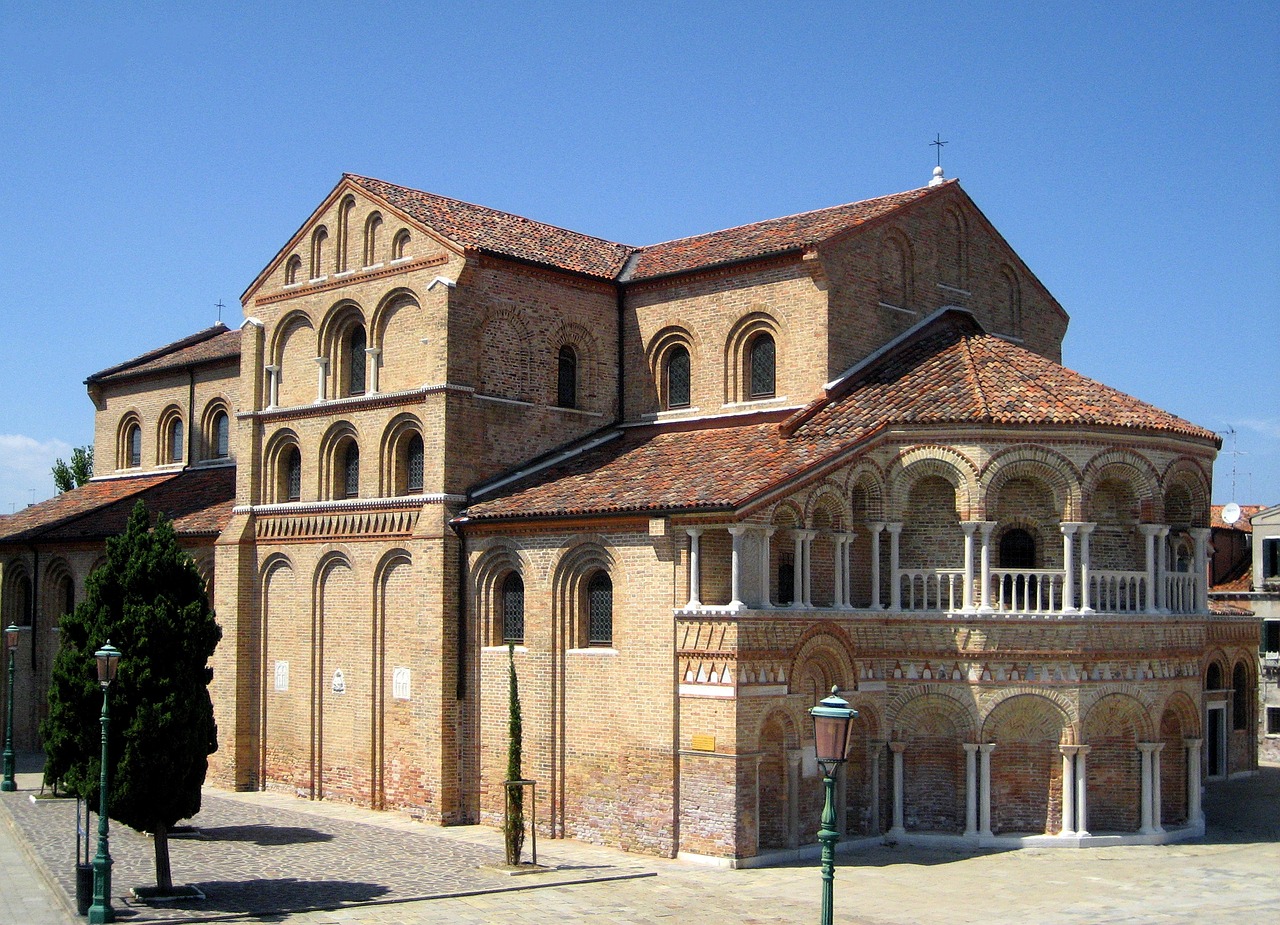
Start near the main walkway, then drift towards quieter lanes until you reach the Church of Santa Maria e San Donato. The approach is unshowy, but the reward is real: a distinctly venetian-byzantine atmosphere where proportion and texture speak softly. Inside, the mosaic work has a gravity that makes you pause, even if you’re usually the “keep moving” type.
Santi Maria e Donato and the 12th century layers
The church is often referred to as santi maria e donato, and it carries roots reaching back to the 12th century (you may also see it described as 12th-century in guides). This is the church of san donato, associated with Saint Donatus, and it holds onto that older Venice feeling—before the city’s later gloss. It’s also a quiet reminder that sacred art and everyday labour have always lived side by side in Venice.
A brief time-layer note: as Murano’s wealth grew alongside Venice’s maritime power, the island’s church life expanded too, especially in the 13th century. You can sense it in the confidence of the architecture—an island investing in more than commerce.
Church of San Pietro Martire and respectful visiting
For a quieter stop, add the church of san pietro martire—often simply “Pietro” in conversation. It’s less visited, which is exactly why it can feel so restorative. Dress modestly, keep voices low, and treat it as a space of care rather than a checklist. In Venice, these small gestures matter; they’re a way to support local life together, not just consume it.
- Carry a light scarf for shoulders in churches.
- Pause for a minute before photos; read the room and signage.
- Enjoy the picturesque bridges without blocking them—locals are commuting.
Authentic Murano Glass Shopping with Trust buy authentic murano glass jewellery certificate of authenticity
Authentic Murano Glass Shopping with Trust buy authentic murano glass jewellery certificate of authenticity
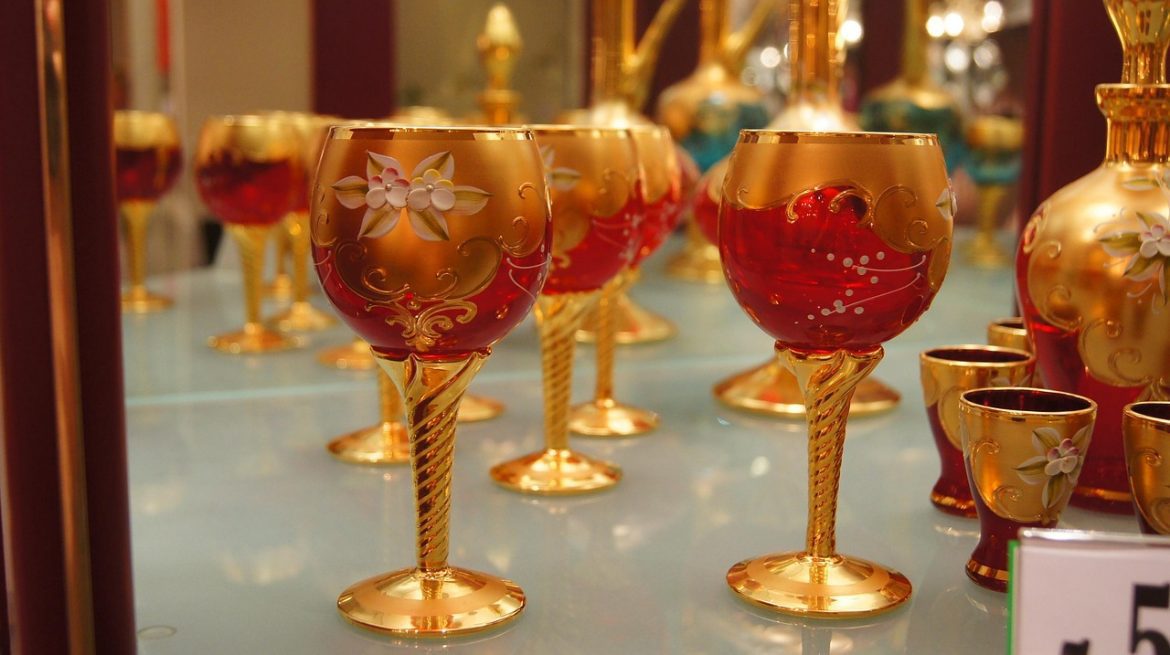
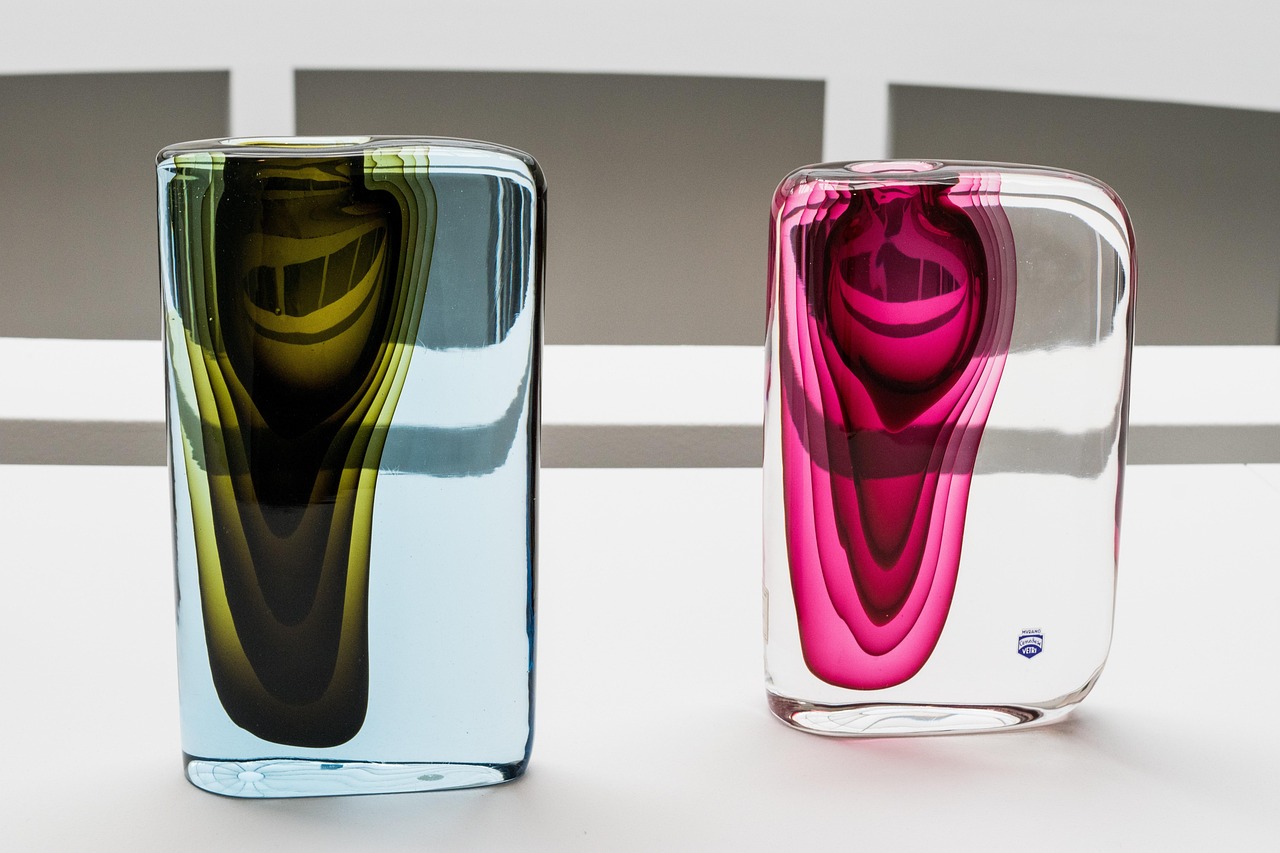
Shopping here can feel like treasure-hunting, but it’s wise to approach it with the steady confidence of buy authentic murano glass jewellery certificate of authenticity venice italy in mind. Murano has its share of tourist traps, especially around busy routes where “Made on Murano” may be loosely used. Whenever possible, buy directly from authorised studios and ask for a certificate of authenticity—not as a confrontation, but as a normal, trusted part of the process.
High-quality pieces usually show care in the finish: clean joins, balanced weight, intentional colour, and design that looks considered from every angle. If you’re browsing glass shops, slow down. The right piece will often feel “inevitable”—as if it was waiting for you, not pushed at you.
Questions that build trust and reveal craftsmanship
These gentle questions tend to open doors without pressure, and they signal respect for the artisan:
- “Was this crafted here on Murano, or elsewhere?”
- “Who designed it, and can you share the technique?”
- “Is there documentation or a studio mark I should keep?”
Listen for clarity and pride. A good studio can explain process without defensiveness, and they’ll welcome genuine curiosity.
A personal custom pendant and a lasting connection
One visitor told me commissioning a custom-made pendant became the most personal part of their Venice stay. They chose colours that echoed the lagoon at dusk, then watched as the piece was shaped and cooled—like designing a small fragment of the island to carry home. It wasn’t just “souvenir”; it was memory, crafted into something wearable, and it made the heritage feel intimate.
If you’re choosing between many beautiful options, consider a “support together” approach: pick one or two meaningful pieces rather than rushing through quantity. Thoughtful buying is a form of care for local makers—and it keeps the story honest.
Burano and Torcello Day Trip from Venice burano and torcello day trip islands of venice
Burano and Torcello Day Trip from Venice burano and torcello day trip islands of venice
If you want your burano and torcello day trip venice islands of venice visit to the islands to feel spacious rather than hectic, think in three gentle chapters: craft, colour, and quiet history. Murano sits a few km north of Venice, making it easy to pair with Burano and Torcello as a single day trip—without losing the sense of ease that makes Venice so rewarding.
A seamless sequence many travellers love is morning Murano (studio or museum), midday Burano (lunch and walks), and late Torcello (a slower cultural anchor). Vaporetto connections are straightforward, and the movement between small islands keeps your senses awake—water, sky, and shifting light—while your body gets a break from constant walking.
Burano and Torcello sequencing that feels calm
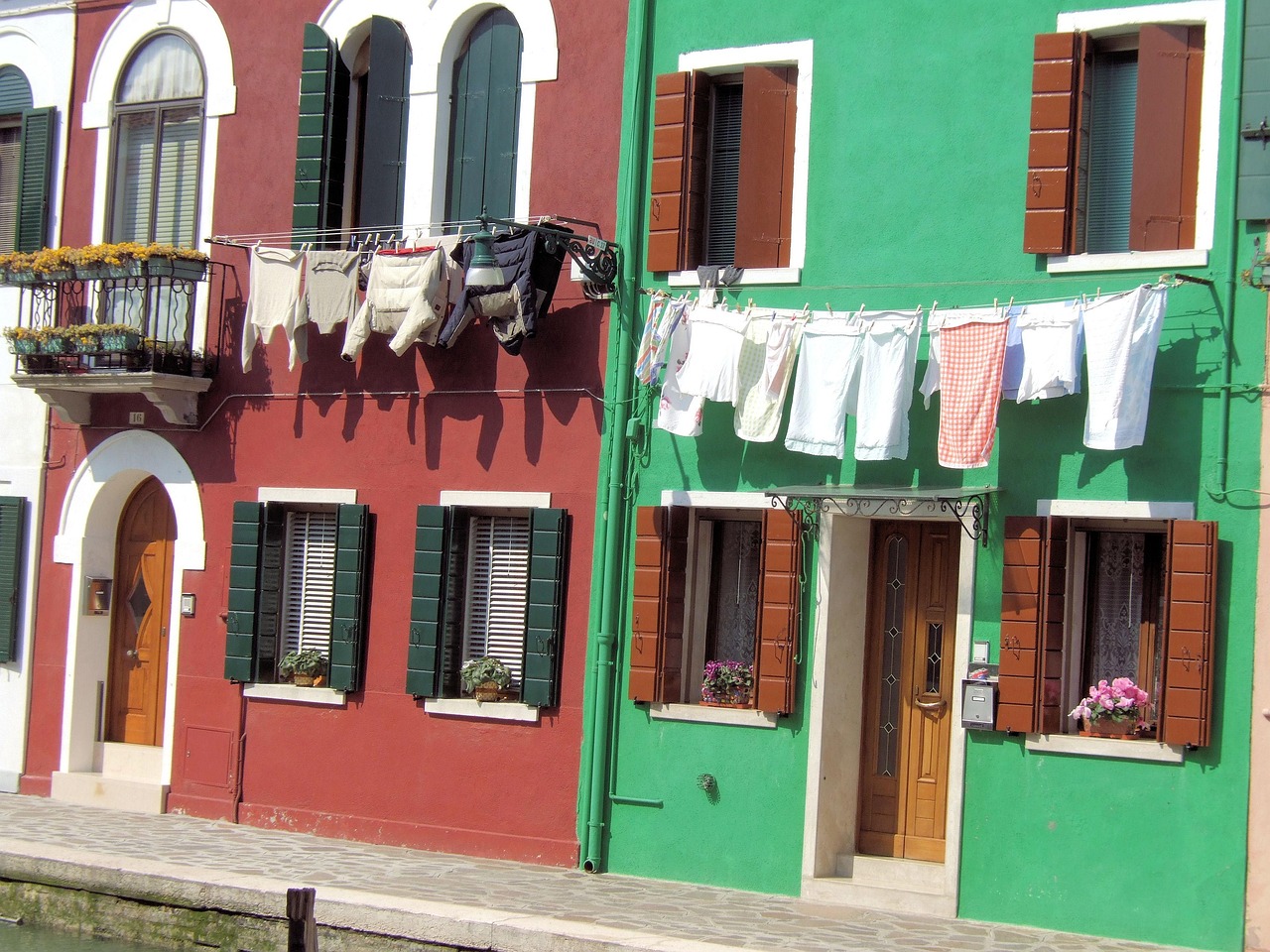
Burano’s colour is joyfully direct—bright houses, calm waters, and a sense of daily life continuing alongside visitors. Torcello, by contrast, is quieter, with a more elemental mood. For Torcello, consider the church of santa fosca as a cultural anchor; it gives your afternoon a clear purpose beyond wandering.
If you enjoy context, a guided tour can add local stories that deepen the visit to the islands—details you might otherwise miss, like how communities adapted to the lagoon over centuries. For inspiration on designing a broader Italian journey that still feels personal, you can browse our Trip gallery when you’re back from the water.
Travel tips for pace, shoes, and bookings
- Best seasons: spring and early autumn for comfortable weather and lighter crowds.
- Footwear: comfortable shoes for cobblestones, bridges, and long waterfront stretches.
- Bookings: reserve demonstrations or workshops in peak months to secure your preferred time.
- Wellbeing: build in pauses—espresso, shade, and sitting by the water counts as exploring.
What Murano Leaves With You murano island venice italy reflections on glassmaking
Long after murano island venice italy reflections on glassmaking turn into ordinary days again, it’s the glow you remember—not just the colour of molten material, but the way time behaved around it. Fire demands patience. Breath demands steadiness. And in a world that often rewards speed, Murano quietly suggests another kind of confidence: the confidence to do one thing well, and to let it take the time it needs.
There’s also the island’s mood, held in small moments: morning stillness before voices rise, the soft sound of water in a canal, and that brief warmth when a local shares a story as if you’re already part of the place. Venice can feel theatrical at times—its facades, its reflections, its clock tower glimpsed between routes—but Murano feels like the backstage where the real work happens, calmly and without fuss.
Perhaps that’s the gift you carry home: a renewed respect for what is crafted rather than rushed, and a gentler relationship with desire—choosing with trust, looking with care, and noticing the hands behind beauty. And if you ever return to Venice, you may find yourself listening for it again: that faint, human rhythm of making, somewhere across the water, still calling without calling.
F.A.Qs: Murano Island Venice Italy
Is it worth visiting Murano Island?
Yes—especially if you value living craft. Murano offers a rare chance to see artistry in motion, from studio demonstrations to the museum context, plus peaceful walks beyond the busiest streets. It feels close to Venice yet distinct, with a creative energy that makes the visit memorable even in a short window.
How long is the ferry ride from Venice to Murano?
On most vaporetto routes, the ride takes around 10–15 minutes, depending on your departure stop and line. Fondamente Nove is often the simplest option, while San Zaccaria can work well if you’re near St Mark’s. Allow extra time for waiting and boarding in busy periods.
Can you walk around Murano Island?
Absolutely. Murano is compact and enjoyable on foot, with bridges, lanes, and waterfront paths that link studios, churches, and quieter residential pockets. Wear comfortable shoes for cobblestones and steps, and consider an early walk if you’d like a more local, unhurried feel.
What is Murano Island famous for?
Murano is famous for glassmaking—especially the skilled techniques developed and protected over centuries. Visitors come to watch artisans work at the furnace, explore the museum collections, and shop for authentic pieces such as jewellery, decorative objects, and contemporary design. It’s a cornerstone of Venice’s creative heritage.