Post Contents
- Bargello Museum in Florence, why this stop feels like a secret win for an intimate museum experience
- From fortress to Museo Nazionale del Bargello, the history of the building in Florence, Italy.
- Renaissance sculpture icons at the Bargello Museum include Donatello’s David, Michelangelo’s Bacchus, and Verrocchio’s works.
- Beyond statues at the Bargello National Museum include decorative arts, armour, ceramics, textiles in Italy.
- Plan a visit to the Museo Nazionale Florence Italy, including tickets, opening hours, and first Sunday access.
- Create your Bargello Florence walking route through palazzo, piazza, Italy loop.
- F.A.Qs: Bargello Museum, Italy, planning essentials
- What stayed with me after the Bargello in Italy and a reflective museum experience in Florence
Bargello Museum in Florence, why this stop feels like a secret win for an intimate museum experience
Bargello Museum in Florence, why this stop feels like a secret win in a quieter palace
If you’re craving an intimate museum experience in Florence, Italy, the Bargello is a beautifully strategic choice. It’s not a large museum where you’re swept along by the current; it’s a place to explore with space to breathe, where your attention can land on a single shoulder line, a bronze sheen, or a carved curl of hair and stay there.
The mood is part of the magic. You move through quiet rooms and stone corridors, and each threshold feels like you’re uncovering Florence one layer deeper—less performance, more presence. For adventure seekers, that sense of discovery is its own reward: you’re still travelling boldly, just at a human pace.
Florence without the rush and the confidence to linger
Travellers often tell us the Bargello offers a more personal connection to great names because you’re not fighting for a view. The calm is reassuring: you can step closer, read a label twice, imagine the hands that worked the marble, and trust your own response. The experience feels crafted for reflective attention rather than quick consumption.
A designer promise for a seamless cultural reset
Think of the Bargello Museum as a cultural reset between busier sights—an expert-curated pause that helps your day feel balanced. It’s easy to design into a morning of big-ticket icons, then return to the city with fresh eyes and quiet confidence.




From fortress to Museo Nazionale del Bargello, the history of the building in Florence, Italy.
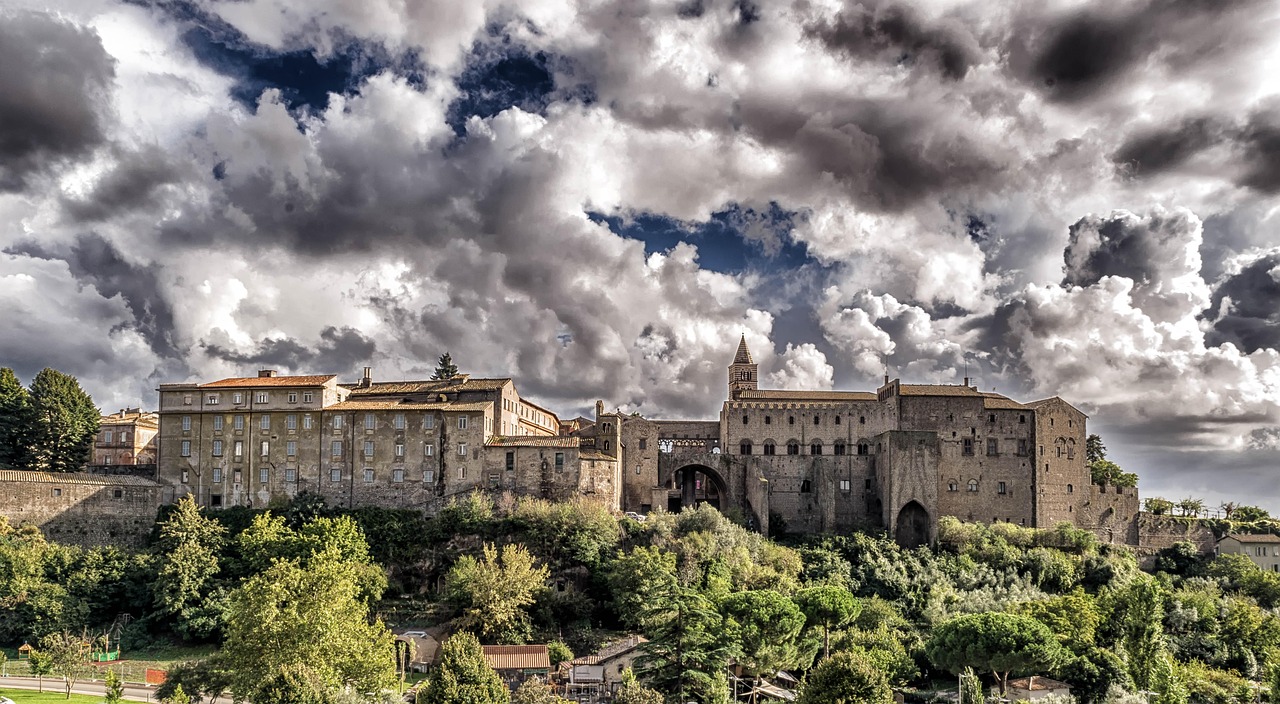
From the fortress to the Museo Nazionale del Bargello, the building story in Florence
The Museo Nazionale del Bargello, the building’s history in Florence, Italy, is one reason the atmosphere feels so charged. Begun in 1255, the palace became the headquarters of the Capitano del Popolo—the captain of the people—and its role in justice and power shaped the stones you walk on today.
Over time, a series of alterations and additions changed the building’s shape, but not its intensity. It was later converted into a prison and used as a prison, and you can sense that darker chapter in the heavy corridors and sober stairwells. This is Florence telling the truth about itself: splendour and severity, side by side.
Courtyard details that change how you see del Bargello
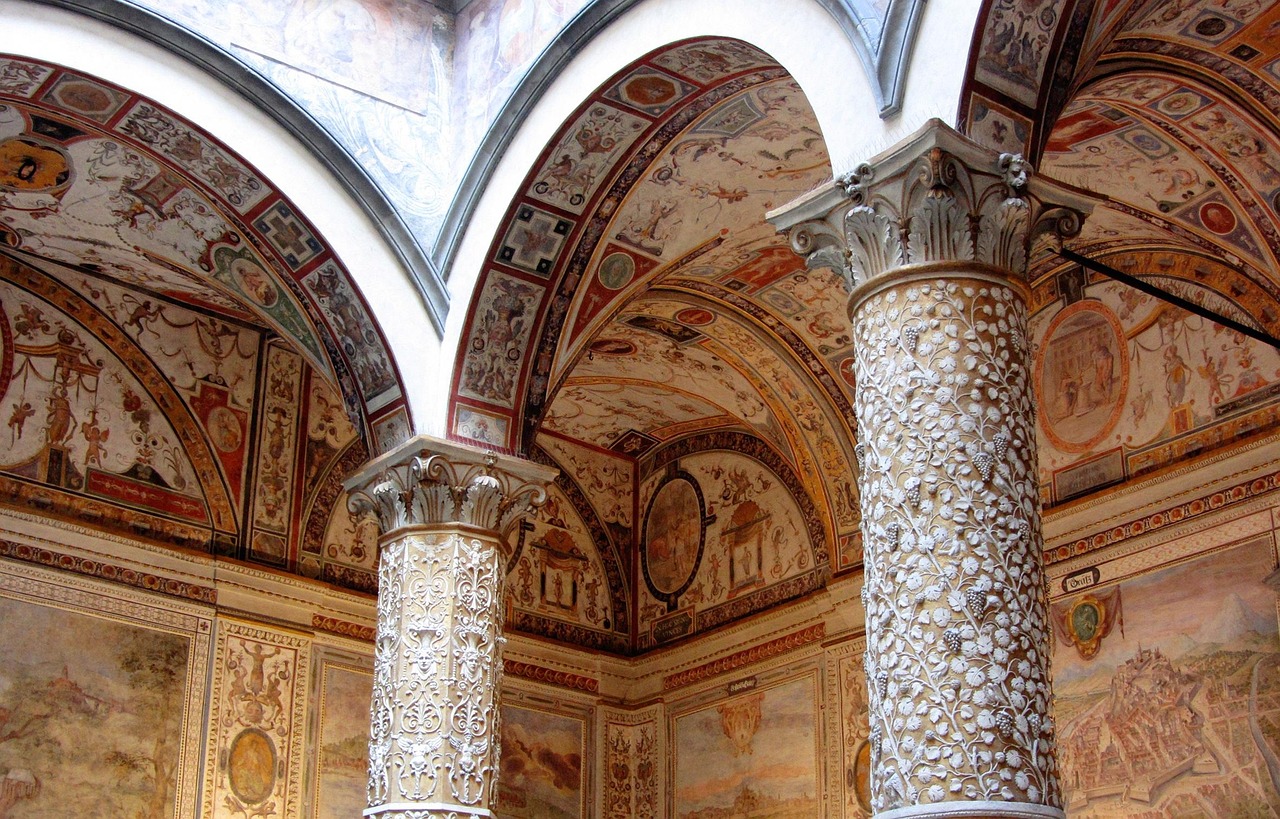
Pause in the courtyard before you rush inside. Look up at the walls of the courtyard and the coats of arms—they’re not decoration so much as civic memory, a visual record of who held authority. The loggia frames the space with quiet elegance, and the uneven stone floors add to the authenticity (comfortable shoes are your best support here).
Inside, the Chapel is an unexpected gift: the Chapel of Mary Magdalene holds frescoes where you may spot a portrait of Dante. Seeing Dante in this setting—so bound to law, politics, and the 14th century—is an insight that links art directly to lived history.
Oldest public claims and the first national shift
You may see wording on-site that the Bargello is the oldest public building in Florence. It also carries the story of becoming a museum: it opened in 1865, often described as Italy’s first national museum in spirit and ambition. Let the signage guide the precise phrasing, but hold the bigger point: here, power’s architecture was repurposed to protect culture.
Take an “insight pause” as you move through del Bargello: imagine verdicts once delivered where you now admire art, and notice how justice, patronage, and beauty overlap in the same rooms.
Renaissance sculpture icons at the Bargello Museum include Donatello’s David, Michelangelo’s Bacchus, and Verrocchio’s works.
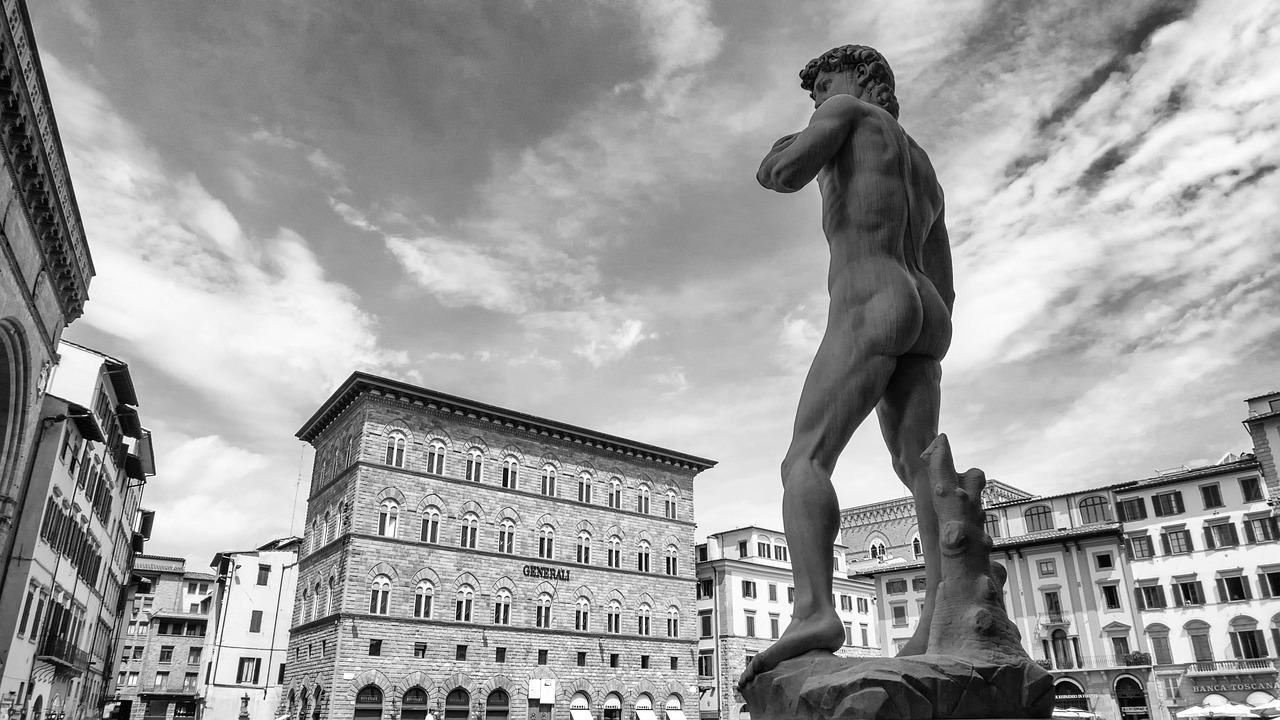
Renaissance sculpture icons Donatello, Michelangelo and Verrocchio at the Bargello
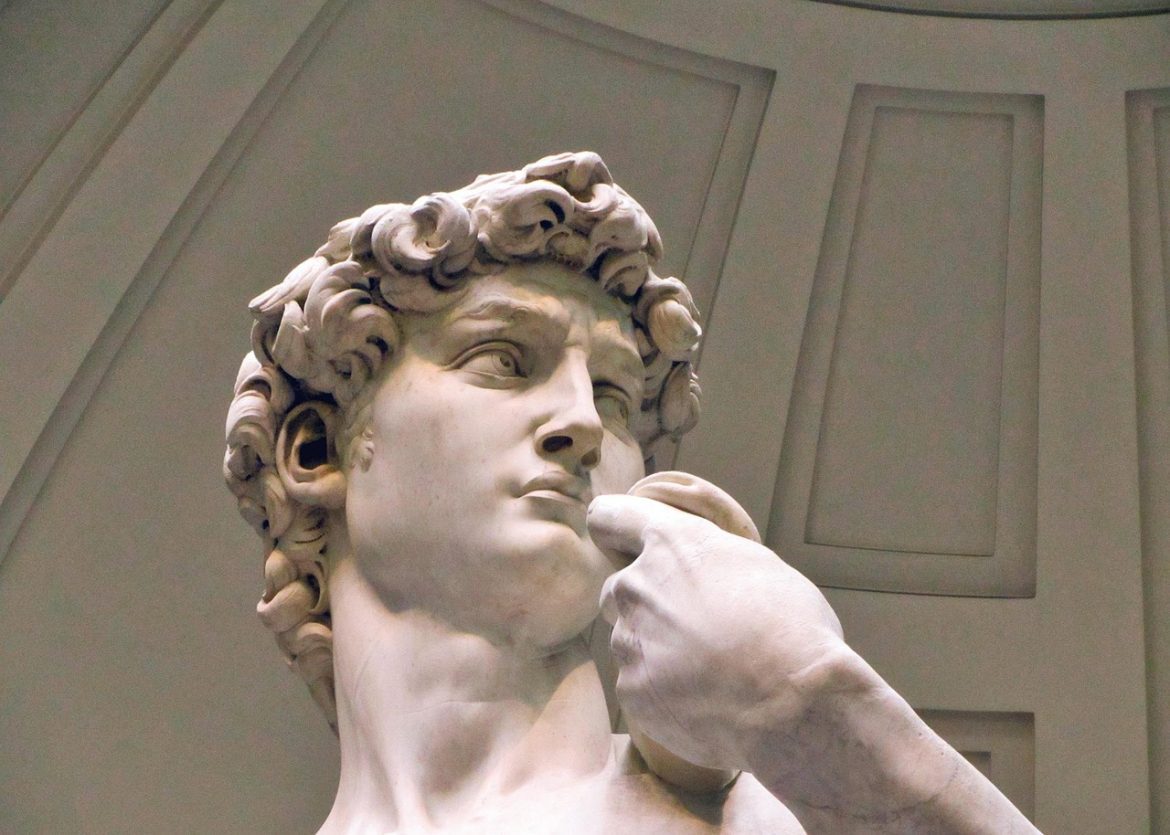
For many guests, the National Museum of Bargello, Donatello, David, Michelangelo, Bacchus, Verrocchio combination is the reason they come—and the reason they leave a little changed. The Bargello is housed in a palace that makes the collection of sculpture feel immediate, not distant, bringing you into the world of Italian Renaissance sculpture with startling closeness.
Must-see flow for Italian Renaissance sculpture
To create a calm route, begin with the headline rooms first, then circle back for details. If you’re unsure where to start, ask staff which galleries are quietest—support like that can transform your pace.
- First stop: Donatello’s rooms—see Donatello at his most inventive, including works by Donatello and the famed Donatello David.
- Second stop: Michelangelo—make space for Bacchus, a masterpiece that rewards slow looking.
- Third stop: Verrocchio—for the precision and tension that shaped Florentine training lines.
As you walk, look for material clues. Marble catches light softly; bronze carries a darker confidence. This is Renaissance sculpture as craft, risk, and ambition—alive in the marks left behind.
Michelangelo Bacchus up close and why it hits so hard
Visitors often describe the awe of meeting Michelangelo’s Bacchus for the first time. The scale surprises you—human, not monumental—and the posture feels slightly off-balance, as if the god might sway into your space. That is the emotional hit: history isn’t behind a barrier of grandeur; it’s near enough to feel personal.
On navigation: many travellers find it easiest to orient by floors—some key sculpture galleries sit on the ground floor, while others reward a slower climb to the first floor. If you’re pacing yourself, take breaks in the courtyard between levels; it’s a simple act of care that keeps the visit enjoyable.
For deeper authority, keep an eye out for Giambologna and Cellini—and notice how the 15th century gives way to the 16th, with more theatrical movement. Seeing Giambologna after Donatello can feel like watching Florence change its voice.
Beyond statues at the Bargello National Museum include decorative arts, armour, ceramics, textiles in Italy.

Beyond the statues and decorative arts at the Bargello Museum in Florence
Make time for the Bargello National Museum, decorative arts, armour, ceramics, textiles, and Italy surprises. The museum also rewards curiosity beyond sculpture, with rooms where exquisite objects reveal how Florentines signalled identity, loyalty, and taste in daily life—sometimes more vividly than a grand statue ever could.
Look for majolica ceramics with jewel-like glaze, intricate enamel work, and fragments of ancient textiles that remind you how luxury once moved through hands, not shop windows. There are moments where you can trace influences that feel Roman and Byzantine in spirit, then watch them become unmistakably Florentine.
A treasure-hunt mindset for artwork and patronage
Try exploring these rooms as a gentle treasure hunt. Search for bronze animals, then spot a single seal impression preserved in wax—small clues to who commissioned what, and why. Even armour becomes a kind of portrait: protective, performative, and designed for public life.
With restraint, it’s worth holding the Medici context in mind. The Medici family shaped taste in Florence, and you’ll feel their shadow in what was collected, copied, and celebrated. If you’re planning ahead, tuck away the idea of a later detour to the Medici villa of Castello—even its grotto continues the same story of display and delight.
A quiet moment at sunset
One adventurer told us about wandering the atmospheric halls of the Bargello at sunset, feeling transported into Renaissance Florence. In that light, details soften, and you realise the museum showcases the most important collection not just of sculpture, but of applied arts that reveal real lives behind the myths.
If you have the attention for it, seek out glazed works linked to della Robbia—and if you see it labelled, note Luca della Robbia specifically. The craft is precise, yet quietly human, and it keeps you looking longer than you expected.
Plan a visit to the Museo Nazionale Florence Italy, including tickets, opening hours, and first Sunday access.
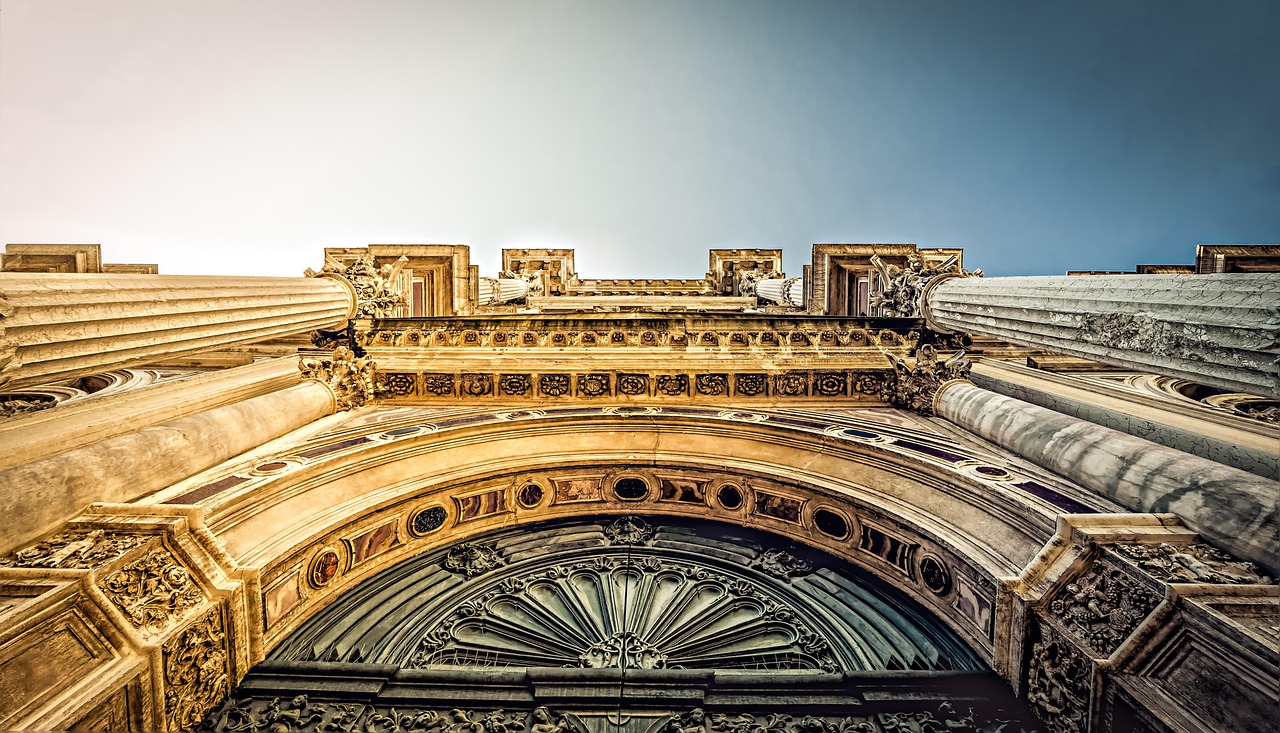
Design seamless visit tickets and respectful habits at Museo Nazionale del Bargello
Your practical anchor is the Museo Nazionale di Firenze, Italy, ticket opening hours, and the first Sunday rhythm. Visit early in the morning or late in the afternoon to avoid crowds and keep the experience intimate. Opening hours can vary seasonally, so check in advance and build a little flexibility into your day—nothing disrupts confidence like arriving at a closed door.
Ticket value and the Musei del Bargello question
Entry costs are typically around 8 euros for adults, with discounts for EU residents under 25 and free admission on the first Sunday of each month. Ask at the desk about a combo ticket if available for related sites under the Musei del Bargello umbrella—this can be a smart, seamless way to extend your cultural day without adding stress.
Respectful habits and supportive pacing
Photography without flash is usually allowed, but the atmosphere here is quiet—soft voices and unhurried steps help everyone feel held by the space. Avoid touching artworks, and take extra care on uneven floors. If stairs are a concern, plan shorter loops with breaks in the courtyard; thoughtful pacing is genuine support, not compromise.
Micro-itinerary designer tip:
- 45 minutes: head straight to Michelangelo’s Bacchus, then one Donatello highlight, then a final pause in the courtyard.
- 2 hours: add Andrea del Verrocchio, then wander into armour, ceramics, and ivory for a broader view of Florence’s craft.
Create your Bargello Florence walking route through palazzo, piazza, Italy loop.
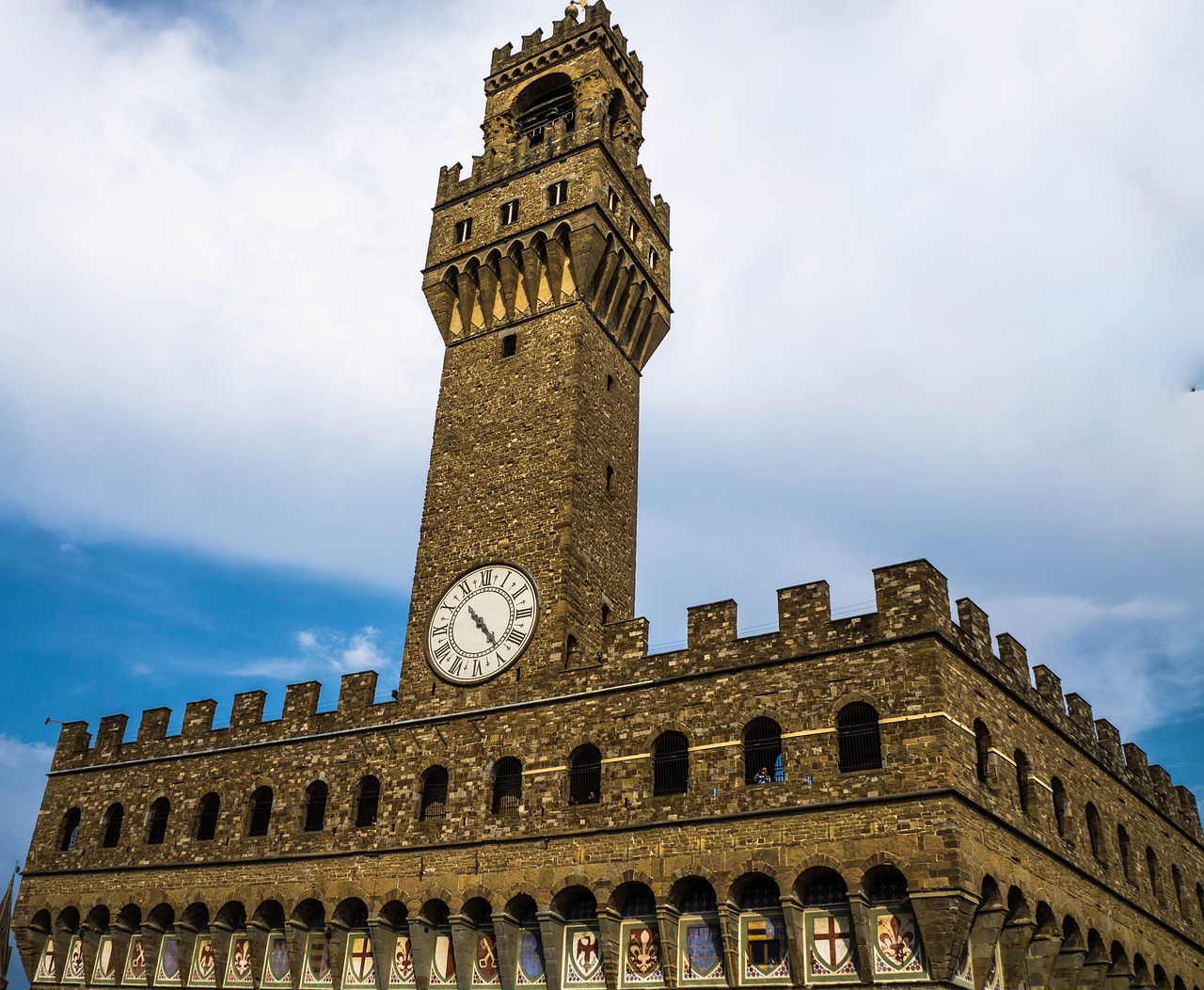
Create your Florence loop around the Bargello Palace with piazza and palazzo views
To keep your day coherent, try a bargello in Florence walking route, Palazzo Piazza, Italy, a loop that links civic power to artistic genius. Start at the Bargello Palace, then stroll to Piazza della Signoria, then on towards the Duomo (you’ll see signs for del Duomo as you near the cathedral complex). The walk is easy, central, and wonderfully scenic—Florence does the guiding for you.
A story thread from justice to patronage in Florence
Here’s the thread to hold: this city loved competition, and it shaped everything. Think of Lorenzo and the Medici as patrons, and Lorenzo the Magnificent as a tastemaker who turned art into influence. Then jump back to 1401, when the famous competition drew Ghiberti and Filippo Brunelleschi into the same arena—Lorenzo Ghiberti and Filippo Brunelleschi embody Florence’s restless, creative nerve.
After intense sculpture rooms, step back into the courtyard for air and light. Consider journalling a single detail—folded drapery, a clenched toe, a bronze edge. This is how you create memory on purpose, without turning your day into a checklist.
Where to slow down for golden light and local craft
Time your loop for late afternoon, and you’ll catch golden light on stone and banners, echoing that sunset story inside the Bargello. Add one optional detour to spot local workshop culture—leather, marbled paper, or gold leaf—so the Florentine craft tradition stays connected to what you just saw in the museum cases.
If you’d like to browse more Italy inspiration together, here’s our Trip gallery for thoughtfully designed routes.
F.A.Qs: Bargello Museum, Italy, planning essentials
Is the Bargello Museum worth visiting?
Yes—especially if you want a quieter, more personal encounter with Renaissance art in Florence. The Bargello rewards slow looking with Donatello highlights and Michelangelo’s Bacchus, all inside an atmospheric former civic palace that feels far less crowded than bigger museums.
What are the five Bargello museums?
The “Musei del Bargello” network groups several Florence-area sites under one umbrella. The five commonly referenced museums include the Museo Nazionale del Bargello and four related venues, which may vary depending on the current administration and ticketing—check the official list when you book.
What is the Bargello Museum famous for?
The Bargello is famous for its Renaissance sculpture collection, particularly works connected to Donatello and Michelangelo. Many visitors come to see Donatello’s David and Michelangelo’s Bacchus up close, alongside important pieces by Verrocchio and later masters.
How long does it take to see the Bargello Museum?
Allow about 45 minutes for a focused highlights visit, or about 2 hours for a more complete experience that includes decorative arts such as ceramics, armour, textiles, and smaller objects. The museum’s intimate scale makes it easy to tailor the pace.
What stayed with me after the Bargello in Italy and a reflective museum experience in Florence
The Bargello, Florence, Italy, reflective museum experience doesn’t announce itself loudly—it settles in. What stayed with me was the sensation of standing genuinely near history, where Michelangelo and Donatello feel startlingly present because the rooms are small enough to hold a human breath. Even the building’s past—the old court, the prison hush—makes the art feel earned, not merely displayed.
There’s an afterglow to leaving del Bargello: a calm confidence that you explored with care, and a quiet trust that slow travel can be as adventurous as fast travel. You carry details home like talismans—the echo of a courtyard step, the soft insistence of marble, the way a masterpiece can feel both distant in time and close in the body.
Imagine, weeks from now, recalling one line of carved drapery or one flash of bronze and realising it has made you more attentive—not just to Florence, but to time itself. If a city can teach you to notice rather than chase, what else might become visible the next time you walk through silence?